预约演示
更新于:2026-10-20
Chlorotoxin
氯毒素
更新于:2026-10-20
概要
基本信息
非在研机构- |
权益机构- |
最高研发阶段临床前 |
首次获批日期- |
最高研发阶段(中国)- |
特殊审评孤儿药 (美国) |


登录后查看时间轴
结构/序列
Sequence Code 56627

来源: *****
关联
1
项与 氯毒素 相关的临床试验NCT00591058
A Phase I Dose Escalation Study Evaluating the Safety and Biologically Active Dose of TM-601 Based on Perfusion MRI Imaging Criteria in Patients With Progressive and/or Recurrent Malignant Glioma
100 项与 氯毒素 相关的临床结果
登录后查看更多信息
100 项与 氯毒素 相关的转化医学
登录后查看更多信息
100 项与 氯毒素 相关的专利(医药)
登录后查看更多信息
74
项与 氯毒素 相关的文献(医药)2026-07-01iScience
Chlorotoxin suppresses melanoma vasculogenic mimicry via LINC01235/miR-128-3p/YY1/ VEGFR2/NRP1 axis
Article
作者: Ma, Teng ; Zhu, Ke ; Yang, Aodan ; Zhang, Lu ; Zhu, Baicheng ; Wang, Shengzhi ; Li, Chao ; Li, Zhaoliang ; Zhou, Xinxin
Vasculogenic mimicry (VM), a process of vascular-like channel formation for nutrient acquisition, drives melanoma metastasis and poor prognosis. We demonstrate that Chlorotoxin (CTX) effectively targets VM in melanoma. In A375 and A2058 cells, CTX dose-dependently inhibits proliferation with IC50 values of 1.0 and 0.8 μM, respectively. Furthermore, sub-lethal CTX (0.4 μM) impairs cell migration and VM tube formation while downregulating VM regulators VEGFR2 and NRP1. Mechanistically, CTX suppresses the long non-coding RNA LINC01235, a competing endogenous RNA that sponges miR-128-3p. CTX-induced downregulation of LINC01235 frees miR-128-3p to target and suppress the transcription factor YY1. This reduction in YY1 diminishes its binding to the VEGFR2 promoter, ultimately decreasing VEGFR2 and NRP1 transcription. Rescue assays confirm that LINC01235 overexpression restores VM capacity. By defining the LINC01235/miR-128-3p/YY1/VEGFR2/NRP1 signaling axis disrupted by CTX, these findings establish the mechanistic basis for CTX as a promising therapeutic agent against aggressive, VM-competent melanoma.
2025-08-01Cell Reports Medicine
Chlorotoxin-directed CAR T cell therapy for recurrent glioblastoma: Interim clinical experience demonstrating feasibility and safety
Article
作者: Forman, Stephen J ; Arvanitis, Leonidas ; Brown, Christine E ; Wagner, Jamie R ; Kong, Yuthana ; Ressler, Julie A ; Hibbard, Jonathan ; Starr, Renate ; Wang, Dongrui ; Badie, Behnam ; Paul, Jinny ; Kilpatrick, Julie ; Stiller, Tracy ; Aftabizadeh, Maryam ; Blanchard, M Suzette ; Manchanda, Mishika ; D'Apuzzo, Massimo ; Barish, Michael E ; Ostberg, Julie R ; Aguilar, Brenda
A challenge in treating glioblastoma (GBM) is its phenotypic heterogeneity between patients and within tumors. Chlorotoxin (CLTX), a peptide from scorpion venom, broadly binds glioma cells through a mechanism involving surface matrix metalloproteinase-2 (MMP-2). We previously developed chimeric antigen receptor (CAR) T cells incorporating CLTX as the GBM recognition domain. Here, we report interim clinical experience of a phase 1 trial evaluating intracavity/intratumoral (ICT) delivery of CLTX-CAR T cells in four patients with MMP-2-expressing recurrent GBM (NCT04214392), with the primary objectives of feasibility and safety. The therapy is well tolerated with no dose-limiting toxicities. Three of the four participants (75%) exhibit a best response of stable disease. CLTX-CAR T cells are detected in the tumor cavity fluid and at lower levels in the blood. Human anti-CAR antibody assays do not detect humoral immunogenicity against the CLTX-CAR. These observations support further clinical evaluation of CLTX-CAR therapy.
2023-12-01Life sciences
Enzyme targeted delivery of sivelestat loaded nanomicelle inhibits arthritic severity in experimental arthritis
Article
作者: Raza, Syed Shadab ; Nadeem, Ahmed ; Ansari, Md Meraj ; Jori, Chandrashekhar ; Siddiqui, Nahid ; Kumar, Ajay ; Ahmad, Anas ; Mishra, Rakesh Kumar ; Khan, Rehan ; Vyawahare, Akshay
AIMS:
Rheumatoid arthritis (RA) is chronic inflammatory disorder mainly affects the lining of articular cartilage of synovial joints characterized by severe inflammation and joint damage. The expression of proteolytic enzymes like MMP-2 and Neutrophil Elastase (NE) worsens the RA condition. To address this concern, we have synthesized dual enzyme targeted chlorotoxin conjugated nanomicelles loaded with sivelestat as broad spectrum treatment for RA.
MATERIALS AND METHODS:
Conjugation of the chlorotoxin over nanomicelle and incorporation of sivelestat in nanomicelle provide it dual targeting potential. The sivelestat loaded nanomicelle (SLM) evaluated for the drug release and in-vitro cytocompatibility. Further, investigated its in-vivo anti-arthritic potential on collagen-induced arthritis in wistar rats.
KEY FINDINGS:
The microscopic observation of SLM showed spherical ball like appearance with size ranging from 190 to 230 nm. SLM showed good drug loading and encapsulation efficiency along with no cytotoxicity against healthy cell lines. In-vivo therapeutic assessment on collagen induced arthritis rat model showed potential chondroprotection. The microscopic visualization of articular cartilage by staining showed that it restores the cartilage integrity and lowers the expression of pro-inflammatory enzymes showed by Immunohistochemistry and Immunofluorescence. We observed that, it restrain the mediators of synovial inflammation by simultaneous inhibition of the proteolytic enzymes involved in swelling, cartilage destruction and joint damage which provides strong chondroprotection.
SIGNIFICANCE:
We report that significant alleviation of inflammation and inhibition of proteolytic enzymes together might provide enhanced potential for the treatment and management of RA.
100 项与 氯毒素 相关的药物交易
登录后查看更多信息
研发状态
10 条进展最快的记录, 后查看更多信息
登录
| 适应症 | 最高研发状态 | 国家/地区 | 公司 | 日期 |
|---|---|---|---|---|
| 多形性胶质母细胞瘤 | 临床1期 | 美国 | 2008-02-01 | |
| 少突神经胶质瘤 | 临床1期 | 美国 | 2008-02-01 | |
| 复发性恶性胶质瘤 | 临床1期 | 美国 | 2008-02-01 | |
| 复发性胶质母细胞瘤 | 临床前 | 美国 | 2006-04-15 | |
| 复发性胶质母细胞瘤 | 临床前 | 美国 | 2006-04-15 |
登录后查看更多信息
临床结果
临床结果
适应症
分期
评价
查看全部结果
登录后查看更多信息
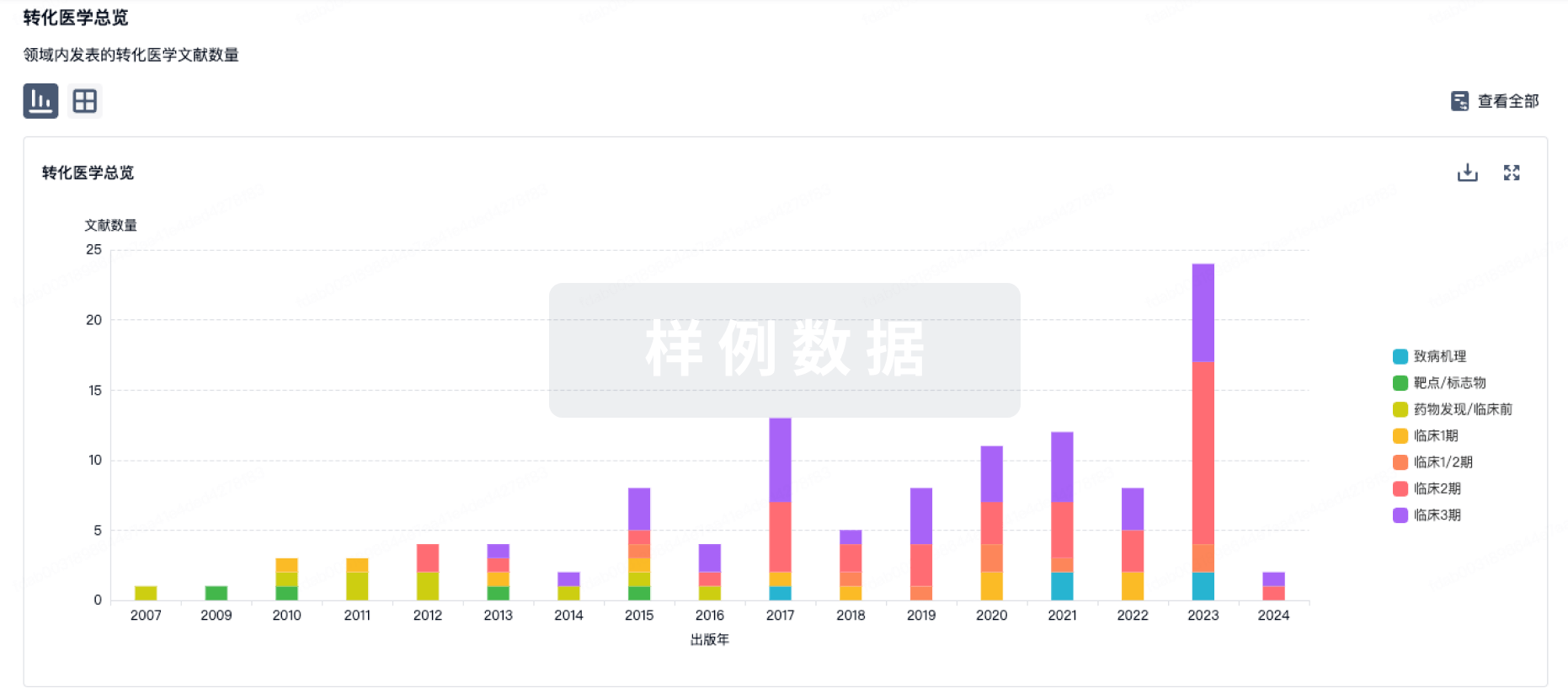
转化医学
使用我们的转化医学数据加速您的研究。
登录
或
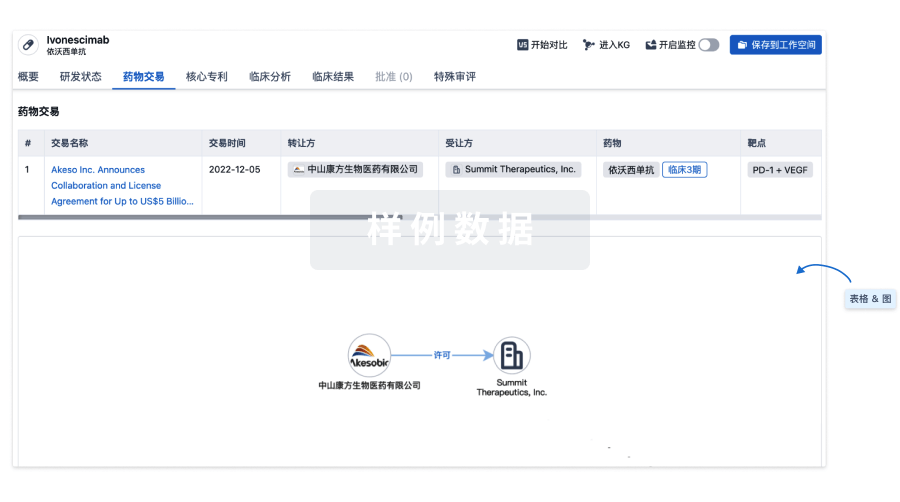
药物交易
使用我们的药物交易数据加速您的研究。
登录
或
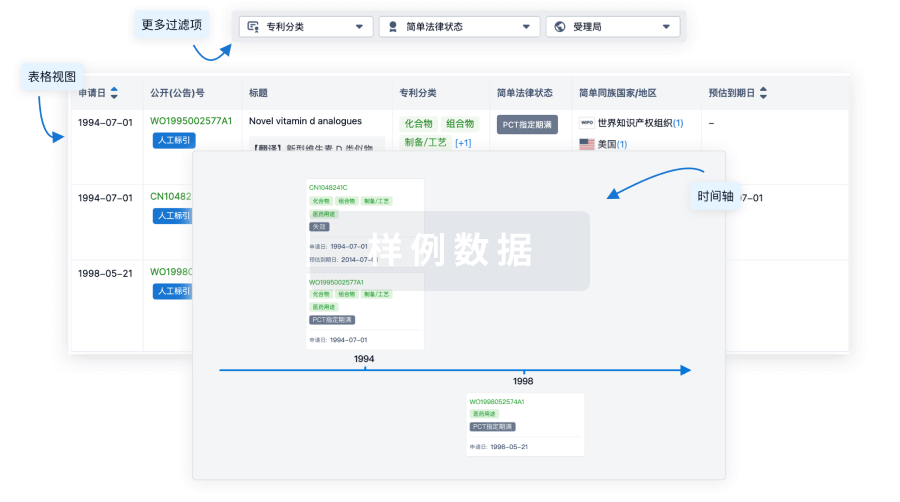
核心专利
使用我们的核心专利数据促进您的研究。
登录
或
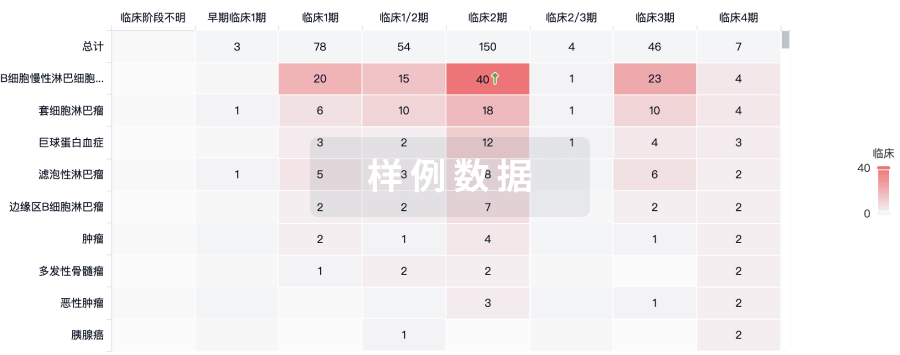
临床分析
紧跟全球注册中心的最新临床试验。
登录
或
批准
利用最新的监管批准信息加速您的研究。
登录
或
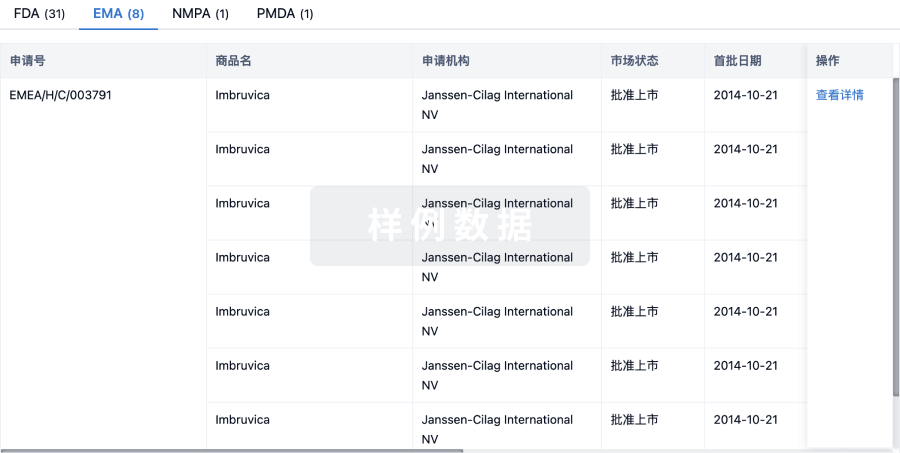
生物类似药
生物类似药在不同国家/地区的竞争态势。请注意临床1/2期并入临床2期,临床2/3期并入临床3期
登录
或
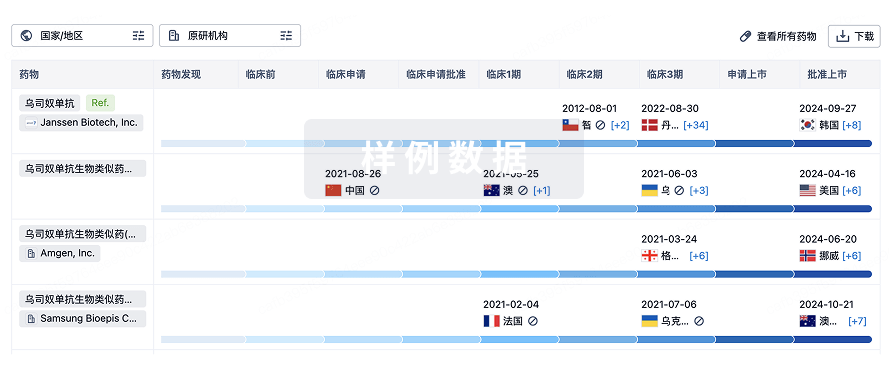
特殊审评
只需点击几下即可了解关键药物信息。
登录
或
提出任何生物医药研究问题
让每一步生物医药决策都精准制胜
基于十亿级生物数据与全球情报的精准 AI,赋能早期药物发现
立即开始免费试用!
智慧芽新药情报库是智慧芽专为生命科学人士构建的基于AI的创新药情报平台,助您全方位提升您的研发与决策效率。
立即接入生物医药数据包
智慧芽新药库数据也通过智慧芽开放平台,以MCP或API服务形式对外开放。立即使用我们的MCP服务定制您的LLM智能体。
生物序列数据库
生物药研发创新
免费使用
化学结构数据库
小分子化药研发创新
免费使用