预约演示
更新于:2026-02-07
NLRP3 inhibitor(Kodiak Sciences)
NLRP3抑制剂(Kodiak Sciences)
更新于:2026-02-07
概要
基本信息
非在研机构- |
权益机构- |
最高研发阶段临床前 |
首次获批日期- |
最高研发阶段(中国)- |
特殊审评- |

关联
100 项与 NLRP3抑制剂(Kodiak Sciences) 相关的临床结果
登录后查看更多信息
100 项与 NLRP3抑制剂(Kodiak Sciences) 相关的转化医学
登录后查看更多信息
100 项与 NLRP3抑制剂(Kodiak Sciences) 相关的专利(医药)
登录后查看更多信息
64
项与 NLRP3抑制剂(Kodiak Sciences) 相关的文献(医药)2026-02-01·INTERNATIONAL IMMUNOPHARMACOLOGY
Arteannuin B, a novel NLRP3 inhibitor, suppresses NLRP3 inflammasome in macrophages and alleviates NLRP3-related diseases
Article
作者: Liang, Zhiyu ; Liang, Guang ; Li, Weifeng ; Jiang, Mingxiang ; Wei, Zhihui ; Ni, Qiluo ; Sun, Jinfeng ; Shao, Jingjing ; Xu, Haowen ; Xu, Xiangwei ; Lv, Xinting
The NLRP3 inflammasome plays pivotal roles in inflammatory pathogenesis, yet developing specific inhibitors remains challenging due to toxicity risks and incomplete mechanistic targeting. FDA has authorized no NLRP3 inhibitor for therapeutic application in clinical use. Here, we characterize Arteannuin B (ArtB), a sesquiterpene lactone from Artemisia annua, as a novel NLRP3 inhibitor via screening assay. ArtB was shown to selectively disrupt NLRP3 inflammasome assembly by binding to NLRP3, thereby blocking ASC oligomerization. We demonstrated that ArtB dose-dependently inhibited secretion of Caspase-1 and IL-1β, and suppressed NLRP3-mediated pyroptosis in both murine and human macrophages. Molecular dynamics assay and molecular docking revealed that ArtB stabilizes a structural rearrangement within NACHT domain, directly binds to Gly271 and Ser331, sterically hindering NLRP3-NEK7 interaction. In murine ulcerative colitis and acute lung injury models, ArtB attenuated inflammation and tissue pathology in an NLRP3-dependent manner. Moreover, the therapeutic efficacy of ArtB was abolished by the elimination of Nlrp3 in mouse model. These findings establish ArtB as a drug candidate for NLRP3-driven pathologies, with translational advantages rooted in its natural product lineage and potential repurposing utility for inflammasome-related disorders.
2026-02-01·INTERNATIONAL IMMUNOPHARMACOLOGY
Salidroside alleviates ethanol exposure-exacerbated hepatic insulin resistance in diabetic mice
Article
作者: Zhang, Yu ; Chen, Li ; Tang, Huaiying ; Fu, Xiangxiang ; Zhang, Yonghong ; Tan, Liming ; Zheng, Tao ; Li, Xiaohan ; Xiang, Qin ; Wang, Qibin ; Chen, Shiqi ; Zhang, Yue ; Gao, Yanguo ; Zhang, Yongli
Long-term excessive ethanol consumption is known to accelerate the progression of diabetes mellitus (DM). Our previous study indicated that salidroside (SAL) improves hepatic insulin resistance in DM mice. However, the underlying mechanisms of ethanol on this process and whether SAL can exert a therapeutic effect are not fully understood. The aim of this study is to investigate the effect of SAL on ethanol-exacerbated hepatic insulin resistance and its underlying mechanisms in DM conditions. Primary mouse hepatocytes were isolated and cultured to establish an insulin sensitivity impaired model. The effects of ethanol exposure at different concentrations or for different durations on intracellular lipid accumulation, the insulin signaling pathway of Akt/glycogen synthase kinase 3β (GSK3β), and the NACHT, LRR and PYD domains-containing protein 3 (NLRP3) inflammasome signaling were observed. An NLRP3 inhibitor was used to determine whether the effects of ethanol were dependent on the overactivation of the NLRP3 inflammasome signaling and to investigate the intervention effects of SAL. A DM model was established by feeding a high-fat diet combined with streptozotocin injection to observe the effects of ethanol exposure on blood glucose and body weight, biochemical and histopathological indicators, as well as the Akt/GSK3β and NLRP3 inflammasome signaling in liver tissue. In vitro, ethanol exposure exacerbated lipid accumulation and insulin sensitivity impairment in hepatocytes in a concentration- and time-dependent manner. This effect was dependent on the overactivation of the NLRP3 inflammasome, and co-incubation with SAL could effectively improve the above phenomena. In vivo, ethanol exposure also exacerbated liver insulin resistance, and SAL treatment could improve this condition. SAL has an ameliorative effect on the ethanol-exacerbated liver insulin resistance in diabetic mice.
2026-01-01·ACTA BIOCHIMICA ET BIOPHYSICA SINICA
Calycosin alleviates blood-brain barrier disruption after cerebral ischemia-reperfusion injury by inhibiting NLRP3-mediated pyroptosis
Article
作者: Zhang, Chong ; Zhai, Xiaoya ; Bai, Zeyu ; Wang, Yong ; Xin, Min ; Chen, Jian ; Wu, Qiguang ; Chen, Yu ; Wang, Wenbo
Ischemic stroke, a severe neurological disorder with a multifactorial pathogenesis, presents significant therapeutic challenges. Calycosin, a natural flavonoid, has diverse biological activities, including antioxidant, anti-inflammatory, and antitumor effects. In this study we investigate the protective effects of calycosin against blood-brain barrier (BBB) damage following cerebral ischemia-reperfusion injury (CIRI) and explore the underlying mechanisms. We employ middle cerebral artery occlusion (MCAO) in rats and oxygen-glucose deprivation (OGD) in bEnd.3 brain microvascular endothelial cells to assess neurological function, BBB integrity, the expression of pyroptosis-related proteins, inflammatory mediator release, endothelial barrier permeability, and cell viability. The results reveal that calycosin significantly ameliorates CIRI-induced BBB damage, as evidenced by improved neurological scores, reduced brain water content, and decreased infarct volume. Calycosin suppresses NLRP3-mediated pyroptosis by downregulating HMGB1, NLRP3, caspase 1, GSDMD, N-GSDMD, and IL-18 expression while reducing the secretion of HMGB1, IL-1β, and IL-18. Additionally, calycosin enhances BBB integrity by decreasing MMP9 and AQP-4 expression and upregulating the expression of tight junction proteins (ZO-1, occludin, and claudin-5). In OGD-treated bEnd.3 cells, calycosin inhibits NLRP3-mediated pyroptosis, reduces inflammatory mediator release, and improves cell viability and barrier function. Notably, molecular docking and molecular dynamics simulations demonstrate that calycosin stably binds to NLRP3 with high affinity, supporting its potential as an NLRP3 inhibitor. These findings indicate that calycosin protects against CIRI-induced BBB damage by inhibiting NLRP3-mediated pyroptosis and modulating tight junction protein expression, indicating that calycosin is a potential therapeutic option for ischemic stroke.
36
项与 NLRP3抑制剂(Kodiak Sciences) 相关的新闻(医药)2026-02-03
·今日头条
> 2026年2月3日,港股AI制药公司英矽智能(03696.HK)股价盘中一度上涨14%,创下自去年年底上市以来的新高。这一市场异动的直接驱动力,是公司一款由生成式AI设计的新药完成了关键的临床节点,并因此获得了国际制药巨头的又一笔现金付款。
## 股价异动:高开高走,上市后累涨逾1.8倍
当日早间,英矽智能股价以**4.56%**的涨幅高开,随后持续拉升,最高触及**68.7港元**。自2025年12月底以每股**24.05港元**发行上市以来,该公司股价在一个多月时间里累计上涨已超过**1.8倍**。市场资金的追捧,清晰地指向了公司早间发布的一则自愿公告。
## 核心进展:首例患者给药与3900万港元里程碑
公告显示,英矽智能对外授权给**美纳里尼集团**的候选药物**MEN2501**,已在**I期临床试验中完成首例患者给药**。根据双方协议,这一进展触发了相应的财务条款,英矽智能因此获得了由美纳里尼支付的约**3900万港元**的最新里程碑付款。

> 英矽智能创始人兼首席执行官Alex Zhavoronkov博士表示:“MEN2501项目快速推进至I期临床试验,并成功完成首例患者给药,充分体现了美纳里尼及Stemline高效的项目推进能力与专业的临床转化实力。”
这是该合作项目在短期内兑现的第二笔里程碑款项。此前在**2025年7月**,因MEN2501项目顺利获得美国FDA的**IND批件**(临床试验申请批准),英矽智能已获得了首笔逾**2340万港元**的开发和监管里程碑付款。
## 项目背景:5.5亿美元授权与AI设计内核
MEN2501(曾称ISM9682)是一款靶向**驱动蛋白KIF18A**的小分子抑制剂,临床前数据显示其对**染色体不稳定性癌症**具有显著的抑制活性。这款药物由英矽智能自主研发的生成式AI平台发现并优化,是典型的“AI驱动”研发成果。
- **合作框架**:2025年1月,英矽智能以高达**5.5亿美元**(约合42.9亿港元)的总合作金额,将MEN2501项目的全球权益授权给美纳里尼集团的全资子公司Stemline Therapeutics。
- **药物机制**:KIF18A是一种在有丝分裂中调控染色体排列的关键蛋白。在具有染色体不稳定性特征的癌细胞中,抑制KIF18A会加剧染色体紊乱,导致癌细胞死亡,这使其成为一个有潜力的合成致死靶点。
## 行业验证:AI制药从概念走向临床兑现
此次进展被市场视为AI制药能力的一次实质性验证。从AI生成分子到推进至临床I期并完成首例患者给药,整个过程历时仅数年,展现了AI技术可能缩短药物研发周期的潜力。
- **变现能力**:连续两笔里程碑付款的到账,不仅为英矽智能提供了研发资金,更证明了其对外授权商业模式的可行性。
- **巨头背书**:美纳里尼集团作为年营收超40亿欧元的国际制药企业,其高效的临床推进能力本身也是对AI设计分子潜力的认可。
## 未来看点:竞争格局与公司管线推进
MEN2501的I期临床试验主要目标是评估其安全性与耐受性,为后续剂量扩展研究铺路。在KIF18A抑制剂这一新兴赛道,全球范围内仅有少数管线进入临床早期阶段。
对于英矽智能而言,MEN2501仅是其AI研发平台的成果之一。公司其他在研管线包括:
- 用于帕金森病的口服NLRP3抑制剂**ISM8969**,其IND申请已于2026年1月获美国FDA批准。
- 针对特发性肺纤维化的TNIK抑制剂,已进入IIa期临床。
随着更多AI设计的候选药物向临床阶段推进,英矽智能的长期价值将取决于其技术平台能否持续产出具有临床差异化的分子,并最终转化为上市产品。此次股价创新高,反映的是市场对AI制药“从零到一”突破后,向“从一到十”规模商业化迈进的初步信心。
2026-02-02
美国特拉华州多佛市,2026年2月2日,专注于免疫代谢与神经炎症性疾病领域的临床阶段生物制药公司Mwyngil Therapeutics今日宣布,启动BT-409的1期临床试验。BT-409是一款潜在同类最优、可穿透血脑屏障的NLRP3抑制剂,目前正针对多发性硬化症(MS)、帕金森病(PD)及其他神经炎症适应症开展研发。
BT-409已授权给Brenig Therapeutics,由其负责临床开发,这也是Mwyngil靶向炎症、心脑血管代谢疾病(CVMD)和神经系统疾病的蛋白-蛋白相互作用(PPI)与细胞表面受体调节剂研发平台,首个进入临床阶段的候选药物。
BT-409为口服小分子药物,设计用于选择性抑制NLRP3炎症小体,且已证实可穿透中枢神经系统(CNS)。临床前研究证实,该药物有望直接调节脑部神经炎症,这一特性使其区别于仅作用于外周的NLRP3抑制剂。
本次1期临床试验将在健康志愿者中评估BT-409的安全性、耐受性和药代动力学特征,研究目标是推动该药物快速进入神经炎症适应症的患者临床试验阶段。
与此同时,Mwyngil正推进更广泛的NLRP3靶向研发管线,包括:
- 靶向肥胖和心代谢疾病、可穿透血脑屏障的临床阶段NLRP3抑制剂;
- 靶向慢性肾病(CKD)、具有全身生物利用度的NLRP抑制剂。
上述两款候选药物均计划于2026年启动临床试验。
除NLRP3靶点外,Mwyngil还在研发一款潜在同类最优、具有口服生物利用度的GPR75反向激动剂,用于治疗肥胖及相关心代谢疾病,该药物的首次人体临床试验计划于2027年开展。
关于Mwyngil Therapeutics
Mwyngil Therapeutics是一家临床阶段生物技术公司,专注于发现和开发治疗神经炎症、免疫代谢及炎症性疾病的新型小分子疗法。公司依托合作方Expert Systems Inc的专有人工智能/机器学习(AI/ML)平台,设计并研发同类最优疗法,针对特定治疗场景优化药物的选择性、吸收性及向特定组织部位的分布性。
临床1期
2026-02-02
·制药网
点击蓝字 关注我们~
近日,礼来宣布达成最终协议,将收购美国临床阶段生物制药公司Ventyx Biosciences,获临床阶段NLRP3抑制剂管线。根据协议条款,礼来将以每股14美元的价格收购Ventyx所有已发行普通股,交易将以全现金方式进行,总股权价值约为12亿美元。
公开资料显示,Ventyx专注于为炎症性疾病患者开发创新口服疗法,这些疾病存在巨大的未满足需求。目前,公司正在开发一系列小分子治疗药物,包括NLRP3抑制剂,以及治疗免疫相关疾病、心脏代谢疾病和神经退行性疾病的药物。
此次交易的核心NLRP3,是一种炎症小体传感器蛋白,在许多疾病中都被进行过大量的研究。值得注意的是,此次礼来收购Ventyx只是当前该赛道发展火热的冰山一角。近年来,随着对NLRP3在慢性病中作用机制的认知不断加深,该市场竞争已然打响。据统计,全球已有百余家药企正在推进超过百款NLRP3抑制剂项目,同时还有众多药企在该领域展开收购合作。
2026年1月,英矽智能与复星医药旗下衡泰生物达成独家授权及共同开发协议,交易总额最高逾5亿港币。双方将各持有50%全球权益,联合推进口服透脑NLRP3抑制剂ISM8969的研发,重点聚焦帕金森病等中枢神经系统疾病。
根据协议条款,英矽智能有权获得总额高达6600万美元(等值于约5.148亿港元)的预付款及里程碑付款,当中包括一笔预计于该协议生效日起30日内支付的1000万美元(等值于约7800万港元)预付款。
2025年11月,药捷安康发布公告称,公司与Neurocrine达成项目合作。根据协议,Neurocrine获授予在大中华区以外开发、制造及商业化药捷安康NLRP3药物平台中的NLRP3抑制剂的独家权利,药捷安康则拥有在大中华区开发、制造及商业化NLRP3抑制剂的权利。
根据该协议,药捷安康将有权获得预付款,并且根据Neurocrine的开发和商业化进展,公司可能会收到与研发里程碑和销售里程碑相关的进一步里程碑付款。该协议的总潜在价值为8.815亿美元。
此外,罗氏早在2020 年也已以 3.8 亿欧元收购 Inflazome(NLRP3 先驱企业),2025 年持续内部管线推进 + 小型 BD 补充,重点开发中枢神经系统穿透型 NLRP3 抑制剂,布局阿尔茨海默病、多发性硬化症。恒瑞、信达、海正也已同步布局 NLRP3,2026年已有多款进入 I/II 期临床,预计 2027-2028 年迎来上市潮。
总的来说,NLRP3已从小众抗炎赛道升级为慢病核心战略靶点,国内外大批药企都在争相落子该领域。目前,行业已开始呈现头部全资收购抢临床资产,本土创新全球授权,早期 BD 密集布局三大发展趋势。业内预计,到2030年,随着关键III期临床数据的陆续读出,该市场格局将基本明朗,慢病治疗格局也将迎来新变革。
免责声明:在任何情况下,本文中的信息或表述的意见,均不构成对任何人的投资建议。
文章来源:制药网
>更多精彩:
· 20余家药企发布业绩预告,这家大幅增超850%
· 多个中药1.1类新药获批临床
· 1月,国产创新药BD交易爆发
· 15个创新药纳入突破性治疗品种名单
· 多个国产创新药获FDA快速通道资格认定
戳“阅读原文”一起进步
并购临床3期引进/卖出申请上市
100 项与 NLRP3抑制剂(Kodiak Sciences) 相关的药物交易
登录后查看更多信息
研发状态
10 条进展最快的记录, 后查看更多信息
登录
| 适应症 | 最高研发状态 | 国家/地区 | 公司 | 日期 |
|---|---|---|---|---|
| 视网膜疾患 | 临床前 | 美国 | 2024-05-06 |
登录后查看更多信息
临床结果
临床结果
适应症
分期
评价
查看全部结果
| 研究 | 分期 | 人群特征 | 评价人数 | 分组 | 结果 | 评价 | 发布日期 |
|---|
No Data | |||||||
登录后查看更多信息
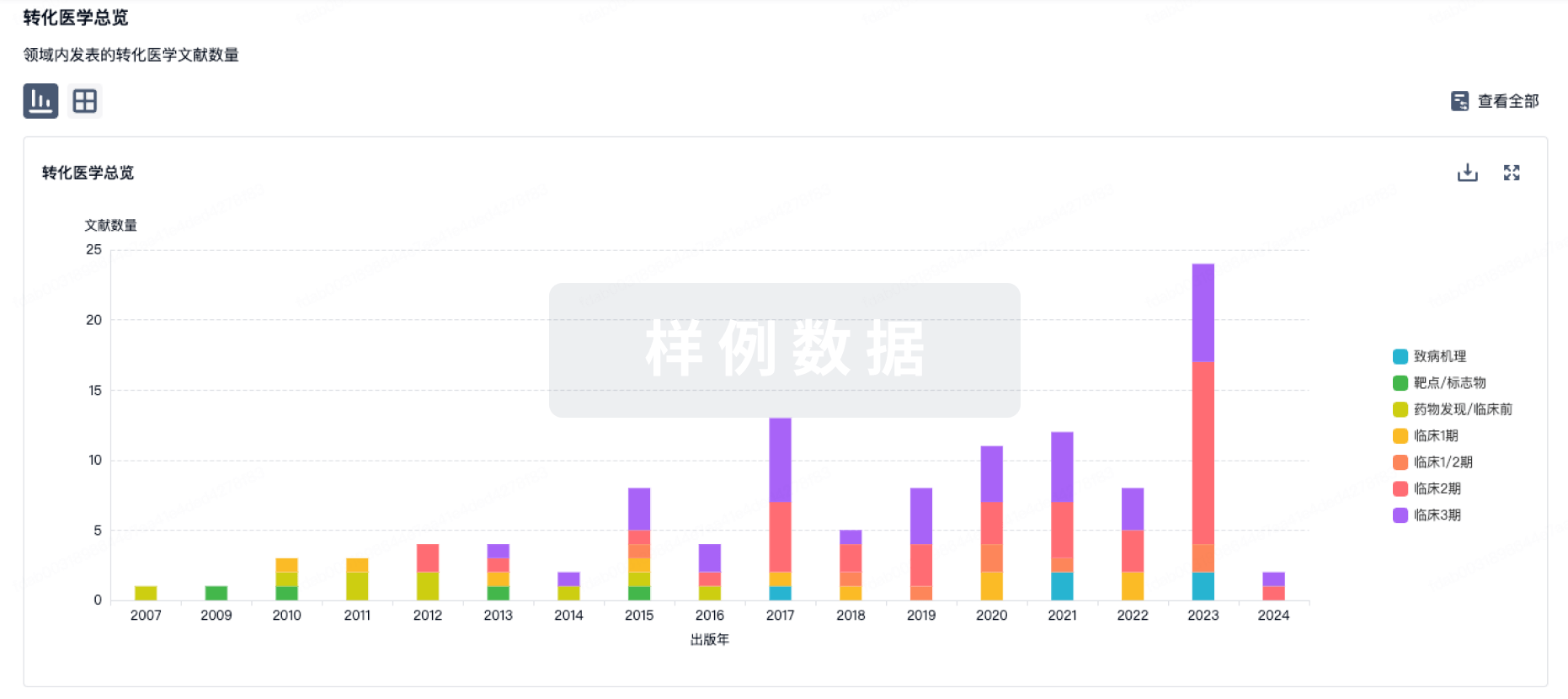
转化医学
使用我们的转化医学数据加速您的研究。
登录
或
药物交易
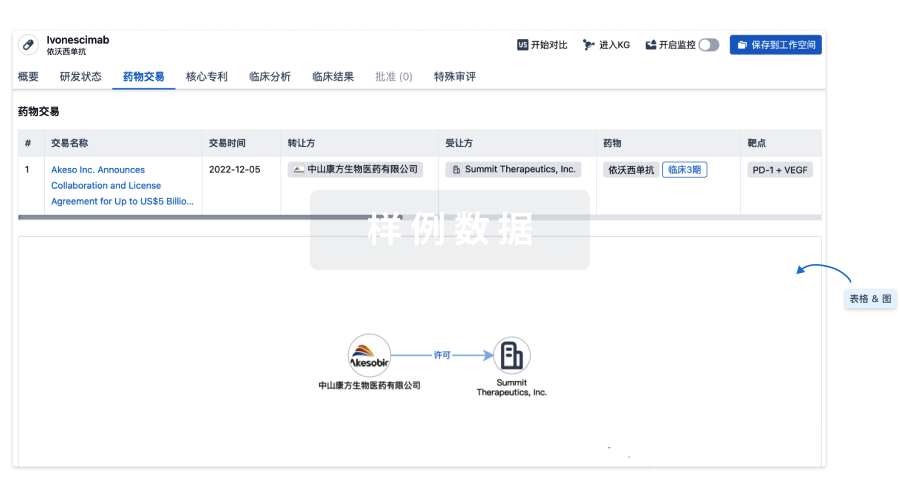
使用我们的药物交易数据加速您的研究。
登录
或
核心专利
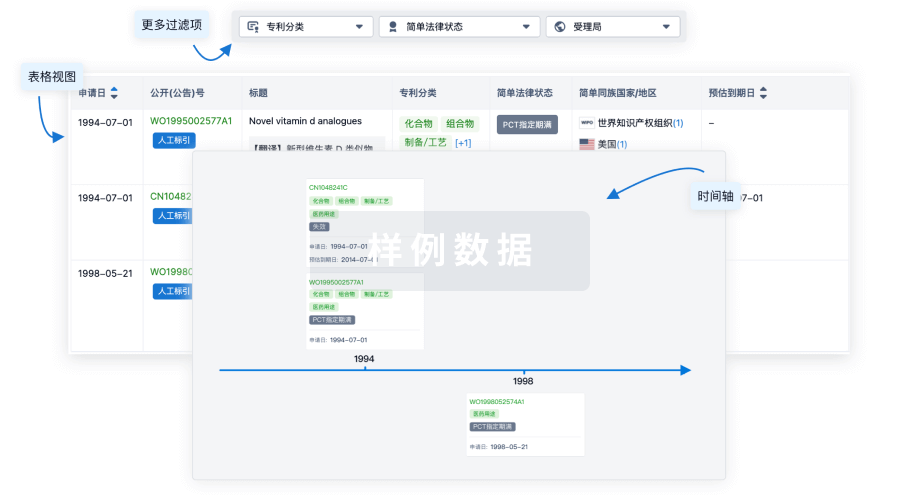
使用我们的核心专利数据促进您的研究。
登录
或
临床分析
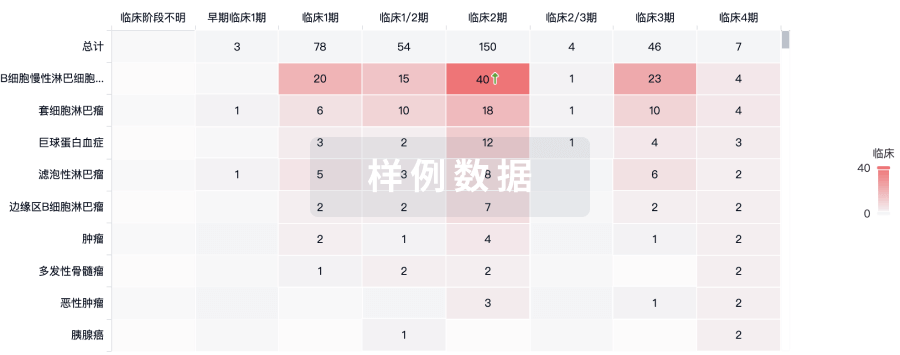
紧跟全球注册中心的最新临床试验。
登录
或
批准
利用最新的监管批准信息加速您的研究。
登录
或
特殊审评
只需点击几下即可了解关键药物信息。
登录
或
生物医药百科问答
全新生物医药AI Agent 覆盖科研全链路,让突破性发现快人一步
立即开始免费试用!
智慧芽新药情报库是智慧芽专为生命科学人士构建的基于AI的创新药情报平台,助您全方位提升您的研发与决策效率。
立即开始数据试用!
智慧芽新药库数据也通过智慧芽数据服务平台,以API或者数据包形式对外开放,助您更加充分利用智慧芽新药情报信息。
生物序列数据库
生物药研发创新
免费使用
化学结构数据库
小分子化药研发创新
免费使用