预约演示
更新于:2026-05-09
SB216763
更新于:2026-05-09
概要
基本信息
非在研机构- |
权益机构- |
最高研发阶段临床前 |
首次获批日期- |
最高研发阶段(中国)- |
特殊审评- |


关联
100 项与 SB216763 相关的临床结果
登录后查看更多信息
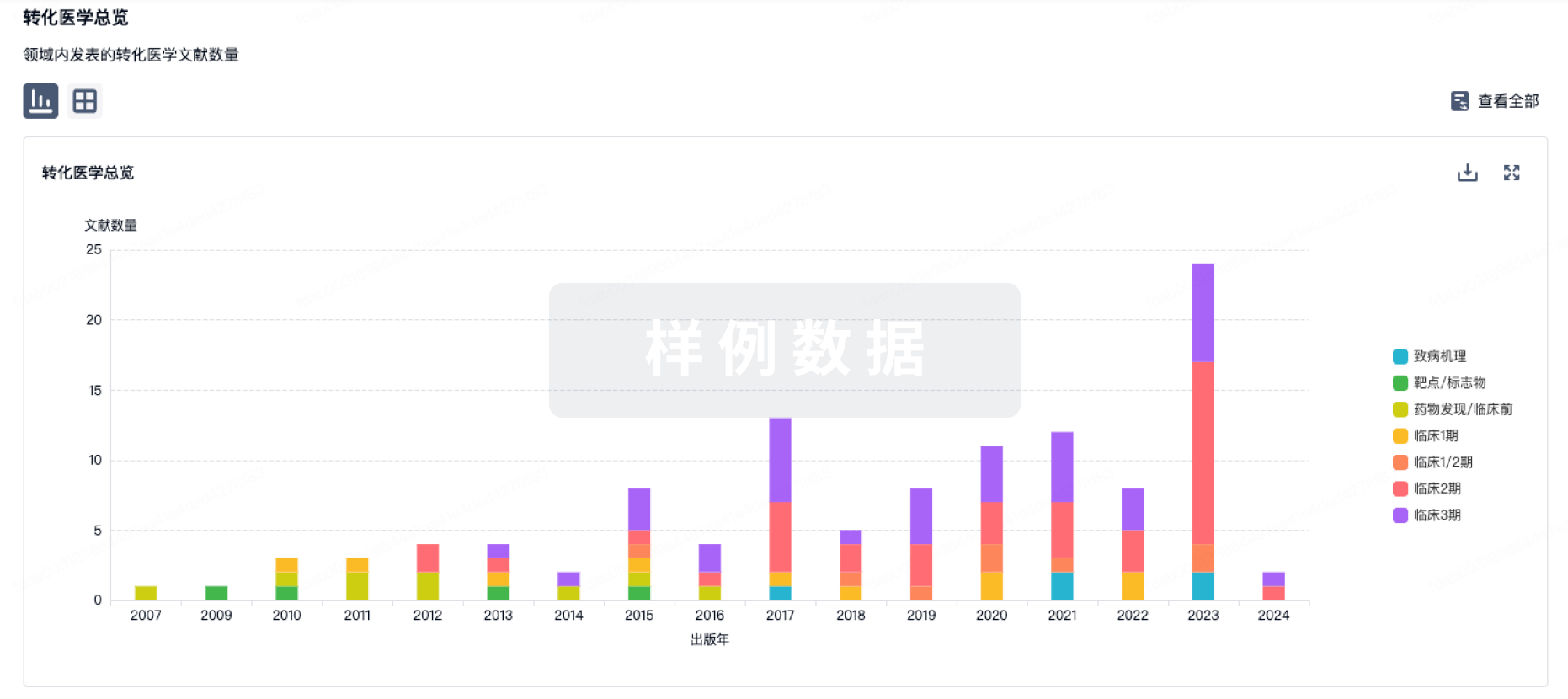
100 项与 SB216763 相关的转化医学
登录后查看更多信息
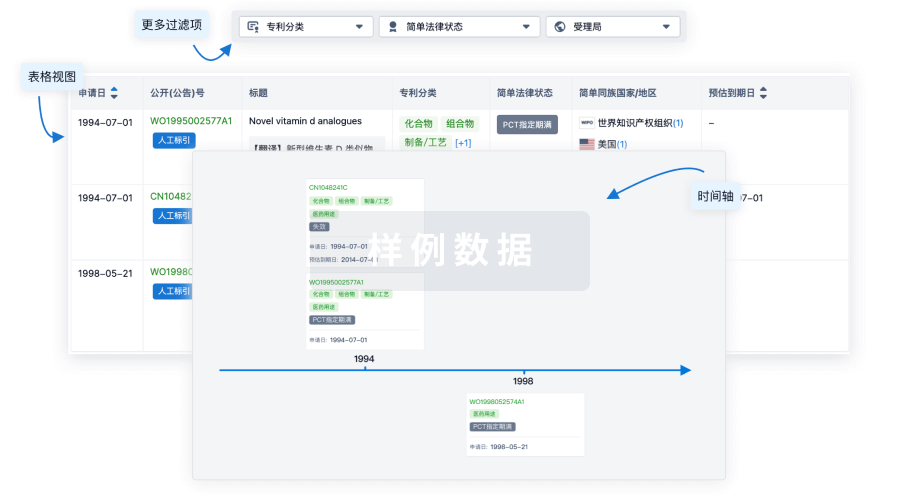
100 项与 SB216763 相关的专利(医药)
登录后查看更多信息
458
项与 SB216763 相关的文献(医药)2026-05-01·PHYTOMEDICINE
Indirubin suppresses ovarian cancer progression by inhibiting PI3K/AKT-mediated EMT and tumor growth without systemic toxicity
Article
作者: Chen, Shaozhan ; Wang, Jinhua ; Wang, Shaoyu ; Zheng, Qiaomei ; Chen, Lihong ; Zhang, Xia
PURPOSE:
This study investigated indirubin's effects on ovarian cancer cell proliferation, migration, invasion, and epithelial-mesenchymal transition (EMT), both in vitro and in vivo, while exploring its underlying mechanisms.
METHODS:
The anti-tumor activity of indirubin was evaluated using ovarian cancer cell lines (A2780, SKOV-3, OVCAR-3) through MTT, colony formation, wound healing, and Transwell assays. Patient-derived organoids and a nude mouse xenograft model were employed for further validation. Mechanistic studies integrated bioinformatics analysis (SymMap database and transcriptome sequencing) with experimental assessment of EMT markers and PI3K/AKT pathway activity, including the use of specific inhibitors (MK2206, SB 216763).
RESULTS:
Indirubin significantly suppressed ovarian cancer cell proliferation, colony formation, migration, and invasion, as well as inhibited patient-derived organoid growth. In a xenograft model, indirubin effectively attenuated tumor growth without inducing pathological changes in major organs. Through SymMap database and transcriptomic analyses, indirubin was shown to modulate multiple signaling pathways, particularly impairing cell adhesion. Mechanistically, indirubin downregulated AKT and GSK-3β phosphorylation in the PI3K/AKT pathway, and upregulated E-cadherin while suppressing Vimentin and N-cadherin, thereby inhibiting EMT. Notably, indirubin, the PI3K/AKT inhibitor MK2206, and the GSK-3β inhibitor SB216763 all exhibited strong antitumor efficacy in vivo.
CONCLUSION:
Indirubin exerts broad anti-ovarian cancer effects by inhibiting proliferation, migration, invasion as well as EMT, with demonstrated efficacy in xenograft models and no observed organ toxicity. Its mechanistic overlap with PI3K/AKT inhibitors underscores its potential as a multitargeted therapeutic agent.
2026-04-01·THERIOGENOLOGY
SB216763 enhances proliferation and sustains the undifferentiated state of porcine spermatogonial cells in prolonged In vitro culture
Article
作者: Zhu, Xiangxing ; Zhou, Benliang ; Yang, Xiaogan ; Duan, Anqin ; Zhang, Zhen ; Liang, Xingwei ; Shang, Jianghua ; Chen, Rui ; Li, Mengqi ; Ji, Jiaxiang
Spermatogonial stem cells (SSCs) serve as the foundation of spermatogenesis and play a critical role in livestock fertility and genetic improvement. However, maintaining these cells in long-term culture remains challenging, especially in pigs, where preserving both proliferative capacity and the undifferentiated state has proven difficult. To overcome this limitation, we investigated SB216763 (SB), a selective GSK-3β inhibitor reported to enhance proliferation in other stem cell types, for its potential effects on porcine spermatogonial cells (pSCs). In a 9-day concentration screening (0, 1.25, 2.5, and 5 μM SB), SB treatment significantly enhanced the proliferation of pSCs. It upregulated the proliferation-related gene PCNA and the antiapoptotic gene BCL2, while downregulating key apoptosis-related genes, including BAX and Caspase-3. It also promoted the expression of DAZL, UCHL1, NANOS2, and OCT4. Furthermore, over a 55-day period, treatment with 2.5 μM SB consistently supported higher proliferation rates, a larger proportion of DAZL-positive cells, and elevated expression of undifferentiation-associated markers (NANOS2, OCT4) compared with untreated controls at each passage. Overall, our results demonstrate that SB216763 not only promotes the proliferation of pSCs but also helps maintain their germline identity, offering a feasible strategy to improve the long-term in vitro culture of porcine spermatogonial cells.
2026-04-01·Translational Oncology
Construction and validation of golgi apparatus-related genes as predictors of the immune microenvironment and prognosis in colorectal cancer
Article
作者: Wang, Feng ; Chen, Jie
BACKGROUND:
Colorectal cancer (CRC) is the third most common cancer globally, and the identification of novel biomarkers remains an urgent priority in clinical practice and research. Although the Golgi apparatus plays a crucial role in tumorigenesis and cancer progression, its role in CRC remains unclear.
METHODS:
A comprehensive bioinformatics analysis of the transcriptome was conducted using the TCGA and GSE87211 datasets. A reliable risk signature model based on Golgi apparatus - related genes (GARGs) was constructed. Subsequently, we performed an in - depth single - cell RNA sequencing analysis. Finally, based on the consistent evidence across all analytical layers, GDI1 was selected for subsequent functional validation in cellular assays.
RESULTS:
By integrating univariate Cox regression and LASSO analysis, we identified a five-GARG signature to construct a prognostic model. This model stratified patients into high- and low-risk groups with significantly different overall survival. The high-risk group was associated with elevated stromal and ESTIMATE scores, along with increased infiltration of monocytes and M0 macrophages, suggesting a potentially more immunosuppressive and tumor-promoting microenvironment. Bioinformatic predictions indicated that the high-risk group might show enhanced sensitivity to Dasatinib, Sapitinib, and SB216763; this was preliminarily supported by our subsequent in vitro drug sensitivity assays. Cell-cell communication analysis suggested that macrophages might primarily influence the microenvironment through the tumor necrosis factor (TNF) signaling pathway. Critically, functional experiments demonstrated that silencing GDI1 significantly inhibited cell proliferation and migration and induced apoptosis, supporting its potential oncogenic role in COAD.
CONCLUSION:
Collectively, our work links GARG expression to CRC prognosis and immune features, and functionally implicates GDI1 in tumor cell aggressiveness, supporting its further study as a potential therapeutic target.
3
项与 SB216763 相关的新闻(医药)2026-04-28
导语
从探针到 PROTAC,这些小分子工具正在帮科学家揭开 AD 的秘密
如果你正在研究阿尔茨海默病(AD),一定知道这个领域的挑战有多大。病理机制复杂、药物研发困难、临床转化缓慢 …… 但好消息是,小分子工具正在成为我们手中越来越得力的「武器」。
小分子在 AD 研究中,既是机制探索的探路者,也是药物发现的起跑线,更是病理标志物的「照妖镜」。它们能抑制关键酶、调控信号通路、清除毒性蛋白、让病理变化无处遁形 —— 可以说,小分子正在帮助我们一点点拼出 AD 病理机制的全貌。
先来复习一下:AD 到底发生了什么?
AD 的核心病理有两个「大反派」:
Aβ 斑块:β-淀粉样蛋白(Aβ)异常聚集,形成老年斑,毒性最强的是 Aβ42 寡聚体
tau 缠结:tau 蛋白过度磷酸化,形成神经原纤维缠结(NFTs),破坏神经元骨架
这两个坏家伙还会互相「串通」,一起搞出线粒体功能障碍、氧化应激、神经炎症、兴奋性毒性 …… 最终,大脑皮层和海马等关键区域萎缩,认知功能一步步崩塌。
听起来很棘手?别急,小分子工具正是我们对付它们的「特种部队」。
关于 Tocris™:一个 44 年历史的
「神经科学老友」
在 AD 研究圈子里,R&D Systems 品牌的 Tocris™ 系列小分子应该不陌生吧?它在神经科学领域深耕了 44 年,专注提供高质量的小分子工具 —— 从受体激动剂到酶抑制剂,从荧光探针到 PROTAC,应有尽有。
我们专门整理了一本《Alzheimer's Disease Product Guide》,文末可以扫码获取,帮你一站式补齐实验所需的小分子工具。今天这篇文章,就带大家看看这些小分子到底有多「能打」!
一、小分子在 AD 研究中的四大「神技能」
1
机制解析工具:验证假说,全靠它们
想验证某个病理假说?小分子抑制剂就是你的「实验开关」。
2
靶向干预与候选药物开发:从工具到新药
这些「明星靶点」上的小分子,正在为新药研发铺路:
BACE-1 抑制剂(如 LY 2886721):挡住 Aβ 生成的第一步
γ-分泌酶抑制剂(如 DAPT、Compound E):小心别碰到 Notch 信号哦
GSK-3 抑制剂(如 SB 216763、AZD 2858):让 tau 少 「打鸡血」
O-GlcNAcase 抑制剂(如 Thiamet G):给 tau 加点「糖」,它就老实了
PROTAC 技术(如 PT-65):直接「降解」掉 GSK-3β,降维打击!
3
病理标志物检测与可视化:让坏家伙「无处遁形」
荧光探针就像「分子摄像头」,让 Aβ 斑块、tau 缠结、线粒体问题一目了然:
4
基因治疗与细胞治疗的「神助攻」
别以为小分子只负责「单打独斗」,它们在细胞治疗和基因治疗里也是好帮手:
干细胞培养:L-Ascorbic acid 让 iPSC 重编程更高效;SB 431542(含 GMP 级)帮你搞定神经祖细胞分化
基因治疗:AAV 载体带着保护基因(ApoE ε2、BDNF)去「救场」,小分子帮你优化转导效率
二、小分子助力研究的「经典路线图」
在实际研究中,小分子工具通常这样帮我们「打怪升级」:
靶点验证:用小分子抑制剂(比如 GSK-3 抑制剂)看 tau 磷酸化变化,验证靶点是不是「真凶」
机制探索:用 Mito-HE 检测线粒体 ROS,建立 Aβ 与氧化应激之间的「证据链」
候选药物筛选:用 Thioflavin T 荧光法,从一堆化合物里「捞」出能抑制 Aβ 聚集的那一个
联合治疗策略:像 EGCG 这种「多面手」,既能抑制 BACE-1 又能抗氧化,值得好好研究
三、挑战与未来:小分子还能走多远?
虽然小分子工具已经很强了,但它们也有自己的「短板」:
血脑屏障穿透性:很多小分子进不了脑子,干着急
靶点选择性不足:第一代 γ-分泌酶抑制剂就是因为误伤了 Notch 信号,吃了大亏
疾病复杂性:AD 是 「 多路出击 」,单靠一个靶点很难搞定
但别灰心,未来的方向已经越来越清晰:
PROTAC 等降解技术:让「不可成药」的靶点也能被降解
多靶点小分子:像 Methylene blue 这种,一个人干好几个人的活
想了解更多?
这篇文章里提到的小分子工具、荧光探针、PROTAC 降解剂,都来自 Tocris™ 的《Alzheimer's Disease Product Guide》。
点击了解R&D Systems™ 小分子产品。
扫码获取完整资料,让你的 AD 研究更顺手!
2026-04-08
·富优科学
类器官技术正成为中药现代化研究的核心前沿工具,它完美解决了中药 “成分复杂、机制不清、毒性难测、复方难验证” 的四大瓶颈。
靛玉红(Indirubin)为中药青黛中的关键双吲哚生物碱,具备对正常细胞低毒性及广谱抗肿瘤活性,但其抗卵巢癌的具体分子机制尚未明确。福建医科大学附属第一医院研究团队近期于《Phytomedicine》发表重要成果,该研究以患者来源卵巢癌类器官(PDOs)为模型,结合高通量功能验证体系,首次系统阐明靛玉红可通过调控PI3K/AKT/EMT 信号轴抑制卵巢癌恶性进展,为类器官技术应用于妇科肿瘤中药筛选、个体化治疗及中药现代化研究提供了高质量实验证据。
一、研究亮点
采用3例患者来源卵巢癌类器官,可高度还原临床肿瘤特征,验证靛玉红具有显著抑瘤效果,为卵巢癌个体化用药建立体外药效评价金标准。
结合SymMap数据库与转录组测序,首次揭示靛玉红通过抑制PI3K/AKT/GSK-3β通路阻断 EMT,调控E-cadherin及间质标志物表达,实现表型与机制的全面验证。
靛玉红体内外抑瘤、抗转移效果显著,40mg/kg剂量下无明显肝肾肠毒性,疗效与化疗药相当且安全性更佳,可单药或联合靶向药应用,临床转化潜力突出。二、研究内容
1、本研究以患者来源类器官(PDOs)为核心验证模型。该模型通过对患者原代肿瘤细胞进行体外三维培养构建,可高度保留原发肿瘤的病理形态、分子特征及药物应答特性,是目前最贴近临床真实状态的体外肿瘤研究模型,并在体外细胞水平验证:靛玉红显著抑制卵巢癌细胞恶性表型。
图1 靛玉红对卵巢癌细胞的抑制作用 A)MTT检测靛玉红及化疗药对细胞增殖的影响;B)克隆形成实验检测细胞集落形成能力;C)划痕实验检测细胞迁移能力;D)Transwell检测细胞迁移能力;E)Transwell检测细胞侵袭能力。
2、类器官与体内动物验证:高效抑瘤且无系统毒性
图2 靛玉红对卵巢癌类器官及裸鼠移植瘤的抑制作用 A)卵巢癌类器官HE及免疫组化染色;B)靛玉红对患者来源类器官生长的抑制作用;2C)裸鼠移植瘤体积变化统计;D)裸鼠移植瘤重量统计;2E)靛玉红对裸鼠体重的影响;2F)肿瘤及主要脏器HE染色。
3、联合用药验证:与通路抑制剂协同增效
图3 靛玉红联合PI3K/AKT通路抑制剂对细胞功能的影响 A)靛玉红联合MK2206对细胞迁移的影响;B)靛玉红联合SB216763对细胞迁移的影响;C)各组细胞迁移与侵袭数量统计。
图4 靛玉红联合通路抑制剂对裸鼠移植瘤的作用 A)裸鼠肿瘤大体形态;B)肿瘤重量统计;C)肿瘤体积统计;D)Ecadherin与NcadherinmRNA水平;E)肿瘤HE及免疫组化染色。三、中药的局限性与未来展望局限性
模型构建难度高、成功率不稳定中药研究常需大量样本与重复验证,但患者来源类器官(PDOs)受组织取材、肿瘤异质性、培养体系等影响,建系成功率参差不齐,部分癌种尤其妇科肿瘤、消化道肿瘤建模周期长、成本高,难以满足中药高通量筛选需求。
肿瘤微环境还原不足传统类器官多仅包含上皮肿瘤细胞,缺乏免疫细胞、癌相关成纤维细胞、血管及神经等微环境组分,而中药多成分、多靶点、多途径作用特点,使其在简化微环境中难以完全模拟体内真实药效与免疫调控效应。
中药成分复杂,机制解析难度大中药复方或单体混合物作用靶点分散、通路交叉,类器官虽可验证表型,但难以系统追溯其关键靶点、核心通路及协同机制,易出现 “药效可观察、机制不清晰” 的问题。
标准化与可重复性不足类器官培养体系尚未完全统一,培养基、基质胶、培养条件存在差异;加之中药提取物批次、纯度、溶媒差异,导致不同实验室间结果难以直接比较,限制了成果的推广与转化。
体内外相关性仍需进一步验证类器官虽高度模拟原发肿瘤,但缺乏药物代谢动力学(ADME)过程,无法反映中药在体内吸收、分布、代谢、排泄对药效的影响,体外药效结果与体内抑瘤效果仍存在一定差距。未来展望
构建更接近生理的类器官共培养体系发展肿瘤—免疫、肿瘤—基质、肿瘤—血管等多细胞共培养类器官,引入免疫检查点、炎症微环境等,更真实模拟中药对肿瘤微环境的调控作用,推动中药免疫调控机制研究。
建立高通量、自动化类器官筛选平台结合高通量培养、活细胞成像、AI 图像分析与多组学技术,实现中药单体、组分、复方的快速筛选与活性评价,提高中药研发效率。
多组学联用深度解析中药作用机制将类器官表型验证与转录组、蛋白组、代谢组、空间转录组等结合,系统揭示中药 “多成分—多靶点—多通路” 调控网络,为中药现代化提供分子证据。
推动类器官标准化与临床转化建立统一的培养规范、质控标准与药效评价体系,推动类器官成为中药个体化用药、毒理学评价、新药研发的标准化体外模型,加速中药从基础研究走向临床应用。
类器官与类器官芯片、人源化动物模型联动结合器官芯片实现流体剪切力、药物灌流等模拟,联合人源化动物模型进行体内验证,形成 “体外筛选—机制验证—体内药效” 完整研究链条,提升中药研发可靠性与转化价值。
原文链接:https://www.sciencedirect.com/science/article/abs/pii/S0944711326002813?via%3Dihub
富优生命科学有限公司是国内专注类器官技术研发、转化与临床应用的高新技术企业,以类器官培养技术为核心,聚焦肿瘤精准药敏筛选,构建从基础研究、技术开发到临床诊疗的完整创新体系,为肿瘤个性化治疗提供全流程、标准化解决方案。公司依托顶尖科研资源与产学研深度融合,创新平台建设成果显著。2025 年获批济南市重点院士工作站,联合复旦大学、启东复旦医学创新研究院发起成立全国长三角(G35)类器官产业创新联盟,并担任联盟秘书长单位,牵头推动区域类器官产业协同创新与标准共建;先后与北京市神经外科研究所、复旦大学基础医学院共建类器官联合实验室,攻克类器官高效构建、药敏精准预测等关键技术。 在核心技术与产品研发上,富优生命坚持自主创新,打造全链条自研产品矩阵,形成样本处理—类器官构建—药敏筛选—结果分析的一体化解决方案,实现流程标准化、操作便捷化、结果精准化。同时,公司搭建多癌种高通量类器官药敏筛选数据库,汇聚真实临床数据与药敏模型,为临床制定个体化用药方案提供可靠数据支撑,有效提升肿瘤治疗有效率、延长患者生存期、改善长期生活质量。
您对类器官与器官芯片技术有哪些期待?欢迎在评论区留言讨论,也可直接联系我们。
服务热线:400-670-6877
公司网址:www.foruls.com
富优与生命共进步!
责任声明:本稿件如有错误之处,敬请联系我们进行修改事宜!
2026-04-06
·大橡科技
点击蓝字 关注我们
当前全球新药研发面临临床转化率低、动物模型预测偏差大、传统细胞体系缺乏生理仿真度等多重瓶颈。类器官作为新一代体外三维仿生模型,已成为体外药物筛选、精准医疗与无动物试验体系的核心载体,在FDA现代化法案与欧盟3R原则推动下,正快速成为药企与临床机构的标配技术平台。
靛玉红(Indirubin)是中药青黛的活性双吲哚生物碱,对正常细胞毒性低,已证实具广谱抗癌活性,但抗卵巢癌具体机制未阐明。近日,福建医科大学附属第一医院团队依托类器官与高通量功能验证体系,在Phytomedicine发表重磅研究,依托患者来源类器官(PDOs)构建完整药效验证体系,首次系统证实中药单体靛玉红可通过PI3K/AKT/EMT轴抑制卵巢癌进展。该研究为类器官在妇科肿瘤药物筛选、个性化医疗与中药现代化提供了高质量证据。
01
研究亮点
Research Highlights
1. 类器官精准赋能卵巢癌药效验证:研究采用3例患者来源卵巢癌类器官,高度还原临床肿瘤特征,证实靛玉红可显著抑制类器官生长,为个体化用药提供体外“试药”金标准。
2. 首次揭示靛玉红抗卵巢癌核心机制:依托SymMap数据库与转录组测序,证实靛玉红通过抑制PI3K/AKT/GSK-3β通路阻断EMT,上调E-cadherin、下调间质标志物,实现从表型到机制的完整验证。
3. 高效低毒具备临床转化潜力:靛玉红在体内外均显著抑制卵巢癌增殖与转移,40mg/kg剂量下无肝肾肠毒性,抑瘤效果与化疗药相当,安全性突出,可单药或联合靶向药使用。
02
研究内容
Research Content
1. 整体设计与核心模型构建
为了全面、严谨、可转化地评价靛玉红抗卵巢癌的真实效果,该研究采用递进式、多维度、全链路闭环的研究设计,同时覆盖体外细胞、患者来源类器官、体内动物模型以及分子机制解析,形成高度符合国际规范的临床前药物研发验证体系。该研究以患者来源类器官(PDOs)为核心验证模型,该模型由患者原代肿瘤细胞体外三维培养而成,可高度保留原发肿瘤的病理形态、分子特征与药物应答能力,是最贴近临床真实情况的体外肿瘤模型;研究人员严格按照伦理要求纳入3例原发性上皮性卵巢癌患者新鲜手术组织,所有样本均排除术前治疗、复发及合并恶性肿瘤病史,并通过福建医科大学附属第一医院伦理审批。类器官构建执行标准化流程:组织经剪切、消化、过滤、离心后接种于Matrigel(基质胶),专用培养基培养至第6天形成稳定结构。研究将类器官及配对患者肿瘤组织液氮保存,并在24小时内送至大橡科技完成免疫组化染色检测,专业评估类器官与来源肿瘤组织的分子与病理同源性,最终通过HE染色与免疫组化(EpCAM、CK7、WT1、MUC16)验证所构建模型与原发肿瘤高度一致;药物筛选设置0、5、10μM靛玉红梯度处理5天,由倒置显微镜动态观察并由大橡科技完成免疫组化检测,确保结果稳定可靠。在此基础上,研究进一步采用A2780、SKOV-3、OVCAR-3三株卵巢癌细胞进行体外功能验证,使用裸鼠移植瘤进行体内药效验证,并通过SymMap数据库—一个整合中药成分、靶点、疾病与信号通路的专业数据库,结合转录组测序与通路抑制剂完成机制解析,整套体系逻辑严密、数据可重复、结论可落地。
2. 体外细胞水平验证:靛玉红显著抑制卵巢癌细胞恶性表型
在完成模型构建与体系搭建后,研究首先在体外细胞水平系统评估靛玉红对卵巢癌细胞增殖、迁移与侵袭的影响,结果显示靛玉红具有明确且稳定的抗肿瘤活性。MTT实验显示,靛玉红可显著抑制三株卵巢癌细胞增殖,对A2780、SKOV-3、OVCAR-3的IC50分别为1.69、2.63、3.00μM(图1A),抑制效力与临床一线化疗药多柔比星、顺铂相当;克隆形成实验显示2μM靛玉红即可显著抑制A2780、OVCAR-3克隆形成,5μM显著抑制SKOV-3克隆形成,抑制效应呈明显浓度依赖性(图1B);划痕愈合实验与Transwell实验进一步证实,靛玉红可浓度依赖性抑制细胞迁移与侵袭能力(图1C、1D、1E),所有实验均独立重复3次,P<0.05为差异具有统计学意义。以上结果充分说明,靛玉红在体外可显著阻断卵巢癌细胞的恶性表型,具备进一步开展类器官与体内验证的价值。
图1 靛玉红对卵巢癌细胞的抑制作用 A)MTT检测靛玉红及化疗药对细胞增殖的影响;B)克隆形成实验检测细胞集落形成能力;C)划痕实验检测细胞迁移能力;D)Transwell检测细胞迁移能力;E)Transwell检测细胞侵袭能力。
3. 类器官与体内动物验证:高效抑瘤且无系统毒性
体外细胞验证结论可靠后,该研究进入更贴近临床的患者来源类器官药效评价阶段,进一步确认靛玉红对真实人体肿瘤的抑制作用。该研究成功构建并完成3例上皮性卵巢癌类器官的药物测试,经大橡科技标准化免疫组化检测,结果证实类器官可稳定高表达EpCAM、CK7、WT1、MUC16,与患者原发肿瘤保持高度一致性,具备真实临床预测价值(图2A);经靛玉红处理后,类器官生长受到显著抑制,第11天镜下可清晰观察到5μM与10μM组类器官体积明显缩小、密度显著降低(图2B),且药物应答趋势与体外细胞模型高度一致。这一结果直接证明,类器官能够有效反映靛玉红对患者个体肿瘤的抑制效应,可作为精准用药与药效筛选的关键体外模型。
为进一步确认靛玉红在体内的抑瘤效果与安全性,该研究继续开展裸鼠异种移植瘤模型验证,结果显示靛玉红可呈剂量依赖性抑制肿瘤生长,40mg/kg剂量组抑瘤效果最为显著(图2C、2D);治疗期间小鼠体重无显著变化,P=0.57,整体状态良好(图2E);40mg/kg剂量下肝、肾、小肠HE染色未见明显病理损伤,仅肿瘤组织出现大面积坏死(图2F)。体内外结果共同证实,靛玉红在有效抑瘤浓度下具有宽治疗窗口与高安全性,为后续临床转化提供了坚实依据。
图2 靛玉红对卵巢癌类器官及裸鼠移植瘤的抑制作用 A)卵巢癌类器官HE及免疫组化染色;B)靛玉红对患者来源类器官生长的抑制作用;2C)裸鼠移植瘤体积变化统计;D)裸鼠移植瘤重量统计;2E)靛玉红对裸鼠体重的影响;2F)肿瘤及主要脏器HE染色。
4. 分子机制解析:靶向PI3K/AKT通路阻断EMT进程
在明确靛玉红的体内外抑瘤效果后,研究进一步通过生信分析与分子实验揭示其核心作用机制,最终锁定PI3K/AKT/EMT轴为关键调控通路。研究通过SymMap数据库与转录组测序联合分析发现,靛玉红可调控多条肿瘤相关通路,转录组测序共鉴定出1726个差异表达基因,包括950个上调基因与776个下调基因,从分子层面全面展示了靛玉红对卵巢癌细胞的调控作用(图3D、3E);GO功能富集分析显示,差异基因显著富集于细胞连接、黏附等与EMT密切相关的生物学过程(图3C),为后续通路筛选提供重要依据。qRTPCR检测表明,靛玉红处理后Ecadherin转录水平显著上升,Ncadherin、βcatenin转录水平明显下降(图3F);Westernblot实验进一步在蛋白水平证实,靛玉红可上调Ecadherin表达,同时下调Ncadherin、Vimentin、βcatenin水平,实现对EMT程序的有效逆转(图3G)。在此基础上,KEGG通路富集分析明确PI3K/AKT信号通路为最显著富集的核心通路(图4A);Western blot结果显示,靛玉红可显著抑制AKT(Ser473)及GSK-3β(Ser9/Tyr216)的磷酸化水平(图4B),从机制上阐明其通过抑制PI3K/AKT通路发挥抗卵巢癌作用。统计方法采用单因素方差分析,P<0.05为差异具有统计学意义。上述结果从分子层面清晰阐明,靛玉红通过抑制PI3K/AKT/GSK-3β通路阻断EMT,从而发挥抗卵巢癌作用。
图3 靛玉红作用靶点与信号通路分析 A)SymMap数据库靛玉红作用网络分析;B)SymMap数据库分子功能GO富集;C)转录组测序GO富集分析;D)差异基因火山图;E)差异基因热图;F)EMT相关基因mRNA表达;G)EMT相关蛋白表达。
图4 靛玉红对PI3K/AKT信号通路的调控作用 A)KEGG通路富集分析;B)PI3K/AKT通路关键蛋白磷酸化水平;C)靛玉红联合MK2206(AKT抑制剂)对EMT蛋白表达的影响;D)靛玉红联合SB216763(GSK-3β抑制剂)对EMT蛋白表达的影响。
5. 联合用药验证:与通路抑制剂协同增效
为进一步确证机制可靠性,研究开展通路抑制剂联合用药验证,结果再次强化靛玉红的作用靶点与协同潜力。实验显示,AKT抑制剂MK2206与GSK-3β抑制剂SB216763均可单独模拟靛玉红的EMT逆转效应,与靛玉红联用后,细胞迁移、侵袭抑制效果显著增强(图5);动物实验同样证实,联合治疗组肿瘤体积更小、坏死更显著、Ki-67增殖指数更低,肿瘤组织Ecadherin表达升高而N-cadherin表达降低(图6)。联合实验结果从功能回复角度进一步证实,PI3K/AKT/EMT轴是靛玉红发挥抗卵巢癌作用的核心通路,也为后续联合用药策略提供了实验依据。
图5 靛玉红联合PI3K/AKT通路抑制剂对细胞功能的影响 A)靛玉红联合MK2206对细胞迁移的影响;B)靛玉红联合SB216763对细胞迁移的影响;C)各组细胞迁移与侵袭数量统计。
图6 靛玉红联合通路抑制剂对裸鼠移植瘤的作用 A)裸鼠肿瘤大体形态;B)肿瘤重量统计;C)肿瘤体积统计;D)Ecadherin与NcadherinmRNA水平;E)肿瘤HE及免疫组化染色。
03
研究局限性与未来展望
Research Limitations and Future Prospects
该研究仍存在一定局限性,为后续研究指明清晰方向:一是类器官样本量仅3例,虽药物应答趋势一致但统计效力有限;二是未明确靛玉红对AKT/GSK-3β为直接结合还是间接调控,上游直接分子靶点仍需进一步验证;三是未涉及免疫健全模型与肿瘤免疫微环境相关机制,联合免疫治疗的潜力有待探索。未来可从三大方向推进技术迭代与临床转化,首先扩大类器官样本库,结合AI高内涵筛选实现药物快速评价与高通量筛选;其次优化靛玉红结构与制剂,提升水溶性、靶向性与生物利用度;最后推进临床试验,基于类器官药敏结果开展晚期卵巢癌个体化治疗探索。在全球新药研发向精准化、体外化、无动物化转型的背景下,类器官已成为药物研发与精准医疗的核心基础设施,该研究以高质量数据证实类器官在中药单体药效评价、机制解析与精准用药中的核心价值,靛玉红凭借高效、低毒、靶点清晰的优势,有望成为卵巢癌治疗新选择,随着类器官技术标准化、智能化、平台化发展,其将持续赋能新药研发、疾病建模与个性化医疗,重构生物医药创新生态。
扫描二维码可下载原文
大橡科技依托领先的类器官芯片技术,打造高稳定性、高通量、高仿生的体外模型研究平台,精准适配中医药多靶点、多通路、整体调节的作用特点,为中药研发与评价提供科学解决方案。平台全面支撑中药药效筛选、安全性评价、炮制配伍及院内制剂转化等全链条研究,推动中药评价体系从经验走向科学,以硬核技术助力中医药现代化与国际化进程。
珍芯严®全场景解决方案
你有思路,我来想!你出方案,我来做!
以专业眼光洞察数据,让决策更加清晰!
珍芯严®面向药企药物早期研发与高校、医院的基础科研,我们倾力打造类器官芯片全场景解决方案。凭借创新的类器官芯片技术,打破传统细胞与动物研究瓶颈,高效产出优质数据,从实验室到临床,我们与您并肩作战!
客服电话/微信:18610798010
扫描二维码可联系我们
小红书
设计: Summer、Rebecca|封面: Rebecca
求点赞
求分享
求喜欢
申请上市快速通道
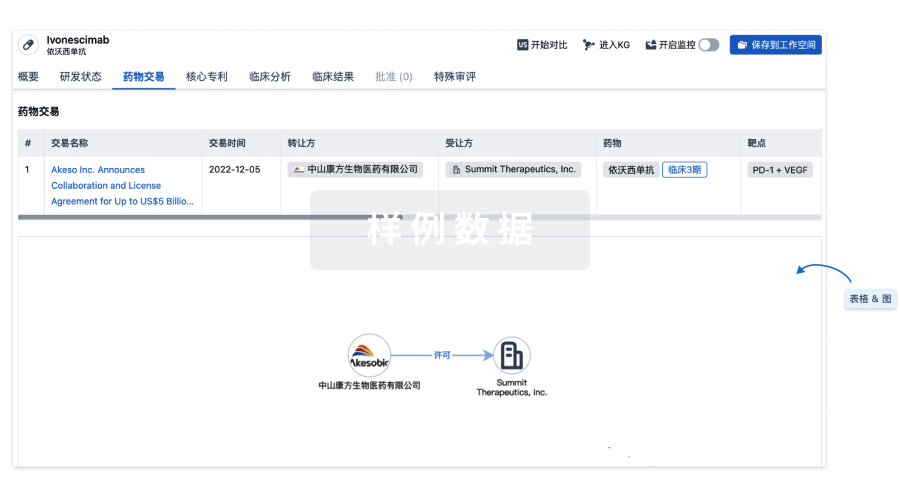
100 项与 SB216763 相关的药物交易
登录后查看更多信息
研发状态
10 条进展最快的记录, 后查看更多信息
登录
| 适应症 | 最高研发状态 | 国家/地区 | 公司 | 日期 |
|---|---|---|---|---|
| 脆性X综合征 | 临床前 | 爱尔兰 | 2025-10-02 | |
| 脆性X综合征 | 临床前 | 意大利 | 2025-10-02 |
登录后查看更多信息
临床结果
临床结果
适应症
分期
评价
查看全部结果
| 研究 | 分期 | 人群特征 | 评价人数 | 分组 | 结果 | 评价 | 发布日期 |
|---|
No Data | |||||||
登录后查看更多信息
转化医学
使用我们的转化医学数据加速您的研究。
登录
或
药物交易
使用我们的药物交易数据加速您的研究。
登录
或
核心专利
使用我们的核心专利数据促进您的研究。
登录
或
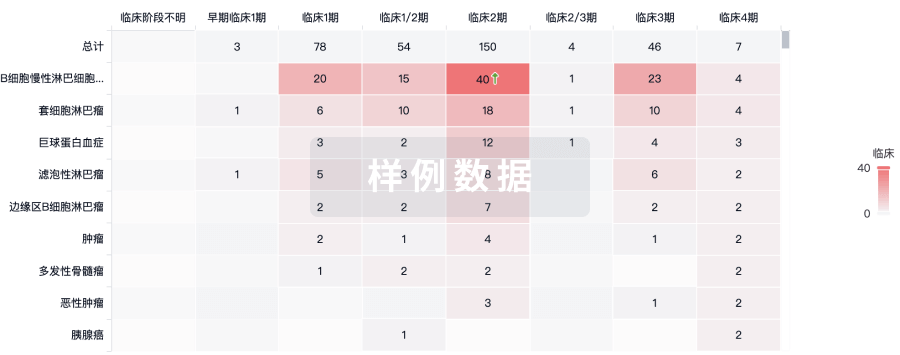
临床分析
紧跟全球注册中心的最新临床试验。
登录
或
批准
利用最新的监管批准信息加速您的研究。
登录
或
特殊审评
只需点击几下即可了解关键药物信息。
登录
或
生物医药百科问答
全新生物医药AI Agent 覆盖科研全链路,让突破性发现快人一步
立即开始免费试用!
智慧芽新药情报库是智慧芽专为生命科学人士构建的基于AI的创新药情报平台,助您全方位提升您的研发与决策效率。
立即开始数据试用!
智慧芽新药库数据也通过智慧芽数据服务平台,以API或者数据包形式对外开放,助您更加充分利用智慧芽新药情报信息。
生物序列数据库
生物药研发创新
免费使用
化学结构数据库
小分子化药研发创新
免费使用