预约演示
更新于:2026-10-19
Phtharal
邻苯二醛
更新于:2026-10-19
概要
基本信息
原研机构- |
非在研机构- |
权益机构- |
最高研发阶段批准上市 |
首次获批日期 日本 (2014-07-25), |
最高研发阶段(中国)- |
特殊审评- |
登录后查看时间轴
结构/序列
分子式C8H6O2 |
InChIKeyZWLUXSQADUDCSB-UHFFFAOYSA-N |
CAS号643-79-8 |
关联
100 项与 邻苯二醛 相关的临床结果
登录后查看更多信息
100 项与 邻苯二醛 相关的转化医学
登录后查看更多信息
100 项与 邻苯二醛 相关的专利(医药)
登录后查看更多信息
3,029
项与 邻苯二醛 相关的文献(医药)2025-12-01·FOOD HYDROCOLLOIDS
Structuring camellia seed-derived oleosomes for the fabrication of meat analogs using transglutaminase: Structural, functional, and rheological properties
作者: Shixiu, Cui ; Zhang, Hui ; Zheng, Shijie ; Ali, Usman ; Li, Yang ; Zhang, Yipeng ; Farooq, Shahzad ; Xue, Jiawen ; Ahmad, Muhammad Ijaz
Presently, protein-based meat analogs fabricated via the extrusion process still cannot fully meet consumers′ requirements, particularly in terms of replicating the real meat fiber that contains solid fat.This study introduced a facile approach to fabricating real meat analogs using plant-derived oleosomes (0-40 wt%) as lipid droplets, which were crosslinked with texturized soy-wheat gluten proteins (50 wt%) through a transglutaminase-induced reaction (0-50 U/g).FTIR and SDS-PAGE analyses confirmed that transglutaminase induction enabled oleosome-associated proteins to crosslink with texturized proteins through covalent bonds rather than non-covalent interactions.Microstructural analyses indicated that uncross-linked meat analogs contained an evenly distributed array of isolated oleosomes, whereas those with higher transglutaminase contents exhibited a compact and homogeneous 3D network of aggregated oleosomes and proteins.Anal. of appearance and colorimetry showed that color changes in meat analogs depended on oleosomes, which increased lightness and decreased redness, effectively changing the rough and uneven appearance of meat analogs into a smoother and more homogeneous one.Compared to control sample, elevated concentrations of oleosomes (0-40 wt%) and transglutaminase (0-50 U/g) led to increased critical strain (1.02-100.4 %), storage modulus (310-820 kPa), and structure-recovery ability (56.62-89.38 %), while decreased activation energy (16.16-7.12 kJ/mol).This indicated that oleosomes, which are integrated and assembled with proteins by enzymic action, acted as "active fillers", effectively strengthening the gel matrixes.Addnl., Lissajous-Bowditch anal. best described the influence of filler/protein interactions on the gel matrixes, showing a transition of meat analogs from viscoelastic to strongly elastic gels, resisting structural breakdown due to intensified covalent interactions and interconnected networks.
2025-12-01·BIOCHEMICAL SYSTEMATICS AND ECOLOGY
Biocontrol potential of metabolites from Streptomyces sp., non-toxic Aspergillus fumigatus, and their co-cultures against tomato anthracnose
作者: Rashid, Tavga Sulaiman ; Awla, Hayman Kakakhan ; Sharifi, Rouhallah
The biol. activity of Streptomyces sp. and non-toxicAspergillus fumigatus, along with their metabolites in mono and co-culture, was tested against Colletotrichum acutatum.Addnl., the presence of volatile metabolites was observed using gas chromatog.-mass spectrometry (GC-MS).The tomato plants were treated with both Streptomyces sp. and A. fumigatus sep. and in combination for in vivo test.Both Streptomyces sp. and A. fumigatus exhibited antifungal activity against C. acutatum.In co-cultivation, metabolites demonstrated 100 % inhibition of the pathogenic fungus.According to GC-MS anal., 35 compounds were identified from A. fumigatus, and 21 from Streptomyces sp.Co-cultivation of A. fumigatus and Streptomyces sp. induced the biosynthesis of 21 compoundsMost of volatile compounds present at high percentages in co-culture were not detected in the monoculture of each microorganism.The top volatiles in co-culture included acetic acid (25.58 %), furfural (9.89 %), Levulinic acid, Me ester (7.22 %), dimethadione (6.50 %), benzene acetic acid (6.03 %), and levulinic acid (5.93 %).Significant improvements in shoot height, root length, shoot and root dry weight and the anthracnose disease reduction were observed mainly with the combination of Streptomyces sp. and A. fumigatus.These outcomes support the use of the co-cultivation technique as a viable approach for acquiring beneficial metabolites from microorganisms.
2025-10-01·INORGANICA CHIMICA ACTA
Amendment of the biocidal linkers in the metal-organic framework (MIL-68-NH2) through post-synthetic modification to increase biological activity
作者: Hossan, Aisha ; Al-Bonayan, Ameena M. ; Attar, Roba M. S. ; El-Metwaly, Nashwa M. ; Aldosari, F. M. ; Pashameah, Rami ; Almotairy, Awatif R. Z. ; Imam, Mohammed A.
Conventional antibiotics are ineffective against the growing number of multidrug-resistant bacteria that are posing a high risk to public health.Although traditional nanoparticles like metal and metal oxides have potent antibacterial properties, their excessive release of metal ions into human tissues as well as bacteria might have detrimental health effects.As a result, looking for alternative material becomes essential.Metal-organic frameworks (MOFs) are gaining interest, due to they combine two distinct areas-an organic part that exhibits intense and rapid bacterial activity and an inorganic part that contains broad-spectrum antibacterial agents.Addnl., MOFs′ appropriate size enables them to either break through the bacterial membrane and degrade it or enter biofilm walls and start acting as an antibacterial agent.The ions for metal release, biocidal linkers, or even biocidal compounds enclosed in MOFs may be the source of MOFs′ biol. activity.MOFs are attractive prospects for biol. and pharmaceutical applications because of these characteristics.Organic linkers of MOFs can be altered through solid-liquid reactions without compromising the characteristics of MOFs, the post-synthetic modification (PSM) technique is suited for bio active MOF synthesis because biocidal linkers are difficult to synthesis and can damaged before MOF formation.Here, 3-(2-hydroxyphenyl)-3-oxopropanal, Me vinyl ketone, glyoxylic acid, and phthalaldehyde were used to synthesis and post-synthetically modify the metal organic framework based on indium ions (MIL-68-NH2), yielding MIL-68-HP, MIL-68-VK, MIL-68-GA, and MIL-68-PA in 40, 80, 87, and 92 %, resp.The comprehensive study, involving synthesis, characterization, and detailed biol. activity testing of the modified MOFs was investigated.The findings suggest that the PSM MOFs exhibit greater biol. activity than com. antibiotics against several tested microbial species.The obtained results showed the importance of MOFs used as an alternative to conventional antibiotics, and the PSM approach to tailor their properties was a valid strategy.
100 项与 邻苯二醛 相关的药物交易
登录后查看更多信息
研发状态
10 条最早获批的记录, 后查看更多信息
登录
| 适应症 | 国家/地区 | 公司 | 日期 |
|---|---|---|---|
| 消毒剂 | 日本 | 2014-07-25 |
登录后查看更多信息
临床结果
临床结果
适应症
分期
评价
查看全部结果
| 研究 | 分期 | 人群特征 | 评价人数 | 分组 | 结果 | 评价 | 发布日期 |
|---|
No Data | |||||||
登录后查看更多信息
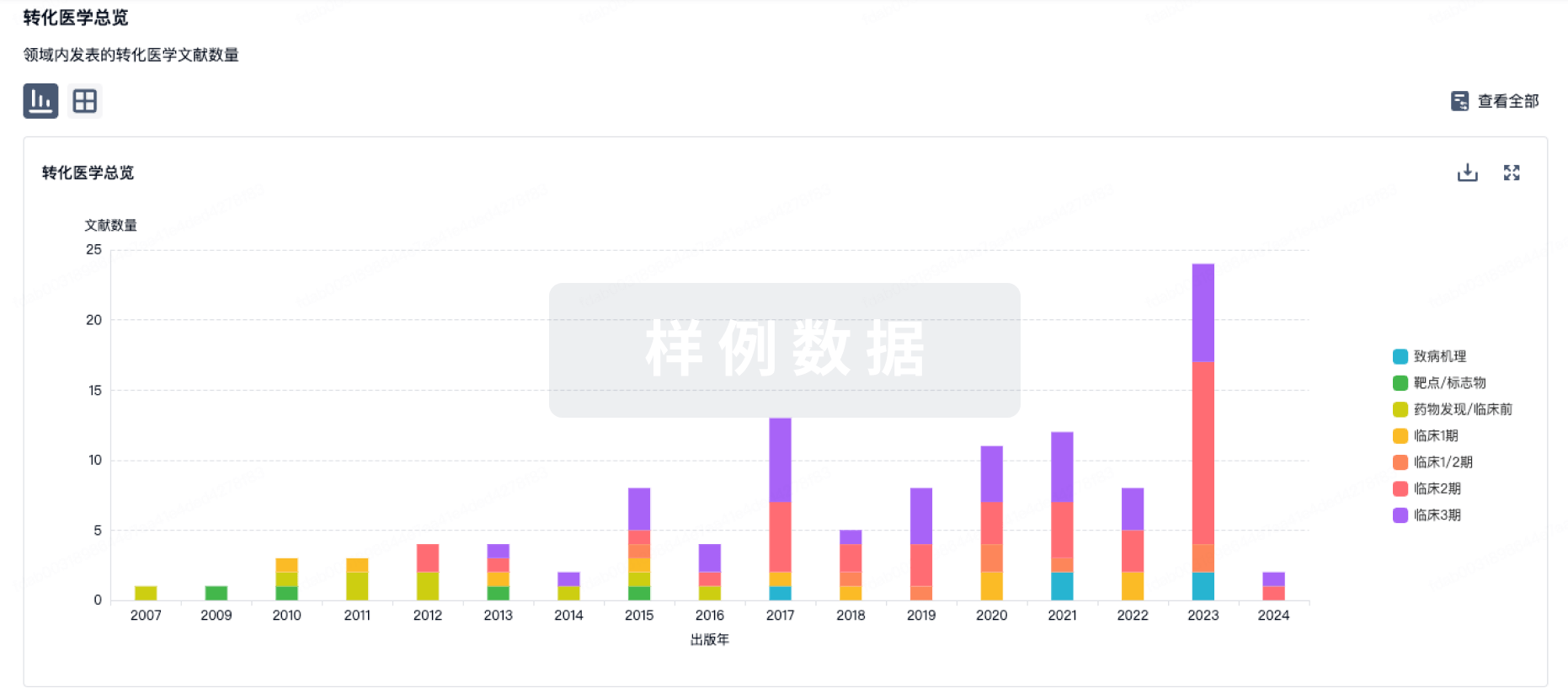
转化医学
使用我们的转化医学数据加速您的研究。
登录
或
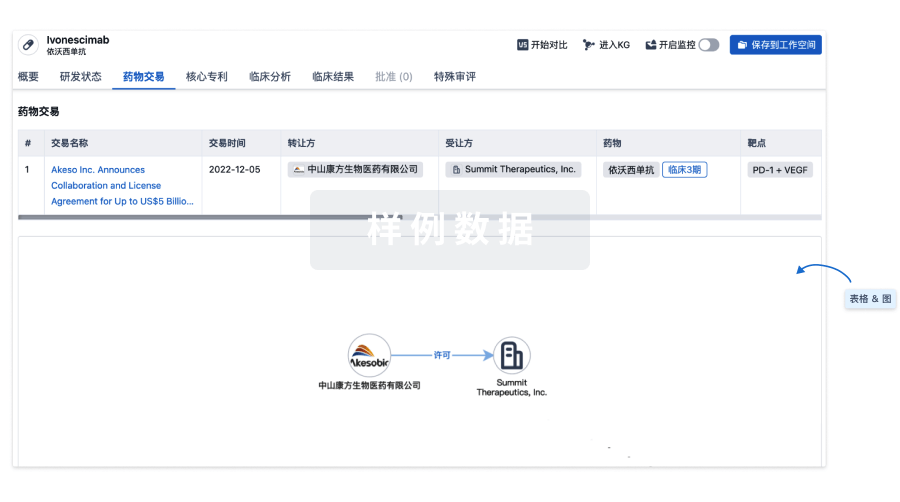
药物交易
使用我们的药物交易数据加速您的研究。
登录
或
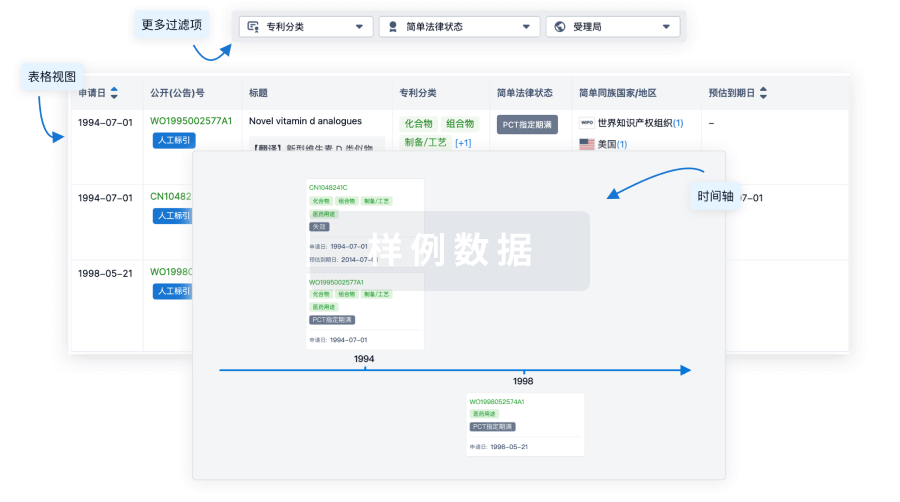
核心专利
使用我们的核心专利数据促进您的研究。
登录
或
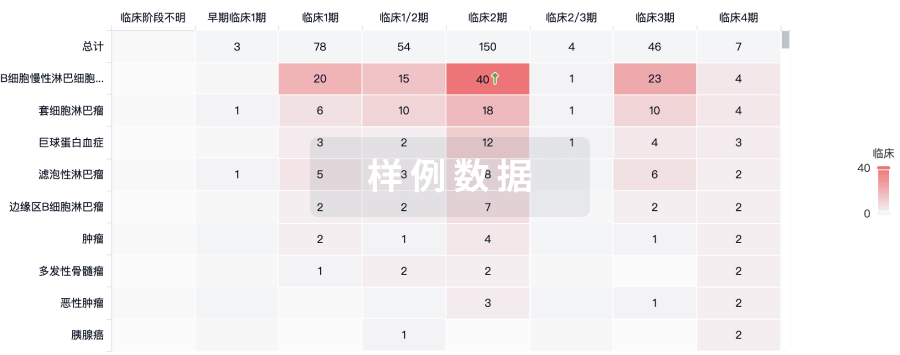
临床分析
紧跟全球注册中心的最新临床试验。
登录
或
批准
利用最新的监管批准信息加速您的研究。
登录
或
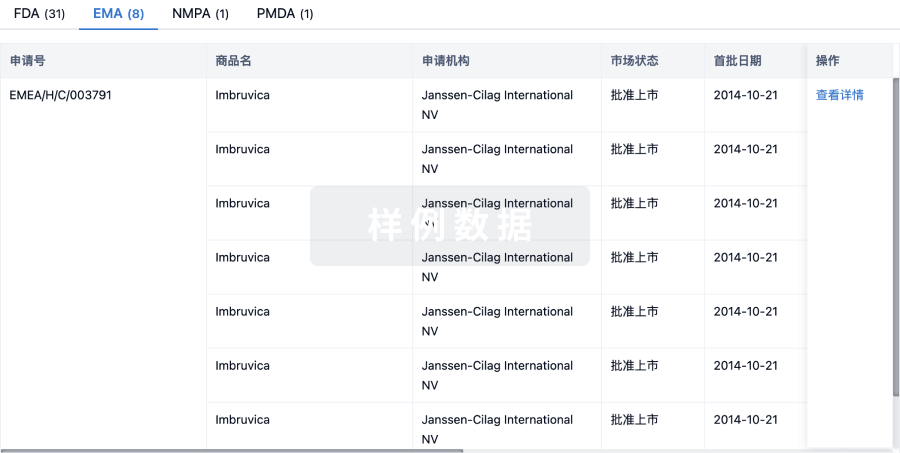
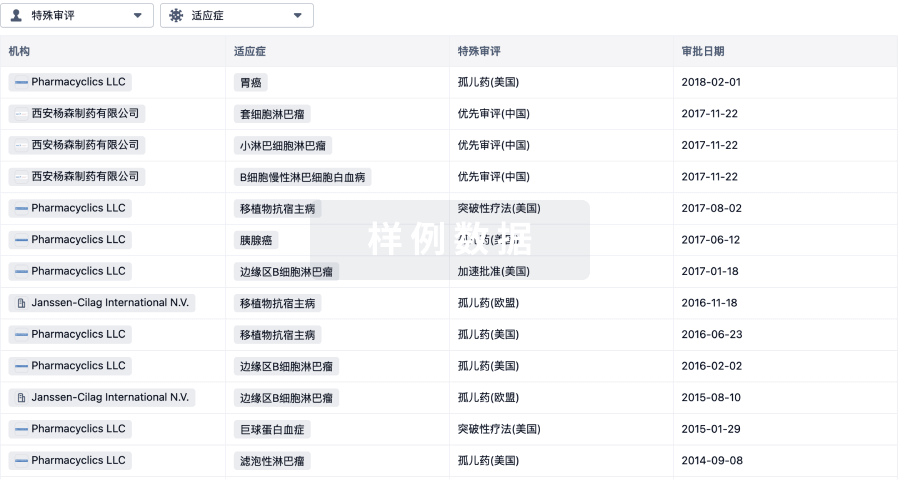
特殊审评
只需点击几下即可了解关键药物信息。
登录
或
提出任何生物医药研究问题
让每一步生物医药决策都精准制胜
基于十亿级生物数据与全球情报的精准 AI,赋能早期药物发现
立即开始免费试用!
智慧芽新药情报库是智慧芽专为生命科学人士构建的基于AI的创新药情报平台,助您全方位提升您的研发与决策效率。
立即接入生物医药数据包
智慧芽新药库数据也通过智慧芽开放平台,以MCP或API服务形式对外开放。立即使用我们的MCP服务定制您的LLM智能体。
生物序列数据库
生物药研发创新
免费使用
化学结构数据库
小分子化药研发创新
免费使用