预约演示
更新于:2026-07-28
Forsythin
连翘苷胶囊
更新于:2026-07-28
概要
基本信息
原研机构 |
非在研机构- |
权益机构- |
最高研发阶段临床2期 |
首次获批日期- |
最高研发阶段(中国)临床2期 |
特殊审评- |



登录后查看时间轴
关联
2
项与 连翘苷胶囊 相关的临床试验CTR20251817
探索连翘苷胶囊(KD-1胶囊)在成人无并发症的急性流行性感冒受试者中的有效性、安全性的多中心、随机、双盲、安慰剂对照的IIb期临床研究
ChiCTR2200066168
A randomized, double-blind, placebo-controlled clinical trial was designed to evaluate the efficacy and safety of KD-1 capsules in the treatment of mild and normal COVID-19
100 项与 连翘苷胶囊 相关的临床结果
登录后查看更多信息
100 项与 连翘苷胶囊 相关的转化医学
登录后查看更多信息
100 项与 连翘苷胶囊 相关的专利(医药)
登录后查看更多信息
67
项与 连翘苷胶囊 相关的文献(医药)2026-03-25Journal of the American Chemical Society
Immune-Evasive NIR-II Nanoplatforms for Repeatable Photodynamic Therapy
Article
作者: Li, Zheng ; Ding, Qihang ; Kim, Jong Seung ; Yin, Chao ; Mei, Ling ; Chen, Ruizhe ; Jia, Mingxuan ; Mengji, Rakesh ; Hu, Wenbo ; Fan, Quli ; Cui, Jiwei ; Kim, Goeun ; Wang, Ben ; Liu, Haowei ; Hua, Siwei ; Zhou, Hui ; Li, Mengqi
Photodynamic therapy (PDT) offers the distinctive advantage of repeatable treatment without cumulative systemic toxicity. However, clinical translation is hindered by oxygen dependency, photothermal leakage, and immune clearance during multiple administrations. Here we report a next-generation photodynamic nanoplatform (KD1-loaded hyaluronic acid-poly(ethylene glycol) nanoparticles, KD1@HPEG NPs), an immune-evasive near-infrared II (NIR-II) photodynamic nanoplatform that integrates Type I photochemistry, deep-tissue fluorescence imaging, and stealth surface engineering to sustainable and precise PDT. The thiopyrylium photosensitizer KD1 incorporates a rigid electron-donating substituent that induces pronounced orbital reconfiguration, thereby enhancing intersystem crossing while suppressing nonradiative decay. This design enables efficient type I reactive oxygen species generation with negligible heat release. KD1@HPEG NPs further improve the stability of KD1, prevent anti-PEG antibody formation to circumvent the accelerated blood clearance effect, and impart intrinsic tumor affinity. These molecular and immunological optimizations support oxygen-independent ROS generation, sustained NIR-II imaging, and preserved therapeutic efficacy under repeated dosing. KD1@HPEG NPs establish a generalizable strategy for long-term, immune-tolerant PDT and offers a clinically viable platform for durable, precision phototheranostics.
2026-01-01PHYTOMEDICINE
Phillyrin: A review of its pharmacokinetics and multi-target anti-inflammatory mechanisms for therapeutic potential
Review
作者: Han, Rongchun ; Tong, Xiaohui ; Han, Lintong ; Wang, En ; Hamezah, Hamizah Shahirah ; Guan, Rui
BACKGROUND:
Inflammation is a critical process in both physiological defense and the pathogenesis of numerous diseases. While current anti-inflammatory drugs such as NSAIDs and corticosteroids are effective, their long-term use is associated with significant adverse effects, highlighting the need for safer alternatives. Phillyrin, a primary bioactive lignan extracted from the traditional Chinese medicine Forsythiae Fructus (Lianqiao), has emerged as a promising natural anti-inflammatory agent.
METHODS:
Data regarding the pharmacology, pharmacokinetics, and toxicology of phillyrin were collected through PubMed, Web of Science, and China National Knowledge Infrastructure (CNKI) databases. In this review, we conducted relevant searches using the key words "phillyrin", "forsythin (synonym of phillyrin)", "Forsythiae Fructus", "Forsythia, Forsythia suspensa", "lianhua qingwen", "shuanghuanglian", "pharmacokinetics", "bioavailability", "application", "molecular mechanism", "adverse reactions", "preclinical and clinical trial", and "animal study", and included studies reported up to and including October 2025.
RESULTS:
Available toxicological data from animal studies and early-phase clinical trials indicate that phillyrin has a favorable safety profile, with only mild and transient adverse effects reported. Preclinical studies reveal that phillyrin exerts potent anti-inflammatory effects across a broad spectrum of acute and chronic conditions, including viral pneumonia, acute lung injury, arthritis, colitis, and central nervous system injuries. Phillyrin exerts multi-target effects, primarily by suppressing key pro-inflammatory signaling pathways such as NF-κB and MAPK, and by inhibiting the NLRP3 inflammasome. Furthermore, phillyrin shows protective effects on vital end-organs like the heart, liver, and kidneys in chronic metabolic and cardiovascular diseases.
CONCLUSIONS:
Phillyrin represents a promising multi-target anti-inflammatory candidate. However, challenges such as phillyrin's low bioavailability, limited mechanistic insights, and the lack of validation in large-scale clinical trials must be addressed to fully realize its therapeutic potential.
2025-04-03Future Medicinal Chemistry
Development of 5-phenylnitro bearing furan-based chalcones as a new class of potent MAO-B inhibitors
Article
作者: Bijo Mathew ; Abdallah M. Elgorban ; Sunil Kumar ; Sanal Dev ; Kadeeja Thottungal Kalathil ; Raihan Arikkattel Abdu ; Alanoud T. Alfagham ; Hoon Kim ; Arshida Thottile Peedikayil ; Rajasree Raghavan Sreekumari ; Bishnu Prasad Pandey
AIM:
The purpose is to synthesize a new class of furan-based chalcone compounds (KD1-KD14) and to investigate their monoamine oxidase (MAO)-A and -B inhibitory activities.
MATERIAL AND METHOD:
The 14 chalcones were synthesized using an open mortar and pestle. Lead molecules were screened via inhibitory activity, BBB permeability, and computation studies.
RESULTS:
Most of the tested compounds showed promising activity for MAO-B over than MAO-A. Among the molecules, KD1 and KD9 revealed the significant inhibitory potentials toward MAO-B with IC50 values of 0.023 ± 0.004 and 0.015 ± 0.001 µM, respectively, and with high selectivity indices of 723.04 and >2666.66, respectively, over MAO-A. Further, kinetics and reversibility test revealed that both KD1 and KD9 were competitive reversible MAO-B inhibitors with Ki values of 13.5 ± 4.95 and 6.15 ± 0.92 nM, respectively. Additionally, the PAMPA test showed that both KD1 and KD9 compounds permeated the central nervous system. Furthermore, molecular docking and dynamics simulations showed that both the chemicals formed pi-cation and hydrogen bonds with the MAO-B pocket and stabilized the MAO-B over the course of a 100 ns simulation.
CONCLUSION:
Our results revealed that KD1 and KD9 are potent selective, reversible, and competitive MAO-B inhibitors.
100 项与 连翘苷胶囊 相关的药物交易
登录后查看更多信息
研发状态
10 条进展最快的记录, 后查看更多信息
登录
| 适应症 | 最高研发状态 | 国家/地区 | 公司 | 日期 |
|---|---|---|---|---|
| 普通感冒 | 临床2期 | 中国 | 2025-08-01 | |
| 普通感冒 | 临床2期 | 中国 | 2025-08-01 | |
| 发热 | 临床2期 | 中国 | 2025-08-01 | |
| 发热 | 临床2期 | 中国 | 2025-08-01 | |
| 流感病毒感染 | 临床2期 | 中国 | 2025-08-01 | |
| 流感病毒感染 | 临床2期 | 中国 | 2025-08-01 | |
| 咽炎 | 临床2期 | 中国 | - |
登录后查看更多信息
临床结果
临床结果
适应症
分期
评价
查看全部结果
登录后查看更多信息
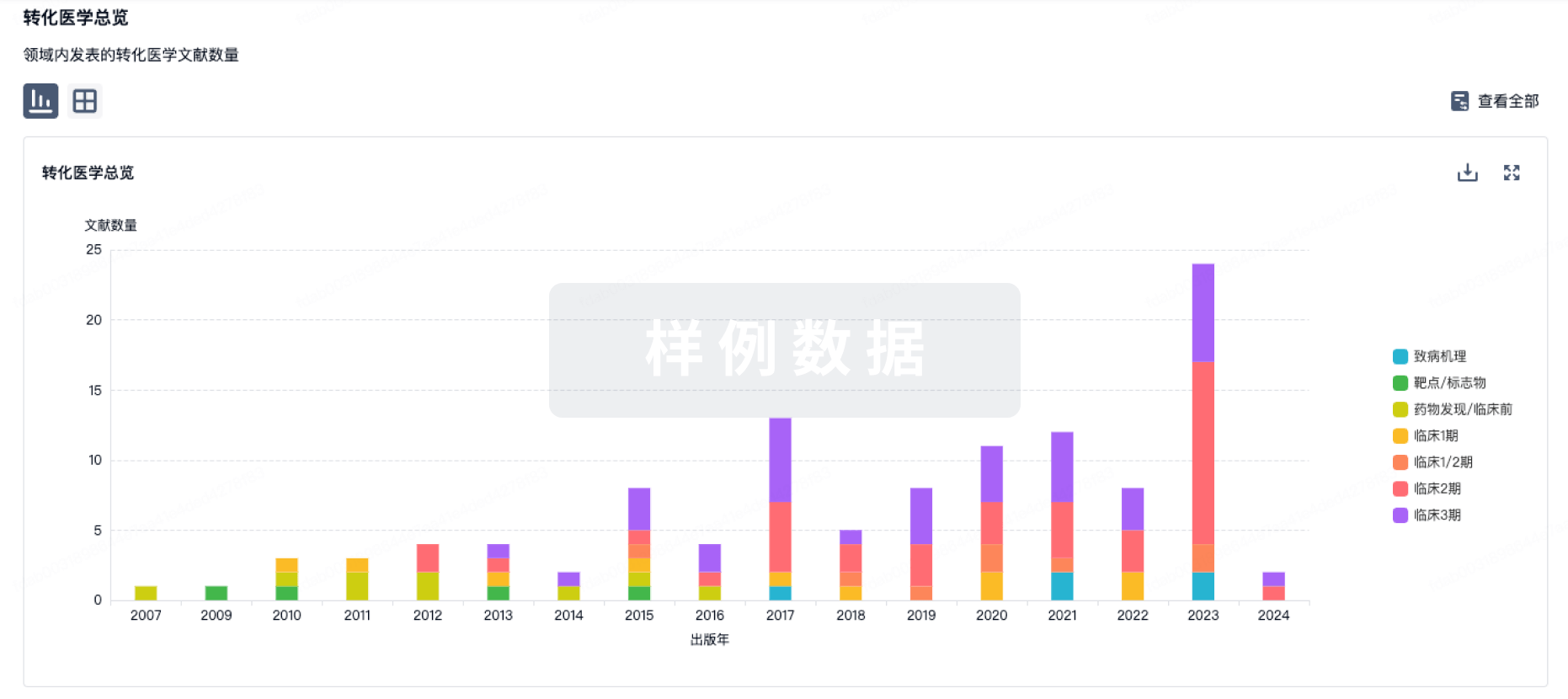
转化医学
使用我们的转化医学数据加速您的研究。
登录
或
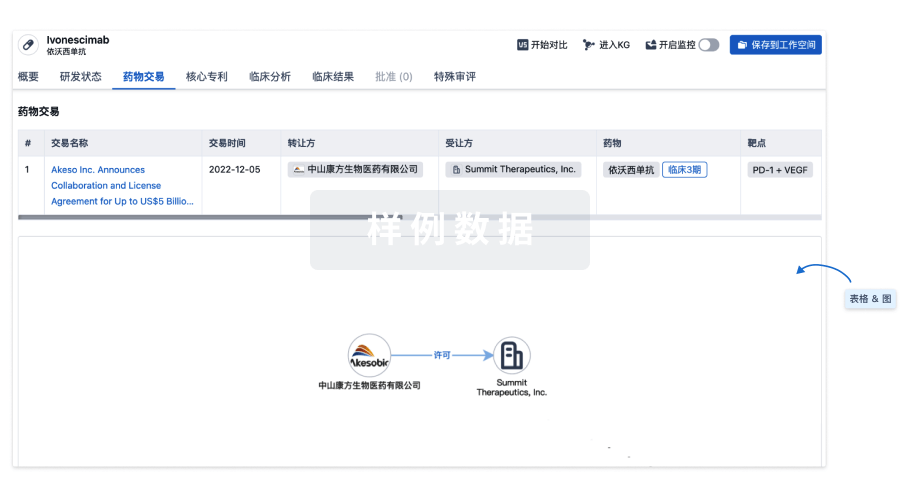
药物交易
使用我们的药物交易数据加速您的研究。
登录
或
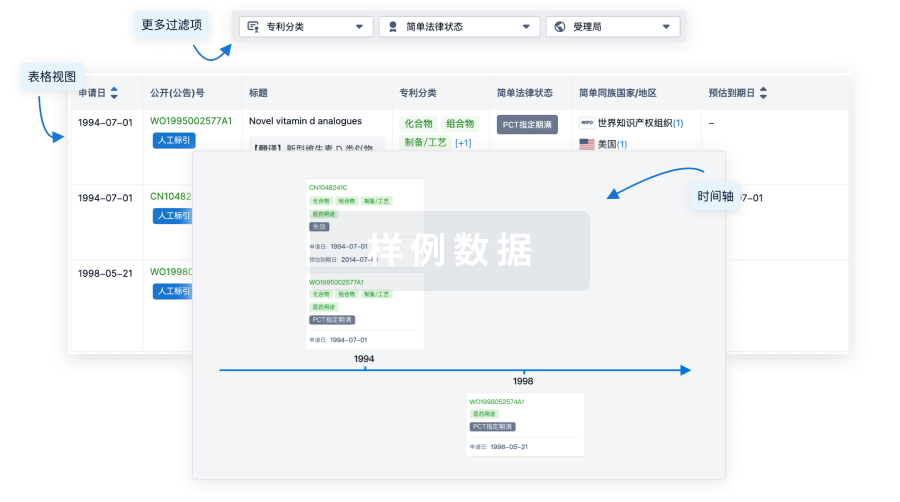
核心专利
使用我们的核心专利数据促进您的研究。
登录
或
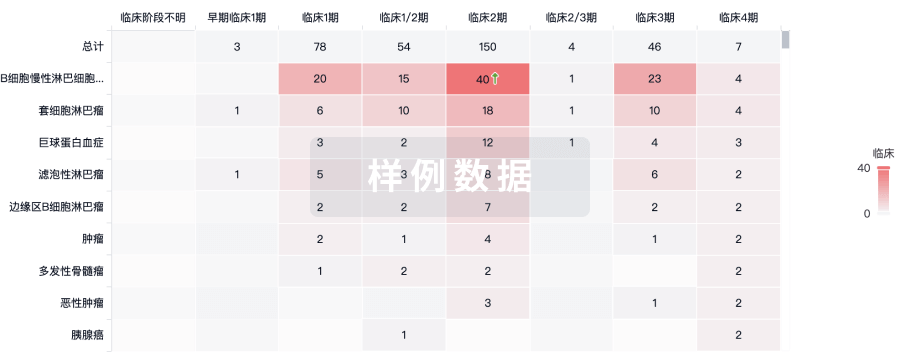
临床分析
紧跟全球注册中心的最新临床试验。
登录
或
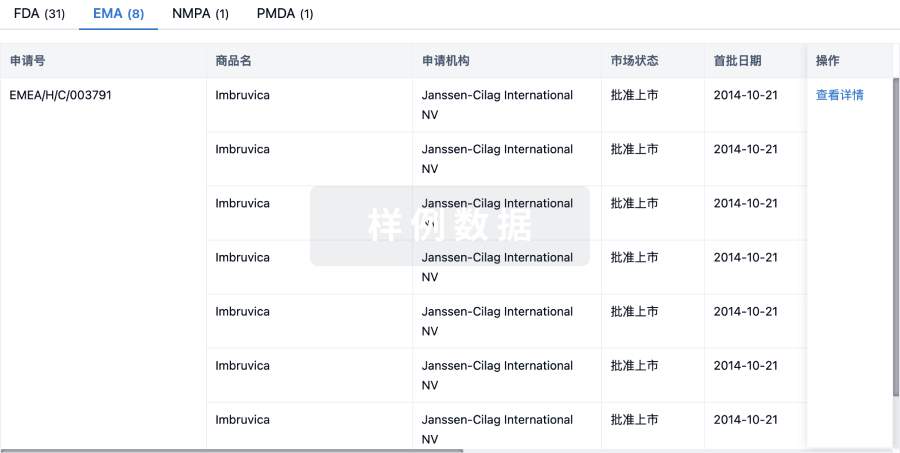
批准
利用最新的监管批准信息加速您的研究。
登录
或
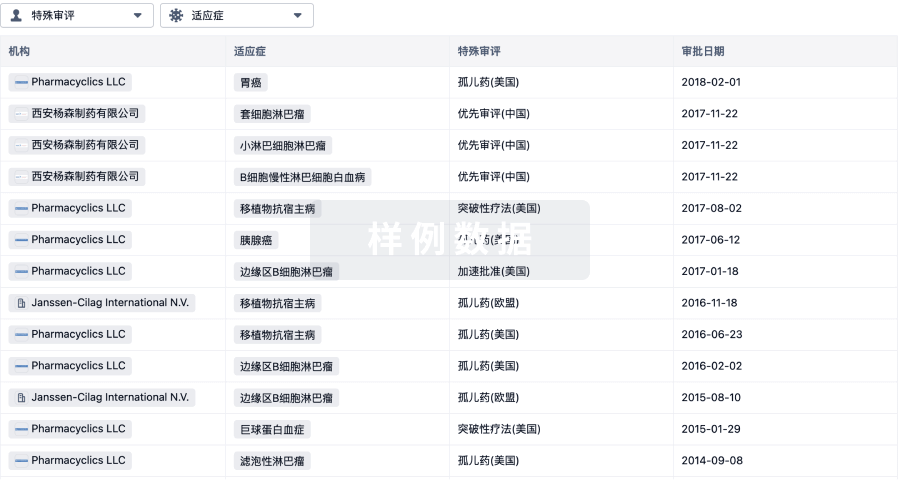
特殊审评
只需点击几下即可了解关键药物信息。
登录
或
提出任何生物医药研究问题
让每一步生物医药决策都精准制胜
基于十亿级生物数据与全球情报的精准 AI,赋能早期药物发现
立即开始免费试用!
智慧芽新药情报库是智慧芽专为生命科学人士构建的基于AI的创新药情报平台,助您全方位提升您的研发与决策效率。
立即接入生物医药数据包
智慧芽新药库数据也通过智慧芽开放平台,以MCP或API服务形式对外开放。立即使用我们的MCP服务定制您的LLM智能体。
生物序列数据库
生物药研发创新
免费使用
化学结构数据库
小分子化药研发创新
免费使用