预约演示
更新于:2026-07-04
CGP-35269
更新于:2026-07-04
概要
基本信息
在研机构- |
非在研机构 |
权益机构- |
最高研发阶段无进展临床2期 |
首次获批日期- |
最高研发阶段(中国)- |
特殊审评- |
登录后查看时间轴
关联
1
项与 CGP-35269 相关的临床试验JPRN-UMIN000000731
RCC-SNPs Ensuring-study for Leading Eligibility of patients in Cytokine Therapy
开始日期2006-12-01 |
申办/合作机构- |
100 项与 CGP-35269 相关的临床结果
登录后查看更多信息
100 项与 CGP-35269 相关的转化医学
登录后查看更多信息
100 项与 CGP-35269 相关的专利(医药)
登录后查看更多信息
1,146
项与 CGP-35269 相关的文献(医药)2026-06-07·Leukemia & Lymphoma
Long-term outcomes of ropeginterferon alfa-2b-njft in polycythemia vera: a review of safety, efficacy, and potential disease modification
Review
作者: Reeves, Brandi ; Abu-Zeinah, Ghaith
Polycythemia vera (PV) is a chronic myeloproliferative neoplasm characterized by erythrocytosis, thrombotic risk, and possible progression to aggressive myeloid neoplasms. Optimal management should achieve durable hematologic response, tolerability, and potential for long-term disease modification. Interferon alpha (IFN-α) is unique among current PV treatments for its disease-modifying potential; however, long-term tolerability concerns remain. Ropeginterferon alfa-2b-njft (ropeg), a novel monopegylated IFN-α, is the only IFN-α approved in the US for PV treatment. Phase III data from PROUD-PV (NCT01949805; EudraCT, 2012-005259-18) and its phase IIIb extension, CONTINUATION-PV (NCT02218047; EudraCT, 2014-001357-17), demonstrate that ropeg, compared with hydroxyurea, achieves hematologic response more slowly but provides greater, more durable responses after ∼18 months, underscoring the importance of long-term adherence. Early adverse events can challenge adherence, emphasizing the need for proactive symptom management. This review offers evidence- and experience-based perspectives on long-term ropeg treatment and adverse event management to support adherence and maximize therapeutic benefit in PV.
2026-06-01·VETERINARY JOURNAL
Oral interferon alpha treatment significantly reduces halitosis and Porphyromonas gulae growth in dogs with periodontal disease
Article
作者: Fukuyama, Tomoki ; Ishida, Koji ; Kaneki, Mao ; Ohira, Chiharu
Periodontal disease (PD) is one of the most common infectious conditions in dogs, associated with plaque accumulation, gingival inflammation, halitosis, and tooth loss. Halitosis is primarily caused by volatile sulfur compounds (VSCs) generated by anaerobic bacteria, including Porphyromonas gulae (P. gulae), a pathogen closely linked to PD progression. This study examined the effects of oral interferon alpha (IFN-α) on halitosis and bacterial activity in dogs with PD. Thirty-two dogs with moderate-to-severe PD were enrolled and allocated to untreated controls (n = 10) or IFN-α treatment (n = 22). Dogs in the treatment group received 2.75 g of IFN-α formulation (InterBerryα®) applied to the gingival margin twice weekly for five weeks. Clinical outcomes included PD Severity Index, enzymatic activity to hydrolyze N-benzoyl-DL-arginine-naphthylamide (BANA), PCR detection of P. gulae, and halitosis evaluation by gas chromatography and pet owner assessment. IFN-α significantly reduced PD Severity Index, BANA activity, and VSC concentrations (hydrogen sulfide and methyl mercaptan) compared with baseline and controls. Additionally, 27% of treated dogs converted to P. gulae-negative status after therapy. Owners reported marked improvement in oral malodor. These findings suggest that oral IFN-α effectively alleviates halitosis and reduces periodontal pathogen activity, supporting its potential as a non-invasive treatment for canine PD.
2026-06-01·MOLECULAR THERAPY
The thymidine analog azidothymidine potentiates the immunomodulatory function of interferon-α in adult T-cell leukemia/lymphoma
Article
作者: Zhu, Dian ; Chen, Liang ; Huang, Weijia ; Lin, Jiajing ; Matsuoka, Masao ; Ye, Zi-Wei ; Liu, Benquan ; Tan, Chenxin ; Yuan, Xiaoyi ; Liang, Yi ; Ma, Guangyong ; Zuo, Xiaorui
Adult T-cell leukemia/lymphoma (ATLL), caused by human T-cell leukemia virus type 1 (HTLV-1), is an aggressive malignancy with limited treatment options. Although the combination therapy of azidothymidine (AZT) and interferon-α (IFN-α) has demonstrated clinical efficacy in ATLL, its underlying mechanism remains unclear. In this study, through comprehensive analyses, we reveal that the combination therapy can enhance CD8+ T cell function both in vitro and in vivo: it promotes cytotoxic T lymphocyte (CTL)-mediated killing of ATLL cell lines, and exhibits antitumor activities in immunocompetent but not immunodeficient mouse xenograft models (MC38 and EL4 were used due to the lack of immunocompetent mouse model for ATLL). Granzyme B (GZMB), which is downregulated in ATLL patients, was found to be key to the effectiveness of AZT/IFN-α therapy. In addition, AZT promotes IFN-α-mediated antigen processing and presentation, and further transcriptionally upregulates the expression of the ATLL antigen HBZ. Collectively, AZT could potentiate the immunomodulatory function of IFN-α in ATLL likely via enhancing tumor antigen expression and processing, and boosting CTL activities. This study suggests a key role of immunostimulation in AZT/IFN-α-treated ATLL, and may provide mechanistic insights into the development of novel therapies.
108
项与 CGP-35269 相关的新闻(医药)2026-06-30
浆细胞样树突状细胞(pDC)是机体产生I型干扰素(IFN-I)能力最强的免疫细胞。它们由骨髓造血干细胞分化发育而来,成熟后经血流迁移至外周组织,通过内体上的TLR7/9识别病毒核酸,在数小时内迅速产生大量I型干扰素,启动抗病毒免疫应答。然而,这种“超能力”也是一把“双刃剑”。当pDC被自身核酸异常激活或者病毒过度激活时,过量产生的I型干扰素会引发系统性红斑狼疮或银屑病等自身免疫疾病。同时,在LCMV病毒感染中,pDC持续分泌的IFN-I甚至可导致病理性结肠炎。因此,pDC的激活和I型干扰素分泌必须受到精确调控。那么,机体如何确保pDC在“激活”与“过度激活”之间维持平衡呢?
2026年6月26日,清华大学药学院陈立功课题组联合基础医学院吴励课题组在Advanced Science在线发表题为Slc44a2 deficiency unveils an IFN-I–dependent feedback control of pDC egress的研究论文,揭示了pDC干扰素产生的反馈调控新机制:1)SLC44A2是IFN-I产生的重要负调控因子;2)骨髓pDC通过感应环境中的IFN-I信号,适时调整自身的迁出过程。这两种机制协同作用,共同维持pDC的稳态平衡,防止IFN-I反应的系统性过度激活。这一发现进一步完善了pDC负反馈调控的理论框架,表明pDC从发育分化、迁出到效应功能等环节均受到负反馈机制的系统性调控,为理解pDC在免疫应答中的稳态维持提供了新视角。同时,该研究为pDC相关疾病的干预提供了潜在新靶点。
01 | SLC44A2缺失导致pDC功能增强与骨髓滞留
研究团队通过系统筛选发现,溶质载体家族成员SLC44A2在静息pDC中高表达,激活后显著下调。为探究其功能,团队构建了Slc44a2基因敲除小鼠。结果发现:敲除Slc44a2后,骨髓中pDC数量正常,但脾脏、淋巴结、血液、肝脏等外周组织中pDC显著减少。进一步研究表明,这些pDC并非死于凋亡,只是被“困”在骨髓中无法向外周组织迁移,同时滞留的骨髓pDC呈现出显著的功能增强和活化标志物全面上调。为什么功能增强的pDC反而被困在了骨髓里?
02 | CCR2/CCR5下调介导pDC迁移受损
结合RNA-seq分析以及系统排查,研究人员发现敲除Slc44a2后,pDC表面两个关键的趋化因子受体CCR2和CCR5的表达量显著下调。CCR2和CCR5是引导pDC从骨髓向外周迁移的“导航仪”。当这两个受体减少,pDC便失去了离开骨髓的指令。遗传学实验进一步验证了这一机制:用抑制剂阻断CCR2/CCR5可导致外周pDC显著减少;敲除Ccr2或Ccr5基因同样导致外周pDC显著减少;双杂合小鼠的CCR2/CCR5表达水平与Slc44a2敲除小鼠相当,其外周pDC减少程度也高度相似。证实了SLC44A2缺失→CCR2/CCR5下调→pDC骨髓滞留。但SLC44A2缺失为何会导致CCR2/CCR5下调?
03 | IFN-I驱动的负反馈环:pDC的“自我封印”
研究团队注意到,敲除Slc44a2的pDC中I型干扰素信号通路异常激活。据此提出假设:过量的I型干扰素反过来抑制了CCR2和CCR5的表达。实验证实:CpG-A刺激pDC产生I型干扰素的同时,CCR2/CCR5持续下降;直接用IFN-α处理骨髓pDC可以显著下调CCR2/CCR5;用IFNAR1抗体阻断I型干扰素信号,CCR2/CCR5表达得以恢复;给野生型小鼠注射IFN-α,同样观察到骨髓pDC的CCR2/CCR5下调;在Slc44a2/Ifnar1双敲除小鼠中,CCR2/CCR5表达和外周pDC数量均显著恢复。
至此,一个完整的负反馈环路终于浮出水面:SLC44A2缺失→pDC功能增强→IFN-I过度产生→IFNAR信号激活→CCR2/CCR5下调→pDC骨髓滞留。当pDC产生过量I型干扰素时,I型干扰素反过来关闭pDC的“导航仪”,将pDC滞留在骨髓中,从而限制外周pDC的持续补充,防止系统性IFN-I反应过度激活——一个精妙的“自我封印”机制。
04 | 病毒感染中的负反馈:时间轴追踪
这是否是普遍存在的生理机制?研究团队利用LCMV-ARM病毒感染野生型小鼠,对感染后多个时间点进行时序分析。感染12小时后,血清IFN-α、骨髓中Sca-1+pDC的比例及CD69的表达开始上升,骨髓pDC的CCR2和CCR5的表达及脾脏pDC比例开始下降;在24小时左右,血清IFN-α水平达到峰值;感染第7天后,血清IFN-α恢复至基线水平,脾脏pDC比例和CD69表达开始恢复;到第12天,CCR2/CCR5表达和Sca-1+pDC的比例等指标基本恢复正常。时序上的精确对应揭示:LCMV感染诱导IFN-I产生,IFN-I通过IFNAR信号抑制CCR2/CCR5表达,阻断pDC迁出,限制外周pDC补充;当IFN-I回落,CCR2/CCR5恢复,pDC迁出重启。该反馈在感染早期抗病毒需求最迫切时启动,随病毒清除逐步解除,实现早期抗病毒应答与免疫稳态的动态平衡。
同样的现象在HSV-1感染和SLE模型中均得到验证,表明该负反馈机制是机体在多种炎症和自身免疫病理条件下广泛存在的pDC稳态调控系统。
05 | SLC44A2的转运底物
SLC44A2如何调控pDC的IFN-I产生?传统上SLC44A2被认为是胆碱和乙醇胺的转运蛋白,但团队发现敲除Slc44a2后,pDC内胆碱非但未下降,反而显著增加。同时,胆碱和乙醇胺并不影响pDC的I型干扰素产生,提示SLC44A2在pDC中可能存在其他关键底物。代谢组学显示,Slc44a2敲除后pDC内苏氨酸(T)、天冬酰胺(N)和谷氨酰胺(Q)显著积累。去除T/N/Q可显著抑制IFN-α分泌,补充则显著增强。分子对接进一步提示SLC44A2可结合并转运这三种氨基酸。这一研究首次将氨基酸转运代谢与pDC迁移调控联系起来,揭示了一个“代谢检查点——I型干扰素产生——细胞迁移”相互耦联的负反馈环路,为理解pDC稳态维持提供了全新视角。
SLC44A2介导pDC稳态维持的机制图。该模型揭示了SLC44A2调控pDC稳态的两个核心机制:(1)SLC44A2可能通过外排氨基酸(T、N、Q)限制I型干扰素的产生,从而防止pDC自发激活。(2)环境中的I型干扰素信号通过下调CCR2和CCR5的表达,阻碍pDC从骨髓向外周组织的迁出。这两条途径协同作用,防止系统性I型干扰素过度反应,维持pDC的功能平衡。
清华大学药学院陈立功教授和基础医学院吴励教授为论文共同通讯作者。清华大学药学院已毕业博士陈瑞群、基础医学院-第一附属医院双聘人才吴韬博士为论文共同第一作者。清华大学基础医学院傅阳心教授、祁海教授和药学院张从刚副教授、以及西湖大学医学院胡小玉教授为本项目的顺利开展提供了重要建议和技术支持。
原文链接:
https://advanced.onlinelibrary.wiley.com/doi/10.1002/advs.76325
制版人: 十一
学术合作组织
(*排名不分先后)
战略合作伙伴
(*排名不分先后)
·
推荐直播
·
转载须知
【非原创文章】本文著作权归文章作者所有,欢迎个人转发分享,未经作者的允许禁止转载,作者拥有所有法定权利,违者必究。
BioArt
Med
Plants
人才招聘
点击主页推荐活动
关注更多最新活动!
2026-06-29
·奇点网
*仅供医学专业人士阅读参考同样接受抗PD-1抗体治疗,有些肿瘤迅速消退,有些肿瘤却几乎没有反应。肿瘤突变负荷、PD-L1表达和免疫细胞浸润只能解释其中一部分差异。近年来,科学家又在肿瘤组织内发现了细菌等微生物,它们可能是影响免疫治疗的另一项关键变量。此前的研究大多关注具体菌种。然而,不同研究筛选出的“有益菌”和“有害菌”往往不相同。于是,有科学家想知道,影响免疫治疗的关键因素,会不会是肿瘤内微生物形成的总体刺激强度?近日,由得克萨斯大学MD安德森癌症中心的Florencia McAllister和王凌华,以及纪念斯隆凯特琳癌症中心(MSKCC)的Luis A. Diaz领衔的研究团队,在Cancer Discovery上发表一篇重要研究论文。他们发现,较高的肿瘤内微生物负荷与干扰素信号和免疫活化密切相关;局部清除肿瘤微生物会削弱抗PD-1抗体疗效,而重新激活干扰素相关基因能够恢复治疗反应。研究人员首先分析了TCGA收录的7种实体瘤,包括肠癌、胃癌、乳腺癌、胶质母细胞瘤、子宫内膜癌、非小细胞肺癌和胰腺癌。他们从测序数据中识别并排除可能来自实验污染的微生物序列,再以微生物DNA相对于宿主DNA的丰度定义肿瘤内微生物负荷。结果显示,结直肠癌的微生物负荷最高,胃癌位居第二。这两类肿瘤都与消化道腔内的庞大微生物群直接相邻,因此并不令人意外。真正值得注意的是,高微生物负荷结直肠癌表现出更强的天然免疫、白细胞迁移、细胞杀伤和细菌成分应答,并伴随IFN-γ应答增强。高微生物负荷还与更多活化肥大细胞相关。组织染色进一步显示,结直肠癌组织中的16S核糖体RNA信号越多,浸润的活化肥大细胞通常也越多。在晚期结直肠癌患者中,较高微生物负荷与更长的总生存期相关。研究人员随后注意到,错配修复缺陷型结直肠癌和胃癌携带更高的肿瘤微生物负荷。错配修复缺陷型肿瘤通常具有较高突变负荷,对免疫检查点抑制治疗也更加敏感。那么,微生物是否参与了这种敏感性?他们分析了16例接受抗PD-1抗体治疗的、局部晚期错配修复缺陷型直肠癌患者的配对活检样本。治疗开始1.5至6个月后,组织中的微生物信号、肥大细胞数量以及携带微生物的肥大细胞均有所增加。抗PD-1抗体治疗引发了带菌肥大细胞的大量涌入,这种动态变化可能会进一步放大和增强机体对原发瘤的免疫反应效力,从而在推动肿瘤彻底消退中发挥了重要作用。为了进一步探明癌细胞与微生物之间的关系,研究人员对人结直肠癌样本进行了单细胞DNA和单细胞RNA测序。经过严格去污染后,共保留10584个高质量细胞。与没有检出微生物序列的癌细胞相比,携带微生物序列的癌细胞上调了多种干扰素相关基因,IFN-α应答尤其明显。这意味着,进入肿瘤的微生物可能持续刺激癌细胞的先天免疫感知系统,使癌细胞维持在一种持续的先天免疫激活状态。干扰素信号能够促进趋化因子产生、抗原呈递和免疫细胞募集,从而为抗PD-1抗体发挥作用准备必要的免疫环境。研究人员继而在免疫治疗敏感的MC38结肠癌和EO771乳腺癌小鼠模型中,采用瘤周注射的方式注射抗生素混合物。这种处理显著降低了肿瘤组织内的微生物负荷,同时没有明显改变粪便中的微生物总量。随后出现了关键结果:原本能够响应抗PD-1抗体的肿瘤,在局部微生物减少后失去了治疗反应。与此同时,肿瘤组织中的干扰素应答、趋化因子信号和免疫细胞迁移相关通路均被抑制。局部抗生素处理也减少了活化肥大细胞,但在肥大细胞缺陷小鼠中,并未重现局部微生物清除所导致的免疫治疗失效现象。这说明活化的肥大细胞能够向带有微生物的肿瘤局部发生趋化浸润,却并非连接微生物负荷与免疫治疗疗效的主要环节。研究最后把焦点放在癌细胞的干扰素相关基因上。ADAR1可以抑制细胞对内源性双链RNA的识别,进而限制干扰素应答。研究人员在MC38癌细胞中敲低ADAR1,使多种干扰素相关基因持续上调。即使随后使用抗生素降低肿瘤微生物负荷,这些肿瘤依然能够响应抗PD-1抗体。以上结果说明,肿瘤内微生物减少后,免疫治疗失效的重要原因之一,是癌细胞干扰素相关基因随之下降;只要重新激活这套程序,部分治疗敏感性就能恢复。因此,未来评价肿瘤免疫状态时,除了突变、PD-L1和免疫细胞,肿瘤内微生物负荷也可能成为需要考虑的生态指标。它或许还能帮助解释,为什么错配修复缺陷型消化道肿瘤对免疫治疗格外敏感。欢迎大家关注我们在小宇宙上的播客栏目——药研片语,欢迎大家前去收听并与我们交流~参考文献:Liu H, Jang JH, Peng F, et al. Tumor microbial burden drives immune responses through regulation of Interferon signaling. Cancer Discov. Published online June 26, 2026. doi:10.1158/2159-8290.CD-24-1908本文作者丨BioTalker
2026-06-26
·生物通
摘要:既往研究广泛关注共生细菌在健康与疾病中的作用,而共生病毒的作用大多未被探索。尽管肠道等器官的共生病毒被报道可维持组织稳态,但其是否参与鼻部生理或病理过程(鼻是直接接触外界环境的器官)尚不清楚。本研究聚焦鼻腔共生病毒在过敏性鼻炎(allergic rhinitis, AR)发病中的作用——AR是影响全球20%~30%人口的健康问题,发现使用利巴韦林清除鼻腔共生病毒可缓解AR症状,提示这些病毒参与AR发病机制。机制上,鼻腔共生病毒被固有免疫感受器识别后启动I型干扰素(type I interferon, IFN-I)产生,招募并产生一群IFN诱导的中性粒细胞,其释放中性粒细胞胞外诱捕网(neutrophil extracellular traps, NETs)促进AR进展。最重要的是,为验证清除鼻腔共生病毒能否临床治疗AR患者,研究人员开展了随机、双盲、安慰剂对照的II期临床试验(中国临床试验注册中心标识符:ChiCTR2400082642),探究利巴韦林喷雾治疗AR的疗效与安全性,发现利巴韦林组患者鼻腔共生病毒显著减少、症状较安慰剂组明显缓解,证实利巴韦林喷雾的治疗有效性。因此,本研究提出了AR的新发病机制及AR患者的新治疗思路。论文解读:应用利巴韦林喷雾清除鼻腔共生病毒治疗过敏性鼻炎的研究
过敏性鼻炎(allergic rhinitis, AR)为全球高发上呼吸道过敏性疾病,影响20%~30%人群,典型症状包括鼻塞、鼻痒、流涕及打喷嚏,严重者影响生活质量、睡眠及工作效能。经典病理机制为过敏原特异性Th2介导的II型免疫反应、IgE产生及嗜酸性粒细胞浸润致鼻黏膜炎症、血管通透性增加及黏液分泌增多。现有主流治疗为鼻用糖皮质激素喷雾或口服抗组胺药,属对症控制急性发作,疗效持久性差且长期用药存在副作用顾虑;特异性过敏原免疫治疗疗程长达2~3年、操作复杂、依从性低且长期疗效不确定;抗IgE或抗II型细胞因子(如奥马珠单抗、度普利尤单抗、美泊利珠单抗等)生物制剂需注射、疗程长且价格昂贵,临床应用受限。另一方面,鼻腔微生物群(尤共生细菌)与AR关系已有报道,但鼻腔共生病毒(commensal viruses)在AR发生发展中的作用几无研究。鉴于其他部位(如肠道)共生病毒可通过模式识别受体信号调控组织稳态或易感炎症性疾病,本研究假设鼻腔共生病毒参与AR病理过程,并通过动物实验与随机双盲安慰剂对照II期临床试验(R-STAR研究, ChiCTR2400082642),探究清除鼻腔共生病毒(使用广谱抗病毒药利巴韦林喷雾)对AR的治疗作用及分子机制。该论文发表于Signal Transduction and Targeted Therapy。
主要关键技术方法
研究使用卵清蛋白(OVA)及尘螨(HDM)诱导C57BL/6J小鼠AR模型,通过鼻滴利巴韦林或法匹拉韦(favipiravir)降低鼻腔共生病毒,并进行病毒重引入回补实验;采用Irf3?/?、Ifnar1?/?、Rig-I(Ddx58)?/?、Tlr3?/?、Cgas?/?、Sting?/?基因敲除小鼠验证通路;对鼻黏膜CD45+细胞行单细胞RNA测序(scRNA-seq);通过流式细胞术分析免疫细胞亚群;检测鼻灌洗液(nasal lavage fluid, NLF)中细胞因子(IL-4、IL-5、IL-13、IFN-α、IFN-β等)及瓜氨酸化组蛋白H3(Cit-H3, NETs标志物);使用NETs清除剂(GW-311616、DNase I)干预;对小鼠及人鼻腔样本行宏转录组(metatranscriptomic)测序分析病毒组(virome);临床部分纳入42例中重度持续性AR患者(安慰剂组n=20,利巴韦林喷雾组n=22),治疗4周并以总鼻症状评分(total nasal symptom score, TNSS)为主要终点,视觉模拟量表(VAS)、鼻炎控制评估测试(RCAT)为次要终点,1年随访评估长期效应。
研究结果
Reduction of nasal commensal viruses using ribavirin alleviates AR symptoms(使用利巴韦林减少鼻腔共生病毒减轻AR症状)
小鼠鼻腔存在真核病毒及噬菌体组成的共生病毒组,每日鼻滴利巴韦林(3 mg/kg)一周可显著降低其丰度且不影响共生细菌组成。OVA或HDM诱导AR模型中,利巴韦林处理组AR小鼠搔抓及打喷嚏频次减少,鼻黏膜嗜酸性粒细胞浸润减轻,NLF中IL-4、IL-5、IL-13及I型IFN水平下降,血清OVA/HDM特异性IgE降低,鼻黏膜病理损伤减轻,鼻黏膜招募的中性粒细胞数显著减少。将对照组NLF回输至利巴韦林预处理小鼠可重建鼻腔共生病毒并使AR症状及II型细胞因子回升;另一广谱抗病毒药法匹拉韦亦能减轻AR症状及II型细胞因子。表明鼻腔共生病毒促进AR发展,鼻用利巴韦林清除之可缓解AR症状,可能与减少中性粒细胞招募有关。
Reduction of nasal commensal viruses suppresses ISGhineutrophil subsets(减少鼻腔共生病毒抑制ISGhi中性粒细胞亚群)
scRNA-seq将鼻黏膜中性粒细胞分为Cd14hi(N01–N03)、Siglecfhi(N04)及Ngphi(N05)亚群。AR小鼠中Cd14hi亚群显著增加,利巴韦林处理后减少。Cd14hi亚群高表达IFN刺激基因(ISGs)及中性粒细胞脱颗粒、IFN信号、髓系招募相关基因,定义为ISGhi中性粒细胞。流式证实AR小鼠鼻黏膜CD14hiISGhi中性粒细胞增多,利巴韦林处理后受抑;骨髓中性粒细胞比例及ISG表达不受利巴韦林直接影响。提示清除鼻腔共生病毒通过抑制ISGhi中性粒细胞鼻黏膜招募减轻AR。
Nasal commensal viruses initiate IFN production to generate ISGhineutrophils and aggravate AR symptoms(鼻腔共生病毒启动IFN产生以生成ISGhi中性粒细胞并加重AR症状)
Irf3?/?及Ifnar1?/?小鼠AR症状、鼻黏膜病理、细胞因子及CD14hi中性粒细胞浸润均减轻,利巴韦林在Ifnar1?/?小鼠中无额外改善;Rig-I?/?、Tlr3?/?、Cgas?/?、Sting?/?小鼠同样症状减轻、CD14hi中性粒细胞减少;外源性鼻滴IFN-α1b加重AR症状、病理、II型细胞因子及CD14hi中性粒细胞,利巴韦林不能逆转IFN-α1b加重效应。表明鼻腔共生病毒经RIG-I/TLR3/cGAS-STING-IRF3轴诱导I型IFN产生,招募并生成ISGhi中性粒细胞从而促进AR。
IFN promotes neutrophil extracellular traps to aggravate AR symptoms(IFN促进中性粒细胞胞外诱捕网形成加重AR症状)
AR小鼠鼻黏膜及NLF中存在NETs(MPO与Cit-H3共定位),利巴韦林处理后NETs减少,病毒重引入可恢复。NETs清除剂(GW-311616、DNase I)显著降低鼻黏膜NETs并减轻AR症状、病理及II型细胞因子。体外IFN-α1b可诱导骨髓中性粒细胞形成NETs(Cit-H3及MPO升高),不被利巴韦林影响;Ifnar1?/?小鼠鼻黏膜NETs减少,外源IFN-α1b可增加野生型但不变Ifnar1?/?小鼠NETs。表明鼻腔共生病毒→I型IFN→ISGhi中性粒细胞→NETs释放→加重AR。
Ribavirin spray for the treatment of AR patients: a randomized, double-blind, placebo-controlled, phase 2 clinical trial(利巴韦林喷雾治疗AR患者的随机双盲安慰剂对照II期临床试验)
42例AR患者随机接受安慰剂或利巴韦林喷雾(12 mg/d,每侧鼻孔1喷,bid×4周)。ITT及PP人群分析显示:安慰剂组TNSS无显著变化,利巴韦林组治疗后第1、2、4周TNSS均较基线显著下降(p<0.001),且第2、4周显著低于同期安慰剂组(p=0.041、p=0.035);ANCOVA显示4周TNSS组间差异具统计学意义(均差–2.54, 95%CI –4.31~–0.77, p=0.006)。VAS评分利巴韦林组显著降低,RCAT评分显著升高。尘螨致敏亚组同样显示利巴韦林组症状显著改善。安全性分析未见血尿常规、肝肾功能显著改变,无≥3级不良事件、严重不良事件(SAE)或药物不良反应。NLF中Th2及Th17相关细胞因子(IL-4、IL-5、IL-13、IL-17A)及IFN-α、IFN-β治疗后利巴韦林组较安慰剂组下降,Cit-H3水平下降,且与基线病毒载量变化一致。表明利巴韦林喷雾有效降低鼻腔共生病毒并安全缓解AR症状。
AR patients with high nasal commensal viruses and severe symptoms are more suitable for Ribavirin spray therapy(鼻腔共生病毒高载量及症状重的AR患者更适用利巴韦林喷雾治疗)
AR患者鼻拭子宏转录组示鼻腔共生病毒丰度高于健康对照,且与基线TNSS及ISGs表达正相关。以中位病毒丰度为界,高病毒载量患者利巴韦林疗效优于低病毒载量者;以基线TNSS中位值9为界,TNSS≥9患者利巴韦林疗效优于TNSS<9者。治疗后利巴韦林组(非安慰剂组)鼻腔共生病毒丰度显著下降。提示利巴韦林喷雾尤其适用于鼻腔共生病毒高及中重度AR患者。
1-year follow-up of the subjects of R-STAR study(R-STAR研究受试者1年随访)
PP人群治疗结束后1年随访:利巴韦林组反射性TNSS显著低于安慰剂组(p=0.039);80%利巴韦林组患者用药频次较治疗前1年减少(安慰剂组低,p=0.008),总用药频次(尤其鼻用激素及抗组胺药)显著低于安慰剂组(p=0.007),提示利巴韦林喷雾具长期效益。
The potential nasal commensal virus species contribute to human AR(潜在致病人类AR的鼻腔共生病毒种类)
AR患者鼻病毒组中Betaretrovirus(β逆转录病毒属)丰度高于健康人且利巴韦林治疗后下降;该属内enzootic nasal tumor virus 2(ENTV-2)及bovine retrovirus CH15(BoRV CH15)在AR患者中升高且利巴韦林治疗后下降,高ENTV-2或BoRV CH15丰度患者对利巴韦林反应更佳,提示二者可能参与人类AR发病。
讨论与结论
研究人员总结:AR发展中,鼻腔共生病毒被固有免疫感受器识别启动鼻黏膜I型IFN产生,诱导ISGhi中性粒细胞招募及NETs释放从而加重AR症状;鼻用广谱抗病毒药利巴韦林清除鼻腔共生病毒可缓解AR,R-STAR II期临床试验证明利巴韦林喷雾有效且安全降低鼻腔共生病毒并改善AR患者症状,为这一高发病率疾病提供新治疗方向。研究指出I型IFN在病毒–AR轴中关键作用,但共生病毒诱导IFN水平远低于致病性病毒感染,其与过敏性疾病的量效关系待进一步阐明;NETs判定以MPO/Cit-H3共定位为基础,需更明确形态学验证。利巴韦林具潜在血液及致畸毒性,本试验局部喷雾未观察到相关不良反应,未来需开发更安全鼻用专用广谱抗病毒制剂;II期结果需多中心III期试验在不同人群、过敏原谱及与现有疗法对比中验证。研究同时纳入季节性与常年性AR患者,但花粉致敏季节性AR比例偏低需在III期扩充;不能排除利巴韦林通过减少噬菌体间接影响细菌群落参与AR;停药后病毒可能再定植,鼻腔病毒组重塑及特定病毒株利弊需深究。ENTV-2及BoRV CH15为人畜相关逆转录病毒,未见人类感染报道,其因果关联需活病毒实验进一步确认。综上,鼻腔共生病毒通过I型IFN–ISGhi中性粒细胞–NETs轴促进AR,利巴韦林喷雾清除鼻腔共生病毒是AR潜在新型病因学治疗手段。
临床2期免疫疗法
100 项与 CGP-35269 相关的药物交易
登录后查看更多信息
研发状态
10 条进展最快的记录, 后查看更多信息
登录
| 适应症 | 最高研发状态 | 国家/地区 | 公司 | 日期 |
|---|---|---|---|---|
| 乙型肝炎 | 临床2期 | 比利时 | - | - |
| 乙型肝炎 | 临床2期 | 荷兰 | - | - |
| 乙型肝炎 | 临床2期 | - | - | |
| HIV感染 | 临床2期 | - | - | |
| 病毒性出血热 | 临床前 | 美国 | - | - |
登录后查看更多信息
临床结果
临床结果
适应症
分期
评价
查看全部结果
| 研究 | 分期 | 人群特征 | 评价人数 | 分组 | 结果 | 评价 | 发布日期 |
|---|
No Data | |||||||
登录后查看更多信息
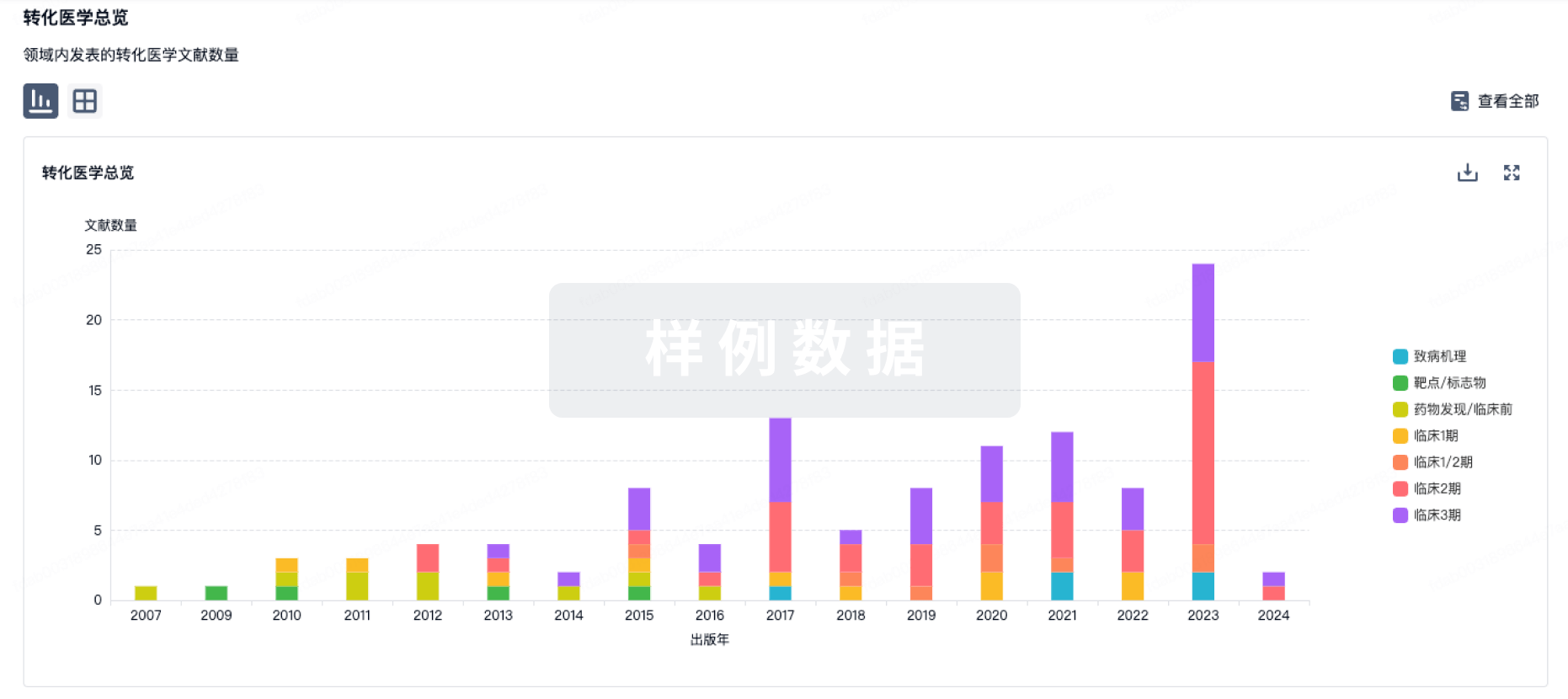
转化医学
使用我们的转化医学数据加速您的研究。
登录
或
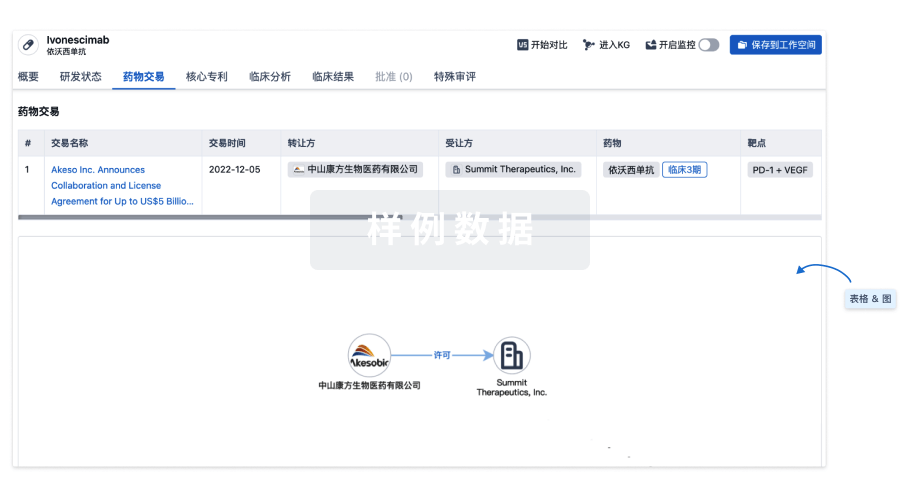
药物交易
使用我们的药物交易数据加速您的研究。
登录
或
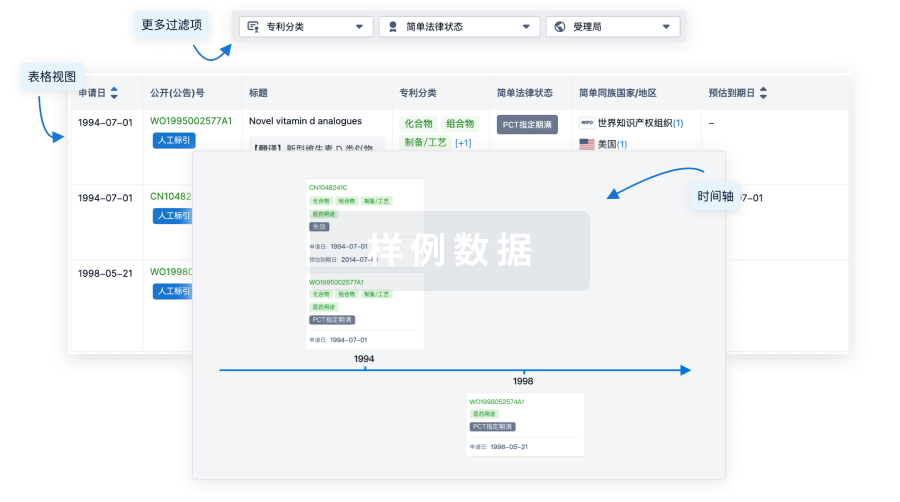
核心专利
使用我们的核心专利数据促进您的研究。
登录
或
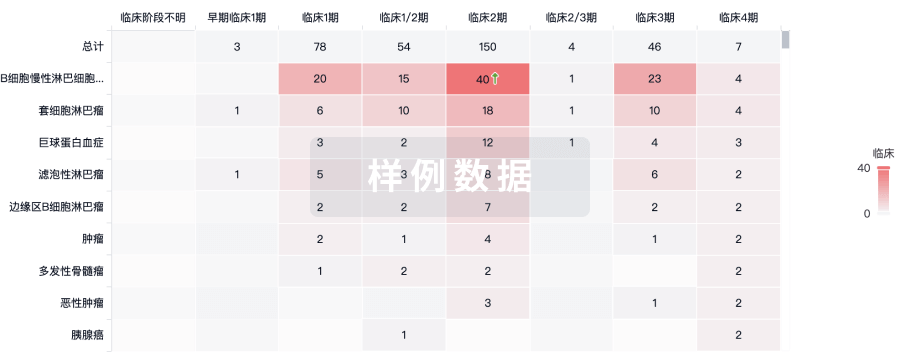
临床分析
紧跟全球注册中心的最新临床试验。
登录
或
批准
利用最新的监管批准信息加速您的研究。
登录
或
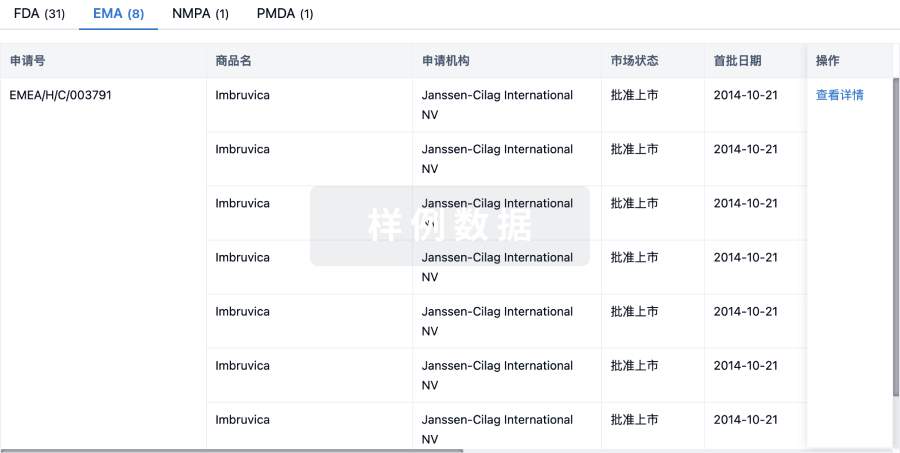
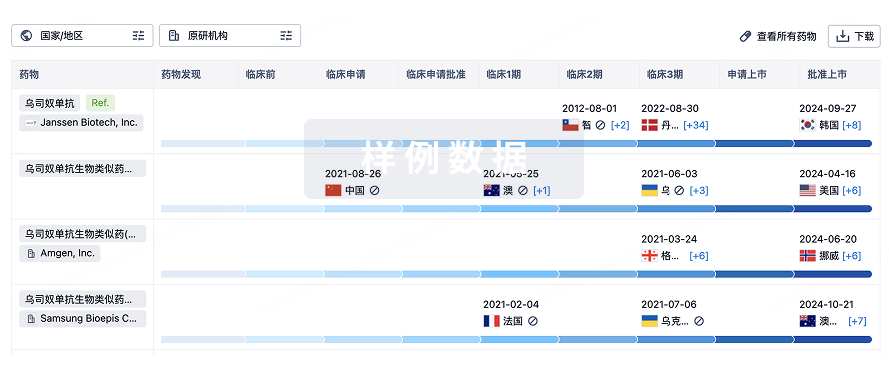
生物类似药
生物类似药在不同国家/地区的竞争态势。请注意临床1/2期并入临床2期,临床2/3期并入临床3期
登录
或
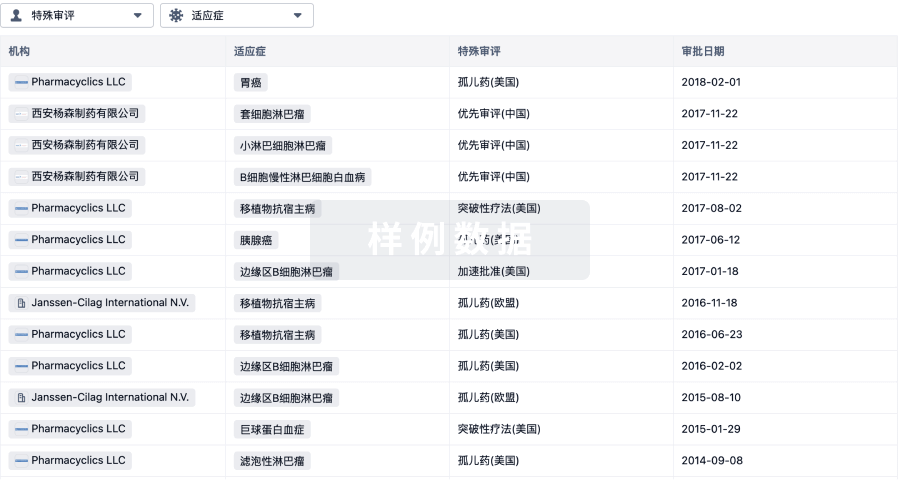
特殊审评
只需点击几下即可了解关键药物信息。
登录
或
提出任何生物医药研究问题
让每一步生物医药决策都精准制胜
基于十亿级生物数据与全球情报的精准 AI,赋能早期药物发现
立即开始免费试用!
智慧芽新药情报库是智慧芽专为生命科学人士构建的基于AI的创新药情报平台,助您全方位提升您的研发与决策效率。
立即接入生物医药数据包
智慧芽新药库数据也通过智慧芽开放平台,以MCP或API服务形式对外开放。立即使用我们的MCP服务定制您的LLM智能体。
生物序列数据库
生物药研发创新
免费使用
化学结构数据库
小分子化药研发创新
免费使用