预约演示
更新于:2026-06-09
ADRX-0405
更新于:2026-06-09
概要
基本信息
药物类型 ADC |
别名 ADRX 0405、ADRX0405 |
作用方式 抑制剂 |
作用机制 STEAP1抑制剂(前列腺六跨膜上皮抗原1抑制剂)、TOP1抑制剂(DNA拓扑异构酶I抑制剂) |
在研适应症 |
非在研适应症- |
非在研机构- |
权益机构- |
最高研发阶段临床1期 |
首次获批日期- |
最高研发阶段(中国)临床申请批准 |
特殊审评孤儿药 (美国) |

登录后查看时间轴
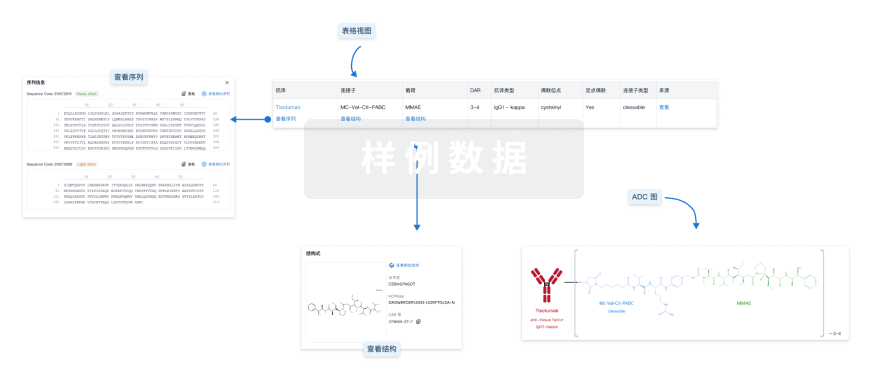
结构/序列
使用我们的ADC技术数据为新药研发加速。
登录
或
关联
1
项与 ADRX-0405 相关的临床试验NCT06710379
A Phase 1a/b Study of ADRX-0405 in Subjects With Select Advanced Solid Tumors
100 项与 ADRX-0405 相关的临床结果
登录后查看更多信息
100 项与 ADRX-0405 相关的转化医学
登录后查看更多信息
100 项与 ADRX-0405 相关的专利(医药)
登录后查看更多信息
1
项与 ADRX-0405 相关的文献(医药)PROSTATE CANCER AND PROSTATIC DISEASES
STEAP1-targeted strategies in advanced prostate cancer: a review on therapeutic and diagnostic implications
Review
作者: Heo, Ja Yoon ; Emmenegger, Urban ; Khalaf, Daniel ; Sheng, Minzhi ; Leong, Hon S
BACKGROUND/OBJECTIVES:
Six transmembrane epithelial antigen of prostate 1 (STEAP1), a cell surface protein, is highly expressed in prostate cancer and is known to be associated with disease progression and poor prognosis. Based on its specificity for prostate cancer, significant progress has been made over the past decade to capitalize on STEAP1 as a diagnostic and treatment target, and its potential future role in prostate cancer care is of considerable interest.
SUBJECTS/METHODS:
This review evaluates the current and emerging strategies targeting STEAP1, integrating findings from preclinical studies and clinical trials.
RESULTS:
This review discusses STEAP1-based diagnostics, including molecular imaging (89Zr-DFO-MSTP2109A) and liquid biopsy methods, as well as therapeutics, such as STEAP1 antibodies, antibody-drug conjugates (DSPT3086S, ADRX-0405, ABBV-969, and DXC008), chimeric antigen receptor T-cell therapy (STEAP1 CAR-T), bispecific T-cell engagers (Xaluritamig/AMG 509, BC261), and cancer vaccines.
CONCLUSIONS:
STEAP1 represents a promising diagnostic and therapeutic target in prostate cancer, and its potential role in shaping future management of the disease warrants continued investigation.
100 项与 ADRX-0405 相关的药物交易
登录后查看更多信息
研发状态
10 条进展最快的记录, 后查看更多信息
登录
| 适应症 | 最高研发状态 | 国家/地区 | 公司 | 日期 |
|---|---|---|---|---|
| 前列腺腺癌 | 临床1期 | 美国 | 2024-12-30 | |
| 晚期恶性实体瘤 | 临床1期 | 美国 | 2024-12-30 | |
| 转移性去势抵抗性前列腺癌 | 临床1期 | 美国 | 2024-12-30 | |
| 非小细胞肺癌 | 临床1期 | 美国 | 2024-12-30 | |
| 前列腺癌 | 临床1期 | 美国 | 2024-12-30 | |
| 胃癌 | 临床1期 | 美国 | 2024-12-30 |
登录后查看更多信息
临床结果
临床结果
适应症
分期
评价
查看全部结果
登录后查看更多信息
转化医学
使用我们的转化医学数据加速您的研究。
登录
或

药物交易
使用我们的药物交易数据加速您的研究。
登录
或

核心专利
使用我们的核心专利数据促进您的研究。
登录
或

临床分析
紧跟全球注册中心的最新临床试验。
登录
或

批准
利用最新的监管批准信息加速您的研究。
登录
或

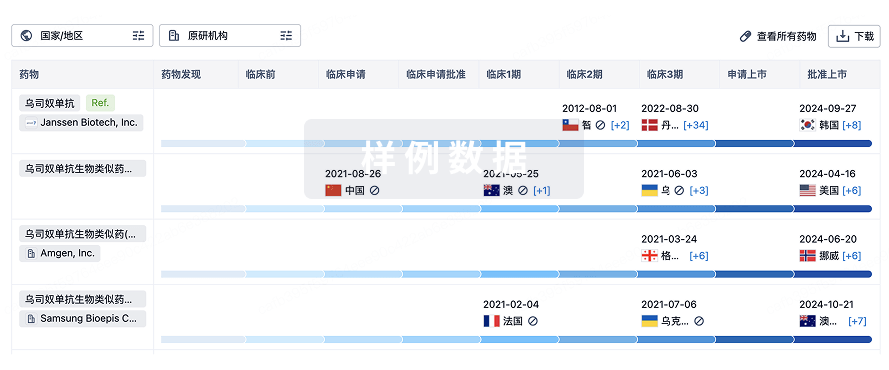
生物类似药
生物类似药在不同国家/地区的竞争态势。请注意临床1/2期并入临床2期,临床2/3期并入临床3期
登录
或
特殊审评
只需点击几下即可了解关键药物信息。
登录
或

提出任何生物医药研究问题
让每一步生物医药决策都精准制胜
基于十亿级生物数据与全球情报的精准 AI,赋能早期药物发现
立即开始免费试用!
智慧芽新药情报库是智慧芽专为生命科学人士构建的基于AI的创新药情报平台,助您全方位提升您的研发与决策效率。
立即接入生物医药数据包
智慧芽新药库数据也通过智慧芽开放平台,以MCP或API服务形式对外开放。立即使用我们的MCP服务定制您的LLM智能体。
生物序列数据库
生物药研发创新
免费使用
化学结构数据库
小分子化药研发创新
免费使用