预约演示
更新于:2026-03-04

Koru Biotech Solutions Ltd.
更新于:2026-03-04
概览
关联
100 项与 Koru Biotech Solutions Ltd. 相关的临床结果
登录后查看更多信息
0 项与 Koru Biotech Solutions Ltd. 相关的专利(医药)
登录后查看更多信息
2
项与 Koru Biotech Solutions Ltd. 相关的文献(医药)Animals
Pilot Study: Soluble LPS/IgG Milk Complexes in Relationship to Early Lactation Acute Mastitis in Dairy Cows
Article
作者: Pernthaner, Anton ; Laven, Richard ; Hurst, Suzanne M.
Prevalence of LPS in Gram-negative bacterial udder infections determines mastitis severity and disease prognosis. This pilot study explores the notion that milk-soluble (s) LPS/IgG complex levels in dairy cows link mastitis severity to intramammary Gram-negative infections during early lactation. Milk, within a single herd, was analysed from (i) 34 early lactating cows with acute mastitis and (ii) milk selected from peak lactation cows displaying either healthy (SCC < 100 × 103 cells/mL, n = 146) or subclinical mastitis (SCC > 150 × 103 cells/mL, n = 135) characteristics. Milk was assessed for (i) sLPS/IgG using an “in-house” ELISA, (ii) udder inflammation using LDH activity, and (iii) bacterial presence applying on-farm and standard microbiological laboratory techniques. Mean milk sLPS/IgG absorbances in acute mastitis cows were higher than those detected in healthy and subclinical mastitis cows, with mean differences of 0.35 (95% CI, 0.28 to 0.42) and 0.36 (95% CI, 0.28 to 0.44), respectively. On day 1 of acute mastitis, sLPS/IgG levels in milk containing only Gram-positive bacteria ranged from OD 0.04 to 0.14 (median = 0.1). In contrast, sLPS/IgG levels ranging from OD 0.27 to 1.42 (median = 0.58) and from 0.02 to 1.67 (median = 0.21) were detected in milk containing only Gram-negative bacteria or both Gram-negative and Gram-positive bacteria (i.e., polymicrobial), respectively. Furthermore, differential milk sLPS/IgG absorbance profiles (observed during the testing period days 1–3) were observed in cows with acute mastitis caused by Gram-positive, Gram-negative or polymicrobial infections. Our preliminary findings support the notion that milk sLPS/IgG complexes provide a link between mastitis severity and intramammary Gram-negative infections in dairy cows during early lactation.
NEW ZEALAND VETERINARY JOURNAL
Association between milk anti-
Staphylococcus aureus
antibody, somatic cell count, and milk yield in lactating dairy cows
Article
作者: McDougall, S ; Koralagamage Don, R ; Pernthaner, A
AIMS:
To assess the association between the sample/positive (S/P) ratios from a milk IgG ELISA, specific for Staphylococcus aureus and the somatic cell count (SCC) in cow composite milk samples taken at routine herd testing, and the association between the S/P ratio and milk solids (MS; kg fat + protein/cow/day) in cows in a pasture-based, seasonal-calving, New Zealand dairy herd.
METHODS:
Data from cow-composite milk samples were retrospectively analysed to determine the associations between the S/P ratios from a milk IgG ELISA specific for S. aureus, SCC (transformed to linear scores (LS) for analysis), and MS from cow-composite milk samples collected on four occasions across two lactations. A generalised linear mixed model was used to assess the effect of age, breed, month in lactation, and their interactions on the S/P ratio. To assess agreement between cows defined as infected based on S/P and on SCC, cows were classified as uninfected or infected using test positive cutpoints ≥ 0.38 for the S/P ratio and ≥ 150,000 cells/mL for SCC, and the agreement between these categories was compared by Gwet's agreement coefficient (AC). A generalised linear mixed model was used to assess associations between S/P and MS production with age, breed, and herd test date, with their interactions as explanatory variables, and cow as a random effect.
RESULTS:
The S/P varied by month of lactation, and there was an interaction between age and breed. There was a moderate agreement between the dichotomised S/P ratios and the dichotomised SCC (Gwet's AC = 0.59 (SE = 0.02); p < 0.001). When the MS production of cows defined as S/P test negative, suspicious or positive was analysed, there was an age by S/P interaction whereby there was no association between S/P category and MS amongst 2-year-olds, while in older cows, test-positive cows had lower MS than test-negative cows.
CONCLUSIONS:
This observational study demonstrated moderate agreement between S/P ratio and SCC. Additionally, there were negative associations between the S/P ratio and MS amongst older cows and in late lactation. Thus, the S/P ratio of an S. aureus-specific IgG ELISA is correlated with a well-defined marker of mastitis (SCC) and with milk yield depression. Further assessment of these associations using microbiology, and investigation of associations between the antibody results and long-term survival in the herd would further strengthen the validity and utility of the test.
1
项与 Koru Biotech Solutions Ltd. 相关的新闻(医药)2021-12-23
The Freedom Syringe Infusion System currently includes the FREEDOM60 and FreedomEdge Syringe Infusion Drivers, Precision Flow Rate Tubing and HIgH-Flo Subcutaneous Safety Needle Sets
Repro Med Systems, Inc. dba KORU Medical Systems (NASDAQ: KRMD) (“KORU Medical” or the “Company”), a leading medical technology company focused on the development of innovative and easy-to-use home infusion solutions, today announced FDA 510(k) clearance that expands on-label use of the FREEDOM60 Infusion System to two additional subcutaneous Ig (SCIg) medications, Cutaquig®, manufactured by Octapharma, and Xembify®, manufactured by Grifols.
“We are excited to announce another milestone for KORU Medical as we seek to further improve patients’ quality of life through the development and delivery of high-quality therapeutic drug delivery in the home. Having the FREEDOM60 Infusion System cleared for use with Xembify and Cutaquig allows patients and providers additional options for life enhancing subcutaneous immunoglobulin therapy treatment in the home with a system that has broad patient and healthcare worker adoption,” said Linda Tharby, President and CEO.
“KORU Medical’s Freedom Infusion System is specifically cleared for use with more SCIg drugs than any other system. Adding Xembify and Cutaquig to our label, in addition to our recent FDA 510(k) clearance for use of Hizentra® prefilled syringes with the FreedomEdge®, extends KORU Medical’s leadership position in the growing SCIg market.”
KORU Medical Systems develops, manufactures, and commercializes innovative and easy-to-use specialty infusion solutions that improve quality of life for patients around the world.
The Freedom Syringe Infusion System currently includes the FREEDOM60® and FreedomEdge® Syringe Infusion Drivers, Precision Flow Rate Tubing™ and HIgH-Flo Subcutaneous Safety Needle Sets™. These devices are used for infusions administered in the home and alternate care settings.
100 项与 Koru Biotech Solutions Ltd. 相关的药物交易
登录后查看更多信息
100 项与 Koru Biotech Solutions Ltd. 相关的转化医学
登录后查看更多信息
组织架构
使用我们的机构树数据加速您的研究。
登录
或
管线布局
2026年09月18日管线快照
无数据报导
登录后保持更新
药物交易
使用我们的药物交易数据加速您的研究。
登录
或
转化医学
使用我们的转化医学数据加速您的研究。
登录
或
营收
使用 Synapse 探索超过 36 万个组织的财务状况。
登录
或
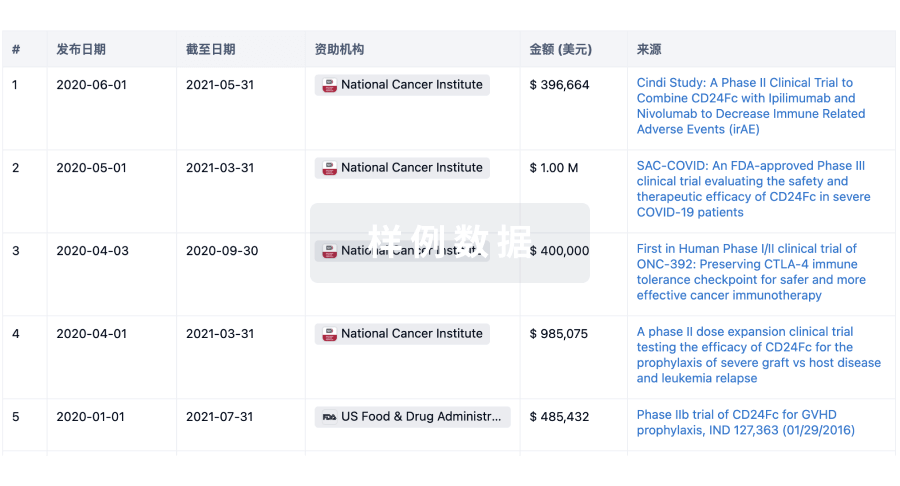
科研基金(NIH)
访问超过 200 万项资助和基金信息,以提升您的研究之旅。
登录
或
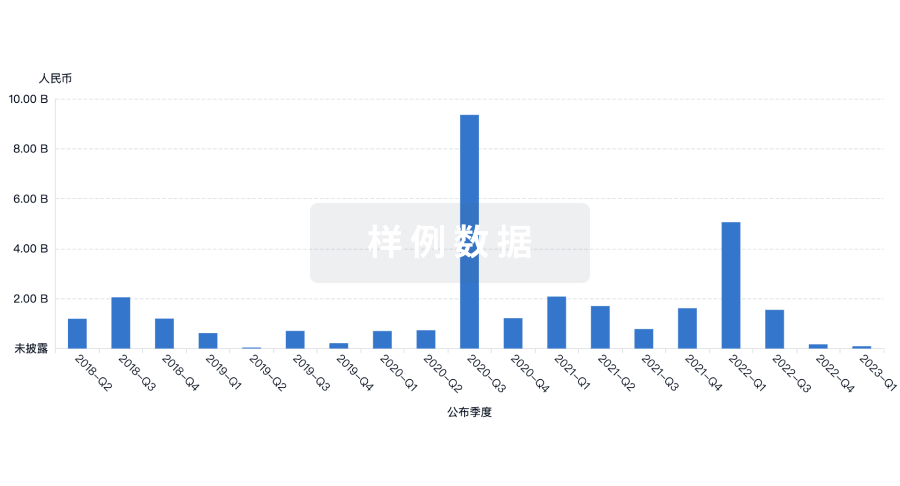
投资
深入了解从初创企业到成熟企业的最新公司投资动态。
登录
或
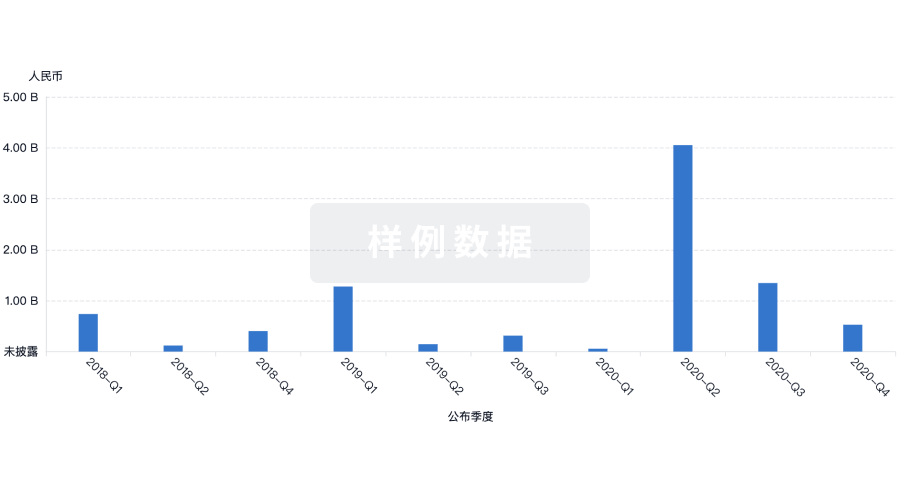
融资
发掘融资趋势以验证和推进您的投资机会。
登录
或
提出任何生物医药研究问题
让每一步生物医药决策都精准制胜
基于十亿级生物数据与全球情报的精准 AI,赋能早期药物发现
立即开始免费试用!
智慧芽新药情报库是智慧芽专为生命科学人士构建的基于AI的创新药情报平台,助您全方位提升您的研发与决策效率。
立即接入生物医药数据包
智慧芽新药库数据也通过智慧芽开放平台,以MCP或API服务形式对外开放。立即使用我们的MCP服务定制您的LLM智能体。
生物序列数据库
生物药研发创新
免费使用
化学结构数据库
小分子化药研发创新
免费使用