预约演示
更新于:2025-05-07
Liaoning Petrochemical University
教育|1950|中国辽宁省
教育|1950|中国辽宁省
更新于:2025-05-07
概览
关联
100 项与 Liaoning Petrochemical University 相关的临床结果
登录后查看更多信息
0 项与 Liaoning Petrochemical University 相关的专利(医药)
登录后查看更多信息
1,707
项与 Liaoning Petrochemical University 相关的文献(医药)2025-12-31·Energy Sources, Part A: Recovery, Utilization, and Environmental Effects
Characteristics and kinetics of fushun oil shale pyrolysis catalyzed by alumina loaded bimetallic salts
作者: Li, Zhuang ; Yao, Yao ; Zhou, Honghu ; Ma, Danzhu ; Jia, Fengrui ; Jian, Weiwei
2025-12-31·Virtual and Physical Prototyping
Recent advance in laser powder bed fusion of Ti–6Al–4V alloys: microstructure, mechanical properties and machinability
作者: Zhang, Baoguo ; Liu, Dejian ; Zhu, Junjie ; Ni, Chenbing ; Lu, Wei ; Zhu, Lida ; Wang, Youqiang ; An, Kai ; Liu, Changfu
2025-09-01·Fuel
Study on the effect of carbon nanotubes on the kinetics of CO2 hydrate formation under the synergistic effect of trace surfactants based on hydrophobic effect
作者: Jiang, Xinwei ; Ma, Guiyang ; Liu, Siyu ; Jiang, Xiangchun ; Wang, Ping ; Wang, Xiao
1
项与 Liaoning Petrochemical University 相关的新闻(医药)2024-02-11
·药融圈
新春SPRING FESTIVAL祥龙送福到!每年春节期间,发红包是一项传统文化习俗,表示着除旧迎新,把新的一年的祝福和好运带给对方。这次的除夕夜,药鼎记为回馈广大粉丝一直以来的支持,特组织“除夕夜压岁钱大战”活动,邀请山西皇城相府药业董事长兼总经理马路军、施美药业/山东创新董事长江鸿、尚科生物CEO/首席科学家竺伟、深圳华溶仪器董事长祝锦敏、高迈药业联合创始人/副总经理曹清、艾奇西医药创始人/总经理冯胜昔、南京逐陆医药董事长李昌龙、安拓思纳米技术负责人吴昊、浙江荣耀生物董事长陈仁尔、山东丰金生物副总经理韩冠英、南京泽恒医药总经理徐成、广州新济药业创始人/董事长吴传斌、宁波新芝生物董事长周芳、四川子腾医药创始人戴萍、诺必达(浙江)生物董事长吕巨波、南京润瞳畅达医药董事长董泽贤、山东微井科技化工有限公司创始人/董事长丁全有、大连凯途总经理周浩、享融智云总经理/药融云创始人王中建等医药圈各路“财神爷”为粉丝派发红包,送上新年的祝福!同时,各位嘉宾老师也作了一些精彩分享。真金白银展现诚意,惊喜不断让新春年味持续升温!深圳华溶新品发布会本次直播暨华溶线上新品发布会,国产溶出仪的佼佼者-深圳华溶携全新升级的五大溶出系统亮相直播间,除了派发数万元现金红包外,直播间更有多重好礼不断!及华为MATE60 PRO+ 1TB,累计10万元!除夕夜大咖齐聚*上下滑动查看马路军山西皇城相府药业 董事长兼总经理1996年10月参加工作,2012年12月加入中国共产党,长春税务学院会计系会计学专业毕业,本科学历。1994年5月——1996年9月在山西大学世界语学院英语系学习,期间担任学院团总支书记,学生会主席;1996年10月——2003年9月 中国建设银行股份有限公司山西省阳城县支行职员;2003年10月——2006年3月 皇城相府宾馆财务部经理;2006年4月——2007年12月 山西皇城相府国际旅行社有限公司副总经理;2008年1月——2013年12月任山西皇城相府国际旅行社有限公司总经理;2014年1月——2017年12月任皇城相府景区总经理。2015年7月,任皇城相府风景名胜区党支部副书记、皇城相府景区总经理。2016年3月,当选为阳城县十六届人大代表。2018年1月至今,任山西皇城相府药业股份有限公司董事长、总经理。2021年4月,当选为阳城县十七届人大代表。山西皇城相府药业股份有限公司隶属于皇城相府集团,是一家集生产、销售、研发、经营于一体的高科技、综合性新三板挂牌企业(证券代码:837668)。企业位于晋城市经济技术开发区,厂区占地面积60000余平米,有固体制剂、原料药合成、中药前处理及提取、口溶膜剂、保健食品、药茶和矿物质纯净水等生产系列,16条高智能化生产线。年生产固体制剂30亿片/粒,原料药1000kg,中药提取1000吨,口溶膜剂3亿片。现有国药准字号品种49个,健字号品种1个。其中儿科主打产品氨酚伪麻那敏分散片,为儿童专用感冒药,国内独家生产企业,属“山西省名牌产品”及“著名商标”。琥乙红霉素干混悬剂为国内独家剂型产品,儿童首选治疗支原体、衣原体肺炎特效药。妇科用药益母康颗粒为全国独家品种,纯中药制剂,适用于妇女产后血瘀腹痛,缺乳等症,是广大产后妇女的福音。坎地沙坦酯片为国内二类新药,国家医保品种,国际最新的抗高血压临床一线用药。企业下设两个分公司:医药分公司、食品分公司。三个子公司:山西皇城相府连锁大药房子公司、山西皇城相府沁河制药有限公司、山西皇城相府大健康科技有限公司。皇城相府药业先后荣获国家绿色示范工厂、国家级“高新技术企业”、“山西省名牌产品”及“著名商标”、山西省“专精特新”小巨人企业、“最具市场竞争力新锐品种”“山西省社会主义核心价值观示范基地”等国家、省、市级殊荣,得到了来自各级主管部门和社会各界的广泛赞誉。 江鸿施美药业/山东创新 董事长江鸿,施美药业创始人,现任施美药业&山东创新董事长兼CEO。中山大学工商管理硕士,中欧国际工商学院EMBA,南方医科大学、广州医科大学客座教授,手性药物国家地方工程研究中心主任,,全国工商联医药业商会研发与服务专委会副主任,广东省药理学会药物筛选与评价专业委员会常委。先后承担了国家重大新药创制“十二五”科技重大专项、国家重点研发计划等多项国家级课题,省级科技重大专项等10余项省级课题。主持了200多项药品的研发立项。以第一发明人的身份获得了国内授权发明专利22项,国际PCT专利1项,,荣获第十五届中国专利优秀奖、江西省科技进步奖、江西省技术发明专利奖等多项奖励,在国内外有影响的专业药学期刊发表重要论文多篇。先后入选江西省委人才办“赣鄱英才555工程团队”,江西省“双千计划”创新创业领军人才,山东省医药行业领军人物等,被江西省人民政府评为50个世界优秀赣商之一。施美药业集团是一家以研发为核心驱动力的创新型医药企业,下设江西施美(高端制剂CDMO/CMO)、山东创新(高端原料及制剂药学CRO)、广州施美(CSO)、广东创新谷(临床CRO)、山东科新(高端原料CDMO/CMO)等多家子公司,专注于高端仿制药、改良型创新药、创新药的研发、生产及销售,并向客户提供自主研发技术成果转化(MAH)、药学及临床受托研发(CRO)、原料及各种制剂的定制化生产(CDMO)及委托加工(CMO)、产品市场推广(CSO)等一站式综合服务。公司核心业务主要包括医药研发与定制化生产业务和化学药制剂生产销售业务。经过多年发展,施美药业在手性药物领域,尤其是手性降压、降脂、降糖等降“三高”药物领域形成了独特优势。公司管理总部、营销中心及临床试验基地设在广州,制剂生产基地设在江西,研发总部和原料生产基地设在济南。竺伟尚科生物 CEO、首席科学家2005年6月,博士毕业于复旦大学化学系,师从马大为院士。2005年7月~2012年10月,上海奥博生物医药技术有限公司,任常务副总经理。2012年11月至今,尚科生物医药(上海)有限公司,任CEO。尚科生物医药(上海)有限公司成立于2007年,坐落在上海市浦东新区张江高科技园区南区——上海国际医学园区内,是浙江尚科生物医药有限公司的全资子公司。尚科生物致力于前沿的绿色制药领域的技术和产品的研究与开发,以绿色生物技术引领化学制药行业的发展,为制药行业提供高品质的产品和优质的服务。尚科生物医药(上海)有限公司是国家专精特新“小巨人”企业,上海市高新技术企业,也是上海市“专精特新”企业,上海市科技小巨人培育企业。尚科生物拥有强大的生物技术平台、化学技术平台、检测测试平台和GMP生产体系。尚科生物专注于生物酶和生物催化技术以及合成生物学技术的开发与应用研究。尚科生物主营业务为生物酶、辅酶及应用绿色生物技术的医药中间体、原料药、功能食品原料的研发、生产和销售,同时为生物医药行业的客户提供高端的CRO、CDMO服务和检测测试、质量研究服务。尚科生物的主要产品为生物酶、辅酶NAD系列产品(包括NMN、NAD、NADP、NADH、NADPH)、功能食品原料、医药中间体和原料药等。公司的客户和合作伙伴遍布全球,与北美、欧洲、印度等区域和国家的众多客户形成紧密的合作关系。尚科生物拥有经验丰富的管理团队和高效的研发团队,包括多位在生物酶开发、药物合成工艺开发、药物质量研究等领域的杰出专家,在药物化学、绿色化学、合成工艺、原料药开发、发酵和蛋白质纯化、生物工程、合成生物学等多个重要领域拥有知名度和竞争力。尚科生物是中国绿色制药领域的知名企业,在整合化学合成和生物转化方面拥有雄厚的技术和实力。我们始终坚持秉承通过技术创新和优质服务提升客户价值的原则,更好的服务于我们的客户,并成为客户理想的合作伙伴。祝锦敏深圳华溶仪器 董事长深圳市华溶分析仪器有限公司,是药物制剂体外溶出综合评价供应商。一直专注于药物溶出系统的研发与生产,是国内首家将活塞泵流池法溶出系统商品化的行业先行者。华溶“秉承产品开发科技先行”的质量方针,依托国内外知名高校科研平台及有十多年行业应用丰富经验的资深技术专家,吸取了国内外溶出仪最新研究成果并持续创新,精心打造出多款高端溶出系列产品。华溶产品涵盖了自动取样溶出系统、往复筒法溶出系统、流池法溶出系统、透皮扩散系统、在线溶媒脱气机等,旨在为客户提供优质的药物溶出整体解决方案。华溶,已与沈阳药科大学、中国药科大学、天津中医药大学、深圳技术大学、中山大学药学院(深圳)、山东大学淄博生物医药研究院、广州新济、上海智同、湖南慧泽、北京民康百草、山东诺明康、北京汇诚瑞祥、成都医路康、杭州善礼等15家高等院校及药物研发公司成立联合实验室。通过产学研共创平台为中国医药事业的发展注入不竭动力。曹清高迈药业联合创始人、副总经理苏州高迈药业有限公司成立于2018年,即将搬迁至生物医药产业园四期,研发场地面积11000平方米;专注于外用药的药学研发(乳膏,软膏,凝胶,外用溶液,贴剂);团队由日本的技术、生产人员领衔,国内知名高校教授为顾问团队;核心管理人员均具有多年的研发管理经验;目前已有1个外用药项目获批,2个创新药的临床1期批件,已申报3个产品。公司致力于“高端仿制”“改良型新药”“自主创新药”三步走战略,打造专业外用药“第一股”。冯胜昔艾奇西医药 创始人、总经理教授级制药高级工程师,执业药师。华南理工大学生物科学与工程学院博士,中国科学院上海药物研究所硕士、英国利兹大学访问学者。从事药物研发、质量管理工作和国内外药品注册30余年。擅长抗感染药品开发的产业化研究、质量管理和国际注册工作。主持过国家“重大新药创制”项目和多项国家及广东省科研项目,获得发明专利30余项。近年来,领导广州艾奇西申报了多个品种(中国CDE及欧美),如注射用头孢噻肟钠、注射用阿莫克拉(5:1)、注射用头孢他啶阿维巴坦、注射用氟氧头孢、注射用多粘菌素、注射用厄他培南、注射用磷霉素钠、头孢妥仑皮酯颗粒、盐酸头孢卡品酯颗粒、孟鲁司特钠咀嚼片、阿卡波糖片等。广州艾奇西医药科技有限公司创建于2011年,位于广州福珀斯创新园区内,研发面积近8000㎡,总人数230+人,是一家综合医药研究服务研发的高新技术企业。公司由药物研发专业团队及海内外留学人员共同组建。主要从事新药和仿制药(药学研究一站式技术服务)、小批量无菌原料药CDMO服务(创新药、可微粉化、中美双报)、杂质对照品定制、痕量杂质研究和基因毒性杂质研究服务;进口药品注册代理、药品欧美申报和市场推广;GMP和专利咨询。公司拥有国内外优秀的合成分析注册申报研发团队,产业化研究经验丰富,充分了解全球医药市场动态,熟悉中国和欧美药品注册法规。药物研究开发能力、工艺技术改善能力及产业化实施能力过硬。与国内外多家大型制药公司均保持密切业务往来。李昌龙南京逐陆医药 董事长李昌龙1994年毕业于陕西中医药大学中药系,毕业后加入扬子江药业集团,从事药品生产和药物研发实验工作五年,在扬子江药业主持了左氧氟沙星注射液、碘海醇注射液等多个明星注射剂的制剂试验开发工作。2000年至2009年在江苏济川药业集团从事药物研发,历任开发部经理、研发中心副主任、药物研究院院长。在济川药业工作的十年里,组织管理自主研发团队和项目引进齐头并进,先后引进了蒲地蓝消炎口服液、小儿豉翘清热颗粒、雷贝拉唑肠溶胶囊等多个知名产品。累计在两大制药公司从事研发试验和研发管理工作16年,积淀了丰富的药品研发管理经验,对制药企业的生产和销售运营有深刻的理解。2010年加盟南京逐陆医药科技,与五位各有技术专长的股东联合创业13年,持续引进及培养研发人才、完善试验场地,使南京逐陆医达到中型研发公司的规模,具备部分剂型的CDMO能力。南京逐陆医药是一家专业从事药品技术服务、技术转让及部分剂型CDMO的国家级高新技术企业,公司成立于2004年。现有研发人员180多名,硕士以上人员60人,技术骨干均从事药物研发十年以上,公司引进的数名博士,均在重要岗位为产品研发提供关键技术支撑。2012年,公司自购土地,建设研发实验室六千多平米,配置液相、气相、质谱等精密仪器一百多台。口服固体制剂和贴剂车间四千多平米,具备碳酸钙D3固体制剂、热熔胶贴剂和凝胶剂的CDMO综合服务能力。公司经过八年的技术积累,建立营养药品的研发平台,已开发“大复方维生素口服制剂、碳酸钙维D3制剂、复方多种维生素注射液、羧基麦芽糖铁注射液、异麦芽糖铁注射液”等复杂营养药品,将继续扩展微量元素、氨基酸、蛋白质等大复方营养药品的研发;建立舒适医疗类外用药研发平台,已开发洛索洛芬钠、艾氟洛芬、酮洛芬等镇痛贴剂以及单复方局麻外用药,具备皮肤、口腔、尿道、阴道、眼科多种给药途径研发实力。公司2022年组建中药研发中心,全面开启中药新药、同名同方和经典名方中药的研发。吴昊安拓思纳米技术 负责人吴昊,现任安拓思纳米技术(苏州)有限公司营销总监。全面负责安拓思市场与销售策略和团队管理。十多年来吴昊专注于:高端复杂制剂和合成生物行业;始终以客户为中心,为客户提供专业化纳米技术解决方案。为人诚信、正直;产品性能优异,深受客户信赖。在他的带领下安拓思销售团队积极开拓,销售业绩连续破亿。在高压均质机行业遥遥领先!安拓思纳米技术(苏州)有限公司作为一家面向全球的集微纳米制剂核心工艺设备设计、制造与产业化技术服务于一体的高新技术企业制造商,以超高压技术为核心,专注于破壁、乳化、分散高压设备的研发、生产与销售,向下游客户提供先进高压均质机、脂质体挤出器等配套产品与服务。ATS成立于2001年, 100%国产替代,NO.1国产均质机第一品牌。产品广泛应用于-复杂制剂-纳米化处理以及-合成生物学-细胞破壁功能最大产量4000L均质机。ATS通过不断的研究和创新,我们努力推动合成生物学以及复杂制剂的发展,为解决全球性挑战提供可持续的解决方案。陈仁尔浙江荣耀生物 董事长在台州创业30多年,其间有着在浙大攻读博士,在浙工大任教7年的教授履历,至今还是台州学院教授身份的陈仁尔,却是一位实实在在的民营企业家。荣耀生物主要从事兽药原料药及制剂、医药原料药及中间体的研发、生产、销售,产品90%远销海内外。在陈仁尔的执掌下,企业持续开展科技创新,不断加大研发投入,连续5次通过美国FDA认证,4次通过农业部兽药GMP认证,获得国家高新技术企业、浙江省科技型中小企业、浙江省专精特新中小企业、中国外贸出口先导指数样本企业等荣誉,建立了省级企业研究院、省级中小企业技术中心、国家级博士后工作站(分站)等科研平台,并先后与中科院、浙江大学等高校、研究院建立长期的产学研合作关系。韩冠英山东丰金生物 副总经理山东大学,微生物与生化药学博士中国科学院上海药物研究所博士后微生物与生化制药学科带头人中国药学会优秀药师辽宁省“兴辽英才计划”青年拔尖人才烟台市“D类(重点)人才”锦州市第四批市级后备学术和技术带头人硕士研究生导师中国工业生物化学与分子生物学会理事承担国家和省市科技项目15项,技术转让项目5项,发表文章40余篇,其中SCI收录15篇。授权专利6项。山东丰金生物医药有限公司成立于2018年6月,注册资本2.4亿元人民币,是一家以生物医药产品为主,并具备化学药物制剂生产能力的综合性医药研发、生产及销售的高新技术企业。山东丰金生物医药有限公司占地约168亩,总投资8亿元。总建筑面积约13万平米,其中生物医药车间2座约1.56万平米,已投入使用一个生物药车间约5.2千平米(含仓储、空调及公用工程),剩余约1万平米厂房未投入使用。固体制剂车间2座约4万平米,已投入使用两个固体制剂车间约1.8万平米(含仓储、空调及公用工程),剩余约2.2万平米未投入使用。科研楼面积8.8千平米,员工宿舍面积5.6千平米,办公楼、辅助配套设施面积约2万平米,预留约4万平米空地。徐成南京泽恒医药 总经理徐成,南京泽恒集团总经理,毕业于中国药科大学,南京药学会药理和药剂专业委员。在药物制剂研发和产业化方面有着非常丰富的经验和成就,带领研发和生产团队开展了一百余项创新药和仿制药的研发工作,获得批件十余项,力求不断提供高质量药品,使广大病患早日恢复幸福安康。泽恒医药集团成立于2009年,坐落于江苏南京,主要从事创新药物、改良型药物、高端仿制药物的研发、生产、销售,是国家高新技术企业及南京市瞪羚企业。研发团队130余人,在研项目150余项,已申报30余项,其中7个药品已上市,2024年预计申报50余项,取得20余个药品批件。集团目前拥有8000平米GMP厂房,可生产片剂、胶囊剂、注射剂、口服溶液、口服滴剂,管线丰富,产能充足。集团以“泽惠人类健康、恒以开拓创新”为核心价值观,十五年来深耕药品研发与质量研究,以研发和持有人双重质量管理体系为基础,打造泽恒特色项目管理体系,对每一个项目负责到底,对每一位客户服务到底!吴传斌广州新济药业创始人、董事长吴传斌,新济药业创始人/董事长,是国家重点计划专家,暨南大学教授,美国药学科学家协会会士(AAPS Fellow,首位中国科学家入选)、加拿大特许管理学院院士,国家药典会委员,美国药学家学会会士,中国药学会药物制剂专业委员会副主任委员,曾任职于军事医学科学院,美国强生、诺华等国际知名药企,曾任职中山大学药学院教授和副院长。研发上市产品包括:硝苯地平缓释片、伊拉地平胶囊、安非他酮缓释片、西洛他唑片、阿奇霉素口服混悬液、辛伐他丁缓释片、泮托拉唑延释制剂、丙泊酚中长链脂肪乳、复合维生素注射冻干粉等十多个新药,均已成功在美国或中国上市销售。广州新济药业科技有限公司成立于2007年,是一家面向全球,从事高端复杂制剂研究和改良型新药研发的高新技术企业。公司拥有一万余平米独栋办公楼,超6000平方米研究实验室,拥有发明专利60余项,PCT专利4项,关键技术发明专利授权35项,可为国内外客户提供专业、优质的药学研究服务。公司依托可溶性微针、经皮制剂、吸入制剂、难溶性药物、特色缓控释和复杂注射六大特色制剂技术平台,为临床用药提供更优质和高效的选择,增强企业竞争壁垒,助力中国医药产业转型升级与发展。周芳宁波新芝生物 董事长周芳,现任宁波新芝生物科技股份有限公司董事长。自1989年创办新芝至今,周芳始终把创新作为企业的灵魂,不断开辟发展生命科学仪器新领域,目前新芝已成为北交所上市企业,国家级“专精特新”小巨人,拥有70多项国家专利。周芳曾获全国巾帼建功标兵、宁波市三八红旗手、宁波市优秀女企业家等荣誉。此外周芳积极投身健康科普领域,出版多部书籍,其《图识本草》周历被评为浙江省 2022 年中医药健康科普作品一等奖。新芝生物是一家专业为生命科学领域提供仪器设备的高新技术企业,是国家专精特新小巨人,也是北交所上市公司。产品涵盖生物样品处理、分子生物学与药物研究、实验室自动化与通用设备三大类,服务于生物医药、IVD、合成生物学、疾病预防与控制、环保及新材料等领域用户。公司积极围绕合成生物学“分子构建-细胞筛选-细胞培养-样品前处理处理-样品制备-产业化”各环节,致力于提供完善的产品组合与系统解决方案。戴萍四川子腾医药 创始人四川子腾医药股份有限公司创始人,四川大学华西生理学博士,专注药物研发、生产、销售的管理。子腾医药集团主要专业从事化学仿制药物的研发、产业化及销售,拥有行业一流的化药仿制技术团队及拥有GSP资质的专业药品销售公司,采用独特的“自营研发、销售+外包生产”模式,充分掌控产业链高利润环节并不断上市新品种,使公司获得持续的快速成长动力。团队近年来已经开发并且储备了多个产品,形成了完整的研发管线,产品涵盖心血管疾病、妇科、肿瘤、镇痛、胃肠道、退行性疾病等多个领域。吕巨波诺必达(浙江)生物 董事长在浙江医药工作近二十年,是最早推广国产脂溶性维生素的先驱人物,又以“坚守天然,呵护健康”的社会责任感和前瞻的眼光与志同道合的团队在浙江省嵊州市工业园创立了诺必达(浙江)生物科技有限公司(2018年03月27日)。公司拥有学科全、底蕴深的研、产、销专业团队,在禁抗背景下,成功开发出“酸化剂+植物精油”高效替抗产品。是国内首家专业从事饲料级富马酸推广应用的企业,也是国内富马酸销售量最大的企业之一。目前与国内多家饲料头部企业建立了长期稳定的合作关系。公司在建诺必达生物合成(原料)研发及产业化绿色制造项目计划投资约4亿元(一期),用地面积约48亩,计划在2024年年底建成年产4万吨营养强化剂及1万吨高纯高值天然脂质产物一体化生产线。新项目将实现自动化、数字化、网络化、智能化,力争建成行业内技术、管理、质量领先的标杆企业。董泽贤南京润瞳畅达医药 董事长南京润瞳畅达医药科技有限公司董事长,毕业于中国药科大学药物制剂专业,从事新药研发30多年,主持新药研发项目100+项目,研究获得国内数十个新药证书和近百个生产批件。曾任南京瑞年百思特(现优尼特尔)CEO、北京大学药学实验室主任、研究生导师。南京润瞳畅达医药科技有限公司(原双科医药)是一家专业从事新药研发、药品注册等技术服务的CRO公司。成立于1995年12月,位于南京市江宁CBD中心,拥有3000多平的实验室,团队具有20多年新药研发经验,配备HPLC、GC、LC-MS、GC-MS、ICP-MS、AAS 等多元化的高端精密仪器(总价值超过2000 万)。主要业务聚焦于眼用制剂(包括溶液型/混悬型)的开发,是国内眼用制剂研发头部企业。同时在替米沙坦单方/复方制剂、奥美拉唑肠溶胶囊这两个高变异口服固体制剂上积累了丰富的仿制经验,遥遥邻先于同行。丁全有山东微井科技化工有限公司创始人、董事长毕业于辽宁石油化工大学化工设备与机械专业,高级工程师。现任山东科加工业技术研究院董事,兼任黄海科学技术研究院副院长、山东省化工学会微通道专业委员会副主任、山东省化学化工学会理事会理事、山东兴文工业技术研究院院长。二十多年来,他怀揣对化工事业的热爱,一直从事化工高端领域的工艺技术研发推广工作,率领团队不断探索新技术,引领行业发展。先后取得了40余项发明专利,专利排名都是第1位。重点专利有“一种微反应器及流体混合系统”、“一种分段控温反应器及其搅拌轴”、“硝化甘油生产装置及系统”等。此外,还著有《连续化反应器及工艺设计》;《压力容器常用CR-Mo钢焊接》等出版著作和多篇行业影响较大的论文发表。自2014年以来,他重点从事连续化微反应工程方面的研究,带领团队打破技术垄断,实现了微反应技术国产化。目前,他率队研发的多个项目已落地使用,在多个方面也取得了骄人的业绩。山东微井化工科技有限公司成立于2018年,是一家行业领先的化工连续化装备和工艺验证服务商,2021被评为高新技术企业、青岛市专精特新企业。微井致力于为海内外客户提供包括微通道反应器、动态管式反应器、固定床反应器等各具特色的连续流化工装备,所售产品覆盖从实验室、中试到工业化级别。专业评估、实验验证的精准把控,全面赋能放大产业化设备的设计、加工、装配、售后的完整服务体系,帮助客户一站式解决化工装备连续化难题,建立安全、绿色、连续、高效的化工生产工艺体系。目前产业化已开车项目40多套。周浩大连凯途 总经理周浩,大连理工大学工商管理硕士,NBIA认证孵化器职业经理人。现任中国技术创业协会原料药分会(凯途)副秘书长、大连万福制药有限公司副总经理、大连长兴凯途科创孵化器运营管理有限公司总经理。大连万福制药有限公司成立于2014年,是一家从事原料药及高级中间体CDMO业务的民营高科技企业,主要市场包括欧美、国内市场,以及国外新兴公司注册资金9,000万元,总投资2亿元,占地面积20,000平方米,其中建筑面积12,000平方米,包括2个研发中心,3个原料药GMP车间,1个消毒剂车间,仓库、办公楼和工程楼。公司是辽宁省医药CDMO行业第一家被评为国家级专精特新小巨人企业的企业。集团拥有20多年的从实验室到产业化转化的丰富经验,并发展出独特的全过程质量控制体系,能帮助合作伙伴的原料药和高级中间体又好又快的产业化落地,打造从中间体到原料药的全产业链竞争优势。欢迎创新药企、CRO 、MAH企业到万福制药落户项目。同时,2023年公司与长兴岛管委会合资成立大连长兴凯途孵化器运营管理有限公司,推动建设国内首个CDMO孵化器和产业园,协助政府出台了国内首部支持CDMO行业发展的“创新管理办法”,解决了多年困扰行业发展的环保和安全审批难题,目前孵化器一期三栋厂房招商已经完成,二期六栋厂房预计2024年完成土建,2025年完成招商。诚挚邀请并热烈欢迎各界朋友来到美丽的大连长兴岛,来到万福制药和凯途孵化器考察指导、项目合作。王中建享融智云总经理、药融云创始人享融智云(上海)信息科技有限公司成立于2017年,公司专注于医药数据智能技术的研发与应用,是集大数据、人工智能、云计算等技术于一体的高科技企业。公司以“智能化、数字化、生态化”为发展方向,致力于为医药企业及行业有关部门提供完整的数据解决方案和服务,为加速我国生物医药行业发展提供助力。公司自成立以来,一直坚持创新驱动,公司拥有全品类医药数据平台,及生物医药行业细分板块完整自媒体矩阵。公司坚持技术与市场紧密结合,依托自身平台化优势,为客户提供多样化的解决方案,产品和服务相互配合,协助生物医药企业降本增效,提高市场竞争力。公司拥有30多个自媒体,医药行业垂直粉丝100多万。药鼎记直播在医药决策层极有影响力。每年举办20余次千人会议和一次万人展会。兔搭神舟登月去,龙腾盛世领春来。2024新的一年,药融圈将一如既往为各方提供资源共享平台,希望通过各方努力,合作共赢,一起穿越周期,推动医药行业蓬勃发展! 活动推荐 点击下方图片查看详情▼【关于药融圈】药融圈PRHub旨在帮助生物医药科技型企业进行品牌推广及商务拓展服务,针对客户的真实需求制定系统化解决方案,通过“翻译-降维-场景化”将客户的品牌信息以直白易懂的方式被公众知悉,同时在流量渠道覆盖100万+垂直用户基础上实现合作目的,帮助合作伙伴完成从品牌开始到商务为终的闭环营销服务。我们已经完成了数十场线下1000人规模的生物医药研发类会议,涵盖小分子新药,大分子新药,改良型新药,BD跨境交易等多个领域,服务了百余家上市/独角兽/生物技术/制药企业。
高管变更
100 项与 Liaoning Petrochemical University 相关的药物交易
登录后查看更多信息
100 项与 Liaoning Petrochemical University 相关的转化医学
登录后查看更多信息
组织架构
使用我们的机构树数据加速您的研究。
登录
或
管线布局
2026年02月09日管线快照
无数据报导
登录后保持更新
药物交易
使用我们的药物交易数据加速您的研究。
登录
或
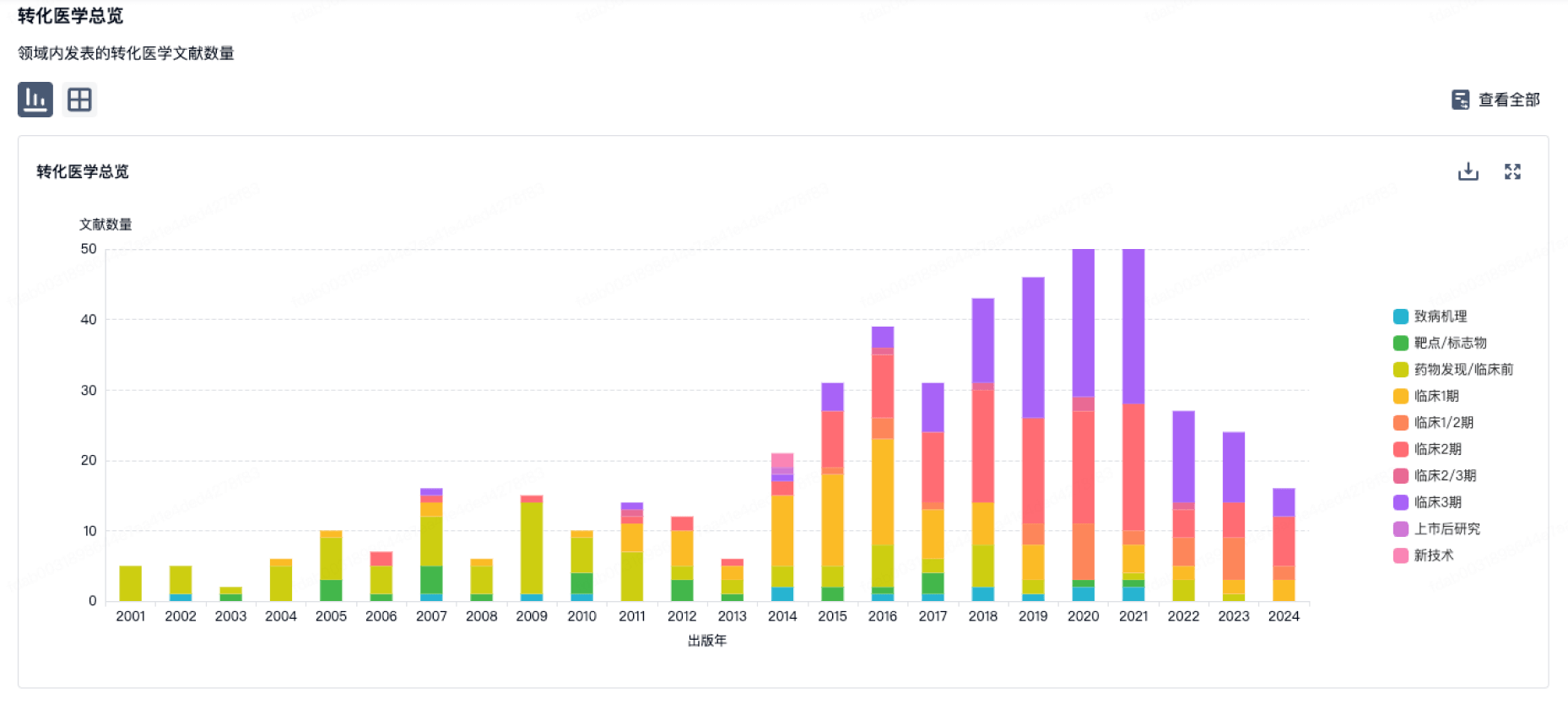
转化医学
使用我们的转化医学数据加速您的研究。
登录
或
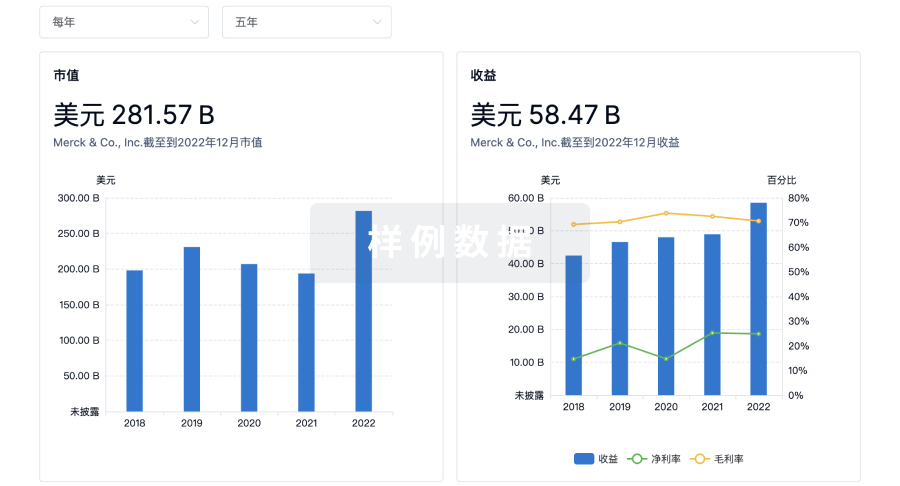
营收
使用 Synapse 探索超过 36 万个组织的财务状况。
登录
或
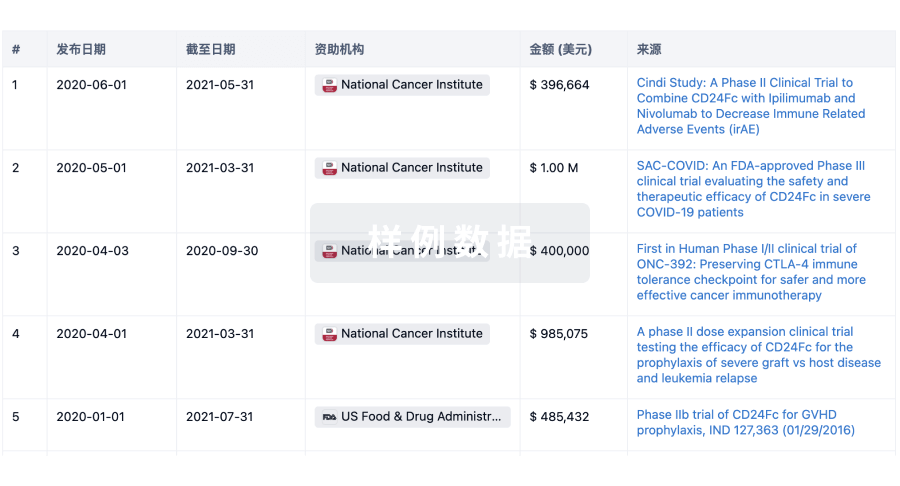
科研基金(NIH)
访问超过 200 万项资助和基金信息,以提升您的研究之旅。
登录
或
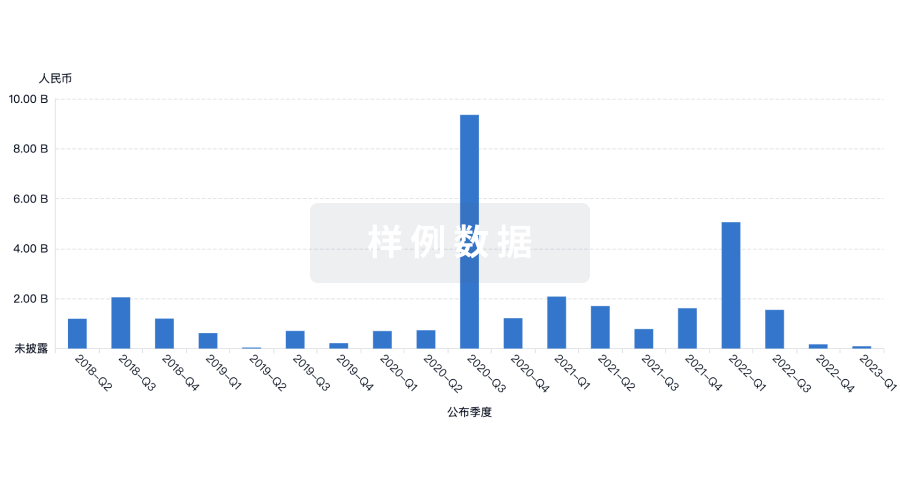
投资
深入了解从初创企业到成熟企业的最新公司投资动态。
登录
或
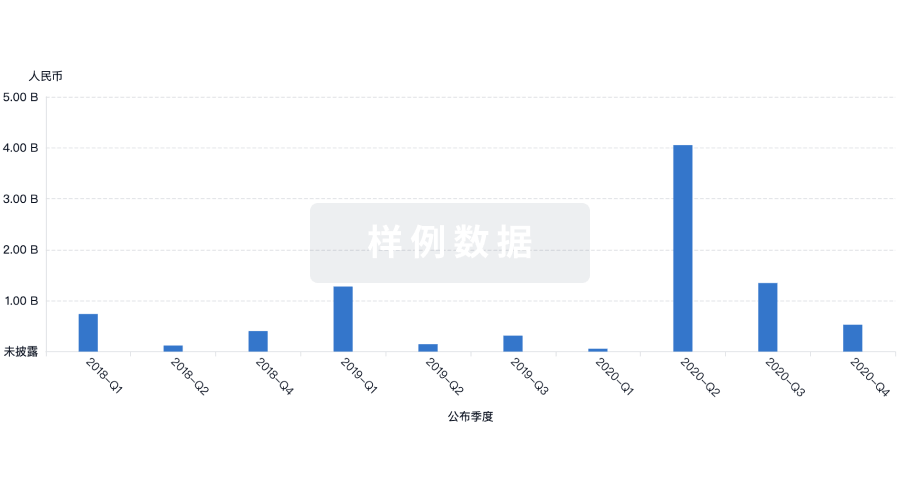
融资
发掘融资趋势以验证和推进您的投资机会。
登录
或
生物医药百科问答
全新生物医药AI Agent 覆盖科研全链路,让突破性发现快人一步
立即开始免费试用!
智慧芽新药情报库是智慧芽专为生命科学人士构建的基于AI的创新药情报平台,助您全方位提升您的研发与决策效率。
立即开始数据试用!
智慧芽新药库数据也通过智慧芽数据服务平台,以API或者数据包形式对外开放,助您更加充分利用智慧芽新药情报信息。
生物序列数据库
生物药研发创新
免费使用
化学结构数据库
小分子化药研发创新
免费使用