Bolus vs. Divided Cholecalciferol Dosing to Optimize Perioperative Vitamin D Status for Joint Replacement Surgery
In the United States,
1 million elective hip or knee replacement surgeries are performed annually. With estimated surgical site infection (SSI) rates as high as 2.5%, this represents
25,000 patients at risk of potentially avoidable morbidity following lower extremity joint replacement surgery. Although SSIs only account for 20% of all HAIs, they are a major risk factor for prosthetic joint infections (PJIs). Furthermore, UTIs have also been identified as an independent risk factor for infections of implanted hardware.
In general, the majority of PJIs become apparent within 3 months of hardware implantation, but deep infections may not be evident for up to one year after surgery. Hardware infections result in delayed healing, repeated surgical interventions, and long-term antibiotic therapy. PJIs are associated with an average increase in hospital LOS by 14 days, additional expenditures of up to $50,000 per infected joint, and a doubling of the mortality rate compared to uninfected lower extremity joint replacements.
Recent work from our group suggests that vitamin D insufficiency may be a risk factor for perioperative HAIs. The prevalence of vitamin D insufficiency is approximately 40% in elective joint replacement surgery patients, and perioperative 25(OH)D levels drop 30-40% in the setting of surgical stress, remaining 20% below baseline up to 3 months after surgery. To date, perioperative vitamin D optimization strategies have not been reported. Therefore, our goal is to study the effect of a single (pre-operative) versus a divided (pre-operative and on post-operative day 1) dose of cholecalciferol on perioperative vitamin D status in patients scheduled for elective hip or knee joint replacement surgery.
Effect of High-dose Cholecalciferol Supplementation on Perioperative Vitamin D Status in Colorectal Surgery Patients
A growing body of evidence suggests that robust postoperative immune function is associated with a lower risk of surgical site infections (SSIs). At the same time, vitamin D is increasingly recognized as a key regulator of the innate and adaptive immune systems. The investigators elected to conduct the current study in patients who will undergo colorectal surgery since these patients are historically at higher risk of developing SSIs and therefore would be ideal for future investigations.
Impact of Vitamin D Supplementation on Lactation Associated Bone Loss
Studies have shown that lactation is associated with a loss of bone density from four to seven percent at the spine and hip among women who lactate for six months. Decline in bone density with lactation occurs rapidly. Although bone density increases after weaning, there is controversy on whether or not it is completely restored. Epidemiological studies find no significant negative impact of lactation on bone mass or fractures, and in fact there is evidence that lactation has a positive effect on bone mass. We think that interventions that attenuate this physiologic loss of bone that is associated with lactation and accelerate restoration of bone mass after weaning may result in improved long term bone mass and diminished fracture risk.
100 项与 Bio-Tech Pharmacal, Inc. 相关的临床结果
0 项与 Bio-Tech Pharmacal, Inc. 相关的专利(医药)
100 项与 Bio-Tech Pharmacal, Inc. 相关的药物交易
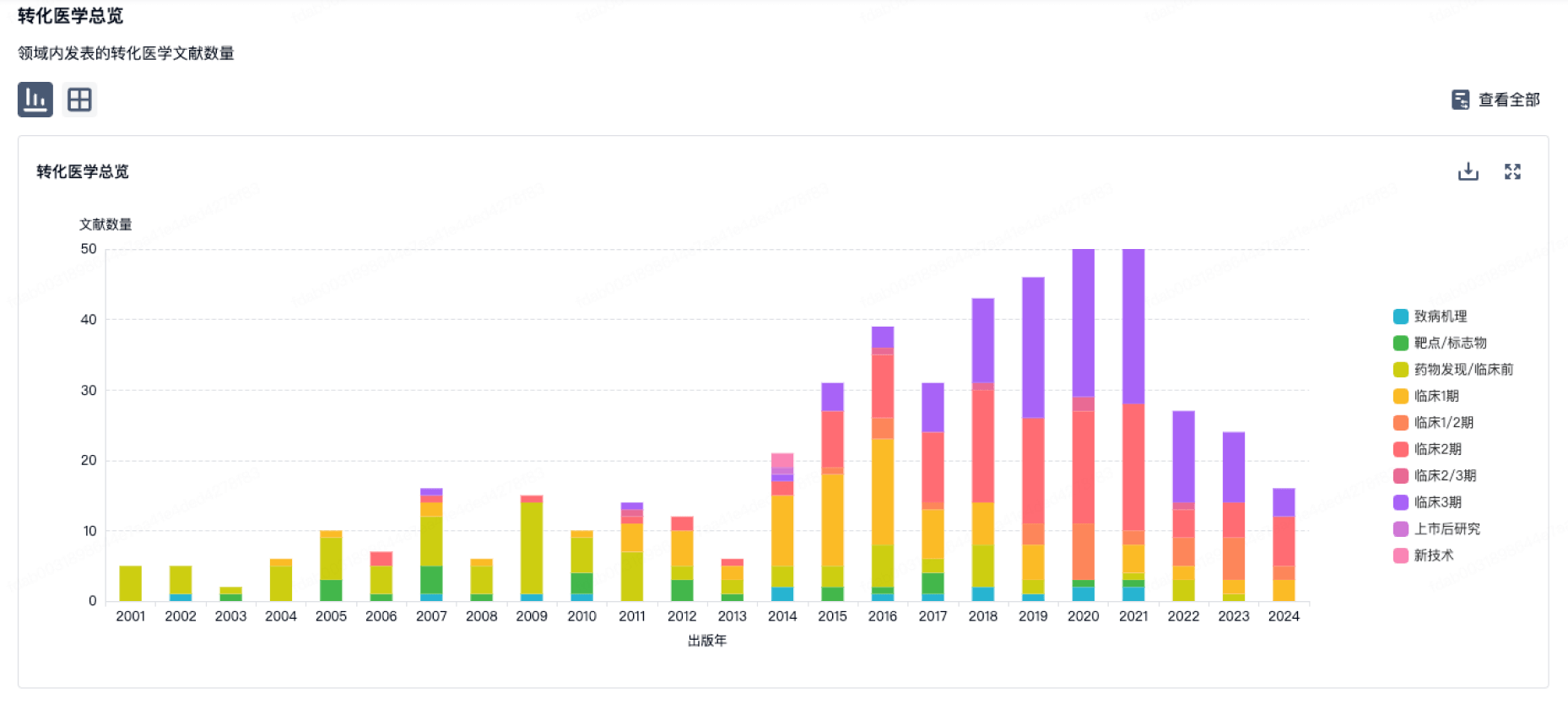
100 项与 Bio-Tech Pharmacal, Inc. 相关的转化医学