预约演示
更新于:2025-12-06

Arzeda Corp.
更新于:2025-12-06
概览
关联
100 项与 Arzeda Corp. 相关的临床结果
登录后查看更多信息
0 项与 Arzeda Corp. 相关的专利(医药)
登录后查看更多信息
5
项与 Arzeda Corp. 相关的文献(医药)2014-10-01·Current opinion in biotechnology1区 · 工程技术
de novo computational enzyme design
1区 · 工程技术
Review
作者: Zanghellini, Alexandre
Recent advances in systems and synthetic biology as well as metabolic engineering are poised to transform industrial biotechnology by allowing us to design cell factories for the sustainable production of valuable fuels and chemicals. To deliver on their promises, such cell factories, as much as their brick-and-mortar counterparts, will require appropriate catalysts, especially for classes of reactions that are not known to be catalyzed by enzymes in natural organisms. A recently developed methodology, de novo computational enzyme design can be used to create enzymes catalyzing novel reactions. Here we review the different classes of chemical reactions for which active protein catalysts have been designed as well as the results of detailed biochemical and structural characterization studies. We also discuss how combining de novo computational enzyme design with more traditional protein engineering techniques can alleviate the shortcomings of state-of-the-art computational design techniques and create novel enzymes with catalytic proficiencies on par with natural enzymes.
2014-01-01·Methods in molecular biology (Clifton, N.J.)
Computational Design of Novel Enzymes Without Cofactors
Review
作者: Alexandre Zanghellini ; Daniela Grabs-Röthlisberger ; Matthew D. Smith
In this review we present a recently developed computational method to design de novo enzymes. Starting from the three-dimensional arrangement of the transition state structure and the catalytic side chains around it (theozyme), RosettaMatch identifies successful placements of the theozyme into protein scaffolds. Subsequently, RosettaEnzDes (for EnzymeDesign) redesigns the active site around the theozyme for binding and stabilization of the transition state and the catalytic residues. The resulting computationally designed enzymes are expressed and experimentally tested for catalytic activity.
Nature communications1区 · 综合性期刊
Enhancing and shaping the immunogenicity of native-like HIV-1 envelope trimers with a two-component protein nanoparticle
1区 · 综合性期刊
ArticleOA
作者: Ward, Andrew B ; van Gils, Marit J ; Bontjer, Ilja ; Sanders, Rogier W ; Bijl, Tom P L ; Klasse, Per Johan ; Moore, John P ; Stewart, Lance J ; LaBranche, Celia ; Cottrell, Christopher A ; Schorcht, Anna ; Camacho, Miguel ; Behrens, Anna-Janina ; Montefiori, David C ; Sheffler, William ; Crispin, Max ; Catalano, Marco ; Sliepen, Kwinten ; Baker, David ; Berndsen, Zachary ; Antanasijevic, Aleksandar ; Ketas, Thomas J ; King, Neil P ; Yasmeen, Anila ; Del Moral-Sánchez, Iván ; Allen, Joel D ; Fiala, Brooke ; Bale, Jacob B ; Burger, Judith A ; Ellis, Daniel ; Brouwer, Philip J M
Abstract:
The development of native-like HIV-1 envelope (Env) trimer antigens has enabled the induction of neutralizing antibody (NAb) responses against neutralization-resistant HIV-1 strains in animal models. However, NAb responses are relatively weak and narrow in specificity. Displaying antigens in a multivalent fashion on nanoparticles (NPs) is an established strategy to increase their immunogenicity. Here we present the design and characterization of two-component protein NPs displaying 20 stabilized SOSIP trimers from various HIV-1 strains. The two-component nature permits the incorporation of exclusively well-folded, native-like Env trimers into NPs that self-assemble in vitro with high efficiency. Immunization studies show that the NPs are particularly efficacious as priming immunogens, improve the quality of the Ab response over a conventional one-component nanoparticle system, and are most effective when SOSIP trimers with an apex-proximate neutralizing epitope are displayed. Their ability to enhance and shape the immunogenicity of SOSIP trimers make these NPs a promising immunogen platform.
20
项与 Arzeda Corp. 相关的新闻(医药)2025-12-05
生物制造是生物经济的主要组成部分,利用生物体机能进行物质加工与合成的绿色生产方式,产品包括生物基材料、化学品、生物能源、药品、食品等,广泛覆盖塑料、尼龙、橡胶、原料药、疫苗、抗体等产品,甚至能生产淀粉、蛋白质、油脂等食品,颠覆未来农产品供给模式。OECD预测,2030年,将有35%化学品与其他工业产品来自生物制造,将有25%有机化学品、20%化石燃料,被生物基化产品取代。
AI正在渗透与重塑生物制造各环节,从智能设计、自动构建,到高通量筛选、知识学习,再到工程放大与产业转化,助力全面提升生物制造研发效率与成功率。
本文从研究和应用两方面,综述了2025年6月以来的全球生物制造前沿技术进展:
1. 研究端
庆熙大学将CRISPR基因编辑与AI驱动的表型分析技术相结合,成功培育出适配垂直农业的紧凑型番茄品种。庆熙大学Dae-HyunJung与Choon-TakKwon团队将CRISPR基因编辑与AI驱动的表型分析技术相结合,成功培育出适配垂直农业的紧凑型番茄品种。研究采用3D卷积神经网络(3D-CNN)模型,分析叶绿素荧光成像数据,能捕捉传统测量方式遗漏的细微生理差异。该模型对基因编辑番茄品种的分类准确率达84%,性能优于支持向量机(SVM)、长短期记忆网络(LSTM)等其他模型。
DeepMind开发的AlphaFold系统凭借高精度蛋白质结构预测技术斩获2024年诺贝尔化学奖。其2021年推出的AlphaFold2以92.4%的准确率破解蛋白质折叠难题,相关数据库已收录超2亿个结构预测;2024年5月发布的AlphaFold3通过采用扩散模型替代多序列比对方法,突破前代局限,实现蛋白质与DNA、小分子等多分子复合物的联合结构预测,配体结合精度提升50%并支持药物研发全流程,同年11月开源后,正推动全球药物研发模式革新。
ORNL团队利用AI开发高效降解尼龙66的酶。借助AI驱动的高通量筛选与精准建模,ORNL团队从95种候选酶中,成功鉴定出38种能高效解聚尼龙66的新型酶。该技术为构建低成本、可持续的尼龙循环制造体系奠定了坚实基础。
2. 应用端
Shiru推出全球首个蛋白质市场和发现平台。Shiru依托AI技术推出全球首个蛋白质市场和发现平台ProteinDiscovery.ai,收录超3300万种分子的庞大数据库及自动化生物化学工作流程,让企业和研究人员可便捷搜索、测试并购买适用于食品、农业、个人护理等多领域的蛋白质。
BioCapital与Entopy合作利用预测模型实时监测和决策显著提高沼气产量以及可再生电力和天然气(生物甲烷)的产量。英国BioCapital公司与AI企业Entopy合作,利用其运营数据训练预测模型,在五周内便将沼气产量预测准确率提升至85%。该技术通过LLM驱动的友好界面降低了使用门槛,有效助力沼气产量提升与废弃物能源回收。
美国初创公司利用AI蛋白质设计技术开发抗癌蛋白质。由诺奖得主DavidBaker实验室孵化的初创公司LilaBiologics,凭借其AI驱动的蛋白质设计技术,与制药巨头礼来达成合作,共同开发靶向实体瘤的放射性疗法。这家仅7人的公司致力于攻克业界尚未触及的复杂靶点,预计在3至6个月内交付候选分子,展现了AI技术在加速创新疗法从实验室到临床转化上的巨大潜力。
英伟达与礼来共建全球制药行业首个专属“AI超级工厂”,以人工智能颠覆药物研发全生命周期。礼来与英伟达携手打造“AI工厂”,以重构药物研发范式。该平台能整合从靶点发现到临床试验预测的全流程,将以往需6个月的分子筛选工作压缩至1周,且精准度提升40%以上,实现了研发效率的提升。
Arzeda公司借助AI驱动酶及酶级联的设计开发电力驱动的无细胞制造系统。Arzeda公司获美国国家科学基金会780万美元资助,将利用其AI蛋白质设计技术,开发电力驱动的无细胞制造系统。该系统旨在将废弃CO₂高效转化为甲醇等高价值化学品,目标能效超70%,以推动可持续的化学生产。
本文为公众号转载,不代表本公众号观点。如有任何异议,欢迎联系我们!
并购疫苗核酸药物基因疗法
2025-11-17
10月22日,专注于调研生物医药行业趋势和创新的BioPharmaTrend发布文章:From Gene Editing to Pathway Design: How AI is Transforming Synthetic Biology。
以下是作者的核心观点:
合成生物学指为服务实用功能而进行新的生物元件、设备与系统的目的性设计与构建,以及对现有天然生物系统的重新设计。该领域扩展了基因工程原理,采用融合标准化、模块化和抽象化概念的设计驱动方法。其发展基于数十年对细胞及生物系统运作机制的研究成果,以及在数学建模、DNA测序与DNA合成等领域的技术进步。
自1960年代兴起至今,合成生物学持续扩大市场版图。SynBioBeta数据显示,2024年该领域风险投资达122亿美元(2023年为107亿美元)。诺森比亚大学学者Kathryn Garner在2021年《Essays Biochem》刊文指出,到2030年全球大多数人可能接触过合成生物衍生品,但大规模市场应用仍受制于经济规模效益、监管政策与消费者接受度。
鉴于现代生物学研究本质具有"数据密集"特性,人工智能已成为推动合成生物学发展的关键工具。AI通过分析海量数据集,极大加速了生物系统的设计、构建与优化进程——其效率远超传统方法。AI能揭示实验规律、预测新型生物分子、优化生物制造流程,从而提升研究速度与精确度。
CRISPR基因编辑技术
科学家运用CRISPR核酸酶、碱基编辑器和先导编辑器三类工具进行差异化基因编辑:核酸酶实施切割,碱基编辑器置换单核苷酸,先导编辑器则重写基因组片段。但三者共同面临编辑效率不确定和脱靶效应的挑战。
机器学习与深度学习模型现已能预测最具效力的向导RNA(引导Cas酶的分子),识别脱靶风险,乃至预判各类系统产生的编辑结果。例如DeepSpCas9预测核酸酶活性,BE-Hive与BE-DICT优化碱基编辑,DeepPE则指导先导编辑的pegRNA选择。
AI在CRISPR新系统开发领域的作用日益凸显。通过蛋白语言模型等结构预测与生成式AI工具,研究者得以设计体型更小、精度更高或针对特定应用的新型Cas变体。近期Profluent Bio报道了首款AI设计的CRISPR基因编辑器OpenCRISPR-1,其成功修饰人类细胞靶点,在保持标准Cas9编辑效率的同时脱靶编辑减少95%,并显现更低免疫原性。
OpenCRISPR-1在PAM、指南和基础编辑中的特征
2024年4月,Regeneron与诺奖得主Jennifer Doudna联合创立的Mammoth Biosciences合作开发体内基因疗法。该合作整合Regeneron的腺相关病毒递送平台与Mammoth超微型核酸酶技术,协议包含1亿美元预付款(主要为股权)及单靶点最高3.7亿美元里程碑款项。这是Regeneron继与Intellia Therapeutics长期合作后达成的第二项CRISPR重大联盟。Doudna的影响力更延伸至其他领域:阿斯利康与其实验室衍生的Algen Biotechnologies签署协议,获得通过AlgenBrain人工智能-CRISPR平台研发疗法的独家授权。10月公布的协议最高价值5.55亿美元里程碑付款,阿斯利康由此获得合作标识靶点的独家开发与商业化权利。
2025年6月,礼来宣布以10亿美元预付款加3亿美元里程碑款项收购专注心血管疾病基因疗法的Verve Therapeutics。其核心项目采用体内碱基编辑技术靶向PCSK9基因,已取得积极的一期临床结果。
学界方面,《Nature Biomedical Engineering》2025年7月刊文介绍CRISPR-GPT系统。这款由斯坦福大学、普林斯顿大学、Google DeepMind及加州大学伯克利分校团队开发的大语言模型多智能体系统,旨在辅助研究人员规划实施CRISPR实验,有望降低基因编辑技术门槛。
CRISPR-GPT概述
基因序列优化
合成生物学中,基因密码子优化是提升外源宿主蛋白表达量的关键步骤。传统方案是将稀有密码子替换为宿主高频使用密码子以提高翻译效率,但基于使用频率的方法可能破坏蛋白质折叠路径,引发聚集或功能丧失。
为破解这一难题,多个量化指标指导优化实践。应用最广的密码子适应指数(CAI)衡量基因密码子使用与宿主高表达基因的匹配度,CAI越高通常预示更佳表达潜力。%MinMax等同义密码子相对使用频率等指标则进一步结合tRNA丰度与mRNA稳定性优化选择。不过这类经验法则常忽略密码子使用的复杂性本质,表明AI模型更能精准捕捉决定表达与稳定性的微妙关联。
2025年4月由Vector人工智能研究所、多伦多大学和索邦大学研究者发布的CodonTransformer即属此类创新工具。该模型利用Transformer神经网络(与ChatGPT同架构)跨物种优化蛋白表达DNA序列——基于164种生物超百万个基因-蛋白对训练,学习不同物种密码子偏好后生成符合偏好且规避调控"风险位点"的DNA序列。该开源工具具备基因设计的上下文感知能力。
具有组合生物氨基酸密码子嵌入的CodonTransformer多物种模型
密码子优化应用覆盖广泛生物技术领域,涵盖重组蛋白药物生产及核酸疗法(如基因治疗、mRNA药物与DNA/RNA疫苗)。
2025年2月发布的Ginkgo Bioworks mDD-0模型突破传统序列修饰模式,采用离散扩散方法直接生成包含5'与3'非翻译区及编码区的完整mRNA序列。该模型结合氨基酸序列与宿主物种信息,捕捉物种特异性密码子偏好和非翻译区GC含量、Kozak序列等特征。据Ginkgo白皮书披露,mDD-0在内部评估的计算稳定性与翻译指标上超越遗传算法,但尚未获得外部验证。
蛋白质设计
在蛋白质设计中应用人工智能,即利用机器学习与深度学习模型,通过学习氨基酸序列、三维构象及功能间的复杂关联,实现蛋白质序列与结构的预测、生成与优化。现代方法融合蛋白质语言模型(如AlphaFold3结构预测工具)以及变分自编码器、扩散模型(如RFdiffusion)等生成算法,创造具有特定稳定性、结合性或催化特性的新型蛋白质。这些计算预测结果通过实验验证与优化,相较传统试错法或基于物理模拟的方法,显著加速了靶向发现进程。
2025年2月,DeepMind孵化的Latent Labs公司携5000万美元融资揭开面纱,其集成生成式AI从头设计蛋白质与湿实验室验证技术。同期凯捷咨询宣布开发生成式AI蛋白质工程方案——采用蛋白质大语言模型(pLLM)预测最优蛋白质变体,据称数据需求量降低超99%,使研发过程在有限实验数据下更快速经济。该技术由凯捷旗下生物技术实验室Cambridge Consultants开发,已使塑料降解酶效率提升60%,并以仅43次实验(替代数千次)成功创制亮度提升7倍的绿色荧光蛋白变体。
由George Church实验室衍生的Nabla Bio公司正通过融合AI基础模型与高通量湿实验验证推进生成式蛋白质设计。该公司近期将武田制药的合作拓展为价值超10亿美元里程碑付款的多年协议。其联合原子模型(JAM)平台针对GPCR、离子通道及转运蛋白等多重跨膜难成药靶点,设计高选择性抗体与蛋白质疗法。
传统药企2025年亦有新突破:阿斯利康、谢菲尔德大学与南安普顿大学研究人员6月开发出MapDiff框架,该系统发表于《Nature Machine Intelligence》,破解“逆向蛋白质折叠”难题——推演能折叠成特定三维结构的氨基酸序列,大幅加速创新治疗蛋白开发进程。
用于蛋白质反向折叠的掩模先验引导去噪扩散(MapDiff)。
诺华则与Generate:Biomedicines达成超10亿美元合作(含6500万美元预付款),利用其生成式AI平台共研蛋白质疗法。该技术可设计包括难成药靶点全新结合蛋白在内的创新结构,据报道已在多个验证靶点显示卓越命中率。
2025年9月,美国国家科学基金会(NSF)选定Arzeda领衔630万美元联合项目,推进基于AI设计酶的无细胞生物制造。该项目隶属"蛋白质设计应用驱动加速计划"(USPRD),延续了Arzeda在ViaLeaf Reb M天然甜味剂生产中融合物化蛋白质设计与AI算法的成功经验。
代谢通路工程
人工智能正在将代谢通路工程从低速试错过程转变为可编程的精确学科。TeselaGen Biotechnology等公司通过提供AI驱动平台设计优化酶制剂、代谢通路及工业生物生产菌株,引领这一变革风潮。
在亚洲地区,BioGeometry于2025年5月与华熙生物合作构建AI驱动细胞工厂,将机器学习应用覆盖代谢工程全链条——从酶分子挖掘、通路优化到宿主菌株设计。Cradle Bio与Evogene等企业则运用生成式AI与多组学平台提升酶活性和宿主性能,这两项关键技术构成代谢通路工程基石。
学术研究同步并进:《Nature Communications》2025年发文展示自主AI-生物铸造平台设计酶制剂底物选择性提升达90倍,实证机器学习对代谢通路核心元件的加速优化作用;《Energy Advances》综述强调AI驱动菌株优化是新一代生物燃料与可持续生物制造的关键赋能要素。
自动化实验设计
合成生物学中,AI驱动的实验设计运用机器学习与优化技术系统规划调整实验流程,加速"设计-构建-测试-学习"循环周期。通过分析多组学与历史实验数据,AI模型能识别知识空白、提出高信息量实验条件,优化基因回路、代谢通路或宿主菌株等变量参数。主动学习与贝叶斯优化等方法优先选择可最大化实验洞见同时最小化成本时间的方案,实现高效可预测的生物系统工程。
2025年5月,Benchling与Moderna延续合作建立AI就绪型研发平台,在统一数字生态中整合Moderna研发与技术开发团队,通过单一系统优化实验设计、样本追踪与结果分析,替代分散的电子表格、实验记录本及专用仪器。
Lila Sciences获1.15亿美元融资打造"AI科学工厂"——由AI模型全天候设计执行实验的自动化实验室,本轮估值达13亿美元。公司近期租用马萨诸塞州剑桥市235,500平方英尺实验空间(本年度当地最大新增实验室),并计划通过企业软件开放AI模型与自动化平台商用权限。据称能源、半导体与药物开发领域企业已展现合作意向。
人工智能正推动合成生物学领域重大变革,助力应对当今紧迫挑战。但值得注意的是,人工智能与生物学的融合仍面临复杂生物系统的特性局限、数据匮乏困境、模型验证挑战以及跨学科协同等多重壁垒亟待突破。
智药邦
基因疗法引进/卖出核酸药物
2025-11-16
·科技市值
一、生物制造的定义及其战略意义
生物制造是利用生物体(如微生物、细胞、酶)作为生产工具,通过生物催化与生物转化过程来合成或加工产品的先进生产方式。其核心特征包括绿色可持续(以生物催化替代传统化学催化,降低能耗与污染)、高效专一(利用酶和细胞的特异性催化实现复杂分子的精准合成)以及颠覆性创新潜力(创造传统化学方法难以制备的新型材料和化合物)。
从战略层面看,生物制造已被全球主要经济体提升至国家战略竞争高度。美国政府通过其国家新兴生物技术委员会(NSCEB)将生物技术视为国家安全关键领域,并将中国生物医药产业列为"最具战略挑战性的对手"。中国则将生物制造作为实现"双碳目标"、保障能源和粮食安全的核心技术路径,工信部等部门已加快完善政策支持体系,培育生物制造产业发展壮大。
表:生物制造与传统制造方式对比分析
特征维度
传统化学制造
生物制造
生产原理
化学催化与合成
生物催化与转化
原料来源
化石资源为主
生物质、废弃物、二氧化碳等
反应条件
高温高压、高污染
常温常压、环境友好
产品特异性
副产物多、分离复杂
特异性高、纯度好
碳足迹
高排放
低碳甚至负碳
能源效率
能耗高
能耗显著降低
二、前沿技术分析
2.1 国际前沿技术进展
全球生物制造技术正经历革命性突破,多学科交叉融合不断催生新的技术方向。根据哈佛大学贝尔弗中心最新报告,中国在生物技术领域"最有可能超越美国",尤其在药物研发领域,中美之间的差距已经非常微小。
合成生物学技术:合成生物学作为生物制造的核心驱动力,正从"设计-构建-测试"循环向自动化、智能化方向发展。数据显示,2023年中国在全球高被引合成生物学论文中占比已达60%,而美国仅占7%,实现了从跟跑到领跑的转变。
酶蛋白工程:基于人工智能的酶蛋白智能设计大幅提升了酶催化效率与稳定性。美国Arzeda公司等利用AI算法设计工业用酶,将酶催化效率提高了10-100倍。
基因组编辑技术:CRISPR及其他新型基因编辑工具的不断完善,使微生物细胞工厂的构建效率大幅提升。美国Broad研究所的张锋团队持续开发新型CRISPR系统,扩大了基因编辑工具箱,为多重基因组编辑提供了更精准的工具。
生物传感与智能控制:结合人工智能的生物传感系统实现了发酵过程的实时监控与精准调控。美国伊利诺伊大学的研究团队开发了基于微生物的传感器阵列,可实时监测细胞内代谢物变化,并通过机器学习算法自动调整发酵参数。
2.2 国内技术前沿进展
中国在生物制造技术领域展现出量质齐升的态势,在基础研究和应用研究领域均取得显著进展:
合成生物学与代谢工程:中国科学家在合成生物学工具开发和微生物细胞工厂构建方面成果显著。中国科学院微生物研究所唐双焱研究员团队通过全细胞定向进化技术,成功提升了柚皮素的生物合成效率,在摇瓶培养条件下产量达到797 mg/L。该团队构建的基于调控蛋白FdeR的柚皮素全细胞生物传感器,实现了对柚皮素细胞工厂基因组及关键限速酶的定向进化。
创新生物医药技术:华东理工大学生物反应器工程全国重点实验室叶邦策团队构建了基于肿瘤微环境响应的自调控智能工程菌系统,实现了对肿瘤组织的精准靶向定植。中国科学院刘陈立团队以沙门氏菌为底盘细胞,开发了新型的抗肿瘤菌株DB1,能精准识别肿瘤并激活免疫系统。
生物材料技术:上海蓝晶微生物科技有限公司自主研发的生物混动技术体系,使聚羟基脂肪酸酯(PHA)单位产量与碳源转化率在百吨级量产规模达到文献报道最高水平。东华大学赵涛教授团队成功制备出生物基聚脲相变微胶囊,将其应用于纺织品,制得的调温织物具有良好的调温性能和水洗稳定性。
农业生物技术:中国科学院陈晓亚院士团队利用基因编辑技术改造水稻,成功创制出主要合成辅酶Q10的水稻新品种,其籽粒中辅酶Q10含量达5μg/g,且不影响产量。
表:中国生物制造领域代表性科研团队与技术突破(2025年)
机构/团队
领军人物
技术方向
主要突破
中科院微生物所
唐双焱研究员
合成生物学
全细胞定向进化技术提升柚皮素产量至797 mg/L
华东理工大学
叶邦策团队
工程菌构建
开发肿瘤微环境响应的自调控智能工程菌系统
上海蓝晶微生物
张浩千团队
生物材料
PHA单位产量与碳源转化率达文献最高水平
中国科学院
陈晓亚院士
农业生物技术
创制出辅酶Q10水稻新品种
浙江大学
-
农业生物技术
在大豆及棉花中合成褪黑素,提高蛋白质含量
三、产业化及产业方向
3.1 产业规模与增长
中国生物制造产业已进入快速发展期,产业规模持续扩大。根据最新行业数据,2024年我国生物制造产业总规模突破9800亿元,发酵产能占据全球70%以上份额,成为全球最大的生物制造基地。预计到2030年,中国生物制造产业规模将突破2.5万亿元,复合增长率达16.8%。
在投资环境方面,中国投融资市场较为活跃。2025年已有10余个省市/开发区出台合成生物制造或生物制造专项政策,从中央到地方形成了支持生物制造产业发展的良好政策环境。生物制造已被连续两年写入政府工作报告,2025年政府工作报告明确提出要建立未来产业投入增长机制,培育生物制造等未来产业。3.2 产业细分领域
生物制造产业已经形成了多个细分领域,每个领域都呈现出不同的发展特点和市场前景:
生物医药领域:生物医药是生物制造中发展最成熟、投资最活跃的领域。全球生物制药制造市场2024年规模为5185.6亿美元,预计到2031年将达9528.03亿美元,2025-2031年复合年增长率为9.4%。在创新药方面,中国企业逐步积累了自主知识产权与国际多中心试验经验,如百济神州的BTK抑制剂泽布替尼成为首个中国自主研发、主导全球临床并在美上市的新分子实体。
生物基材料领域:生物基材料是生物制造中替代传统石化产品最重要的领域之一。扬州惠通生物新材料有限公司采用苏尔寿丙交酯提纯与聚合关键设备及技术,生产出纺织用高耐候纤维级聚乳酸切片,目前已进入万吨级试生产阶段,标志着中国在生物基纤维材料领域取得重要进展。
生物农业领域:生物农业利用生物技术提升农作物品质和营养价值。浙江大学研究人员基于合成生物学技术构建合成遗传线路,在大豆及棉花中创新性地合成天然活性物质——褪黑素,使得大豆新种质能够保持正常产量的同时,提高蛋白质含量。
生物能源与环保领域:多家上市企业正在布局非粮原料的开发与应用。弈柯莱生物创始人罗煜表示,他们正攻关以二氧化碳、一氧化碳、甲醇等一碳化合物为底物的生物合成技术,既破解"与民争粮"矛盾,又能通过工业废弃物资源化利用降低原料成本。
3.3 头部上市公司分析
中国生物制造领域的头部上市公司已形成多元化格局,覆盖化学制药、中药、生物药及医药商业等各个领域。根据2025年最新财务数据:
博雅生物(300294):2025年上半年,公司实现营业收入10.08亿元(同比+12.51%)、归母净利润2.25亿元(同比-28.68%)。公司血制品业务实现营收8.52亿元(同比+7.90%),其中人凝血因子VIII表现亮眼,实现收入1.25亿元(同比+189.91%)。2025年上半年公司在营20个浆站采集量320.39吨,同比增长7.2%。
Godavari Biorefineries:2025年9月季度报告显示,公司净销售额达422.81亿卢比,同比增长33.82%。尽管公司仍处于净亏损状态,但亏损额从去年同期的76.46亿卢比收窄至42.63亿卢比,显示出经营状况改善的趋势。
Humacyte, Inc. (HUMA):2025年第三季度财务业绩显示,公司总收入为75.3万美元,主要来自其生物工程组织产品Symvess的销售。公司目前正在推进其产品在透析通路和心脏搭桥手术(CABG)中的临床应用。
表:生物制造领域头部上市公司财务数据(基于2025年最新报告)
公司名称
细分领域
营收/销售额
同比变化
净利润/净亏损
核心产品/业务
博雅生物
生物医药
10.08亿元(2025H1)
+12.51%
2.25亿元(2025H1)
血制品
Godavari Biorefineries
生物能源/材料
422.81亿卢比(2025年9月季度)
+33.82%
-42.63亿卢比(2025年9月季度)
生物精炼产品
Humacyte
生物医药
75.3万美元(2025Q3)
-
-
Symvess生物工程组织
四、中美生物制造产业化对比研究
中美在生物制造领域的竞争已成为全球生物技术产业格局的核心议题。根据哈佛大学贝尔弗中心的报告,中国在生物技术领域"最有可能超越美国",尤其是在药物研发领域,中美之间的差距已经非常微小。4.1 政策支持与战略定位
中国:中国将生物制造提升到国家战略高度。工信部、国家发展改革委联合发布《关于开展生物制造中试能力建设平台培育工作的通知》,提出"形成专业化中试能力建设平台体系,引领和支撑新时期生物制造产业化发展"。各地也因地制宜加快生物制造产业的规划和布局,如广东省发布《广东省加快建设生物制造产业创新高地行动方案》,湖南省出台《关于支持常德市合成生物制造产业高质量发展的若干措施》。
美国:美国通过其国家新兴生物技术委员会(NSCEB)将生物技术视为国家安全关键领域,并提出了"战略双轨"主张——加快本土生物技术创新,同时采取措施遏制中国在生物技术领域的快速发展。NSCEB呼吁设立独立投资基金,专门支持具备国家安全价值、但暂时得不到主流资本支持的生物科技初创企业。
4.2 研发能力与创新产出
中国:中国在生物制造领域的研发产出数量已居全球前列。在临床试验数量上,中国在2024年首次超过美国,达到7100项以上,而美国为约5900项。这一拐点意味着中美在新药研发的主战场上首次出现角色互换。中国企业逐步积累了自主知识产权与国际多中心试验经验,如百济神州的BTK抑制剂泽布替尼成为首个中国自主研发、主导全球临床并在美上市的新分子实体。
美国:美国在基础研究和原创工具开发方面仍保持领先。美国拥有全球顶尖的生物技术研究机构和强大的基础研究能力,在合成生物学基础工具、基因编辑技术原创性开发等方面处于领先地位。然而,美国特朗普政府正在对研发机构大规模削减资助,导致实验室研发人员项目停滞,被迫离职。
4.3 制造能力与供应链地位
中国:中国已成为全球生物制造的关键枢纽。2024年,美国行业协会调研显示,79%的美国生物制药公司依赖中国公司(如药明康德)参与其生产流程。2014–2022年,美国高达28%的API进口来自中国;常用药如布洛芬、对乙酰氨基酚、氢化可的松等,进口比例超过90%来自中国。
美国:美国正在努力重建本土生物制造能力。NSCEB指出,美国在关键药物和原料药的供应上过度依赖中国,这种依赖构成国家安全隐患。同时,美国本土的生物制造能力尚不足以支撑新兴生物技术的大规模开发和产业化应用,必须在生物反应器、基础设施和专业人才储备方面加快投资和扩展。
4.4 资本环境与企业生态
中国:中国生物科技企业市值经历爆发式增长。2016-2021年,中国生物科技企业的市值增长了100倍,达到约3000亿美元,成为全球仅次于美国的生物科技市场。中国投融资市场较为活跃,近一年生物制造领域投融资总额约280亿元。
美国:美国拥有全球最发达的资本市场和成熟的生物技术投资生态。然而,美国特朗普政府正在对研发机构大规模削减资助,导致实验室研发人员项目停滞,被迫离职。这种情况下,美国生物技术初创企业面临更大的融资压力。
表:中美生物制造产业化对比分析(2025年)
对比维度
中国
美国
战略定位
国家战略重点,政策强力支持
国家安全关键领域,战略双轨approach
研发特点
应用研究强,临床试验数量全球第一
基础研究强,原创工具开发领先
制造能力
全球CDMO枢纽,原料药供应链优势明显
本土制造能力相对不足,依赖进口
资本环境
投融资活跃,政府引导基金积极
资本市场成熟,但政府资助不稳定
企业生态
创新药企快速崛起,市值增长迅猛
大型药企与Biotech协同发展
供应链依赖
原料药和CDMO服务占全球主导
关键药物高度依赖中国供应
五、挑战与未来展望
5.1 发展挑战
尽管中国生物制造产业展现出强劲的发展势头,但仍面临多方面的挑战:
原料依赖问题:传统生物制造依赖玉米、葡萄糖等粮食原料,存在"与民争粮"的矛盾。弈柯莱生物创始人罗煜指出,他们正在攻关以二氧化碳、一氧化碳、甲醇等一碳化合物为底物的生物合成技术,这一方向既能破解原料矛盾,又能通过工业废弃物资源化利用降低原料成本。
核心技术短板:尽管中国在生物制造应用研究方面进步显著,但在底层技术工具和核心仪器设备方面仍存在短板。中国科学院深圳先进技术研究院副院长、国家生物制造产业创新中心主任刘陈立表示,应强化原创性、引领性基础研究,集中力量补齐底层技术、关键部件等发展短板,提高创新链整体效能。
工程化与商业化瓶颈:生物制造技术的工程化放大和商业化应用存在瓶颈。清华大学合成与系统生物学中心主任陈国强表示,高校和科研机构要与企业建立紧密的合作关系,要通过技术许可、联合研发、创业孵化等多种方式,加速科研成果的商业化进程。
5.2 未来趋势与展望
展望未来,中国生物制造产业将呈现以下几大发展趋势:
技术融合化:人工智能与生物制造的深度融合将成为核心趋势。招商局集团有限公司高级研究员侯跃龙建议,寻找人工智能与合成生物的结合点,利用生成式人工智能等突破性技术推动生物技术的创新,打破现有合成生物学的局限。
产业生态化:生物制造将形成更加完善的产业生态。工业和信息化部新闻宣传中心主任张学军表示,近年来,我国生物制造发展跑出"加速度",原创性研究成果不断涌现、成果产业化步伐持续加快、代表性行业企业竞相发展。
应用多元化:生物制造技术将渗透到更多领域。清华大学合成与系统生物学中心主任陈国强指出:"在化工、医药、食品、材料等领域,生物制造都有广阔的应用空间,目前来看各领域的应用发展呈现齐头并进态势"。
国际竞争复杂化:中美在生物制造领域的竞争与合作将更加复杂。尽管美国政府频频警示中国生物科技的崛起风险,但2024-2025年的实际交易趋势却呈现出另一种面貌:中国创新药正在被美方企业大规模买入。这种"共生体系"正在形成:中国提供制造、数据、试验与早期管线,美国提供监管、品牌与上市窗口。
科技市值
科技市值实战专家
科技市值报告
公众号@市值通
市值广播
视频号@市值通
依托清华长三角研究院(以及清华大学)在智能制造、先进能源、信息技术、医药大健康、新材料和食品农业等科技创新优势,为企业为地方政府提供全面系统的科技创新解决方案,尤其赋能上市公司科技市值,助力上市公司做强做大科技市值。市值通主理人王中杰博士,系清华长三角研究院研究员,国家企业内控标准委员会首届咨询专家,拥有近30年市值管理经验,其中供职上市公司财务总监10余年。
基因疗法
100 项与 Arzeda Corp. 相关的药物交易
登录后查看更多信息
100 项与 Arzeda Corp. 相关的转化医学
登录后查看更多信息
组织架构
使用我们的机构树数据加速您的研究。
登录
或
管线布局
2026年02月08日管线快照
无数据报导
登录后保持更新
药物交易
使用我们的药物交易数据加速您的研究。
登录
或
转化医学
使用我们的转化医学数据加速您的研究。
登录
或
营收
使用 Synapse 探索超过 36 万个组织的财务状况。
登录
或
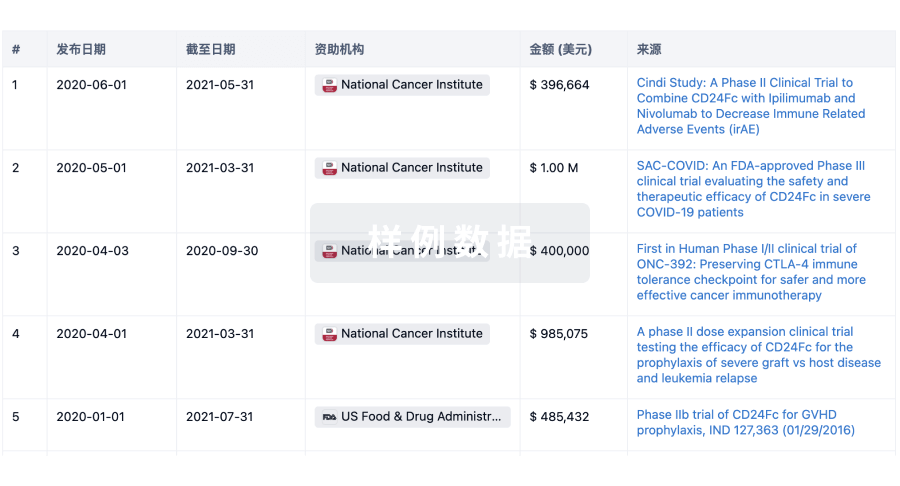
科研基金(NIH)
访问超过 200 万项资助和基金信息,以提升您的研究之旅。
登录
或
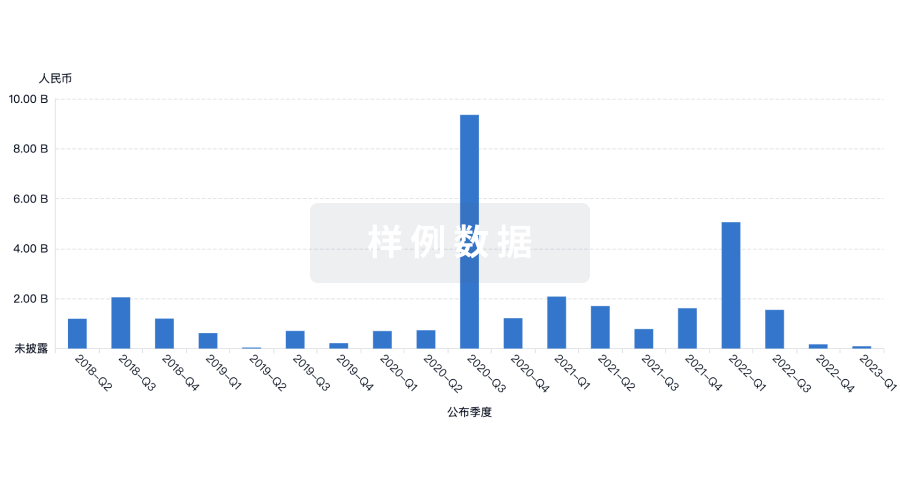
投资
深入了解从初创企业到成熟企业的最新公司投资动态。
登录
或
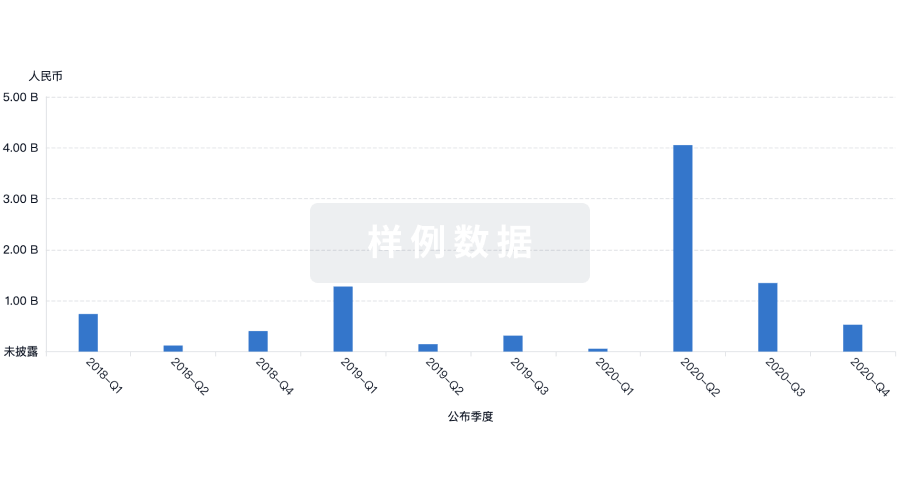
融资
发掘融资趋势以验证和推进您的投资机会。
登录
或
生物医药百科问答
全新生物医药AI Agent 覆盖科研全链路,让突破性发现快人一步
立即开始免费试用!
智慧芽新药情报库是智慧芽专为生命科学人士构建的基于AI的创新药情报平台,助您全方位提升您的研发与决策效率。
立即开始数据试用!
智慧芽新药库数据也通过智慧芽数据服务平台,以API或者数据包形式对外开放,助您更加充分利用智慧芽新药情报信息。
生物序列数据库
生物药研发创新
免费使用
化学结构数据库
小分子化药研发创新
免费使用