预约演示
更新于:2025-08-29

Guizhou Chitianhua Co., Ltd.
更新于:2025-08-29
概览
关联
100 项与 贵州赤天化股份有限公司 相关的临床结果
登录后查看更多信息
0 项与 贵州赤天化股份有限公司 相关的专利(医药)
登录后查看更多信息
3
项与 贵州赤天化股份有限公司 相关的文献(医药)BioResources
Method of Black Liquor Combustion to Remove Silicon from Wheat Straw Pulping
作者: Dingjun Zhang ; Yong Tian ; Xue Li ; Hao Sun ; Yongjian Xu
The effects of aluminum sulfate and sodium aluminate on phys. and chem. properties of wheat straw pulp black liquor were studied.Results showed that the expansion rate was enhanced by increasing the aluminum salt content.Furthermore, the effect of sodium aluminate was better than that of aluminum sulfate.The maximum desilication rate of 92.31% was reached with the addition of 3% sodium aluminate.A rheometer showed that aluminum salt had little impact on the viscosity of thick black liquor, so even at a high temperature it could be conveyed by pumps in paper mill at 110°C.The effect of aluminum salt on the silicon removal rate during black liquor combustion was also studied.The exptl. results showed that both aluminum sulfate and sodium aluminate helped to remove silicon.The desilication rate of sodium aluminate reached 62.33%, higher than that of aluminum sulfate.SEM (SEM)-EDX illustrated that the aluminum and silicon ions were formed into insoluble precipitatesIt was optimal to use 3% sodium aluminate as desilication agent.
BioResources
Silica Removal using Aluminium Sulphate and Sodium Aluminate during the Bamboo Cooking Process
作者: Dingjun Zhang ; Weipeng Zhang ; Xiaopeng Yue ; Yongjian Xu
The desilication effects of aluminum sulfate and sodium aluminate on kraft bamboo pulp during the cooking process were investigated in this study.Furthermore, the residual aluminum ion concentration in the resulting black liquor was measured by inductively coupled plasma at. emission spectrometry (ICP-AES) to evaluate the scaling properties of black liquor during the evaporation process.Atomic force microscopy (AFM) and SEM with energy-dispersive X-ray spectroscopy (SEM-EDS) anal. showed that aluminum salts could react with silica to form a silica-alumina compound, which can adhere to the fiber surface during the cooking process.As a result, the silicon content in the black liquor could be effectively decreased by the addition of aluminum sulfate and sodium aluminate.A silica removal ratio of 74% could be achieved when the loadings of aluminum sulfate and sodium aluminate were 2.0 weight% and 1.5 weight%, resp.Finally, the concentration of aluminum ions was 7.31 ppm under optimized conditions.Based on these considerations, any amounts of aluminum ion passing into the black liquor are unlikely to contribute to scaling problems.
NEW JOURNAL OF CHEMISTRY
Silica analysis in bamboo black liquor by ICP-AES with the assistance of microwave digestion
作者: Duan, Chao ; Zhang, Weipeng ; Zhang, Dingjun ; Xu, Yongjian
Combination of ICP-AES with a HNO3/H2O2/HF digestion technique is a new approach for the determination of silica content in bamboo black liquor.
13
项与 贵州赤天化股份有限公司 相关的新闻(医药)2025-08-03
·赛柏蓝
编者按:本文来自看医界,作者黄雨薇;赛柏蓝转载,编辑晓琳近日,江苏省卫生健康委员会发布公示,拟批准设立“句容颐优肿瘤医院”。该院由颐优健康管理(江苏)有限公司投资建设,项目总投资达9.63亿元,定位为三级肿瘤专科医院,规划设置床位400张。01又一大型肿瘤专科医院要来了根据公示内容,句容颐优肿瘤医院定位为三级肿瘤专科医院,规划设置床位400张,拟开设肿瘤科、放射治疗科、病理科、医学影像科等科室。据句容市自然资源和规划局此前公布的《项目规划设计方案总平面图批前公示》,该项目原为“江苏南大紫东医院”,整体规划包含门诊急诊医技楼、住院楼、康养楼等配套设施,其中医技楼与康养楼建筑高度为5层,住院楼为11层。公开资料显示,颐优健康管理(江苏)有限公司成立于2014年5月,注册资本1000万元。公司长期聚焦医疗健康产业,业务涵盖医院管理、医疗器械销售及健康咨询等领域。此次投资的句容颐优肿瘤医院是其首个大型医疗实体项目。02肿瘤赛道火热多家药企纷纷布局随着肿瘤患者生存率的不断提升,肿瘤疾病所面临的市场空间和发展潜力也与日俱增。根据弗若斯特沙利文数据,中国民营肿瘤医疗机构的收入已从2016年的189亿元增加到2021年的498亿元,复合年增长率为21.3%,预计2025年将达到1071亿元。就市场规模而言,预计2025年我国肿瘤医院放疗市场规模将增长至809亿元,2020-2025年,中国肿瘤医疗服务市场规模有望以11.54%的年复合增长率增至7003亿元。不仅如此,我国肿瘤医院还长期处于饱和状态,肿瘤医疗服务供不应求,资源分配严重不均。中国卫生健康统计年鉴数据显示,2021年我国医疗卫生机构肿瘤床位数为27万,病床使用率超过了90%,且肿瘤床位大多集中在一、二线城市,三线城市患者较多,但每百万人床位数却较少,医疗资源分布不均的现象明显。在这样的市场规模预期下,肿瘤医疗服务非常受社会资本青睐。近年来,不少社会资本瞄准了肿瘤这一赛道,或是新建,或是大手笔收购。盈康生命(海尔集团旗下)于不久前斥资3.57亿元,收购长沙珂信肿瘤医院51%股权。该院为三级肿瘤专科医院,占地27亩,床位420张,2024年前三季度营收2.73亿元,净利润超3342万元,成为其全国医疗网络的重要支点。石家庄爱迪森肿瘤医院于2024年5月进入设置公示阶段,拟设床位400张。其背后股东为港股上市企业美中嘉和(02453.HK,持股51%)与石药集团(持股49%)。据了解,除了石家庄爱迪森肿瘤医院,美中嘉和旗下还有已经运营的广州泰和肿瘤医院及正在建设的上海泰和诚肿瘤医院。恒瑞医药投资的南京天印山医院于2023年6月启用,该院是一家三级肿瘤专科医院,总投资30亿元,占地202亩,建筑面积36万平方米,编制床位1000张,定位医教研一体化,重点服务恒瑞抗肿瘤药物的临床转化。A股药企圣济堂则于2023年通过全资子公司收购贵州大秦肿瘤医院,该院总投资达50亿元,按三级肿瘤专科医院标准建设,规划床位3000张(一期开放1000张),是圣济堂重大资产重组募投项目的核心载体。上市公司益佰制药在2022年以3.36亿元收购德阳肿瘤医院70%股权,该院为三级营利性专科医院,此次收购填补了四川地区民营肿瘤医疗资源缺口。业内人士表示,近年来,在分级诊疗、强基层的建设潮中,作为高发病、慢性病、大病的肿瘤医疗服务成为了基层公立医院短期内很难弥补的短板,因此也给市场化办医提供了一片蓝海市场,未来十年,会有更多的资本和医生团队入场布局肿瘤医疗服务,不过高质量人才需求依旧会是摆在肿瘤集团面前的一道坎,有待积极突破。END内容沟通:郑瑶(13810174402)
并购放射疗法财报
2024-02-21
·药研发
「 本文共:16条资讯,阅读时长约:3分钟 」今日头条以明LILRB2抗体启动HCC国际临床。以明生物靶向LILRB2 (ILT4)的潜在“first-in-class"抗体IO-108拟联合罗氏PD-L1抑制剂阿替利珠单抗和VEGF单抗贝伐珠单抗开展国际Ⅰb/Ⅱ期临床,评估联合用药一线治疗局部晚期或转移性和/或不可切除肝细胞癌(HCC)患者的安全性与有效性。公布于AACR2023年会上的Ⅰ期临床结果显示,IO-108单药或与PD-1抗体联用展现出积极的临床获益,且药物耐受性良好。国内药讯1.卓和1类中药九味止咳口服液获批上市。国家药监局批准卓和药业中药1.1类创新药九味止咳口服液上市。该药品宣肺止咳,用于急性气管-支气管炎中医辨证属风热证的咳嗽。临床研究结果显示,九味止咳口服液在主要疗效指标(咳嗽消失率和咳嗽消失时间)的统计均优于安慰剂组、非劣效于阳性药组。2.赛诺菲OX40L单抗中国启动皮炎Ⅱ期临床。赛诺菲潜在“first-in-class”OX40信号通路阻断剂amlitelimab在中国登记启动一项Ⅱ期临床,评估用于治疗中重度特应性皮炎患者的安全性、有效性以及长期疗效。这是一项国际研究,该项目的中国部分由复旦大学附属华山医院徐金华博士牵头开展。在Ⅱb期试验STREAM-AD中,amlitelimab治疗第16周时患者的平均湿疹面积和严重程度指数(EASI)得分较基线改善高达61.5%。3.杭州格博CK1α分子胶国内获批临床。格博生物自主研发的1类化药GLB-001胶囊获国家药监局临床许可,拟开发用于治疗髓系恶性肿瘤。GLB-001是一款CK1α分子胶蛋白降解剂,通过与CRL4CRBN E3泛素连接酶复合物中的底物蛋白受体CRBN相结合,靶向降解CK1α;并触发p53的稳定与蓄积及其下游信号传导通路的激活,以抑制肿瘤生长。去年4月,FDA已批准GLB-001进入临床研究,用于治疗髓系恶性肿瘤。4.永泰aT19注射液获批Ⅰ期临床。永泰生物1类生物药aT19注射液获国家药监局批准Ⅰ期临床,拟开发用于“25岁(含)以下复发/难治B细胞急性淋巴细胞白血病,靶向CD19 CAR-T细胞治疗后临床获益的患者,以增强治疗效应、减少复发”。前期IIT研究结果显示,受试者在接受aT19序贯CAR-T细胞治疗后,MRD阴性持续缓解均已达3年以上,研究过程中未报告不良反应。5.国药集团创新ADC获批临床。国药集团中国生物上海公司自主研发的第二款I类创新型抗体偶联药物(ADC)SIBP-A17获国家药监局临床许可,即将在晚期恶性实体瘤患者中开展临床试验。SIBP-A17拟开发用于治疗HER2低表达实体瘤。临床前研究数据显示,SIBP-A17对乳腺癌、胃癌、肺癌、胰腺癌等具有较好的治疗潜力;而且SIBP-A17在动物体内稳定性良好,游离小分子水平显著低于同类产品。6.上海德烽Nectin-4靶向ADC国内报IND。上海德烽药业1类生物药ADRX-0706的临床试验申请获CDE受理。ADRX-0706是一款靶向Nectin-4的ADC药物,已在临床前研究中显示出良好的药代动力学和安全性特征。去年7月,该新药已在美国获批临床许可,目前正在Ⅰa/Ⅰb期临床试验中评估用于治疗晚期实体肿瘤患者的安全性、耐受性以及初步疗效。国际药讯1.K药联合化疗治疗子宫内膜癌获优先审评。默沙东PD-1抑制剂Keytruda的补充生物制品许可申请(sBLA)获FDA受理,联合标准化疗(卡铂和紫杉醇)治疗原发性晚期或复发性子宫内膜癌患者。FDA同时授予其优先审评资格,PDUFA日期为今年6月21日。在III期NRG-GY018研究中,与化疗相比,Keytruda联合化疗在错配修复正常(pMMR)和错配修复缺陷(dMMR)两个队列中,患者的疾病进展或死亡风险分别降低了46%和70%。2.施维雅IDH1/2抑制剂获胶质瘤优先审评资格。FDA受理施维雅潜在“first-in-class”IDH1/2抑制剂vorasidenib用于治疗IDH突变神经胶质瘤患者的新药申请(NDA),并授予其优先审评资格,PDUFA日期为2024年8月20日。在Ⅲ期临床INDIGO中,与安慰剂相比,vorasidenib治疗患者显著改善无进展生存期(中位PFS:27.7个月vs11.1个月,HR=0.39;P=0.00000006)。在欧洲,EMA亦批准vorasidenib上市申请(MAA)的加速评估。3.FcRn拮抗剂治疗CIDP获优先审评。Argenx公司潜在“first-in-class”的新生Fc受体(FcRn)阻滞剂Vyvgart Hytrulo皮下注射液的补充生物制品许可申请(sBLA)获FDA受理,用于治疗慢性炎症性脱髓鞘性多发性神经病(CIDP)。FDA同时授予其优先审评资格。PDUFA日期为今年6月21日。在关键ADHERE研究中,与安慰剂相比,VYVGART® Hytrulo可降低患者的复发风险61%(HR: 0.39 95% CI: 0.25; 0.61)。再鼎医药拥有该新药在大中华区的开发和商业化授权。4.百时美施贵宝KRAS抑制剂报结直肠癌sNDA。百时美施贵宝KRAS G12C抑制剂Adagrasib(商品名:Krazati)的补充新药申请(sNDA)获FDA受理,联合西妥昔单抗治疗KRAS G12C突变型局部晚期或转移性结直肠癌(CRC)经治患者。在I/II期KRYSTAL-1研究中,Adagrasib联合西妥昔单抗方案和Adagrasib单药在CRC患者队列中的ORR分别为46%和19%,中位DOR分别为7.6个月和4.3个月,中位PFS分别为6.9个月和5.6个月。5.马斯克宣布大脑芯片临床数据积极。Neuralink创始人埃隆·马斯克(Elon Musk)先生在社交媒体平台上宣布,首例植入Neuralink大脑芯片的受试者恢复良好,没有出现不良影响;并且能够用自己的意念控制电脑鼠标,患者只需思考就可以在屏幕上移动鼠标。马斯克先生还表示,该公司的最终目标是通过脑机接口让盲人重见光明,让瘫痪者重新行走。6.NLRP3抑制剂减重临床前研究积极。NodThera公司开发的两种结构不同的小分子NLRP3抑制剂NT-0796与NT-0249,在用于减重的临床前研究获积极结果。与GLP-1R激动剂semaglutide相比,NT-0796与NT-0249在DIO(饮食诱发肥胖)小鼠模型中减少体内脂肪的效果相当;此外NT-0796和NT-0249能减少心血管炎症生物标志物(如纤维蛋白原、sVCAM-1、suPAR和PCSK9)。研究还发现将NLRP3抑制剂与semaglutide联用之后用NLPR3抑制剂可维持体重稳定,防止体重恢复。医药热点1.江苏又一大型医院开建。2月17日,位于江苏省的张家港市北部医疗中心项目开工建设,总投资约32亿元。该项目占地约158.8亩,总建筑面积达29万平方米,总规划床位1700张,分三期建设。本次开工的是一期项目,主要包括医疗综合楼、住院楼、感染楼及相关配套,建筑面积18.85万平方米,规划床位1200张,计划于2027年12月竣工交付。2.艾伯维CEO换帅。 2月20日,艾伯维宣布其董事会一致推选现任总裁兼首席运营官(COO)Robert A. Michael接替Richard A. Gonzalez担任首席执行官(CEO),任命将于2024年7月1日起生效。作为艾伯维执行领导团队的成员,Robert A. Michael先生负责公司的全球商业运营、财务、企业人力资源、全球运营、业务发展和企业战略。此前,他曾担任副董事长兼总裁。3.第一三共扩建ADC生产设施。2月15日,第一三共宣布将投资10亿欧元(合10.7亿美元)扩建位于德国慕尼黑的ADC生产设施,以满足未来潜在的增长需求。该生产设施位于慕尼黑以北40分钟车程的Pfaffenhofen an der Ilm,扩建预计最迟将在2030年完成,期间至少将创造350个新工作岗位。未来,除了心血管药物外,Pfaffenhofen工厂还将提供治疗胸部、肺癌和胃癌等药物的开发和制造。 评审动态 1. CDE新药受理情况(02月21日) 2. FDA新药获批情况(北美02月20日)股市资讯上个交易日 A 股医药板块 -0.05%涨幅前三 跌幅前三景峰医药+10.18% 九典制药 -5.21%安旭生物 +7.65% 博瑞医药 -4.89%赤 天 化 +5.95% 东阿阿胶 -4.37%【华仁药业】全资子公司安徽恒星制药有限公司收到国家药品监督管理局核准签发的“左氧氟沙星注射液10ml:0.25g规格”的《药品补充申请批准通知书》。【白云山】全资子公司广州白云山中一药业有限公司收到澳门特别行政区政府药物监督管理局签发的消渴丸进口药物之预先许可证书。【众生药业】控股子公司广东众生睿创生物科技有限公司自主研发的一类创新多肽药物RAY1225注射液,已于2024年2月同步启动用于2型糖尿病及超重/肥胖患者的两项II期临床试验,并于近日完成超重/肥胖II期临床试验的首例受试者入组。 - The End -戳“阅读原文”,了解更多医药研发及股市资讯。
抗体药物偶联物AACR会议临床1期免疫疗法临床2期
2024-01-13
·药融圈
▲3月7-8日 成都生物医药创新者峰会 · 点击立即报名注:本文不构成任何投资意见和建议,以官方/公司公告为准;本文仅作医疗健康相关药物介绍,非治疗方案推荐(若涉及),不代表平台立场。任何文章转载需得到授权。近日,Vertex在管线和业务更新中表示VX-880的临床试验中2名患者死亡与药物无关,正等待独立数据监控委员会和全球监管机构对全部数据的审查。66 岁的Brian Shelton是此次死亡患者之一,他也是第一个被“治愈”1 型糖尿病患者,他在接受 VX-880 治疗六个月后,于2021年开始生产自己的胰岛素。Vertex 尚未公布另一名死亡患者信息。早在2022年5月,美国FDA认为VX-880由于缺乏足够数据支持剂量的增加暂停了其临床研究,但经过两个月时间调查了Vertex的1/2期T1D药物试验,于7月5日解除了当初的临床搁置,恢复了相关研究。VX-880VX-880是一种研究性异基因干细胞来源、完全分化、产生胰岛素的胰岛细胞疗法,用于1型糖尿病(T1D)。2019年,Vertex斥资9.5亿美元收购Semma Therapeutics获得VX-880。2023年6月,Vertex公布了14 名 1 型糖尿病重症患者接受VX-880治疗结果,参与者不再需要注射胰岛素,VX-880有望从根本上治愈一型糖尿病,实现脱离外源胰岛素的依赖。VX-264除此之外,Vertex还有另外一款T1D干细胞疗法VX-264 ,目前处于临床试验中,VX-264可以说是VX-880的升级版。它是药械与细胞疗法的结合,将与VX880相同的同种异体干细胞衍生的胰岛细胞封装在类似于“海蜇”的装置中,大小约为一枚硬币,可通过手术植入患者体内,且无需使用免疫抑制疗法。关于VertexVertex于1989年在马萨诸塞州剑桥市成立,其全球总部位于波士顿创新区,其国际总部位于伦敦。是一家全球生物技术公司,投资于科学创新,为患有严重疾病的人创造变革性的药物。Vertex研发管线包括:囊肿性纤维化、疼痛、镰状细胞病、β地中海贫血、α-1抗胰蛋白酶缺乏症、APOL1介导的肾脏疾病、杜氏肌营养不良症以及T1D等等。总结与2型糖尿病不同,1型糖尿病属于自身免疫疾病,患者只能依赖外源胰岛素,目前仍无治愈方法。而干细胞可通过恢复免疫耐受和维持胰岛细胞活性来有效治疗T1D患者。2023年6月29日,美国FDA批准了CellTrans公司开发的细胞治疗药物Lantidra,用于T1D,这是全球首个获批上市的由胰腺细胞制成的同种异体胰岛细胞疗法。目前,除了CellTrans、Vertex,一些跨国药企如礼来、诺和诺德、赛诺菲、ViaCyte、CRISPR Therapeutics、Sernova、AltuCell、Semma Therapeutics、Beta-O2等均有布局该领域。而国内布局糖尿病细胞疗法的公司有:意胜生物、恒峰生物、圣济堂、中源协和、汉氏联合、赛莱拉、弘天生物、中观生物等。参考资料:[1]https://news.vrtx.com/news-releases/news-release-details/vertex-provides-pipeline-and-business-updates-advance-upcoming[2]https://endpts.com/vertex-pauses-diabetes-islet-cell-therapy-study-after-two-patient-deaths-it-says-are-unrelated-to-drug/版权声明:本文转自细胞基因治疗前沿,如不希望被转载的媒体或个人可与我们联系,我们将立即删除 活动推荐 3月 • NDC x 2024新药创新者峰会 关键词: ADC,改良型新药,小分子新药,GLP-1药物(点击下方图片查看详情)▼【关于药融圈】药融圈PRHub旨在帮助生物医药科技型企业进行品牌推广及商务拓展服务,针对客户的真实需求制定系统化解决方案,通过“翻译-降维-场景化”将客户的品牌信息以直白易懂的方式被公众知悉,同时在流量渠道覆盖100万+垂直用户基础上实现合作目的,帮助合作伙伴完成从品牌开始到商务为终的闭环营销服务。我们已经完成了数十场线下1000人规模的生物医药研发类会议,涵盖小分子新药,大分子新药,改良型新药,BD跨境交易等多个领域,服务了百余家上市/独角兽/生物技术/制药企业。
细胞疗法免疫疗法并购临床结果临床1期
100 项与 贵州赤天化股份有限公司 相关的药物交易
登录后查看更多信息
100 项与 贵州赤天化股份有限公司 相关的转化医学
登录后查看更多信息
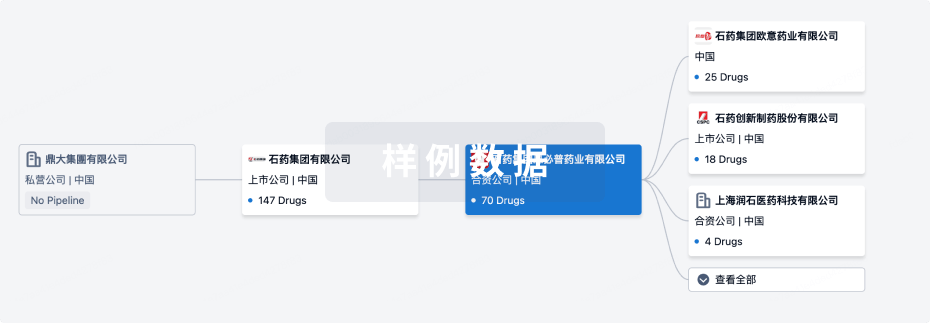
组织架构
使用我们的机构树数据加速您的研究。
登录
或
管线布局
2026年02月08日管线快照
无数据报导
登录后保持更新
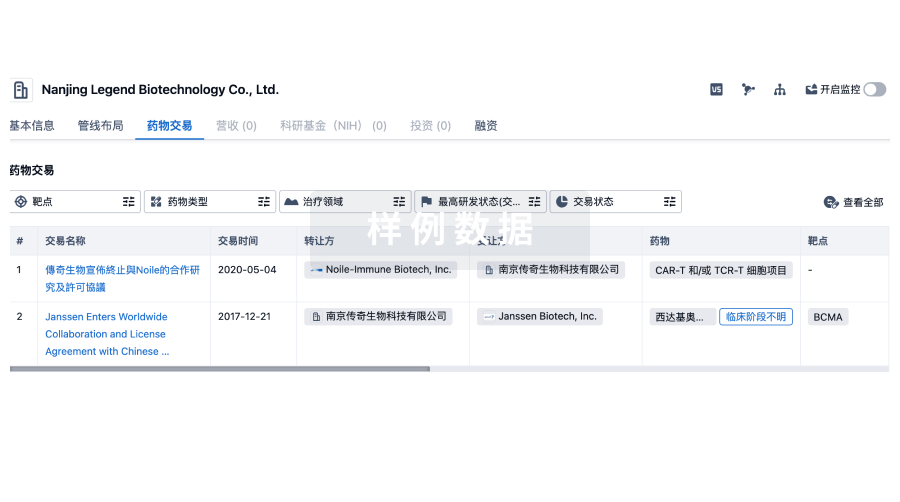
药物交易
使用我们的药物交易数据加速您的研究。
登录
或
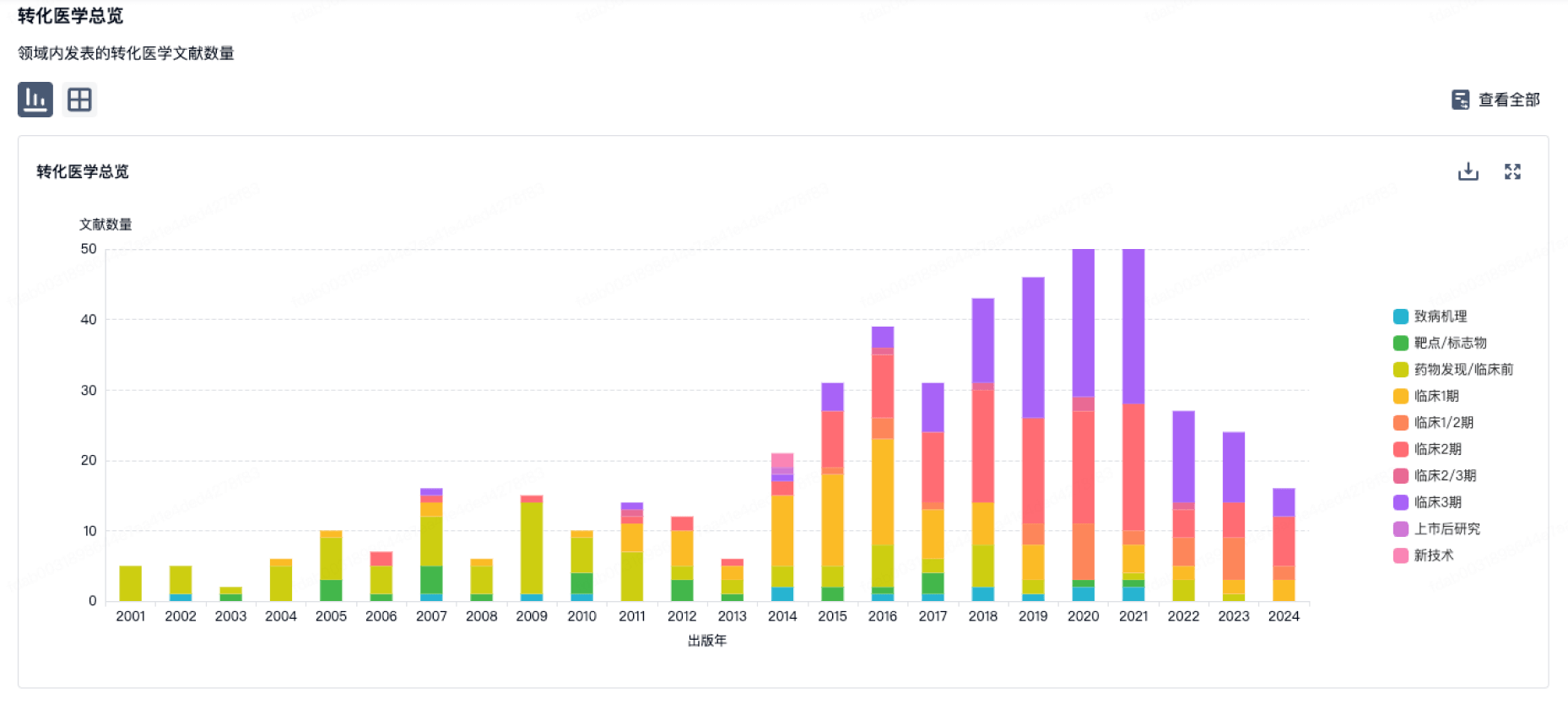
转化医学
使用我们的转化医学数据加速您的研究。
登录
或
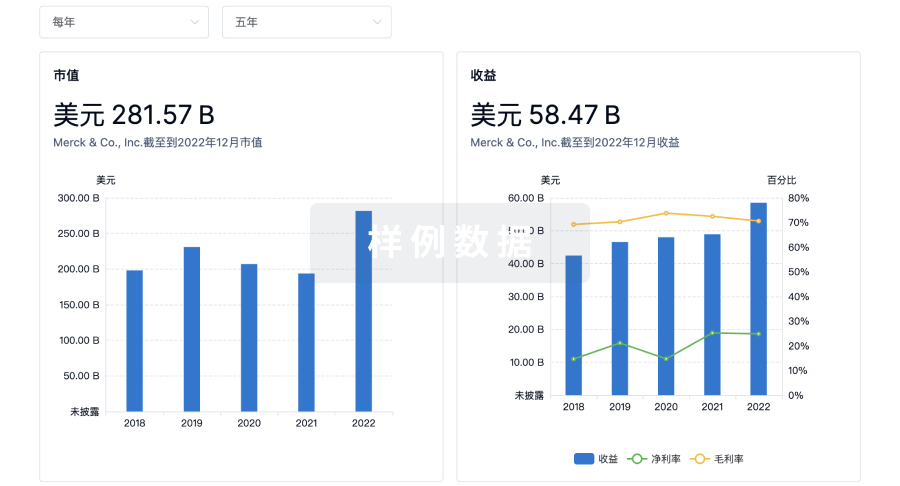
营收
使用 Synapse 探索超过 36 万个组织的财务状况。
登录
或
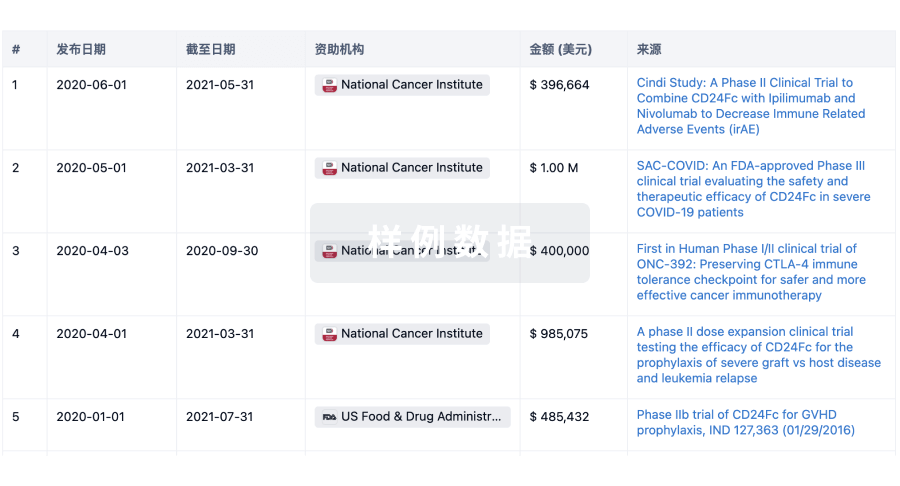
科研基金(NIH)
访问超过 200 万项资助和基金信息,以提升您的研究之旅。
登录
或
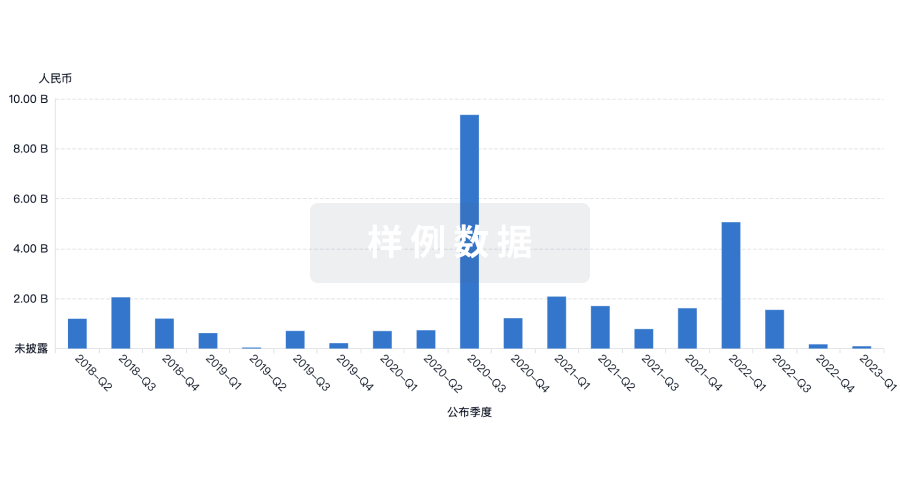
投资
深入了解从初创企业到成熟企业的最新公司投资动态。
登录
或
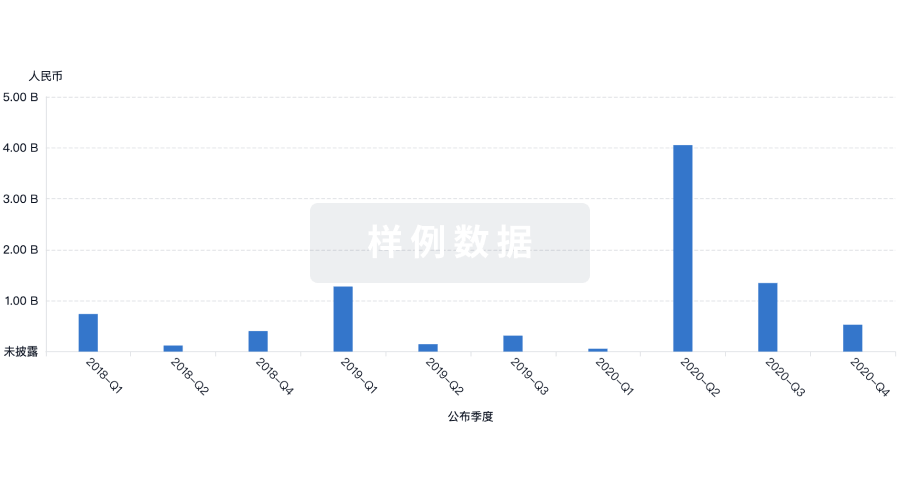
融资
发掘融资趋势以验证和推进您的投资机会。
登录
或
生物医药百科问答
全新生物医药AI Agent 覆盖科研全链路,让突破性发现快人一步
立即开始免费试用!
智慧芽新药情报库是智慧芽专为生命科学人士构建的基于AI的创新药情报平台,助您全方位提升您的研发与决策效率。
立即开始数据试用!
智慧芽新药库数据也通过智慧芽数据服务平台,以API或者数据包形式对外开放,助您更加充分利用智慧芽新药情报信息。
生物序列数据库
生物药研发创新
免费使用
化学结构数据库
小分子化药研发创新
免费使用