预约演示
更新于:2026-08-30

PricewaterhouseCoopers LLP
更新于:2026-08-30
概览
关联
100 项与 PricewaterhouseCoopers LLP 相关的临床结果
登录后查看更多信息
0 项与 PricewaterhouseCoopers LLP 相关的专利(医药)
登录后查看更多信息
59
项与 PricewaterhouseCoopers LLP 相关的文献(医药)2022-06-01·Food and waterborne parasitology
A summary of cryptosporidiosis outbreaks reported in France and overseas departments, 2017–2020
Article
作者: Estelle Menu ; Loic Favennec ; Catherine Rieder ; Magalie Demar ; Gilles Gargala ; Bernard Levy ; Frédéric Dalle ; Romy Razakandrainibe ; Florent Morio ; Vincent Pommier de Santi ; Sophie Lesthelle ; Jérôme Raibaut ; Noémie Coron ; Pascal Delaunay ; Abdelmounaim Mouhajir ; Damien Costa ; Stéphane Valot ; Venceslas Villier ; Sébastien Larreche ; Louise Basmaciyan ; Véronique Blanc
Cryptosporidium is a known foodborne pathogen, ranked fifth out of 24 among foodborne parasites in terms of importance and a cause of many cryptosporidiosis outbreaks worldwide. In France, very few outbreaks were reported before 2017, and data recently obtained by the Expert Laboratory of the Cryptosporidiosis National Reference Center (CNR-LE-Cryptosporidiosis) have shown that outbreaks are in fact common and frequently underreported. In this work, we aim to report the characteristics of outbreaks detected in France during the period 2017-2020 and present a summary of investigations carried out by the CNR-LE-Cryptosporidiosis. During the study period, there were eleven cryptosporidiosis outbreaks, including three with no identified origin. Among the eight identified outbreaks: six were due to water contamination (five tap water and one recreational water), one was due to direct contact with infected calves, and one was due to consumption of contaminated curd cheese. Among these outbreaks, five of them exceeded one hundred cases. Recent results obtained by the CNR-LE-Cryptosporidiosis revealed the multiannual occurrence of Cryptosporidium outbreaks in France. Waterborne outbreaks were more frequently detected, while foodborne outbreaks which are more difficult to detect were likely underreported.
2020-09-01·Drug discovery today2区 · 医学
The upside of being a digital pharma player
2区 · 医学
Article
作者: Gatto, Alexander ; Gassmann, Oliver ; Hinder, Markus ; Schuhmacher, Alexander ; Kuss, Michael
We investigated the state of artificial intelligence (AI) in pharmaceutical research and development (R&D) and outline here a risk and reward perspective regarding digital R&D. Given the novelty of the research area, a combined qualitative and quantitative research method was chosen, including the analysis of annual company reports, investor relations information, patent applications, and scientific publications of 21 pharmaceutical companies for the years 2014 to 2019. As a result, we can confirm that the industry is in an 'early mature' phase of using AI in R&D. Furthermore, we can demonstrate that, despite the efforts that need to be managed, recent developments in the industry indicate that it is worthwhile to invest to become a 'digital pharma player'.
2020-05-01·The Lancet. Infectious diseases
Disease X: accelerating the development of medical countermeasures for the next pandemic
Review
作者: Glozman, Vitaly ; Simpson, Shmona ; Kaufmann, Michael C ; Chakrabarti, Ajoy
WHO has listed several priority diseases with epidemic potential for which there are no, or insufficient, medical countermeasures. In response, the Bill & Melinda Gates Foundation (with support from PricewaterhouseCoopers) coordinated subject matter experts to create a preparedness plan for Disease X. Disease X is caused by Pathogen X, an infectious agent that is not currently known to cause human disease, but an aetiologic agent of a future outbreak with epidemic or pandemic potential. We have identified crucial areas for acceleration in medical countermeasure product development and international coordination. We have also reviewed novel platforms and process improvements related to manufacturing, which could revolutionise the response to the next pandemic. Finally, we created several coordination and engagement guides. These guides range from the rational design of an intervention target product profile, to the key facets of vaccine and therapeutic development, to accelerated manufacturing and regulatory mechanisms. In this Personal View, we provide a high-level summary of the outcomes of the medical countermeasure development workstream, intended for a broad audience including academia, medical countermeasure developers, and multilateral coordinating bodies. We hope that they might find this piece useful in prioritising strategic investments and efforts to accelerate medical countermeasure development. We observed that in-depth analyses of clinical trial design, chemistry, manufacturing and control activities, and accelerated regulatory pathways are necessary for shortening the timelines for the product development of medical countermeasures. We intend to cover these topics in future publications.
372
项与 PricewaterhouseCoopers LLP 相关的新闻(医药)2026-08-19
*本文为医药行业商业分析,不构成任何医疗或用药建议。GLP-1为处方药,请遵医嘱使用。
本文摘要
礼来半年GLP-1收入277亿美元,但超过一半患者一年内停药。
分子战见顶、心智战白热化、患者关系战几乎空白——第三条战线决定终局。
国内324元药价正在预演全球后专利时代:活下来的不是分子最好的,是拥有患者关系的。
关注我们,持续分享品牌干货~
2026年上半年,礼来一家公司的GLP-1收入是277亿美元。诺和诺德同期175亿。Wegovy口服片1月上市,5个月开出超300万张处方,平均每5秒一张。仅替尔泊肽和司美格鲁肽两个分子,据两家公司2025年的年报总结,全球销售已超720亿美元。
这是过去十年医药行业罕见的增长曲线。但另一组数字很少被放在一起看:
丹麦一项覆盖77,310人的研究发现,以减重为目的、没有糖尿病的患者中,52%在第一年内停用了司美格鲁肽。JAMA Network Open对125,474人的分析得出了更极端的数字,无糖尿病人群一年停药率64.8%。停药后什么情况?STEP-1扩展试验显示,一年内反弹回减重量的约三分之二。SURMOUNT-4试验中,停药52周后患者平均反弹约14%的体重,仅17%的人保住了80%以上的减重成果。
一边是每秒都在增长的新处方,一边是一半以上的人在一年之内离开。这就好比全行业都在往桶里灌水,但桶底是漏的。GLP-1品牌战的关键,不在谁能拉来更多新患者,在谁能让患者留下来。
这篇文章拆开三层问题:当药效差距缩小、口服剂型拉平门槛,品牌竞争的战场转移到了哪里?为什么整个行业对超过50%的停药率视而不见?这不是疏忽,是激励结构的问题,中国市场一个季度跌掉80%的价格,对全球GLP-1品牌格局意味着什么?
三条战线
GLP-1的品牌竞争不是一个战场,是三个叠加的竞技领域。
第一战线是分子竞争。 比疗效、比安全性、比剂型。谁的分子(活性成分)减重更多、副作用更小、给药更方便,谁就赢。这条战线打了十年,正在见顶。
替尔泊肽2025年全球卖了365亿美元,靠双靶点机制一度在减重幅度上领先。但诺和诺德的Wegovy高剂量版(7.2mg)2026年3月拿到FDA(美国食品药物管理局)批准,72周减重约19%,已经追了上来。两家在口服剂型上也贴身肉搏:诺和的口服司美格鲁肽2026年1月上市,需要空腹30分钟服用;礼来的orforglipron(商品名Foundayo)4月获批,小分子、无需空腹、没有饮食限制。
当疗效差距缩小到一两个百分点,当口服剂型在减重效果上已接近注射版,"我的分子更好"这个叙事的边际效用正在快速递减。分子战没有结束,但它已经不是决定胜负的地方。
第二战线是心智竞争。 比谁能定义"好的GLP-1体验",比谁的品牌先到达患者。这条战线现在打得火热。
2026年7月,诺和诺德在新泽西联邦法院起诉礼来,指控Zepbound和Mounjaro的DTC广告使用过时研究,将礼来高剂量与诺和低剂量做比较而不提7.2mg的Wegovy,构成误导性宣传。两家公司的竞争从实验室打到了法庭。但更早的信号出现在广告里:BioSpace在2025年初的一篇分析中指出一个反直觉的现象,当时诺和的GLP-1产品在临床数据上弱于礼来,但销量持续领先,原因是诺和的品牌营销更早、更一致。
"Oh, Oh, Oh, Ozempic!"的广告旋律几乎成了文化符号。Wegovy的"Discover the Power"营销活动投入约4200万美元电视广告费用,用《马戏之王》的主题曲建立情感连接。礼来的广告调性则更严肃,奥斯卡期间投放的"Big Night"谈及药物可及性和病耻感,后来的"Shame"广告色调阴暗,反而强化了减重旅程的负面感受。
当临床数据不再构成代差,竞争就迁移到信息控制权和品类定义权。谁定义了"好的GLP-1体验",谁就掌握了定价权。
但心智战有一个容易被忽略的变量:口服化。它不只是剂型改良,而是整个品类渠道权力的转移。
Wegovy口服片上市5个月,超过80%来自GLP-1的新患者,口服不是在抢注射剂的存量,是在扩大品类人群。PwC (普华永道,下同)2026年5月的调研显示,63%的GLP-1处方来自全科和初级保健医生,而非内分泌专科。这意味着GLP-1正在从"专科处方药"走向"大众代谢健康消费品"。2026年2月,诺和砸下超级碗广告位推广Wegovy口服片,请了Kenan Thompson和DJ Khaled等一众明星;同年8月,诺和又把美国媒介代理从合作六年的WPP换成Omnicom,Q4正式接手——从超级碗到换代理,这是快消品的打法,不是传统药企的打法。
三个转移同时发生:处方权从专科医生转到全科医生,品牌选择权从医生转到患者(他们在TikTok和Reddit上看别人的体验做决定),营销逻辑从医学教育转到消费者品牌。使用门槛降低的同时,品牌认知门槛反而升高了。当所有品牌都拿到了准入资质,选哪个品牌不再是医生说了算,而大多数药企的营销策略,还停留在医药代表加学术会议的时代。
第三战线是关系战。 比的不是谁能让患者开始,是谁能让患者留下来、停药后还回来、回来时还选你。这条战线,目前几乎空白。
大部分药企还在打第一战线,诺和暂时领先第二战线。但第三战线才是更大的挑战,分子会被仿制,心智会被稀释,只有患者关系不被商品化。
漏水桶
第三战线为什么空白?因为超过50%的停药率,在行业话语里被归因为患者依从性差。听起来合理、实际上回避了一个结构性问题。
先看数据的全貌。临床试验里的停药率低得不像同一个世界:STEP-1试验94%的受试者完成了试验,81%坚持用药;SURMOUNT系列同样高依从性。原因很简单,试验患者免费用药、有研究协调员跟进、严格按方案滴定,身边有一整个团队确保你不脱落。
真实世界完全不同。
以减重为目的的非糖尿病患者,一年停药率在50%到65%之间(Thomsen et al., EASD 2025, n=77,310,约50%–52%;Rodriguez et al., JAMA Network Open 2025, n=125,474,64.8%)。2型糖尿病患者因为有医保覆盖和并发症威胁,依从性明显更高,一年停药率约40%到47%。从三年追踪期看,Prime Therapeutics对5,780人的追踪发现持续用药率仅8.1%。
不过趋势正在改善。Marshall等人发表在JMCP 2026上的研究显示,2024年上半年开始使用Wegovy或Zepbound的患者,一年持续用药率已提升到60.9%(Wegovy 58.6%,Zepbound 64.8%),远高于2021年短缺时期33.2%的水平(n=33,607)。供应改善、用药经验积累和副作用管理意识提升确实在起作用。但即便如此,仍有约四成患者在一年内停药,三年追踪期的流失更为严重。
停药原因不是单一的。
胃肠道副作用是第一道坎。OASIS 4试验中,口服司美格鲁肽的恶心发生率46.6%,呕吐30.9%。这些副作用在临床试验中被密切监测和管理,在真实世界里,患者可能在某个早上吐完之后就把药盒放进了抽屉。
费用是第二道坎。KFF 2025年11月的健康追踪调查显示,56%的GLP-1使用者认为药价难以承受,14%因费用停药。美国商保覆盖反反复复,雇主每年重新评估保单,患者这个月有覆盖、下个月可能就没有了。
第三道坎在研究中被严重低估:体重耻辱感和社会压力。"你是不是靠吃药瘦的""你打算打一辈子吗"……这些话不会出现在临床试验的不良事件记录表上,但每一句都在消耗患者继续用药的心理能量。
第四道坎是两次问诊之间的沉默。肥胖症诊疗通常每次15到20分钟,间隔2到3个月。中间的副作用发作、饮食困惑、平台期焦虑、身份认同转变,没有人管。
把停药归因为"患者依从性差"很方便。它把责任推给了患者,暗示问题出在他们不够自律、不够耐心。但真正要问的问题是:为什么整个品类的商业模式和品牌体系,都是围绕"新处方开局"设计的,没有人围绕"持续使用"设计产品和服务?
这不是某家公司的疏忽,是四重结构性力量共同造成。
第一重,药企的KPI。 考核指标是处方量、新开局数、季度销售额。没有"12个月持续使用率"这个核心指标。新患者增长数据好看,停药数据藏在10-K表格的附注里。华尔街的电话会议上,分析师追问的是"本季度新开局环比增长多少",没有人问"一年前开的处方还有多少在续"。
第二重,医生的激励。 在美国,医疗系统按问诊量付费,随访和用药管理没有独立的报销代码。医生花20分钟帮患者处理恶心副作用、调整滴定节奏,跟花5分钟开一张新处方的报酬一样。理性的选择是多看新病人。
第三重,支付方结构。 美国商业保险按"医疗事件"付费,不为"持续健康管理"买单。更致命的是,雇主平均每几年换一次保险计划,保险公司没有动力为别家会员的长期健康投资。这个支付体系里,没有人对患者的长期结果负责。
第四重,资本市场逻辑。 收入增速比留存率更容易讲故事。"本季度新开局增长30%"是头条新闻,"一年持续率40%"是脚注。SaaS公司在上市前被反复拷问net dollar retention(净收入留存率)和churn rate(客户流失率),GLP-1药企从来没有被同等要求过。
四重力量同时告诉行业:去拉新患者,别管离开的人。
需要承认,并非所有停药都是品牌失败。副作用不耐受、治疗目标达成后医生建议停药、经济状况变化,都有其医学和现实合理性。但即便剔除这些因素,按终身用药估值与实际持续使用之间的鸿沟仍然真实存在。问题的核心不是"为什么有人停药",而是"为什么整个行业的商业模式假设没有人会停药"。
这就造成了一个荒诞的错位:GLP-1行业用SaaS的估值逻辑融资(高LTV、高增长、订阅模式),用快消品的投放逻辑获客(超级碗广告、名人代言、DTC轰炸),却没有用订阅制的运营逻辑做留存。Netflix知道每个月流失多少用户、为什么流失、怎么挽回;GLP-1药企的临床和药物警戒团队有这些数据,但它们从未进入品牌战略和商业化决策的核心指标。
而且,50%可能还不是真实的流失全貌。药企追踪的是处方填充率,但停药不是一个开关,是一个光谱:延迟三到七天才取药、自行从1mg降到0.5mg、打一个月停一个月、名义上在用药实际上不规律使用。这些"半停药"状态不会出现在"停药率"统计里,但患者已经脱离了治疗方案。处方填充率和实际有效用药率之间的缝隙,至今没有被系统量化。
停药之后
停药之后不是终点,是品牌真空。
ENDO 2026的研究发现了一个常被忽略的轨迹:41.5%的停药者在一年内重新开始用药,两年内58%重启。GLP-1的使用路径不是"开始→坚持→治愈",而是"开始→停药→反弹→重新开始"的循环。
这个循环里藏着一个药企不愿直面的问题:患者重启的时候,选的还是你吗?
目前没有研究追踪停药-重启循环中的品牌切换。但推演一下就知道:如果一个患者因为保险覆盖变化从Wegovy停药,重启时保险恰好覆盖Zepbound,他大概率换品牌;如果他因为副作用停药,重启时医生可能推荐另一款;如果他在TikTok上看到了不同的广告,重启时的选择也会变。在SaaS行业这叫"泄露桶"——获客投入被流失对冲,流失的客户直接流向竞品。诺和花4200万美元拉来的患者,停药后可能成了礼来的客户,而诺和的报表上只多了一行"患者依从性差"。
谁在填空?Noom——一家提供体重管理和代谢健康服务的数字健康平台。
2026年7月,Noom请来Rebel Wilson代言"Lose for Keeps"广告,直接把GLP-1比作"辅助轮"(training wheels),暗示药摘掉之后你才需要真正的支持。表面上,Noom站在药企看不上的"辅助"位置。但它的价值链布局指向更大的野心。
传统药企的价值链是:研发分子→获取处方→患者用药→(结束)。Noom的价值链是:患者用药→采集饮食/运动/体重数据→驱动行为改变→停药后维持→(长期关系)。当Noom拥有100万停药后患者的真实世界数据和信任关系,它就拥有了药企没有的东西:持续的患者触点、行为数据、以及"谁陪我走完这段旅程"的心智占位。从这个位置出发,Noom可以反向与药企议价(要药企为患者准入付费),可以推出自有品牌的代谢健康产品,甚至可以成为代谢健康的入口平台。如果这个路径走通,药企将变成它的上游供应商。当然,这条路径的执行门槛不低:用户行为改变本身就是反人性的,行为干预的临床证据链也需要长期积累,Noom自身的盈利模式至今未被充分验证。
PwC 2026年5月发布的调研(n=3,089)给这个判断提供了数据支撑:21%的美国家庭已经有GLP-1使用者(2025年1月这个数字是9%);该调研同时发现,80%的当前用户在自行拼凑至少一种辅助产品(营养补剂、健身、饮食指导);只有9%的人有GLP-1专用App;85%的用户认为企业没有满足他们的需求;超过70%的用户愿意向消费品牌分享个人健康数据,以换取更个性化的体验。
患者买的不是分子,是"我能不能长期跟这个东西相处"的信心。 当药企只卖处方,这个信心就由Noom、补剂品牌、TikTok博主和患者社群来填。药企自愿放弃了品牌价值链中利润丰厚的一段。
中国市场:后专利时代的时间机器
把视角转到中国。这里的价格崩塌速度,可能是全球GLP-1后专利时代的预演。
2026年1月1日,礼来替尔泊肽(商品名穆峰达)正式纳入国家医保目录,仅限2型糖尿病适应症。2.5mg规格从1758元降至324元,降幅81.6%;10mg规格从4758元降至937元。诺和诺德的减重版司美格鲁肽(诺和盈)虽未进医保,但在2025年12月主动降价近50%,2.27mg规格从1894元降至987元。国产创新药信达生物的玛仕度肽(商品名信尔美,全球首个获批的GCG/GLP-1双受体激动剂),电商平台促销价已下探至300元以内。十余家国内药企的司美格鲁肽仿制药已提交上市申请,业内预计仿制药上市后年治疗费用可降至3000到5000元。
三个月跌掉80%。但中国市场有三个反常识,简单用"价格战"框架会看漏。
1️⃣价格崩塌快,患者教育慢。 324元的月费让大量没有适应症的年轻人涌入,他们中的很多人通过微商和小红书知道GLP-1,以为是"打几针就瘦"的瘦身针。在欧美,患者至少通过医生和保险体系了解到这是需要长期使用的慢性病药物;在中国,"终身用药"这个概念在很多新用户的认知里是不存在的。价格越低、涌入越快,教育缺口越大。
2️⃣灰色渠道的体量可能超出想象。 微商、非备案网店、海外代购充斥市场,假药、储存不当(GLP-1需要冷链)、剂量混乱问题严重。据湖南日报2026年5月报道,长沙市第一医院已接诊多名自行注射替尔泊肽出现严重不良反应的患者,其中一人因持续呕吐腹泻致严重脱水、引发脑静脉梗死入住ICU。线上药房减重针销量十万+,部分平台甚至提供"护士上门注射"服务。非正规渠道到底占多大比例没有官方统计,但从社交媒体讨论度和电商销量推断,这个数字不会小。一粒假药引发的安全事故,连累的是整个品类的信任。
3️⃣"治愈"文化与"控制"现实的冲突。 中国患者在文化上倾向"吃药治病、病好停药",对"终身用药"的心理接受度低于欧美。降压药用了二十年教育患者"不能随便停",GLP-1作为新品类,这个认知远未建立。这意味着即使价格降到324元,持续使用率也可能低于全球水平,而中国市场的停药率数据至今是空白。
324元 把"GLP-1应该值多少钱"的认知锚定在了地板上,后续任何品牌想定高价都要跟324元比较。十余家仿制药企排队入场,成本控制成为核心竞争力,"仿制+低价"的终局是囚徒困境。夹在中间的创新药企业和概念产品,既没有巨头的医保壁垒,也没有仿制药的成本优势,面临典型的夹层困境。
但中国市场的意义不止于中国。它是后专利时代的时间机器:欧美市场三年后会经历的价格崩塌和品牌洗牌,中国正在以三倍速预演。能在这个夹层里活下来的品牌策略,未来全球适用。
中间厂商的出路不是做出"更好的GLP-1",在巨头和仿制药的夹击下,"更好的分子"没有商业空间。三个可能的方向:
品类定义者。 不做"又一个GLP-1",而是定义一个新品类。"代谢健康管理"而非"减重药",把竞争从分子层面拉到生活方式层面。这个方向的门槛不在研发,在于能否建立一套独立于"减重"叙事的话语体系,把评价标准从"减了多少公斤"拉到"代谢健康改善了什么"。
患者关系所有者。 切入停药后的真空地带:体重维持、营养指导、肌肉保护、心理支持。PwC数据说85%的需求未被满足,这不是小市场。这需要跨越医疗合规(处方药DTC营销限制、远程医疗资质)、数据隐私(美国HIPAA、中国个保法)和服务运营三道门槛,但一旦建立,患者切换品牌的成本远高于换一个分子。
场景解决方案。 针对特定人群(产后肥胖、多囊卵巢综合征合并肥胖、中年代谢综合征),提供"药物+营养+运动+监测"的整合方案,而非单卖产品。这些人群的需求和心理动机差异巨大,通用减重方案无法覆盖,细分场景本身就是壁垒。
对中国生物医药企业,这三个方向不是抽象的战略选择题,而是具体的品牌起跑线。当价格锚定在324元、仿制药排队入场,单靠分子层面的差异化已经撑不起品牌溢价。真正的窗口期在于:在"卖药"之外建立"陪伴代谢健康旅程"的品牌资产。从患者教育到副作用管理,从停药后维持到生活方式干预,把85%未被满足的需求变成可交付的产品和服务。能做到这一点的企业,不需要在324元的价格带上跟仿制药血拼,因为患者买的不是分子,是"谁陪我走完这段旅程"的信心。
当所有竞品都在GLP-1分子上卷价格、卷疗效、卷剂型,真正的出路是拥有一个GLP-1之外的品牌资产。
终局
降压药市场有一个值得参照的先例。氨氯地平有几十个仿制药品牌,没有人忠于某个分子。但欧姆龙靠血压计占据了患者家庭的"血压数据入口",成为高血压管理领域消费者认知度很高的品牌,虽然它不卖药。
GLP-1可能走向类似的终局。分子商品化之后,谁拥有患者的代谢数据入口(体重、血糖、饮食、运动、用药依从性),谁就拥有品牌定价权。这个"欧姆龙"可能是智能体重秤和CGM公司,可能是Noom这样的数字健康平台,也可能是药企自建的患者生态系统。药企可能赢了分子战,却输了关系战。
GLP-1的终局不是药战,是"代谢健康关系"的主导权之争。 诺和用广告歌抢占心智,Noom用"辅助轮"叙事抢占停药后,PwC数据里70%的患者愿意分享健康数据换取个性化体验。这些信号指向同一个方向:未来GLP-1品类的主导者,未必是药效更强的药企,而是那个拥有患者全周期信任的品牌。
中国市场的品牌窗口正在收窄。 司美格鲁肽核心化合物专利已于2026年3月到期,但诺和诺德通过瑞士子公司依据中瑞自贸协定享有6年临床数据保护,至2027年4月。十余家国内企业已提交仿制药上市申请,首批可能在2026年三季度获批,但大规模上市或推迟至2027年。从现在到2027年中,是中间厂商建立品牌定位、锁定患者关系的窗口。窗口关闭之后,只有两类厂商能存活:成本足够低的仿制药企,和拥有GLP-1之外品牌资产的差异化品牌。
能赢的品牌,是第一个让患者觉得"停药以后我还需要你"的品牌。 GLP-1不是传统药物。它的使用周期以年计,效果在停药后会逆转,使用群体多为非糖尿病患者,不以‘病人’自居,这些特征决定了GLP-1的竞争逻辑更接近订阅服务而非药品销售。谁先理解这一点,谁就从"卖药的"变成"患者代谢健康的长期伙伴"。
©️知禾品牌管理咨询 · 行业战略洞察
本文系知禾品牌管理原创,著作权归作者所有,未经许可,不得转载使用。
本文仅供行业交流,不构成医疗建议。GLP-1类药物为处方药,需在医生指导下使用。
本文由AI辅助创作,内容经作者审核。
数据来源
[1] Thomsen RW, et al. One-year persistence with semaglutide for weight management: a Danish nationwide cohort study. Presented at: 61st Annual Meeting of the European Association for the Study of Diabetes (EASD); 2025. (n=77,310)
[2] Rodriguez F, et al. Discontinuation of anti-obesity medications among US adults without diabetes. JAMA Netw Open. 2025. (n=125,474)
[3] Sontha S, et al. Real-world persistence and reinitiation patterns with GLP-1 receptor agonists. Presented at: ENDO 2026 Annual Meeting; 2026. (n=60,000+)
[4] Marshall JC, et al. Real-world persistence with once-weekly semaglutide and tirzepatide for weight management. J Manag Care Spec Pharm. 2026. (n=33,607)
[5] Wilding JPH, et al. Weight regain and cardiometabolic effects after withdrawal of semaglutide: the STEP 1 extension randomized clinical trial. Diabetes Obes Metab. 2022;24(8):1553-1564.
[6] Aronne LJ, et al. Continued treatment with tirzepatide for maintenance of weight reduction: the SURMOUNT-4 randomized clinical trial. JAMA. 2024;331(2):138-148.
[7] OASIS 4 Trial Investigators. Once-daily oral semaglutide for weight management in adults with overweight or obesity (OASIS 4). Clinical trial results. 2025.
[8] Prime Therapeutics. Three-year persistence analysis of GLP-1 receptor agonists among commercially insured members. 2025. (n=5,780)
[9] Eli Lilly and Company. Q2 2026 earnings report. August 5, 2026. https://investor.lilly.com
[10] Novo Nordisk A/S. Interim financial report for the first six months of 2026 (Form 6-K). August 2026. https://www.novonordisk.com/investors
[11] Novo Nordisk A/S. Novo Nordisk files lawsuit against Eli Lilly regarding misleading GLP-1 advertising. Press release. July 21, 2026.
[12] Novo Nordisk A/S. Oral semaglutide clinical data presented at ADA 2026. Press release. June 2026.
[13] US Food and Drug Administration. Approval letter: Wegovy (semaglutide) injection 7.2 mg. March 2026.
[14] US Food and Drug Administration. Approval letter: Foundayo (orforglipron) tablets. April 2026.
[15] Noom, Inc. Noom launches "Lose for Keeps" campaign with Rebel Wilson. Press release. July 20, 2026.
[16] PricewaterhouseCoopers. The end of more: how GLP-1 users shop, eat, and seek support. May 2026. (n=3,089; conducted by Numerator)
[17] KFF. KFF Health Tracking Poll: public views and experiences with GLP-1 medications. November 2025.
[18] BioSpace. Why is Novo outperforming Lilly despite having inferior GLP-1 products? January 2025.
[19] Pharmaceutical Executive. Novo Nordisk sues Eli Lilly over GLP-1 advertising. July 2026.
[20] 国家医疗保障局. 2026年国家基本医疗保险药品目录. 2026年1月.
[21] 四川省药械招标采购服务中心. 2025年12月药品降价清单.
[22] 新浪财经. 玛仕度肽电商平台价格追踪. 2026年8月10日.
[23] 羊城晚报. 司美格鲁肽专利保护与市场竞争报道. 2026年6月23日.
[24] 网易新闻. 中瑞自贸协定临床数据保护期至2027年4月. 2026年6月24日.
[25] 第一财经; 时代周报. GLP-1医保价格执行追踪报道. 2026.
[26] 智慧芽Synapse医药数据库.
[27] 湖南日报. 自行注射"减肥神药"险丧命!多名患者急诊就诊,专家紧急提醒. 2026年5月21日.
术语表
GLP-1:胰高血糖素样肽-1受体激动剂,一类最初用于2型糖尿病治疗、现广泛用于体重管理的药物,本文主要讨论司美格鲁肽(诺和诺德)和替尔泊肽(礼来)两款产品。
生物类似药(biosimilar)/ 仿制药:生物制剂专利到期后,其他厂商参照原研药生产的产品。与化学仿制药不同,生物类似药在分子结构上与原研药高度相似但非完全相同,审批路径也更严格。GLP-1类多肽药物的监管分类在不同法域存在差异:美国和欧盟将其归类为生物制剂,仿制版本称"生物类似药";中国将其归类为化学药品,国内企业申报的是"仿制药"上市申请。本文在中国市场语境下使用"仿制药",在全球科学语境下使用"生物类似药"。
Churn rate(客户流失率):SaaS行业核心指标,衡量一定时期内停止续费或使用产品的客户比例。
Net dollar retention(净收入留存率):SaaS行业核心指标,衡量现有客户在一定时期后的收入变化(含增购、减购和流失),高于100%说明现有客户收入在增长。
Noom:总部位于纽约的数字健康平台,提供基于行为心理学的体重管理和代谢健康服务,2026年推出"Lose for Keeps"广告,直接切入GLP-1停药后市场。
推荐阅读
2026-08-18
CAMBRIDGE, Mass.--(BUSINESS WIRE)--Brixton Biosciences (Brixton), a clinical-stage life sciences company focused on developing a nerve-selective biomaterial designed to provide targeted and durable relief from pain, today announced the appointment of three new members to its Board of Directors: founding CEO of Alnylam Pharmaceuticals and RNAi pioneer, John Maraganore, Ph.D.; CEO of Bausch + Lomb and biopharma deal-maker, Brent Saunders; and former General Manager, Philadelphia 76ers, Elton Brand. The appointments come as Brixton prepares for U.S. Food and Drug Administration (FDA) marketing authorization and commercialization of its lead investigational product, Reneurx™ Nerve-Selective Therapy.
Reneurx therapy is an investigational first-in-class, nerve-selective biomaterial that is injected around a target treatment area to interrupt pain signals. Reneurx therapy has the potential to minimize or eliminate the use of opioids and avoid the possible chondrotoxic effect of corticosteroids. Brixton submitted a De Novo request to the FDA seeking marketing authorization for Reneurx therapy for patients with pain related to knee osteoarthritis. The request was based on a head-to-head pivotal trial comparing the therapy with a steroid injection. Data from the trial will be presented at a medical meeting later this year. De Novo decision is anticipated by the end of 2026.
“We believe that Reneurx therapy has the potential to truly address ongoing challenges in musculoskeletal pain management. Current systemic and non-surgical approaches to pain relief for those with knee osteoarthritis are limited, inconsistent or damaging, and often result in patients living with chronic pain for decades. With Reneurx therapy, patients could potentially benefit from 6 or more months of sustained pain relief and improved quality of life from a single treatment,” said Sameer Sabir, Chief Executive Officer of Brixton Biosciences.
“As we look towards sharing data from our pivotal trial and anticipate our first FDA marketing authorization of Reneurx therapy for those with pain related to knee osteoarthritis, we’re focused on building the team and infrastructure needed to bring this transformative treatment option to patients. John, Brent, and Elton each bring a distinct and highly relevant perspective to Brixton at a pivotal moment for the Company. Their collective experience spans building and commercializing breakthrough medicines, scaling healthcare businesses through major growth, and understanding pain and performance from the patient’s point of view,” continued Sabir.
John Maraganore, Ph.D.
Dr. John Maraganore was the founding CEO of Alnylam Pharmaceuticals, leading the company from early RNAi research to the global approval and commercialization of its first five RNAi medicines. Prior to Alnylam, Dr. Maraganore served as an officer and member of the management team at Millennium Pharmaceuticals, overseeing the oncology, cardiovascular, inflammatory, and metabolic franchises, as well as M&A and strategy. Before that, he was director of Molecular Biology and director of Market and Business Development at Biogen, Inc., where he also invented and led the discovery and development of ANGIOMAX® (bivalirudin) for injection. He currently serves as Co-CEO of a cardiovascular medicine company, Corsera Health, acts as a partner or advisor of a number of leading investment firms, and is a Director for several publicly traded and privately held biopharmaceutical companies. Dr. Maraganore also serves on the Board of BIO, the Termeer Foundation, and many other advisory boards supporting innovation in life sciences. He earned his B.A., M.S., and Ph.D. in biochemistry and molecular biology from the University of Chicago.
“Chronic pain remains one of the largest and most underserved areas in medicine, and Brixton’s localized, non-opioid approach aims to offer a differentiated, physical disruption of pain signaling versus standard systemic drug approaches,” said Dr. Maraganore. “I’ve spent my career helping science-driven companies translate breakthrough research into medicines that reach patients, and I’m excited to help guide Brixton through its next stage of growth as it prepares to bring forward a new biological and potentially disruptive approach to pain relief.”
Brent Saunders
Brent Saunders is the CEO of the Board of Bausch + Lomb, a leading global eye health company, where he draws on more than 20 years of executive leadership experience at several major companies. In addition to his role with Bausch + Lomb, he serves as Chairman of both The Beauty Health Company and Roam. Throughout his career, he has built some of the most globally recognized consumer brands, including Botox, Claritin and Coppertone and has spearheaded groundbreaking mergers and acquisitions totaling over $300 billion in medical aesthetics, biomedical and health-related sectors. Mr. Saunders has held a number of executive leadership positions including President and CEO of Forest Laboratories, CEO of Actavis, and Chairman, President and CEO of Allergan. Earlier in his career, Mr. Saunders was a Partner at PricewaterhouseCoopers, President of Schering-Plough, and served in a previous tenure as President and CEO of Bausch + Lomb. Mr. Saunders holds a B.A. from the University of Pittsburgh, a J.D. from the Temple University School of Law, and an M.B.A. from the Temple University School of Business.
“Given the massively underserved chronic pain market, there’s enormous opportunity for Reneurx therapy as a drug-free alternative for pain relief. The platform innovation is reminiscent of the Botox brand and I’m excited to help Brixton as it evaluates the broader applicability of its nerve-selective therapy beyond knee osteoarthritis. Potential indications for hip and thumb pain, as well as migraine, represent more than 100 million patients. I look forward to working with the Board and management team to help build a focused, impactful commercial and market strategy that ensures Reneurx therapy reaches physicians and patients who need it,” said Mr. Saunders.
Elton Brand
Elton Brand is a former professional basketball player with the National Basketball Association (NBA) who most recently served as general manager of the Philadelphia 76ers. Mr. Brand played in the NBA for 17 years before transitioning to a front-office role with the 76ers, where he also served as Vice President of Basketball Operations. Mr. Brand played college basketball at Duke University, helped lead the Blue Devils to the 1999 NCAA Championship game, and was also named 1999 consensus NCAA National Player of the Year. Brand was selected with the first overall pick in the 1999 NBA Draft by the Chicago Bulls. He went on to win the NBA's Co-Rookie of the Year with Houston Rockets Guard Steve Francis and was named a two-time NBA All-Star later in his playing career.
“Having played 17 seasons in the NBA, I have seen firsthand how debilitating joint injuries and chronic joint pain can be in maintaining an active lifestyle. Brixton’s mission to developing therapies to minimize pain intrigued me greatly and resonates with my personal desire to best manage chronic conditions. I’m honored to join the Board and support the Brixton team in their mission to give people their mobility and quality of life back,” said Mr. Brand.
About Brixton Biosciences
Brixton Biosciences is a clinical-stage life sciences company developing a novel, first-in-class nerve-selective biomaterial designed to provide targeted and durable pain relief. The Company’s flagship investigational product, Reneurx™ Nerve-Selective Therapy, is locally injected around nerves to interrupt pain signals. In its first indication for patients with knee osteoarthritis, clinical data demonstrates that patients with symptomatic knee osteoarthritis may experience up to 6 months of meaningful pain relief. Brixton's pipeline includes additional programs for lateral hip and thumb joint pain, migraine, and potential applications in many other areas. For more information, visit www.brixtonbio.com.
高管变更上市批准
2026-08-03
Matthew Leoni, M.D., appointed Chief Medical Officer and Gan Wei, Ph.D., appointed Chief Technical Officer
Heidi Henson appointed to Board of Directors and will serve as Chair of the Audit Committee
Leadership additions enhance clinical, technical and governance capabilities as Korsana advances lead program KRSA-028 for the treatment of Alzheimer's disease
WALTHAM, Mass.--(BUSINESS WIRE)--Korsana Biosciences, Inc. (“Korsana” or the “Company”), a biotechnology company discovering and developing novel therapies to reduce the burden of neurodegenerative diseases, today announced the appointments of Matthew Leoni, M.D., as Chief Medical Officer, Gan Wei, Ph.D., as Chief Technical Officer, and Heidi Henson as a member of its Board of Directors, where she will serve as Chair of the Audit Committee. Collectively, these appointments strengthen Korsana's leadership team as the Company advances KRSA-028, its lead THETA™-enabled therapeutic candidate for Alzheimer's disease, toward clinical development while continuing to progress its pipeline of potential best-in-class therapies for neurodegenerative diseases.
ezstandalone.cmd.push(function () {
ezstandalone.showAds(131);
});
"We are delighted to welcome Matt, Gan, and Heidi to Korsana as we enter our next phase of growth," said Jonathan Violin, Ph.D., President and Chief Executive Officer of Korsana. "As Korsana advances toward becoming a clinical-stage company, we are assembling a leadership team with the expertise needed to execute our strategy and position Korsana for long-term success. Matt, Gan, and Heidi each bring exceptional experience building and scaling innovative biotechnology organizations, and together they significantly strengthen our ability to advance KRSA-028 and realize the full potential of our THETA™ platform for patients with neurodegenerative diseases."
Korsana continues to expect its previously announced merger with Cyclerion Therapeutics to close in the third quarter of 2026, subject to the satisfaction of customary closing conditions. Upon completion of the transaction, the combined company plans to operate under the name Korsana Biosciences, Inc. and trade on Nasdaq under the ticker symbol “KRSA.” The Company is also advancing KRSA-028 toward the clinic, with Phase 1 healthy volunteer data expected in mid-2027 and interim proof-of-concept data evaluating amyloid plaque clearance in Alzheimer's disease patients anticipated by the end of 2027 or the first quarter of 2028.
Matthew Leoni, M.D., Chief Medical Officer
Dr. Leoni is an accomplished drug developer whose work in early- and late-stage clinical development has contributed to the advancement and approval of multiple innovative therapies over more than 20 years in the biopharmaceutical industry. Most recently, he served as Chief Medical Officer of Merida Biosciences, where he joined following its Series A financing, built the development organization, and advanced its lead program through IND clearance and into the clinic. Prior to Merida, he was Senior Vice President of Development at Cerevel Therapeutics, where he was a member of the company’s founding leadership team and helped guide the organization through multiple clinical milestones, its public debut, and subsequent acquisition by AbbVie. Earlier in his career, Dr. Leoni held clinical development leadership roles at Otsuka, Novartis, Galderma, and Immunomedics. He earned his M.D. from the University of Pennsylvania School of Medicine, an M.B.A. in Pharmaceutical Management from Drexel University, and a B.A. in Biology from Franklin & Marshall College.
Gan Wei, Ph.D., Chief Technical Officer
Dr. Wei brings more than 25 years of experience in biologics manufacturing process development, commercialization, and lifecycle management. Most recently, he served as Senior Vice President of Global Technical Operations at Zenas BioPharma. Previously, he held leadership positions at Voyager Therapeutics and TESARO/GSK, following earlier roles of increasing responsibility at Shire Pharmaceuticals, Eli Lilly and Company, and Momenta Pharmaceuticals. He earned his Ph.D. in Chemical and Biochemical Engineering from the University of Maryland, Baltimore County, and his B.S. in Biochemical Engineering from East China University of Science and Technology.
Heidi Henson, Board Director and Chair of the Audit Committee
Ms. Henson brings more than 20 years of financial operations experience across public and private biopharmaceutical companies. She currently serves on the boards of directors of Lisata Therapeutics, PepGen Inc., and Perspective Therapeutics, Inc. Most recently, she served as Chief Financial Officer of Pardes Biosciences, Inc. through its acquisition. Previously, she served as Chief Financial Officer of Imbria Pharmaceuticals, Kura Oncology, Wellspring Biosciences and its parent company, Araxes Pharma LLC. Ms. Henson began her career in auditing at PricewaterhouseCoopers LLP, where she served both public and private companies. She earned a Bachelor of Accountancy from the University of San Diego.
About Korsana Biosciences
Korsana Biosciences was founded to reduce the burden of neurodegenerative diseases for patients and caregivers. Developed in partnership with Paragon Therapeutics, Therapeutic Targeting (THETA™) is a novel blood-brain barrier-penetrant shuttle platform designed to enable dramatically higher drug concentration inside the brain and overcome the limitations of earlier shuttle technologies. Korsana is advancing a pipeline of innovative THETA-enabled therapies for neurodegenerative diseases, starting with KRSA-028 for the treatment of Alzheimer's disease. For more information, please visit
.
Important Additional Information
A registration statement on Form S-4, which contains a proxy statement/prospectus, has been filed by Cyclerion Therapeutics, Inc. (“Cyclerion”) in connection with a proposed reverse merger transaction between Cyclerion and the Company. This communication does not substitute for the Form S-4, proxy statement/prospectus or for any other document that Cyclerion has filed or may the SEC in connection with the proposed transaction.
CYCLERION INVESTORS AND STOCKHOLDERS ARE URGED TO READ THE FORM S-4, PROXY STATEMENT/PROSPECTUS AND ANY OTHER RELEVANT DOCUMENTS THAT HAVE BEEN OR MAY BE FILED WITH THE SEC, AS WELL AS ANY AMENDMENTS OR SUPPLEMENTS TO THOSE DOCUMENTS, CAREFULLY AND IN THEIR ENTIRETY IF AND WHEN THEY BECOME AVAILABLE BECAUSE THEY CONTAIN OR WILL CONTAIN IMPORTANT INFORMATION ABOUT CYCLERION, KORSANA, THE PROPOSED TRANSACTION AND RELATED MATTERS. Investors and stockholders can obtain free copies of the Form S-4 and other documents filed by Cyclerion with the SEC (when they become available) through the website maintained by the SEC at
. In addition, investors and stockholders should note that Cyclerion communicates with investors and the public using its website (
) and the investor relations website (
) where anyone is able to obtain free copies of the Form S-4 and other documents filed by Cyclerion with the SEC and stockholders are urged to read the Form S-4 and the other relevant materials when they become available before making any voting or investment decision with respect to the proposed transaction.
No Offer or Solicitation
This communication is not intended to and does not constitute (i) a solicitation of a proxy, consent or approval with respect to any securities or in respect of the proposed transaction between the Company and Cyclerion Therapeutics, or (ii) an offer to sell or the solicitation of an offer to subscribe for or buy or an invitation to purchase or subscribe for any securities pursuant to the proposed transaction or otherwise, nor shall there be any sale, issuance or transfer of securities in any jurisdiction in contravention of applicable law. No offer of securities shall be made except by means of a prospectus meeting the requirements of the Securities Act or an exemption therefrom. Subject to certain exceptions to be approved by the relevant regulators or certain facts to be ascertained, the public offer will not be made directly or indirectly, in or into any jurisdiction where to do so would constitute a violation of the laws of such jurisdiction, or by use of the mails or by any means or instrumentality (including without limitation, facsimile transmission, telephone and the internet) of interstate or foreign commerce, or any facility of a national securities exchange, of any such jurisdiction.
NEITHER THE SEC NOR ANY STATE SECURITIES COMMISSION HAS APPROVED OR DISAPPROVED OF THE SECURITIES OR DETERMINED IF THIS COMMUNICATION IS TRUTHFUL OR COMPLETE.
Participants in the Solicitation
Cyclerion, Korsana and their respective directors and executive officers may be deemed to be participants in the solicitation of proxies from stockholders in connection with the proposed transaction. Information about Cyclerion’s directors and executive officers including a description of their interests in Cyclerion is included in Cyclerion’s Annual Report on Form 10-K, as filed with the SEC on March 30, 2026 and amended on April 30, 2026, and in subsequent reports filed with the SEC. Additional information regarding these persons and their interests in the proposed transaction are included in the Form S-4 relating to the proposed transaction filed with the SEC. These documents can be obtained free of charge from the sources indicated above.
Forward-Looking Statements
This communication contains forward-looking statements (including within the meaning of Section 21E of the Exchange Act and Section 27A of the Securities Act). The words “anticipate,” “believe,” “contemplate,” “continue,” “could,” “estimate,” “expect,” “intends,” “may,” “might,” “plan,” “possible,” “potential,” “predict,” “project,” “should,” “will,” “would” and similar expressions (including the negatives of these terms or variations of them) may identify forward-looking statements, but the absence of these words does not mean that a statement is not forward-looking. All statements contained in this press release that do not relate to matters of historical fact should be considered forward-looking statements, including without limitation, statements regarding: the development, potential benefits and therapeutic potential of KRSA-028; the Company having a pipeline of potential best-in-class therapies for neurodegenerative diseases; the strength of the Company’s leadership team to position the Company for long-term success, advance KRSA-028 into the clinic, and realize the full potential of the THETA platform; the expected timing of the closing of the merger with Cyclerion Therapeutics; the expected name, Nasdaq listing and ticker symbol of the combined company following completion of the merger; and the expected timing of clinical data from the KRSA-028 research program.
The forward-looking statements contained in this communication are based on management’s current expectations. These statements are neither promises nor guarantees, but involve known and unknown risks, uncertainties and other important factors that may cause our actual results, performance or achievements to be materially different from any future results, performance or achievements expressed or implied by the forward-looking statements, including without limitation, the following: risks associated with the Company’s ability to manage expenses and unanticipated spending and costs that could reduce the Company’s cash resources; risks related to the Company’s ability to correctly estimate its operating expenses and other events; changes in capital resource requirements; risks related to the inability of the Company to obtain sufficient additional capital to continue to advance its product candidates or its preclinical programs; the ability of the Company to obtain, maintain and protect its intellectual property rights, in particular those related to its product candidates; the Company’s ability to advance the development of its product candidates or preclinical activities under the timelines it anticipates in planned and future clinical trials; the Company’s ability to replicate in later clinical trials positive results found in preclinical studies and early-stage clinical trials of its product candidates; the Company’s ability to realize the anticipated benefits of its research and development programs, strategic partnerships, licensing programs or other collaborations; regulatory requirements or developments and the Company’s ability to obtain necessary approvals from the U.S. Food and Drug Administration or other regulatory authorities; changes to clinical trial designs and regulatory pathways; changes in expected or existing competition; legislative, regulatory, political and economic developments; and those risks and uncertainties and other factors more fully described in the registration statement on Form S-4 and in other filings made by Cyclerion with the SEC from time to time and available at
. Any such forward-looking statements represent management’s estimates as of the date of this release. We undertake no obligation to update such statements to reflect subsequent events or circumstances, except as otherwise required by securities and other applicable law.
Contacts
Investor and Media Contact:
Eva Stroynowski
IR@korsana.com
Media@korsana.com
高管变更临床1期
100 项与 PricewaterhouseCoopers LLP 相关的药物交易
登录后查看更多信息
100 项与 PricewaterhouseCoopers LLP 相关的转化医学
登录后查看更多信息
组织架构
使用我们的机构树数据加速您的研究。
登录
或
管线布局
2026年09月08日管线快照
无数据报导
登录后保持更新
药物交易
使用我们的药物交易数据加速您的研究。
登录
或
转化医学
使用我们的转化医学数据加速您的研究。
登录
或
营收
使用 Synapse 探索超过 36 万个组织的财务状况。
登录
或
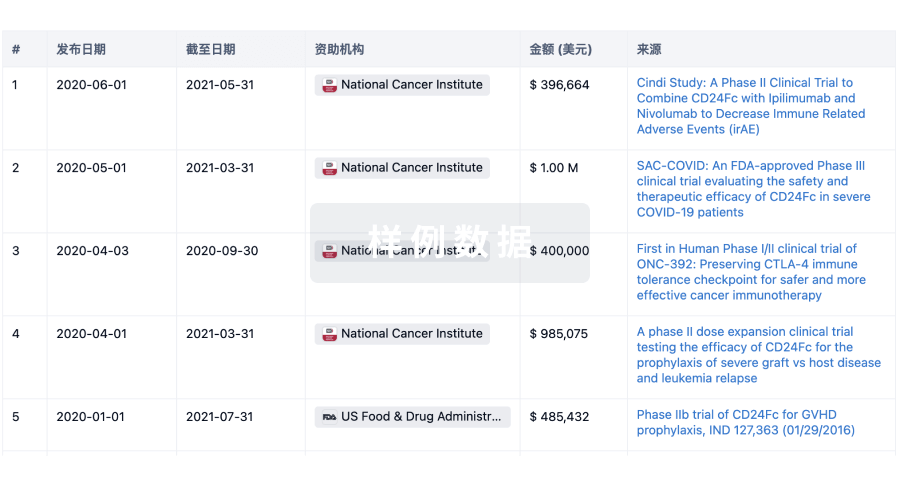
科研基金(NIH)
访问超过 200 万项资助和基金信息,以提升您的研究之旅。
登录
或
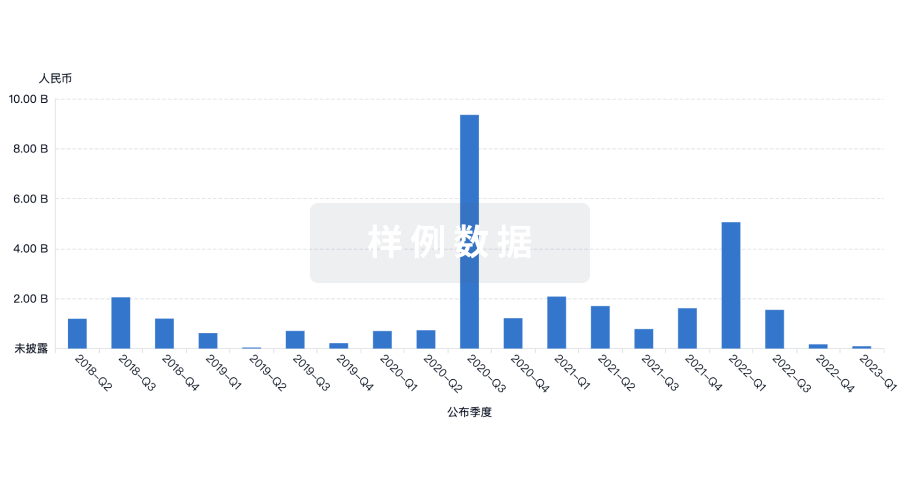
投资
深入了解从初创企业到成熟企业的最新公司投资动态。
登录
或
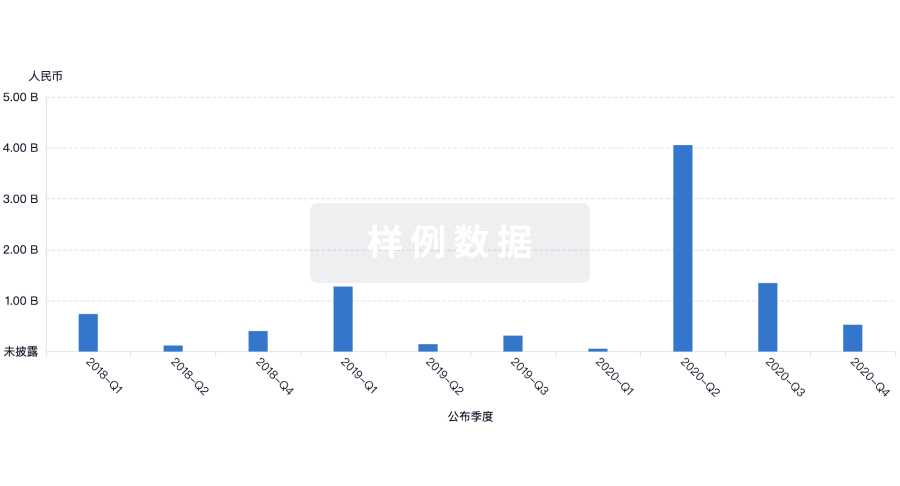
融资
发掘融资趋势以验证和推进您的投资机会。
登录
或
提出任何生物医药研究问题
让每一步生物医药决策都精准制胜
基于十亿级生物数据与全球情报的精准 AI,赋能早期药物发现
立即开始免费试用!
智慧芽新药情报库是智慧芽专为生命科学人士构建的基于AI的创新药情报平台,助您全方位提升您的研发与决策效率。
立即接入生物医药数据包
智慧芽新药库数据也通过智慧芽开放平台,以MCP或API服务形式对外开放。立即使用我们的MCP服务定制您的LLM智能体。
生物序列数据库
生物药研发创新
免费使用
化学结构数据库
小分子化药研发创新
免费使用