预约演示
更新于:2025-08-29

University of Humanistic Studies
更新于:2025-08-29
概览
关联
1
项与 University of Humanistic Studies 相关的临床试验NCT04271085
Living Well, Dying Well. a Research Programme to Support Living Until the End (iLIVE)
The iLIVE project involves a cohort study in which patients with an estimated life expectancy of six months or less are followed until they die. In total, the investigators will include 2200 patients in 11 countries, i.e. 200 per country. The primary outcome for the cohort study is a descriptive assessment of the concerns, expectations and preferences around dying and end-of-life care of patients and their relatives, in different settings and cultures..
开始日期2020-09-01 |
申办/合作机构 Erasmus MC [+8] |
100 项与 University of Humanistic Studies 相关的临床结果
登录后查看更多信息
0 项与 University of Humanistic Studies 相关的专利(医药)
登录后查看更多信息
122
项与 University of Humanistic Studies 相关的文献(医药)2025-12-31·Human Fertility
Enable families with donor-conceived children to tailor their family story. Recommendations for policy and practice regarding legal age limits for accessing donor information in The Netherlands
Article
作者: Maas, A. J. B. M. ; Woestenburg, N. O. M. ; van Nistelrooij, I. ; Indekeu, A.
In 2020, the Dutch government issued a call to investigate age limits for donor-conceived people to access donor information because there was insufficient justification for such limits in the Dutch law. This question is equally important in a changing landscape of donor conception due to searching using direct-to-consumer genetic tests and social media. This paper describes recommendations for policy and practice based on an interdisciplinary (ethical, legal, psychosocial and empirical) research. Findings show that no age limits can be adequately justified, including the current ones. Consequently, we recommended modification of the law by dropping age limits and by making donor information accessible upon the birth of a donor-conceived person. Moreover, we set forth recommendations for due diligence in providing donor information. Integrating donor information into one's life's story is a gradual process that should be tailored to a child's development and individual needs. Because this process is more than a single moment of accessing donor information, we see parents as being best suited to align accessing donor information with their child's needs. We recommend that donor-conceived people, parents and donors are given support in this process, provided by professionals with experience and knowledge about donor conception.
2025-12-31·International Journal of Qualitative Studies on Health and Well-Being
“From my life, she will never be gone, even though she is no longer here” – a single case interpretative phenomenological analysis on spousal loss and resilience
Article
作者: Beeris, Chloe ; Bisseling, Rob ; Niemeijer, Alistair ; Machielse, Anja
Older people often face drastic life events, such as spousal loss, that profoundly affect their daily lives. Consequently, resilience-how one navigates life's changes to avoid further adverse outcomes-is increasingly relevant in ageing studies. Although understanding older adults' resilience is key to preventing adverse outcomes, the complexity of loss-related events and everyday resilience in later life is underexplored from a process-based perspective. This study employs an Interpretative Phenomenological Analysis (IPA) case study of one individual to investigate resilience in response to spousal loss from a process-based perspective. Four interviews were conducted with this one participant and data was analysed following IPA guidelines. Findings indicate how resilience, in this case, resembles a process of continuous adaptation and renewal or "bouncing forward", in the face of diverse adversities, as written by Bourbeau. This study enriches our understanding of the process-based perspective on resilience, which is essential for concretely defining resilience and its practical application.
2025-09-01·CULTURE MEDICINE AND PSYCHIATRY
‘Why Bother?’ Skeptical Doubt and Moral Imagination in Care for People with Profound Intellectual Disabilities
Article
作者: van der Weele, Simon
Abstract:
Caring well for people with profound intellectual disabilities is challenging. This challenge is often framed in terms of their complex needs and the ambiguity of interpreting these needs. Based on ethnographic fieldwork, this article argues that behind these challenges lies a more fundamental challenge of doubt: doubt stemming from uncertainties about the mind of the other, and thus about the purpose of care itself. Drawing on Stanley Cavell’s notion of skepticism, the article explores how this challenge arises and how caregivers grapple with it. The study finds that skeptical doubt always threatens care for people with profound intellectual disabilities, but often remains unseen. This is because caregivers deftly manage to ward off their skeptical doubt, by ‘placing people into life’: imagining the people in their care as participants in a shared human everyday life. The article tracks such exercises of ‘placing people into life’ to document how caregivers manage to retain faith in the purpose of their care. In this way, the article gives ethnographic texture to the challenge of caring well for people with profound intellectual disabilities and gathers clues for improving this care—which can also aid in improving care in other contexts of cognitive difference.
100 项与 University of Humanistic Studies 相关的药物交易
登录后查看更多信息
100 项与 University of Humanistic Studies 相关的转化医学
登录后查看更多信息
组织架构
使用我们的机构树数据加速您的研究。
登录
或
管线布局
2026年05月02日管线快照
无数据报导
登录后保持更新
药物交易
使用我们的药物交易数据加速您的研究。
登录
或
转化医学
使用我们的转化医学数据加速您的研究。
登录
或
营收
使用 Synapse 探索超过 36 万个组织的财务状况。
登录
或
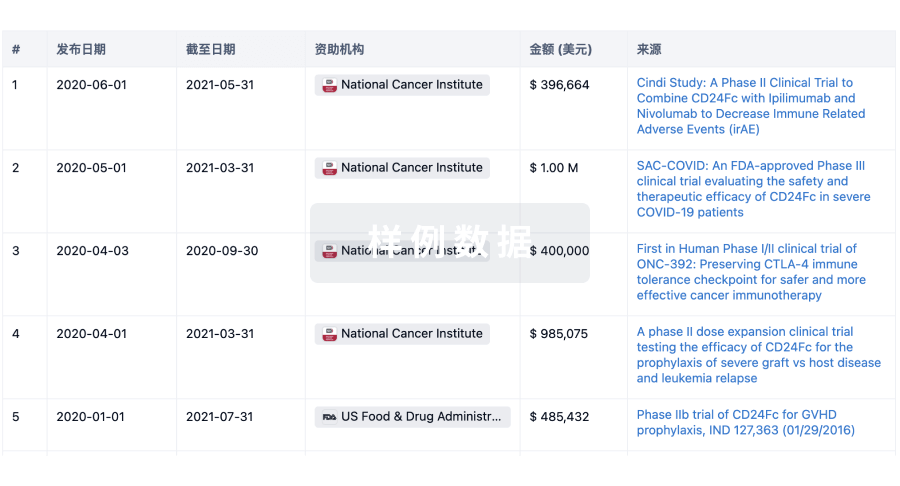
科研基金(NIH)
访问超过 200 万项资助和基金信息,以提升您的研究之旅。
登录
或
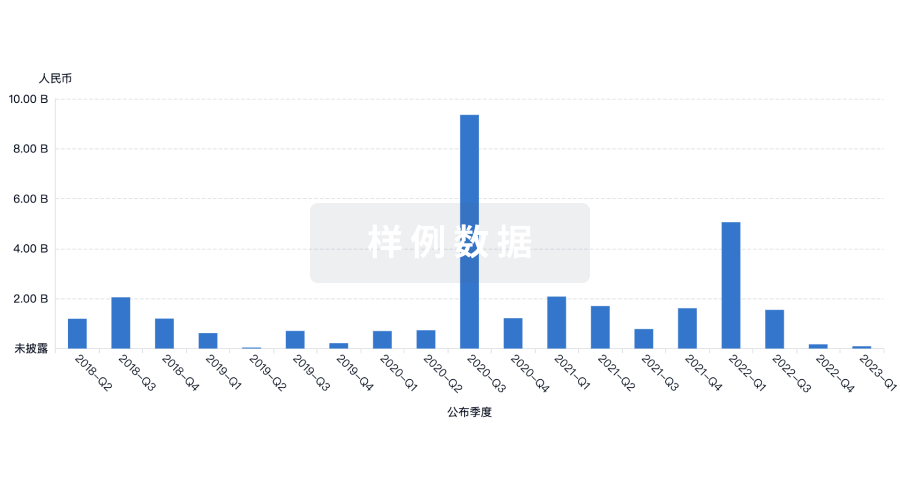
投资
深入了解从初创企业到成熟企业的最新公司投资动态。
登录
或
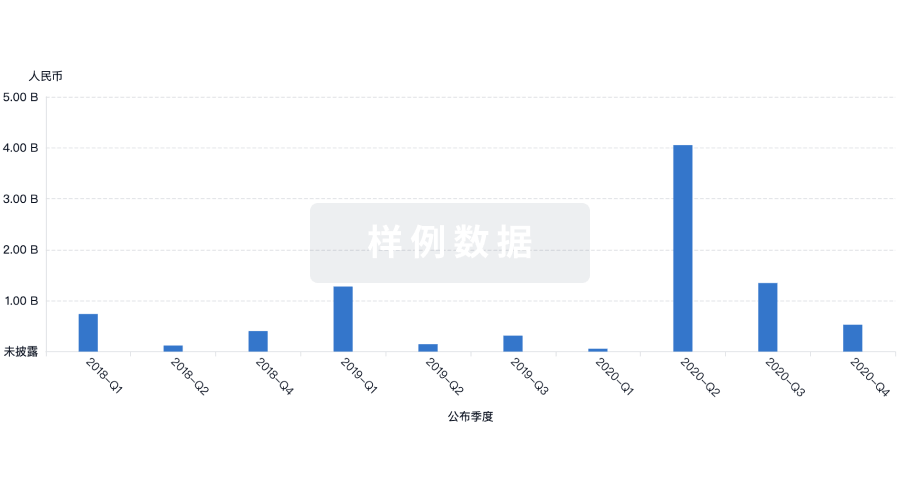
融资
发掘融资趋势以验证和推进您的投资机会。
登录
或
生物医药百科问答
全新生物医药AI Agent 覆盖科研全链路,让突破性发现快人一步
立即开始免费试用!
智慧芽新药情报库是智慧芽专为生命科学人士构建的基于AI的创新药情报平台,助您全方位提升您的研发与决策效率。
立即开始数据试用!
智慧芽新药库数据也通过智慧芽数据服务平台,以API或者数据包形式对外开放,助您更加充分利用智慧芽新药情报信息。
生物序列数据库
生物药研发创新
免费使用
化学结构数据库
小分子化药研发创新
免费使用