预约演示
更新于:2026-02-01

Florida Polytechnic University
更新于:2026-02-01
概览
关联
100 项与 Florida Polytechnic University 相关的临床结果
登录后查看更多信息
0 项与 Florida Polytechnic University 相关的专利(医药)
登录后查看更多信息
199
项与 Florida Polytechnic University 相关的文献(医药)2026-02-01·COMPUTERS & GRAPHICS-UK
Real-time haptic-based soft body suturing in virtual open surgery simulations
Article
作者: De, Suvranu ; Westergaard, George ; Desir, Alexis ; Sankaranarayanan, Ganesh ; Ellis, Mark ; Palacios, Sofia Garces ; Barker, Jacob ; Demirel, Doga
In this work, we present a real-time virtual reality-based open surgery simulator that enables realistic soft-tissue suturing with bimanual haptic feedback. Our system uses eXtended Position-Based Dynamics (XPBD) for soft body and suture thread simulation, allowing stable real-time physics for complex interactions like continuous sutures and knot tying. In tests with all four common suturing techniques, purse-string, Connell, stay, and Lembert, the simulator maintained high frame rates (50-80 FPS) with up to 4,155 simulated particles, demonstrating consistent real-time performance. As part of our work, we conducted a user study using our suturing simulator, where 24 surgical trainees and experts used the Virtual Colorectal Surgery Trainer - Rectal Prolapse simulator. The user study showed that 71% of participants (n=17) rated the anatomical realism as moderate to very high. Half (n=12) found the force feedback realistic, and 54% (n=13) participants found the force feedback useful, indicating effective immersion while also highlighting the need for improved haptic fidelity. Overall, the simulation provides a low-cost, high-fidelity training platform for open surgical suturing, addressing a critical gap in current virtual reality educational tools.
2025-12-01·ADVANCES IN COLLOID AND INTERFACE SCIENCE
Bacteriogenic metallic and semiconducting nano-system as a potential sustainable solution for one health complexities
Review
作者: Chaudhary, Vishal ; Raizada, Pankaj ; Sonu, Sonu ; Kaushik, Ajeet
Considering the complexities of electronics waste management to meet the requirements of digital-age technologies, this article underscores the pressing need for eco-friendly, economical, and sustainable engineering solutions. Here, it uniquely focuses on bacteriogenic metallic and semiconducting nano-systems as a promising yet underexplored solution for sustainable materials innovation. Unlike conventional green nanofabrication methods involving plants or eukaryotic microbes, bacteria possess numerous merits for fabrication, including ease of cultivation, a wide spectrum of genera, abundance, prompt cell division efficacy, genetic elasticity, and high bio-reduction/oxidation efficacy that make them highly adaptable platforms for engineered nanostructures. This article provides a comprehensive and first-of-its-kind framework integrating bacterial synthesis pathways (intercellular and extracellular), bacterial class (Monoderm and Diderm), reaction parameters (pH, temperature, precursor concentration), and molecular precursors (proteins, enzymes, exopolysaccharides, redox mediators). It further highlights emerging applications of bacteriogenic nanomaterials across medicine, energy, environment, and food sectors, enabled by their antipathogenic, catalytic, anticancer, antioxidant, photocatalytic, and biocompatible properties, contributing to the betterment of One Health. Besides, this article emphasizes exploring challenges like cytotoxicity, scalability, and stability, which restrict their transformative aspects. To address these obstacles, systematic studies including in-vitro/in-vivo toxicity, lifecycle, biodistribution and bioaccumulation analyses, and predictive modelling by adopting contemporary technologies like artificial intelligence (AI), complex systems, bioinformatics, and biotechnology to bridge the laboratory-to-market gap are suggested to enrich the suggested class of nano-systems. Overall, this article not only consolidates the state-of-the-art but also presents a novel interdisciplinary vision where bacterial complexity drives next-generation nanoengineering, aligning with the United Nations' sustainability goals.
2025-12-01·AESTHETIC PLASTIC SURGERY
Qualitative Terms Used In Rhinoplasty: A Scoping Review —Toward Establishing a Bridge Between Qualitative Terminology and Quantifiability
Article
作者: Sarino, Esther M ; Dobratz, Eric ; Beeching, Aidan ; Topsakal, Oguzhan ; Çelikoyar, Mazhar
BACKGROUND:
Rhinoplasty is one of the most commonly performed aesthetic surgical procedures. Both patients and surgeons rely on qualitative descriptors such as "plunging nose," "bulbous tip," or "twisted nose" to describe nasal features. Despite their frequent use, there is limited standardization of these terms and their correlation with objective measurements.
METHODS:
A scoping review was conducted following the PRISMA-ScR guidelines. The study searched three electronic databases (PubMed/MEDLINE, Ovid/MEDLINE, and Web of Science) for English language articles published between 1949 and 2021. Qualitative descriptors and semi-quantitative and quantitative measures were extracted and categorized.
RESULTS:
A total of 459 studies were included, comprising retrospective studies (272), prospective studies (38), technical descriptive articles and literature reviews (180), and letters to the editor (5). Qualitative terms were recorded 23.5% (237/1007) of the time, semi-quantitative terms 16% (162/1007), and quantitative descriptions 57% (578/1007). The most commonly described nasal features were the tip (20.8%), dorsum (13.2%), and alar base (12.3%). Measurement techniques varied, with photography being the most common (60%), followed by surgeon assessment (20.3%) and 3D imaging (5.4%).
CONCLUSIONS:
This review highlights a gap in the correlation between qualitative rhinoplasty descriptors and quantitative analysis. Standardization and integration of objective measurement tools may enhance clinical communication and surgical planning.
LEVEL OF EVIDENCE IV:
This journal requires that authors assign a level of evidence to each article. For a full description of these Evidence-Based Medicine ratings, please refer to the Table of Contents or the online Instructions to Authors www.springer.com/00266 .
100 项与 Florida Polytechnic University 相关的药物交易
登录后查看更多信息
100 项与 Florida Polytechnic University 相关的转化医学
登录后查看更多信息
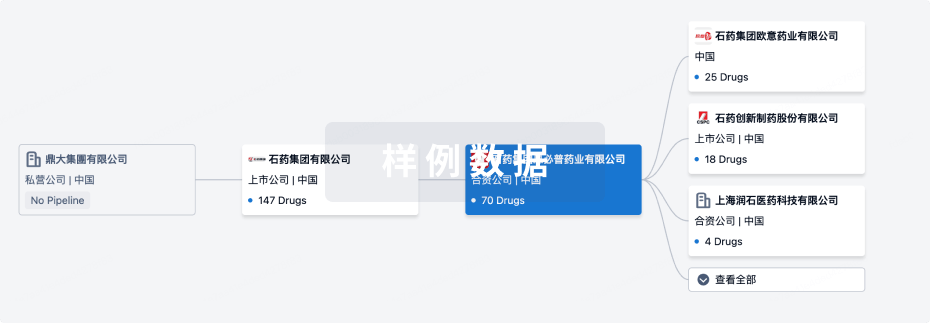
组织架构
使用我们的机构树数据加速您的研究。
登录
或
管线布局
2026年03月12日管线快照
无数据报导
登录后保持更新
药物交易
使用我们的药物交易数据加速您的研究。
登录
或

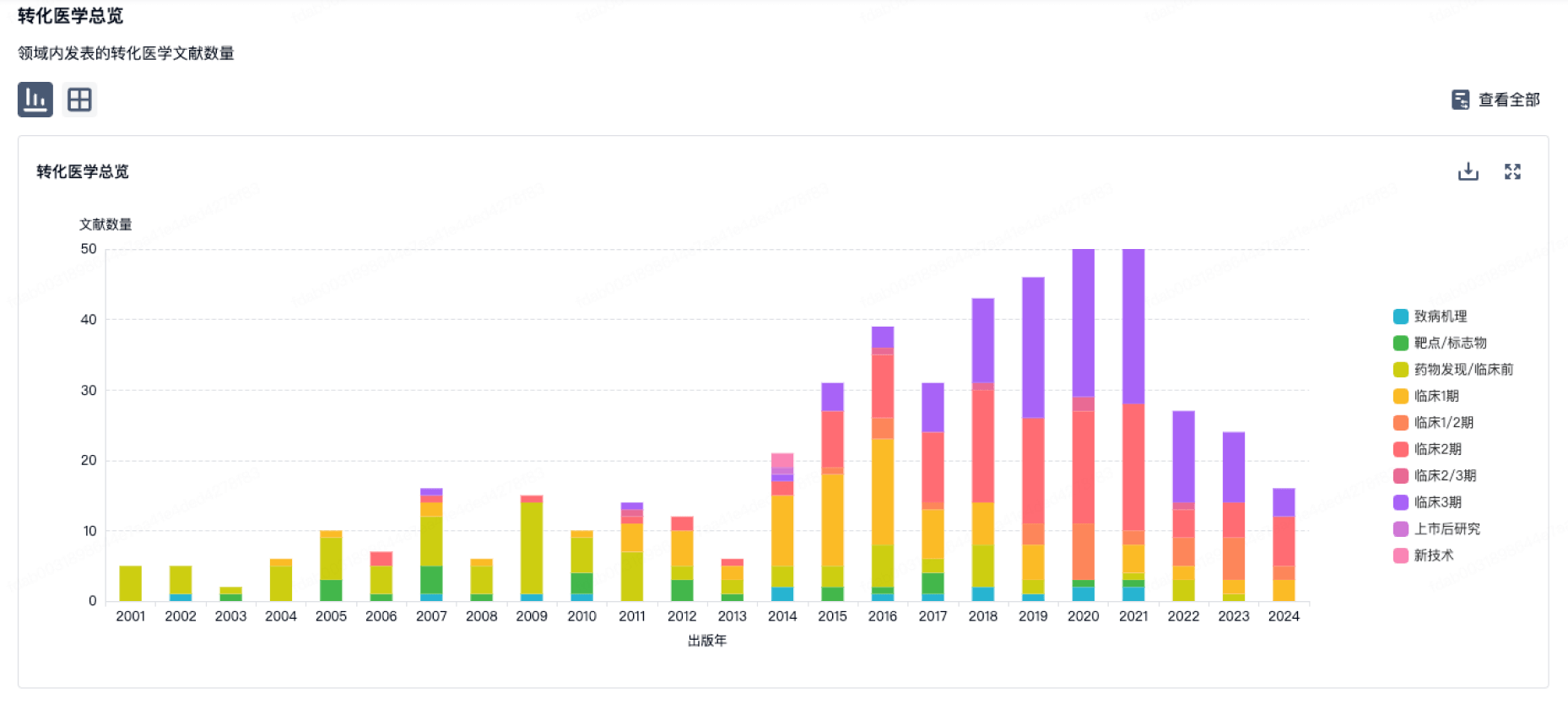
转化医学
使用我们的转化医学数据加速您的研究。
登录
或
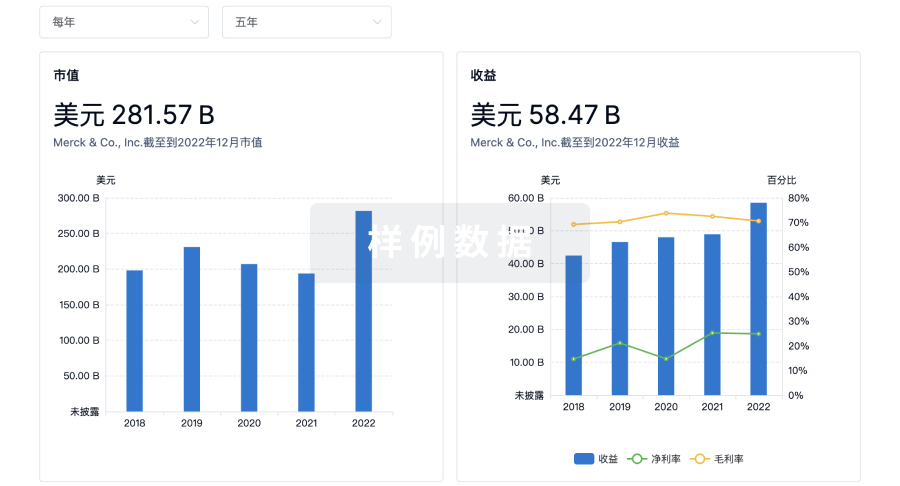
营收
使用 Synapse 探索超过 36 万个组织的财务状况。
登录
或
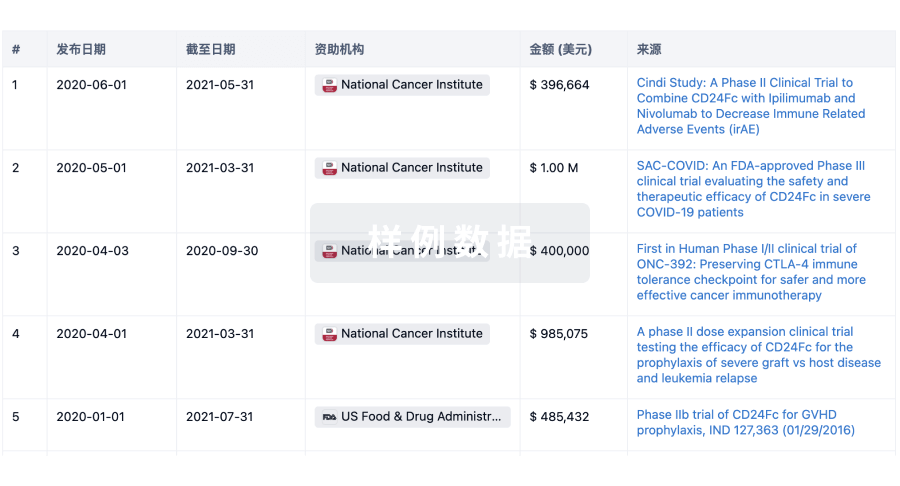
科研基金(NIH)
访问超过 200 万项资助和基金信息,以提升您的研究之旅。
登录
或
投资
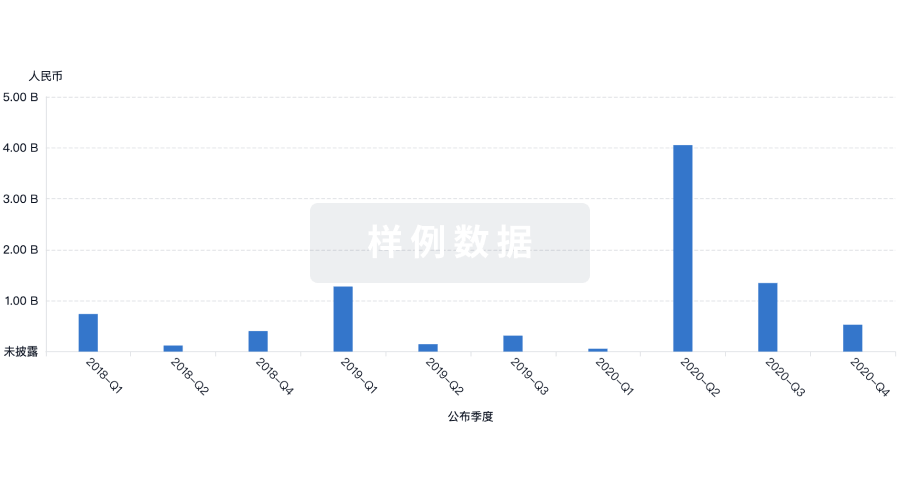
深入了解从初创企业到成熟企业的最新公司投资动态。
登录
或
融资
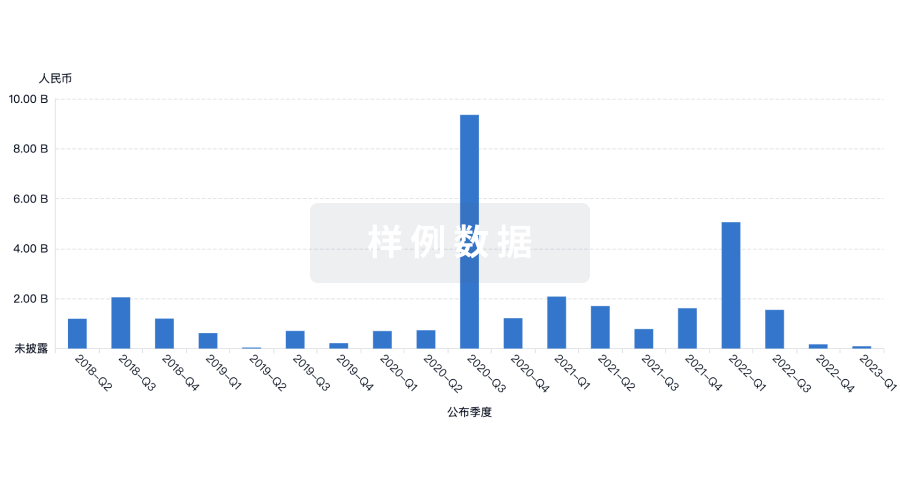
发掘融资趋势以验证和推进您的投资机会。
登录
或
生物医药百科问答
全新生物医药AI Agent 覆盖科研全链路,让突破性发现快人一步
立即开始免费试用!
智慧芽新药情报库是智慧芽专为生命科学人士构建的基于AI的创新药情报平台,助您全方位提升您的研发与决策效率。
立即开始数据试用!
智慧芽新药库数据也通过智慧芽数据服务平台,以API或者数据包形式对外开放,助您更加充分利用智慧芽新药情报信息。
生物序列数据库
生物药研发创新
免费使用
化学结构数据库
小分子化药研发创新
免费使用