预约演示
更新于:2025-12-23

Shanghai Zhonghua Pharmaceutical Co., Ltd.
更新于:2025-12-23
概览
关联
100 项与 上海中华药业有限公司 相关的临床结果
登录后查看更多信息
0 项与 上海中华药业有限公司 相关的专利(医药)
登录后查看更多信息
62
项与 上海中华药业有限公司 相关的文献(医药)2026-02-01·METABOLISM-CLINICAL AND EXPERIMENTAL
BCAA catabolism in TRH neurons of paraventricular nucleus regulates energy expenditure
Article
作者: Lyu, Qianqian ; Yan, Fuhua ; Tan, Jialin ; Bo, Tingting ; Yuan, Miaomiao ; Ning, Guang ; Zhang, Xuejiao ; Hong, Jie ; Wang, Weiqing ; Wang, Shushu ; Zhou, Feiye ; Zheng, Jie ; Wang, Xiao ; Liu, Yunxia ; Zhou, Libin ; Ma, Xiaoqin ; Xue, Wenzhi ; Sun, Haipeng ; Wang, Jiqiu ; Ming, Xing
The role of hypothalamic branched-chain amino acid (BCAA) catabolism in the maintenance of energy homeostasis remains elusive. By using Mendelian randomization, we found that genetically predicted branched-chain keto acid dehydrogenase E1α subunit (BCKDHA) expression in the hypothalamus was negatively associated with fat mass. Hypothalamic deletion of BCKDHA (Bckdhaf/f;RIP-Cre) leads to increased fat mass, reduced energy expenditure, and blunted browning of white adipose tissue in mice, with decreases of thyrotropin-releasing hormone (TRH) expression in the paraventricular nucleus (PVN) and hypothalamic-pituitary-thyroid (HPT) axis activity. Mice with adeno-associated virus-mediated deletion of BCKDHA in the PVNTRH neurons displays a similar metabolic phenotype to Bckdhaf/f;RIP-Cre mice. TRH supplementation ameliorates the abnormal phenotypes of Bckdhaf/f;RIP-Cre mice. Defective BCAA catabolism in the hypothalamus results in hypoacetylation of histone H3 lysine 27 (H3K27) due to decreased acetyl-CoA content, reducing its binding to the Trh promoter. Our study highlights the crucial role of hypothalamic BCAA catabolism in maintaining energy homeostasis through HPT axis.
2025-10-01·JOURNAL OF THE AMERICAN COLLEGE OF SURGEONS
Invited Commentary: Beyond Cancer Cure: The Unexpected Long-term Metabolic Benefits of Gastrectomy
Article
作者: Sah, Birendra Kumar
2025-08-01·JOURNAL OF THE AMERICAN COLLEGE OF SURGEONS
Invited Commentary: Beyond IL-35 and IL-27: Epstein-Barr Virus-Induced Gene 3 as a Novel Mediator of T-Cell Exhaustion in Gastric Cancer
Article
作者: Sah, Birendra Kumar
7
项与 上海中华药业有限公司 相关的新闻(医药)2025-12-11
来源:黑龙江、浙江药监局 编辑:随风飞舞
近日,黑龙江、浙江药监局发布了药品抽检质量公告,共计16批次产品抽检不合格,对以上不符合规定的产品,药品监督管理局已责成有关单位采取查封、扣押、暂停销售、召回等必要的控制措施。
重点内容:
1、不合格制剂品种:复方醋酸地塞米松乳膏、板蓝根颗粒、硫酸亚铁片、阿胶益寿口服液等;
2、不合格项目:性状、杂质、水分、浸出物、微生物和装量差异等;
3、上海中华药业南通有限公司生产的复方醋酸地塞米松乳膏2批次微生物不合格;
一、黑龙江
为加强药品质量监管,保障公众用药安全,依据全省药品抽检工作计划,我局组织对药品生产、经营和使用环节进行了药品质量抽查检验。现将抽检中发现的8批次不符合规定药品予以通告,具体如下:
对不符合规定的药品,药品监督管理部门已要求相关企业和单位采取暂停销售、使用、召回等风险控制措施,对不符合规定原因开展调查并予以整改。我省相关药品监督管理部门已依法对本通告所涉及的企业和单位生产销售不符合规定药品的违法行为进行查处。
二、浙江
为加强药品质量监管,保障公众用药安全,浙江省药品监督管理局组织对全省药品生产、经营、使用环节进行了药品质量监督抽检,现将抽检不符合规定药品予以通告,具体如下:
对抽检不符合规定药品,浙江省药品监督管理局已要求各相关市市场监督管理部门依法进行处置。
2025-11-14
·上海医药
礼来上海创新孵化器落户上海前沿
11月8日,礼来在上海生物医药前沿产业创新中心举办“2025礼来中国科学日”论坛,宣布其开放创新平台上海创新孵化器(Lilly Gateway Labs, LGL)正式投入运营,并与首家入驻企业——分子之心完成签约。本次“科学日”吸引了400余位国内外顶尖学者、产业投资人、创新合作伙伴及政府代表,同席共话前沿技术风向与跨界合作新范式。
ASN 2025重磅发布,红源达为肾脏病贫血患者个体化补铁提供新证据
当地时间2025年11月7日,在美国肾脏病学会(ASN)年会上,由上海交通大学医学院附属仁济医院倪兆慧教授团队牵头,上药国风申办的“评价多糖铁复合物胶囊对维持性血液透析患者补铁的有效性以及安全性”(IHOPE研究)最新事后分析入选壁报交流,这也是该研究连续第二年亮相ASN。该分析聚焦“不同炎症状态下血液透析患者对口服与静脉补铁疗效的差异”,为临床精准补铁再添有力证据。
“雷氏”“龙虎”亮相第八届进博会
第八届中国国际进口博览会(进博会)已圆满收官,上海再次吸聚全球目光。作为汇聚上海中药制造行业精华的三百年老字号品牌企业,上药雷允上“雷氏”品牌第五次亮相进博会上海馆,在上海综合形象展区展示“上海制造”和“上海品牌”魅力,见证中药老字号在新时代、新机遇下的“守正创新”故事。上药中华携百年龙虎再度登陆进博会,以“守正创新”之姿带来双重亮点——八味冷香丸沉浸式手作体验,与进博联名的“显眼包”新品更是入驻进博文创快闪店,让传统与新潮在此碰撞出别样火花。
新疆药监局局长一行
调研上药药材西红花种植基地
日前,新疆维吾尔自治区药品监督管理局党组书记、局长崔燕带队,实地调研上药药材西红花种植基地,并就中药材规范化种植、沪疆中药产业合作等议题进行交流。崔燕指出,上海作为全国生物医药与中医药发展的“双高地”,资源集聚优势明显。上药药材作为沪上的知名中药国企,在西红花等药材的规范化种植、加工与产品开发方面积累了丰富经验,其模式对新疆中药产业具有借鉴意义。希望通过此次调研,能积极推动新疆与上药药材在中医药领域加强合作,互惠互利。
解码信谊在消化与儿科领域的无限可能
近日,中华医学会第25次全国消化系病学术会议与第30次全国儿科学术大会相继召开。儿童的肠道健康直接影响其成年后的消化系统状态,信谊深耕微生态领域,使科研与临床经验得以相互借鉴、相互赋能,消化领域的深厚积累为儿科应用提供了理论支持,儿科领域的早期干预实践则为长远健康提供了前瞻视角。
在本次双会现场,信谊的展台正是这一理念的生动缩影,不仅接待了众多消化科与儿科医生,更围绕覆盖“全生命周期”的产品线布局,就微生态制剂在不同年龄段与适应症中的精准应用,开展了富有成效的深入交流。
信谊深度参与CDA二十周年盛会
11月6日至9日,第二十届中国医师协会皮肤科医师年会暨全国美容皮肤科学大会在重庆科学会堂盛大召开。作为长期支持中国皮肤科事业发展的企业,信谊全程参与这一行业盛会,与众多顶尖专家及临床医生展开深度交流,集中展示了在皮肤治疗领域的最新科研成果。展台吸引了大量医师驻足交流,通过面对面沟通,不仅展示了企业最新的研发成果和创新治疗方案,也收集了大量一线医师的临床反馈,为未来产品研发提供了宝贵方向。
上药龙虎携“龙虎”“天坛”品牌系列出口产品亮相第138届广交会
日前,上海上药龙虎医药销售有限公司(上药龙虎)携“龙虎牌(Dragon & Tiger Brand)”和“天坛牌(Temple of Heaven Brand)”系列出口产品亮相第138届中国进出口商品交易会(广交会)第三期 B区10.2 G24展位 ,向全球客商展示中华老字号医药品牌的传承与创新。本次展会还首次展出龙虎牌系列经典药品(龙虎人丹、乌梅人丹)以及膏、霜、乳、液等多类型妆字号产品线的出口版本,为国际采购商提供更为丰富的选择。
引进/卖出
2025-09-25
·上海医药
9月25日,首届香港国际中医药暨传统医药博览会举办期间,上实集团董事长冷伟青一行拜访香港特区政府财政司司长陈茂波,双方围绕进一步依托香港独特优势,充分发挥香港“超级联系人”的重要作用,更好地为企业提供金融服务、科技创新支持,更好地推动生物医药前沿创新、推动中医药加快走向世界等话题开展深入交流。
香港特区政府卫生署、医管局、创新局、引进重点企业办公室等有关部门负责人;上实集团副总裁、上海医药董事长杨秋华,上实集团首席金融与投资官、上实资本总裁谷峰,上海医药执行董事、总裁沈波等参加座谈交流。
陈茂波司长欢迎冷伟青董事长一行来访。他指出,当前香港正以特首施政报告为指引,坚定香港作为“超级联系人”的角色定位,大力推进金融与科技、贸易的深度融合,将其打造成为推动香港经济发展、促进就业与民生福祉的强劲引擎,同时在投资与产业发展方面加强与内地的联动。欢迎上实集团等内地企业加大在港业务发展布局,各有关部门将在产业扶持、税收优惠、服务保障等方面提供帮助,香港特区政府愿意为上实集团提供沙盒试点机会。生物医药是香港创科发展的重要领域,希望上实集团通过发挥产业投资基金作用,推动基因治疗等前沿技术创新与产业化;香港即将发布实施首个《中医药发展蓝图》,将为中医药企业带来重要发展机遇,期望上实集团及其旗下中药企业到港发展,立足香港、拓展国际市场,造福世界民众。
冷伟青对香港财政司给予上实集团的信任与支持表示感谢。她表示,上实集团立足香港、扎根上海、面向全球,正依托香港“超级联系人”与“超级增值人”双重优势,深度融入香港“拼经济、谋发展、惠民生”大局,聚焦生命健康、环境健康产业主赛道,加快实现从“一包香烟、一本挂历、一袋味精”向“一丸药、一滴水、一度电”的产业布局升级,并打造生物医药和环境科技基金矩阵,投资培育一批科创企业,促进沪港资源高效联动与优势互补。她指出,近年来香港特区政府出台系列政策,为企业发展营造了更优环境。期待特区政府将上实集团列为内地企业赴港发展试点单位,在资金、人才、政策、税收等方面共同构建良好产业生态,为企业落地香港探索可复制的路径,助力更多优质企业扎根香港、走向世界,服务国家发展全局。
杨秋华简要介绍了旗下核心中药企业、中华老字号品牌及中药大品种情况,同时表示上海医药将抓住香港即将发布实施首个《中医药发展蓝图》的有利契机,全力推进落实在港“一丸药”发展战略,加大中药业务布局,加快推动中成药在港注册、投资并购、工厂设立等合作事项落地;加强与香港高校和科研机构合作,推动中药科学化和产品创新,探索科研成果转化新路径新机制;深化沪港联动,以香港为“桥头堡”,积极拓展海外市场,推动中药“走出去”。
上海医药首席代表张岚,上海医药办公室主任、上药药材总经理王波,上药好护士总经理郑继宇,上药厦中总经理墙世发,胡庆余堂药业、上药青春宝总经理陆晓晶,上海和黄总裁胡耀钧,上药雷允上总经理苏俊英,上药中华总经理韦欣,上药中药研究所所长刘雳,上药龙虎总经理杨春参加座谈。
高管变更基因疗法核酸药物
100 项与 上海中华药业有限公司 相关的药物交易
登录后查看更多信息
100 项与 上海中华药业有限公司 相关的转化医学
登录后查看更多信息
组织架构
使用我们的机构树数据加速您的研究。
登录
或
管线布局
2026年02月08日管线快照
无数据报导
登录后保持更新
药物交易
使用我们的药物交易数据加速您的研究。
登录
或
转化医学
使用我们的转化医学数据加速您的研究。
登录
或
营收
使用 Synapse 探索超过 36 万个组织的财务状况。
登录
或
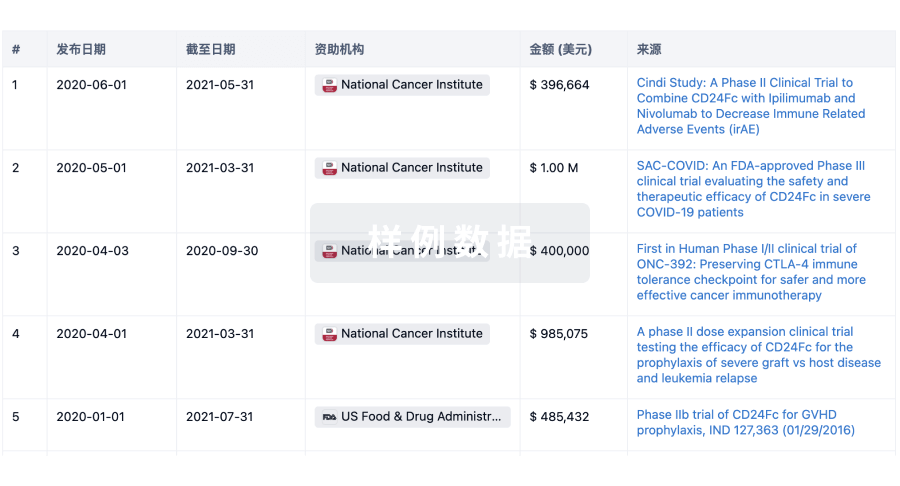
科研基金(NIH)
访问超过 200 万项资助和基金信息,以提升您的研究之旅。
登录
或
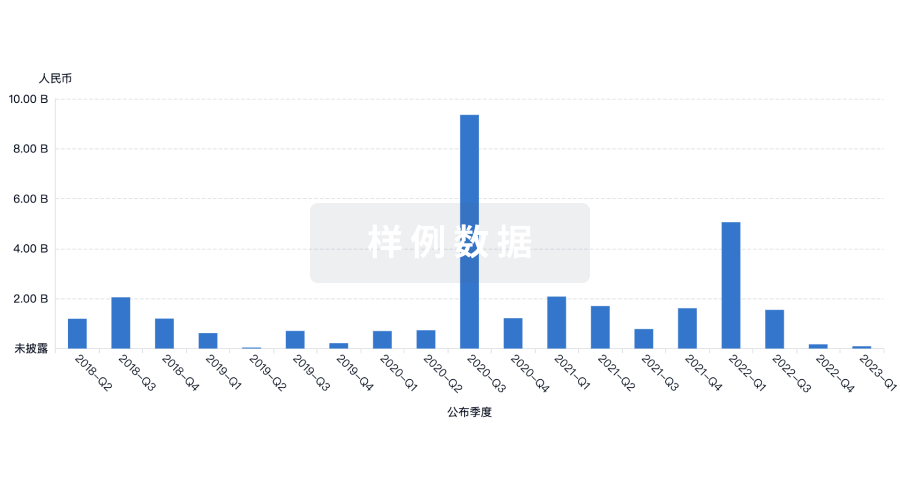
投资
深入了解从初创企业到成熟企业的最新公司投资动态。
登录
或
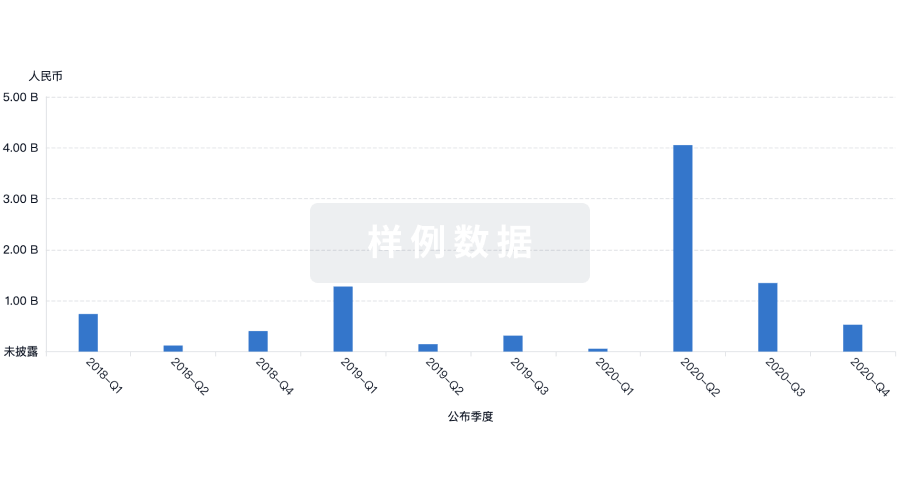
融资
发掘融资趋势以验证和推进您的投资机会。
登录
或
生物医药百科问答
全新生物医药AI Agent 覆盖科研全链路,让突破性发现快人一步
立即开始免费试用!
智慧芽新药情报库是智慧芽专为生命科学人士构建的基于AI的创新药情报平台,助您全方位提升您的研发与决策效率。
立即开始数据试用!
智慧芽新药库数据也通过智慧芽数据服务平台,以API或者数据包形式对外开放,助您更加充分利用智慧芽新药情报信息。
生物序列数据库
生物药研发创新
免费使用
化学结构数据库
小分子化药研发创新
免费使用