预约演示
更新于:2026-02-01

Zhejiang Huakang Pharmaceutical Co., Ltd.
更新于:2026-02-01
概览
关联
100 项与 浙江华康药业股份有限公司 相关的临床结果
登录后查看更多信息
0 项与 浙江华康药业股份有限公司 相关的专利(医药)
登录后查看更多信息
19
项与 浙江华康药业股份有限公司 相关的文献(医药)2025-10-08·JOURNAL OF AGRICULTURAL AND FOOD CHEMISTRY
Integrated Protein Engineering and Expression Balancing Enable Efficient d -Allulose Production
Article
作者: Lu, Xin-Yan ; Cai, Xue ; Fang, Xin-Yue ; Zhang, Xiaojian ; Yang, Wulong ; Yan, Yan-Feng ; Li, Mian ; Liu, Zhi-Qiang ; Jin, Li-Qun ; Wu, A-Yang ; Hu, Chang-Hui ; Zheng, Yu-Guo ; Hu, Cheng-Hao ; Wang, Hong-Yan
Allulose, a rare sugar with promising applications in food and health industries, can be efficiently synthesized via biocatalysis using d-allulose 3-epimerase (DAE). However, challenges in enzyme thermostability and cascade efficiency limit industrial scalability with low-cost substrates. Here, we engineered a thermostable DAE from Clostridium cellulolyticum through semirational design, yielding a triple mutant (F155Y/D281G/C289R) with a 12.0 °C increase in melting temperature (Tm to 73.2 °C), optimal temperature shifted to 60 °C, and a conversion rate improved from 27.5 to 33.3%─surpassing reported rates. Integrated with a modular coexpression system for expression-level balancing between DAE and thermophilic glucose isomerase, our one-pot cascade achieved high d-allulose titers from glucose (18.5%), F42 fructose syrup (17.4%), and corncob hydrolysate (7.5%)─outperforming literature benchmarks in yield and sustainability. This work advances green biomanufacturing by converting agricultural residues into high-value sugars, offering a scalable alternative to traditional methods with reduced costs and enhanced process continuity.
2024-12-31·CyTA-Journal of Food
Xylitol attenuates diabetes induced intestinal permeability changes and inflammatory injury by improving intestinal tight junction protein expression and mucus secretion in rats
作者: Li, Xiang ; Han, Feifei ; Han, Jianzhong ; Zuo, Qile ; Liu, Weilin ; Jin, Yuqi
The purpose of this study was to investigate the protective effect of xylitol on gut mucosal barrier injury in a type 2 diabetes rat model.Treatment with xylitol not only ameliorated diabetic-induced changes to small intestinal mucosa morphol. and decreased diamine oxidase concentration in the serum of diabetic rats, but also modified the inflammatory infiltrates and improved the secretory IgA levels of the small intestinal epithelium.Increased expression of zo-1, occludin, mucin-2 and intestinal trefoil factor also was detected in small intestinal tissue.Intragastric administration of xylitol suppressed diabetes-induced increases of myeloperoxidase, eosinophil peroxidase, IL-6 and TNF-α.These results suggest that xylitol reduces mucosal inflammatory lesions and improves the intestinal barrier in diabetic rats by maintaining the structural integrity of the mucous layer, inhibiting the expression of inflammatory mediators and enhancing the expression of tight junction proteins associated with intestinal permeability.
2024-08-22·ACS sustainable resource management
Cellulosic Ethanol Production from High-Solids Corncob Residues by Simultaneous Saccharification and Fermentation on a Pilot Scale
作者: Lin, Cui ; Cai, Xue ; Zheng, Yu-Guo ; Xiong, Wen-Hui ; Luo, Jia-Xing ; Xu, Wei-Dong ; Hu, Chang-Hui ; Li, Mian ; Liu, Zhi-Qiang ; Zhang, Xiao-Jian
The development of biofuel from cellulose-rich corncobs holds great potential for reducing carbon dioxide emissions and producing energy that is sustainable.This study investigated the recycling potential of corncob residues from xylose production to renewable energy cellulosic ethanol.Enzymic digestion studies were conducted at three different scales (100 g, 4 kg, and 2 t), with 25% dry solids yielding consistent glucose release (>130 g/L), indicating industrial potential.The glucose was then subjected to yeast fermentation, which produced a maximum ethanol concentration of 58.68 g/L after 48 h.Studies on high-solids enzymic hydrolysis systems, ranging from small-scale shake flasks to large-scale fermentors, demonstrated significant ethanol production potential, supported by Aspen Plus simulations closely aligned with exptl. results in both the 4 kg and 2 t systems.These findings validated the reliability of scaling up ethanol production from corncob waste.This comprehensive approach highlights a promising method for producing sustainable energy from agricultural residues, with a focus on improving the process of ethanol manufacturing
50
项与 浙江华康药业股份有限公司 相关的新闻(医药)2026-01-27
·雪球
新《药品管理法实施条例》对长春高新的影响分析(2026.5.15施行)2026年5月15日施行的新《中华人民共和国药品管理法实施条例》(以下简称《条例》),是我国药品监管领域23年来首次全面修订,核心围绕“鼓励创新、强化监管、保障民生”三大主线,细化全生命周期管理要求。长春高新作为覆盖创新药(生长激素、ADC、核酸药物)、儿童用药、罕见病药、中药的综合性生物医药集团,其业务布局与《条例》重点支持方向高度契合,同时也需应对合规监管升级带来的挑战,具体影响可从以下维度展开:一、核心利好:政策红利精准匹配业务布局,加速研发与市场拓展1.儿童药与罕见病药“市场独占期”:筑牢核心业务壁垒,保障长期收益《条例》首次明确:对符合条件的儿童用药品(新品种、新剂型/规格、新增儿童适应症)给予不超过2年市场独占期,对罕见病治疗用药品(持有人承诺保障供应)给予不超过7年市场独占期,这一制度直接利好长春高新的核心管线:儿童用药领域:旗下金赛药业是国内生长激素龙头,产品覆盖粉剂、水剂、长效周制剂(全球首支),且超长效月制剂、口服小分子促生长激素处于临床阶段。若后续新增儿童适应症(如生长激素在特发性矮小症的拓展)或推出儿童专用新剂型(如适合低龄儿童的口服剂型),可直接享受2年市场独占期,延缓仿制药竞争(当前生长激素仿制药已逐步进入市场,独占期可进一步巩固金赛的市场份额,2025年其生长激素市占率超70%)。罕见病药领域:长春高新已在“代谢及罕见病”方向布局研发(如针对罕见内分泌疾病的靶向药物),若相关管线获批,7年市场独占期将带来两大优势:一是可通过独家供应获取溢价,覆盖罕见病药研发的高成本;二是借助“保障供应”承诺,有望纳入国家罕见病用药保障目录,快速打开临床市场(我国现有罕见病患者超2000万,用药可及性仍待提升)。2.四条“加快上市通道”:缩短创新药落地周期,抢占临床需求赛道《条例》将“突破性治疗药物、附条件批准、优先审评审批、特别审批”四大加快通道上升至行政法规层面,结合2025年数据(创新药平均审评时限较2018年缩短25%),长春高新的创新管线将显著受益:痛风治疗领域:金赛药业布局的IL-1β靶点药物(针对痛风急性发作),瞄准我国1500-3000万痛风患者的“临床急需”需求(现有治疗手段有限,新药供给不足)。该药物若符合“突破性治疗”认定标准(如显著改善难治性痛风患者症状),可提前进入关键临床试验,预计上市时间缩短6-12个月,快速抢占细分市场。前沿技术平台管线:公司在ADC(抗体偶联药物)、核酸药物(siRNA)、蛋白长效控释领域的40余条在研管线(如针对乳腺癌的ADC药物、针对代谢疾病的siRNA药物),可通过“优先审评审批”加速推进——尤其是肿瘤、自身免疫性疾病等领域的管线,若能证明“临床价值突出”,有望复制“长效生长激素”的成功路径,快速实现商业化。3.分段委托生产:降低创新药生产成本,提升商业化效率《条例》明确“对生产工艺、设备有特殊要求的创新药,可分段委托生产”,这一制度对长春高新的复杂制剂生产极具针对性:ADC药物生产:ADC由抗体、连接子、细胞毒性药物三部分组成,各环节生产技术壁垒高(如抗体需哺乳动物细胞表达,细胞毒性药物需高安全性车间)。长春高新无需自建全链条产能,可委托专业企业分别生产各组件,再进行组装,预计设备投入减少30%-50%,同时借助受托方的产能快速扩大供应(如针对肿瘤的ADC药物若获批,可通过分段生产实现“获批即量产”)。临床急需药品保障:若未来旗下药物(如痛风药、罕见病药)被纳入“突发公共卫生事件应急保障清单”,分段委托可快速调动多企业产能,避免单一生产基地的供应风险,符合《条例》“保障临床用药可及性”的要求。4.中药传承创新:为华康药业拓展市场扫清障碍长春高新旗下华康药业聚焦“现代中药”,《条例》对中药的支持政策将直接助力其业务扩张:中药材GAP与跨省销售:《条例》鼓励“中药材生产质量管理规范(GAP)”实施,且明确“省级炮制规范的中药饮片可跨省销售(需备案并标注临床提示)”。华康药业若推进中药材种植基地符合GAP标准(如人参、黄芪等道地药材),可提升饮片质量溢价;同时,跨省销售规则的明确,将打破此前“地方炮制规范壁垒”,助力其饮片产品进入全国医疗机构市场(当前中药饮片跨省流通率不足40%,政策放开后预计市场规模提升20%-30%)。中药审评体系适配:《条例》确立“中医药理论+人用经验+临床试验数据”的中药注册证据体系,华康药业若基于经典名方开发新药(如针对慢性病的中药复方),可依托“人用经验数据”简化临床试验要求,缩短研发周期,降低研发成本。二、潜在挑战:合规监管升级,需强化全链条管理能力1.持有人责任细化:增加管理成本,考验供应链管控能力《条例》压实药品上市许可持有人(MAH)责任,明确“委托生产时需履行供应商审核、生产变更管理、上市放行”等义务:长春高新作为MAH,需对分段委托的各受托方(如ADC组件生产企业、中药饮片厂)进行全流程监督——包括定期审计生产车间、验证质量体系、追溯原材料来源,这将增加3%-5%的管理成本(如新增质量审计团队、升级追溯系统)。若受托方出现合规问题(如中药材农残超标、ADC组件纯度不达标),长春高新需承担连带责任,因此需建立更严格的供应商准入与退出机制,避免品牌风险。2.药品追溯与质量抽查:需完善数字化体系《条例》细化“药品追溯管理”和“质量抽查检验”要求,尤其对儿童药、创新药的追溯精度要求更高:公司需为生长激素、儿童用制剂、罕见病药建立“全生命周期追溯系统”,覆盖从原材料采购到患者用药的全环节(如患者扫码可查询药品批次、临床试验数据),预计数字化投入增加1000-2000万元。针对创新药的“飞行检查”频次可能提升(《条例》明确“对临床价值高的药品加大抽查力度”),需在生产车间、临床试验数据管理等环节建立常态化合规机制,避免因数据不完整、流程不规范导致的审批延迟。3.网络销售规范:若布局线上渠道需符合平台责任要求《条例》明确药品网络交易平台需“审核入驻企业资质、检查药品信息、留存管理记录”,若长春高新通过电商平台销售OTC药品(如部分中药饮片、生长激素辅助产品),需:确保入驻平台符合“企业主责、平台把关”要求,避免因平台资质问题影响销售;配合平台留存药品流通数据(如销售记录、物流信息),确保可追溯,这对现有销售体系的数字化改造提出要求。三、应对建议:借力政策红利,平衡创新与合规聚焦政策支持领域,优化研发资源配置:优先推进儿童药、罕见病药、ADC/核酸药物等符合“加快通道”“市场独占期”的管线,加大研发投入(2025年长春高新研发投入占比约8%,可提升至10%以上),同时借助港股IPO(2025年递交招股书)引入国际资本,支撑长期创新。构建弹性生产体系,用好分段委托政策:针对ADC、复杂制剂等管线,筛选具备资质的受托方(如国内领先的生物药CDMO企业),签订“分段生产合作协议”,明确质量责任划分,同时保留核心环节(如制剂组装)的自主产能,平衡效率与安全。强化合规管理能力,适配全生命周期监管:成立“《条例》合规专项小组”,梳理各业务线的合规要求(如持有人责任、追溯系统建设),投入资源升级质量控制与追溯平台,确保儿童药、创新药等重点产品符合“最严监管”标准。拓展中药全国市场,借力GAP与跨省销售政策:华康药业可联合地方政府推进道地中药材GAP基地建设,申请“省级炮制规范”备案,借助医药商业渠道拓展全国医疗机构市场,同时开发基于“三结合”证据体系的中药新药,抢占中药创新赛道。四、总结新《条例》对长春高新的影响以“利好为主、挑战为辅”:一方面,政策对儿童药、罕见病药、创新药、中药的支持,精准匹配其核心业务布局,有望加速管线上市、筑牢市场壁垒、降低生产升本;另一方面,合规监管的升级要求其强化持有人责任与全链条管理能力,短期可能增加成本,但长期将提升企业的抗风险能力与品牌公信力。若能抓住政策红利,长春高新有望从“生长激素龙头”向“多元化创新药企”加速转型,进一步巩固在国内生物医药领域的头部地位。
抗体药物偶联物突破性疗法优先审批
2026-01-20
·雪球
1.核心观点与投资逻辑:至暗时刻已过,黎明将至在经历了长达三年的估值消化与政策博弈后,长春高新技术产业(集团)股份有限公司(以下简称“长春高新”或“公司”)正站在一个关键的历史转折点上。本报告旨在详尽分析公司截至2026年1月的基本面状况,特别是近期发生的重大海外商业拓展(BD)交易,并深入探讨在当前A股市场情绪回暖、风格切换的背景下,公司估值回归的内在逻辑与潜在空间。我们的核心投资逻辑基于以下三个维度的深刻变化:1.1估值体系的重构:从“单品依赖”到“创新溢价”长期以来,资本市场对长春高新的估值体系主要锚定于其核心子公司金赛药业的生长激素(rhGH)业务。这种“单品独大”的结构使得股价对集采(VBP)政策极度敏感,导致PE(TTM)从高峰期的60倍以上压缩至目前的15-18倍区间1。然而,2025年12月16日宣布的与美国YarrowBioscience达成的高达13.65亿美元的BD交易3,不仅提供了巨额的非经常性损益支持,更重要的是,它向全球市场验证了金赛药业在自身免疫疾病领域的原研能力。这标志着公司正从一家依赖单一产品的制造型药企,转型为具备全球IP输出能力的创新型生物科技公司,理应享受“创新溢价”。1.2政策风险的边际递减与市场格局的固化随着2025年版国家医保药品目录(NRDL)的正式实施,公司核心品种——聚乙二醇重组人生长激素注射液(金赛增,长效水针)成功纳入医保5。虽然这意味着价格体系的下移,但从博弈论的角度看,这构成了对竞争对手的强大护城河。在当前安徽牵头的生物制剂集采联盟压力下7,长春高新通过“以价换量”和“长效壁垒”,实质上锁定了未来的市场份额,消除了市场对于“断崖式下跌”的极端恐慌。政策风险已从“不可预测的黑天鹅”转变为“可计算的灰犀牛”,市场风险偏好将随之修复。1.3A股市场风格切换的共振效应2026年初,A股市场呈现出明显的“高低切换”特征。在地缘政治不确定性和宏观经济复苏预期的交织下,资金正从高估值的题材股回流至具备高股息、低估值、业绩确定性的核心资产(CoreAssets)8。长春高新当前约2.6%的股息率10,配合其极具安全边际的估值水平,完美契合了当前机构资金的配置需求。在市场情绪火热的推动下,具备基本面拐点逻辑的白马股往往能获得甚至超过基本面改善幅度的估值修复。2.宏观与市场环境:A股风格切换下的“白马”回归要理解长春高新估值回归的可能性,首先必须将其置于2026年初A股市场的宏观背景与微观资金结构中进行审视。2.12026年A股开局:情绪修复与避险并存进入2026年1月,A股市场经历了一轮显著的情绪修复。这一轮行情的驱动力不再单纯是流动性泛滥,而是基于对中国经济结构性转型的再认知以及对优质资产价值的重新发现。根据摩根大通等国际投行的展望,全球信贷周期处于紧缩后的平台期,这使得具备强劲现金流创造能力的企业受到青睐8。在经历了前几年的赛道股极致演绎后,市场参与者开始意识到,过度透支未来的高增长预期往往伴随着巨大的回撤风险。特别是在医药板块,此前对于创新药企(Biotech)的估值泡沫破裂,导致资金对于“有利润、有产品、有现金流”的成熟药企(Biopharma)的关注度大幅提升。长春高新作为典型的Biopharma,其现金流充沛(经营性现金流长期覆盖资本开支),在这一轮风格切换中具备天然的吸引力。2.2“高股息”策略的泛化与医药板块的防御属性在低利率环境下,高股息策略(HighDividendYieldStrategy)已成为A股机构投资者的底仓配置首选。传统上,高股息策略主要集中在银行、煤炭、公用事业等板块。然而,随着医药生物板块经历了长达三年的调整,部分龙头企业的股息率已经具备了相当的竞争力。长春高新目前的股息率约为2.6%10。虽然这一绝对数值低于国有大行,但在成长性行业中已属罕见。更关键的是,医药行业本质上具有消费属性和科技属性,其长期的增长潜力远高于传统周期性行业。因此,市场开始给予这类“成长型红利股”(Growth-at-a-Reasonable-Price,GARP)更高的溢价。当市场情绪火热时,这类股票既能提供防守的“盾”(股息与低估值),又能提供进攻的“矛”(业绩弹性与创新预期),成为资金加仓的理想标的。2.3机构持仓的再平衡过去两年,由于集采恐慌,公募基金及北向资金对医药板块的配置降至历史低位。随着2025年集采规则的明朗化和药企出海逻辑的兑现,机构资金存在强烈的回补需求。特别是对于像长春高新这样,基本面出现实质性利好(BD出海)、且股价处于底部的标的,机构的再平衡操作将成为推动股价上涨的重要推手。技术面上,股价在80-90元区间构建的长期底部也为右侧交易资金提供了入场信心12。3.基本面深度剖析一:生长激素存量业务的韧性与政策脱敏尽管市场目光聚焦于创新药出海,但不可否认,生长激素业务依然是长春高新当前的现金牛和利润基石。对这一业务板块的深入剖析,是判断公司估值底部的关键。3.12025年集采风暴:安徽联盟的实质影响2025年下半年,由安徽省牵头的生物制剂集采联盟成为悬在长春高新头顶的达摩克利斯之剑。此次集采覆盖了生长激素等多个生物制品品种,引发了市场对于价格体系崩塌的担忧7。深度解读:不同于化学仿制药的集采,生物药集采(VBP)在执行层面面临更多技术壁垒和临床替代难题。生长激素作为一种兼具医疗与消费属性的特殊药品,其院外市场(私立诊所、DTP药房)占比极高。院内市场(PublicMarket):集采主要影响公立医院的采购份额。长春高新采取了差异化的应对策略,即以老一代产品(粉针、短效水针)参与集采,以保住公立医院的准入资格和基础销量。虽然价格下降,但考虑到公立医院渠道的营销费用率较高,集采后的“带量”特性可以在一定程度上节省销售费用,从而对净利润率的冲击小于毛利率的降幅。院外市场(PrivateMarket):这是长春高新的核心利润来源,尤其是长效生长激素(金赛增)。由于生长激素的使用往往涉及长期的身高管理,家长(支付方)对于品牌、疗效和安全性的敏感度远高于价格。长春高新通过多年的患者教育和品牌建设,在院外市场拥有极强的客户粘性。集采政策难以穿透至纯自费的院外市场,这为公司保留了一块巨大的利润“避风港”。3.22025年医保谈判(NRDL):长效水针的“以价换量”2025年12月7日,国家医保局发布的《2025年国家医保药品目录》中,长春高新自主研发的金培生长激素注射液(金赛增)成功纳入5。战略意义分析:市场初看可能认为纳入医保意味着大幅降价,是利空。但我们认为,这是一个极具战略眼光的“以退为进”。竞争壁垒的构建:截至2026年初,金赛药业是国内唯一拥有长效水针上市许可的厂商。竞争对手如安科生物、联合实验室等主要还停留在短效水针或粉针阶段。维昇药业(VisenPharma)的长效产品虽在推进中,但尚未大规模商业化14。金赛增纳入医保,意味着在国家层面确立了其作为长效治疗方案的标准地位。这对于后续竞争对手的准入构成了极高的门槛——它们要想进入医保,必须在价格上与已经降价后的金赛增进行“肉搏”,利润空间被提前压缩。渗透率的提升:中国矮小症儿童的治疗渗透率仍然较低。长效制剂的一大痛点是价格昂贵(年治疗费用曾高达10万-20万元人民币)。纳入医保并降价后(据传降至900元/支左右的支付标准15),将极大降低患者的支付门槛,从而激活庞大的潜在需求。对于边际成本极低的生物药而言,销量的爆发式增长足以弥补单价的下跌,甚至带来总利润额的提升。依从性的改善:长效制剂每周仅需注射一次,相比短效的每日注射,患者依从性显著提高。医保的覆盖将引导更多短效用户转化为长效用户,实现产品的结构升级。3.3生长激素业务的未来展望虽然2024年和2025年上半年公司经历了营收和净利润的罕见下滑16,但这更多是由于集采政策落地初期的渠道去库存和价格体系调整所致。随着2026年新版医保目录的执行,价格体系将趋于稳定。我们预计,2026年将是生长激素业务的“企稳年”,销量增长将重新成为驱动营收的主引擎。此外,公司正在积极拓展生长激素在成人领域的适应症(如辅助生殖、抗衰老、肌肉萎缩等),这将打开全新的天花板,减少对儿科市场的单一依赖。4.基本面深度剖析二:第二增长曲线与国际化BD的战略突围如果说生长激素是长春高新的“现在”,那么以GenSci098为代表的创新药管线和国际化战略则是公司的“未来”。2025年12月的BD交易,是公司基本面发生质变的标志性事件。4.1交易概况:不仅仅是13.65亿美元2025年12月16日,金赛药业全资子公司上海赛增医疗与美国YarrowBioscience(由知名生物医药投资机构RTWInvestments孵化)签署了关于GenSci098(YB-101)的独家许可协议18。交易结构解析:首付款(UpfrontPayment):7000万美元(约5亿人民币)。这笔资金将直接计入当期或分期收益,对于改善公司现金流、增厚短期业绩具有立竿见影的效果4。近期里程碑:5000万美元。这显示了合作方对项目近期研发进展的信心。总交易金额:最高可达13.65亿美元。这在当时的中国生物医药BD交易中属于第一梯队,金额规模足以比肩恒瑞医药、百济神州等一线创新药企的重磅交易20。销售提成(Royalties):两位数比例的销售分成。这意味着长春高新将长期分享该药物在全球市场的商业化红利,而不仅仅是做一锤子买卖。4.2标的资产GenSci098:挑战“药王”的潜力GenSci098是一款人源化促甲状腺激素受体(TSHR)拮抗型单克隆抗体,主要用于治疗甲状腺眼病(TED)和Graves病21。科学机制的优越性(MechanismofAction):目前全球唯一获批治疗TED的靶向药物是HorizonTherapeutics(后被Amgen收购)研发的Tepezza(Teprotumumab),其靶点是胰岛素样生长激素受体(IGF-1R)。Tepezza的局限性:尽管Tepezza商业化极其成功(年销售额数十亿美元),但其副作用明显,特别是听力受损(HearingImpairment)。研究显示,高达65%的患者在使用Tepezza后出现了听力问题22。此外,还存在高血糖、肌肉痉挛等不良反应24。GenSci098的突破:Graves病和TED的病理核心是自身抗体刺激TSHR。GenSci098直接阻断TSHR,是从源头上阻断发病机制,理论上比IGF-1R抑制剂(阻断下游信号串扰)更精准18。更重要的是,由于靶点不同,GenSci098有望避免IGF-1R抑制剂带来的听力损伤等脱靶毒性。如果临床数据能证实这一点,GenSci098将具备“Best-in-Class”甚至颠覆Tepezza市场地位的潜力。4.3“New-Co”模式的战略考量此次合作并未选择直接授权给大型跨国药企(MNC),而是选择了与RTWInvestments合作成立/利用New-Co(YarrowBioscience)进行开发。资本运作的灵活性:RTW是全球顶级的生命科学投资机构,深谙美国资本市场运作。Yarrow计划通过反向并购VYNETherapeutics上市25,这将为GenSci098的后续开发提供源源不断的美元融资,规避了长春高新直接出海面临的资金管制和地缘政治风险。利益绑定的深度:通过New-Co模式,长春高新不仅能获得里程碑付款,未来还可能通过股权增值分享资本市场的红利。这种模式比单纯的License-out更能激发合作伙伴的积极性,因为Yarrow的生死存亡都系于这一款核心产品。4.4研发管线的全面开花除了GenSci098,长春高新的研发投入已连续多年高速增长,2024年研发费用占营收比重高达22%26。妇科领域:醋酸甲地孕酮口服混悬液(美适亚)已纳入医保,主要用于肿瘤恶病质治疗,填补了国内空白5。此外,辅助生殖领域的亮丙瑞林、促卵泡激素等产品也在稳步推进。肿瘤与免疫:公司在上海、美国设立了研发中心,布局了多款单抗、双抗产品。BD交易的成功证明了公司自研管线的含金量,未来不排除有更多管线通过类似模式出海,形成“研发-授权-回流资金-再研发”的良性循环。5.财务状况与经营质量分析:穿越周期的底气财务数据是验证公司基本面最客观的标尺。在经历了业绩阵痛期后,公司的资产负债表依然健康,展现出强大的抗风险能力。5.1营收与利润的再平衡如前所述,2024年及2025年上半年,公司出现了营收和净利润的同比下滑16。原因拆解:一方面是生长激素集采导致的价格体系重塑;另一方面是房地产业务(高新地产)的剥离与结算周期影响;同时,高强度的研发投入(近27亿元人民币/年14)短期内侵蚀了利润。质量提升:尽管绝对值下降,但收入结构正在优化。药品销售收入占比持续提升,房地产业务占比下降。随着BD首付款的确认,2025年四季度的财务报表有望出现显著修复,净利率水平将得到支撑。5.2现金流与分红能力长春高新的经营性现金流长期优于净利润,这得益于生长激素业务极佳的回款模式(多为预付或短账期)。分红承诺:即使在业绩承压期,公司依然维持了稳定的分红政策。按照2026年1月的股价测算,股息率约为2.6%10。在A股医药板块中,能够同时提供几十亿净利润规模和稳定分红的企业屈指可数。这为股价提供了坚实的“安全垫”。5.3资产负债表的稳健性公司负债率处于合理水平,且主要为经营性负债。随着H股上市申请的推进27,未来公司将拥有A+H双融资平台。H股上市不仅能募集外币资金支持国际化战略,还能通过引入国际长线投资者,优化股权结构,提升公司治理水平。6.估值模型与回归路径探讨:情绪与逻辑的共振基于上述基本面分析,我们认为长春高新的估值回归具备坚实的逻辑基础,且A股市场情绪的火热将加速这一过程。6.1相对估值法(PEBand)分析历史纵向对比:长春高新过去5年的平均PE约为40倍,高峰期超过60倍。当前PE(TTM)仅为15-18倍左右,处于历史分位的极低值(<5%分位)2。这种估值水平隐含了市场对于公司未来增长停滞甚至负增长的极端悲观预期。行业横向对比:对比A股医药龙头,恒瑞医药PE约为54倍,迈瑞医疗约为28倍28。长春高新作为生物药龙头,其估值显著低于同梯队企业。随着BD交易验证创新成色,市场理应修正对其“仿制药”或“原料药”式的低估值,向创新药企的估值中枢靠拢。6.2绝对估值法(SOTP)重估采用分部估值法(Sum-of-the-Parts)更能体现公司的真实价值:生长激素业务(CashCow):给予15倍PE(保守参考成熟药企估值)。假设2026年贡献净利润35亿元,对应市值525亿元。创新药管线(CallOption):仅GenSci098一项资产,参考交易总额13.65亿美元(约100亿人民币),考虑到临床风险,保守给予30-50亿元的管线估值。其他业务(疫苗+中药):百克生物(上市公司)股权价值+华康药业价值,约100-150亿元。现金及等价物:加上BD首付款,公司账面现金充裕。综合测算:即使在保守假设下,公司合理市值也应在650亿-700亿元人民币以上。而截至2026年1月中旬,公司市值仅为400亿元左右10。这意味着股价存在至少50%-75%的上涨空间。6.3市场情绪的催化作用在A股市场情绪火热的背景下,估值修复往往不是线性的,而是脉冲式的。补涨逻辑:当科技、新能源等热门赛道估值过高时,资金会寻找“估值洼地”。长春高新作为超跌白马,具备极强的补涨需求。股息填权:2.6%的股息率在牛市初期或许不显眼,但在震荡上行期,它构成了融资盘的利息覆盖来源,吸引杠杆资金买入。戴维斯双击(DavisDoublePlay):一旦2025年年报或2026年一季报显示业绩企稳(EPS提升),叠加市场风险偏好提升带来的估值(PE)扩张,股价将迎来戴维斯双击。7.风险因素尽管投资逻辑强劲,但我们仍需对潜在风险保持清醒:集采降价超预期:如果安徽联盟集采的最终执行结果导致生长激素全线产品(包括院外市场)价格崩盘,且销量增长无法弥补价格损失,公司业绩将继续探底。新药研发失败:GenSci098尚处于临床早期阶段(Phase1/2)。新药研发存在“双十定律”,失败率极高。如果临床数据不如预期,或者出现严重副作用,不仅13亿美元的里程碑泡汤,公司创新转型的逻辑也会被证伪。地缘政治风险:美国《生物安全法案》等政策可能对中国生物科技公司的海外业务产生不利影响。虽然Yarrow是美资背景,但核心IP来自中国,仍可能面临FDA审查或数据安全方面的监管压力30。H股上市不确定性:港股市场流动性相对较弱,如果H股发行定价过低,可能对A股股价产生负面锚定效应。8.结语长春高新是一只被极度误解和低估的“大象”。市场看到了集采的伤痕,却忽视了伤口愈合后的强健肌体;看到了营收的短期下滑,却忽视了BD出海带来的万亿级赛道入场券。在2026年1月这个时间节点,基本面的实质性利好(BD落地、医保准入)与A股市场风格的周期性回归(白马归来)形成了完美的共振。对于价值投资者而言,这或许是过去五年来性价比最高的击球时刻。我们维持“强于大市”评级,并建议投资者密切关注后续GenSci098的临床数据读出及生长激素集采落地的具体细则。
2026-01-20
·南方周末
全文共6551字,阅读大约需要13分钟
当创新的根系深植于临床的真需求,组织的活力迸发于治理的新范式,资本的活水连接起全球的浪潮,医药创新这项长期事业便拥有了穿越周期的动能。
文|严目 吴轶凡
编辑|林闻滔
过去几年,中国创新药正悄然跨过一个拐点。
获批数量的增长、研发管线的铺展,曾被视为行业进步最直观的标尺。如今,更深层的变化正在发生:原创靶点与新技术平台不断出现,国产创新药开始频繁出现在全球授权与跨国合作的语境之中。中国创新药产业正从单纯的规模扩张,逐步迈向更加成熟、稳定的创新体系。
对长春高新而言,这种变化尤为明显。三十余年的发展,使其完成了从区域性企业到综合性生物医药集团的跃升,也逐步构建起覆盖基因工程、生物疫苗、抗体药物、高端化药物和现代中药在内的多元研发平台。旗下金赛药业、百克生物、华康药业等子公司在各自细分领域持续推进创新,多条创新药管线齐头并进,从生长激素到痛风等慢性炎症疾病,企业创新成果正由单点突破,走向体系化输出。
潮水退去后,真正决定竞争力的,并非单一产品的成功,而是一套能够持续产出创新成果的体系。研发周期拉长、技术路线并行、国际协作加深,意味着企业需要一种更具延展性的资本结构,为长期创新提供稳定支撑。
在这样的背景下,2025年9月29日,长春高新向港交所递交招股书,拟在香港主板挂牌上市,迈出“A+H”双平台布局的关键一步。这是管理层在企业发展阶段性判断下作出的战略选择。
董事长姜云涛对此保持着一贯的克制与清醒。在他看来,企业既要守住既有优势,也必须正视边界的存在。“守正笃行、取舍有度”,成为这家东北企业在产业周期更迭中不断校准方向的内在逻辑。
当国产创新药迈入更深的水域,这一选择所折射的,并非一家企业的个体行动,而是一代本土药企对于“如何把创新做得更久、更远”的集体思考。
1管线创新:回应千万患者的需求
1998年,国产首支生长激素粉剂问世,在一个长期依赖进口的领域,金赛撬开了一道缝隙。这并不轰动,却足够关键。因为它意味着国产替代第一次在这一细分赛道上站住了脚。
这是金赛在回应患者需求上迈出的第一步。
随后二十余年,中国医药产业的底层逻辑不断变化。从鼓励仿制到强调创新,从单点突破到体系协同,政策与产业环境的转向,也在悄然重塑企业的成长路径。金赛在这一过程中不断调整节奏:从最初的“跟跑”,到逐步“并跑”,再到部分领域实现阶段性“领跑”并持续围绕儿童生长需求,系统性拓展生长激素产品矩阵。
2014年,全球首支长效生长激素周制剂获批上市,显著提升了给药依从性与治疗体验。金赛并未止步于此,超长效生长激素月制剂进入临床阶段,口服小分子促生长激素等前沿项目同步推进。生长激素业务不仅奠定了稳固的商业基础,也为企业沉淀出一套可复制的方法论:在长期研发、跨学科协同与稳健经营之间保持平衡。
制剂包装自动化工序。
在谈及核心业务时,姜云涛始终保持着一种清醒的自信。他并不回避金赛在这一领域的领先地位,但话语并未止步于此。“一个产品再大,抗风险能力也有限。”这成为企业重新审视自身边界的起点。
多管线布局由此被提上日程,用姜云涛的话说,是要“多元化”。在成熟技术平台与组织体系之上,寻找更具协同性的延展方向。
在不削弱生长激素优势的前提下,金赛开始探索多管线布局。其中,痛风成为具有代表性的突破方向。数据显示,我国痛风患者规模已达1500万至3000万人,但长期以来治疗手段有限,新药供给不足。金赛在研发IL-1β靶点药物过程中发现,该靶点正是痛风急性发作的核心机制。不同于其他企业将此靶点的研发重心放在心血管和肿瘤领域,金赛选择立足中国临床现实,将资源投向这一长期被忽视的“真需求”赛道。
不追逐风口,而是回应真实需求。从生长激素到新的慢性炎症领域,金赛的逻辑始终自洽。
沿着这条路径,金赛的布局逐步展开:在妇儿健康领域延伸生命周期管理,在自身免疫、肿瘤、代谢及罕见病等方向寻找具备长期管理价值的细分场景。研发的重心不局限于单一治疗节点,而是更多指向系统性解决方案。
在进展期实体瘤中,疾病异质性与耐受机制叠加,使部分患者面临持续管理挑战。部分乳腺癌人群存在特定分子通路异常,成为影响治疗响应的重要因素,也推动行业将研发重心转向关键致病通路的精细化探索。在此背景下,金赛围绕分子异常驱动的细分场景推进创新研发布局,也为长春高新进一步优化业务结构、完善战略领域产品线提供了支撑。
对长春高新而言,主动走出单一业务“舒适区”是一种结构性选择。其核心不在于“做得更多”,而在于通过分散风险提升整体韧性,使创新具备更强的自我修复能力。
在执行层面,这一战略也始终保持克制:多管线并非盲目铺开,而是围绕既有技术平台延展,统一纳入长期研发与决策评估体系。目前,公司已形成蛋白长效控释、ADC及核酸药物(含siRNA)等技术平台,在平台能力的支撑下,在研管线已超过40条。
蛋白发酵车间。
贯穿这一系列选择的,是一种“慢变量”思维——持续投入、必要止损,不被短期风口牵引,而以能力沉淀为核心判断。
2外部联动:为全球创新引来“活水”
当全球生物医药产业的版图不断重绘,国际化不再只是少数企业的选项,而逐渐成为头部药企必须作答的问题。
创新资源的全球流动、临床研发的跨区域协同,以及资本与技术的深度绑定,使得企业能否有效嵌入国际体系,直接关系到其创新半径与成长上限。
对中国创新药企而言,这条路走得并不轻松。因为它不仅意味着从本土创新走向国际标准,更是一场对研发体系、合规能力、组织协同与资本结构的综合考验。
在创新药这一高度资本密集的赛道上,研发周期通常以十年计,临床推进与全球化布局所需投入持续攀升,单一市场与单一融资渠道,已难以支撑企业向更高阶段演进。对头部创新药企而言,资本平台本身,正逐步成为研发体系的重要组成部分。
正是在这一判断下,长春高新启动港股IPO。姜云涛将这一选择形容为“对外信任的一个通路”。在他看来,港股不仅意味着更具国际属性的融资环境,也有助于引入专业医疗投资机构、国际长期资本及看好创新周期的长线资金,为海外临床试验和全球研发体系建设提供更匹配的资金来源。同时,更高标准的信息披露与治理要求,也在制度层面推动企业加速与国际规则接轨。
在资本结构逐步对接国际体系的同时,长春高新的国际化步伐却并不急切。“早期我们的核心目标是先筑牢国内技术壁垒,只有产品实力过硬,后续走向国际才有底气。”姜云涛表示,“探索阶段,海外收入占比不足1%,尚未形成规模效应,但已为后续战略制定积累了关键的市场认知与资源储备。”
2019年,基于对全球生物医药产业“创新资源全球配置”趋势的判断,长春高新正式确立以“搭建创新合作平台”为核心的国际化战略,并形成“研发、销售两端在外,生产落地长春”的产研分工模式。这一布局,在回应国际市场效率要求的同时,也保留了国内制造与供应链的稳定性。
随着国际化逐步展开,长春高新已有部分产品获得FDA临床试验批件,并在后续计划结合国内在研管线,优先筛选更具创新性的产品推进欧美市场,如针对肿瘤、自身免疫性疾病的创新药,通过差异化竞争突破准入壁垒。
质量人员进行药品质量检验。
在具体路径上,公司采取了更具弹性的组合策略。姜云涛介绍说,借助“出口+本地灌装+技术转移”的组合方式,可以根据不同市场的监管要求和合作条件,灵活选择最合适的落地路径。目前,长春高新的产品已经进入二十多个国家和地区的市场。
与此同时,对外授权(License-out)正成为加速创新药国际化的重要抓手。2025年12月,金赛药业与美国生物医药公司Yarrow Bioscience签署独家许可协议,将自主研发的人源化TSHR拮抗型单克隆抗体GenSci098(YB-101)的大中华区以外全球开发、生产和商业化权利授予对方,加速进入全球临床与商业体系。
姜云涛认为,海外授权不仅有助于缩短商业化周期,也能在一定程度上分担单独拓展海外市场所需承担的高成本与长周期风险。“合作一定是最快捷、性价比最高的一件事。”他说。
从更宏观的视角看,长春高新的选择,折射出中国头部创新药企在国际化进程中的共性判断:从产品力走向全球研发与商业化能力,企业需要的不仅是单点突破,更是一套能够支撑长期投入与复杂协作的资本体系。
在外部不确定性上升的当下,这种选择或许难以带来立竿见影的回报,却为企业在更长周期内完成跨越,引来了活水。
3组织松绑:让一线创新拥有决策话语权
一家头部创新企业的韧性,不仅在于业务上的护城河,也在于自身组织形态的不断调整。
“要打赢这场仗,靠单点突破是不够的,组织的承载能力得先变。”在姜云涛的推动下,长春高新启动了对总部职能的系统性重塑。
变化首先发生在权力边界上。集团总部被明确定位为“战略、财经、人事、审计”四大核心职能平台,更多承担顶层设计、资源配置与风险控制的职责,不再深度介入子公司的日常经营。与之对应的,是对一线团队更大的授权,让更接近市场与研发现场的人,拥有更充分的决策空间。这种“顶层治理+前线驱动”的新组织形态,意在保持整体战略一致性的同时,提高响应速度与执行效率。
治理方式的变化也在同步推进。面对复杂而高风险的决策场景,公司开始系统性引入外部顾问力量,覆盖经济、医药专业及法务合规等多个领域。“外脑”的加入,为关键判断提供了更多参照系,也在一定程度上降低了信息偏差带来的风险。
管理层也在内部形成共识,在多业务并行的格局下,稳定性比个人英雄主义更重要。高管团队通过“互相补台”的方式开展工作,以集体决策与协同执行来分散风险、提升整体稳定性。这种强调协作与制衡的管理逻辑,为后续多业务并行推进提供了制度基础。
组织层面的调整,很快在实体层面找到对应的落点。金赛国际医药产业园的启动运营,成为这一阶段最具象征意义的成果之一。作为国家级科创产业园,该园区集研发、中试、质量控制和GMP生产于一体,覆盖创新药从实验室到产业化的关键环节。这种“平台化能力+实体载体”的组合,不仅提升了研发转化效率,也为多条管线并行推进提供了现实支撑,被视为新质生产力在企业层面的具体呈现。
与组织和平台建设同步推进的,还有业务结构的调整。公司层面已明确,地产业务将逐步剥离,集团未来将更加聚焦创新药与生物药主业,向轻资产、专业化方向演进。通过收缩非核心板块,长春高新试图为核心业务释放更多资源与管理注意力。
在姜云涛看来,从公司成立起,创新思维便始终贯穿于长春高新的发展过程中。无论是体制机制的设计,还是具体管理方式的选择,历任管理层都保持了相对开明的态度,而“开明”的最终落点,是在清晰的规则与框架之内,尽可能释放市场化活力,让创新在一线自然生长。
长春高新姜云涛董事长。
4长期主义:让创新持续发生
所有战略真正落地之前,往往都要先回答一个问题:创新,靠什么持续发生?
长春高新的答案是一套能够长期积累技术资源,并将其转化为稳定产出的基础设施。而这套基础设施的核心是围绕生长激素及基因工程制药,构建“研发—生产—临床—商业化”全链条创新体系。
创新不再依赖偶发灵感,而成为一种可复制的能力。
“自成立以来,长春高新就把‘创新’定位为企业发展的先手棋。既要做好本业研发投入,也要通过产业投资与孵化加快创新成果的商业化速度。”姜云涛这样概括公司的选择。
持续高强度的研发投入,是这一体系运转的前提。2025年前三季度,公司研发投入同比增长22.96%,达到17.33亿元,占营收比重提升至17.68%。自2021年以来,累计研发投入已超过百亿元。其中,金赛药业每年研发投入占营收比例长期保持在20%以上,为平台化创新提供了稳定、可预期的资源支持。
理化实验室研发现场。
资源不是唯一的变量。更重要的,是如何用好这些资源。姜云涛反复强调,研发不能仅从技术本身出发,而必须回到临床端和真实需求端。“一切出发点一定是后端、临床端、需求端,如果你做出的东西没有临床需求,那就是无效创新。”
围绕这一原则,金赛逐步建立起覆盖研发、注册、合规与市场的协同机制。在项目立项阶段,研发团队除推进技术路线外,也同步引入注册、合规和市场等多方视角,对项目路径的可行性进行评估。这种做法牺牲了部分短期速度,却在更早阶段减少方向性偏差,让技术平台具备更强的可复制性。
为了让创新真正跑起来,基础性的工作同样不可或缺。数字化平台与流程标准化建设被同步推进,研发节点、注册进度与合规要求被纳入系统化管理。它们并不直接产出成果,却在长期运行中,悄然降低内耗、减少摩擦,成为平台化创新得以持续运转的隐形支撑。
通过数字化系统实时监测生产情况。
当企业内部的研发体系与流程基础逐步夯实后,外部制度环境的变化,才开始真正转化为创新效率的提升。
值得一提的是,2025年9月12日《国家药监局关于优化创新药临床试验审评审批有关事项的公告(2025年第86号)》发布,创新药临床试验审评审批“30日通道”正式推出后,金赛药业成为首批受益者之一。其GenSci142胶囊从10月22日申报受理到获批,仅用时36天,较此前平均约50个工作日的审评周期明显缩短,为后续研发推进赢得了宝贵窗口。
多年来对研发的持续投入,也开始转化为更密集的成果输出。仅在2025年9月至10月两个月内,多条在研管线获得IND(新药临床试验性申请)受理或批准,涵盖肿瘤、免疫及呼吸等多个治疗领域。在研管线的加速扩容,不仅验证了创新体系的运行效率,也为后续跨国合作与全球化推进提供了更多可能性。
长期主义的价值,往往并不体现在某一个节点的爆发,而是在漫长时间里,持续为创新提供耐心、弹性与方向感。在这一意义上,创新不再是一场冲刺,而更像一次长跑。
5科技向善:社会责任的系统回应
作为吉林省的重要企业之一,长春高新始终站在多重期待的交汇点上前行。
一方面,它需要回应资本市场与股东对长期回报、经营稳健性与风险控制的要求;另一方面,也承载着地方政府对产业带动、科研转化和经济贡献的期待。
在这一过程中,药物可及性逐渐成为长春高新践行社会责任的一个具体落点。
近年来,长春高新以实际行动打破“创新药=高价药”的壁垒——从肿瘤辅助用药、痛风治疗创新药,到作为儿童生长发育核心用药的生长激素,通过大幅降价让偏远地区患儿、基层患者能够负担长期治疗,用药依从性显著提升。
药品包装生产线。
这种普惠性的系统性布局,既回应了医保控费政策导向,也实现了企业、患者与社会的多方共赢,并与区域发展目标形成呼应。
作为吉林省“十五五”期间科研成果转化的样板企业,长春高新的发展始终与区域振兴同频。依托吉林大学、中国科学院长春应化所等本地科教资源,企业构建“基础研究—技术突破—产业化落地”的闭环。姜云涛曾提到,“有大学的地方,就有创新源头”。科研成果不再停留在论文与实验室中,而是被转化为可规模化的产品和产能,带动上下游协同发展,为地方生物医药产业生态提供了可复制的经验。
在更宏观的坐标中,长春高新的实践还承载着东北新质生产力的破局意义。从生长激素打破国外垄断,到多款创新药填补临床空白,再到通过医保扩容让药物惠及更广人群,这份“扎根区域、服务全国”的责任担当,让企业的商业价值和社会价值并行生长。
姜云涛常把企业比喻成高速行驶的列车,“转急了就容易翻车”。相比单纯追求速度,他相信企业成长的节奏感更为重要。
主动转型带来的阵痛难以回避,但比短期波动更重要的,是能否在更长的产业周期中,持续释放创造力并形成真实影响力。对长春高新而言,穿越周期是通过不断生成创新成果,在变化中保持自身的存在感与价值感。
在姜云涛的设想中,企业的未来轮廓已经清晰:一家以创新驱动、多元布局为特征的生物制药集团,在儿童健康、女性健康以及多个重大疾病领域,持续扮演重要的角色。
“我们的愿景就是这样的。”他说。
立足中国,放眼全球,长春高新的故事已不仅仅是一家企业的成长史,更成为了中国生物医药产业从追赶到并跑,乃至局部领跑的时代缩影。它用三十余年的实践,证明了唯有将“守正笃行”的战略定力与“取舍有度”的创新节奏相结合,才能将基业常青的愿景,化为每一步扎实的脚印。
当创新的根系深植于临床的真需求,组织的活力迸发于治理的新范式,资本的活水连接起全球的浪潮,医药创新这项长期事业便拥有了穿越周期的动能。
未来,长春高新的答卷,将是继续立足坚实的产品本身,不仅为患者带来更优的治疗选择,更致力于与整个行业一道,共同定义下一个时代的健康标准——让源自中国的创新智慧,持久贡献于全人类的健康福祉。
方向已经确认,剩下的,是把时间交给创新本身。
(以上图片由长春高新提供)
(专题)
100 项与 浙江华康药业股份有限公司 相关的药物交易
登录后查看更多信息
100 项与 浙江华康药业股份有限公司 相关的转化医学
登录后查看更多信息
组织架构
使用我们的机构树数据加速您的研究。
登录
或
管线布局
2026年02月08日管线快照
无数据报导
登录后保持更新
药物交易
使用我们的药物交易数据加速您的研究。
登录
或
转化医学
使用我们的转化医学数据加速您的研究。
登录
或
营收
使用 Synapse 探索超过 36 万个组织的财务状况。
登录
或
科研基金(NIH)
访问超过 200 万项资助和基金信息,以提升您的研究之旅。
登录
或
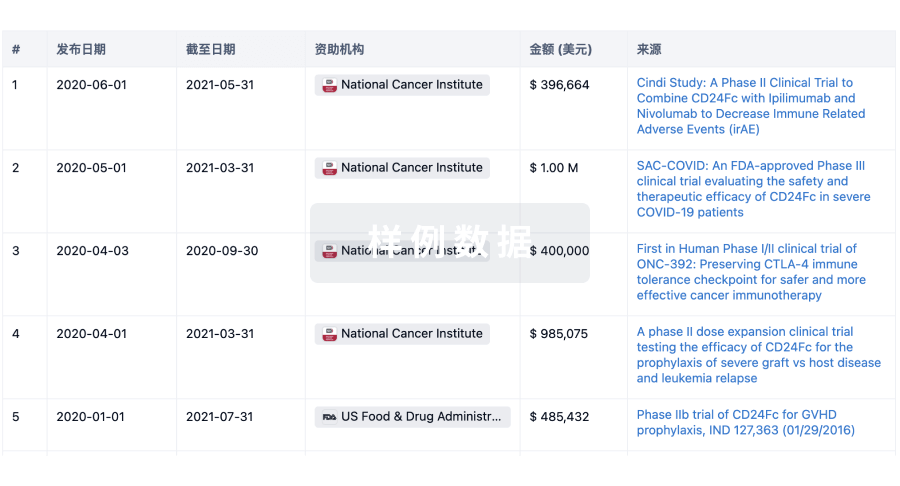
投资
深入了解从初创企业到成熟企业的最新公司投资动态。
登录
或
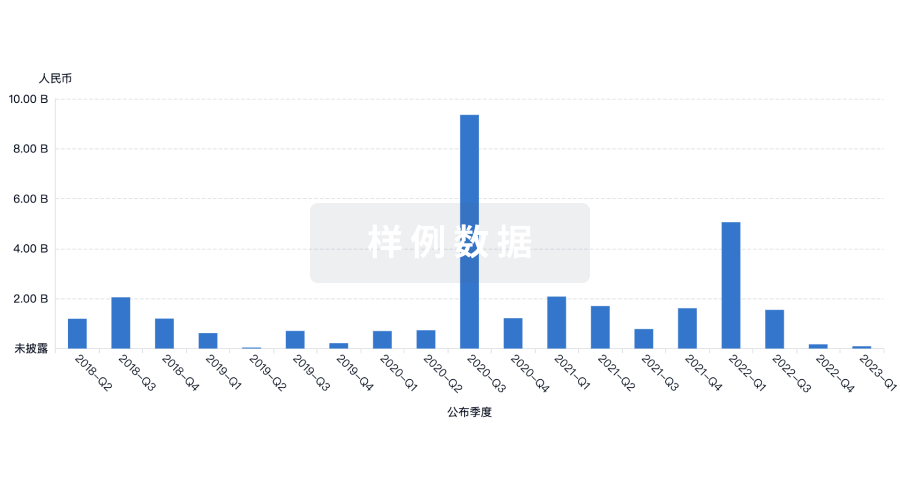
融资
发掘融资趋势以验证和推进您的投资机会。
登录
或
生物医药百科问答
全新生物医药AI Agent 覆盖科研全链路,让突破性发现快人一步
立即开始免费试用!
智慧芽新药情报库是智慧芽专为生命科学人士构建的基于AI的创新药情报平台,助您全方位提升您的研发与决策效率。
立即开始数据试用!
智慧芽新药库数据也通过智慧芽数据服务平台,以API或者数据包形式对外开放,助您更加充分利用智慧芽新药情报信息。
生物序列数据库
生物药研发创新
免费使用
化学结构数据库
小分子化药研发创新
免费使用