预约演示
更新于:2026-01-22

Zhejiang Xianju Xianle Pharmaceutical Co., Ltd.
更新于:2026-01-22
概览
关联
100 项与 浙江仙居仙乐药业有限公司 相关的临床结果
登录后查看更多信息
0 项与 浙江仙居仙乐药业有限公司 相关的专利(医药)
登录后查看更多信息
3
项与 浙江仙居仙乐药业有限公司 相关的文献(医药)2025-08-01·INTERNATIONAL JOURNAL OF BIOLOGICAL MACROMOLECULES
Ultrasound-modulated wheat gliadin-dextran conjugates enhance the encapsulation and bioaccessibility of quercetin
Article
作者: Chen, Yucen ; Wang, Zhiyong ; Xu, Jing ; Wang, Xiaomeng
This research sought to develop ultrasound-modulated glycosylated wheat gliadin-dextran conjugates as nanocarriers to improve the stability and bioaccessibility of quercetin. Ultrasound pretreatment (400 W, 20 min) caused partial protein unfolding and enhanced the exposure of reactive groups, leading to the formation of high molecular weight molecules. Ultrasound-induced structural disorder improved the solubility and amphiphilicity of the protein, facilitating more effective self-assembly. The thermal characteristics of the protein were additionally enhanced. Furthermore, the utilization of sonication to enhance the binding interaction between the conjugate and quercetin was established, and the interaction time was reduced from 2 h to 30 min. The compound generated by the ultrasound-assisted Maillard reaction (UMWG) demonstrated improved hydrogen bonding with quercetin, resulting in a notable increase in the encapsulation rate from 65.3 % to 73.9 %. The 8.6 % improvement in encapsulation efficiency may substantially decrease production expenses for bioactive delivery systems. Moreover, the UMWG demonstrated superior environmental stability and a more efficient suppression of quercetin degradation. Transforming quercetin to an amorphous state enhanced its bioaccessibility from 17.6 % to 45.4 %. This paper represents the inaugural demonstration of consecutive ultrasonic applications to enhance protein-polysaccharide conjugation and bioactive binding characteristics. This method provides a scalable, energy-efficient solution for encapsulating hydrophobic bioactives in functional foods and nutraceuticals.
2024-12-01·Natural Products and Bioprospecting
Purification and immobilization of β-glucosidase using surface modified mesoporous silica Santa Barbara Amorphous 15 for eco-friendly preparation of sagittatoside A
Article
作者: Yang, Ya-Ya ; Shao, Jia-Li ; Wan, Si-Yuan ; Chen, Ji-Xuan ; Jing, Shun-Li ; Yang, Huan ; Shen, Yu-Ping ; Zhang, Wei-Feng ; Yu, Wei
Abstract:
Functionalized mesoporous materials have become a promising carrier for enzyme immobilization. In this study, Santa Barbara Amorphous 15 (SBA-15) was modified by N-aminoethyl-γ-aminopropyl trimethoxy (R). R-SBA-15 was employed to purify and immobilize recombinant β-glucosidase from Terrabacter ginsenosidimutans (BgpA) in one step for the first time. Optimum pH of the constructed R-SBA-15@BgpA were 7.0, and it has 20 ℃ higher optimal temperature than free enzyme. Relative activity of R-SBA-15@BgpA still retained > 70% at 42 ℃ after 8-h incubation. The investigation on organic reagent resistance revealed that the immobilized enzyme can maintain strong stability in 15% DMSO. In leaching test and evaluation of storage stability, only trace amount of protein was detected in buffer of the immobilized enzyme after storage at 4 ℃ for 33 days, and the immobilized BgpA still maintained > 50% relative activity. It also demonstrated good reusability, with 76.1% relative activity remaining after fourteen successive enzymatic hydrolyses of epimedin A to sagittatoside A. The newly proposed strategy is an effective approach for the purification and immobilization of BgpA concurrently. In addition, R-SBA-15@BgpA was demonstrated to have high efficiency and stability in this application, suggesting its great feasibility and potential to produce bioactive compounds such as secondary glycosides or aglycones from natural products.Graphical Abstract
2010-05-15·Acta crystallographica. Section E, Structure reports online
(E)-1,2-Diphenylethenyl methanesulfonate
Article
作者: Feng, Yonghua ; Zhang, Chen ; Ying, Liu
In the title compound, C(15)H(14)O(3)S, the dihedral angle between the two benzene rings is 59.3 (8)°. The crystal structure is stabilized by weak inter-molecular C-H⋯π inter-actions between the benzene rings and the central ethyl-ene bridge, and a weak non-classical C-H⋯O hydrogen bond occurs in the structure.
2
项与 浙江仙居仙乐药业有限公司 相关的新闻(医药)2023-12-31
·米内网
精彩内容凭借“自主创新+全球拓展”双向发力,以及“快速并购扩张”等举措的推动下,远大医药战略版图再升级。自2008年起,公司已成功发起多项外延式并购,从原料药、中间体到心脑血管、糖尿病等慢病药,再到眼科、放射性治疗等高端制剂均有涉及;其中在核药领域一路领跑,拿下国内首款高端微球产品,3款1类新药临床进度喜人......全产业链条布局的战略方针,让公司处在产品、创新、收益、国际化等多维度协同的良性循环中,综合竞争力将更上一个台阶。瞄准千亿级潜力市场,深耕心脑血管业务板块12月21日,远大医药发布公告,其附属公司远大医药(中国)与田边三菱制药签订股权收购协议,远大医药(中国)将在相关条件满足后以约3.68亿元收购天津田边制药75.35%的股权。来源:公司公告天津田边制药是田边三菱制药在中国的核心企业之一,主要从事心脑血管、内分泌代谢、胃肠道等慢性疾病领域高质量原研药品的生产与销售,其中,多款核心产品已被纳入国内外权威的临床指南,涉及高血压、心绞痛、冠心病、糖尿病、胃肠道疾病等多种慢性疾病适应症。随着我国人口老龄化的逐渐加快,慢性疾病已成为不可忽视的重大公共健康问题。根据《全国第六次卫生服务统计调查专题报告》,重大慢性疾病占我国疾病经济负担超90%,我国65岁及以上老年人发病率达62.3%。从用药需求上看,近年来慢病药市场规模一直维持稳定增长的态势。米内网数据显示,按中国总体药品20000亿元市场规模算,慢病药2021年在三大终端六大市场(统计范围详见本文末)的销售规模超过4000亿元,其中标外市场接近1500亿元,市场潜力在逐步释放。在此背景下,远大医药通过此次收购天津田边,双方将实现资源的全面整合与升级。远大医药可以其现有的销售能力及在原料药领域的优势,加速天津田边产品的市场拓展及推广,并促进产品“原料+制剂”一体化进程,在惠及更多的慢性疾病患者的同时降低成本和提升盈利能力。另一方面,远大医药也可快速进入慢病市场并建立市场优势,实现其在心脑血管疾病治疗领域从急抢救到慢性疾病管理、从注射剂到口服制剂的全方位覆盖,极大地扩充和完善了其在该治疗板块的产品组合,并为我国慢性疾病患者日益增长的临床需求提供高质量的治疗手段。踏上外延并购“快车道”,推动多线业务共同发展事实上,早在公司成立之初,远大医药便迅速锚定“外延式并购扩张,多线业务共同发展”的战略方针。2008年,远大集团宣布,旗下子公司曼盛生物科技以2亿港元收购武汉远大制药集团45.98%权益,持股量增至70.98%,同时曼盛生物科技更名为远大医药(00512.HK),此后,远大医药便踏上战略式并购的“快车道”。同在2008年,公司以3120万元,收购氨基酸产销商武大弘元52%的股权,其中后者为国内半胱氨酸最大的制造商及出口商之一。2010年,远大医药分别收购了湖北富驰75.47%股权及湖北瑞珠100%股权,收购完成后,公司将前者打造成为原料药生产中心,而湖北瑞珠则填补了其眼科系列产品的空白。同年,远大医药又宣布收购浙江仙乐67%股权及河南利华55%的股权,两家公司分别从事甾体类激素及糖皮质激素药用原料及相关中间体的制造和销售业务。这一系列并购范围极为广泛,从原料药、中间体到眼科用药均有涉及,很难绘出一个清晰的蓝图。但从另一角度看,远大医药的独特优势正在于涉足了产业链全链条,可以用上游原料药的收益来哺育创新产品的研发。与此同时,远大医药在部分原料药的生产及产能上也有着“先天”的优势,比如:氨基酸原料药批文数量在国内处于领先位置,核心产品半胱氨酸系列市场地位和产能规模,以及牛磺酸产能规模均在全球范围内名列前茅。“自主创新+全球拓展”两手抓,RDC龙头之势渐起除通过并购划定的原有业务版图外,远大医药在医药创新大潮到来后,又积极投身到创新产业和先进技术的开发中,而“自主创新+全球拓展”俨然成为公司转型升级的两大抓手。2018年,远大医药联合鼎晖资本以近百亿元收购Sirtex,正式开启国内药企在放射性核药物治疗领域的全球化布局。2020年及2021年,公司通过与ITM和Telix签订合作协议,引进了9款创新RDC(放射性核素偶联药物)。2023年,远大医药斥资3750万美元收购BlackSwan Vascular 87.5%的股权,拿下2款可与化疗或放射性药物形成全新药械组合的栓塞产品,在全球核药领域实现了全方位布局。近年来国内核药领域并购项目来源:公司公告等,米内网整理值得一提的是,钇[90Y]微球注射液(易甘泰®)是远大医药的重磅创新产品,也是国内首款获批上市的放射性治疗药物,用于肝细胞癌、结直肠癌肝转移、神经内分泌瘤肝转移及其他癌症肝转移等肝脏肿瘤性疾病,2023年上半年在中国城市公立医院、县级公立医院、城市社区中心及乡镇卫生院(简称中国公立医疗机构)终端销售额突破2500万元,已超过2022年全年的销售收入。据悉,目前远大医药已对全国70多家医院、合计超过400名医生进行了易甘泰®手术理论或技能培训,以推动易甘泰®放射性介入操作的临床普及。随着我国疫情防控政策的调整,通过门诊咨询易甘泰®治疗的患者逐步提高,多家医院也陆续开设专门的易甘泰®门诊以满足患者的临床需求,易甘泰®有望迎来新一轮市场放量期,进一步夯实公司在全球放射性治疗领域的领先地位。从公司年报及官网获悉,近年来远大医药不断加注核药领域的研发投入,管线分布于临床前到新药上市申请的不同阶段,梯队效应已经逐渐形成。2023年以来,已有至少4款新品在国内取得阶段性进展,包括用于诊断肾透明细胞癌的TLX250-CDx(进口1类新药),以及用于诊断前列腺癌的TLX591-CDx(进口5.1类新药),已先后完成其Ⅰ期和Ⅲ期临床试验首例患者入组给药;用于治疗胶质母细胞瘤的TLX101(进口1类新药),以及用于治疗肠胃胰腺神经内分泌瘤的ITM-11(进口1类新药)已相继进入Ⅰ期临床......米内网数据显示,近年来在中国公立医疗机构终端,诊断用放射性药物及治疗用放射性药物销售额均呈现稳步上涨的趋势,2023年上半年分别同比增长16.74%和39.96%,市场前景值得期待。近年来中国公立医疗机构终端诊断用放射性药物及治疗用放射性药物销售趋势(单位:万元)来源:米内网中国公立医疗机构药品终端竞争格局环顾整体,在远大医药布局的众多业务板块中,不论是基于自身在该领域奠定的行业地位,还是基于其在国内外研发资源的积累,均为“自主研发+全球拓展”双轮驱动形式的体现。远大医药的这一布局理念,让公司发展处在了产品、创新、收益、国际化等多维度协同的良性循环中,综合竞争力有望不断提升。来源:远大医药官网、公司公告等注:米内网《中国三大终端六大市场药品竞争格局》,统计范围是:城市公立医院和县级公立医院、城市社区中心和乡镇卫生院、城市实体药店和网上药店,不含民营医院、私人诊所、村卫生室,不含县乡村药店;上述销售额以产品在终端的平均零售价计算。本文为原创稿件,转载请注明来源和作者,否则将追究侵权责任。投稿及报料请发邮件到872470254@qq.com稿件要求详询米内微信首页菜单栏商务及内容合作可联系QQ:412539092【分享、点赞、在看】点一点不失联哦
并购放射疗法
2023-08-26
在国内的医药健康产业版图上,“远大系”是个颇为低调神秘的存在。“神秘”不光体现在背景,也体现在商业目的上。自成立之日起,远大集团就热衷于靠并购和资本运作不断扩大自身版图。一路走来,在医疗领域,其从原料药、中间体、制剂、血液制品、核药到医疗器械等各个领域均有涉及。外界看来,这一系列并购显得支离破碎、缺乏逻辑,而管理层又鲜少就其宏观方略作出任何解释。历经多年扩张后,目前的中国远大集团医药健康(以下简称远大健康)由四个板块组成:华东医药、远大医药集团、雷允上集团和远大生命科学集团,一系列版图逐渐变得明晰了起来。不听指挥的“旗舰”远大健康旗下四大板块中,有两家上市公司,其中华东医药(000963)在A股,远大医药(00512.HK)在港股。论市值,前者将近后者的5倍,是板块中当仁不让的“老大”。不过这两家企业之间的关系,远比表面看上去的要微妙。有资料显示,早年的远大集团曾计划用5年时间,建立起“2+1”的医药资产布局。其中“2”指华东医药和苏州雷允上;“1”是指以血液制品生产为核心的四川蜀阳药业。2006年,时任中国远大集团投资部副总裁的戴广宇在接受记者采访时还表示,远大集团致力于发展医药产业,而华东医药正是远大“正在打造的旗舰”。彼时远大集团对华东医药可谓寄予了厚望,甚至还公布过一个计划:把旗下拥有的雷允上药业有限公司70%的股权、武汉远大制药集团有限公司70.98%的股权、四川远大蜀阳药业有限公司40%的股权等资产打包注入华东医药。有分析师认为,倘若整合成功,“远大系”将成为国内医药行业中举足轻重的一条大鳄。理想很丰满,现实却很骨感,华东医药对此毫不领情。2007年,华东医药董事会否决了这一交易,理由是拟收购资产经济效益差,收购后会拉低华东医药的投资回报率、摊薄股东权益,最终降低每股收益。这种子公司“不服管”的案例,国内商业史上并不多见,但在双方身上却发生过不止一次。2010年,因为一个房地产开发项目未能实现预期收益,华东医药还将浙江远大房地产和远大集团告上了法庭,最终远大集团出资1.8亿元替浙江远大房地产返还给了华东医药全部股权转让款,并将相关房产项目全部股权收回。对这件事,华东医药方面给出的解释也很简短:公司经营班子和股东决定回归主业,专注医药。有趣的是,彼时的华东医药凭借自身的混改身份,不光能对大股东“叫板”,还能从小股东处“占便宜”。早年华东医药研发能力并不出众,产品大多转让自杭州华东医药集团公司下属的生物工程研究院有限公司,最大的拳头产品阿卡波糖(卡博平)正是2002年以2450万元从华东医药集团生物工程研究所、四川抗菌素工业研究所受让而来。该收购价用“地板价”来形容都不为过:2015年,阿卡波糖卡博平销售额就过了10亿元,后来的市场份额和售价更是均超过了拜耳公司生产的原研药“拜唐苹”。医药企业最大的风险就是研发失败,可华东医药却可以将研发风险甩给集团公司,成功后再低价购入成品,这样的独特优势,使得其能够专注发力营销端,最终打造出一支全国闻名的“营销铁军”。而靠着“营销+大单品”的双轮驱动,不仅为华东医药账上积累下了可观的现金,也为日后集采、国谈时代“由仿到创”的转型打下了坚实的基础。2020年初阿卡波糖片集采落标之后,华东医药明显加快了创新转型速度,并凭借一年20多起BD事件,被业界誉为“BD狂人”。作为一家从仿制药时代走出来的传统药企,其市值在近两年来保持在700亿元左右,在化学制药板块位居前三。新的旗舰远大医药是远大集团另寻的一个“旗舰”。远大医药目前总市值150亿港元左右。其前身是诞生于抗战时期太行山区的武汉制药厂,主要生产化学原料药、原料中间体和制剂。2001年,武汉制药厂1560名在岗员工与企业重新签订劳动合同,以原全民所有制职工身份置换国有产权成为企业股东。2002年,远大集团以每股0.48元的价格收购职工持股会全部股份,成为武汉制药厂第一大股东,并将公司更名为武汉远大制药集团。2005年底,远大集团掌门人胡凯军的实控离岸公司Outwit Investments Limited对一家名为曼盛生物科技的港股壳公司进行了全面收购。两起收购原本不相关,直到2007年华东医药董事会否决了远大集团的资产注入计划后,双方的归并才陡然提速。2008年,曼盛生物科技宣布以2亿港元收购武汉远大制药集团45.98%权益,持股量增至70.98%,同时曼盛生物科技更名为了远大医药(00512.HK)。至此武汉远大完成了借壳上市。此后远大医药开始了一系列复杂的并购流程:同年以3120万元人民币,收购氨基酸产销商武大弘元52%的股权,后者的主要产品为半胱氨酸,是内地最大制造及出口商之一。2010年,武汉远大分别收购湖北富驰75.47%股权及湖北瑞珠100%股权。收购完成后,武汉远大将前者打造成了原料药生产中心;而湖北瑞珠则填补了其眼科系列产品的空白。同年,远大医药又宣布收购浙江仙乐67%股权及河南利华55%的股权,两家公司分别从事甾体类激素及糖皮质激素药用原料及相关中间体的制造及销售业务。……这一系列并购范围极为广泛,从原料药、中间体到眼科用药均有涉及,很难绘出一个清晰的蓝图。但换一个角度观察,远大医药的独特优势正在于涉足了产业链全链条,可以用上游原料药的收益来哺育创新产品的研发。在个别原料药品类上,远大医药甚至还实现了市场垄断地位。2023年5月28日,国家市场监管总局对远大医药作出了一项行政处罚决定:没收违法所得1.49亿元,并处罚款1.36亿元。处罚决定书显示,2016年6月-2019年7月,远大医药与武汉汇海达成并实施了关于重酒石酸去甲肾上腺素原料药和肾上腺素原料药两种原料药的垄断协议。数据表明,2016年到2019年,远大医药子公司所掌握上述两款原料药的市场份额均为100%。此外,远大医药在氨基酸原料药上也有优势,其是国内氨基酸原料药注册文号最多的企业,核心产品半胱氨酸系列市场地位和产能规模居世界第一,牛磺酸产能规模居世界第二。除通过并购划定的原有业务版图外,远大医药在医药创新大潮到来后,高度重视创新产品和先进技术的研发。近些年,公司开始布局创新药和创新器械,确立了制药科技、生物科技、核药抗肿瘤诊疗及心脑血管精准介入诊疗科技三大领域。随着在核药领域的不断加注,近年来,远大医药渐渐有发展成为了国内RDC龙头之势。2018年,远大医药联合鼎晖以14亿美元的价格收购Sirtex入局核药市场;2020年及2021年,又通过与ITM和Telix签订合作协议,引进了9款创新RDC产品,在全球核药领域实现了全方位布局。据远大医药2022年年报,公司全年研发及产品投入总计超过24.5亿港元,管线分布于临床前到新药上市申请的不同阶段,梯队效应已经逐渐形成。其中SIR-Spheres®钇[90Y]微球注射液已于2022年2月获得国家药监局的上市许可,批准用于经标准治疗失败的不可手术切除的结直肠癌肝转移患者的治疗。今年8月14日,远大医药发布公告称,公司用于诊断前列腺癌的全球创新放射性核素偶联药物(RDC)TLX591-CDx国内III期临床试验已完成首例患者入组给药。水面下的两大板块华东医药和远大医药都已上市,一举一动都受外界关注。相比之下,另外两家未上市板块就低调了许多。事实上,早在远大集团规划“2+1”的医药资产布局时,其中的“1”是指的就是血液制品、化学药品制剂生产为核心的四川蜀阳药业。后者经数次变革重组后,成为了目前远大生命科学集团的一个重要部分。四川远大蜀阳药业有限责任公司(以下简称“远大蜀阳”)的前身成都蜀阳制药厂,成立于1985年,更早时候是1969年创办的成都军区后勤部血浆所。1998年移交成都市政府,2001年由中国远大集团公司全资收购。收购完成的时间点很巧妙:同一年,中国国务院印发了《中国遏制与防治艾滋病行动计划(2001—2005年)》,申明从当年起不再批准新的血液制品生产企业,自此血液制品成为了一个行业准入壁垒高耸的行业。目前,行业内拥有药监局批准文件的企业仅有30余家,呈现寡头竞争格局。据前瞻产业研究院统计,中国血液制品行业龙头企业分别是华兰生物、上海莱士与天坛生物。2021年,三家企业市场份额均在10%左右。另有数据显示,2020年,远大蜀阳的白蛋白市场份额位列国产企业第五。受限于上游采浆量等限制,其很难在血液制品市场份额上再取得显著进步。因此其采取的战略是依托集团优势,以血液制品为支点延伸开去做研发——官网显示,远大蜀阳的发展战略正是“聚焦血液制品、协同生物医药”。目前,远大生命科学集团下设四大研究院,成都研究院负责血制重组方向;南京研究院负责疫苗方向;杭州研究院负责微生态方向;武汉研究院负责化药方向。几个方向相互之间有着明显的协同效应,比如南京研究院的疫苗研发就可以借助成都研究院在血液领域的积累;而主攻化药领域的武汉研究院重点在打造围术期产品群,包括止血、麻醉、镇痛、抗凝药物等,同样依赖于血液领域的研究。并且武汉研究院还能和武汉远大协同,在原料药采购方面具备一定优势。同远大生命科学集团相比,雷允上代表的中药属于另一条赛道,传承与发展逻辑都有着显著差别。雷允上是一个中药老牌字号,属中国四大药堂之一。1734年,吴门名医雷大升(字允上)在苏州开设“诵芬堂”药铺,始创雷允上。1860年,太平天国进攻苏州。雷氏家族将店迁至上海,待太平军败退后才重返苏州,但上海药铺仍旧保留,由此形成了以苏州为总号,上海为分号的局面。错综的历史,导致当下市面上以“雷允上”冠名的公司共有三家,彼此间却没有直接的股权关联:复星医药及上海医药集团拥有“雷允上北区”;上海市静安国资委和开开实业控制了“雷允上西区”;而远大集团则控股了最为“根正苗红”的苏州雷允上——著名的“六神丸”正是后者的拳头产品。三方曾对这块金字招牌的归属产生过纠纷。2013年,我国开放了注册新增服务,苏州雷允上借此注册了第11987639号“雷允上”商标和第11987640 号“雷允上及图”商标。上海雷允上知悉后,认为两件争议商标违反商标法的规定,向原国家工商行政管理总局商标评审委员会提出宣告无效的申请,商标评审委员会认定两件争议商标均违反了商标法的规定,裁定予以无效宣告。此后苏州雷允上不满判决,将国家知识产权局告上法庭,后北京知产法院裁定,苏州雷允上与上海雷允上均在保留“雷允上”标识的基础上各自独立发展,长期并存,此后便将诉讼撤销。这一裁定,相当于为这段纷争“定了调”:与其再为“吃老本”而内耗,不如各自在自身基础上开拓新的版图。于是苏州雷允上集团便走向了推进中医药现代化的步伐,开始将传统中医组方与现代循证研究相结合,试图发掘出新的成果。这一路径,也同去年3月印发的《“十四五”中医药发展规划》文件精神不谋而合。目前,除六神丸、灵宝护心丹等传统产品外,雷允上集团在管线上覆盖了呼吸系统、泌尿系统、补益类、消化系统、妇科儿科、脑科、心血管和抗肿瘤八大临床治疗领域,初步形成了立足呼吸及心脑血管市场、覆盖中成药传统优势领域、聚焦大病种、培育大品种的立体产品格局。尽管早年远大集团曾有过将雷允上注入上市公司的想法,但随着医药行业进一步发展深化,雷允上同集团内其他板块的协同效应正在下降。下一步怎么走两大上市平台与两大未上市平台,共同构建起远大健康现如今的医药版图。其后,远大健康各个医药平台间的关系,是独立自主发展,还是合并同类项后的协同推进,目前还存在不确定性。在医药行业,一家集团性公司拥有多个上市平台的情况,随着中国企业上市制度的逐步完善开始增多起来。比如复星、科伦、华兰、乐普等,都是在上市新政之下诞生的拥有多个上市公司的集团性药企。但从远大健康的发展历程来看,其业务板块布局与国药集团的相似性较高。目前国药集团按照细分业务领域,共有9个上市公司,其主营业务分别是医药流通、医药零售、化药、生物药、中药等。行业人士认为,排除大股东等客观因素外,港股上市公司远大医药在核药概念的推动下,完成A+H股上市,也许会让其股东价值最大化。此外,远大生命科学集团也不排除拆分出板块内的优势资产完成单独上市,比如近几年来倍受投资市场关注的疫苗领域。参考资料:1. 《收购职工股,改造老国企——远大集团控股武制药》. 2002年12月18日. 湖北日报2. 《远大要把华东医药打造成医药旗舰》. 2006年6月20日. 证券时报3. 《归并股权“远大系”整合医药资产提速》. 2006年7月7日. 医药经济报4. 《华东医药董事否决大股东资产注入》. 2007年8月21日. 证券时报5. 《远大医药系又添新军》. 2010年3月12日. 医药经济报6. 《华东医药“退还”地产项目,收回1.8亿专注主业》. 2010年4月3日. 上海证券报7. 《远大:玩一场资本拼图游戏?》. 2010年6月18日. 医药经济报8. 《开开实业六度澄清背后:为何有三家“雷允上”?》.2022年1月22日. 中国经营报9. 《市场监管总局发布远大医药与武汉汇海达成并实施垄断协议、滥用市场支配地位案行政处罚决定书》. 2023年5月28日. 国家市场监督管理总局官方网站10. 中国远大官方网站-经营领域-医药健康登记邮箱信息订阅E药经理人信息服务扫描二维码精彩推荐CM10 | 集采 | 国谈 | 医保动态 | 药审 | 人才 | 薪资 | 榜单 | CAR-T | PD-1 | mRNA | 单抗 | 商业化 | 国际化 | 猎药人系列专题启思会 | 声音·责任 | 创百汇 | E药经理人理事会 | 微解药直播 | 大国新药 | 营销硬观点 | 投资人去哪儿 | 分析师看赛道 | 药事每周谈 | 医药界·E药经理人 | 中国医药手册创新100强榜单 | 恒瑞 | 中国生物制药 | 百济 | 石药 | 信达 | 君实 | 复宏汉霖 |翰森 | 康方生物 | 上海医药 | 和黄医药 | 东阳光药 | 荣昌 | 亚盛医药 | 齐鲁制药 | 康宁杰瑞 | 贝达药业 | 微芯生物 | 复星医药 |再鼎医药跨国药企50强榜单 | 辉瑞 | 艾伯维 | 诺华 | 强生 | 罗氏 | BMS | 默克 | 赛诺菲 | AZ | GSK | 武田 | 吉利德科学 | 礼来 | 安进 | 诺和诺德 | 拜耳 | 莫德纳 | BI | 晖致 | 再生元
并购
100 项与 浙江仙居仙乐药业有限公司 相关的药物交易
登录后查看更多信息
100 项与 浙江仙居仙乐药业有限公司 相关的转化医学
登录后查看更多信息
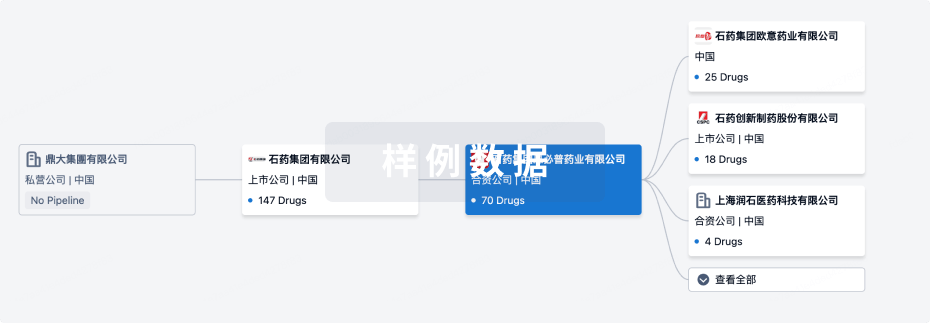
组织架构
使用我们的机构树数据加速您的研究。
登录
或
管线布局
2026年02月09日管线快照
无数据报导
登录后保持更新
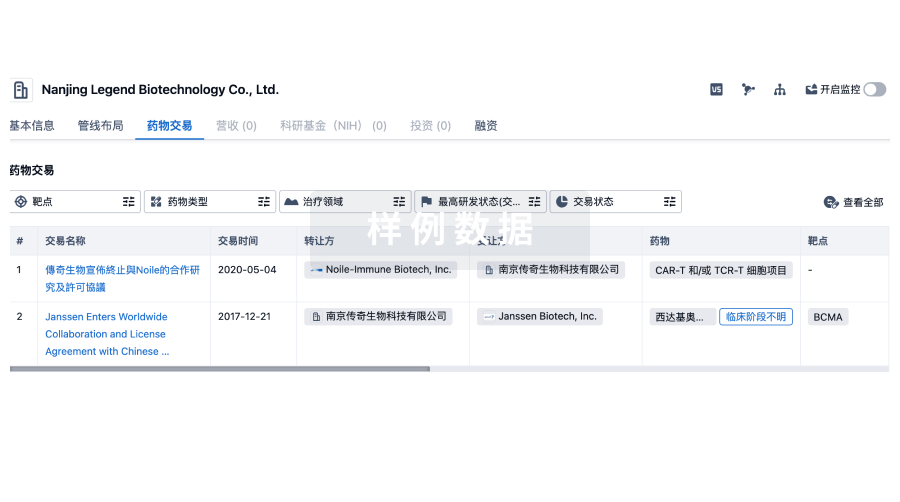
药物交易
使用我们的药物交易数据加速您的研究。
登录
或
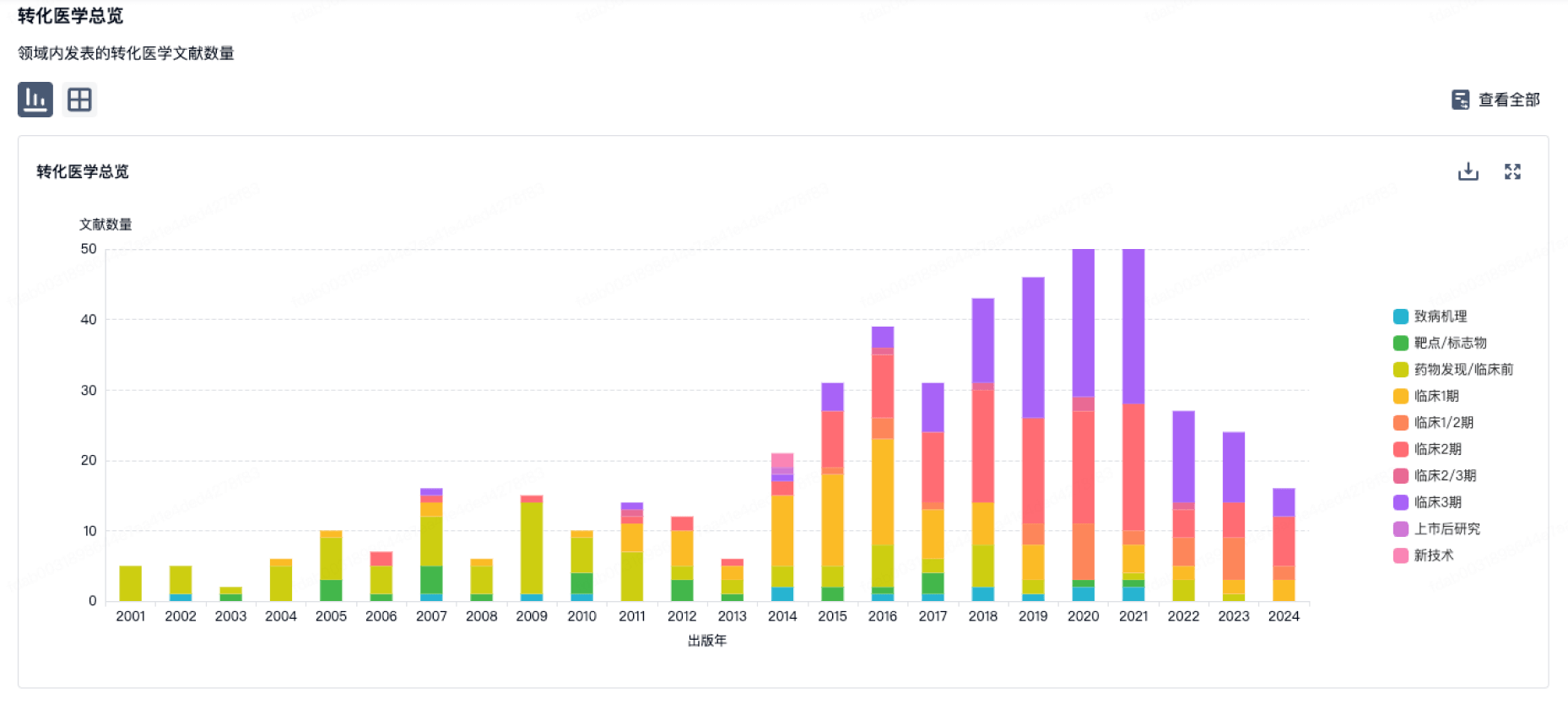
转化医学
使用我们的转化医学数据加速您的研究。
登录
或
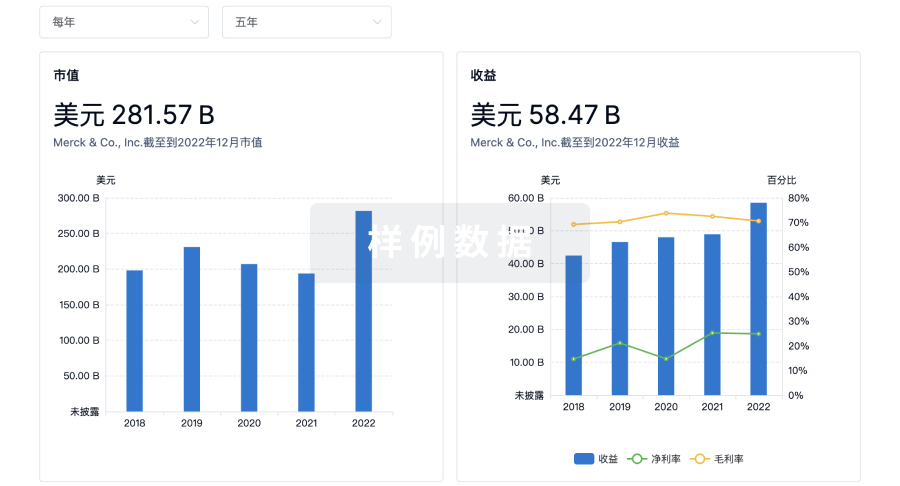
营收
使用 Synapse 探索超过 36 万个组织的财务状况。
登录
或
科研基金(NIH)
访问超过 200 万项资助和基金信息,以提升您的研究之旅。
登录
或
投资
深入了解从初创企业到成熟企业的最新公司投资动态。
登录
或
融资
发掘融资趋势以验证和推进您的投资机会。
登录
或
生物医药百科问答
全新生物医药AI Agent 覆盖科研全链路,让突破性发现快人一步
立即开始免费试用!
智慧芽新药情报库是智慧芽专为生命科学人士构建的基于AI的创新药情报平台,助您全方位提升您的研发与决策效率。
立即开始数据试用!
智慧芽新药库数据也通过智慧芽数据服务平台,以API或者数据包形式对外开放,助您更加充分利用智慧芽新药情报信息。
生物序列数据库
生物药研发创新
免费使用
化学结构数据库
小分子化药研发创新
免费使用