预约演示
更新于:2025-11-08

Longping Biotechnology (Hainan) Co., Ltd.
更新于:2025-11-08
概览
关联
100 项与 隆平生物技术(海南)有限公司 相关的临床结果
登录后查看更多信息
0 项与 隆平生物技术(海南)有限公司 相关的专利(医药)
登录后查看更多信息
2
项与 隆平生物技术(海南)有限公司 相关的文献(医药)2023-10-26·Nature communications1区 · 综合性期刊
PH13 improves soybean shade traits and enhances yield for high-density planting at high latitudes.
1区 · 综合性期刊
ArticleOA
作者: Li, Haiyan ; Liu, Jun ; Yang, Chunyan ; Wei, Xiuzhi ; Liu, Bin ; Lyu, Xiangguang ; Li, Delin ; Cheng, Qican ; Hu, Guoyu ; Lu, Yuping ; Xing, Guangnan ; Ji, Ronghuan ; Zhao, Tao ; Li, Xiaojiao ; Shan, Zhihui ; Wang, Yueqiang ; Qin, Chao ; Zhang, Xueru ; Wang, Qiang ; Kong, Fanjiang ; Kong, Lingping ; Hu, Xiping ; Huang, Wen ; Qiu, Li-Juan ; Li, Hongyu ; Wang, Xing ; Liu, Like ; Jia, Zhiwei ; Li, Ying-Hui ; Zhou, Yonggang ; Wang, Ruizhen
Shading in combination with extended photoperiods can cause exaggerated stem elongation (ESE) in soybean, leading to lodging and reduced yields when planted at high-density in high-latitude regions. However, the genetic basis of plant height in adaptation to these regions remains unclear. Here, through a genome-wide association study, we identify a plant height regulating gene on chromosome 13 (PH13) encoding a WD40 protein with three main haplotypes in natural populations. We find that an insertion of a Ty1/Copia-like retrotransposon in the haplotype 3 leads to a truncated PH13H3 with reduced interaction with GmCOP1s, resulting in accumulation of STF1/2, and reduced plant height. In addition, PH13H3 allele has been strongly selected for genetic improvement at high latitudes. Deletion of both PH13 and its paralogue PHP can prevent shade-induced ESE and allow high-density planting. This study provides insights into the mechanism of shade-resistance and offers potential solutions for breeding high-yielding soybean cultivar for high-latitude regions.
2023-04-11·Proceedings of the National Academy of Sciences of the United States of America1区 · 综合性期刊
GmEID1 modulates light signaling through the Evening Complex to control flowering time and yield in soybean.
1区 · 综合性期刊
Article
作者: Li, Haiyan ; Li, Zhuang ; Liu, Jun ; Zhao, Fen ; Qin, Chao ; Liu, Bin ; Wei, Xiuzhi ; Zhou, Yonggang ; Kong, Fanjiang ; Jia, Zhiwei ; Jiao, Yuanchen ; Li, Hongyu ; Lin, Xiaoya ; Lu, Yuping ; Niu, Zhiyuan ; Zhang, Shengrui ; Zhao, Tao ; Li, Haiyang ; Li, Xiaojiao
Soybean (Glycine max) morphogenesis and flowering time are accurately regulated by photoperiod, which determine the yield potential and limit soybean cultivars to a narrow latitudinal range. The E3 and E4 genes, which encode phytochrome A photoreceptors in soybean, promote the expression of the legume-specific flowering repressor E1 to delay floral transition under long-day (LD) conditions. However, the underlying molecular mechanism remains unclear. Here, we show that the diurnal expression pattern of GmEID1 is opposite to that of E1 and targeted mutations in the GmEID1 gene delay soybean flowering regardless of daylength. GmEID1 interacts with J, a key component of circadian Evening Complex (EC), to inhibit E1 transcription. Photoactivated E3/E4 interacts with GmEID1 to inhibit GmEID1-J interaction, promoting J degradation resulting in a negative correlation between daylength and the level of J protein. Notably, targeted mutations in GmEID1 improved soybean adaptability by enhancing yield per plant up to 55.3% compared to WT in field trials performed in a broad latitudinal span of more than 24°. Together, this study reveals a unique mechanism in which E3/E4-GmEID1-EC module controls flowering time and provides an effective strategy to improve soybean adaptability and production for molecular breeding.
4
项与 隆平生物技术(海南)有限公司 相关的新闻(医药)2024-05-15
据国务院印发的《“健康中国2030”规划纲要》预测,到2030年,我国的大健康产业市场规模有望达到16万亿元,行业潜力巨大。“大健康”时代下,新食品原料不断涌现,行业法规与标准日渐推新和完善,同时将“传统与现代技术”相结合的食药同源、妆食同源等新兴领域也在争相发展。消费潜力正逐步释放的功能性食品行业或将迎来发展蓝海。为更好地抓住时代脉搏,抢占行业发展先机,2024功能性食品与营养科学大会定于5月23-24日在浙江杭州君尚云郦酒店举办。本次会议以“功能性食品,让健康触手可及”为主题,设置食药同源、妆食同源、功能性食品法规与标准以及新食品原料的创新发展四大论坛,为国内功能性食品领域学者和企业提供深层次的交流平台,携手发掘新机遇,共谋新发展,共话新未来。扫描下方二维码!限时免费!免费报名大会时间 | 2024年5月23-24日大会地点 | 浙江-杭州 | 君尚云郦酒店大会名称 | 2024功能性食品与营养科学大会大会主题 | 功能性食品,让健康触手可及主办单位 | synbio新农食承办单位 | 享融智云(上海)信息科技有限公司扫描下方二维码!限时免费!免费报名部分已报名企业蕴合新材料科技(上海)有限公司商务经理浙江省发展资产经营有限公司投资经理济川药业集团有限公司BD总监东莞西典医药科技有限公司副总北京万事食品有限公司研发助手杭州海康威视数字技术股份有限公司战略部山西锦波生物医药股份有限公司首席战略官浙江红什私募基金管理有限公司高级投资经理南京百斯杰生物工程有限公司应用研发高级科学家苏州三易聚合化学科技有限公司销售员杭州瑞旭科技集团有限公司技术主管浙江海亮生物科技有限公司市场杭州清潭维艾国际贸易有限公司质量安全负责人北京芝诺科技发展有限责任公司市场经理共青城嘉腾投资管理有限公司投资经理浙江工业大学药学院研究生虹摹生物科技(上海)有限公司研发安徽普利药业有限公司商务副总经理司美肽(杭州)生物科技有限公司总经理国邦营养食品(浙江)有限公司副总经理苏州木芮生物科技有限公司总经理赣南师范大学讲师复旦大学无捷康生物科技(海南)有限公司产品研发经理山东产业技术研究院项目主管江南大学学生江南大学学生上海遇见味来生物技术有限公司材料总监捷康生物科技(海南)有限公司研发主管苏州一兮生物技术有限公司技术支持人员苏州一兮生物技术有限公司研发负责人成都川宇健维生物科技有限公司总监招商局资本管理有限责任公司投资经理杭州瑞丰生物科技有限公司资深科学家新乡精泉生物技术有限公司销售部部长广西大学学生苏州工业园区生物产业发展有限公司招商浙江英沃迪生物科技有限公司总经理浙江英沃迪生物科技有限公司项目经理广州白云山医药集团股份有限公司白云山制药总厂信息主管中国农业科学院首席助理浙江海正药业股份有限公司战略部总监中国药科大学学生拓新药业集团股份有限公司总经理新乡精泉生物技术有限公司总经理北京厚新投资管理有限公司董事总经理常州市启迪化工有限公司销售常高新金隆控股(集团)有限公司投资经理样美生物科技(北京)有限公司联合创始人中国医学科学院药物研究所研发管理杭州合众医药科技有限公司业务员苏州木芮生物科技有限公司销售杭州合众医药科技有限公司业务员上海高信私募基金管理有限公司合伙人上海博由投资管理有限公司合伙人汕头市佳禾生物科技有限公司总经理南京市创新投资集团有限责任公司高级经理浙江农林大学学生浙江农林大学研究生浙江久康电器有限公司研发顾问武汉大学教授中国药科大学学生浙江晶能进出口有限责任公司总经理四川辅正药业股份有限公司创始人/顾问青岛奔月生物技术有限公司经理杭州优玛达生物科技有限公司研发总监杭州复琢创业投资有限公司投资经理湖南省农业科学院硕士研究生广西大学学生兄弟科技BD总监广西大学硕士研究生天津农学院讲师浙江中医药大学研究生浙江中医药大学中药饮片有限公司研究生浙江中医药大学暂无浙江中医药大学研究生浙大城市学院教授衢州市浙工大生态工业创新研究院研究员成都青山利康药业股份有限公司美业大健康研发总监镁孚泰生物科技(上海)有限公司总经理安徽古特生物科技有限公司运营西安美珂德瑞国际贸易有限公司总经理山东高直链面粉有限公司研发主任苏州赛谱仪器有限公司销售成都市中草药研究所(成都市卫生计生药械科技服务中心)科技产业科科长成都市中草药研究所(成都市卫生计生药械科技服务中心)产业科天津市青瓜瓜农业科技有限公司总经理河北旅游职业学院教师内蒙古民族大学附属医院无内蒙古民族大学附属医院无安徽金禾实业股份有限公司法规主管武汉工程大学研究生浙江吉诺生命健康控股集团有限公司销售部经理济南金利豪企业管理咨询有限公司总经理兖矿新里程总医院工会委员会副主任医师山东恒鲁生物科技有限公司销售助理江苏汉典健康科技有限公司研发深圳科兴天合生物科技有限公司法规经理上海汇裕嘉生物科技有限公司总经理深圳瑞德林生物技术有限公司生物计算副总裁联泓(江苏)新材料研究院有限公司研发主管苏州道彤淳辉创业投资管理有限公司投资总监甘肃农业大学无/讲师杭州微致生物科技有限公司项目经理杭州唯铂莱生物科技有限公司销售经理浙江理工大学学生江苏大学无中国药科大学学生嘉必优生物技术(武汉)股份有限公司合规工程师杭州娃哈哈集团有限公司标准法规工程师上海时禛咨询管理有限公司投资杭州中美华东制药江东有限公司研发工程师杭州中美华东制药有限公司研发工程师杭州中美华东制药江东有限公司研发工程师杭州中美华东制药江东有限公司员工橘熹(上海)生物科技有限公司合伙人南京市天铭医药科技有限公司商务浙江可明生物医药有限公司研发中心副主任浙江大学杭州国际科创中心博士后浙江工商大学无浙江工商大学博士生南京市第一医院医学发展医疗救助基金会科主任中国农业大学博士浙江工商大学讲师青岛科技大学学生杭州诺森蛋白科技有限公司CEO济宁学院讲师广西现代职业技术学院干事上海交通大学研究生云南农业大学教授江苏科技大学教师河北旅游职业学院教师浙江工业大学学生河南工业大学副院长淮阴工学院学生中国石油大学(华东)教授浙江析木生物科技有限公司技术总监浙江析木生物科技有限公司总经理上海交通大学助理研究员浙江理工大学绍兴生物医药研究院有限公司食药传承与创新中心主任中国药科大学副教授,博导东北农业大学学生南昌大学博士苏州大学讲师个人,无公司退休人员中国药科大学学生中国药科大学学生中国药科大学博士研究生中国药科大学学生贵州医科大学生态食品创制工程中心办公室主任武汉工程大学研究生栗植康(武汉)科技有限公司总经理,法人西南民族大学硕士研究生浙江天猫技术有限公司高级行业运营专家浙江省医药行业协会中医药数智化专委会(筹)秘书长枣庄学院教师河南科技大学副教授南昌大学无苏州诺华医药科技研发有限公司expert science & technology西北大学副教授西北大学副教授湖南农业大学硕士生北京旭阳科技有限公司副所长河南工业大学硕士研究生湖南农业大学硕士北京聚树生物科技有限公司经理江南大学助理研究员安徽科技学院主任橘熹(上海)生物科技有限公司战略总监橘熹(上海)生物科技有限公司总经理安徽科技学院助教北京工商大学师资博后杭州合碳创物科技有限公司产品运营沈阳何氏眼产业集团有限公司项目经理上海百信生物科技有限公司奉贤分公司营销中心副总监成都青山利康药业股份有限公司美业总监浙江熙正霖生物科技有限公司研发工程师青康华妍(成都)生物科技有限公司品牌总监成都青山利康药业股份有限公司副总经理浙江熙正霖生物科技有限公司研发项目经理苏州合生源生物医药科技有限公司总经理随县招商服务中心招商办副主任京华建设科技有限公司业务经理杭州云链智能家居有限公司总经理国邦营养食品(浙江)有限公司研发工程师江苏毅达股权投资基金管理有限公司工作人员LRI Hong Kong LimitedVP湖南新合新生物医药有限公司经理浙江中贸企业服务有限公司法规山东四环药业股份有限公司销售经理山东四环药业股份有限公司销售副总青蕨商务咨询(上海)有限公司市场经理杭州双缘生物科技有限公司研发总监济南立德医药技术有限公司副总经理杭州思邈股权投资有限公司投资总监烟台富美特信息科技股份有限公司合规经理世纪创展(北京)食品科技有限公司技术支持广西弘山堂生物科技有限公司研发员中科微智(北京)生物科技有限公司微生物组中心主任普洛药业股份有限公司BD江南大学副教授中化医药有限公司市场广东瀚天生物医药有限公司研发总监山东拜昂生物技术有限公司研发测试经理中国科学院博士后上海无浙江大学金华研究院研究员浙江大学金华研究院研究员申银万国投资有限公司投资经理广西弘山堂生物科技有限公司研发员国家开发投资集团有限公司高级经理为来创业投资基金管理(广州)有限公司投资经理浙江医药股份有限公司昌海生物分公司注册专员浙江医药股份有限公司昌海生物分公司注册专员共晶科技(嘉兴)有限责任公司经理杭州九龄科技有限公司经理浙江富浙股权投资基金管理有限公司高级投资经理苏州维丰信息技术有限公司副总经理上海联和投资有限公司高级投资经理风火轮(上海)生物科技有限公司采购上海恺思德享科技服务有限公司项目总监国家知识产权局专利局专利审查协作天津中心审查员上海海路生物技术有限公司立项调研研究员智仁药业国际有限公司副总裁保龄宝生物股份有限公司销售经理上海昱菘医药科技有限公司销售中州蓝海投资管理有限公司投资经理杭州中美华东制药江东有限公司小分子实验室主管国家知识产权局专利局专利审查协作天津中心审查员杭州馨海酶源生物科技有限公司副总经理上海昱菘生物科技有限公司总监浙江绿创生物科技有限公司董事长杭州艾特七科技有限公司CEO亳州学院讲师宁波易章投资合伙企业(有限合伙)CEO虹摹生物科技(上海)有限公司发酵主管中信证券股份有限公司分析师新乡医学院讲师江苏创健医疗科技股份有限公司研发宁波易章投资合伙企业(有限合伙)总经理助理常州国家高新技术产业开发区(新北区)科学技术局经理杭州彗柏生物科技有限公司研发内蒙古赛银牧业有限责任公司经理浙江海正药业股份有限公司高级副总裁宁波杰顺生物科技有限公司研发总监凯莱英BD经理北京清科创业信息咨询有限公司投资总监安徽华恒生物科技股份有限公司产品经理国仟创投投资经理朴衡博迈(上海)生物医药有限公司CEO物产中大云商有限公司产业投资部副总经理杭州凯泰资本管理有限公司合伙人内蒙古爱民荤素科技有限公司董事长上海南大开发建设有限公司产业部山东杰凯生物科技有限公司总经理江南大学中心主任天津合生生物科技有限公司副总经理济南大学教授上海济煜医药科技有限公司多肽平台负责人浙江海正药业股份有限公司高级总监国投招商投资管理有限公司分析师国投招商投资管理有限公司董事总经理重庆千阅优文化科技有限公司校长助理杭州一计诀尘品牌咨询有限公司品牌负责人长春金赛药业有限责任公司经理哈尔滨吉泽商贸有限公司商务经理谱试达科技(上海)有限公司销售河北华北制药华恒药业有限公司研发经理浙江医药股份有限公司副部长浙江医药股份有限公司法规专员茅台(贵州)私募基金管理有限公司投资业务部负责人西安量维生物科技有限公司市场经理弈柯莱生物科技(上海)股份有限公司职员北京盈科瑞创新医药股份有限公司知识产权专员浙江可明生物医药有限公司产品应用开发人员杭州更拓生物科技有限公司招商经理中国科学院上海营养与健康研究所市场部经理北京百奥几何生物科技有限公司销售总经理国投招商投资管理有限公司投资总监苏州引航生物科技有限公司技术经理江苏康能生物工程股份有限公司副总裁南京诺唯赞生物科技股份有限公司总经理浙江中贸企业服务有限公司商务南京诺云生物科技有限公司经理帝肯(上海)实验器材有限公司应用华东理工大学学生安医生命科技(苏州)有限公司Associated Director湖北凯慧农业科技有限公司总经理内蒙古服务贸易协会会长深圳市高特佳投资集团有限公司投资甫康(上海)健康科技有限责任公司副总裁中科微智(北京)生物科技有限公司技术总监安徽华恒生物科技股份有限公司事业部总监北京金城泰尔制药有限公司总工上海药明康德新药开发有限公司主任赛浦生物科技(长春)有限公司总经理福建康成医药有限公司经理苏州恩泰新材料科技有限公司总经理南京正济医药研究有限公司BD浙江瑞邦药业股份有限公司CTO杭州永太生物医药有限公司分析经理北京深度思维管理咨询有限公司执行董事北京万泰生物药业股份有限公司主管苏州桦冠生物技术有限公司CEO法玛希(广州)科技有限公司大健康科学官上海上汽恒旭投资管理有限公司投资总监北京西林布克网络科技有限公司经理宁夏伊品生物科技股份有限公司产品经理深圳瑞德林生物技术有限公司销售经理毅达资本合伙人招商证券投资有限公司投资副总裁浙江迪元禾生命科技有限公司总经理远东国际融资租赁有限公司投资北京方富创业投资中心(有限合伙)合伙人杭州十全十美健康科技有限公司ceo杭州苓华科技有限公司CEO,创始人南宁汉和生物科技股份有限公司研发项目经理上海凯赛生物技术股份有限公司生物工程师大闽食品(漳州)有限公司销售总监杭州馨海生物科技有限公司研发副总监硕腾生物制药有限公司科学家浙江养生堂天然药物研究所有限公司分析研究员上海春序科技集团有限公司合伙人招商局创新投资管理有限责任公司投资部副总裁个人无无河南成果转化生物科技有限公司董事长河南成果转化生物科技有限公司战略发展部主任河南成果转化生物科技有限公司研究员河南成果转化生物科技有限公司产品经理朗欧菲艾腾(江苏)生物医药有限公司研发总监河南成果转化生物科技有限公司技术研究员汇海(苏州)生物技术有限公司副总经理无锡晶海氨基酸股份有限公司副总经理杭州中美华东制药江东有限公司部门经理好港記集團有限公司董事浙江觅得优生物科技有限公司经理中国药科大学学生中信建设有限责任公司首席顾问浙江普利药业有限公司分子工程师莫斯莱特(杭州)生物技术有限公司BD经理安徽泰格生物科技有限公司技术总监Lonza Group AG区域销售经理中冠生物科技(珲春)有限公司研发副总浙江横锦生物技术有限公司经理ProteinEngineering浙江农林大学临安区杭州天津科技大学教授广东横琴金投创业投资基金管理有限公司投资经理杭州合碳创物科技有限公司高级科学家山东齐都药业有限公司部长启明维创创业投资管理(上海)有限公司投资经理万华化学集团股份有限公司战略规划专员中民惠远(山东)股权投资管理有限公司高级投资经理(换工作中)杭州晓池私募基金管理有限公司投资经理嘉兴市南湖股权投资基金有限公司投资主管上海锐合资产管理有限公司投资总监杭州高成生物营养技术有限公司销售部经理厦门源峰股权投资基金合伙企业(有限合伙)投资经理杭州立生生物科技有限公司CEO河北省生物制造产业联盟理事长杭州传化科技城有限公司副总工程师 产业研究院院长晖致医药有限公司营养苏州引航生物科技有限公司市场上海上汽恒旭投资管理有限公司执行董事邦泰生物工程(深圳)有限公司市场厦门汇盛生物有限公司产品经理厦门探针私募基金管理有限公司创始人上海海洋大学教授君联资本管理股份有限公司总监杭州博弘启徕文化创意有限公司联合创始人四川厌氧生物科技有限责任公司项目经理API CorporationDivision Director合肥和晨生物科技有限公司销售总监江南大学学生杭州音速化工有限公司总经理美国吉马莱博有限公司济南代表处首席代表杭州世初科美生物科技有限公司产品物方(商丘)食品有限公司经理桐君谷生物医药科技(浙江)有限公司副总经理桐君谷生物医药科技(浙江)有限公司研发浙江万盛股份有限公司高级投资经理洛阳华荣生物技术有限公司副总经理复旦大学宁波研究院招商主管贝因美(杭州)食品研究院有限公司研发工程师杭州天裕坤生物科技有限公司总经理杭州天裕坤生物科技有限公司发酵工程师杭州瑞树生化有限公司销售总监杭州捷默生物科技有限公司产品经理青禾未来科技(杭州)有限责任公司总经理广州市赛普特医药科技股份有限公司化学部部长重庆第二师范学院副研究员贝因美(杭州)食品研究院有限公司资深研发工程师舒兰市金马化工有限公司总经理重庆第二师范学院讲师个人经营个人重庆第二师范学院实验员艾比欧义(上海)生物工程科技有限公司研究员白马未来食品研究院院长助理道之为物(上海)管理咨询有限公司副总裁合肥佰未源营销经理海军军医大学教授上海博涵公共关系管理咨询股份有限公司投关事业部负责人中国科学院北京基因组研究所(国家生物信息中心)市场部华盖医疗投资管理(北京)有限公司董事总经理申银万国投资有限公司高级投资经理杭州合碳创物科技有限公司研究员山东尖子生物技术有限责任公司经理天津大学浙江研究院(绍兴)科研助理上海泛皓投资管理有限公司合伙人杭州力文所生物科技有限公司市场研究员蚌埠医科大学讲师滁州学院教师杭州力文所生物科技有限公司市场经理陕西德量源生物科技有限公司副总经理青岛汇百萃生物科技有限公司总经理福建农林大学副教授南京百斯杰生物工程有限公司应用研发部门经理南京百斯杰生物工程有限公司研发浙江工业大学学生浙江科技大学副教授中信建投证券股份有限公司VP瑞孚迪生物医学(上海)有限公司区域经理招银国际资本管理(深圳)有限公司副总裁上海温文食品科技有限公司客户经理国投创合基金管理有限公司投资副总裁上海基命实业有限公司总经理冠球生物科技(浙江)有限公司助理美安康质量检测技术(上海)有限公司总经理杭州鼎好科技有限公司内容运营浙江华缔药业集团有限责任公司首席科学家杭州娃哈哈集团有限公司研发杭州鼎好科技有限公司运营软白金生物科技(深圳)有限公司研发广州大学副教授安捷伦科技(中国)有限公司液质应用专家杭州传化科技城有限公司招商总监浙江工业大学无上海安胜达生物工程有限公司技术总监浙江工业大学学生上海驰挚科技有限公司投资总监宏济堂制药(商河)有限公司销售总监浙江省健康产品化妆品行业协会技术中心研发青岛西海岸投资促进有限公司基因科技分公司投资促进经理VENTECH LIMITED投资经理长春金赛药业有限责任公司BD总监上海蜂巧投资管理有限公司高级投资经理浙江工业大学中药系教师南京诺云生物科技有限公司发酵专员浙江工业大学研究生珠海华金资本股份有限公司董事总经理贵州省分析测试研究院专员浙江股权服务集团有限公司投行部科兴生物制药股份有限公司项目总监浙江工业大学教师浙江富浙科技有限公司高级投资经理浙江大学博士杭州师范大学学生太朴生科私募基金管理(珠海)有限公司总经理苏州君达合创建设科技有限公司项目总监上海邦明投资管理股份有限公司生物医疗合伙人上海惠和化德生物科技有限公司商务江苏西典药用辅料有限公司商务BD中国科学院天津工业生物技术研究所科研助理宁波海关技术中心副高上海光玥生物科技有限公司市场部总监中农数字营养科技(深圳)有限公司董事长鼎正新兴生物技术(天津)有限公司经理台州凌峰生物科技有限公司总经理北京循原科技有限公司商务拓展经理湘湖实验室(农业浙江省实验室)副研究员弈柯莱(台州)药业有限公司研发技术员北京亿康倍尔生物科技有限公司创始人山东诚者海洋科技有限公司研发总监艾可泰科生物科技(浙江)有限公司董事上海交通大学博士生在读上海金纬机械制造有限公司合伙人湖南食品药品职业学院副教授杭州羊乃牧歌科技发展有限公司董事长上海希音生物科技有限公司总经理杭州微远生物科技有限公司项目经理南京协立投资管理有限公司合伙人安徽星宇化工有限公司总经理華寶國際控股有限公司高级投资经理仙居两山生物科技有限公司科研助理中国水稻研究所研究员杭州瑞旭科技集团有限公司食品法规咨询顾问四川科瑞德制药股份有限公司副总TANGENT GLOBAL ADVISORYdirector山东尖子生物技术有限责任公司助理山东尖子生物技术有限责任公司经理杭州恒扬健康科技有限公司CEO班维尔(苏州)生物科技有限公司合伙人华润双鹤药业股份有限公司研发云南农业大学讲师云南农业大学教师江苏蓝果临床营养科技有限公司总经理内蒙古蒙牛乳业(集团)股份有限公司法规经理杭州瑞旭科技集团有限公司食品部总经理青岛星赛生物科技有限公司销售天津博纳艾杰尔科技有限公司工程师杭州合众医药科技有限公司业务助理中月集团有限公司战略投资部总经理深圳北京同仁堂药业有限责任公司龙华店副总安徽医科大学副教授上海线性投资管理有限公司总监首科医谷(苏州)科技发展有限公司项目合作经理弈柯莱生物科技(集团)股份有限公司经理益昌纳米新材料科技(广东)有限公司董事长浙江药源新地生物科技有限公司BD经理浙江中贸企业服务有限公司食品事业部总经理华东医药股份有限公司工微研发管理部总监杭州浙大百川生物食品技术有限公司研发工程师南京大慈健康科技有限公司总裁杭州鑫富科技有限公司副总浙江大学学生中科荣耀(苏州)生物科技有限公司科技副总和道蕴康(上海)健康科技有限公司董事长江南大学副研究员弈柯莱(台州)药业有限公司研发经理青岛科技大学研究生青岛科技大学学生杭州有赞科技有限公司营销顾问杭州善泰生物科技有限公司总经理浙江农林大学讲师北京强云时代投资顾问有限公司副总裁浙江大学学生湖北民族大学副教授浙江金继文化传播有限公司总经理杭州欧合生物科技有限公司总经理杭州唯铂莱生物科技有限公司产品工程师浙江农林大学专任教师郑州露露饮料有限公司工艺工程师华中科技大学硕士南京乐韬生物科技有限公司销售经理山东盛华新材料科技股份有限公司副总经理鲁南制药集团股份有限公司工程师浙江诺特健康科技股份有限公司营养师宿州学院教师四川科瑞德制药股份有限公司经理北京中轩华夏资产管理有限公司创始合伙人天津大学无浙江安宏志飞投资管理有限公司合伙人梵尔赛(南京)生物科技有限公司产品经理鲁南制药集团股份有限公司工程师杭州枝丫科技有限公司CEO北京迈瑞生医药科技有限公司商务SSVBVP上海交通大学研究员杭州唯铂莱生物科技有限公司市场经理杭州千舜网络科技有限公司总经理青岛奔月生物技术有限公司销售经理睿曜(杭州)智能科技有限公司首席执行官上海自然堂集团有限公司高级研究员北京家嘉华洋科技发展有限公司杭州分公司讲师国际竹藤中心无南昌工程学院香料香精技术与工程专业负责人浙江工业大学博士研究生英诺维尔智能科技(苏州)有限公司市场总监立元集团有限公司医疗投资合伙人浙江妆媄生物技术服务有限公司市场经理上海康鑫化工有限公司总经理陕西科技大学教授摩珈(上海)生物科技有限公司合成生物科学家山东格林医学科技有限公司运营总监宿州市皖神面制品有限公司科长广州丹麓股权投资管理有限公司senior asso浙江省医药保健品进出口有限责任公司QD科笛生物医药(无锡)有限公司医学苏州拾光医药生物科技有限公司vp芜湖野树林生物科技股份有限公司董事长前海方舟资产管理有限公司高级投资副总裁茅台(贵州)私募基金管理有限公司高级投资经理青岛奔月生物技术有限公司副总裁海南国贸有限公司消费品业务总监杭州唯铂莱生物科技有限公司董事、副总经理南宁学院食品营养教研室主任南宁学院教师招商局资本管理有限责任公司董事总经理江西富祥药业股份有限公司销售副总监江西富祥生物科技有限公司总经理助理浙江佰穗莱生命健康科技有限公司市场部浙江诺特健康科技股份有限公司营养师杭州准星医学科技有限公司市场经理保山市妇幼保健院营养师广东药科大学副教授上海昱菘生物科技有限公司总监上海德林鸿海资产管理有限公司执行董事江苏沛县经济开发区管理委员会副主任湖州澄泓生物技术有限公司总经理成都海博为药业有限公司制剂主管成都康羿生物科技有限公司博士北京昊坤康源医疗科学技术发展有限责任公司经理武汉华尔生物科技有限公司总经理珠海原妙医学科技股份有限公司研发主管上海美珍熙生物科技有限公司业务负责人广东拜思特生物技术有限公司董事长银川能源学院食品质量与安全南京生命原健康科技有限公司生产主管南京生命原健康科技有限公司研究员浙江佰穗莱生命健康科技有限公司市场军事医学研究院学生浙江佰穗莱特医食品有限公司营销副总经理株洲市中建科密添加剂有限公司总经理杭州赛拓生命科技有限公司运营经理苏州华赫时代房地产经纪有限公司店经理厦门象屿创业投资管理有限公司上海分公司副总经理宁波衡飞医药技术有限公司总经理上海慧登尚科技有限公司副总经理上海纪源私募基金管理有限公司高级投资经理杭州百诚医药科技股份有限公司六部总经理济南星徽电子科技有限公司经理中国药科大学副教授山东禾坤健康产业发展有限公司董事长助理中国林业科学研究院学生陕西博羚乳业有限公司董事三峡大学老师杭州浙江大学校友会企业家校友会副秘书长上海中医药大学研究员东北农业大学研究生深圳华大生命科学研究院商务经理内蒙古蒙牛乳业(集团)股份有限公司工艺开发支持上海数策软件股份有限公司项目经理安徽金禾实业股份有限公司市场部经理上海本奈达新材料有限公司采购经理香港城市大学深圳研究院助理研究员深圳前海中力股权投资基金管理有限公司合伙人内蒙古蒙牛乳业(集团)股份有限公司工程师沈阳谷芙德生物科技有限公司销售经理上海辉文生物技术股份有限公司助理上海复星医药(集团)股份有限公司投资总监杭州兰匠化妆品有限公司研发仁和全域(上海)大健康研究院有限公司原料研发经理杭州环特生物科技股份有限公司区域销售经理沙特阿美有限公司投资经理平顶山学院讲师荆楚理工学院教授上海数策软件股份有限公司营销总监杏辉天力(杭州)药业有限公司BD杏辉天力(杭州)药业有限公司业务员杏辉天力(杭州)药业有限公司销售瑞星集团股份有限公司南方总公司总经理无锡烨辉医药连锁有限公司总经理助理成都澳尔新健康管理有限公司经理钛和海沁(杭州)医药科技有限公司医学总监通用技术集团资本有限公司投资经理杭州娃哈哈集团有限公司研发杭州娃哈哈集团有限公司工程师石门县维新镇中心卫生院临床医师江苏香地化学有限公司总经理音芙医药科技(上海)有限公司市场负责人石家庄市藁城区富硒功能农业产业协会秘书长杭州安域留学服务有限公司销售主管杭州碳明科技有限公司市场北京德恒律师事务所合伙人杭州科兴生物化工有限公司营销经理延边朝鲜族自治州农业科学院(延边特产研究所)副研究员上海臻上医药科技有限公司总经理浙江大学学生南昌大学学生浙江圣兆药物科技股份有限公司研发副主任青禾世相(山东)生物科技有限公司副总经理上海执君私募基金管理有限公司合伙人广东鹍鹏肽灵生物科技有限公司AD上海鲲诺生物科技有限公司总经理宁波鲲鹏生物科技有限公司VP浙江华方生命科技有限公司副总经理浙江华方生命科技有限公司业务经理佛山市南海区西樵镇招商统筹局副主任上海元炁能量健康科技发展有限公司ceo苏州科伦药物研究有限公司市场经理杭州环特生物科技股份有限公司商务经理江苏省溧阳经济开发区管理委员会项目经理宝德润生(丽水)健康产业有限公司经理苏州诚利恩服装科技有限公司销售浙江华方生命科技有限公司市场总监长沙兴瑞堂中药材有限公司总经理北京厚新投资管理有限公司投资经理深圳市松禾资本管理有限公司合伙人生物岛实验室副部长杭州百诚医药科技股份有限公司制剂经理上海源阜服合伙人西湖大学在读博士生深海云课堂(北京)科技有限公司总经理苏州初夏计划健康科技有限公司ceo青岛市创新投资有限公司投资经理湖南中优正源生物科技有限公司总经理上海睿郡资产管理有限公司研究员内蒙古蒙牛乳业(集团)股份有限公司基金负责人 总经理杭州医学院无北京京丰制药集团有限公司董事长助理浙江华方生命科技有限公司研发主管无锡德为生物科技有限公司总经理北京康晟百春生物科技有限公司副总苏信创投投资经理仙乐健康科技股份有限公司投资经理仙乐健康科技股份有限公司投资高级经理启明维创创业投资管理(上海)有限公司VP宁波鲲鹏生物科技有限公司品牌经理温州子久堂生物科技有限公司总经理舟渡商务咨询顾问(北京)有限公司总监杭州鼎好科技有限公司市场部经理河北省农林科学院生物技术与食品科学研究所副所长厦门聚信堂生物科技有限公司总经理迈德科莱(杭州)生物技术有限公司coo江南大学副研究员亳州学院专职教师亳州学院教师杭州赛拓加速器有限公司运营经理陕西华森盛邦科技有限公司副总经理享融智云(上海)信息科技有限公司部门总监西南药业股份有限公司副所长西南药业股份有限公司所长助理亳州学院高校教师杭州微远生物科技有限公司研发经理重庆市力扬医药开发有限公司副总珠海宝锐生物科技有限公司副总大连大学教师山东恒鲁生物科技有限公司营销总监苏州元生私募基金管理合伙企业(有限合伙)董事总经理华东理工大学副教授上海青之桐投资管理有限公司高级投资经理精鼎医药研究开发(上海)有限公司PV浙江华缔药业集团医药开发有限公司副总经理山东新和成控股有限公司产业经理国家开发投资集团有限公司生物产业专班人福普克药业(武汉)有限公司产品经理南宁庞博生物工程有限公司项目经理欧瑞达国际医药科技(杭州)有限公司总经理华泰紫金投资有限责任公司高级投资经理华泰紫金投资有限责任公司投资经理苏州三易聚合化学科技有限公司销售经理北京奥睦益健康科技研究有限公司项目管理上海薇塔健康技术有限公司研发常熟市农业科技发展有限公司经理山东洁静精微医药科技有限公司副总经理本源药业(深圳)有限公司董事长深圳太太药业有限公司总经理河南宏程仪器设备有限公司总经理重庆市力扬医药开发有限公司总经理天境生物科技(上海)有限公司副总裁天俱时工程科技集团有限公司工艺工程师北京万鹏朗格医药科技有限公司研究员杭州中美华东制药有限公司生物大分子部总经理上海网网信息技术有限公司副总经理山东恒鲁生物科技有限公司销售上海薇塔健康技术有限公司首席技术官上海齐鲁制药研究中心有限公司制剂技术经理湖南药维生物医药有限责任公司经理广州科学城创业投资管理有限公司投资部门负责人江苏惠利生物科技有限公司研发利奥医药(上海)有限公司供应链经理国家公众营养改善项目办公室项目主任北京奥睦益健康科技研究有限公司运营分寸资本控股(深圳)有限公司投资经理北京奥睦益健康科技研究有限公司市场运营策划主管沈阳药科大学教授修正生物医药(杭州)研究院有限公司副总经理海南谦厚私募股权投资基金管理有限公司合伙人杭州和以生环保科技有限公司副总经理上海百福资科技有限公司董事重庆大学博士研究生上海显骅新材料科技有限公司商务副总江苏惠利生物科技有限公司董事长天风天睿投资股份有限公司投资深圳旦恩先锋投资管理有限公司投资总监北京即联即用创业投资有限公司总监昱泽谦(上海)咨询管理有限公司高级顾问芝麻投资有限公司联合创始人浙江大战生物科技有限公司经理仙居两山生物科技有限公司销售经理上海弋湘医药科技有限公司总经理浙江昂利康锦和生物技术有限公司总经理南京科捷基因技术有限公司高级科学家杭州百赛惟思生物科技有限公司销售经理天津大学浙江绍兴研究院科研助理上海天鹜科技有限公司商务上海众辅睿威医药科技有限公司总经理海南远超科技发展有限公司创始人苏州微星博生物科技有限公司创始人天津大学浙江研究院研发骨干天津大学浙江绍兴研究院科研助理聊城大学研究员长春金赛药业有限责任公司副总监杭州多禧生物科技有限公司高级技术专家舟渡商务咨询顾问(北京)有限公司副总裁苏州三易聚合化学科技有限公司总经理驻马店华中正大有限公司主任绍兴市中医院无天津工业大学博士苏州信达生物制药有限公司秘书浙江风起禾禾生物科技有限公司董事长信安生物技术(苏州)有限公司财务总监北京斯利安药业有限公司研发管理紫苑生物(苏州)有限公司CEO宁波立华制药有限公司主任杭州百诚医药科技股份有限公司研发总监漯河市艾华氏商贸有限公司经理南京峰岭股权投资基金管理有限公司高级投资经理上海润昊健康管理有限公司合伙人浙江佰穗莱生命健康科技有限公司经理山东诺明康药物研究院有限公司南大区商务总监广州国标检验检测有限公司南区经理江西八久新材料科技有限公司副总经理杭州微远生物科技有限公司商务江苏奥赛康药业有限公司BD Leader浙江华商发展有限公司董事长北京脉和实益生物科技有限公司CEO鼎契咨询创始人嘉兴学院研究员宁波银行股份有限公司投行部项目经理杭州赛瑶生命科技有限公司总经理苏州工业园区生物产业发展有限公司主管苏州工业园区生物产业发展有限公司合作部经理盈科瑞创新(上海)健康管理有限公司总经理复旦大学宁波研究院项目投资招引负责人苏州晶云星空制药有限公司商务经理杭州荣泽生物科技集团有限公司学术经理上海锐康生物技术研发有限公司研发总监正健医疗科技(苏州)有限公司总经理上海华珩实业有限公司经理量子高科(广东)生物有限公司研发总监杭州合众医药科技有限公司销售山西振东制药股份有限公司食品研发及检测经理上海苏尔寿工程机械制造有限公司bio-based and renewable BD manager杏辉天力(杭州)药业有限公司展业杏辉天力(杭州)药业有限公司研发诺泽流体科技(上海)有限公司华东区销售经理杭州立德百克生物医药科技有限责任公司总经理南京金斯瑞生物科技有限公司业务发展高级经理楹联健康基金副总裁万邦德制药集团有限公司项目经理齐鲁制药有限公司对外合作项目负责人北京福乐云数据科技有限公司医学总监杭州浅石投资管理有限公司投资经理江苏瑞华投资控股集团有限公司MD上海牛氪科技服务有限公司投资合伙人联泓(江苏)新材料研究院有限公司研发主管联泓(江苏)新材料研究院有限公司研发主管华南理工大学博士上海旭医信息科技有限公司ceo助理广东药科大学实验员海正药业研究所所长河南成果转化生物科技有限公司产品经理武汉元启水蛭素生物科技有限公司总经理杭州超道股权投资基金管理有限公司合伙人杭州龙堂视觉文化传播有限公司创作总监宁波立华制药有限公司研发经理中国医学科学院药用植物研究所研究员深圳信立泰药业股份有限公司研究员武汉碧迪科技有限公司总经理武汉元启水蛭素生物科技有限公司总经理助理纽迪希亚(中国)营养医药有限公司跨境产品经理浙江恒康药业股份有限公司助理杭州合碳创物科技有限公司产品经理中国医学科学院药物研究所开发处处长浙江新维士生物科技有限公司研发华兴泛亚投资顾问(北京)有限公司VP山西省检验检测中心(山西省标准计量技术研究院)主任新希望六和股份有限公司高级投资经理杭州檏盛资本管理有限公司博士杭州健崃生物科技有限公司研发助理Niche Consulting Limited项目管理核芯医药(山东)有限公司BD阿斯利康(无锡)贸易有限公司创新经理天津科技大学教师沈阳德滋医药科技有限公司质量经理荆楚理工学院教师广东君悦营养医学有限公司研发经理元亨祥集团有限公司首席医学官北京明康医药科技有限公司经理成都中医药大学教师核芯生物医药科技(杭州)有限公司总经理南京纽邦生物科技有限公司研发杭州润华医药有限公司产品经理荆楚理工学院教师浙江盛泽医药有限公司经理荣昌制药(淄博)有限公司产学研经理南京斯贝源医药科技有限公司总经理杭州中美华东制药江东有限公司技术主管诺必达生物科技有限公司董事长伊犁川宁生物技术股份有限公司项目经理成都川宇健维生物科技有限公司首席技术官青岛创景私募基金管理有限公司投资经理杭州中美华东制药有限公司高级投资经理江南大学教授平安资本有限责任公司总监苏州工业园区生物产业发展有限公司招商经理杭州抖医科技有限公司渠道合伙人广西南宁佰奥吉生物科技有限公司总经理赞倍司生物技术(上海)有限公司董事长兼CTO山东力诺制药有限公司研究院院长金城医药调研部经理上海奋毅投资管理咨询有限公司投资分析师上海肠寿医学科技有限公司研发专员杭州英伯力投资管理有限公司投资经理苏州亚香生物科技有限公司研发总监深圳瑞思普利生物制药股份有限公司副总经理楚天科技股份有限公司市场经理杭州英伯力投资管理有限公司高级投资经理上海交通大学教授苏州纳微先进微球材料应用技术研究所有限公司副所长上海蔚之星生物科技有限公司董事长北京一轻研究院有限公司研发中心主任北京一轻研究院有限公司所长助理浙江海正药业股份有限公司原料药研究院院长亳州学院教师招商证券投资有限公司投资VP上海普佑生物医药有限公司临床前早研与转化经理江苏正济药业股份有限公司副总裁栈源(杭州)生物医药有限公司CEO郑州大学副教授深圳市光明区医学会秘书长华润双鹤药业股份有限公司首席科学家珠海宝锐生物科技有限公司经理中信资本(中国)投资有限公司vp军事科学院军事医学研究院助理研究员北京乘伊堂医学研究院有限公司研究员上海光玥生物科技有限公司产品上海昱菘生物科技有限公司研发工程师合曜生物科技(南京)有限公司经理江西京纬通新材料有限公司总经理杭州时澜医药科技有限公司总经理A-Z理研株式會社董事杭州微脉科技有限公司产品运营江苏宏泽康科技工程有限公司总经理荣昌制药(淄博)有限公司产品开发经理郑州大学副教授德和(上海)生物研发有限公司高级研究员上海师范大学生命科学学院研究生杭州鼎好科技有限公司市场部立德金投投资经理湖南福来格生物技术有限公司健康事业部经理上海博涵公共关系管理咨询股份有限公司总经理秘书山东佰安瑞生物药业有限公司总经理福建卫生职业技术学院教授江苏江丰医药科技有限公司RA固安县恩康化工有限公司经理广东药科大学研究员上海君齐投资控股集团有限公司总裁助理杭州传化科技城有限公司高级投资经理南通诺泰生物医药技术有限公司销售上海浩荟管理咨询有限公司投资经理道远资本管理(北京)有限公司高级投资经理杭州微远生物科技有限公司市场负责人浙江途韩进出口有限公司电商主管上海健康医学院IP浙江途韩进出口有限公司电商主管广东金城金素制药有限公司研发经理北京楚昌私募基金管理有限公司投资经理河南农业大学副教授上海锦素数字科技有限公司ceo浙江和实私募基金管理有限公司投资总监山东中腾生物科技有限公司研发总监浙江长三角生物医药科技管理有限公司副总招商银行股份有限公司副行长绿谷(集团)有限公司经理杭州巢生科技管理有限公司运营经理南京合谷生命生物科技有限公司销售经理杭州合碳创物科技有限公司总经理上海上昊投资顾问有限公司Associate杭州传化科技城有限公司投资经理中国科学院水生生物研究员武汉远大弘元股份有限公司BD经理武汉远大弘元股份有限公司BD杭州健缘科技有限公司运行总监武汉远大弘元股份有限公司项目经理上海即联即用创业孵化器管理有限公司项目经理四川海思科制药总监中食安康(北京)科技发展有限公司商务拓展诺泽流体科技(上海)有限公司经理诺泽流体科技(上海)有限公司产品经理苏州天猪医药科技有限公司总经理哈尔滨誉衡药业股份有限公司BD总监北京科信必成医药科技发展有限公司研究室经理杭州美亚药业股份有限公司总经理丝路产业与金融国际联盟(南沙)三部主任成都九零七三健康科技有限公司市场总监海通证券股份有限公司投行部副总裁上海交通大学医学院附属新华医院副研究员广东药科大学教授四川大学教授欣宇辉生物科技(山东)有限公司经理上海哈峰新材料科技有限公司董事长兼总经理浙江大学博士生上海玮美基因科技有限责任公司遗传咨询师山东法玛希生物科技有限公司研发总监无锡凯夫制药有限公司经理智同医药临床总监上海强生制药有限公司业务发展经理浙江惠宝生物科技有限公司董事长达利(中国)有限公司招商总经理亚宝药业集团股份有限公司总监汕头市检验检测中心研发室副主任江苏毅达股权投资基金管理有限公司合伙人厦门建发新兴产业股权投资有限责任公司投资经理浙江惠宝生物科技有限公司商务经理杭州泽健医药科技有限公司职员湖北葛店人福药用辅料有限责任公司市场部经理欣宇辉生物科技(山东)有限公司总经理欣宇辉生物科技(山东)有限公司研发经理北京化工大学学生民航总医院副主任中国中医科学院中药研究所博士广东轻工职业技术学院检测中心副主任杭州配方师科技有限公司产品研发总监徐州工业职业技术学院教师湖南养益君生物科技有限公司研发人员深圳津合生物有限公司联合创始人亚洲红马投资集团有限公司投资经理江南大学副教授/药学系主任上药控股江苏股份有限公司高级总监广东药科大学无浙江健新原力制药有限公司RNA研究员合肥远志医药科技开发有限公司总经理北京可亚鑫德食品有限公司研发江西省胸科医院(江西省第三人民医院)机构秘书北京工商大学硕士北京工商大学系副主任山东金城生物药业有限公司市场部经理南京工业大学教师湖南养益君生物科技有限公司研发湖南养益君生物科技有限公司研发湘湖实验室(农业浙江省实验室)副研究员华东理工大学教授杭州茗宝生物科技有限公司技术顾问远大医药(中国)有限公司项目管理业务总监上海庆安药业集团宿州制药有限公司总经理华懋(厦门)新材料科技股份有限公司投资总监华泰紫金投资有限责任公司高级投资经理河南成果转化生物科技有限公司职员零氪科技(北京)有限公司前零氪BD深圳市上德生命生物科技有限公司市场总监四川中君亚泰医疗科技集团有限公司投资副总裁杭州彗柏生物科技有限公司创始人河南成果转化生物科技有限公司研发经理浙江伊瑟奇医药科技有限公司总经理力品药业(厦门)股份有限公司制剂研究员浙江大美十网络技术有限公司总经理上海麦角硫因生物科技集团有限公司总助赛睿健康科技(广州)有限公司业务负责人绍兴汉泰药业有限公司董事长上海麦角硫因生物科技集团有限公司法务助理国众幸福健康产业(湖北)有限公司总经理中国科学院宁波材料技术与工程研究所研究员阿普塔(中国)投资有限公司高级商务运营经理合肥和晨生物科技有限公司CEO华大共赢(深圳)股权投资基金管理有限公司副总裁杭州西贵投资管理有限公司高级投资经理上海利盛生特企业发展有限公司总经理泰康资产管理有限责任公司VP青岛市创新投资有限公司投资经理南京丰恺思药物研发有限公司注册经理安徽工程大学教授百极弘烨(南通)医药科技有限公司新药研发副总监元一(天津)生物科技有限公司CEO上海博速医药科技有限公司董事长杭州乐敦科技有限公司销售总监力品药业(厦门)股份有限公司研究员品珍草(北京)生物科技有限公司产研中心总经理聊城研究员南京傅立叶生物医药有限公司总经理成都光华梧桐股权投资基金管理有限公司投资经理巢生(北京)创业投资管理有限公司BD Manager远大产业控股股份有限公司生物技术发展部总经理苏州工业园区生物产业发展有限公司博士新珠药业科技(北京)有限公司总经理助理天津学府宏图实业有限公司招商部长上海酷班生物科技有限公司总监天津学府宏图实业有限公司招商大连理工大学工程师上海玮美基因科技有限责任公司市场运营负责人四川科瑞德制药股份有限公司高级总监阿普塔(中国)投资有限公司医药事业部总经理西安天美生物科技股份有限公司副总经理万通(苏州)定量阀系统有限公司ASM浙江崇山生物制品有限公司项目经理杭州鑫富科技有限公司副总经理 研究院院长中国海诚工程科技股份有限公司总监北京市科学技术委员会科技项目经理人北京奇科创咨询有限公司管理合伙人安诺瓴路药业(上海)有限公司科技创新北京本草御传中医药研究院培训师上海欣峰制药有限公司药政部负责人四川新一美营养科技有限公司副总经理北京化工大学教授内蒙古农业大学博士研究生大道隆达(北京)医药科技发展有限公司总经理广东生和堂健康食品股份有限公司经理斯坦德科创医药科技(青岛)有限公司成都分公司区域经理大道隆达经理新芯点灯生物科技(深圳)有限公司CEO素敏(杭州)新材料有限公司董事长助理新芯点灯生物科技(深圳)有限公司产品总监云南红青夫生物科技股份有限公司董事长威胜生物医药(苏州)股份有限公司研发总监祖名豆制品股份有限公司研究院总经理百开盛(上海)生物科技有限公司总经理助理德默特生物科技(珠海)有限公司运营总监赛珂睿德生物医药科技(上海)有限公司经理上海华测艾研医学检验所有限公司技术上海康营生物科技有限公司销售经理杭州合众医药科技有限公司外贸业务杭州合众医药科技有限公司部门经理杭州澜鲸投资管理有限公司总经理太保私募基金管理有限公司经理沈阳药科大学教师江苏正大丰海制药有限公司战略发展部经理上海康营生物科技有限公司市场经理桂林莱茵生物科技股份有限公司市场总监杭州浙中医药科技有限公司总经理浙江贝灵生物医药有限公司研发总监上海僖铄企业咨询有限公司合伙人上海满谦德企业管理咨询有限公司合伙人江苏信佑生物有限公司经理远东国际融资租赁有限公司助理董事浙江贝灵生物医药有限公司总经理江苏百时美生物科技有限公司研发总监杭州高成生物营养技术有限公司副总重庆博济医药科技有限公司副总经理哈佛中心(上海)有限公司博士后右江民族医学院副教授上海生辉商务咨询有限公司AVP上海素纯传美企业管理咨询有限公司创始合伙人宁波酶赛生物工程有限公司产品经理南京优瑞医药科技有限公司总经理上海锐翎投资管理有限公司投资经理睿德莱(深圳)医疗健康管理有限公司经理云南白药集团股份有限公司临床研究员杭州树兰俊杰投资管理有限公司运营内蒙古蒙牛乳业(集团)股份有限公司产品经理杭州怀济私募基金管理有限公司投资经理佳沃创新(北京)私募基金管理有限公司投资总监江西台源国际保健食品有限公司总经理海南诺尔康药业有限公司学术经理上海昱菘生物科技有限公司经理上海昱菘生物科技有限公司总监钛和检测认证集团股份有限公司客户经理中国农业大学学生广西科学院研究员中国农业大学学生*排名不分先后*议程以现场为准DAY 1 5月23日论坛一 食药同源论坛09:00-09:30代谢与健康—中药大健康产业的发展余伯阳 中国药科大学中药学院 教授、博士生导师,曾任中药学院院长09:30-10:00基于中医药理论药食同源产品开发程建明 南京中医药大学药学院 教授、博士生导师,江苏省经典名方工程中心主任10:00-10:15茶歇10:15-10:45中国栽培西红花(藏红花)的发展历史、健康功能和产业化前景沈立荣 浙江大学生物系统工程与食品科学学院 教授10:45-11:15多维生物技术平台在功能性/营养食品创新研发中的应用徐懿乔 环特生物斑马鱼生物大健康事业部技术总监11:15-11:45抗神经退行性疾病的功能因子筛选和功能食品开发刘夫锋 天津科技大学生物工程学院 教授,生物工程系主任11:45-13:30午餐13:30-14:00功能食品的科学认知与发展路径籍保平 中国农业大学食品科学与营养工程学院 教授14:00-14:30药食同源功能性食品开发策略以及案例分析李任时 中国药科大学 副教授,中日天然健康品联合实验室研发负责人14:30-15:00基于药食同源中药天然抗血栓功能因子的发现研究刘秀峰 中国药科大学 副教授,代谢与疾病天然健康品研究中心PI15:00-15:15茶歇15:15-15:45解酒保肝功能因子筛选及功效评价田蒋为 中国药科大学中药学院、多靶标天然药物全国重点实验室研究员,博士生导师15:45-16:15文冠果油:食药物质价值探索,助力神经健康肖雪 广东药科大学 副研究员,硕士生导师16:15-16:45植物天然产物的微生物合成刘晓楠 中国科学院天津工业生物技术研究所 副研究员论坛二 妆食同源论坛09:00-09:30主题待定张葛建 弗若斯特沙利文咨询有限公司 合伙人及董事总经理09:30-10:00风口正当时-麦角硫因在各领域应用及科学依据何儒俊 江苏仅三生物科技有限公司 创始合伙人兼原料副总10:00-10:15茶歇10:15-10:45抗衰明星-麦角硫因张巍 上海麦角硫因生物科技集团有限公司 总经理10:45-11:15NMN的全球临床研究与注册进展竺伟 尚科生物医药(上海)有限公司 执行董事、总经理、首席科学家11:15-11:45高活性、高加工特性、高稳定性水溶性茯苓多糖研究及产品开发黄文 华中农业大学食品科技学院 教授、博士生导师11:45-13:30午餐13:30-14:10口服美容行业社媒电商平台趋势分析张黎 飞瓜 首席数据分析师14:10-14:50创新制剂技术在妆食同源产品开发中的应用邱立朋 江南大学生命科学与健康工程学院 副教授,药学系主任14:50-15:05茶歇15:05-15:35赋能妆食同源赛道——搭建功能评价系统解决方案焦思明 中国科学院过程工程研究所 高级工程师15:35-16:05美由内而外——胶原突破重围秦佳楠 江苏菌钥生命科技发展有限公司 副总监16:05-16:35天然妆食同源植物多酚新原料——超级抗氧化紫馚赵海英 费米善科技有限公司 董事长(中国);迦美善植物科技有限公司 总裁,董事(中国)DAY 2 5月24日论坛三 功能性食品法规与标准论坛09:00-09:30功能性食品及原料的标准化与合规性刘明 中国食品发酵工业研究院 教授级高工;全国食品发酵标准化中心 主任09:30-10:00专利申请基本流程与周期控制朱瑞 北京精金石知识产权代理有限公司 专利咨询师10:00-10:15茶歇10:15-10:45中欧美合成生物学食品配料的合规申报要求:GRAS vs Novel Food俞秋莉 杭州瑞旭科技集团有限公司 食品事业部总经理10:45-11:15我国特殊医学用途配方食品国家标准修订进展方海琴 国家食品安全风险评估中心 应用营养一室副主任11:15-11:45功能性食品的备案注册策略唐伟平 浙江中贸企业服务有限公司(ZMUni中贸合规中心) 食品事业部总经理论坛四 新食品原料的创新发展09:00-09:40基于合成生物学构建高效细胞工厂及其产业化应用饶志明 江南大学生物工程学院 教授、博士生导师09:40-10:20益生元与益生菌的复合筛选及其体外益生特性的研究刘士伟 高级工程师,中国食品发酵工业研究院食品部副主任,研发中心主任10:20-10:40茶歇10:40-11:20食品领域新质生产力,从HMO开始姚斐 虹摹生物科技(上海)有限公司 应用研发负责人11:20-12:00功效各异的食品可用黄酮单体的产业化应用於洪建 合肥和晨生物科技有限公司CEO12:00-13:30午餐13:30-14:10益生菌益生元在特医食品的应用和临床证据曾哲 达能纽迪希亚研究院(荷兰乌特勒支) 高级科学家14:10-14:50基于耦合发酵工程的唾液酸化母乳寡糖规模制造张洪涛 江南大学生物工程学院 副教授,硕士研究生导师14:50-15:10茶歇15:10-15:50合成生物学农食产业应用张骊 元一(天津)生物科技有限公司 创始人兼CEO15:50-16:30母乳低聚糖的高效生物合成研究朱莺莺 江南大学食品学院 博士后/助理研究员大会开放若干个展位:更多现场展位火热抢订中,可为从事食药同源、妆食同源、营养保健食品、功能性食品、新食品等生产企业、研发机构以及医药企业、生物技术公司等提供展示机会。商务合作福利、收费标准等详情请咨询:王女士 13588474548周女士 15858667450张女士 15005862516薛女士 15958675001嵇女士 15706844213刘女士 15558005219政府合作咨询:周女士 15317559317扫描下方二维码!限时免费!免费报名扫描下方二维码!限时免费!免费报名注册报名: 限时免费!(人数限制,先注册先得,本次报名为预登记报名,报名审核通过后为报名成功!)扫描下方二维码!限时免费!免费报名参会报名咨询:杨女士 18317526129 (微信同号)欧阳女士 19918618794 (微信同号)陈女士 15700093071 (微信同号)
2024-01-17
·动脉网
国产测序仪的崛起已经成为令人瞩目的焦点。根据蛋壳研究院统计,除开Sanger测序仪,目前中国有接近20家企业披露了其自主研发的测序仪,其中近30款已经宣布商业化,8款获得了NMPA批准。高通量测序仪,以及新兴的单分子测序仪都有中国企业在深耕。然而实现大规模商业化落地对于国产测序仪来说仍是一大挑战,这需要企业持续提高产品稳定性和可靠性,切中目标市场真实需求,合理拓展应用领域。《2023年国产测序仪行业研究报告》旨在探寻国产测序仪爆发背后的驱动因素,分析如何加速实现国产测序仪商业化落地。基于此,蛋壳研究院调研了8家测序仪企业、3家基因测序服务商,访谈了11位行业专家,撰写了此报告。以下为报告内容节选:国产测序仪的崛起与爆发基因测序产业链分为上中下游三部分。上游是基因测序相关仪器、耗材及试剂供应商,开发并制造基因测序所需的设备、材料和试剂,为整个行业提供基础的支持。中游是基因测序服务提供商,包括实验室、研究机构和测序服务公司等,其构建大规模测序平台,并为其他用户提供测序服务,开发基因测序相关应用,细分领域较多,竞争相对上游更加激烈。下游则是以科研机构、药企、医院及广大人群为代表的测序相关应用或服务的终端消费者。测序仪在生态链中所处的位置数据来源:公开资料整理,蛋壳研究院制图1、测序技术存在不可能三角,各类技术互为补充基因测序技术包括Sanger测序技术、高通量测序技术、单分子测序技术。此处需要先明晰一下各个测序技术之前的关系。Sanger测序、高通量测序、单分子测序之间并非是代际关系,不适合用“一代”“二代”“三代”或“四代”来进行指代。各个测序技术之间方法学不同、测序原理不同,在测序精确度、单位时间数据产量、平均序列读长、单位数据量成本等主要评价指标上各有优劣,各自有独特的定位和适用场景,更多是互补关系。Sanger测序的独特优势是一次可以读取600-1000bp左右的碱基,读长高于高通量测序,同时准确率高,可达到99.99%,是验证测序准确性的“金标准”。不过,Sanger测序技术一个反应只能得到一条序列,测序通量低,且测序成本较高,一次人全基因组测序可能需要花费上千万美金,无法满足现代科学发展对生物基因序列获取的迫切需求。高通量测序技术以其出色的成本效益、高通量和准确性,成功弥补了Sanger测序在成本、通量和人力需求等方面的不足。它能够一次性对数百万至数十亿条核酸分子进行序列测定,显著降低了测序成本,提高了测序速度,并保持了高准确性。这一技术突破使得个人全基因组测序成本从数十万美金降低至数百美金,有力推动了基因测序技术在各个领域的广泛应用。单分子测序技术可以细分为两种技术,分别是纳米孔测序和单分子荧光测序。单分子测序技术测序过程无需进行PCR扩增,实现了长读长和单分子级别的测序,一次可读取长达数万碱基的片段,大大降低了拼接难度,减少了过去无法定位的漏洞。不过,相较高通量测序技术,单分子测序技术的单个碱基错误率更高。2、测序仪爆发核心驱动力:政策引领、需求驱动与人才支撑● 测序仪国产替代已上升至国家战略层面2021年版《政府采购进口产品审核指导标准》中明确,测序仪(二代测序平台)要求100%国产采购。另外,在广东2021年发布的进口产品目录清单中,测序仪被移出进口清单。这既表明了政府支持国产测序仪的态度明确,也表明国产测序仪拥有了充分的竞争力,已经获得认可。《中华人民共和国政府采购法》也有明确规定,国产药品和医疗器械能够满足要求的,政府采购项目原则上须采购国产产品,逐步提高公立医疗机构国产设备配置水平。● 下游市场越来越宽广,新需求涌现近些年,市场教育成熟,测序仪市场规模不断扩大,新需求涌现,带来了新的机会,驱动更多企业投入到国产测序仪的研发中。根据蛋壳研究院调研,测序仪下游市场的变化主要体现在四个方面:高通量、低成本需求:主要体现在科研市场数据量的增加和成本的降低,单细胞测序、空间组学、蛋白组学等项目越来越流行,科研人员要求基因测序数据量不断提高,成本进一步降低。小巧、可便携、灵活需求:此前,测序仪主要在大型实验室、三甲医院应用,近几年去中心化场景对测序仪的需求上升明显,比如偏远地区、基层医疗机构、野外等,这些场景对样本集中度、测序模式、测序速度提出了新要求,要求测序仪更灵活,便携性更强,开机成本更低。长读长需求:科研和临床场景对长读长测序的需求与日俱增,用于变异检测、单倍型分型、基因组组装、表观遗传学研究等方向。实时测序需求:床旁检测、术中检测等场景对基因测序的需求放大,要求测序仪拥有更快的检测速度。技术进步、商业化推动资本加快布局资本寒冬下,硬科技往往是投资宠儿。测序仪是基因测序产业链的核心,是一个高壁垒行业。因此,测序仪板块的融资表现目前好于精准检测和生命科学仪器众多细分赛道。根据蛋壳研究院的统计,在一级市场,中国累计有13家测序仪企业完成了54笔融资,融资总金额132.34亿人民币。测序仪行业融资年份对比数据来源:动脉橙产业智库,蛋壳研究院制图融资事件数上,测序仪行业的融资绝大部分都处于2015年之后,2018年行业一共完成8笔融资。2022年是行业融资事件数的高峰,一共完成了9笔融资,2022年也是多款测序仪纷纷商业化的一年,可见企业的融资表现与商业化高度相关,2022年获得融资的赛陆医疗、齐碳科技、赛纳生物、真迈生物、安序源,其测序仪都已经进入商业化阶段。从企业类型看,专注开发高通量测序仪的企业发展相对较快,华大智造已经成功IPO,聚焦纳米孔测序仪的企业则普遍处于A、B轮阶段,仅有少数企业完成了C轮融资。测序仪行业融资轮次分布数据来源:动脉橙产业智库,蛋壳研究院制图大量产业资本对测序仪展现出了浓厚的兴趣。目前,投资了测序仪企业的IVD及精准医疗企业已有数家,其中不乏各自细分赛道的龙头企业,包括圣湘生物,以2.55亿元收购了真迈生物14.77%的股权;金域医学参与真迈生物C轮融资;专注智慧检验的品峰医疗、生物育种企业隆平生物,投资了赛陆医疗;安图生物,独家战略投资梅丽科技;万孚生物投资了普译生物。IVD企业和基因检测应用服务商的业务拓展和竞争力提升需要倚仗测序仪,需要通过测序仪进行资源整合,寻求第二增长曲线。在精准诊断应用服务板块竞争日益白热化的情况下,测序仪的战略地位越发突出,已经成为IVD、基因检测生态圈不可或缺的一环。近30款国产测序仪商业化,前景光明根据蛋壳研究院统计,除开Sanger测序仪,中国有10余家企业披露了其自主研发的测序仪产品,其中近30款已经宣布商业化,8款获得了NMPA批准。2022年、2023年是国产测序仪的爆发期。2022年有8款国产测序仪宣布商业化,2023年有7款。 国产测序仪发布年份分布(不包含Sanger测序仪)数据来源:公开信息整理,蛋壳研究院制图国产测序仪正在迈向商业化的星辰大海。接下来如何加速打通商业化破局之路,实现大规模商业化落地?蛋壳研究院尝试从多个角度进行分析,包括产品技术指标、资质、产品体系、商业模式以及招投标。这些因素对于测序仪实现大规模商业化落地具有关键作用。1、产品洞察:国产高通量测序仪进展相对快,纳米孔测序仪是新热点高通量测序仪是目前应用最广泛的基因测序技术,也是中国测序仪企业重点攻克的方向。目前一共有10家企业的19款高通量测序仪宣布商业化,展现出蓬勃生机。其中,华大智造的高通量测序仪具有极强的引领作用。华大智造是目前全球少数产品能够覆盖高中低不同通量的测序仪公司之一。公司共有7款测序仪处于商业化中,实现了对低/中/高通量测序仪的全覆盖,可用于小panel、小型基因组、低深度WGS、转录组、单细胞、中大panel,以及人类全基因组测序。新势力企业的表现同样不俗。赛陆医疗发布的Salus Pro高通量测序仪是桌面级解决方案,能够兼容reads数为80M、150M、300M、500M、1000M五种规格芯片,支持双单元插入运行,覆盖SE50-PE250等多种测序读长,单张芯片Reads数从80M到1000M不等,原始Q30高达90%,具备准确、快速、灵活等特点。从产品定位看,高通量测序仪新势力企业普遍从中低通量切入,高中低通量全覆盖是趋势。超高通量测序仪聚焦大人群基因组研究,特点是超高的通量和极低的测序成本。桌面型测序仪针对中小测序规模的客户,适合独立的实验室或者课题组使用,测序通量在100-500G左右,特点是仪器成本低、芯片规格灵活、开机成本低。国内的新兴测序仪厂商均是从桌面型测序仪切入,背后的逻辑在于:超高通量测序仪开机要求高,需要大量样本,而中小测序仪企业凑样较难,且中小企业需要重点考虑资金压力。因此仪器成本较低、开机要求低的桌面型测序仪是中小企业目前主要的竞争方向,主打便捷、灵活的使用体验。另外,纳米孔测序仪是国内新兴测序仪企业布局的热点板块,尚处于早期阶段的纳米孔测序被视为中国企业在测序仪行业弯道超车的关键。根据蛋壳研究院的统计,国内自主研发国产纳米孔测序仪的企业有9家,其中有3家企业的6款纳米孔测序仪已经宣布商业化,齐碳科技已经推出了4款商业化纳米孔测序仪。不过,国内自研单分子荧光测序仪的企业寥寥,仅有真迈生物开发的GenoCare 1600获得NMPA批准,与国产纳米孔测序仪的热闹景象形成了鲜明对比。蛋壳研究院根据调研得知,这或许是由专利问题和技术特点决定的。技术专利:PacBio核心专利2013年申请,尚处于专利保护期内。真迈生物的单分子荧光测序技术得到了Helicos的专利授权。技术特点:这里以PacBio和Oxford Nanopore的仪器特点进行举例。PacBio的仪器较大,成本较高,对企业的研发资金压力也较大。Oxford Nanopore的机型较小,灵活性强。2、资质洞察:35款获NMPA批准,多款基于DNBSEQ技术测序仪资质获取至关重要。测序仪只是一个工具,下游应用需要基于这个工具进行开发,如果测序仪没有IVD注册证,会在下游应用进行注册检的时候造成一些不便。但资质获取的难度丝毫不亚于前期的研发、转产,尤其是对于测序原理不同的测序仪来说,由于无法进行同病种比对,获批难度非常大。获得NMPA批准的高通量测序仪有25款、单分子荧光测序仪1款、Sanger测序仪8款、焦磷酸测序仪1款,纳米孔测序仪在中国并未取得NMPA注册证。 获得NMPA批准的测序仪分类数据来源:国家药品监督管理局,蛋壳研究院制图高通量测序仪方面,根据蛋壳研究院统计,截至2023年12月31日,获得NMPA批准的高通量测序仪一共有25款,3款为进口产品,15款是基于华大智造的DNBSEQ技术。Sanger测序仪方面,NMPA一共批准了8款Sanger测序仪,其中5款来自中国企业,3款来自海外企业。单分子测序板块,国产单分子测序仪已经获得NMPA批准。纳米孔测序仪方面,目前还没有纳米孔测序仪获得NMPA批准。由于缺乏NMPA认证,在高度强调资质的NIPT、肿瘤精准诊断等场景,纳米孔测序仪的应用受到了一定限制。创新测序仪的获批难度极大,接下来,监管部门需要倾斜资源,设立量化的指标,建立评价标准,加快纳米孔测序仪的拿证进度。3、产品体系洞察:打造端到端的解决方案打造完整产品体系,形成端到端的解决方案是更符合中国国情的模式。中国独立医学实验室占比小,医院占据大部分临床资源,但测序仪还未实现高度自动化、标准化,大多数客户还没有熟练掌握基因测序技术,需要厂商提供端到端解决方案,帮助客户高质量地提取DNA,搭建生信分析流程和工具,更顺利开展基因测序。根据蛋壳研究院的调研,测序仪产品体系的建设可以分为三个部分,一是专注测序仪设备本身,高中低通量全覆盖,二是配套的试剂和耗材,三是可以选择进一步向实验室自动化等业务领域延伸。高通量测序仪企业在完整解决方案的构建上相对更成熟,头部企业已经完整覆盖了测序仪、试剂耗材、建库试剂和生信分析软件,以及实验室自动化、单细胞、空间组学等产品和技术。纳米孔测序仪在产品体系的建设上起步较晚,但相关企业高度重视,陆续有试剂耗材、建库试剂和数据分析系统面世。并且,在产品体系构建上,中国企业的野心显然更大,并不拘泥于测序仪及配套的试剂耗材业务,业务版图已经扩大到实验室自动化、单细胞测序、空间组学等。这一方面是为了更好满足科研客户的个性化需求,另一方面也是打造企业差异化竞争力的体现。4、商业模式洞察:多元化商业策略应对多元化场景需求市场需要什么样的测序仪?这个问题不能一概而论,不同的应用场景对通量、成本、时效、便携性的需求不一。● 科研市场科研市场对测序仪的稳定性和成本非常敏感,同时看重后续的服务,包括样本处理、生信分析,以及更多的定制化服务。因此科研客户对于测序仪企业的要求比较高,不仅要求高质量、低成本的测序仪,还要求配套服务。此外,科研市场还看重文章的积累,需要企业的高水平文章积累到一定数量,测序仪的质量和稳定性才会获得科研层面的认可。● NIPT市场NIPT场景的要求在于资质,要求“持证上岗”。另外就是对更快的报告交付、更低的成本、更高的通量的期待,希望测序仪在速度、成本、通量上持续升级,解决更多的生育健康问题,比如通过NIPT检测遗传性疾病,对胎儿或孕妇的全基因组信息进行更深的研究等。● 肿瘤精准诊断市场肿瘤精准诊断市场对测序仪的要求在于资质、成本和稳定性。一个比较明显的变化是,外送的肿瘤样本越来越少,2023年,湖南、福建、陕西、天津发布样本外送管理方案,规范样本外送、与第三方医学检验实验室合作、肿瘤基因测序等相关行为。终端在本地开展检测会更受青睐,但不少医院样本量少,凑样难,这要求测序仪的开机成本要足够低,通量灵活、易操作、高度自动化,降低终端在本地开展肿瘤基因测序的门槛。● 病原微生物检测市场病原微生物检测市场对通量要求不高,其核心需求是无需凑样等待,测序时间快,要求满足即时检测需要,缩短TAT,从而缩短临床病原微生物诊疗时间,改善药物滥用问题。● 新兴市场司法、海关、农业、疾控等新兴领域还处于较早期,特点是需求不够明确,正在探索中,还未拓展出成熟的应用,同时行业内也缺乏足够专业的为新兴领域提供服务和应用开发的公司,需要测序仪企业和这些终端合作,帮助其开发应用,或是和第三方测序服务企业联合进行应用开发,帮助其拓展这些新兴市场。高通量测序仪的应用场景已经相对成熟,在无创产前筛查、遗传病检测、伴随诊断、肿瘤早筛、mNGS等场景已经有了极高的接受度,应用深入。同时高通量测序技术正在不断拓展应用边界,包括单细胞测序、蛋白组学、空间组学、分子育种等。头部企业已经搭建起广阔的应用生态体系,在此情形下,新入局的企业竞争压力会相对大些。纳米孔测序仪的临床应用场景正在探索中,快速检测、野外现场检测、病原微生物检测被认为是纳米孔测序仪的强势领域,国内企业在重点布局病原微生物检测、癌症精准诊断、遗传性疾病等。单分子荧光测序仪临床应用方面,PacBio在开辟罕见病诊断、新生儿筛查方面的临床应用。真迈生物的单分子测序仪主推生殖健康方向,包括NIPT、CNV-seq和PGT-A等。5、招投标洞察:三甲医院占40%,国产品牌占60.3%招投标数据是能够很好地反映测序仪当前商业化情况的窗口。蛋壳研究院对2023年1月1日-2023年12月31日期间的测序仪公开招标数据进行了统计,累计发现相关采购数据177条。从产品类别看,高通量测序仪的采购数量为95条,远远领先于其他测序仪。纳米孔测序仪品牌较少,且尚未获得NMPA批准,但也有较为亮眼的表现,采购数量为36条,采购方主要为海关、疾控中心和医院,Sanger测序仪的采购数量为32条,采购方主要是医院。 测序仪采购产品类别统计数据来源:中国政府采购网,蛋壳研究院制图从品牌来看,国产品牌已经处于较有利的地位。2023年招投标数据中,60.4%为国产品牌,25.4%为进口品牌(剩余未披露相关情况)。从采购方角度看,医院是测序仪主要采购方。根据统计,测序仪采购方包括医院、疾控中心、海关、公安、高校等。医院采购占比最高,占比为47.7%(其中三甲医院占41.3%),以采购国产高通量测序仪为主。可见在医院端,国产测序仪的接受度已经很高。疾控中心采购占比为12.9%,高校占比为15.8%,海关占比为9.6%。其中海关采购纳米孔测序仪的比例相对较高,达52.9%,纳米孔测序仪快速、灵敏的特点非常符合海关提升检测效率的需求。以上为报告节选,报告整体框架如下:第一章 国产测序仪的崛起与爆发1.1 测序技术存在不可能三角,各类技术互为补充1.2 测序仪爆发核心驱动力:政策引领、需求驱动与人才支撑第二章 技术进步、商业化推动资本加快布局2.1 一级市场累计融资132.34亿人民币,产业资本活跃2.2 二级市场:国产测序仪强劲增长,新兴测序技术处于起步阶段第三章 近30款国产测序仪商业化,大规模商业化前景光明3.1 产品洞察:国产高通量测序仪进展相对快,纳米孔测序仪是新热点3.2 资质洞察:35款获NMPA批准,多款基于DNBSEQ技术3.3 产品体系洞察:打造端到端的解决方案3.4 商业模式洞察:多元化商业策略应对多元化场景需求3.5 招投标洞察:三甲医院占40%,国产品牌占60.3%第四章 未来趋势:百舸争流,在激烈的竞争中脱颖而出4.1 更换国产平台没有想象中困难,性能是关键4.2 广布局、深探索,契合高频、真实市场需求4.3 出海,参与国际竞争第五章 企业案例赛陆医疗:兼具测序仪和空间组学产品,实现国产替代和超越华大智造:测序仪产品矩阵完整,端到端解决方案更具优势请扫描二维码添加小助手获取报告全文,添加过请主动询问。特别鸣谢(按访谈调研顺序):华大智造中国营销中心产品市场总监雷莹、赛陆医疗创始人赵陆洋、齐碳科技品牌总监杨迁,以及其他未具名的企业及创投人。*封面图片来源:123rf文|焦艳丽微信|LOVEISJYL添加时请注明:姓名-公司-职位网站、公众号等转载请联系授权:Rekkiiie近期推荐声明:动脉网所刊载内容之知识产权为动脉网及相关权利人专属所有或持有。未经许可,禁止进行转载、摘编、复制及建立镜像等任何使用。动脉网,未来医疗服务平台
2022-10-18
·生物谷
1、中科院生物物理所揭示ATF4依赖的果糖代谢促进胶质瘤的恶性进展10月16日,中国科学院生物物理研究所李新建研究团队在《自然-通讯》(Nature Communications)上,在线发表了题为ATF4-dependent fructolysis fuels growth of glioblastoma multiforme的研究论文。该研究揭示了GBM在葡萄糖缺乏条件下激活细胞ISR,通过针对ATF4染色质免疫共沉淀的高通量测序(ATF4 ChIP-Seq),发现ATF4能够结合在果糖代谢通路中的两个关键蛋白(GLUT5和ALDOB)编码基因的启动子区域并激活这两个蛋白的表达,同时,通过基因编辑破坏SLC2A5和ALDOB启动子区域与ATF4结合的DNA序列能有效抑制ISR诱导的果糖代谢。进一步,功能研究发现,从基因水平以及小分子抑制剂水平阻断ISR诱导的果糖代谢能够显著抑制GBM以果糖(非葡萄糖)为供能物质条件下的细胞增殖和克隆形成能力。在裸鼠移植瘤模型中,研究发现GBM组织中广泛存在由葡萄糖缺乏导致的ISR,阻断ISR诱导的果糖代谢能有效延缓GBM的进展。上述研究提示果糖是GBM在葡萄糖缺乏条件下的替代供能营养物质,以及GBM病人应警惕高果糖饮食,因此,设计小分子药物靶向果糖代谢是潜在的GBM治疗手段。(中科院院网)2、融资丨「鲲石生物」完成数千万元人民币天使轮融资,澳银资本、黎曼猜想等机构投资近日,鲲石生物科技有限公司——基因编辑、生物材料和合成生物学驱动的工程化巨噬细胞治疗实体瘤技术平台,完成数千万元人民币天使轮融资。本轮投资由澳银资本、黎曼猜想等行业知名创投机构共同投资,黎曼猜想孵化并担任本轮融资独家财务顾问。所获资金将用于实验室平台建设、管线研发及临床前实验、专利布局和公司运营。鲲石生物2021年4月成立于深圳,是国内第一家具备基因编辑、生物材料和合成生物学驱动的工程化巨噬细胞技术平台,专注于巨噬细胞药物治疗实体瘤开发和临床应用的公司。开创性地打造了全球首创的以巨噬细胞为核心的闭环产业链。其核心平台包括当天可完成嵌合抗原受体巨噬细胞(CAR-M)制备的“24H-CAR”技术平台;基于巨噬细胞激活结构域迭代筛选的增强型合成平台“ADM-CAR”;以巨噬细胞为载体的“Del-M”大分子递送平台和可作为不同组织实体瘤最优CAR-M创新源头的亚型数据库和靶标数据库平台“M-DB”。依托这四个平台,公司具备了批量打造基于CAR-M针对实体肿瘤临床管线的核心能力。(创业邦)3、赛陆医疗完成超亿元pre-A轮融资,加速测序和空间组学平台产业化落地深圳赛陆医疗科技有限公司(Salus Biomed,以下简称“赛陆医疗”、“赛陆”或“公司”)近日完成pre-A轮融资,其中pre-A1轮由锲镂投资独家投资,pre-A2轮由前海长城基金和锲镂投资共同领投,隆平生物参与投资。至此,赛陆医疗pre-A轮融资完美收官,合计融资金额超亿元。本次pre-A轮融资资金将主要用于赛陆医疗自主知识产权的基因测序平台和全球领先的超分辨空间组学产品的申报和持续研发,以及其他创新产品的探索。此前赛陆医疗在天使轮也获得真格基金、品峰医疗等投资机构和产业方的投资。此次赛陆医疗pre-A轮融资的顺利完成,体现了投资人对公司团队和产品的高度认可;同时,公司产品已经正式进入商业化阶段,新一轮融资的完成也将促进产品的迅速推广。赛陆医疗深耕测序和空间组学版块,致力于实现国产设备在技术上的迭代和创新,打破了海外企业在高端临床/科研上游市场上的垄断。(动脉网)4、科济药业BCMA CAR-T泽沃基奥仑赛注射液(CT053)新药上市申请获国家药监局受理科济药业(股票代码:2171.HK),一家主要专注于治疗血液恶性肿瘤和实体瘤的创新CAR-T细胞疗法公司宣布, 中国国家药品监督管理局(NMPA)已受理泽沃基奥仑赛注射液(zevorcabtagene autoleucel,研发代号:CT053)的新药上市申请(NDA)。泽沃基奥仑赛注射液是一种用于治疗复发/难治多发性骨髓瘤的全人抗自体BCMA CAR-T细胞候选产品。此NDA被受理是基于在中国进行的开放、单臂I/II期临床试验(LUMMICAR STUDY 1(方案编号:CT053-MM-01))的数据。研究结果显示,泽沃基奥仑赛注射液具有良好的安全性和疗效。泽沃基奥仑赛注射液对伴随细胞遗传学高危的患者同样呈现出良好的治疗效果。(极目新闻)
细胞疗法免疫疗法
100 项与 隆平生物技术(海南)有限公司 相关的药物交易
登录后查看更多信息
100 项与 隆平生物技术(海南)有限公司 相关的转化医学
登录后查看更多信息
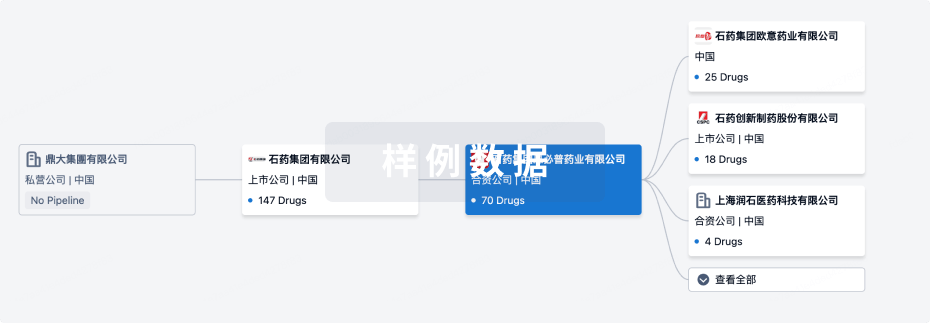
组织架构
使用我们的机构树数据加速您的研究。
登录
或
管线布局
2026年02月08日管线快照
无数据报导
登录后保持更新
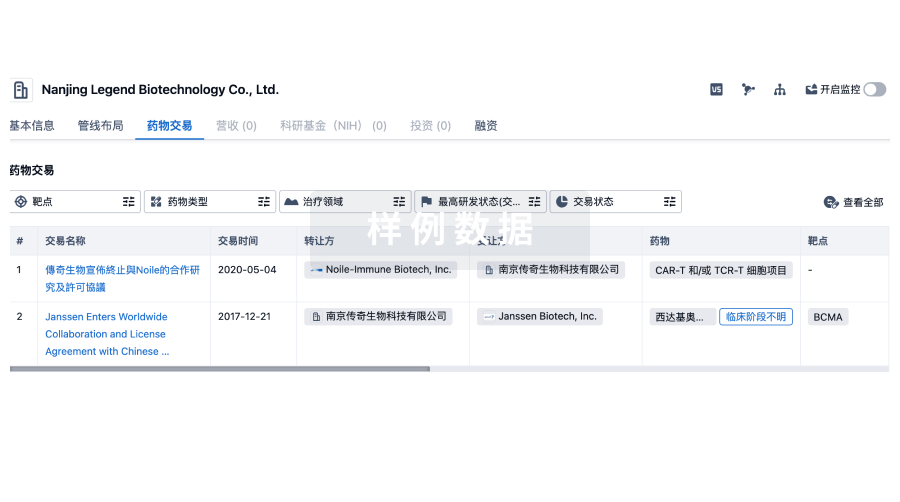
药物交易
使用我们的药物交易数据加速您的研究。
登录
或
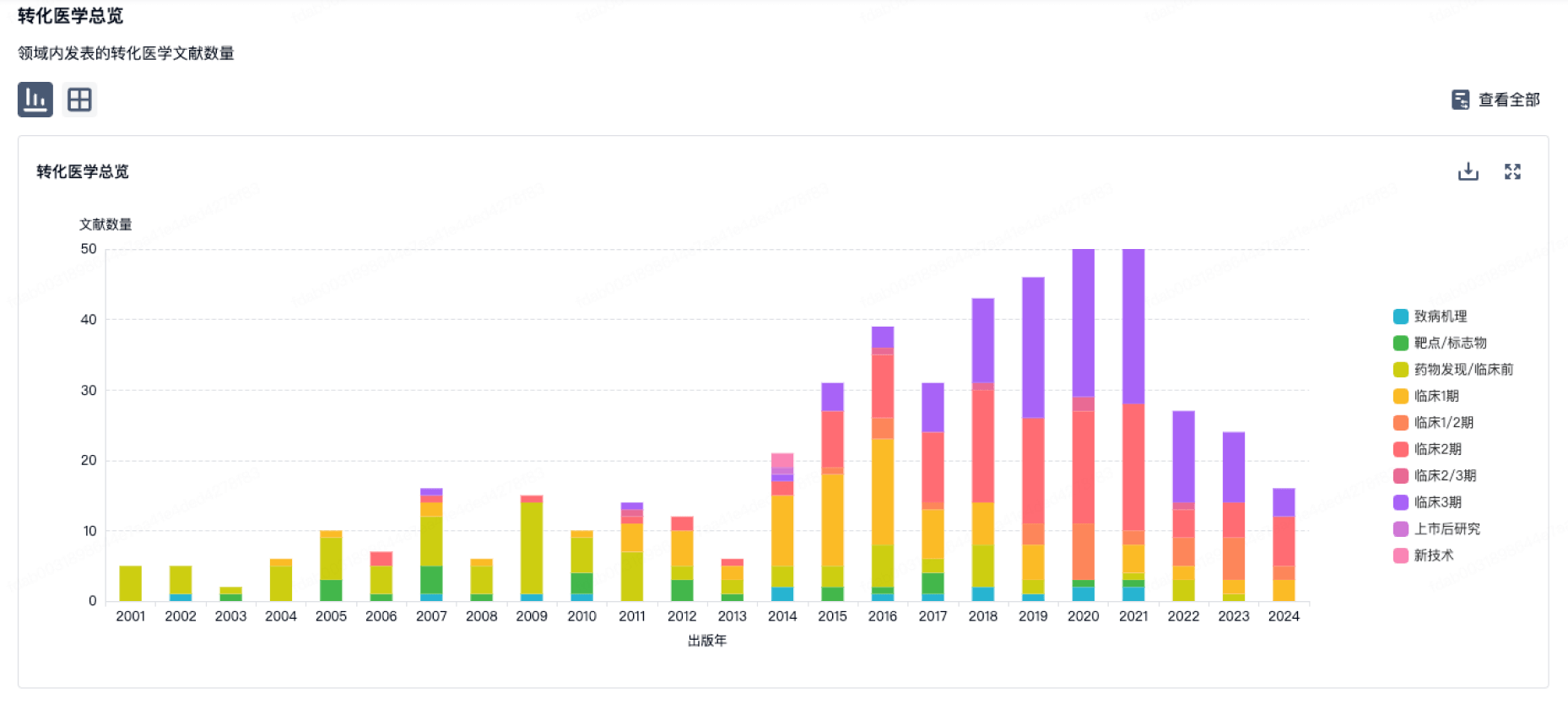
转化医学
使用我们的转化医学数据加速您的研究。
登录
或
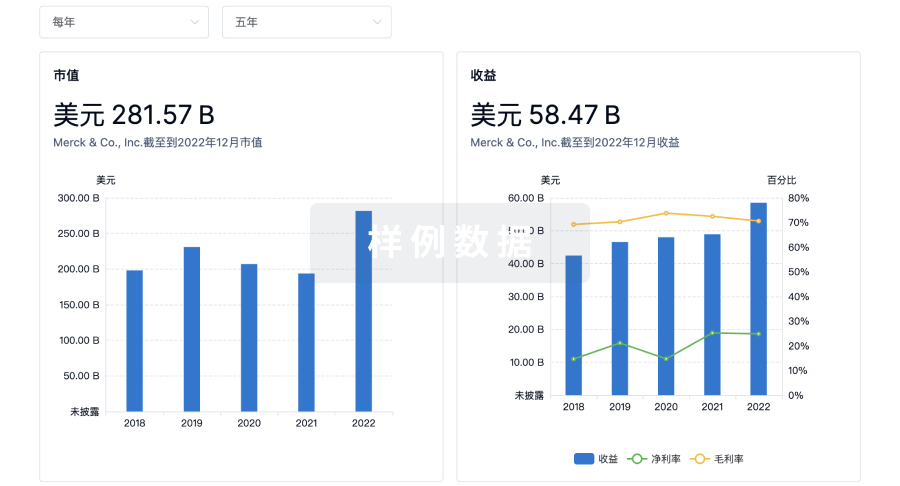
营收
使用 Synapse 探索超过 36 万个组织的财务状况。
登录
或
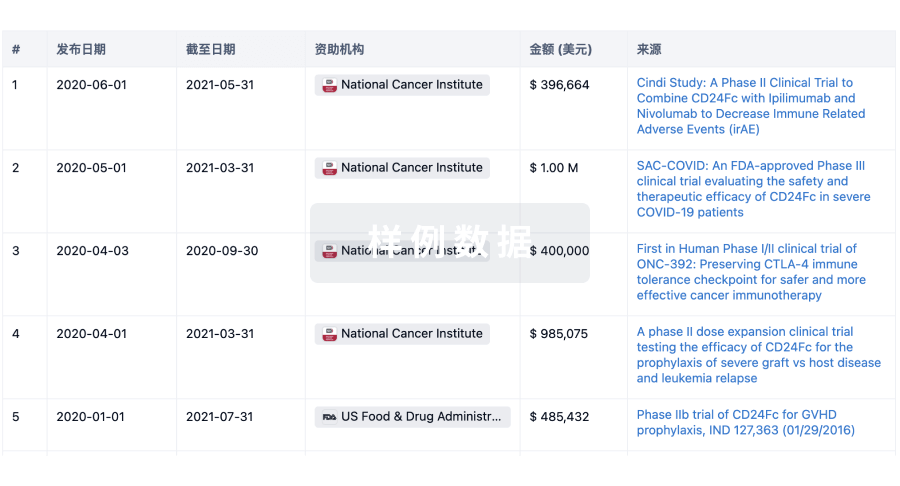
科研基金(NIH)
访问超过 200 万项资助和基金信息,以提升您的研究之旅。
登录
或
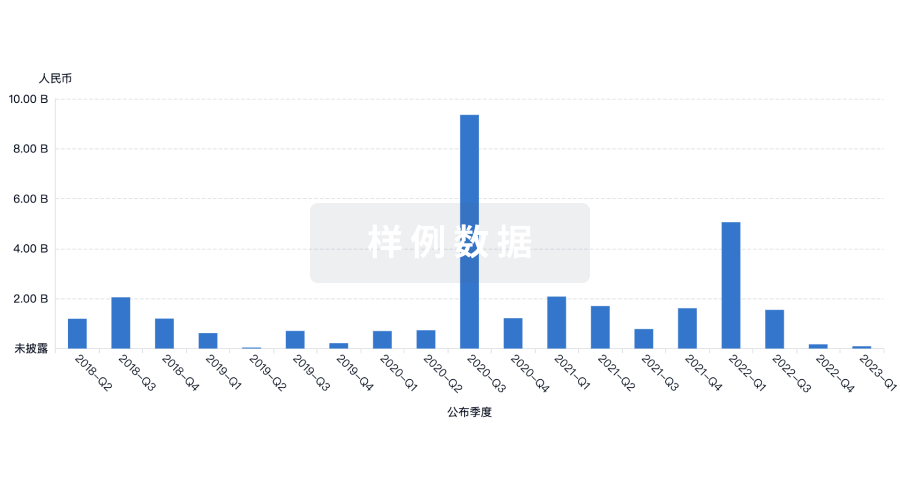
投资
深入了解从初创企业到成熟企业的最新公司投资动态。
登录
或
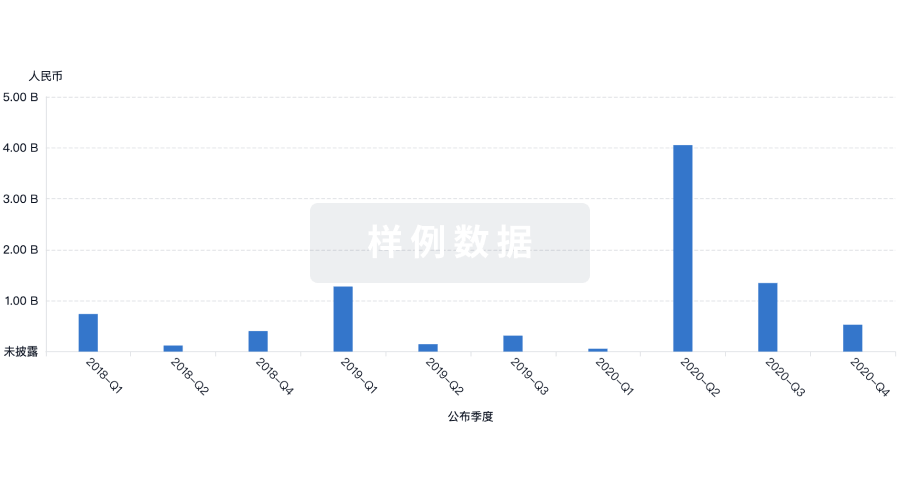
融资
发掘融资趋势以验证和推进您的投资机会。
登录
或
生物医药百科问答
全新生物医药AI Agent 覆盖科研全链路,让突破性发现快人一步
立即开始免费试用!
智慧芽新药情报库是智慧芽专为生命科学人士构建的基于AI的创新药情报平台,助您全方位提升您的研发与决策效率。
立即开始数据试用!
智慧芽新药库数据也通过智慧芽数据服务平台,以API或者数据包形式对外开放,助您更加充分利用智慧芽新药情报信息。
生物序列数据库
生物药研发创新
免费使用
化学结构数据库
小分子化药研发创新
免费使用