预约演示
更新于:2026-05-25

Guangxi LiuYao Group Co., Ltd.
更新于:2026-05-25
概览
关联
100 项与 广西柳药集团股份有限公司 相关的临床结果
登录后查看更多信息
0 项与 广西柳药集团股份有限公司 相关的专利(医药)
登录后查看更多信息
1
项与 广西柳药集团股份有限公司 相关的文献(医药)2025-07-23·JOURNAL OF AGRICULTURAL AND FOOD CHEMISTRY
Long-Term In Vivo Administration of Panaxynol Alleviates Diabetes-Induced Vascular Calcification by Modulating Sirt6-Mediated sEH Function in Perivascular Adipose Tissue
Article
作者: Luo, Pei ; Huang, Hui ; Qiu, Zhongjue ; Li, Zhanhua ; Yu, Xina ; Song, Shanshan ; Su, Hongna ; Zhang, Ying ; Liu, Yan ; Xie, Changming ; Wang, Tiantian
Panaxynol (PA), a bioactive compound found in carrots and other Apiaceae plants, holds promise for managing diabetes-related vascular complications. This study investigated the long-term effects of PA on diabetes-induced vascular calcification (DVC) in db/db mice for up to 9 weeks. The impact of PA on DVC was evaluated both in vivo and in vitro using immunohistochemical staining, Western blotting, micro-computed tomography, and other analytical techniques. Results demonstrated that PA significantly attenuated arterial calcification and collagen hyperplasia in the aorta. Additionally, PA elevated levels of the lipid signaling molecule 14,15-EET, which preserved the vascular structure and function by reducing inflammatory macrophage infiltration in perivascular adipose tissue. This protective effect was partially attributed to the PA-mediated inhibition of soluble epoxide hydrolase (sEH) through Sirt6 activation. These findings highlight PA as a potential natural therapeutic strategy for mitigating diabetic vascular complications and offer an alternative to conventional pharmacological approaches.
120
项与 广西柳药集团股份有限公司 相关的新闻(医药)2026-05-22
·今日头条
> 当传统小分子新药早期发现周期从行业平均的1-2年被压缩至3-6个月,成本直降70%时,AI在制药领域的降本增效能力已得到实证。然而,众多药企发现,局限于某一环节的“工具化”应用,难以撼动“十年十亿美元、成功率不足10%”的行业困境。
2026年,十五五开局之年,中国传统制药业的AI升级,正从单点试错步入必须打通研发、生产、供应链乃至中医药全链条的“深水区”。
## 政策驱动:国家蓝图下的转型加速
顶层设计为行业转型明确了路径与时间表。国家先后出台《医药工业数智化转型实施方案(2025—2030年)》等政策,目标到**2027年,医药工业数智化转型取得重要进展;到2030年,基本实现数智化转型全覆盖**。
具体扶持细则正在落地,企业可享受**研发费用加计扣除、税收优惠**等政策红利。地方层面,例如广东已安排**17亿元专项资金**支持中小企业数智化改造,其中不少于80%的资金直接用于支持企业应用AI及数字化软硬件产品。
## 实践突破:从研发到供应链的全链赋能
领先药企的实践勾勒出全链条数智化的轮廓,成果可量化。
- **研发端提效**:广药集团联合望石智慧,利用3D分子生成模型等技术,将小分子早期药物发现周期从1-2年缩短至**3-6个月,成本降低70%**。百济神州将AI投入临床试验阶段,实现部分项目数据实时更新,**临床研究报告(CSR)生成时间从一个月缩短至2-5天**。
- **生产端升级**:翰宇药业将盘古药物分子大模型与超10万条历史工艺数据结合,构建私域数据库,使**生产参数决策效率提升90%,批次合格率大幅提升22%**。
华润三九观澜基地通过数字孪生、AI视觉等技术,基本实现业务数字化全覆盖,打造了中药行业首套无人化自动检验场景。
- **供应链优化**:柳药集团引入华为天筹求解器后,物流配送实现智能排线,**人工排车从小时级压缩至分钟级,仓间调拨及物料成本降低约20%**。
- **中医药创新**:天士力基于盘古大模型构建“数智本草”中医药大模型,学习**4000多万篇文献、1000多本古籍**,实现从药材筛选到方剂优化的全流程智能化。云南白药则构建了覆盖“**农业端—工业端—市场端**”的数字化闭环,实现从种植到消费终端的全程可追溯。
## 核心挑战:数据、人才与可解释性鸿沟
尽管前景广阔,但迈向全链条数智化的道路仍布满荆棘。**百济神州高级副总裁郭翔指出,数据问题首当其冲**。药企内部系统孤立、数据碎片化,非结构化数据难以转化,需要大量前期投入进行标准化。
- **复合型人才短缺**:行业缺乏既懂AI技术又懂生物医药底层逻辑的人才,成为制约应用深度的关键瓶颈。
- **可解释性与监管合规**:生物医药是高度监管行业,责任必须可追溯,不能完全依赖“黑盒模型”。工业和信息化部等十部门联合印发的《人工智能科技伦理审查与服务办法(试行)》明确提出,需关注算法的**透明可解释、责任可追溯**。
对此,中国科学院深圳先进技术研究院提出了“**类关联流形学习**”方法,旨在高效地将黑盒AI模型决策规律转化为可视化知识,弥合可解释鸿沟。
## 破局之道:构建数智融合新生态
跨越深水区需要系统性的解决方案与生态协同。
> 英湃科技首席AI科学家郭继军认为,医疗行业的AI转型不能停留在“工具使用”层面,更要向“智能体执行”升级,核心是构建企业专属的知识体系。
- **共建可信数据基础设施**:推动数据标准化、合规化与共享化,探索联邦学习等隐私计算技术,实现“数据可用不可见”。
- **创新合作与人才模式**:鼓励药企与AI公司建立深度合作,共同持有研发管线权益。华润江中探索的“**双栖优聘**”模式,让高校老师全职在企业科研中心工作,有效打通了成果转化通道并培养人才。
- **回归临床价值本质**:行业共识愈发清晰,AI的价值不在于技术炫技,而在于解决药物研发全流程的实际问题,最终围绕“**临床获益**”展开。
和铂医药通过其Hu-mAtrIx™ AI平台开发的抗体药物LET003,在临床前研究中已展现出成为**同类最佳(Best-in-Class)药物**的潜力,正是价值落地的一例。
十五五开局,传统制药业的数智化转型已告别概念验证的“讲故事”阶段。从依赖人工试错的“经验驱动”转向数据与AI驱动的“科学驱动”,其终极考验在于能否以临床价值为核心,打通全链条,构建一个风险共担、利益共享的协同新生态。
这场转型不仅关乎效率与成本,更决定着中国制药产业在未来全球创新格局中的位置。
2026-05-22
·网易号
文 观察者网 吕栋 如果说传统制药像一场碰运气的“炼金术”,那AI正将其变成精准的“工程学”。它能将药物发现周期缩短一半,成本降低70%。从靶点发现到临床实验,AI可以全流程优化每个环节。 2026年开年以来,全球制药巨头开始集中加码AI。阿斯利康收购Modella AI,将其纳入其生成式多模态生物大模型中;罗氏宣布扩展其全球人工智能基础设施;礼来的AI制药工厂LillyPod投入运行,并与英伟达达成未来五年超10亿美元的合作。 大洋彼岸,广药数科利用AI将小分子早期药物发现周期从行业平均1-2年缩短至3-6月;翰宇药业利用大模型助力多肽工艺优化;天士力构建中医药大模型,实现从中药药材筛选到方剂优化的全流程智能化;柳药集团则借助AI求解器让物流可视可观。 当生命科学与AI的深度融合从“选择题”变成“必答题”,制药行业开始用实际成果证明,AI赋能制造并不是技术的简单堆砌,而是商业价值实实在在的提升。 告别“暴力试错”,AI+制药是大势所趋 一款新药的诞生究竟要付出多大代价? 首先研发时间长,当前药物研发从靶点发现到临床试验平均耗时超10年;其次投入成本高,单个新药研发成本平均超26亿美元,且临床试验阶段失败率高。最后,在长时间高成本的研发基础上,新药研发成功率低,新药发现的平均成功率只有10%,企业投资风险大。 长期以来,制药产业更像是一场耗资巨大的“暴力试错”。科学家们不得不在实验室里枯燥地合成、测试,试图在数以亿计的分子排列组合中,撞上那个亿万分之一的“正确答案”。 推动生命科学与AI深度融合,成为压缩研发周期、降低试错成本、提升研发成功率的关键突破口。去年有院士公布的数据显示,在药物发现和临床前研究阶段,传统研发模式需要3至6年。而AI可使药物总研发周期平均缩短三分之一至一半,总研发经费降低10%,总成功率由10%提升至14%。随着技术不断发展,AI给药物研发带来的变化将更为巨大。 这也解释了为何制药巨头们近乎焦虑地押注AI。与传统的信息化改造不同,AI对制药的重塑是全流程、系统性的。在这种极限博弈中,AI哪怕只将成功率提高几个百分点,也能释放出惊人的商业价值。 今年4月,OpenAI推出一款用于药物发现和转化医学的推理模型,首批客户名单包括安进、莫德纳、艾伦研究所等。葛兰素史克等巨头已开始引入AI智能体,用算法对抗人类的认知偏差。数字孪生技术也在临床试验中崭露头角,Unlearn.AI公司2025年的研究显示,通过AI分析海量历史数据模拟病人自然病程,能将帕金森病试验的对照组规模缩小38%。 从靶点发现到上市后研究,AI正在对药物研发全流程的每一个环节进行优化。对制药行业来说,核心的问题已不再是“要不要用AI”,而是“谁能更快、更深地将AI融入核心研发流程”。 迈向科学驱动,中国药企的AI实战 在全球制药巨头积极拥抱AI的同时,中国也主动在政策层面引领医药行业的数智化转型。 作为十五五“人工智能+”科研战略深化的领域之一,国家先后出台《医药工业数智化转型实施方案(2025—2030 年)》、《制造业数字化转型行动方案》等指导政策,目标到2027年,医药工业数智化转型取得重要进展;到2030年,医药工业企业基本实现数智化转型全覆盖,数智技术融合创新能力大幅提升。 国内已有多家药企打造AI底座,交出可量化的数智成果。 广州医药数智科技有限公司董事长 邹彬彬 广药集团的实践直观回答了“AI能省多少时间、降多少成本”。传统小分子新药早期发现需要1-2年,成本高昂。广药联合望石智慧,依托3D分子生成模型与电子云密度约束技术,将这一周期压缩至3-6个月,成本降低70%。MolVortex智能体作为“智能助手”,与专家配合设计分子,显著减轻重复劳动。在临床翻译和报告撰写环节,AI翻译成本较传统外包降低30%-50%,文档周期从数周压缩至小时级,撰写耗时可减少60%。 这些AI工具的正常运转离不开强劲的算力底座支撑。昇腾智算超节点、鲲鹏超算集群,搭配华为AI制药研发加速包,为小分子药物高效研发提供了坚实的算力后盾,并且通过数据存储底座,加上“算存网云”的协同,模型推理性能达到业界水平的2倍。 在深圳,翰宇药业与华为的合作走出了另一条路径。作为国内多肽药物领域的领军企业,翰宇药业将盘古药物分子大模型与其二十余年积累的超10万条历史工艺数据相结合,构建了专属的智能化私域数据库。这个解决方案能够深度融合多肽的分子结构式与历史工艺数据,进行智能分析和推理,主动生成精准的工艺优化建议。 成果是显而易见的,此举彻底改变依赖人工试错的传统研发模式,将专家20余年的内部经验和5万+文献专利全量沉淀为可检索、可调用的数字资产,彻底打破了知识壁垒,助力工艺决策从“经验驱动”迈向“科学驱动”,生产参数决策效率提升90%,批次合格率大幅提升22%。 天士力则将AI边界从化学药拓展到中医药。华为与天士力基于盘古大模型构建“数智本草”中医药大模型,通过学习4000多万篇文献、1000多本古籍和350万天然产物分子数据,形成精准的中医药知识图谱,实现从药材筛选到方剂优化的全流程智能化。天士力还将成果向业界共享,联合20多家上下游企业、学会和政府机构构建生态圈,加速形成数智中医联盟。 在供应链端,柳药集团展示了AI的另一种可能。引入华为天筹求解器后,物流配送智能排线系统实现从“人脑调度”到“智能优化”的跨越,智能建模效率较人工提升30倍,求解效率再增30%,人工排车从小时级压缩至分钟级,仓间调拨及物料成本降低约20%,配送与拣选效率提升15%-18%。这不是实验室演示,而是已在生产系统中运行的价值创造。 四个案例,展现了中国制药产业应用AI的四个维度。研发效率、工艺质量、产业协同、供应链优化,共同构成了一幅中国制药行业数智化转型的实景图。 应用AI,能强大一个国家 AI制药的赛道从不缺少火热的声音,但清醒的判断同样不可或缺。 2026年正被视为AI制药的关键转折年。有市场分析预测,全球AI药物发现市场规模将从2025年的约50-70亿美元增长至2026年的80-100亿美元,部分估算表明,生成式AI有望为制药行业整体带来每年600-1100亿美元的价值。 然而,技术光环之下,多重挑战也正在考验这个行业的真实韧性。数据稀缺性是核心难题,AI制药领域仍然存在高质量训练数据不足、数据不完整、数据质量参差不齐等问题;药物设计难以在多重目标间取得平衡,模型可解释性与分子合成可及性待提升;不可成药靶点(如MYC、IRF4等转录因子及蛋白质-蛋白质相互作用)及计算资源限制也制约发展。 但最让行业警觉的挑战来自另一个方向。2025年,谷歌DeepMind推出的AlphaFold 3成为一条分水岭,开源版可用,但闭源的商用版不向中国企业开放。而被业内誉为“AlphaFold 4”的IsoDDe已经登场,根据《自然》杂志报道,其抗体-抗原结合预测准确度是AlphaFold 3的2.3倍,更关键的是这款模型将不再开源。 有国内AI制药领域人士指出,国内大多数企业都是在AlphaFold 2和3的基础上做优化,真正做引擎开发或者使用付费产品的,不足十分之一。这触及了一个更深的焦虑:当国外先进模型不再开源,是否可能像半导体一样,成为制约中国AI制药发展的关键瓶颈? 面对挑战,破局之道正在形成共识。建立行业级的数据共享机制、开发多模态融合算法、将物理定律纳入AI模型、构建“数据+模型+实验”的闭环系统,已成为行业努力的方向。更重要的是,必须坚持自力更生、自主创新与开放合作并重。这正是华为联合国内TOP模型厂商打造高质量国产模型的逻辑所在,也是中国AI制药避免被“卡脖子”的关键路径。 在全球范围内,AI制药的竞赛正在从“概念验证”进入“临床价值验证”的深水区。初步数据证明,AI设计的药物在安全性试验中的通过率远高于传统方式。越来越多的制药巨头正在将AI智能体整合到核心研发流程中,探索从靶点发现到临床评价的全链条智能化。 “发明AI只能成就一家IT公司,应用AI却能强大一个国家和一个行业。”华为监事会副主席陶景文在AI+制造峰会2026上表示,制造业的AI升级从每一次工业革命来看都不是简单的技术问题,必须把技术进步和行业流程、组织知识做深度结合,才是发展的必经之路。 从广药集团的小分子药物智能设计到柳药集团的智能物流调度,从翰宇药业的多肽工艺优化到天士力的中药大模型。2026年的中国制药行业,正以切实的数字证明:用数智化技术重塑研发范式,已成为中国制药走向高质量发展的必然选择。 当万亿级的AI制药市场加速兑现,当自主可控的技术底座日渐筑牢,不仅中国制药产业将告别碰运气的“暴力试错”,整个中国也将向制造强国迈出坚实步伐。
2026-05-22
·腾讯网
文 观察者网 吕栋 如果说传统制药像一场碰运气的“炼金术”,那AI正将其变成精准的“工程学”。它能将药物发现周期缩短一半,成本降低70%。从靶点发现到临床实验,AI可以全流程优化每个环节。 2026年开年以来,全球制药巨头开始集中加码AI。阿斯利康收购Modella AI,将其纳入其生成式多模态生物大模型中;罗氏宣布扩展其全球人工智能基础设施;礼来的AI制药工厂LillyPod投入运行,并与英伟达达成未来五年超10亿美元的合作。 大洋彼岸,广药数科利用AI将小分子早期药物发现周期从行业平均1-2年缩短至3-6月;翰宇药业利用大模型助力多肽工艺优化;天士力构建中医药大模型,实现从中药药材筛选到方剂优化的全流程智能化;柳药集团则借助AI求解器让物流可视可观。 当生命科学与AI的深度融合从“选择题”变成“必答题”,制药行业开始用实际成果证明,AI赋能制造并不是技术的简单堆砌,而是商业价值实实在在的提升。 告别“暴力试错”,AI+制药是大势所趋 一款新药的诞生究竟要付出多大代价? 首先研发时间长,当前药物研发从靶点发现到临床试验平均耗时超10年;其次投入成本高,单个新药研发成本平均超26亿美元,且临床试验阶段失败率高。最后,在长时间高成本的研发基础上,新药研发成功率低,新药发现的平均成功率只有10%,企业投资风险大。 长期以来,制药产业更像是一场耗资巨大的“暴力试错”。科学家们不得不在实验室里枯燥地合成、测试,试图在数以亿计的分子排列组合中,撞上那个亿万分之一的“正确答案”。 推动生命科学与AI深度融合,成为压缩研发周期、降低试错成本、提升研发成功率的关键突破口。去年有院士公布的数据显示,在药物发现和临床前研究阶段,传统研发模式需要3至6年。而AI可使药物总研发周期平均缩短三分之一至一半,总研发经费降低10%,总成功率由10%提升至14%。随着技术不断发展,AI给药物研发带来的变化将更为巨大。 这也解释了为何制药巨头们近乎焦虑地押注AI。与传统的信息化改造不同,AI对制药的重塑是全流程、系统性的。在这种极限博弈中,AI哪怕只将成功率提高几个百分点,也能释放出惊人的商业价值。 今年4月,OpenAI推出一款用于药物发现和转化医学的推理模型,首批客户名单包括安进、莫德纳、艾伦研究所等。葛兰素史克等巨头已开始引入AI智能体,用算法对抗人类的认知偏差。数字孪生技术也在临床试验中崭露头角,Unlearn.AI公司2025年的研究显示,通过AI分析海量历史数据模拟病人自然病程,能将帕金森病试验的对照组规模缩小38%。 从靶点发现到上市后研究,AI正在对药物研发全流程的每一个环节进行优化。对制药行业来说,核心的问题已不再是“要不要用AI”,而是“谁能更快、更深地将AI融入核心研发流程”。 迈向科学驱动,中国药企的AI实战 在全球制药巨头积极拥抱AI的同时,中国也主动在政策层面引领医药行业的数智化转型。 作为十五五“人工智能+”科研战略深化的领域之一,国家先后出台《医药工业数智化转型实施方案(2025—2030 年)》、《制造业数字化转型行动方案》等指导政策,目标到2027年,医药工业数智化转型取得重要进展;到2030年,医药工业企业基本实现数智化转型全覆盖,数智技术融合创新能力大幅提升。 国内已有多家药企打造AI底座,交出可量化的数智成果。 广州医药数智科技有限公司董事长 邹彬彬 广药集团的实践直观回答了“AI能省多少时间、降多少成本”。传统小分子新药早期发现需要1-2年,成本高昂。广药联合望石智慧,依托3D分子生成模型与电子云密度约束技术,将这一周期压缩至3-6个月,成本降低70%。MolVortex智能体作为“智能助手”,与专家配合设计分子,显著减轻重复劳动。在临床翻译和报告撰写环节,AI翻译成本较传统外包降低30%-50%,文档周期从数周压缩至小时级,撰写耗时可减少60%。 这些AI工具的正常运转离不开强劲的算力底座支撑。昇腾智算超节点、鲲鹏超算集群,搭配华为AI制药研发加速包,为小分子药物高效研发提供了坚实的算力后盾,并且通过数据存储底座,加上“算存网云”的协同,模型推理性能达到业界水平的2倍。 在深圳,翰宇药业与华为的合作走出了另一条路径。作为国内多肽药物领域的领军企业,翰宇药业将盘古药物分子大模型与其二十余年积累的超10万条历史工艺数据相结合,构建了专属的智能化私域数据库。这个解决方案能够深度融合多肽的分子结构式与历史工艺数据,进行智能分析和推理,主动生成精准的工艺优化建议。 成果是显而易见的,此举彻底改变依赖人工试错的传统研发模式,将专家20余年的内部经验和5万+文献专利全量沉淀为可检索、可调用的数字资产,彻底打破了知识壁垒,助力工艺决策从“经验驱动”迈向“科学驱动”,生产参数决策效率提升90%,批次合格率大幅提升22%。 天士力则将AI边界从化学药拓展到中医药。华为与天士力基于盘古大模型构建“数智本草”中医药大模型,通过学习4000多万篇文献、1000多本古籍和350万天然产物分子数据,形成精准的中医药知识图谱,实现从药材筛选到方剂优化的全流程智能化。天士力还将成果向业界共享,联合20多家上下游企业、学会和政府机构构建生态圈,加速形成数智中医联盟。 在供应链端,柳药集团展示了AI的另一种可能。引入华为天筹求解器后,物流配送智能排线系统实现从“人脑调度”到“智能优化”的跨越,智能建模效率较人工提升30倍,求解效率再增30%,人工排车从小时级压缩至分钟级,仓间调拨及物料成本降低约20%,配送与拣选效率提升15%-18%。这不是实验室演示,而是已在生产系统中运行的价值创造。 四个案例,展现了中国制药产业应用AI的四个维度。研发效率、工艺质量、产业协同、供应链优化,共同构成了一幅中国制药行业数智化转型的实景图。 应用AI,能强大一个国家 AI制药的赛道从不缺少火热的声音,但清醒的判断同样不可或缺。 2026年正被视为AI制药的关键转折年。有市场分析预测,全球AI药物发现市场规模将从2025年的约50-70亿美元增长至2026年的80-100亿美元,部分估算表明,生成式AI有望为制药行业整体带来每年600-1100亿美元的价值。 然而,技术光环之下,多重挑战也正在考验这个行业的真实韧性。数据稀缺性是核心难题,AI制药领域仍然存在高质量训练数据不足、数据不完整、数据质量参差不齐等问题;药物设计难以在多重目标间取得平衡,模型可解释性与分子合成可及性待提升;不可成药靶点(如MYC、IRF4等转录因子及蛋白质-蛋白质相互作用)及计算资源限制也制约发展。 但最让行业警觉的挑战来自另一个方向。2025年,谷歌DeepMind推出的AlphaFold 3成为一条分水岭,开源版可用,但闭源的商用版不向中国企业开放。而被业内誉为“AlphaFold 4”的IsoDDe已经登场,根据《自然》杂志报道,其抗体-抗原结合预测准确度是AlphaFold 3的2.3倍,更关键的是这款模型将不再开源。 有国内AI制药领域人士指出,国内大多数企业都是在AlphaFold 2和3的基础上做优化,真正做引擎开发或者使用付费产品的,不足十分之一。这触及了一个更深的焦虑:当国外先进模型不再开源,是否可能像半导体一样,成为制约中国AI制药发展的关键瓶颈? 面对挑战,破局之道正在形成共识。建立行业级的数据共享机制、开发多模态融合算法、将物理定律纳入AI模型、构建“数据+模型+实验”的闭环系统,已成为行业努力的方向。更重要的是,必须坚持自力更生、自主创新与开放合作并重。这正是华为联合国内TOP模型厂商打造高质量国产模型的逻辑所在,也是中国AI制药避免被“卡脖子”的关键路径。 在全球范围内,AI制药的竞赛正在从“概念验证”进入“临床价值验证”的深水区。初步数据证明,AI设计的药物在安全性试验中的通过率远高于传统方式。越来越多的制药巨头正在将AI智能体整合到核心研发流程中,探索从靶点发现到临床评价的全链条智能化。 “发明AI只能成就一家IT公司,应用AI却能强大一个国家和一个行业。”华为监事会副主席陶景文在AI+制造峰会2026上表示,制造业的AI升级从每一次工业革命来看都不是简单的技术问题,必须把技术进步和行业流程、组织知识做深度结合,才是发展的必经之路。 从广药集团的小分子药物智能设计到柳药集团的智能物流调度,从翰宇药业的多肽工艺优化到天士力的中药大模型。2026年的中国制药行业,正以切实的数字证明:用数智化技术重塑研发范式,已成为中国制药走向高质量发展的必然选择。 当万亿级的AI制药市场加速兑现,当自主可控的技术底座日渐筑牢,不仅中国制药产业将告别碰运气的“暴力试错”,整个中国也将向制造强国迈出坚实步伐。
100 项与 广西柳药集团股份有限公司 相关的药物交易
登录后查看更多信息
100 项与 广西柳药集团股份有限公司 相关的转化医学
登录后查看更多信息
组织架构
使用我们的机构树数据加速您的研究。
登录
或
管线布局
2026年06月03日管线快照
无数据报导
登录后保持更新
药物交易
使用我们的药物交易数据加速您的研究。
登录
或
转化医学
使用我们的转化医学数据加速您的研究。
登录
或
营收
使用 Synapse 探索超过 36 万个组织的财务状况。
登录
或
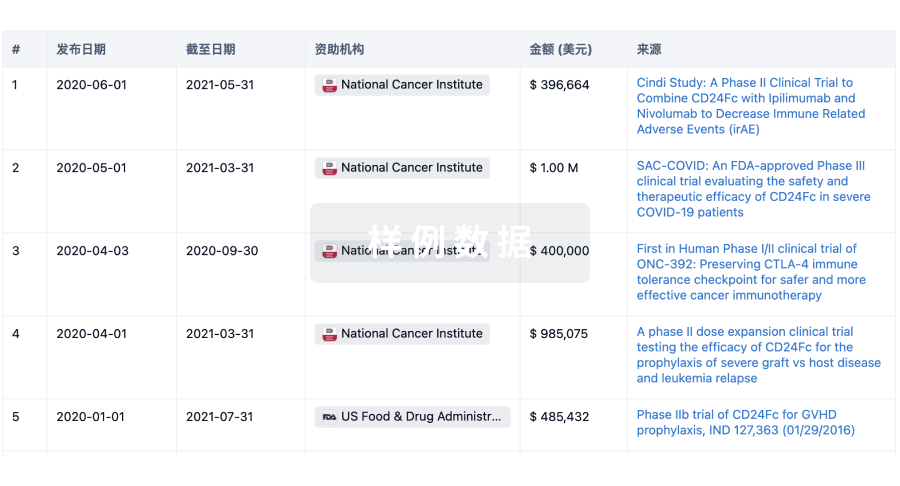
科研基金(NIH)
访问超过 200 万项资助和基金信息,以提升您的研究之旅。
登录
或
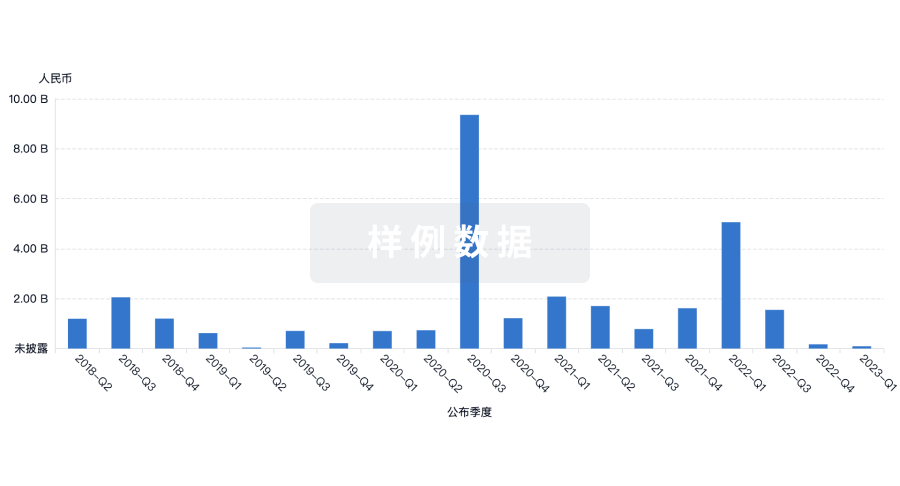
投资
深入了解从初创企业到成熟企业的最新公司投资动态。
登录
或
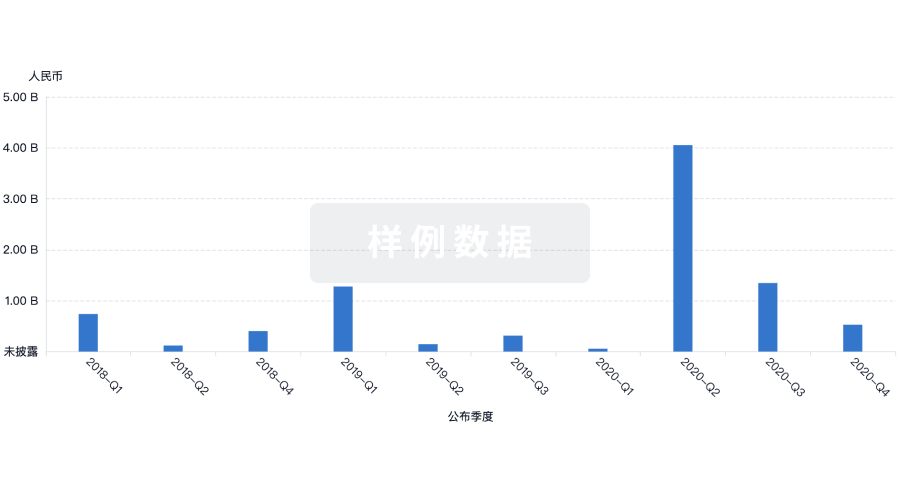
融资
发掘融资趋势以验证和推进您的投资机会。
登录
或
生物医药百科问答
全新生物医药AI Agent 覆盖科研全链路,让突破性发现快人一步
立即开始免费试用!
智慧芽新药情报库是智慧芽专为生命科学人士构建的基于AI的创新药情报平台,助您全方位提升您的研发与决策效率。
立即开始数据试用!
智慧芽新药库数据也通过智慧芽数据服务平台,以API或者数据包形式对外开放,助您更加充分利用智慧芽新药情报信息。
生物序列数据库
生物药研发创新
免费使用
化学结构数据库
小分子化药研发创新
免费使用