预约演示
更新于:2025-09-27

Invite GmbH
更新于:2025-09-27
概览
关联
100 项与 Invite GmbH 相关的临床结果
登录后查看更多信息
0 项与 Invite GmbH 相关的专利(医药)
登录后查看更多信息
45
项与 Invite GmbH 相关的文献(医药)2025-09-01·JOURNAL OF PHARMACEUTICAL AND BIOMEDICAL ANALYSIS
Automated derivatization with 6-aminoquinolyl-N-hydroxysccinimidyl carbamate for the enantioselective amino acid analysis of neurotensin synthesized by liquid phase peptide synthesis
Article
作者: Karongo, Ryan ; Pell, Reinhard ; Kroth, Isabell ; Baumann, Lars ; Fiessinger, Franz ; Holkenjans, Wiebke ; Lämmerhofer, Michael ; Resch, Sarah ; Gottfried, Michael ; Gao, Mimi ; Sievers-Engler, Adrian ; Hetzel, Terence ; Hoheisel, Werner ; Li, Feiyang ; Novak, Alexander
This study presents an automated derivatization protocol utilizing 6-aminoquinolyl-N-hydroxysuccinimidyl carbamate (AQC) for enantioselective amino acid analysis of peptides synthesized via liquid phase peptide synthesis, as exemplified by neurotensin. The primary aim was to enhance operational efficiency to manage the derivatization of large sample sets and reduce human error in routine enantioselective amino acid analysis of peptide therapeutics. The chromatographic method based on Chiralpak QN-AX demonstrated enantio- and chemoselectivity for all proteinogenic amino acids (except D-Leu/D-Ile and Glu/pGlu), with quantitative analysis achieved by HPLC-ESI-MS/MS with MRM acquisition through external calibration using stable isotope-labeled internal standards. The goal was to test for racemization of amino acids during peptide synthesis and process optimization, respectively. The results confirmed varying susceptibility to racemization among amino acids during peptide synthesis and cleavage of protection groups, with specific amino acids exhibiting higher levels of D-enantiomer formation. The developed protocol effectively assessed the amino acid composition and stereointegrity of the liquid phase synthesized neurotensin. This research and application highlights the critical role of automation in optimizing peptide analysis workflows and sets the foundation for future improvements in peptide synthesis and chromatographic conditions to enhance specificity, particularly for challenging amino acid pairs. Ultimately, the findings contribute to advancing laboratory practices in peptide chemistry, ensuring the quality and efficacy of peptide-based therapeutics.
2025-08-01·JOURNAL OF PHARMACEUTICAL SCIENCES
Untangling “dissolved” drug species from various formulations of a poorly soluble drug: Sampling methods, mechanistic insights, and IVIVC
Article
作者: Karl, Maximilian ; Anlahr, Johanna ; Feldmueller, Maximilian ; Lillotte, Tim ; Lynnerup, Jakob Tobias ; Bauer-Brandl, Annette ; Brandl, Martin ; Münster, Uwe
Our study aimed to both provide comprehensive mechanistic enlightenment of the dissolution, supersaturation, and precipitation behavior of different formulations using various sampling approaches, as well as evaluate the predictive capabilities by in vitro in vivo correlation (IVIVC). In vitro two-stage dissolution tests, that simulate the transfer from gastric to intestinal phases, using four different formulations at two dose strengths of the poorly water-soluble and weakly basic drug emodepside were performed. During the two-stage dissolution tests, five different sampling approaches were employed simultaneously (in situ 2nd derivative UV spectroscopy, benchtop centrifugation, filtration, nanofiltration, and microdialysis). Comparison of the different fractions captured by alternative sampling approaches allowed for mechanistic understandings of the interrelated processes occurring during non-sink biomimetic dissolution of the various formulations (drug-rich submicron particles, bile salt micelle-association, supersaturation/precipitation). The selective insights into the various "dissolved" fractions are discussed in the light of analogous literature findings. Furthermore, the bio-predictive capabilities of the sampling approaches were evaluated by IVIVC. Microdialysis and nanofiltration reflected human oral bioavailability best, followed by conventional filtration and benchtop centrifugation, while in situ UV spectroscopy showed the poorest correlation. Analysis of molecularly dissolved drug thus appears to better predict formulation behavior in vivo.
2025-07-15·ENVIRONMENTAL SCIENCE & TECHNOLOGY
Steric Hindrance of Glyphosate Adsorption to Metal (Hydr)oxides: A Novel Model Approach for Organic Matter-Mineral Interactions
Article
作者: Hiemstra, Tjisse ; Groenenberg, Jan E. ; Geysels, Bram ; Apreza Arrieta, Héctor S. ; Comans, Rob N. J. ; Vermeer, Arnoldus W. P.
The environmental fate of the herbicide glyphosate (PMG) is determined by its favorable binding to metal (hydr)oxides, which is affected by environmental factors and the presence of competitors. A major competitor binding to metal (hydr)oxides is natural organic matter (NOM). This study investigated the competitive binding between humic acids (HA) and PMG on goethite with batch adsorption experiments, varying pH, ionic strength, and HA surface loading. HA strongly decreases PMG adsorption, increasing its solution concentration by multiple orders of magnitude. Interpretation of the competitive adsorption data with the NOM-CD model revealed that site and electrostatic competition insufficiently explain the competition. The model can be greatly improved by introducing steric hindrance as an additional mechanism, requiring only a single adjustable parameter. At low pH, HA maximizes its interaction with the surface while at high pH, the ligands tend to move outward. Our model reveals that steric hindrance is most significant in acidic conditions, while in alkaline conditions, competition is primarily controlled by electrostatics. The steric NOM-CD model provides excellent predictions of the behavior of PMG competing with HA and provides a tool to describe the key role of NOM in assessing the availability, mobility, and risk of PMG in the environment.
3
项与 Invite GmbH 相关的新闻(医药)2023-05-24
·药明康德
▎药明康德内容团队编辑今日,知名行业媒体Endpoints News发布了生物医药40岁以下新一代领导者榜单(The 20 under 40 in Biopharma),总计22名年轻科学家和企业家上榜。Endpoints的文章指出,他们正在追逐远大的理想,包括拓展人工智能的边界,革新药物开发模式等等。今天这篇文章里,药明康德内容团队将介绍上榜的22名青年才俊。图片来源:参考资料[1]Laksh Aithani(CHARM Therapeutics创始人兼首席执行官)Laksh Aithani先生曾经是人工智能(AI)药物发现公司Exscientia的核心成员。他在华盛顿大学(University of Washington)著名学者David Baker教授的支持下,创建了CHARM Therapeutics公司。该公司的技术平台称为DragonFold,它利用深度学习,可以根据蛋白质的氨基酸序列和配体的化学结构,预测它们折叠形成的蛋白/配体复合体的3D结构。在接受药明康德内容团队采访时,Aithani先生指出,这种方法有助于找到能够调节蛋白质中别构口袋的分子,并有潜力找到从未发现过的蛋白质结合位点。这一平台不但可用于发现针对难以成药靶点的高质量候选化合物,而且能对分子的选择性进行分析,比如筛选出具有高度特异性,避免脱靶毒性的化合物。相关阅读:利用深度学习技术挑战“不可成药”界限,这家新锐打算怎么做?| 迅猛新分子Andrew Anzalone(Prime Medicine共同创始人兼先导编辑平台负责人)Anzalone博士在基因编辑先驱刘如谦(David Liu)教授实验室做博士后时,与刘如谦教授的团队一起开发了称为先导编辑(prime editing)的基因编辑技术。如果把CRISPR-Cas9技术比作基因组的“剪刀”,单碱基编辑比作“铅笔和橡皮”,先导编辑系统就好比我们使用的文本编辑软件中的“查找/替换”功能,能够查找携带突变的DNA序列,然后将它们替换成正确的DNA序列。由于这一系统的灵活性,它可以将任何碱基转化为任何其它碱基,包含了所有的12种可能性。而且,它还能够插入或删除特定的DNA序列。▲先导编辑系统不但能进行任何碱基之间的转换,而且可以插入或删除特定的DNA序列(图片来源:Prime Medicine公司官网)Anzalone博士在2020年联合创建了Prime Medicine公司,致力于开发新一代基因编辑疗法。该公司首席执行官Keith Gottesdiener博士在2023药明康德全球论坛上谈及基因编辑时提到,“这类疗法能将遗传病患者变成‘野生型’,和健康人一样。一想到这种一次治疗,永久治愈的潜力,就让人感到热血沸腾。”Hamilton Bennett(Moderna公司疫苗可及性和合作高级主任)Bennett女士2016年加入Moderna,领导mRNA疫苗开发项目。在2020年1月,她被委任领导新冠疫苗的开发活动。在接受Endpoints的采访时,她表示新冠疫情让世界了解了mRNA疫苗的巨大潜力。在mRNA新冠疫苗开发成功后,Bennett女士在2021年推出了Moderna公司的公共卫生研发管线计划,基于该公司的mRNA技术平台,推动多种创新疫苗的开发。Alexandra Collin de l’Hortet(Epic Bio公司治疗负责人)Alexandra Collin de l’Hortet博士在2019年春天加入Krystal Biotech公司,带领多款候选基因疗法的开发。其中,可重复使用的基因疗法Vyjuvek近日获得FDA批准,治疗营养不良性大疱性表皮松解症(DEB)。此后,她加入了Epic Bio公司,该公司由师从CRISPR先驱Jennifer Doudna教授的著名生物工程学家Stanley Qi(亓磊)博士创建,致力基于袖珍Cas蛋白,开发体内调控基因表达的疗法。这家公司的技术平台基于亓博士实验室开发的CasMINI蛋白,它的大小只有常见Cas9和Cas12a的不到一半,是世界上最小的Cas蛋白之一。CasMINI个头小的优势在于能够使用单个腺相关病毒(AAV)载体就能够装载Epic Bio公司开发的多种在研疗法,用于靶向广泛人体器官。Brian Fiske(Mythic Therapeutics公司共同创始人兼首席科学官)Brian Fiske博士在2017年联合创建了Mythic Therapeutics公司。该公司致力于开发更安全有效的抗体偶联药物(ADC)。ADC的作用机制是将有效载荷(payload)递送到靶标组织或疾病部位。然而,之前研究表明,绝大多数有效载荷最终会在全身其他部位非特异性释放,导致毒性并降低疗效。Mythic专有的FateControl技术平台通过改变ADC和它们的靶标在细胞内的运输,增加有效载荷在靶标组织中释放,同时减少在非靶标组织中的有效载荷释放。这种方法在提高疗效的同时也改善了药物的耐受性,从而能够治疗更广泛的患者群体。该公司在2021年完成1.03亿美元B轮融资。Ryan Fukushima(Pathos AI共同创始人兼首席执行官)Ryan Fukushima先生是一名软件工程师,他母亲患上肺癌的经历让他走上开发精准医药疗法的道路。在2015年,他加入了Tempus公司,最终成为该公司的首席运营官。这家公司使用机器学习,新一代基因组测序,和AI辅助的图像识别技术来更好地了解患者肿瘤的特征,从而为患者提供“量身定做”的最佳疗法选择。这家公司目前与90%的大药企和数千名医生达成合作。Fukushima先生同时创建了初创公司Pathos AI,利用Tempus公司的数据库,进行“老药新用”的研发。David Huss(Shape Therapeutics公司首席科学官)David Huss博士在攻读博士学位时研究T细胞的免疫学。他曾经在渤健(Biogen)公司参与抗CD25抗体daclizumab和多发性硬化疗法Tecfidera的研究。在2018年他加入Shape Therapeutics公司。这家公司的RNA编辑平台在RNA水平上对基因突变进行编辑。与CRISPR基因编辑系统不同,这种RNA编辑系统不需要任何外源的蛋白,只需要引入指导RNA就可以完成编辑,从而降低了外源蛋白可能引发的免疫反应。它可以在RNA水平上纠正点突变,敲低蛋白表达水平,诱发外显子跳跃,调节蛋白相互作用,从而用于治疗多种遗传疾病。该公司在2021年与罗氏达成30亿美元的研发合作和许可协议。Mireille Kamariza(OliLux Biosciences共同创始人兼首席执行官)Mireille Kamariza博士师从诺贝尔化学奖得主Carolyn Bertozzi教授。在2019年,她和Bertozzi教授联合创建了OliLux Biosciences公司,该公司的目标是利用Kamariza博士发现的荧光染料,在人类血液和痰液样本中发现感染,比如肺结核。该公司开发的快速检测试剂能够在一个小时内从样本中检测出导致肺结核的结核分枝杆菌的存在,为世界上仍然被肺结核困扰的很多发展中国家提供了一种快速、准确、低成本的检测方法。JeenJoo S Kang(Appia Bio首席执行官)Kang博士在创建Appia Bio公司之前是风投机构The Column Group的合伙人。在风投机构的工作教会了她在初创公司构建锐意进取的公司文化。她联合创建的Appia Bio公司致力于利用干细胞开发现货型细胞疗法。该公司在2021年获得5200万美元融资,并且与Kite公司达成研发协议,利用其名为“ACUA”的同种异体细胞技术平台,开发表达嵌合抗原受体的不变自然杀伤T细胞(CAR-iNKT)疗法。Appia Bio公司的平台利用造血干细胞生成CAR-iNKT疗法,具有改善疗法疗效和安全性,精简生产流程的潜力。Arthur Kuan(CG Oncology公司首席执行官)Arthur Kuan先生已经担任CG Oncology公司的首席执行官7年。该公司致力于开发治疗泌尿系统癌症的溶瘤病毒免疫疗法。其主要候选疗法CG0070是一种膀胱内给药的溶瘤病毒疗法,基于一种改造的5型腺病毒(Ad5)载体,表达粒细胞-巨噬细胞集落刺激因子(GM-CSF)。在裂解肿瘤细胞后,GM-CSF与肿瘤特异性抗原和其他危险信号一起释放,可以激活树突状细胞(DC),DC细胞识别肿瘤抗原,并将其呈递给细胞毒性和辅助性T细胞,从而促进其成熟。然后,这些T细胞能够在整个身体中循环,识别并攻击残留的肿瘤细胞。这一疗法目前在3期临床试验中接受检验,预计在2024年获得结果。该公司去年获得1.2亿美元融资,支持CG0070的临床开发以及监管批准。Joe Illingworth & Dave Llewellyn(DJS Antibodies共同创始人)▲Joe Illingworth博士(左)& Dave Llewellyn博士(右)当Illingworth与Llewellyn博士还是牛津大学(University of Oxford)研究所学生时,他们就对创立一家公司感到兴趣。正当他们不知从何开始时,他们收到一封关于创业计划竞赛的邮件——第一名可以获得10万英镑的奖金。“这是一个绝佳的机会学习如何创办公司,并了解需要做些什么。”Llewellyn博士回忆道。虽然他们并没有在这次竞赛当中获得第一名,但在过程中他们认识了强生创新(J&J Innovation)的负责人,其同意资助他们使得其公司得以于2016年起步。在2020年种子轮的融资中,他们所创立的DJS Antibodies获得600万英镑的投资。在去年,凭着其HEPTAD抗体发现平台所开发的潜在治疗特发性肺纤维化(IPF)药物DJS-002,该公司以2.55亿美元的价格转卖给艾伯维(AbbVie)。当回忆起如何从学术界到创建DJS时,两位创始人坦言他们最初一无所知,然而通过不断尝试、学习以及询问许多“蠢问题”,他们得到许多宝贵的建议。这种无畏的开创精神正是驱动生物医学产业前进的力量!Lachlan MacKinnon(Replay首席执行官兼共同创始人)当MacKinnon先生22岁拿到牛津大学化学硕士学位时,他便加入风投公司并开始了他人生的第一笔投资。就是在这样科学与商业背景的支持下,MacKinnon先生在2020年末与时任Sangamo Therapeutics研发部门负责人Adrian Woolfson博士见面时一拍即合,共同创建了Replay公司,并在2022年7月募集了5500万美元的资金。MacKinnon先生希望通过Replay将技术留在公司内部,然后在受控的子公司中根据这些技术开发药品。现在,Replay有四家子公司正在运营,它们使用的技术均由Replay控制,包括一种单纯疱疹病毒(HSV)载体。今年2月,Replay与MD安德森癌症中心(MD Anderson Cancer Center)共同宣布创建Syena公司,专注于开发T细胞受体-自然杀伤细胞疗法(TCR-NK)。Kevin Parker(Cartography Biosciences首席执行官兼共同创始人)怀着为癌症患者开发更好靶向疗法的目标,Parker博士与他的两位斯坦福大学(Stanford University)教授Howard Chang与Ansu Satpathy博士在2020年12月共同创建了Cartography Biosciences,并在隔年夏天获得了5700万美元的A轮融资。“我们逐渐意识到,关于我们如何理解体内的靶标,降低毒性,找到更专一、安全、有效的更好靶标,在科学上存在着差距。”Parker博士说道。Cartography的目标是开发安全有效的癌症免疫疗法,该公司目前有许多尚未揭露的管线,主要专注于实体瘤的治疗但亦有部分血液肿瘤项目。Parker博士的梦想是在癌症治疗领域,最终能够舍弃如化疗等会造成许多副作用、影响患者生活品质的系统性疗法。George Petrocheilos(Catalio Capital Management共同创始人兼共同管理合伙人)Affini-T、ArriVent、Cambrian等生物科技公司的共同点是什么?就是他们皆由George Petrocheilos先生所共同创建的Catalio Capital Management风投公司所支持。来自雅典的Petrocheilos先生在约翰-霍普金斯大学(Johns Hopkins University)念大学时,看见科学是如何最终被商业化并造福患者。怀着这样的热情,他和Jacob Vogelstein博士在2020年年初时共同创建了Catalio——一家专注投资生物医学领域的风投公司。他们与许多像是约翰-霍普金斯、加州理工学院(Caltech)等知名学术机构合作,将学术研究转化成先进疗法。目前Catalio已投资近50家生物科技公司,包含刚完成IPO的公司Recursion与atai Life Sciences。在接受行业媒体Endpoints采访时,Petrocheilos先生将他的成功归因于拥有出色的导师,他认为这是他职业生涯中最重要的事情。Reshma Ramachandran(耶鲁大学医学院助理教授)Ramachandran博士是药品监管改革倡导者,他的研究包含药企是如何决定是否开发一款新药、药物价格的决定以及加速批准通道等。她曾五次被传唤到国会作证,最近一次是关于在未来的公共卫生紧急情况下,如何确保民众能够以公平和负担得起的方式获得药物。Ramachandran博士在大学时期曾到南非进行研究工作,在那里她看见无国界医生(Doctors Without Borders)如何向政府机构倡议关于知识产权、新疗法价格制定等议题,这些经历促使她走向药品监管改革的道路,以期让更多民众能够即时地获得他们所需的药物。Leah Sibener & Marvin Gee(3T Biosciences共同创始人)▲Leah Sibener博士(左)& Marvin Gee博士(右)2017年,当Leah Sibener与Marvin Gee博士在斯坦福大学担任博士后研究员时,他们创建了专注开发T细胞受体(TCR)疗法的3T Biosciences公司。公司在去年夏天完成了4000万美元的A轮融资,并在今年年初与勃林格殷格翰(Boehringer Ingelheim)达成合作。Sibener博士在基因泰克(Genentech)工作的经历让她见证了团队合作对于科学发展的重要性。Gee博士也认为能够与具备扎实生物学背景的专家一同工作会激发出更多不同的思考方式,并吸引更多不同的人才加入团队。该公司所开发的3T-TRACE平台结合了具高度多样性靶标文库以及人工智能机器学习技术,目标为识别新的疾病靶标与TCR。Maria Soloveychik(SyntheX首席执行官兼共同创始人)Soloveychik博士在2016年与Charly Chahwan博士共同创建了SyntheX,这是一家目标为通过阻断蛋白质之间相互作用,以开发靶向不可成药靶标疗法的公司。去年10月,百时美施贵宝(BMS)与SyntheX达成研发合作协议,进一步加强其蛋白降解与细胞疗法的开发。根据合作协议,BMS将可使用SyntheX专有的ToRNeDO分子胶发现平台,以开发靶向特定靶标的小分子蛋白降解药物。根据协议,SyntheX会自BMS获得预付款,以及根据成果可能达5.5亿美元的里程碑款项。Brent Warner(Poseida Therapeutics基因疗法总裁)拥有计算机学位的Warner先生在最初未曾想过他会进入医药界工作,但在经历包含数据分析、咨询等不同公司与职务后,他发现在生物医学领域工作能够“拯救生命”是一件相当具有成就感的事。在渤健(Biogen)担任领导职务时,他曾协助在欧洲和加拿大推出了治疗脊髓性肌肉萎缩症的药物Spinraza,这也让他对基因疗法产生了兴趣,并最终加入BioMarin以及后来的诺华(Novartis)公司担任基因疗法和罕见疾病副总裁。在谈到年龄对职涯的影响时,他说道:“当我们年轻时,我们愿意承担更多的风险。而随着年龄增长,我们从风险中吸取教训。我们需要年轻、充满雄心壮志的人才来推动生物科技的进步。”Zach Weinberg(Curie Bio首席执行官兼共同创始人)Weinberg先生是一位不平凡的大学辍学生。在2007年,他创立了Invite Media软件公司,并将公司在三年后卖给谷歌(Google)。2012年他自谷歌离职,创立了另一家医疗健康软件公司Flatiron Health,然后在2018年将之售与罗氏(Roche)。然而他并不满足于这样惊人的成就,今年2月,他与Third Rock风投公司前任合伙人Alexis Borisy先生与同样来自Third Rock的Christoph Lengauer博士共同创建了Curie.bio。这是一家创新模式的风投公司,获得许多包含GV、ARCH与a16z等知名风投公司在内共5.2亿美元的支持。Curie.bio在提供创始人种子基金的同时,也提供运营公司所需的专业知识与服务,以协助初创公司成功获得A轮融资。在接受Endpoints访问时他说道:“这有点像你在大学时代打篮球,然后年纪渐长,你想做什么来享受生活呢?和朋友们打篮球,”他说,“我对创办新的、初创阶段的公司有着同样的感觉。这就是我找乐子的方式。”Hanadie Yousef(Juvena Therapeutics首席执行官兼共同创始人)Yousef博士的父亲自其四十多岁时便受许多慢性病所困扰,而这也成为驱动她投身生物医药界,开发年龄相关疾病疗法的动力。去年11月,她共同创建了Juvena Therapeutics并成功获得4100万美元的A轮融资。她在加州大学伯克利分校(UC Berkeley)担任研究生期间的课题是关于干细胞所分泌的蛋白质如何影响老化过程,这也成为Juvena公司创建的科学基础。她曾说:“借由靶向潜在的机制,我们能够开发恢复组织年轻的疗法,并最终促进健康寿命来帮助像是我父亲这样的许多人。”文中图片均来自上榜者工作机构或个人主页官网大家都在看药明康德为全球生物医药行业提供一体化、端到端的新药研发和生产服务,服务范围涵盖化学药研发和生产、生物学研究、临床前测试和临床试验研发、细胞及基因疗法研发、测试和生产等领域。如您有相关业务需求,欢迎点击下方图片填写具体信息。▲如您有任何业务需求,请长按扫描上方二维码,或点击文末“阅读原文/Read more”,即可访问业务对接平台,填写业务需求信息▲欲了解更多前沿技术在生物医药产业中的应用,请长按扫描上方二维码,即可访问“药明直播间”,观看相关话题的直播讨论与精彩回放参考资料:[1] The 20(+2) under 40: Your guide to the next generation of biotech leaders. Retrieved May 24, 2023, from https://endpts.com/the-202-under-40-your-guide-to-the-next-generation-of-biotech-leaders/免责声明:药明康德内容团队专注介绍全球生物医药健康研究进展。本文仅作信息交流之目的,文中观点不代表药明康德立场,亦不代表药明康德支持或反对文中观点。本文也不是治疗方案推荐。如需获得治疗方案指导,请前往正规医院就诊。版权说明:本文来自药明康德内容团队,欢迎个人转发至朋友圈,谢绝媒体或机构未经授权以任何形式转载至其他平台。转载授权请在「药明康德」微信公众号回复“转载”,获取转载须知。分享,点赞,在看,聚焦全球生物医药健康创新
疫苗信使RNA基因疗法核酸药物
2023-02-15
Pictured: A corporate building overlooking a freew
Curie.Bio launched this week with $520 million to take early startups from ground zero through Series A funding.
Courtesy of Getty Images
Aiming to revolutionize the model for venture capital in the biotech world, Curie.Bio launched this week with $520 million to take early startups from ground zero through Series A funding.
Curie acts “as both your drug discovery copilot and seed investor,” according to a letter posted on the company’s
site
. Instead of targeting a Series A in which founders are asked to give up control when they’ve barely begun, the new model comes alongside with drug hunters, makers and experts to support the fledgling company.
Curie’s vision is to “free the founders” by offering the support needed for a successful biotech launch while keeping founders in the pilot’s seat.
“Early mistakes in biotech are expensive. Very expensive,” Zach Weinberg, CEO and co-founder of Curie, said in an introduction video.
To help avoid those common pitfalls, Curie joins its partners as fully integrated members of the team. The firm assists in target selection, budgeting, scientific plan design and connections with the right vendors and experts.
The VC borrowed its name from Marie Curie, “the original scientist risk taker,” Weinberg told
BioSpace
.
Curie’s team doesn’t limit themselves to a specific therapeutic area.
“It can be anything from an idea on paper to an existing company with significant proof of concept data,” Weinberg said.
As long as there’s a lead program with a concept mature enough to reach a meaningful value of $5-7 million within 12-18 months, they’re game.
Curie is chock full of its own experts who are founders themselves. Weinberg sold his first company, Invite Media, to Google in 2010, and his next venture, Flatiron Health, to Roche in 2018.
Alexis Borisy, operating chairman, has co-founded a laundry list of companies, including Relay Therapeutics, EQRx, second on
BioSpace
’s NextGen Bio 2021 list and
IDRx
, number eight on
BioSpace
’s NextGen Bio 2023 roster.
Borisy and Christoph Lengauer, third co-founder and CSO, are partners at Third Rock Ventures. Lengauer is a drug hunter, having previously contributed to the discovery, development and approval of 10 drugs.
We “work with you in the trenches,” Lengauer said in the introduction video. For a period of time, Curie will be the missing chemist or biologist for their clients.
Curie’s current portfolio includes four fledglings: Forward Therapeutics and Decrypt Biomedicine, both focused on immunology; Astoria Biologica targeting MS; and Differentiated Therapeutics, which is combining bio, chemistry and AI to design degrader therapeutics.
The VC’s investors include ARCH Venture Partners, Leaps by Bayer and 5am Ventures.
2023-02-15
Courtesy of Getty Images
Aiming to revolutionize the model for venture capital in the biotech world, Curie.Bio launched this week with $520 million to take early startups from ground zero through Series A funding.
Curie acts “as both your drug discovery copilot and seed investor,” according to a letter posted on the company’s site. Instead of targeting a Series A in which founders are asked to give up control when they've barely begun, the new model comes alongside with drug hunters, makers and experts to support the fledgling company.
Curie's vision is to “free the founders” by offering the support needed for a successful biotech launch while keeping founders in the pilot's seat.
“Early mistakes in biotech are expensive. Very expensive,” Zach Weinberg, CEO and co-founder of Curie, said in an introduction video.
To help avoid those common pitfalls, Curie joins its partners as fully integrated members of the team. The firm assists in target selection, budgeting, scientific plan design and connections with the right vendors and experts.
The VC borrowed its name from Marie Curie, “the original scientist risk taker,” Weinberg told BioSpace.
Curie’s team doesn’t limit themselves to a specific therapeutic area.
“It can be anything from an idea on paper to an existing company with significant proof of concept data,” Weinberg said.
As long as there’s a lead program with a concept mature enough to reach a meaningful value of $5-7 million within 12-18 months, they’re game.
Curie is chock full of its own experts who are founders themselves. Weinberg sold his first company, Invite Media, to Google in 2010, and his next venture, Flatiron Health, to Roche in 2018.
Alexis Borisy, operating chairman, has co-founded a laundry list of companies, including Relay Therapeutics, EQRx, second on BioSpace’s NextGen Bio 2021 list and IDRx, number eight on BioSpace’s NextGen Bio 2023 roster.
Borisy and Christoph Lengauer, third co-founder and CSO, are partners at Third Rock Ventures. Lengauer is a drug hunter, having previously contributed to the discovery, development and approval of 10 drugs.
We “work with you in the trenches,” Lengauer said in the introduction video. For a period of time, Curie will be the missing chemist or biologist for their clients.
Curie’s current portfolio includes four fledglings: Forward Therapeutics and Decrypt Biomedicine, both focused on immunology; Astoria Biologica targeting MS; and Differentiated Therapeutics, which is combining bio, chemistry and AI to design degrader therapeutics.
The VC’s investors include ARCH Venture Partners, Leaps by Bayer and 5am Ventures.
100 项与 Invite GmbH 相关的药物交易
登录后查看更多信息
100 项与 Invite GmbH 相关的转化医学
登录后查看更多信息
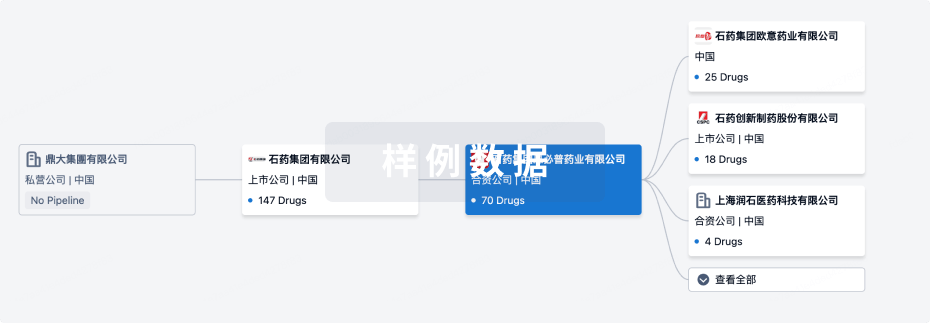
组织架构
使用我们的机构树数据加速您的研究。
登录
或
管线布局
2026年02月08日管线快照
无数据报导
登录后保持更新
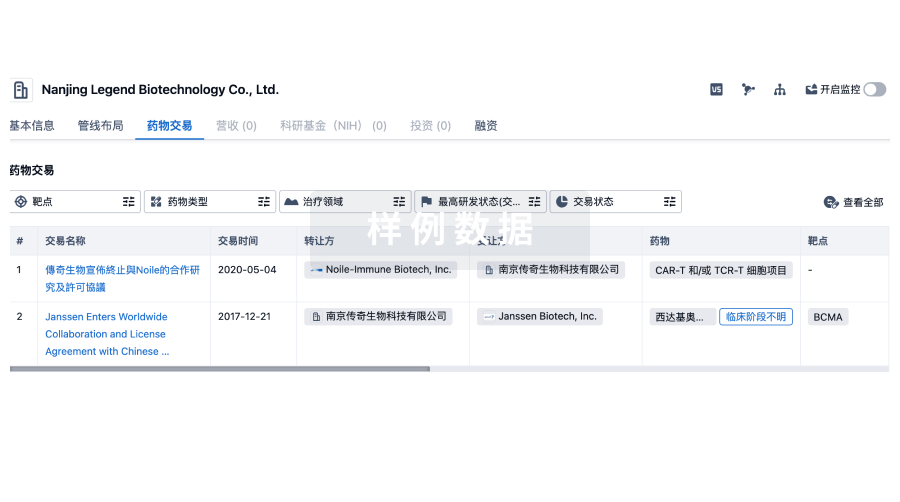
药物交易
使用我们的药物交易数据加速您的研究。
登录
或
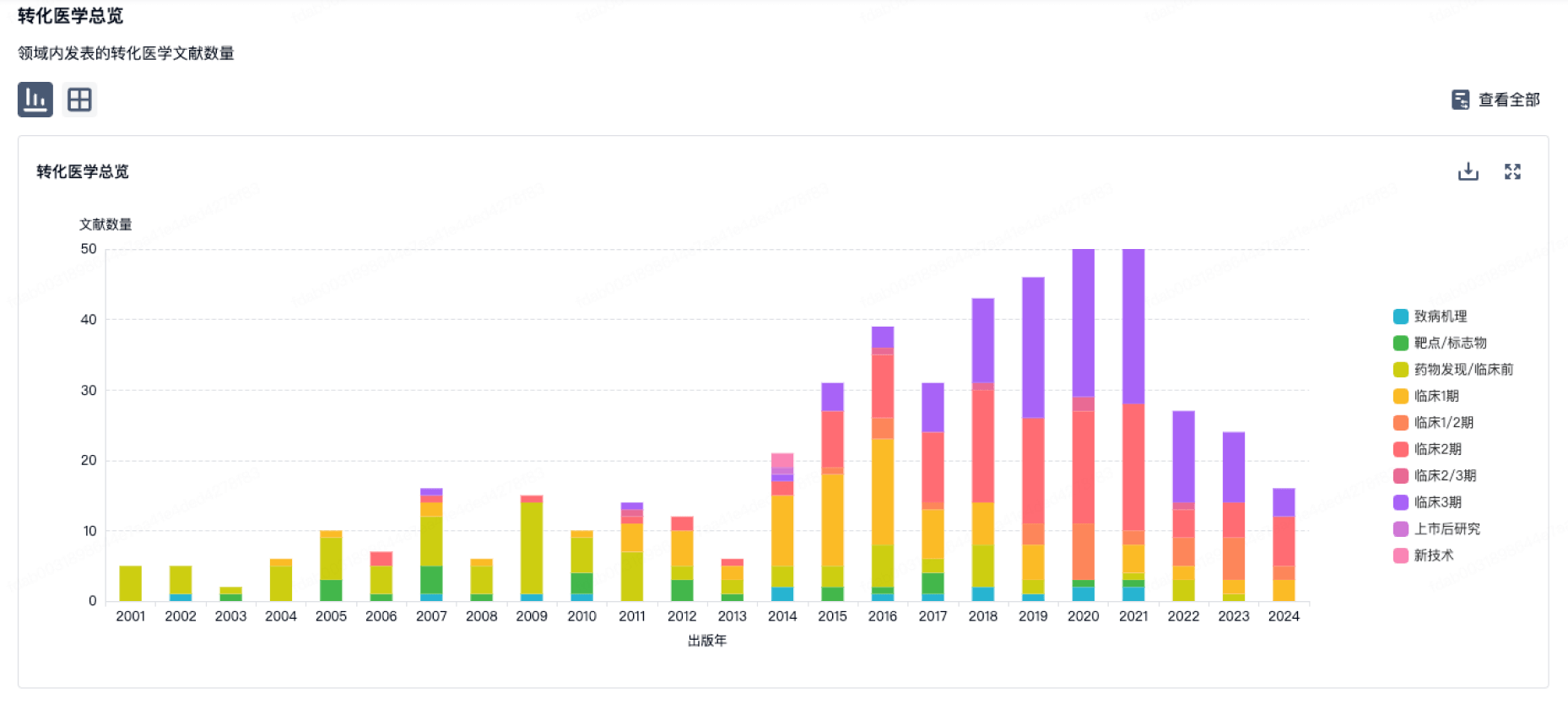
转化医学
使用我们的转化医学数据加速您的研究。
登录
或
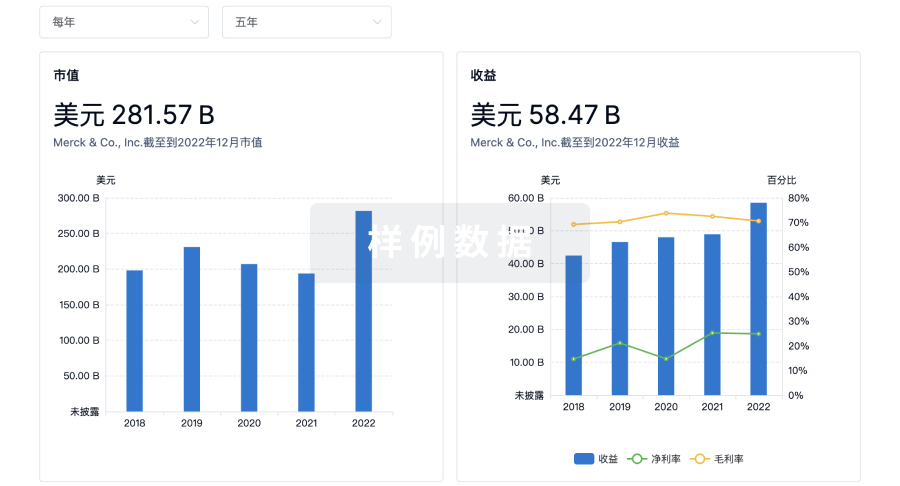
营收
使用 Synapse 探索超过 36 万个组织的财务状况。
登录
或
科研基金(NIH)
访问超过 200 万项资助和基金信息,以提升您的研究之旅。
登录
或
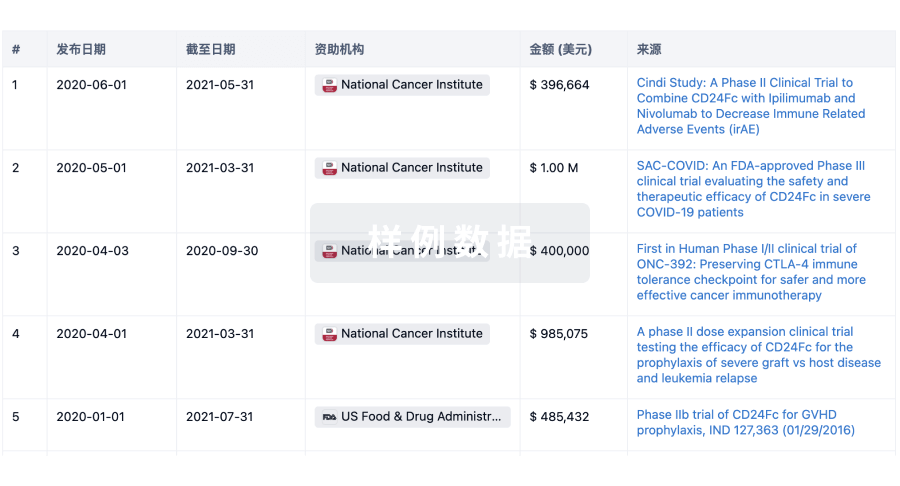
投资
深入了解从初创企业到成熟企业的最新公司投资动态。
登录
或
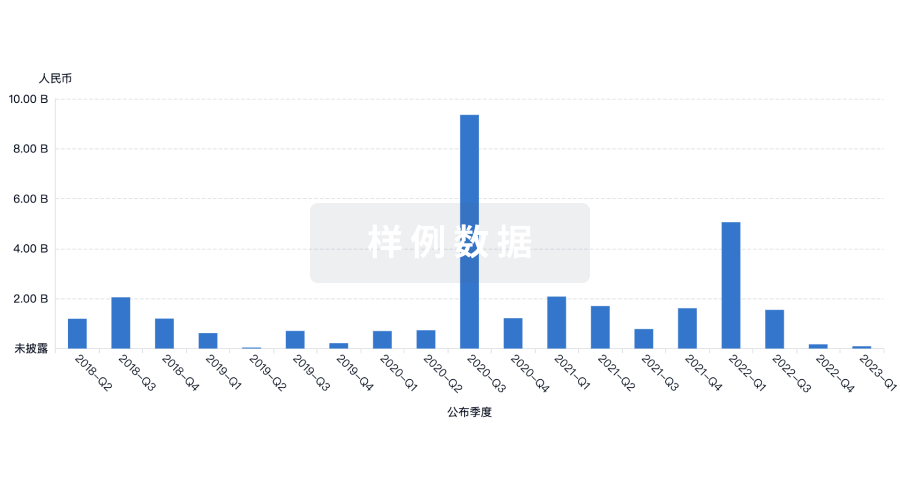
融资
发掘融资趋势以验证和推进您的投资机会。
登录
或
生物医药百科问答
全新生物医药AI Agent 覆盖科研全链路,让突破性发现快人一步
立即开始免费试用!
智慧芽新药情报库是智慧芽专为生命科学人士构建的基于AI的创新药情报平台,助您全方位提升您的研发与决策效率。
立即开始数据试用!
智慧芽新药库数据也通过智慧芽数据服务平台,以API或者数据包形式对外开放,助您更加充分利用智慧芽新药情报信息。
生物序列数据库
生物药研发创新
免费使用
化学结构数据库
小分子化药研发创新
免费使用