预约演示
更新于:2026-02-02

BMC Medical Co., Ltd.
更新于:2026-02-02
概览
关联
100 项与 北京瑞迈特医疗科技股份有限公司 相关的临床结果
登录后查看更多信息
0 项与 北京瑞迈特医疗科技股份有限公司 相关的专利(医药)
登录后查看更多信息
2
项与 北京瑞迈特医疗科技股份有限公司 相关的文献(医药)2025-05-01·IEEE Journal of Biomedical and Health Informatics
Closed-Loop Respiratory Intervention Enhances Sleep Ventilation and Oxygen Saturation in Healthy Participants With Rapid High-Altitude Exposure
Article
作者: Li, Wei ; Zhou, Boda ; Yang, Yilin ; Wang, Xiaochen ; Li, Chong ; Ji, Linhong ; Chen, Hanyu
Individuals who rapidly exposed to high-altitude environments are at risk of developing acute mountain sickness, which can inhibit the respiratory center or cause upper airway obstruction, leading to sleep apnea (SA). SA reduces oxygen saturation (SPO2) during sleep, which not only impairs sleep quality but affects cognitive and memory function. Positive airway pressure ventilation helps alleviate SA, but existing devices are prone to failure at high altitudes and are unable to realize real-time intervention based on user's physiological parameters. In this paper, we propose a respiratory ventilation system which addresses the issue of equipment failure at high altitudes through the implementation of an atmospheric pressure compensation algorithm. Additionally, we have developed a closed-loop algorithm that adjusts the inhalation and exhalation pressure based on the user's SPO2 during sleep. Experimental evaluations were conducted at an altitude of 3650 m, where participants were randomly assigned to receive closed-loop respiratory intervention, bi-level positive airway pressure (Bi-PAP) ventilation, and sham stimulation on three days. Heart rate (HR), SPO2, tidal volume (VT), respiratory rate (Rf) and sleep papameters were collected, and sleep quality was assessed. Experimental results showed that participants experienced an 26.3% elevate in ventilation (p=0.004, 0.002, 0.003, respectively), an 8% increase in SPO2 (p $< $ 0.001 on three days), reduction in apnea events and an enhancement in deep sleep duration and sleep stability. These findings demonstrate that the incorporation of the closed-loop algorithm has significantly enhanced the system's effectiveness, offering a novel solution for addressing sleep apnea in high-altitude environments.
2022-11-30·Zhongguo yi liao qi xie za zhi = Chinese journal of medical instrumentation
[Analysis of International Standard ISO 80601-2-90:2021 for High-flow Respiratory Therapy Equipment].
Article
作者: Yu, Hongyi ; Chen, Bei ; Wang, Wei ; Feng, Yuanyuan ; Chen, Xingwen ; Zhong, Youjin
The international standard ISO 80601-2-90:2021 specifies basic safety and essential performance requirements, including risks associated with oxygen, flow accuracy, oxygen concentration accuracy, humidification output performance, and corresponding test methods for high-flow respiratory therapy equipment. This study focuses on the key points in ISO 80601-2-90:2021 and the key problems in the test evaluation. This study also briefly introduces the relationship between ISO 80601-2-90:2021 and other standards, and explains the countermeasures that stakeholders should take.
30
项与 北京瑞迈特医疗科技股份有限公司 相关的新闻(医药)2026-01-30
·药闻康策
☝ 点击上方 一键预约 ☝
最新最热的医药健康新闻政策
医药行业一直有寒冬的说法,但2025年的实际业绩数据显示,情况并非如此。多家药企发布的业绩预告显示净利润大幅增长,行业呈现出强劲的盈利能力。
从医药板块来看,增长幅度相当可观。药明康德实现净利润约191.51亿元,同比增长102.65%,业绩实现翻倍。创新药企业的表现更为突出,上海谊众净利润预计6000万至7000万元,同比增长760.18%至903.54%,增幅超过七倍。
百奥赛图归母净利润1.35亿元,增长303.57%。康辰药业归母净利润预计1.45亿至1.75亿元,同比增长243%至315%。昭衍新药净利润预计2.33亿至3.49亿元,增长214%至371%。
圣诺生物净利润预计1.52亿至1.90亿元,增长204.42%至280.53%。沃华医药净利润9571.53万元,增长162.93%。这些数据表明,经过前期的研发投入,不少创新药企业已经开始进入商业化收获阶段,业绩释放明显。
甘李药业净利润预计11亿至12亿元,增长78.96%至95.23%,在胰岛素集采后依然保持了接近翻倍的增长。誉衡药业、恩威医药、山河药辅等企业也实现了50%至70%不等的稳健增长,显示行业景气度覆盖了不同规模的企业。
医疗器械板块同样表现稳健。2025年上半年,迈瑞医疗净利润约50.69亿元,营收167.43亿元,继续保持行业龙头地位。
鱼跃医疗净利润12.03亿元,营收46.59亿元。联影医疗净利润9.98亿元,营收60.16亿元。英科医疗净利润7.10亿元,营收49.13亿元。这些头部企业维持了较大的利润规模。
在增长方面,理邦仪器净利润1.54亿元,营收9.14亿元,同比增长90.9%,增速接近翻倍。惠泰医疗净利润4.25亿元,营收12.14亿元,增长21.26%。大博医疗净利润2.44亿元,营收12.10亿元,增长25.54%。
佰仁医疗净利润7140万元,营收2.48亿元,增长30.1%。瑞迈特净利润2.13亿元,营收1.90亿元,增长36.76%。微电生理净利润3266.81万元,营收2.24亿元,增长12.80%。无论是大型设备企业还是专科耗材公司,都保持了正向增长。
分析业绩增长的原因,主要包括几个方面。全球医药产业链持续向中国转移,CXO企业获得了大量国际订单。创新药企业经过多年的研发投入,产品陆续获批上市,开始产生实际收入。
医疗器械领域受益于医疗新基建和设备更新政策,市场需求稳定释放。国内医药市场的刚性需求依然存在,企业在适应集采政策后找到了新的盈利模式。
当然,这些数据只是部分企业的表现,不能代表整个行业。实际上,医药板块内部分化很严重,有不少企业日子过得依然艰难,甚至业绩下滑。
但从这些赚钱的公司身上可以看出,不管是创新药兑现、CXO拿单,还是器械国产替代,2025年确实能赚得不错。
(来源:药朋械友)
药闻康策
新媒体矩阵微信公众号
点击下方 一键关注
【免责声明】
1.“药闻康策”部分文章信息来源于网络转载是出于传递更多信息之目的,并不意味着赞同其观点或证实其内容的真实性。如对内容有疑议,请及时与我司联系。2.“药闻康策”致力于提供合理、准确、完整的资讯信息,但不保证信息的合理性、准确性和完整性,且不对因信息的不合理、不准确或遗漏导致的任何损失或损害承担责任。3.“药闻康策”所有信息仅供参考,不做任何商业交易或医疗服务的根据,如自行使用“药闻康策”内容发生偏差,我司不承担任何责任,包括但不限于法律责任,赔偿责任。
欢迎转发分享、点赞、点在看
2026-01-29
证券代码:301367
北京瑞迈特医疗科技股份有限公司
关于与关联方共同投资暨关联交易进展的公告
一、关联交易概述
北京瑞迈特医疗科技股份有限公司(以下简称“公司”)于2026 年1 月6
日召开第三届董事会第十七次会议,审议通过《关于与关联方共同投资暨关联交
易的议案》。为致力于移动氧疗业务的开拓与运营,推动高原氧疗服务的普及与
提升,经公司决定以公司自有资金,与海口润氧共赢企业管理合伙企业(有限合
伙)、关联方成都洛子科技有限公司共同投资西藏瑞迈特智氧科技有限公司。具
体内容详见公司于2026 年1 月7 日在巨潮资讯网上披露的《关于与关联方共同
投资暨关联交易的公告》(公告编号:2026-002)。
二、共同投资事项进展情况
截至本公告披露日,海口润氧共赢企业管理合伙企业(有限合伙)、西藏瑞
迈特智氧科技有限公司已完成相关工商登记手续,并分别取得了海南省市场监督
管理局和西藏拉萨经济技术开发区市场监督管理局颁发的营业执照,具体信息如
下:
(一)海口润氧共赢企业管理合伙企业(有限合伙)
名称:海口润氧共赢企业管理合伙企业(有限合伙)
统一社会信用代码:91460000MAK4YNWA0T
类型:有限合伙企业
执行事务合伙人:陈潇
成立日期:2026 年1 月9 日
主要经营场所:海南省海口市龙华区大同街道龙华路17 号财盛大厦第16
层C 区C5651 号(集中办公区)
(二)西藏瑞迈特智氧科技有限公司
名称:西藏瑞迈特智氧科技有限公司
统一社会信用代码:91540091MAK6Q2FYXX
类型:其他有限责任公司
法定代表人:陈潇
注册资本:人民币3,000 万元
成立日期:2026 年1 月27 日
住所:西藏自治区拉萨经济技术开发区博达路以南、扎西路以西西藏西海冷
链物流有限公司办公楼4 楼401 室
经营范围:一般项目:气体、液体分离及纯净设备制造;气体、液体分离及
纯净设备销售;阀门和旋塞研发;普通阀门和旋塞制造(不含特种设备制造);
阀门和旋塞销售;第一类医疗器械生产;第一类医疗器械销售;第二类医疗器械
销售;通信设备制造;通信设备销售;信息系统集成服务;物联网技术服务;互
联网销售(除销售需要许可的商品);互联网数据服务(除许可业务外,可自主
依法经营法律法规非禁止或限制的项目)许可项目:第二类医疗器械生产;互联
网信息服务(依法须经批准的项目,经相关部门批准后方可开展经营活动)
三、备查文件
1、海口润氧共赢企业管理合伙企业(有限合伙)《营业执照》;
2、西藏瑞迈特智氧科技有限公司《营业执照》。
特此公告。
北京瑞迈特医疗科技股份有限公司董事会
2026 年1 月29 日
2026-01-20
·有感而染
2025年12月,BMC Pulmonary Medicine发表了《慢性阻塞性肺疾病患者的过敏性支气管肺曲霉病:病例系列与文献综述》,题为Allergic bronchopulmonary aspergillosis in patients with chronic obstructive pulmonary disease: a case series and literature review。
背景 过敏性支气管肺曲霉病(ABPA)是一种由曲霉致敏引起的复杂超敏反应性疾病,主要与哮喘相关,但偶尔也可见于慢性阻塞性肺疾病(COPD)患者。本研究旨在分析 ABPA-COPD 重叠综合征患者的临床特征、治疗反应及长期随访结果。
方法 从我院 ABPA 队列中筛选出 6 例合并基础 COPD 的 ABPA 患者,描述其症状、影像学表现、血清学检查、肺功能及治疗结局。
结果 2013 年 1 月 1 日至 2024 年 12 月 31 日,我院共诊断 63 例 ABPA 患者,其中 6 例(9.52%)合并基础 COPD。6 例患者均为男性,年龄 63-89 岁,5 例有吸烟史。主要症状包括持续性咳嗽、咳痰和劳力性呼吸困难。血总免疫球蛋白 E(IgE)显著升高(1230-2951 KU/L),且均为烟曲霉特异性 IgE 阳性。血嗜酸性粒细胞计数为 90-1610 个 /μl。胸部计算机断层扫描(CT)显示所有患者均存在支气管扩张(以双下叶为主)和肺气肿。4 例患者口服糖皮质激素治疗反应良好,2 例需联合奥马珠单抗控制病情。随访 1-4 年后,4 例患者病情稳定,1 例反复急性加重,1 例因多器官功能衰竭死亡。
结论 对于存在持续性或复发性呼吸道症状、血嗜酸性粒细胞升高的 COPD 患者,尤其是胸部 CT 提示支气管扩张时,应考虑 ABPA 的可能。ABPA 是 COPD 患者的一种可治疗特征,糖皮质激素仍是一线治疗方案,而难治性病例可能从生物制剂治疗中获益。引言
慢性阻塞性肺疾病(COPD)是一种常见的阻塞性气道疾病,以不可逆性气流受限为特征,是全球范围内发病率、死亡率和医疗资源消耗的主要原因之一 [1]。COPD 是终身复杂、累积性和动态性基因 - 环境相互作用的终末阶段。越来越多的证据表明,真菌(尤其是曲霉)定植在 COPD 的临床表现中具有重要临床意义。在中重度急性加重期患者的痰标本中可检测到曲霉属 [2,3],且曲霉可导致 COPD 患者出现多种肺部并发症 [4],包括侵袭性曲霉病、社区获得性曲霉肺炎、慢性肺曲霉病和过敏性支气管肺曲霉病(ABPA)。
ABPA 是一种由烟曲霉超敏反应引发的复杂免疫介导的肺部疾病。烟曲霉可定植于合并基础慢性肺部疾病(尤其是哮喘和支气管扩张)患者的气道,诱导特征性的辅助性 T 细胞 2(Th2)型免疫反应和嗜酸性粒细胞炎症 [5]。
ABPA 与 COPD 的关联最早由 Agarwal 等人报道 [6]。此后,这一发现得到了国际共识指南的证实,国际人类和动物真菌学会(ISHAM)-ABPA 工作组正式将 COPD 列为 ABPA 发生的重要易感因素 [5]。Zhang 等人的研究表明,合并 COPD(风险比 = 8.525,95% 置信区间 1.827-39.773,P=0.006)是 ABPA 患者死亡的独立危险因素 [7]。此外,部分 COPD 患者表现出嗜酸性粒细胞性和过敏性表型,其特征为 Th2 介导的炎症反应增强。这类患者通常对吸入性糖皮质激素(ICS)[8] 和靶向生物治疗有临床反应。
IgE 升高和外周血嗜酸性粒细胞计数增加是 ABPA 的特征,生物制剂是治疗依赖型 ABPA 的推荐方案。ABPA 是否为 COPD 的可治疗特征仍需进一步研究。本文报道 6 例合并基础 COPD 的 ABPA 患者的诊断、治疗和预后,并复习相关文献。方法
本回顾性研究基于 2013 年 1 月 1 日至 2024 年 12 月 31 日北京大学第三医院呼吸与危重症医学科的电子病历。COPD 的诊断依据慢性阻塞性肺疾病全球倡议(GOLD)标准 [1]:存在持续性症状(包括呼吸困难、慢性咳嗽或咳痰)、疾病危险因素暴露史,且肺功能检查显示支气管舒张试验后第 1 秒用力呼气容积(FEV₁)/ 用力肺活量(FVC)<70%。
ABPA 的诊断依据《过敏性支气管肺曲霉病诊断和治疗中国专家共识》[9] 或 ISHAM-ABPA 工作组诊断和分类标准 [10]。本研究及免除知情同意均经北京大学第三医院临床研究伦理委员会批准(批准号:M2023784)。患者数据保密符合《赫尔辛基宣言》要求。
实验室检查数据包括血嗜酸性粒细胞计数、血清总 IgE、烟曲霉特异性 IgE 和烟曲霉特异性免疫球蛋白 G(IgG)。总 IgE 正常范围为 0-60 KU/L(Phadia,赛默飞世尔科技,瑞典乌普萨拉),烟曲霉特异性 IgE 阳性定义为>0.35 KU/L(Phadia,赛默飞世尔科技,瑞典乌普萨拉)。烟曲霉特异性 IgG 正常范围为 0-62.5 mgA/L(酶联免疫吸附试验,天津丹娜生物科技有限公司)。
肺功能检测为支气管舒张试验后(可逆性试验后)的 FEV₁占预计值百分比(FEV₁% pred)、FVC 占预计值百分比(FVC% pred)、FEV₁/FVC。呼出气一氧化氮(FeNO)检测采用 NIOX VERO®(CIRCASSIA,瑞典乌普萨拉)。结果
2013 年 1 月 1 日至 2024 年 12 月 31 日,我科共诊断 63 例 ABPA 患者,其中 6 例(9.52%)合并 COPD。病例系列总结见表 1。病例 1
66 岁男性,因 “间断咳嗽、咳痰 7 年,发热 5 天” 于 2019 年 7 月 30 日入院。吸烟史 40 包年。7 年前开始出现咳嗽、咳黄白色痰,在外院行肺功能检查确诊 COPD,予 ICS 联合支气管舒张剂治疗后症状缓解,但仍间断复发,多在冬春季,每年持续 2-3 个月。入院前 5 天出现发热,最高体温 38.5℃,伴活动后气短,在外院予莫西沙星治疗后症状无改善,遂来我院就诊。
胸部 CT 示双肺气肿、右上肺纤维硬结灶、右上肺及双下叶支气管扩张(图 1.A)。患者行肺功能及 FeNO 检测,结果见表 1。血总 IgE 1230 KU/L,烟曲霉特异性 IgE 2.1 KU/L(2 级),烟曲霉特异性 IgG 326 mgA/L,嗜酸性粒细胞计数 610 个 /μl。根据上述标准,诊断为 ABPA。
患者予口服甲泼尼龙治疗,起始剂量 0.5 mg/kg/ 天,逐渐减量至停药,疗程 2 个月,后续予 ICS 联合支气管舒张剂及孟鲁司特维持治疗。随访 4 年,血清总 IgE 和烟曲霉特异性 IgE 逐渐下降,但每年因 COPD 急性加重住院 1 次。随访肺功能检查示 FEV₁为 0.96 L,胸部 CT 无明显变化。病例 2
70 岁男性,无吸烟史,但有生物质燃料暴露史。30 年前开始出现咳嗽、咳痰,此后反复出现咳嗽、咳痰,伴呼吸困难,多见于冬季、活动后及花粉季节。曾予 ICS 治疗,间断使用茶碱、孟鲁司特、西替利嗪及噻托溴铵粉吸入剂。4 天前出现咳嗽、咳白色黏痰,于 2022 年 8 月 15 日来我院就诊。
患者行肺功能检测,结果见表 1。血总 IgE 1751 KU/L,烟曲霉特异性 IgE 0.42 KU/L(1 级),烟曲霉特异性 IgG 47.4 mgA/L,嗜酸性粒细胞计数 1610 个 /μl。胸部 CT 示多发肺大疱、右中叶及双下叶中心型支气管扩张。根据上述标准,诊断为 ABPA。
患者予泼尼松 0.5 mg/kg/ 天和 0.25 mg/kg/ 天各治疗 4 周后自行停药。6 个月后再次出现急性加重,予泼尼松 0.5 mg/kg/ 天逐渐减量至停药(疗程 6 个月),同时联合布地奈德 / 富马酸福莫特罗 / 格隆溴铵吸入剂及奥马珠单抗治疗。此后患者症状稳定,但总 IgE 仍>5000 KU/L,烟曲霉特异性 IgE 4.96 KU/L,嗜酸性粒细胞计数 560 个 /μl。肺功能 FEV₁从 0.92 L 升至 1.08 L。病例 3
63 岁男性,10 年前确诊 COPD,长期予沙美特罗 / 氟替卡松吸入治疗。吸烟史 30 包年,已戒烟 1 年。1.5 年前开始出现咳嗽、咳痰加重伴气短,在外院行胸部 CT 示支气管扩张,烟曲霉抗原阳性,总 IgE 1280 KU/ml,诊断为 ABPA,予伏立康唑治疗后症状仍反复,于 2020 年 8 月 20 日来我院就诊。
患者行肺功能检测,结果见表 1。血总 IgE 1280 KU/L,烟曲霉特异性 IgE 7.25 KU/L(3 级),烟曲霉特异性 IgG 464 mgA/L,嗜酸性粒细胞计数 90 个 /μl。胸部 CT 示双肺多发肺大疱,左肺下叶支气管扩张明显。
患者予口服泼尼松 0.5 mg/kg/ 天,逐渐减量至停药,疗程 6 个月。停药后随访 4 年,病情持续稳定。总 IgE 降至 209 KU/L,烟曲霉特异性 IgE 降至 1.31 KU/L,嗜酸性粒细胞计数 100 个 /μl。肺功能 FEV₁从 1.34 L 升至 1.70 L。病例 4
74 岁男性,因胸部 CT 发现肺结节于 2020 年 9 月 8 日首次来我院就诊。吸烟史 40 包年,已戒烟 10 余年。正电子发射断层显像 / 计算机断层扫描(PET/CT)示结节代谢减低。经详细评估,患者诉 7 年来活动后气短,外院既往血常规检查示嗜酸性粒细胞计数升高。
患者行肺功能检测,结果见表 1。血总 IgE 2818 KU/L,烟曲霉特异性 IgE 2.44 KU/L(2 级),烟曲霉特异性 IgG 46.2 mgA/L,嗜酸性粒细胞计数 830 个 /μl。胸部 CT 示肺气肿、肺大疱、双肺支气管扩张。同时诊断为 ABPA 和 COPD。
患者予布地奈德 / 富马酸福莫特罗 / 格隆溴铵吸入治疗,随访 3 年,症状稳定,无急性加重。血嗜酸性粒细胞计数降至正常范围,血清总 IgE 波动于 2698-3906 KU/L。肺功能 FEV₁从 1.40 L 降至 1.29 L,胸部 CT 无明显变化。病例 5
65 岁男性,吸烟史 50 包年。COPD 确诊 5 个月,予布地奈德 / 福莫特罗吸入治疗后,呼吸困难、咳嗽、咳痰症状仍未缓解,于 2023 年 11 月 24 日来我院呼吸科门诊就诊。
患者行肺功能及 FeNO 检测,结果见表 1。血总 IgE 2951 KU/L,烟曲霉特异性 IgE 0.69 KU/L(1 级),烟曲霉特异性 IgG 64.5 mgA/L,嗜酸性粒细胞计数 1440 个 /μl。胸部 CT 示双肺多发支气管扩张、支气管壁增厚及黏液栓(图 1.B)。
诊断为 ABPA 合并基础 COPD 后,患者予甲泼尼龙 0.25 mg/kg/ 天治疗 1 个月,后续予奥马珠单抗 450 mg 每 2 周 1 次,联合布地奈德 / 富马酸福莫特罗 / 格隆溴铵吸入治疗。规律随访 1 年,症状持续稳定。病例 6
89 岁男性,50 余年来反复出现劳力性呼吸困难,8 年前确诊 COPD。患者 20 余岁时曾偶尔吸烟数年。近年来 COPD 急性加重频繁,并发 Ⅱ 型呼吸衰竭,因急性加重于 2021 年 7 月 26 日入院。
血总 IgE 1881 KU/L,烟曲霉特异性 IgE 0.52 KU/L(1 级),烟曲霉特异性 IgG 132.7 mgA/L,嗜酸性粒细胞计数 430 个 /μl。胸部 CT 示双肺下叶支气管扩张,支气管壁局部明显增厚,伴黏液栓征象(图 1.C)。根据上述标准,诊断为 ABPA。
患者初始予甲泼尼龙 0.5 mg/kg/ 天治疗,4 周后减量至 0.25 mg/kg/ 天,同时予无创通气支持。1 个月后患者感染新型冠状病毒(COVID-19),进展为多器官功能障碍,最终死亡。
讨论
在本病例系列中,63 例 ABPA 患者中有 6 例(9.52%)合并基础 COPD。我们观察到两种不同的临床场景:(1)既往确诊 COPD 后发生 ABPA(病例 1、2、3、5、6);(2)既往吸烟者在常规检查中发现胸部 CT 异常,同时诊断为 COPD 和 ABPA(病例 4)。这些不同的临床场景凸显了 COPD 与 ABPA 之间复杂的相互作用。
目前,仅有 3 项研究报道了 COPD 患者中 ABPA 的患病率,范围为 0.5%-18.56%[11-13]。此外,已有多项病例报告描述了 COPD 合并 ABPA 的病例 [14-17],见表 2。然而,关于 ABPA 对 COPD 进展和结局的临床影响,相关数据仍较缺乏。
基于本研究报道的临床病例,ABPA 可能是 COPD 患者持续性呼吸道症状和反复急性加重的一个未被充分认识的病因。既往研究发现,7.7%-21% 的 COPD 患者存在曲霉致敏 [12,18,19],且曲霉致敏与 COPD 患者症状更明显、急性加重次数增加、肺功能下降加速、黏液栓形成及长期预后较差相关 [18,20,21]。ABPA 是否对 COPD 患者产生类似影响仍需进一步研究。
COPD 患者发生 ABPA 的具体机制尚不清楚。COPD 的微生物组学研究发现,烟曲霉是优势真菌物种,在 COPD 稳定期和急性加重期患者的痰标本中均常被分离到 [2]。痰中持续检测到烟曲霉可能是健康状态向 COPD 前期乃至确诊 COPD 进展的重要促进因素 [22]。
吸烟和生物质燃料暴露会损害黏液纤毛清除功能,降低 COPD 患者气道对定植曲霉分生孢子的清除能力 [23,24]。小鼠同时暴露于香烟烟雾和烟曲霉的实验证据显示,其病理改变包括肺泡腔扩大加速,同时肺部炎症介质显著上调 [25]。这些发现表明,曲霉致敏可诱导以 Th2 型炎症为主的免疫调节异常,可能导致易感人群慢性气道炎症持续存在、黏液高分泌和进行性气流受限。
在本研究报道的病例中,所有患者均存在影像学证实的支气管扩张(5 例为中心型和周围型支气管扩张,1 例为中心型支气管扩张),提示支气管扩张可能是 COPD 患者合并 ABPA 的诊断标志。Tiew 等人 [13] 发现,支气管扩张 - COPD 重叠综合征(BCO)患者中 ABPA 的发生率(34.0%)高于单纯支气管扩张患者(10.4%)和单纯 COPD 患者(4.0%)。与单纯 COPD 和单纯支气管扩张患者相比,BCO 患者合并的 ABPA 病情更严重。与 ABPA 相比,BCO 相关 ABPA 的特点是疾病进展更严重,包括急性加重率升高和肺功能下降加速。
ABPA 可能是 COPD 人群中一种独特的可治疗特征。COPD-ABPA 重叠综合征的治疗需同时兼顾两种疾病。在本研究队列中,4 例患者予 0.5 mg/kg/ 天(泼尼松等效剂量)的全身糖皮质激素治疗后症状得到有效控制。另外 2 例病情更严重的病例表明,奥马珠单抗可能作为激素节省疗法,尤其适用于反复急性加重的患者。
奥马珠单抗是目前治疗 ABPA 最常用的生物制剂,具有多方面的临床获益,包括改善症状、减少急性加重频率、降低住院率、改善肺功能及减少口服糖皮质激素需求 [5]。此外,近期荟萃分析显示,度普利尤单抗(抗白细胞介素 - 4 和白细胞介素 - 13)和美泊利单抗(抗白细胞介素 - 5)可显著降低 ABPA 患者的急性加重率、口服糖皮质激素需求和总 IgE 水平;贝那利珠单抗(抗白细胞介素 - 5 受体)也显示出类似趋势,但差异无统计学意义 [26]。
在 COPD 患者中,度普利尤单抗已被纳入 GOLD 2025 [1] 推荐,作为有急性加重史的嗜酸性粒细胞性 COPD(血嗜酸性粒细胞≥300 个 /μl)的附加治疗。100 mg 剂量的美泊利单抗在嗜酸性粒细胞表型 COPD 患者中,中度至重度急性加重的年发生率低于安慰剂 [27]。贝那利珠单抗在 COPD 患者中降低急性加重年发生率的效果为阴性 [28]。
关于替泽普单抗(抗胸腺基质淋巴细胞生成素)治疗 ABPA 的数据有限,且尚未证实其可降低中重度 COPD 急性加重的年发生率 [29,30]。然而,针对单纯白细胞介素 - 13 或骨膜蛋白的单克隆抗体治疗 ABPA 或 COPD 的数据仍非常有限。由于 ABPA 患者外周血 IgE 水平常超过 1500 KU/mL,给奥马珠单抗的剂量选择带来困难,度普利尤单抗和美泊利单抗可能是治疗 COPD-ABPA 重叠综合征的选择。仍需在更大规模队列中研究其长期结局和死亡相关影响。
本研究存在一些局限性。首先,这是一项单中心回顾性研究,样本量相对较小,可能存在选择偏倚。其次,研究缺乏匹配的 COPD 对照组,因此无法比较合并与不合并 ABPA 的 COPD 患者的治疗结局和预后。需进一步开展多中心、前瞻性大样本研究以明确这些问题。
结论
对于存在持续性或复发性呼吸道症状、Th2 型炎症标志物升高的 COPD 患者,尤其是影像学提示支气管扩张时,应考虑 ABPA 的可能。糖皮质激素仍是一线治疗方案,而难治性病例可能从生物制剂治疗中获益。大多数患者的肺损伤具有不可逆性,因此强调早期诊断和积极治疗以预防疾病进展的重要性。未来研究应聚焦于优化治疗策略,并寻找可预测该类复杂患者治疗反应的生物标志物。缩略语
英文缩写
中文全称
COPD
慢性阻塞性肺疾病
IgE
免疫球蛋白 E
ICS
吸入性糖皮质激素
FEV₁
第 1 秒用力呼气容积
FVC
用力肺活量
FeNO
呼出气一氧化氮
BCO
支气管扩张 - COPD 重叠综合征
原文下载网址:
https://doi.org/10.1186/s12890-025-04027-8
临床结果临床研究
100 项与 北京瑞迈特医疗科技股份有限公司 相关的药物交易
登录后查看更多信息
100 项与 北京瑞迈特医疗科技股份有限公司 相关的转化医学
登录后查看更多信息
组织架构
使用我们的机构树数据加速您的研究。
登录
或
管线布局
2026年05月17日管线快照
无数据报导
登录后保持更新
药物交易
使用我们的药物交易数据加速您的研究。
登录
或
转化医学
使用我们的转化医学数据加速您的研究。
登录
或
营收
使用 Synapse 探索超过 36 万个组织的财务状况。
登录
或
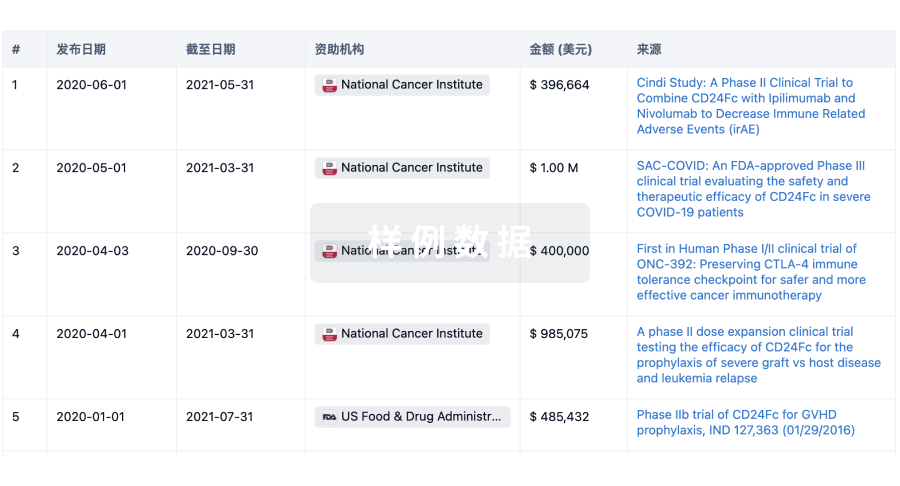
科研基金(NIH)
访问超过 200 万项资助和基金信息,以提升您的研究之旅。
登录
或
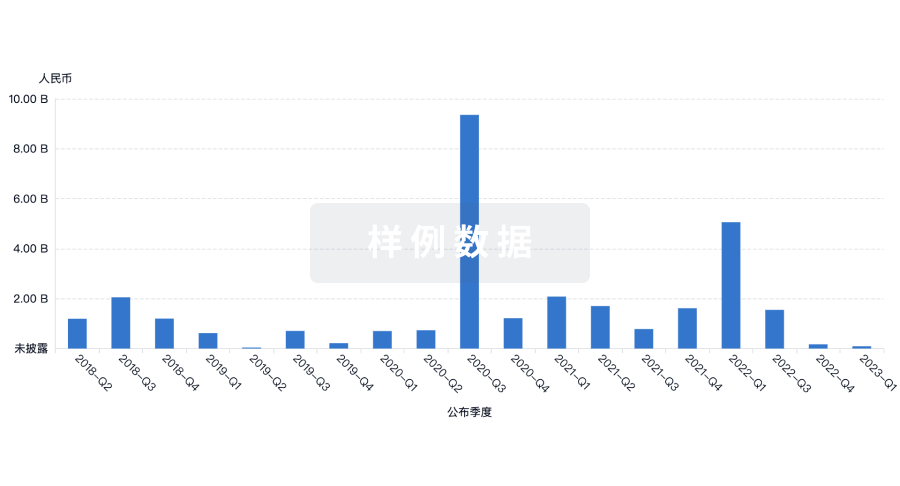
投资
深入了解从初创企业到成熟企业的最新公司投资动态。
登录
或
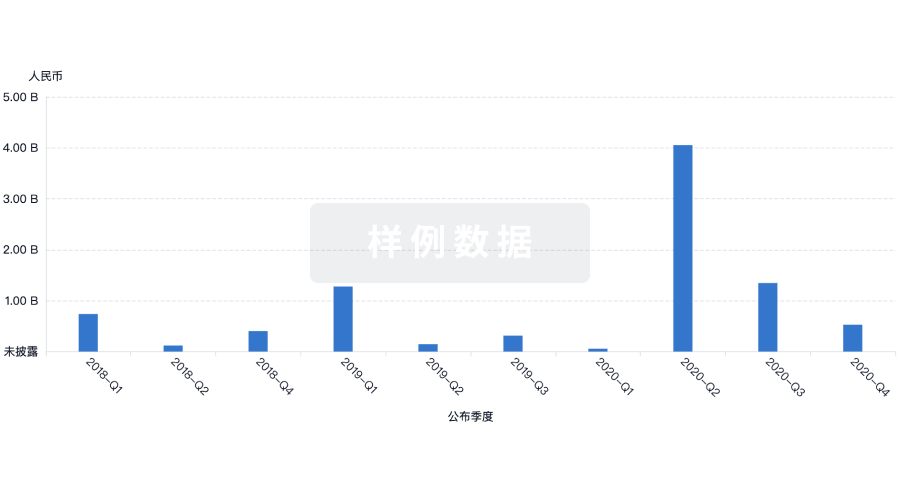
融资
发掘融资趋势以验证和推进您的投资机会。
登录
或
生物医药百科问答
全新生物医药AI Agent 覆盖科研全链路,让突破性发现快人一步
立即开始免费试用!
智慧芽新药情报库是智慧芽专为生命科学人士构建的基于AI的创新药情报平台,助您全方位提升您的研发与决策效率。
立即开始数据试用!
智慧芽新药库数据也通过智慧芽数据服务平台,以API或者数据包形式对外开放,助您更加充分利用智慧芽新药情报信息。
生物序列数据库
生物药研发创新
免费使用
化学结构数据库
小分子化药研发创新
免费使用