预约演示
更新于:2025-06-11

KRA dd
更新于:2025-06-11
概览
关联
100 项与 KRA dd 相关的临床结果
登录后查看更多信息
0 项与 KRA dd 相关的专利(医药)
登录后查看更多信息
27
项与 KRA dd 相关的新闻(医药)2025-05-07
PAQ Therapeutics has undergone a bit of a transformation since it last raised private funding nearly four years ago. When it closed its $30-million series A in 2021, the biotech was initially focused on a neurodegenerative disorder and aimed to selectively catalyse autophagy-dependent degradation using autophagosome-tethering compounds (ATTECs).Now, PAQ has turned its degrader focus toward oncology, and it's moving full-steam ahead with a pipeline of KRAS-targeted proteolysis targeting chimeras (PROTACs), rather than ATTECs. The company bagged a $39-million series B on Wednesday to fund clinical studies of its lead candidate, PT0253, and to advance its second asset through IND-enabling studies.The round was co-led by Bayland Capital and MRL Ventures Fund, with participation from Johnson & Johnson Innovation – JJDC, Inc., LAV Fund and BioTrack Capital, as well as existing investor Sherpa Health Partners.Capitalising on KRASThe biotech landed on KRAS as its target of choice after searching for diseases or cell types with autophagy upregulation, PAQ CEO and co-founder Nan Ji told FirstWord. Pancreatic ductal adenocarcinoma (PDAC) was one of the few diseases that fit the criteria, he said. "And since KRAS mutations exist in 80% to 90% of PDAC patients, KRAS naturally became a target of interest," Ji explained. The company then developed KRAS G12D-specific tool PROTACs to evaluate the difference between KRAS degradation and inhibition, but the data were so convincing that PAQ decided to optimise its PROTACs as its main focus in March 2023. The company began a Phase I safety study of lead candidate PT0253, a KRAS G12D PROTAC degrader, last quarter. KRAS G12D has quickly grown in popularity as a target of choice for pancreatic and colorectal cancers, with at least 12 disclosed assets in development, according to a FirstWord analysis (see – Spotlight On: Revolution coming for KRAS G12D).The majority of those programmes, however, are inhibitors. Ji said that preclinical data for PAQ's degraders thus far suggest they have "the potential to address key limitations of KRAS inhibitors."
临床1期蛋白降解靶向嵌合体
2025-03-22
·同写意
“投资生物科技,首先你的大方向要更加放长远。你没有长期主义,生物技术是不可能有机会的。”
高瓴资本的张磊道出了生物科技股票的本质,那就是要有耐心。只要大方向正确,尽管过程中可能会有起伏,但结果一定会是不错的。
目前,许多18A企业的股东可能对此深有感触,我自己也是。例如我一直跟踪观察的加科思,过去它饱受质疑,也经历了诸多误解,但最终从谷底起飞:今年涨幅已接近200%,惊艳所有人。
世间万物皆有因果,加科思的腾飞不是偶然。
在企业基本面方面,它已经顺利度过了艰难的“作茧”阶段,破茧成蝶,从一家纯粹的biotech变成了一家开始产生持续收入的创新药企。其在KRAS等领域的深耕,又注定了其基本面的蜕变,可能会非常持久且猛烈。
而在资本市场,加科思过去处于“负预期”阶段,在资本市场和企业基本面的双重驱动下,开始向“正常预期”方向靠拢纠偏,所以才会表现得如此出色。
尤其是当财报发布之后股价涨幅一度超过20%,我想市场已经进一步认定,加科思确实进入了转折之年。
1
当下焦点:开始产生持续收入
如何打消市场质疑?Biotech只有一个路径:展现肌肉,管线带来持续性收入。而2025年,恰恰会是加科思持续性创收的第一年。
今年,KRAS G12抑制剂Glecirasib将会在国内获批上市,由此会解锁两个收入来源:第一,来自艾力斯的里程碑款;第二,两位数比例的净销售额提成。由于是净销售的分成,因此会是加科思稳定的现金奶牛,让加科思成为一家能够持续产生收入的公司。
当然,市场想必会有疑虑,Glecirasib拿到里程碑不难,但是销售分成值得期待吗?目前没有明确答案,但是几个积极因素,我认为后续对Glecirasib的是值得期待的。
第一,国内KRAS G12C抑制剂有市场。KRAS G12C突变的肺癌本身临床就未满足,国内用药习惯导致需求可能会超过海外。王博在电话会议上,也是特意强调了这一点。
第二,是临床数据端的优势。虽然Glecirasib可能并不是最早的,但是目前来看安全性,尤其是消化道方面的安全性有明显优势,这会是加分项。
第三,临床差异化优势。虽然首发适应症进度并不是最早的,但是临床布局确实值得期待的。一方面,Glecirasib单药做泛肿瘤的临床国内领先;另一方面,Glecirasib联用SHP2抑制剂在冲击一线疗法,一旦获批,可以截流其它二线适应症,并且SHP2抑制剂也能带来收入,一举两得。
第四,商业化端的优势。2024年艾力斯销售额35亿,净利润14.2亿,这些数字已经不需要再去解释,为什么艾力斯为什么商业化能力突出,只需要知道它确实很强这一既定事实。Glecirasib的首发适应症是肺癌,也恰好是艾力斯的优势范围。
所以,商业化这一块,不可盲目乐观,但至少是可以有一定期待的。
2
未来看点:KRAS通路的纵深布局
Glecirasib是加科思迈入拐点的踏板,但不是最终的价值锚点,公司在KRAS通路的纵深布局才是。
现在的KRAS就是当年的EGFR,会成就N个百亿市值公司。约1/4的癌症患者带有KRAS突变,PD-1也就对约1/3的实体瘤患者有效。所以,KRAS算得上是PD-1后最大的癌症靶点之一,很可能孕育出下一个类似于K药年销售额超过百亿美元的药物。在今天的电话会议上,王博也是特地强调,KRAS是值得持续开发20年的通路。
现在不清楚花落谁家,但加科思布局最纵深,专利护城河最宽。深度方面,公司已经形成了:上市一代(G12C)、临床一代(泛KRAS抑制剂)、储备一代(KRAS G12D ADC)的布局。
Glecirasib成为现金奶牛之后,泛KRAS抑制剂JAB-23E73的预期开始形成。
JAB-23E73作为全球进度最快的小分子泛KRAS抑制剂,核心看点不只是进度领先,还包括:第一,相比于分子胶有成本优势,如果成药会降维打击;第二,联用探索比较前瞻,进度领先的优势会被进一步放大。
未来,KRAS G12D ADC也可能给市场惊喜。目前,KRAS G12D不管是小分子还是PROTAC方向的探索,都难言成功,KRAS G12D ADC在机制方面可能会是突破口。相比于小分子药物,利用度会更高,相比于静脉注射,依从性更好。
KRAS G12D ADC的临床价值还有待探索,但这反映出了加科思深耕KRAS通路,“做大、做透、做深”的野心,并且拿出了一定的成果。所以,KRAS通路的纵深布局,会成为驱动其长期发展的动力。
3
进入顺风局,万事已经具备
加科思在KRAS通路的纵深布局,也为其进入顺风局,增加了一个积极因素。
在KRAS领域,海外有清晰对标的同类公司——Revolution。目前,Revolution凭借pan-KRAS RMC-6236的2期数据市值就超过70亿美金。
由此会给加科思带来两大好处:
第一,给出估值锚点。
加科思到底值多少钱?市场得不出统一答案。但有Revolution作为参照物的情况下,又会显得不一样。毕竟,Revolution超过70亿美金,而加科思目前还不到30亿港币,接近20倍的价差。
但双方的实力差距,必然没有这么大。pan-KRAS抑制剂方面,加科思目前全力以赴,下半年就会有2期推荐剂量结果,进度上快速逼近。
并且,除了KRAS通路布局,加科思还有以STING激动剂为payload的iADC。目前,HER2-STING已经有所预期。
根据王博所说,HER2-STING一次给药,实现2个月左右的肿瘤消退,是近30年第一次看到这种临床数据,非常惊艳。并且,在HER-2低表达耐药患者群体中也有非常惊艳的效果,有可能成为HER-2 ADC领域的搅局者。甚至,未来有可能形成一系列靶点的布局。
或许,有人会说,现在给HER2-STING,或者是ADC预期是不是太早了?我认为不是的。核心逻辑在于两点:
第一,加科思HER2-STING的惊艳不是偶然,其STING激动剂为payload的iADC,是在吸取全球药企的教训上作出的改进,站在失败者的肩膀上前进。换句话说,技术是更成熟的。
第二,加科思相对务实。王博在电话会上很诚恳的谈论到工业界对STIN的争议,并且在谈及未来是否会布局更多靶点的时候,并没有放卫星,只说了已经做出结果的HER2-STING。
结合两个信息,在这次财报会议上加科思的iADC能够被放在台面上,我认为至少该技术在内部看来已经有了很高的期望。
现在业界对于STING确实还有分歧,但制药界中所有伟大的创新都诞生于分歧,比如PD-1曾经是一个被卖掉的管线,首款靶向药格列卫问世之后靶向药的概念依然不被工业界看好,所有的分歧下都孕育出了具有划时代意义的药物。希望STING也能成为理想主义者的胜利。在三年的熊市中坚持布局,也体现了管理层对前沿创新的执着追求与战略定力。
扯远了,回到估值层面的探讨。不能说加科思市值就对标Revolution,但双方差距倍数进一步缩小,我认为是存在理论基础。
第二,推动BD。
同时,Revolution的高市值,对于加科思未来BD的推动也会有帮助。
Revolution的高估值,首先会吸引市场对于加科思的关注。KRAS通路如此重要,必然会在后续引起各大药企的争夺。Revolution可能成也热度,败也热度,虽然进度领先,却已经不是一个并购的好标的,70多亿美金的市值对于MNC来说“值博率”有限,输了代价太大。典型如现在减肥药热门的viking,绯闻一直有,但实锤的却没有。
这一逻辑下,中国分子会吸引火力。中国分子便宜、数据好,且临床效率高,早已经是海外药企的共识。买Revolution不如买加科思或者其他国产KRAS分子合适。个人觉得,这也是为什么Revolution落(自去年高点跌三成)而加科思升的原因,可能部分资金更愿意相信加科思能在KRAS领域带来更重磅的BD,而不是Revolution。
Revolution给加科思增加热度的同时,也会抬高潜在的BD价格。正如上文提及,Revolution就是加科思的估值之锚。在电话会议上,加科思提到, pan-KRAS抑制剂受到了很多基金、企业的关注。这也反映出,BD方面加科思有条件占据绝对主导权。
如果pan-KRAS抑制剂能谈成一个大BD,也将进一步扭转市场对于加科思的认知。而资金更充沛的加科思,也可以做大、做深自己的管线,加速“飞轮”转动的速度。
虽然上述只是畅想,但资本市场回暖、基本面进入拐点,并且有Revolution的神助攻,种种有利的条件都站在加科思这一边,相信腾飞还只是开始。
关于同写意
同写意论坛是中国新药研发行业权威的多元化交流平台,二十一年来共举办会议论坛百余期。“同写意新药英才俱乐部”基于同写意论坛而成立,早已成为众多新药英才的精神家园和中国新药思想的重要发源地之一。同写意在北京、苏州、深圳、成都设立多个管理中心负责同写意活动的运营。
尊享多重企业/机构会员特权
● 分享庞大新药生态圈资源库;
● 同写意活动优享折扣;
● 会员专属坐席及专家交流机会;
● 同写意活动优先赞助权;
● 机构品牌活动策划与全方位推广;
● 秘书处一对一贴心服务。
入会请联系同写意秘书处
同写意创新链盟机构
(上下滑动查看更多)
三启生物 | 国通新药 | 通瑞生物 | 科济药业丨立迪生物 | 森西赛智 | 汇芯生物 | 申科生物 | 方拓生物 | 东抗生物 | 科盛达 | 依利特 | 翊曼生物丨锐拓生物丨复百澳生物丨圆因生物丨普洛斯丨华润三九丨皓阳生物丨人福医药丨广生堂药业丨澳宗生物丨妙顺生物 | 荣捷生物丨行诚生物 | 宜联生物 | 生命资本 | 恒诺康丨益诺思 | 深圳细胞谷丨佰诺达生物 | 沃臻生物 | 金仪盛世 | 朗信生物 | 亦笙科技 | 中健云康 | 九州通 | 劲帆医药 | 沙砾生物 | 裕策生物 | 同立海源 | 药明生基 | 奥浦迈 | 原启生物 | 百力司康 | 宁丹新药 | 上海细胞治疗集团 | 滨会生物 | FTA | 派真生物 | 希济生物 | 优睿赛思 | 血霁生物 | 优睿生物 | 邦耀生物 | 华大基因 | 银诺生物 | 百林科医药 | 纳微科技 | 可瑞生物 | 夏尔巴生物 | 金斯瑞蓬勃生物 | 健元医药 | 星眸生物 | 格兰科医药 | 莱羡科学仪器 | 明度智云 | 玮驰仪器 | 康源久远 | 易慕峰 | 茂行生物 | 济民可信 | 欣协生物 | 泰楚生物 | 泰澧生物 | 谱新生物 | 思鹏生物 | 领诺医药 | 宜明生物 | 爱科瑞思 | 阿思科力 | 博格隆生物 | 百吉生物 | 迈邦生物 | 多宁生物 | 万邦医药 | ASCT | 为度生物 | 比邻星创投 | 赛桥生物 | 吉美瑞生 | 荣泽生物 | 科金生物 | 汉超医药 | 康日百奥 | 汉腾生物 | 力品药业 | 安必生 | 博瑞策生物 | 中盛溯源 | 深研生物 | 东方略 | 赛赋医药 | 克睿基因 | 安润医药 | 镁伽科技 | 科锐迈德 | 和元生物 | 申基生物 |楷拓生物| 森松生命科技 | 凯理斯 | 尚德药缘 | 晟国医药 | 健新原力 | 纽福斯 | 华东医药 | 士泽生物 | 影研医疗科技 | 新格元生物 | 依生生物 | 腾迈医药 | 汉欣医药 | 恒驭生物 | 盛诺基 | 序祯达生物 | 乐纯生物 | 速石科技 | 耀海生物 | 新合生物 | 华龛生物 | 恺佧生物 | 成都凡微析 | 正帆科技 | 大橡科技 | 博雅辑因 | 因美纳 | 博雅控股集团 | 近岸蛋白 | 依科赛生物 | 利穗科技 | 东南科仪 | 倍谙基 | 辉诺医药 | 圣诺制药 | 埃格林医药 | 科镁信 | 爱思益普 | 复星医药 | 齐鲁制药 | 捷思英达丨荣昌生物丨泽璟制药丨奕安济世丨礼新医药丨维立志博丨派格生物丨赛生药业丨呈源生物丨启德医药丨双运生物丨宝船生物丨曙方医药丨澳斯康生物丨普莱医药丨维健医药丨海昶生物丨征祥医药丨智核生物丨望石智慧丨博生吉医药丨南京诺丹丨四星玻璃丨艾米能斯丨霁因生物丨普瑞康生物丨映恩生物丨康哲生物丨霍德生物丨海慈药业丨沃生生物丨睿健医药丨矩阵元丨斯微生物丨则正医药丨预立创投丨东立创新丨博安生物丨伟德杰生物丨星奕昂生物丨耀乘健康科技丨琅钰集团丨康德弘翼 | 原力生命科学丨上海科洲丨特瑞思丨药源丨健艾仕生物丨冠科美博丨微境生物丨天境生物丨合源生物丨泛生子丨创胜集团丨加科思药业丨丹诺医药丨凌科药业丨偶领生物丨凯斯艾生物丨成都圣诺丨松禾资本丨清普生物丨和其瑞丨开拓药业丨科兴制药丨玉森新药丨水木未来丨分享投资丨植德律所丨奥来恩丨乐明药业丨东曜药业丨君圣泰丨海创药业丨天汇资本丨再鼎医药丨济煜医药丨百英生物丨基石药业丨君实生物丨Sirnaomics,Inc.丨亦诺微丨博腾股份丨思路迪诊断丨艾博生物丨普瑞金生物丨未知君生物丨尚健生物丨阿诺医药丨有临医药丨赛业生物丨睿智医药丨博济医药丨晶泰科技丨药明康德丨创志科技丨奥星集团丨苏雅医药丨科贝源丨合全药业丨以岭药业丨科睿唯安丨DRG丨博瑞医药丨丽珠医药丨信立泰药业丨步长制药丨华素制药丨众生药业丨上海医药丨高博医疗集团丨药渡丨君联资本丨集萃药康丨诺思格丨精鼎医药丨百利药业丨Pfizer CentreOne丨默克中国创新中心丨奥来恩丨瑞博生物丨新通药物丨广东中润丨医普科诺丨诺唯赞丨康利华丨国信医药丨昆翎丨博纳西亚丨缔脉丨一品红丨和泽医药丨博志研新丨凯莱英医药丨汉佛莱丨英派药业丨京卫制药丨海思科药业丨宏韧医药丨开心生活科技丨哈三联丨Premier Research丨宣泰医药丨先声药业丨海金格丨普瑞盛医药丨Informa丨科特勒丨谋思医药丨HLT丨莱佛士丨辉瑞丨科林利康丨冠科生物丨科文斯丨卫信康丨龙沙(Lonza)丨美迪西丨阳光诺和丨润东医药丨勃林格殷格翰(中国)丨艾苏莱生物丨领晟医疗丨驯鹿医疗丨燃石医学丨中肽生化丨鸿运华宁丨泰格医药丨易迪希丨希麦迪丨百奥赛图丨迪纳利丨青云瑞晶丨鼎丰生科资本丨中源协和丨维亚生物丨青松医药丨中科谱研丨长风药业丨艾欣达伟丨鼎康生物丨中晟全肽丨海步医药丨勤浩医药丨奥萨医药丨太美医疗科技丨生特瑞丨东富龙丨Cytiva丨优辰实验室丨苏桥生物丨君达合创丨澎立生物丨南京澳健丨南京科默丨东阳光丨亚盛医药丨杰克森实验室丨上海科州丨三优生物丨三迭纪丨泰诺麦博丨Cell Signaling Technology丨PPC佳生丨澳斯康丨先为达丨智享生物丨锐得麦丨宜明昂科丨明济生物丨英百瑞丨六合宁远丨天津天诚丨百拓生物丨星药科技丨亓上生物丨真实生物丨引光医药丨方达医药丨高博医疗集团丨赞荣医药丨国投创新丨药明生物丨康哲药业丨高特佳投资丨普瑞基准丨臻格生物丨微谱医药丨和玉资本 | 倚锋资本
财报上市批准
2024-11-14
·奇点网
*仅供医学专业人士阅读参考作为最强的促癌基因,KRAS激活突变自1982年发现以来,已经过去了40多年。然而靶向KRAS突变的第一款药物,直到三年前才获批上市。不过,药物虽然已经出现,但是治疗效果却不尽如人意。在接受治疗的患者中,对药物有反应的患者不足50%;即使是那些有反应的患者,大多也会在半年之内发生耐药且癌症复发[1]。药物的疗效不够好,说明了一个问题:我们对KRAS突变驱动癌症发生发展的机制,仍没有认识清楚。近日,由美国国家癌症研究所Douglas R. Lowy和Brajendra K. Tripathi领衔的研究团队,在著名期刊《自然·癌症》上发表了一篇研究论文[2],揭示了一个出人意料的RAS促癌新机制。他们发现了一个基础的、致癌的、非典型的RAS-GTP活性功能,它能增加依赖于核输出蛋白1(XPO1)的核组蛋白赖氨酸甲基转移酶EZH2向细胞质输出,这会导致重要抑癌蛋白被降解,进而促进癌症的进展。值得注意的是,他们还证实,RAS的这一促癌活性独立于经典的PI3K/AKT和RAF/MEK信号通路。更重要的是,这个研究不仅指出了MEK抑制剂和PI3K抑制剂等经典RAS信号传导抑制剂疗效有限的潜在原因,还指出了RAS抑制剂联合疗法新思路。▲ 论文首页截图Lowy/Tripathi团队发现这一全新机制也属于偶然。一直以来,他们都在研究一个重要抑癌基因——肝癌缺失基因1(DLC1)。在2021年的时候,他们在肺癌中发现,细胞质中的EZH2会甲基化DLC1的一个特定赖氨酸残基,导致DLC1通过泛素化途径降解,而且这一过程可能与KRAS有关[3]。这一发现让Lowy/Tripathi感到非常奇怪。因为从名字就可以看出,组蛋白赖氨酸甲基转移酶EZH2其实是个核蛋白,那它怎么会跑到细胞质里面去消灭抑癌蛋白呢?他们先找到了核输出蛋白1(XPO1),因为它负责大多数核蛋白进入细胞质,而且也在EZH2中发现了与XPO1互作的核输出信号。于是,他们用XPO1特异性抑制剂selinexor处理A549非小细胞肺癌细胞系,结果发现细胞质中检测不到EZH2了,而细胞核中EZH2的未受干扰。考虑到他们三年前的研究还发现了KRAS的身影,他们又在携带KRASG12S突变的A549细胞系中,测试了敲除KRAS对EZH2的影响。他们发现,无论是敲除KRAS还是抑制XPO1,都会导致细胞质中EZH2减少,以及抑癌蛋白DLC1的水平增加。而且,与单独抑制相比,联合抑制XPO1和KRAS不会进一步增加DLC1蛋白水平,这表明XPO1和KRAS可能在一条线上。此外,在携带KRASG12C突变型的NCI-H23肺癌细胞系中,KRAS-G12C特异性抑制剂sotorasib与XPO1抑制剂联用,也会导致细胞质中EZH2减少。不难看出,KRAS确实在调控细胞质中抑癌蛋白DLC1的水平。▲ KRAS对细胞质中EZH2和DLC1的影响既然KRAS牵涉其中,Lowy/Tripathi团队很自然就想到了KRAS下游的两条经典信号通路——MAPK和PI3K信号通路,毕竟绝大多数RAS的致癌活性被认为是由二者介导的。然而,出人意料的是,无论是单独使用MEK抑制剂(U0126-ethanol)或PI3K抑制剂(wortmannin),还是二者联合处理携带KRASG12C突变的人肺腺鳞癌细胞系H1703,都并不影响细胞质中EZH2或DLC1蛋白水平。相比之下,XPO1抑制剂增加了DLC1蛋白水平。基于以上结果,Lowy/Tripathi团队认为KRAS对XPO1依赖性信号通路的影响,独立于经典KRAS信号通路。▲ KRAS对XPO1依赖性信号通路的影响,独立于经典KRAS信号通路接下来的问题是,KRAS究竟是如何通过XPO1影响了细胞核蛋白往细胞质中输出。Lowy/Tripathi团队的研究结果显示,整个过程可以分成四步:第一步,Ras相关核蛋白(Ran)·GTP、XPO1和需要运输的靶蛋白EZH2,会在细胞核中形成三聚体蛋白复合物Ran·GTP-XPO1-EZH2;第二步,三聚体蛋白复合物会经由核孔复合体(NPC)穿过核孔,并与核孔复合体暴露在细胞质中的部分NUP358结合;第三步,细胞质中的RAS-GTP会与Ran·GTP酶激活蛋白1(RanGAP1)形成复合物,促进Ran·GTP向Ran·GDP水解,并将EZH2释放到细胞质中;第四步,细胞质中的EZH2会将抑癌蛋白DLC1甲基化,然后使其泛素化并降解。不难看出,XPO1抑制剂在细胞核内抑制了三聚体蛋白复合物的形成,进而抑制EZH2进入细胞质;而KRAS抑制剂则通过抑制KRAS-RanGAP1复合体的形成,抑制EZH2的释放,进而保全抑癌蛋白DLC1。▲ 机制示意图在研究机制的过程中,Lowy/Tripathi团队还发现,GTP结合形式的KRAS优先结合RanGAP1;而且与野生型KRAS相比,RanGAP1与突变型KRAS-G12C和KRAS-G12D的结合更强。此外,考虑到人肺癌中抑癌蛋白DLC1的活性降低还与AKT和SRC激酶有关[4],因此Lowy/Tripathi团队测试了KRAS抑制剂联合AKT抑制剂和SRC抑制剂的抗癌效果,结果发现三者联合抗癌效果最强。▲ KRAS抑制剂联合AKT抑制剂和SRC抑制剂,抗癌效果更好总的来说,Lowy/Tripathi团队发现了一种以前未被描述过的RAS与RanGAP1构成的复合物,并证实RAS参与了核蛋白往细胞质转运的过程,揭示了KRAS促癌的全新机制。Douglas R. Lowy和Brajendra K. Tripathi认为,他们这一发现至少有两个临床价值。首先,它部分解释了经典RAS信号通路抑制剂(如MEK抑制剂和PI3K抑制剂)临床疗效有限的原因;其次,将SRC抑制剂与KRAS抑制剂联用,可能会提升KRAS抑制剂的抗癌效果。最后,我要隆重推荐下我们的《2024年KRAS靶点深度盘点》课程。这个课程不仅深度总结了KRAS靶点和信号通路的底层作用机制,还系统性盘点了一些重要药物的研发历程和最新的临床研究进展。此外,从这款课程中,你还可以看到未来十年KRAS靶向药物研发的大趋势。无论如何,如果你想对KRAS有更全面的了解,欢迎你扫描下图二维码买来听一听,也欢迎大家在听完之后跟我们交流关于KRAS的相关问题。参考文献:[1].Klomp JE, Diehl JN, Klomp JA, et al. Determining the ERK-regulated phosphoproteome driving KRAS-mutant cancer. Science. 2024;384(6700):eadk0850. doi:10.1126/science.adk0850[2].Tripathi BK, Hirsh NH, Qian X, et al. The pro-oncogenic noncanonical activity of a RAS•GTP:RanGAP1 complex facilitates nuclear protein export. Nat Cancer. Published online November 11, 2024. doi:10.1038/s43018-024-00847-5[3].Tripathi BK, Anderman MF, Bhargava D, et al. Inhibition of cytoplasmic EZH2 induces antitumor activity through stabilization of the DLC1 tumor suppressor protein. Nat Commun. 2021;12(1):6941. Published 2021 Dec 3. doi:10.1038/s41467-021-26993-3[4].Tripathi BK, Anderman MF, Qian X, et al. SRC and ERK cooperatively phosphorylate DLC1 and attenuate its Rho-GAP and tumor suppressor functions. J Cell Biol. 2019;218(9):3060-3076. doi:10.1083/jcb.201810098本文作者丨BioTalker
核酸药物
100 项与 KRA dd 相关的药物交易
登录后查看更多信息
100 项与 KRA dd 相关的转化医学
登录后查看更多信息
组织架构
使用我们的机构树数据加速您的研究。
登录
或
管线布局
2026年02月09日管线快照
无数据报导
登录后保持更新
药物交易
使用我们的药物交易数据加速您的研究。
登录
或
转化医学
使用我们的转化医学数据加速您的研究。
登录
或
营收
使用 Synapse 探索超过 36 万个组织的财务状况。
登录
或
科研基金(NIH)
访问超过 200 万项资助和基金信息,以提升您的研究之旅。
登录
或
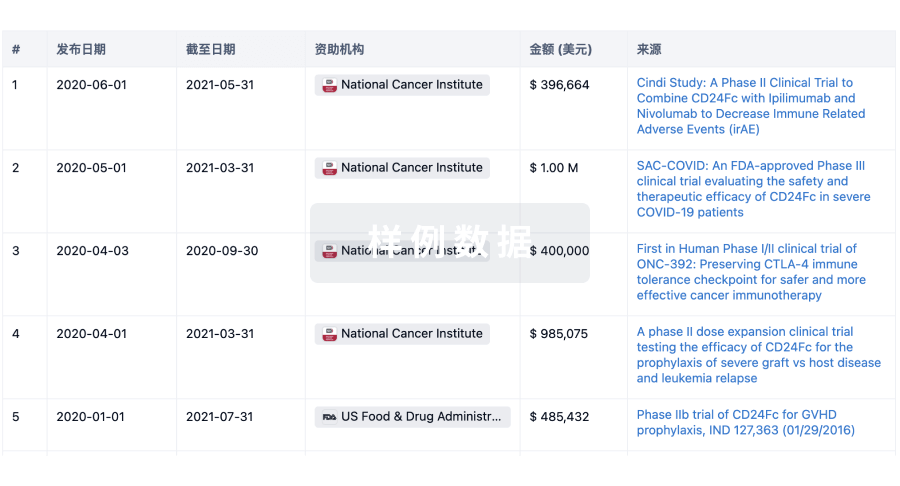
投资
深入了解从初创企业到成熟企业的最新公司投资动态。
登录
或
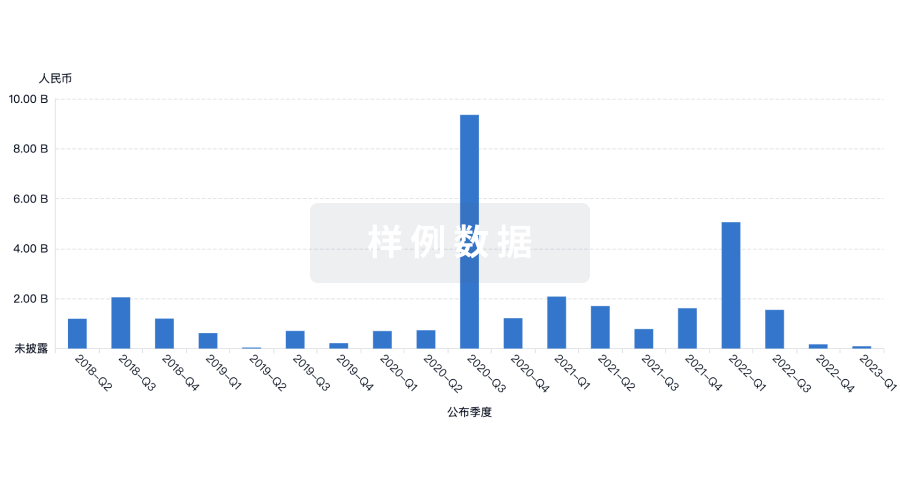
融资
发掘融资趋势以验证和推进您的投资机会。
登录
或
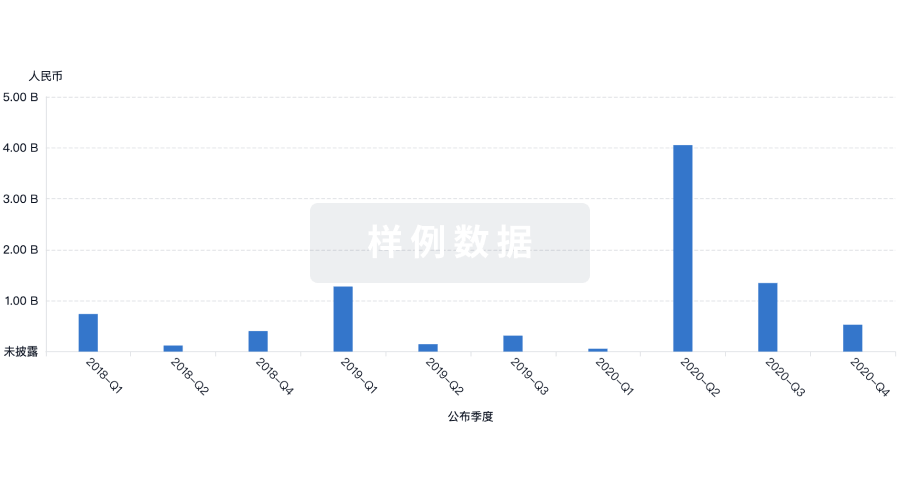
生物医药百科问答
全新生物医药AI Agent 覆盖科研全链路,让突破性发现快人一步
立即开始免费试用!
智慧芽新药情报库是智慧芽专为生命科学人士构建的基于AI的创新药情报平台,助您全方位提升您的研发与决策效率。
立即开始数据试用!
智慧芽新药库数据也通过智慧芽数据服务平台,以API或者数据包形式对外开放,助您更加充分利用智慧芽新药情报信息。
生物序列数据库
生物药研发创新
免费使用
化学结构数据库
小分子化药研发创新
免费使用