预约演示
更新于:2026-01-30

Harbin Children Pharmaceutical Factory Co Ltd
更新于:2026-01-30
概览
关联
100 项与 哈尔滨儿童制药厂有限公司 相关的临床结果
登录后查看更多信息
0 项与 哈尔滨儿童制药厂有限公司 相关的专利(医药)
登录后查看更多信息
1
项与 哈尔滨儿童制药厂有限公司 相关的文献(医药)PLoS One
A pesticide residue detection model for food based on NIR and SERS
Article
作者: Zhang, Rui ; Yan, Fuchao ; Zhang, Xueyao ; Wang, Shuqi ; Zhang, Ning
This paper presents a multivariate calibration model based on Near Infrared Spectroscopy (NIR) and Surface Enhanced Raman Spectroscopy (SERS) techniques, aiming to achieve efficient and accurate detection of pesticide residues in food by integrating the spectral information from both techniques. The study utilizes the Hilbert-Schmidt Independence Criterion-based Variable Space Iterative Optimization algorithm (HSIC-VSIO) for feature variable selection, and combines it with Partial Least Squares Regression (PLSR) to build a spectral fusion quantitative model. Experimental results show that the calibration set Root Mean Square Error (RMSE1) of the NIR and SERS feature-layer fusion model is 0.160, the prediction set RMSE (RMSE2) is 0.185, the prediction set coefficient of determination (R²) is 0.988, and the Relative Percent Deviation (RPD) is 8.290. Compared to single spectral techniques, the NIR and SERS spectral feature-layer fusion method demonstrates significant superiority in detecting pesticide residues in complex matrix samples. The findings further validate the high sensitivity of SERS technology in detecting low concentrations of pesticides and show that the feature-layer fusion method effectively suppresses matrix interference, enhancing the model’s generalization ability. This study provides a reliable tool for the rapid and accurate detection of pesticide residues in food and offers new insights into the application of spectral analysis technologies in the food safety field.
3
项与 哈尔滨儿童制药厂有限公司 相关的新闻(医药)2023-07-05
7月4日,“深哈同行,聚力创新”深哈-龙岗生物医药产业合作交流活动在哈尔滨深哈产业园举行。活动旨在推动深哈紧密合作,促进生物医药产业聚力发展,同时宣传推介龙岗区生物医药营商环境,助力哈尔滨地区的优质生物医药企业开拓发展。本次活动由深圳市龙岗区人民政府主办,深圳市龙岗区科技创新局承办,深圳湾宝龙生物创新投资发展有限公司协办,哈尔滨本地多家生物医药企业代表60余人参加了活动。龙岗生物医药产业发展基础良好落地首个新一代专业化产业园“水清则鱼跃”,深圳市龙岗区科技创新局局长林逸涛在致辞时介绍,生物医药作为龙岗三大主导产业之一,具备良好的发展基础和发展前景。目前,龙岗区药品生产企业数量在全市排名第3;器械生产企业309家,数量在全市排名第2,涵盖35个生物医药产业创新平台、2所医药专业知名国际大学,设有3个生物医药相关诺奖实验室、1个冷冻电镜中心以及6家公立三甲医院和1个规划建设中的宝龙生物药创新发展先导区。林逸涛 深圳市龙岗科技创新局局长据悉,宝龙生物药创新发展先导区是深圳首个以生物药为产业定位的新一代专业化产业园。深圳湾宝龙生物创新投资发展有限公司副总经理王圣元透露,宝龙生物药创新发展先导区将联动深投控科技金融、科技园区、科技产业三大产业资源,依托“深圳湾”科技园区品牌,打造国家级生物产业创新中心,并诚挚邀请哈尔滨生物医药企业到到先导区来考察,到龙岗来共同合作发展。王圣元 深圳湾宝龙生物创新投资发展有限公司副总经理深圳(哈尔滨)产业园区以“深圳基因”“深哈速度”成就对口合作硬核标杆。深圳(哈尔滨)产业园投资开发有限公司总经理祁涛在交流时透露,深哈产业园将紧紧围绕深哈两市产业互补合作的基点,在深圳“20+8”产业基础上,进一步聚焦数字经济领域。同时,也将持续“带土移植”深圳好经验好做法,保持深哈产业园开放创新活力。祁涛 深圳(哈尔滨)产业园投资开发有限公司总经理多样化产业空间供应保障企业生根龙岗有了“定心丸”交流活动上,深圳市龙岗区科技创新局副局长崔殿鹏向与会人员推介了龙岗区生物医药产业发展营商环境,表示龙岗区高度重视营商环境建设,一直以来都为到龙岗发展的各界企业提供最一流的服务保障。“只要是好项目,我们一定有产业空间保障”,针对大家普遍关心的深圳产业空间紧缺问题,崔殿鹏表示,龙岗既要“筑巢引凤”,也能做到“固巢养凤”。据介绍,在产业空间与保障方面,龙岗区在全市率先推出“先租后让”等系列“多元化供地供房方式”,在专业园区建设、高标准生物医药厂房规划、专业园区配套等方面提供保障,为企业在龙岗发展提供“定心丸”。崔殿鹏 深圳市龙岗区科技创新局副局长据介绍,龙岗区以“IT+BT+低碳”为主导产业的发展方向,未来将建设成为全国知名的生物医药产业发展集聚区,集聚生物医药优质企业突破1000家(研发、生产、服务、配套类企业),成为深圳市实现生物医药产业弯道超车的主阵地。“异地”实地考察“取经”深哈两地强化产业合作交流活动上,哈尔滨三联药业股份有限公司董事长秦剑飞、东北农业大学雷俊伟教授分别作了主题发言,结合企业及高校生物医药产业发展情况进行了介绍。参会嘉宾也就龙岗区生物医药营商环境政策扶持、资金支持、人才支持等情况现场答疑解惑,促进行业交流,为哈尔滨生物医药企业发展提供合作桥梁。秦剑飞 哈尔滨三联药业股份有限公司董事长雷俊伟 东北农业大学教授在活动自由发言讨论环节,政府领导、行业专家、企业代表等嘉宾展开热烈的讨论,参会的哈尔滨企业代表也现场开启了“抢麦”模式,表现出对龙岗资源导入的极大热情。哈药集团有限公司及其子公司相关负责人、黑龙江珍宝岛药业股份有限公司副总裁李天翥、哈尔滨儿童制药厂有限公司生产负责人王川江、哈尔滨医大药业股份有限公司副总经理高建华、哈尔滨市康隆药业有限责任公司总经理惠建梅、哈尔滨中药四厂有限公司副总经理李鹏革等三十余家哈尔滨生物医药企业参与了互动,结合对生物医药企业未来发展进行探讨,为生物医药产业发展建言献策。··据了解,本次交流活动,是龙岗区生物医药(科技创新)招商指挥部赴哈尔滨合作交流考察的主题活动之一。7月4日至6日期间,还将实地走访多家生物医药企业,就加强产业合作对接,推动项目合作进行洽谈。活动精彩回顾
2022-07-27
转自:山西省集中采购网 整理:wangxinglai20042022年07月26日,山西省集中采购网发布通知,杭州万邦天诚药业有限公司等20家药品生产(经营)企业27个药品品规申请撤销平台挂网采购资格,上述企业产品撤销挂网后两年内不接受该产品再次挂网,公示时间2022年7月26日至2022年7月29日。公告原文各医疗机构、药品生产(经营)企业:根据企业申请,依据山西省医疗保障局、山西省卫生健康委员会、山西省药品监督管理局《关于进一步做好药品和医用耗材挂网采购省际动态联动工作的通知》(晋医保发〔2020〕18号)相关规定,杭州万邦天诚药业有限公司等20家药品生产(经营)企业27个药品品规,申请撤销平台挂网采购资格,上述企业产品撤销挂网后两年内不接受该产品再次挂网。现予以公示(详见附件)。有关事项通知如下:一、公示时间2022年7月26日至2022年7月29日。二、对公示内容有异议的,请在公示期内将申(投)诉材料发送至邮箱sxyxcgywsl@163.com,过期不予受理。涉及品种:化积口服液、硝酸咪康唑阴道软胶囊、感冒胶囊、复方板蓝根颗粒、苯磺酸氨氯地平片、注射用甲磺酸二氢麦角碱、鞣酸小檗碱膜、胞磷胆碱钠葡萄糖注射液、槐角丸、舒心口服液、秋水仙碱片、正骨水、小儿泻速停颗粒、黄体酮软胶囊、伤科接骨片、复方电解质注射液、长春红药胶囊、蛤蚧定喘丸、氨甲苯酸注射液、复方莪术油栓、黄体酮胶囊、盐酸倍他司汀片;涉及企业:江西诚志永丰药业有限责任公司 、湖北民康制药有限公司、长春人民药业集团有限公司、杭州万邦天诚药业有限公司、江苏苏南药业实业有限公司、苏州东瑞制药有限公司、哈尔滨医大药业股份有限公司、甘肃陇神戎发药业股份有限公司、回音必集团江西东亚制药有限公司、昆药集团股份有限公司、广西玉林制药集团有限责任公司、哈尔滨儿童制药厂有限公司、浙江爱生药业有限公司、大连美罗中药厂有限公司、华仁药业股份有限公司、上海信谊金朱药业有限公司、药都制药集团股份有限公司、浙江仙琚制药股份有限公司、河南中杰药业有限公司; 拟撤销挂网资格品规目录
2022-06-02
6月1日,山东省公共资源交易平台公示关于部分产品撤网的通知。通知中显示,截止到2022年6月1日,企业经信用承诺,申请撤网的挂网产品共有292批,涉及181家企业,34种剂型,124种甲级医保,134种乙级医保。
经过梳理发现,本次药品撤网原因有5种,分别为药品停产、毒麻精放类药品、国采中选多包装产品撤网、药品注销、重复产品。其中,因药品停产撤网的药品有199种。
其中,涉及药品注射用头孢呋辛钠、感冒清热颗粒、烟酰胺片、葡萄糖酸钙颗粒、枸橼酸托瑞米芬片等;涉及企业广州白云山医药集团股份有限公司白云山制药总厂、江西青春康源制药有限公司、广州康和药业有限公司、哈尔滨儿童制药厂有限公司、福安药业集团宁波天衡制药有限公司等;涉及剂型注射用无菌粉末、颗粒剂、素片、冻干粉针剂、散剂。
100 项与 哈尔滨儿童制药厂有限公司 相关的药物交易
登录后查看更多信息
100 项与 哈尔滨儿童制药厂有限公司 相关的转化医学
登录后查看更多信息
组织架构
使用我们的机构树数据加速您的研究。
登录
或
管线布局
2026年02月09日管线快照
无数据报导
登录后保持更新
药物交易
使用我们的药物交易数据加速您的研究。
登录
或
转化医学
使用我们的转化医学数据加速您的研究。
登录
或
营收
使用 Synapse 探索超过 36 万个组织的财务状况。
登录
或
科研基金(NIH)
访问超过 200 万项资助和基金信息,以提升您的研究之旅。
登录
或
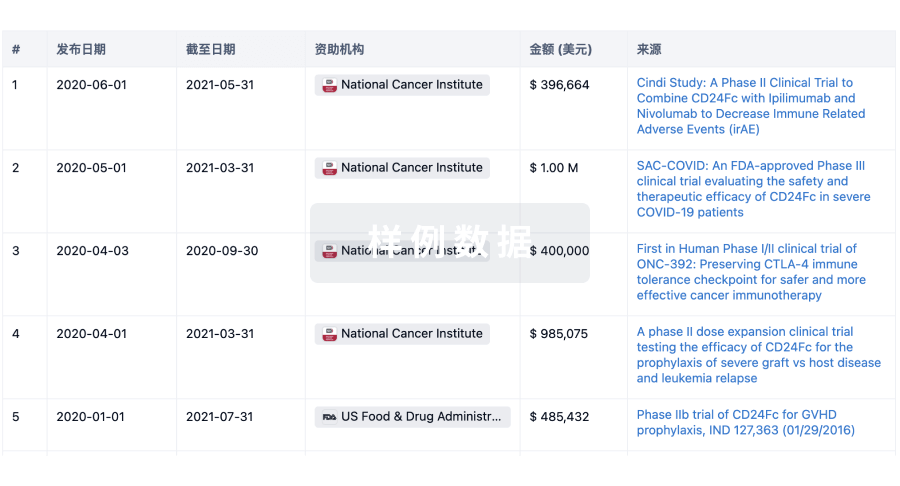
投资
深入了解从初创企业到成熟企业的最新公司投资动态。
登录
或
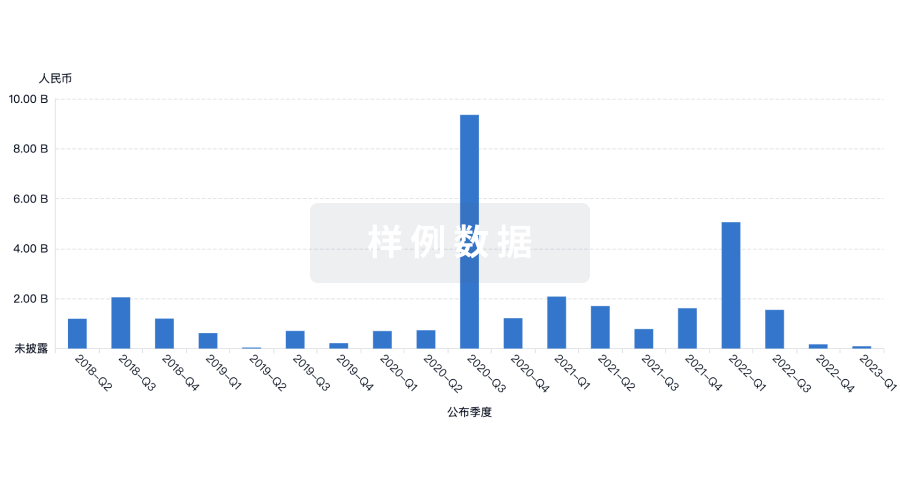
融资
发掘融资趋势以验证和推进您的投资机会。
登录
或
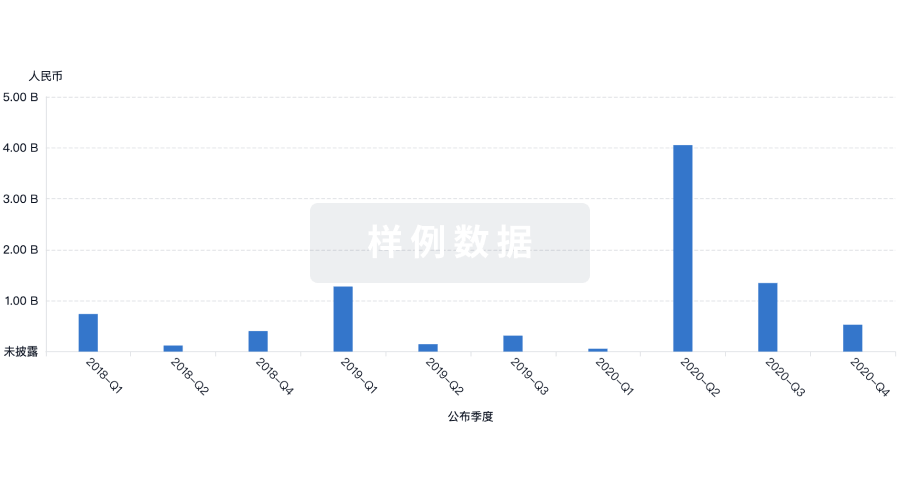
生物医药百科问答
全新生物医药AI Agent 覆盖科研全链路,让突破性发现快人一步
立即开始免费试用!
智慧芽新药情报库是智慧芽专为生命科学人士构建的基于AI的创新药情报平台,助您全方位提升您的研发与决策效率。
立即开始数据试用!
智慧芽新药库数据也通过智慧芽数据服务平台,以API或者数据包形式对外开放,助您更加充分利用智慧芽新药情报信息。
生物序列数据库
生物药研发创新
免费使用
化学结构数据库
小分子化药研发创新
免费使用