预约演示
更新于:2025-05-07

Swift Engineering, Inc.
更新于:2025-05-07
概览
关联
100 项与 Swift Engineering, Inc. 相关的临床结果
登录后查看更多信息
0 项与 Swift Engineering, Inc. 相关的专利(医药)
登录后查看更多信息
6
项与 Swift Engineering, Inc. 相关的文献(医药)2009-01-01·The Aerodynamics of Heavy Vehicles II: Trucks, Buses, and Trains
Design & Test Techniques for Drag Reduction at Swift Engineering – A Racecar Manufactures Perspective
作者: Mark Page
2008-01-07·46th AIAA Aerospace Sciences Meeting and Exhibit
Computer Simulation of Landing, Takeoff and Go-Around of a Blended-Wing-Body Airplane with Belly-Flaps
作者: Staelens, Yann ; Blackwelder, Ron ; Page, Mark
2007-06-25·25th AIAA Applied Aerodynamics Conference
Study of Belly-Flaps to Enhance Lift- and Pitching Moment Coefficient of a BWB-Airplane
作者: Staelens, Yann ; Blackwelder, Ron ; Page, Mark
1
项与 Swift Engineering, Inc. 相关的新闻(医药)2023-07-13
UNITED NATIONS, July 12 (Reuters) - U.N. Secretary-General Antonio Guterres has proposed to Russian President Vladimir Putin that he extend a deal allowing the safe Black Sea export of grain from Ukraine in return for connecting a subsidiary of Russia's agricultural bank to the SWIFT international payment system, sources told Reuters.
Russia has threatened to ditch the grain deal, which expires on Monday, because several demands to dispatch its own grain and fertilizer abroad have not been met. The last two ships traveling under the Black Sea agreement are currently loading cargoes at the Ukrainian port of Odesa ahead of the deadline.
A key demand by Moscow is the reconnection of the Russian agricultural bank Rosselkhozbank to the SWIFT international payment network. It was cut off by the European Union in June 2022 over Russia's invasion of Ukraine. An EU spokesperson said in May the EU was not considering reinstating Russian banks.
However, the EU is considering connecting to SWIFT a subsidiary of Rosselkhozbank to allow specifically for grain and fertilizer transactions, three sources familiar with discussions told Reuters on Wednesday. The European Commission did not immediately respond to a request for comment.
Guterres has proposed to Putin that Russia allow the Black Sea grain deal to continue for several months, giving the EU time to connect a Rosselkhozbank subsidiary to SWIFT, two of those sources familiar with discussions told Reuters.
Guterres sent a letter to Putin on Tuesday proposing a way forward to further facilitate Russian food and fertilizer exports and ensure the continued Black Sea shipments of Ukrainian grain, a U.N. spokesman said on Wednesday.
"The objective is to remove hurdles affecting financial transactions through the Russian Agricultural Bank, a major concern expressed by the Russian Federation, and simultaneously allow for the continued flow of Ukrainian grain through the Black Sea," U.N. spokesman Stephane Dujarric told reporters.
He gave no further details on the proposal, but added that Guterres was engaged with all relevant parties on the issue and was willing to further discuss his proposal with Russia.
A spokesperson for the Kremlin did not immediately respond to a request for comment.
The United Nations and Turkey brokered the Black Sea Grain Initiative with Russia and Ukraine in July 2022 to help alleviate a global food crisis worsened by Moscow's invasion and blockade of Ukrainian ports.
To convince Russia to agree to the Black Sea deal, a three-year memorandum of understanding was struck at the same time under which U.N. officials agreed to help Russia get its food and fertilizer exports to foreign markets.
While Russian exports of food and fertilizer are not subject to Western sanctions imposed after the invasion of Ukraine, Moscow says restrictions on payments, logistics and insurance have amounted to a barrier to shipments.
As a workaround to the lack of access to SWIFT, U.N. officials have gotten U.S. bank JPMorgan Chase & Co JPM.N to start processing some Russian grain export payments with reassurances from the U.S. government.
The United Nations is also working with the African Export-Import Bank (Afreximbank) to create a platform to help process transactions for Russian exports of grain and fertilizer to Africa, the top U.N. trade official told Reuters last month.
Reporting by Michelle Nichols; editing by Kanishka Singh, Mark Heinrich and Diane Craft
Our Standards: The Thomson Reuters Trust Principles.
100 项与 Swift Engineering, Inc. 相关的药物交易
登录后查看更多信息
100 项与 Swift Engineering, Inc. 相关的转化医学
登录后查看更多信息
组织架构
使用我们的机构树数据加速您的研究。
登录
或
管线布局
2026年02月09日管线快照
无数据报导
登录后保持更新
药物交易
使用我们的药物交易数据加速您的研究。
登录
或
转化医学
使用我们的转化医学数据加速您的研究。
登录
或
营收
使用 Synapse 探索超过 36 万个组织的财务状况。
登录
或
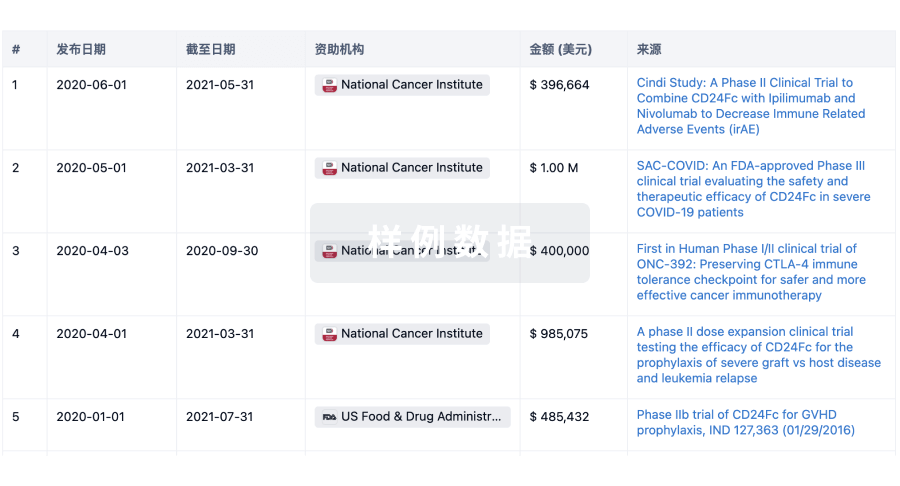
科研基金(NIH)
访问超过 200 万项资助和基金信息,以提升您的研究之旅。
登录
或
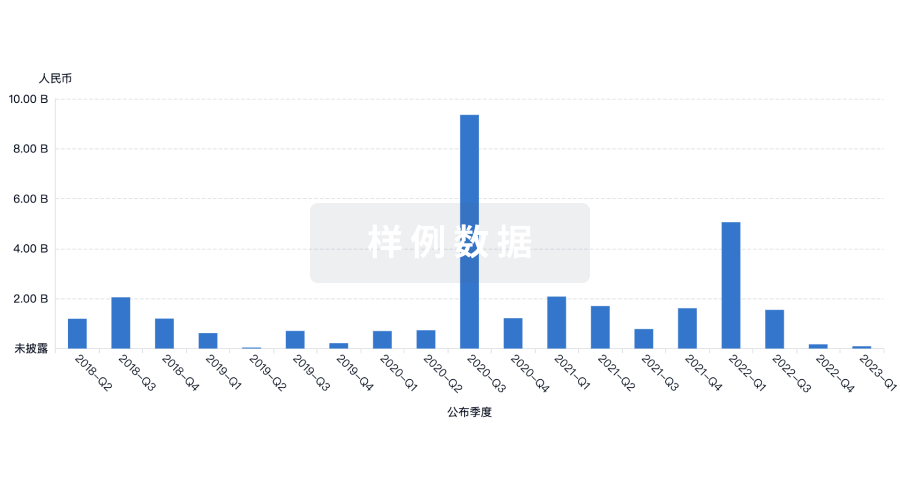
投资
深入了解从初创企业到成熟企业的最新公司投资动态。
登录
或
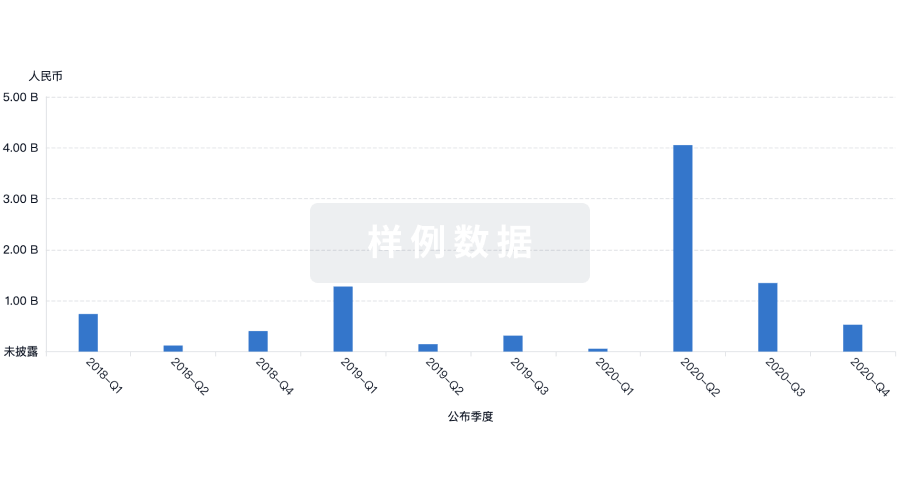
融资
发掘融资趋势以验证和推进您的投资机会。
登录
或
生物医药百科问答
全新生物医药AI Agent 覆盖科研全链路,让突破性发现快人一步
立即开始免费试用!
智慧芽新药情报库是智慧芽专为生命科学人士构建的基于AI的创新药情报平台,助您全方位提升您的研发与决策效率。
立即开始数据试用!
智慧芽新药库数据也通过智慧芽数据服务平台,以API或者数据包形式对外开放,助您更加充分利用智慧芽新药情报信息。
生物序列数据库
生物药研发创新
免费使用
化学结构数据库
小分子化药研发创新
免费使用