预约演示
更新于:2025-08-14

IDG Group
更新于:2025-08-14
概览
关联
100 项与 IDG Group 相关的临床结果
登录后查看更多信息
0 项与 IDG Group 相关的专利(医药)
登录后查看更多信息
13
项与 IDG Group 相关的新闻(医药)2024-11-13
After initially promising more than $1 billion in biobucks to its partner Biotheus for a single drug, BioNTech is now buying out all of the China-based company for $800 million in cash and as much as $150 million more in milestones.
In addition to the PD-L1/VEGF drug the companies were already partnered on, Wednesday’s deal will give BioNTech multiple clinical-stage drugs, an R&D hub, an operational biologics manufacturing site in China, and 300 employees.
“We were looking for several years for the next-generation immune modulator. We believe we have found now the molecule that we were seeking,” CEO Uğur Şahin said in an interview with
Endpoints News
.
The companies struck their initial partnership a year ago, built around
BNT327
/PM8002, a bispecific antibody going after PD-L1/VEGF. The drug will enter registrational trials later this year. Additional studies next year will test it in combination with antibody-drug conjugates.
By acquiring the six-year-old startup, BioNTech can speed up the development of multiple cancer drugs, have more control over the direction of the lead asset in the hot PD-L1/VEGF space, and gain access to a clinical team that can help the German drugmaker run more trials in China, Şahin said.
BioNTech started in cancer, but vaulted into the global spotlight because of its Covid-19 vaccine. It’s invested heavily to
make oncology its future
, including several antibody-drug conjugates and an mRNA-based cancer vaccine to be used with checkpoint therapies.
The PD-L1/VEGF space has become closely watched within cancer drug development thanks to Summit and Akeso’s claims in September that their drug, ivonescimab,
beat Keytruda
in a head-to-head study conducted in China. Former Seagen CEO David Epstein is also betting on the field with a preclinical PD-1/VEGF biotech known as
Ottimo Pharma
.
Şahin has described BNT327 as being “
further enriched
in the tumor microenvironment” than ivonescimab because of its PD-L1-directed approach, rather than honing in on PD-1.
BioNTech will also go head-to-head with Keytruda, Şahin said in the interview. Merck’s medicine is the world’s
top-selling treatment
and has been approved across more than 15 different tumor types.
“At the end of the day, there is no way around this,” Şahin said of the need to battle Keytruda head-on.
But if it works out, the deal could be seen as a steal: Summit, for example, trades at a market value of around $15 billion, largely based around its success with its PD-1/VEGF drug.
The deal comes 12 months after BioNTech said it could dish out
more than $1 billion
in biobucks to Biotheus to partner on the drug. The pair also had a
pact for other antibodies
. The deal will give BioNTech worldwide rights to the compound; Biotheus previously still owned the China rights.
“From the financial standpoint, it is more or less paying the milestones earlier. From the value structure, it’s about getting better control of the assets, increasing the potential for additional clinical candidates,” Şahin said.
Biotheus will also deliver to BioNTech a broad pipeline of clinical-stage antibodies, including work in TIGIT and Claudin18.2, and preclinical ADCs, which have become one of the buzziest drug approaches in oncology R&D. Biotheus has also said it’s conducting research in inflammatory and autoimmune diseases.
It also gives BioNTech a foothold in China, where it has ADC deals with
MediLink
and
Duality
Biologics.
“We are thrilled to deepen our bond with BioNTech,” Biotheus CEO Xiaolin Liu said in a statement. “We share the goal of advancing the development of BNT327/PM8002 for future combination therapies in the fight against cancer.”
Biotheus last disclosed a $100 million Series D in March 2021,
according
to
ChinaBio Today
. General Atlantic, IDG Capital, Kunlun Capital and others have invested in the startup,
according
to Biotheus. Şahin told Endpoints he doesn’t know how much Biotheus has raised to date.
The Biotheus acquisition is BioNTech’s biggest deal so far, Şahin said.
It has made only a few acquisitions in its history, including
$440 million
for
AI partner
InstaDeep. Flush with cash from its Pfizer-partnered Covid vaccine, BioNTech has a hefty balance sheet and ended last quarter with
€17.8 billion
(about $18.8 billion) in cash, equivalents and security investments.
After a “major pipeline reshaping” last year, the company wanted to focus on its existing drugs and partnerships, chief medical officer and co-founder
Özlem Türeci told
Endpoints News
on the sidelines of this year’s American Society of Clinical Oncology meeting.
“We are a very scientific company, which, however, does not have this ‘not invented here’ complex,” Türeci said in the June interview. “We are very curious about technological breakthroughs and bits and pieces, which can be implemented into a broader technology space.”
The deal is expected to close in the first quarter of next year.
并购疫苗上市批准ASCO会议免疫疗法
2024-01-04
BEIJING--(
BUSINESS WIRE
)--Beijing Avistone Biotechnology Co., Ltd. (also referred to as Avistone Biotechnology or Avistone), an innovative biotechnology company focused on precision oncology therapeutics, announced that they had recently completed their Series B financing of 1 billion Chinese yuan (~$140 million USD). The Series B financing was jointly led by SDIC CS Capital and IDG Capital, with participation from Yanchuang Capital and Cathay Capital. Existing shareholder Bain Capital continues to make additional investments.
This round of financing will be used to support clinical research and development of the Avistone pipeline, including both drug monotherapy studies and internal combinations; to accelerate the screening of new molecules; to support clinical studies and expansion in the United States of America; and to support commercialization of PLB1001 (Vebreltinib) in China. In China, Avistone has established a commercial sales and marketing team covering 25 provinces, nearly 1,000 hospitals, and hundreds of commercial companies and retail outlets.
Dr. Hepeng Shi, founder, chairman and CEO of Avistone Biotechnology, said: "We thank our Series B investors for trusting and investing in Avistone. This very important financing will support the commercialization of our recently approved molecule, PLB1001 (Vebreltinib), in MET Exon 14 Skipping Non-Small Cell Lung Cancer (NSCLC) and will provide funding for our pipeline. We will continue to pursue our vision to become a leading biotechnology company with a deep pipeline and focus on innovation. We aspire to be highly trusted by the patients and families that we serve along with the physicians, practitioners, and scientists that we work with.”
SDIC states: “We are pleased to lead the B-round financing for Avistone. The Company has demonstrated impressive execution capabilities and has led effective translational medical work. We firmly believe that the company will continue to produce more clinically advanced innovative products in the future. We are committed to collaborating closely with the Avistone team to foster the company's growth, ultimately benefiting patients and contributing to the advancement of China's innovative pharmaceutical industry.”
IDG Capital noted that, “We believe that the demand for better products is a prevailing trend in the biopharmaceutical industry, and Avistone has consistently aimed for and practiced this goal. Dr. Shi's team swiftly achieved breakthroughs from 0 to 1 in product development, showcasing strong execution and product layout capabilities. Additionally, we have high expectations for Avistone's outstanding commercialization capabilities. We believe that in the future, Avistone can achieve more innovative breakthroughs, and IDG Capital is committed to ongoing support, contributing to the advancement of the innovative pharmaceutical industry alongside Avistone.”
Jonathan Zhu, Partner and Co-Head of Asia Private Equity at Bain Capital, expressed that “We are delighted to witness Avistone's breakthroughs in targeted oncology drug development, positioning itself as a leading domestic innovative pharmaceutical enterprise with successful ventures into Class 1 innovative drugs. We have observed the growth and development of Avistone and have strong confidence in the company's research and development capabilities, execution efficiency, and pipeline layout strategy. Our continued investment in Avistone underscores our belief in Dr. Shi's leadership and his team's ability to efficiently develop groundbreaking innovative biopharmaceuticals. This establishes them as a pioneering platform for tumor-targeted drug innovation rooted in China and globally oriented.”
About Avistone Biotechnology
Avistone Biotechnology is an oncology company focused on developing innovative therapies for patients with significant unmet medical needs globally. Avistone has an extensive portfolio and pipeline of targeted therapies. The Company’s lead asset is PLB1001 (Vebreltinib), a small-molecule inhibitor that targets MET tyrosine kinase activity. Vebreltinib recently received conditional approval from the National Medical Products Administration (NMPA) as a treatment for patients with MET exon 14 skipping non-small cell lung cancer (NSCLC) in China. The company's second asset is PLB1004, a potent inhibitor of EGFR tyrosine kinases (TKI), including aberrant activity observed with EGFR exon20 insertion (genetic) mutations in NSCLC tumors.
临床申请
2024-01-04
Beijing-based Avistone Biotechnology has raised 1 billion yuan, about $140 million, to bankroll commercialization of its recently approved lung cancer drug in China and run trials of other assets.
SDIC CS Capital and IDG Capital co-led the Series B,
disclosed
Thursday morning, which also included funding from Yanchuang Capital and Cathay Capital. Also involved is backer Bain Capital, which contributed to the biotech’s $200 million Series A,
announced in December 2021
after Avistone had been working for more than half a dozen years under two different entities, as
Endpoints News
previously reported.
You’ll get access to free articles each month, plus you can customize what newsletters get delivered to your inbox each week, including breaking news.
100 项与 IDG Group 相关的药物交易
登录后查看更多信息
100 项与 IDG Group 相关的转化医学
登录后查看更多信息
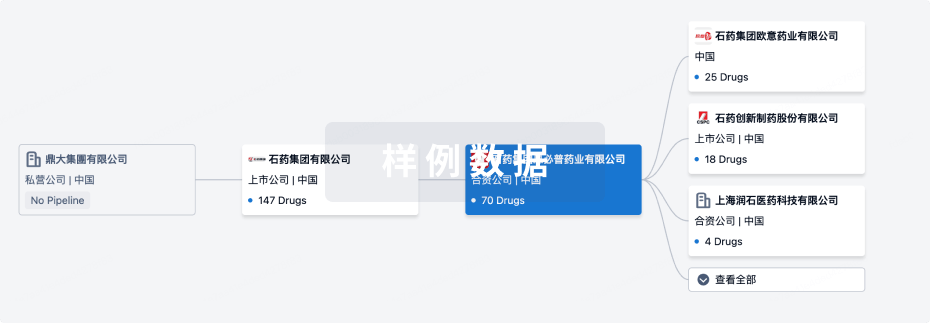
组织架构
使用我们的机构树数据加速您的研究。
登录
或
管线布局
2026年02月09日管线快照
无数据报导
登录后保持更新
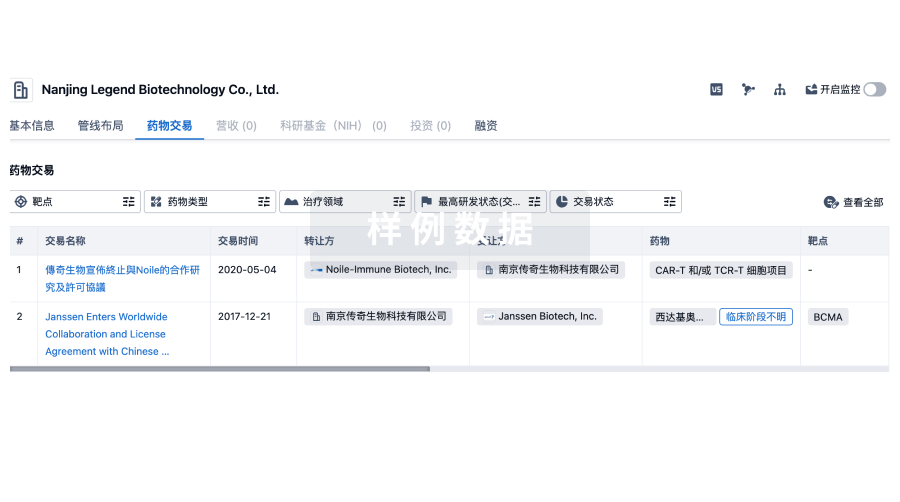
药物交易
使用我们的药物交易数据加速您的研究。
登录
或
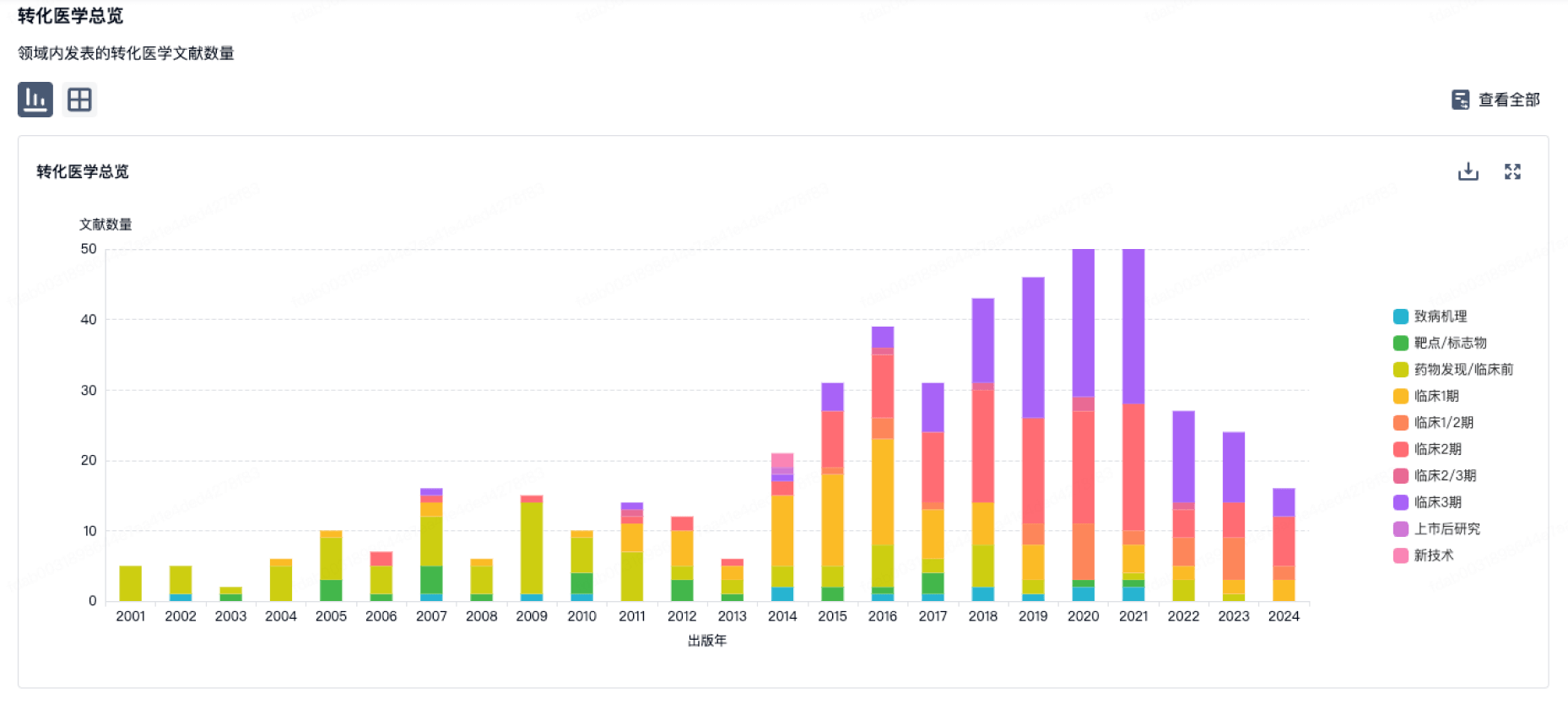
转化医学
使用我们的转化医学数据加速您的研究。
登录
或
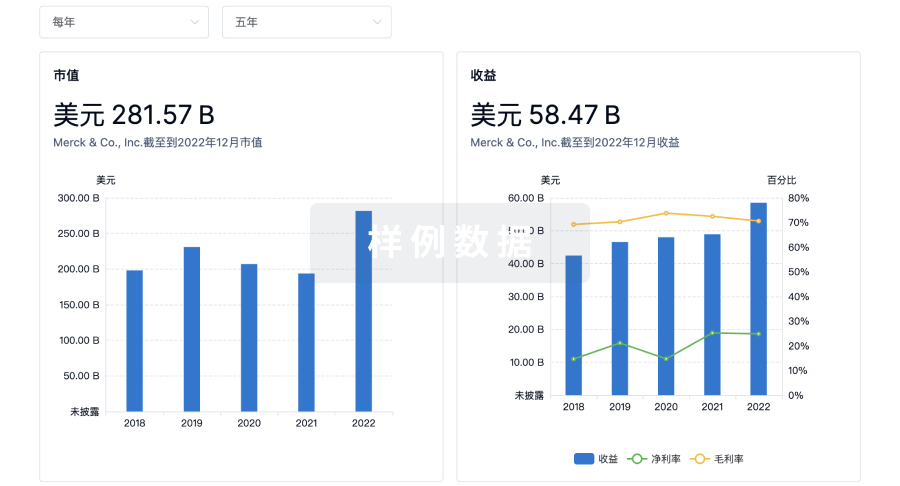
营收
使用 Synapse 探索超过 36 万个组织的财务状况。
登录
或
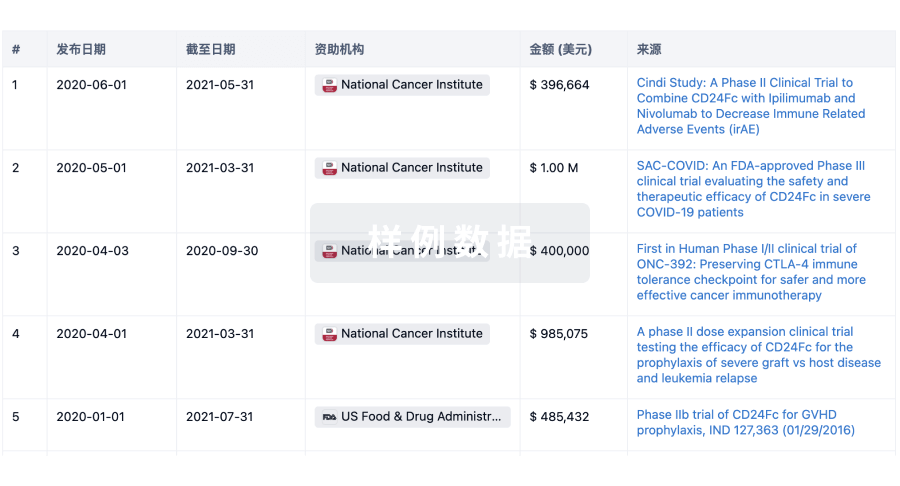
科研基金(NIH)
访问超过 200 万项资助和基金信息,以提升您的研究之旅。
登录
或
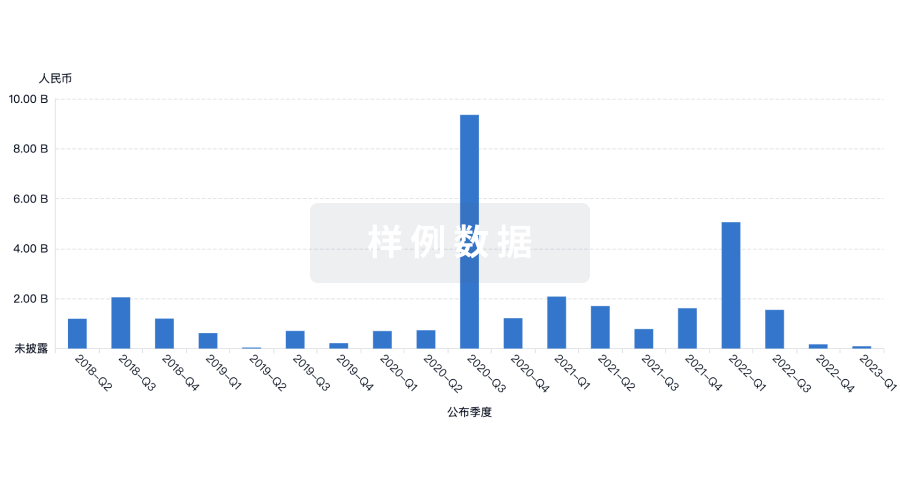
投资
深入了解从初创企业到成熟企业的最新公司投资动态。
登录
或
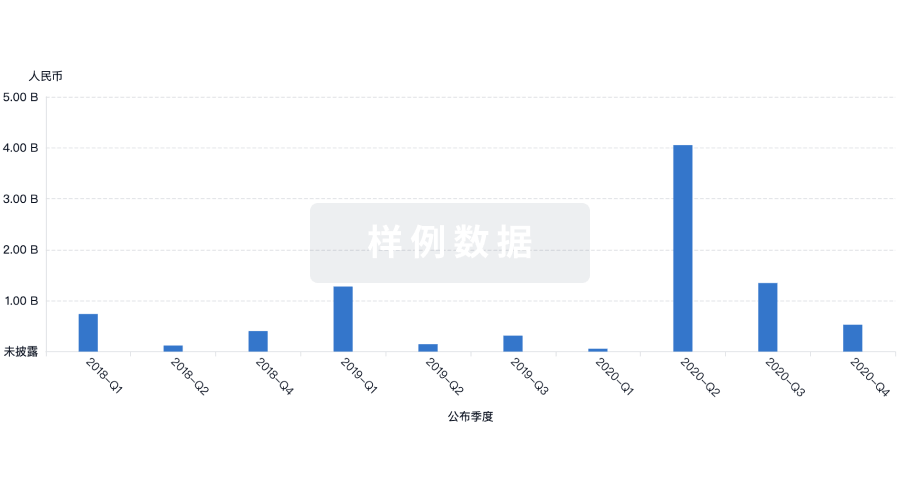
融资
发掘融资趋势以验证和推进您的投资机会。
登录
或
生物医药百科问答
全新生物医药AI Agent 覆盖科研全链路,让突破性发现快人一步
立即开始免费试用!
智慧芽新药情报库是智慧芽专为生命科学人士构建的基于AI的创新药情报平台,助您全方位提升您的研发与决策效率。
立即开始数据试用!
智慧芽新药库数据也通过智慧芽数据服务平台,以API或者数据包形式对外开放,助您更加充分利用智慧芽新药情报信息。
生物序列数据库
生物药研发创新
免费使用
化学结构数据库
小分子化药研发创新
免费使用