预约演示
更新于:2025-05-07
Yale School of Nursing
教育|Connecticut, United States
教育|Connecticut, United States
更新于:2025-05-07
概览
关联
100 项与 Yale School of Nursing 相关的临床结果
登录后查看更多信息
0 项与 Yale School of Nursing 相关的专利(医药)
登录后查看更多信息
554
项与 Yale School of Nursing 相关的文献(医药)2025-05-01·Heart & Lung
A mixed methods study of backup behavior among interprofessional ICU teams
Article
作者: Lee, Kathryn A ; Ratliff, Hannah C ; Wright, Nathan C ; Boltey, Emily M ; Costa, Deena Kelly ; Marriott, Deanna J ; Yakusheva, Olga
2025-05-01·Journal of Substance Use and Addiction Treatment
Implementing a pre-exposure prophylaxis (PrEP) promotion intervention among persons who inject drugs: Perspectives from community and research implementation partners
Article
作者: Eggert, Kathy ; Mistler, Colleen ; Harsono, Dini ; Weiss, June ; Davidson, Daniel ; Rojas Perez, Oscar F ; Warnock, Charles A ; Bailey, Genie L ; Pickering, Ellie ; Montgomery, Joanne ; Rash, Carla J ; Viera, Adam ; Buchelli, Marianne ; Rose, River ; Edelman, E Jennifer ; Robinson, Portia
2025-04-25·Cancer Research
Abstract LB326: Inflammatory proteomic signatures of metabolically unhealthy obesity in association with colorectal cancer and adenoma
作者: Chan, Andrew T. ; Osifala, Oluwafeyisola ; Zhang, Yiwen ; Hazra, Aditi ; Giovannucci, Edward ; Demler, Olga ; Zhang, Xuehong ; Yazdani, Azam ; Song, Mingyang ; LeBoff, Meryl ; Mora, Samia ; Wang, Cong ; Manson, JoAnn E. ; Tobias, Deirdre ; Downie, Jonathan ; Sesso, Howard D.
22
项与 Yale School of Nursing 相关的新闻(医药)2024-01-04
RADNOR, Pa., Jan. 04, 2024 (GLOBE NEWSWIRE) -- Mineralys Therapeutics, Inc. (Nasdaq: MLYS), a clinical-stage biopharmaceutical company focused on developing medicines to target hypertension, chronic kidney disease (CKD) and other diseases driven by abnormally elevated aldosterone, today announced the appointment of Minji Kim, Ph.D. as Chief Business Officer. Adam Levy will remain in his role as Chief Financial Officer. “With our expanding operations, we have decided to split the functions of Chief Financial Officer and Chief Business Officer into two roles, and we are excited to have Minji join our team. She brings a solid track record of generating value for multiple companies by identifying and executing strategic opportunities,” stated Jon Congleton, Chief Executive Officer of Mineralys. “We are pleased to start 2024 with our full executive team in place as we execute against our late-stage clinical development of lorundrostat for the treatment of aldosterone dependent conditions such as hypertension and chronic kidney disease.” “With several clinical milestones for lorundrostat expected over the next 12-18 months, I am excited to join Mineralys. Given the current trajectory of the ongoing pivotal clinical development program, lorundrostat has great potential to address unmet needs in patients suffering from diseases driven by abnormally elevated aldosterone,” stated Dr. Kim. Dr. Kim brings more than two decades of experience in business development, strategic leadership, and scientific research. During her career, she has worked with biotech companies in the U.S. and overseas across broad therapeutic and technical areas. Prior to joining Mineralys, she held the role of Chief Business Officer at Affamed Therapeutics and General Manager at Affamed Digital, and brought multiple products into their pipeline. Before Affamed, Dr. Kim was Head of Business Development and Alliance Management at Jounce Therapeutics. She led the execution of pharma partnerships and over $200 million in non-dilutive funding for the company. Prior to Jounce, she held the role of Vice President of Corporate and Business Development at Curis, Inc. During her tenure at Curis, she led strategic transactions that had a fundamental impact on the future sustainability of the company, tripling the value of the company and pivoting its R&D direction. Previously, Dr. Kim served on the Global Oncology Business Development and Licensing group at Hoffmann-La Roche. She began her career as an instructor in neurology at Harvard Medical School. Currently, Dr. Kim is an independent board member of SK Biopharmaceuticals, a global commercial-stage life science company. She obtained her Ph.D. from Seoul National University in South Korea and her MBA from Yale School of Management. About LorundrostatLorundrostat is a proprietary, orally administered, highly selective aldosterone synthase inhibitor being developed for the treatment of uncontrolled and resistant hypertension and CKD. Lorundrostat was designed to reduce aldosterone levels by inhibiting CYP11B2, the enzyme responsible for its production. Lorundrostat has 374-fold selectivity for aldosterone-synthase inhibition versus cortisol-synthase inhibition in vitro, an observed half-life of 10-12 hours and demonstrated approximately a 70% reduction in plasma aldosterone concentration in hypertensive subjects. About Mineralys TherapeuticsMineralys Therapeutics is a clinical-stage biopharmaceutical company focused on developing medicines to target hypertension, CKD and other diseases driven by abnormally elevated aldosterone. Its initial product candidate, lorundrostat, is a proprietary, orally administered, highly selective aldosterone synthase inhibitor that Mineralys Therapeutics is developing for cardiorenal conditions affected by abnormally elevated aldosterone, including hypertension and CKD. Mineralys is based in Radnor, Pennsylvania, and was founded by Catalys Pacific. For more information, please visit https://mineralystx.com. Follow Mineralys on LinkedIn and Twitter. Forward-Looking StatementsMineralys Therapeutics cautions you that statements contained in this press release regarding matters that are not historical facts are forward-looking statements. The forward-looking statements are based on our current beliefs and expectations and include, but are not limited to, statements regarding: the potential therapeutic benefits of lorundrostat; the Company’s expectation that aldosterone synthase inhibitors with an SGLT2 inhibitor may provide additive clinical benefits to patients; the Company’s expectation that the Advance-HTN and the planned Phase 3 clinical trial of lorundrostat may serve as pivotal trials in any submission of a new drug application (NDA) to the United States Food and Drug Administration (FDA); the Company’s ability to evaluate lorundrostat as a potential treatment for CKD or uncontrolled hypertension; the planned future clinical development of lorundrostat and the timing thereof; and the expected timing of commencement and enrollment of patients in clinical trials and topline results from clinical trials. Actual results may differ from those set forth in this press release due to the risks and uncertainties inherent in our business, including, without limitation: our future performance is dependent entirely on the success of lorundrostat; potential delays in the commencement, enrollment and completion of clinical trials and nonclinical studies; later developments with the FDA may be inconsistent with the feedback from the completed end of Phase 2 meeting, including whether the proposed pivotal program will support registration of lorundrostat which is a review issue with the FDA upon submission of an NDA; our dependence on third parties in connection with manufacturing, research and clinical and nonclinical testing; unexpected adverse side effects or inadequate efficacy of lorundrostat that may limit its development, regulatory approval and/or commercialization; unfavorable results from clinical trials and nonclinical studies; results of prior clinical trials and studies of lorundrostat are not necessarily predictive of future results; our ability to maintain undisrupted business operations due to any pandemic or future public health concerns; regulatory developments in the United States and foreign countries; our reliance on our exclusive license with Mitsubishi Tanabe Pharma to provide us with intellectual property rights to develop and commercialize lorundrostat; and other risks described in our filings with the Securities and Exchange Commission (SEC), including under the heading “Risk Factors” in our annual report on Form 10-K, and any subsequent filings with the SEC. You are cautioned not to place undue reliance on these forward-looking statements, which speak only as of the date hereof, and we undertake no obligation to update such statements to reflect events that occur or circumstances that exist after the date hereof. All forward-looking statements are qualified in their entirety by this cautionary statement, which is made under the safe harbor provisions of the Private Securities Litigation Reform Act of 1995. Contact:Investor Relationsinvestorrelations@mineralystx.com Media RelationsTom WeibleElixir Health Public RelationsPhone: (1) 515-707-9678Email: tweible@elixirhealthpr.com
临床3期高管变更
2023-12-04
Pictured: Neuronal intranuclear inclusions/iStock, Dr_Microbe
Millions of people living with neurodegenerative diseases and their loved ones have long hoped for the day when treatments could change the prognosis from an inevitable decline to a managed, stable condition. The urgent need for life-changing therapies exists against the backdrop of a growing prevalence of Alzheimer’s disease, Parkinson’s disease and other progressive disorders.
Neurodegenerative diseases are historically difficult to treat and effective therapies have eluded even the most dedicated scientific minds for decades. However, scientific innovation in neurology and a growing understanding of underlying disease pathology is opening the door to novel pathways to treat, and potentially cure, myriad diseases.
Gene Therapy: Targeting the Cause
More and more, scientists are identifying and developing ways to treat the fundamental cause of certain neurodegenerative diseases rather than merely treating the symptoms. Take, for example, a disease like frontotemporal dementia (FTD), which, in some cases is caused by a single genetic defect. In up to 10% of people with FTD—a disorder that affects the frontal and temporal lobes of the brain and is one of the most common causes of early-onset dementia—the disease is caused by a mutation in the granulin gene. The defective gene creates a deficiency of progranulin, a complex and highly conserved protein thought to play several critical roles in lysosomal function.
With the potential to correct the defect at its source by delivering a functional copy of the gene that is mutated, nonfunctional or missing, gene therapy could be a powerful treatment approach.
As in many genetic disorders, delivery is a critical aspect of developing gene therapies for neurodegenerative diseases. Precise approaches that deliver one-time treatments directly to the brain and address the root cause of the disease have shown promise.
The blood-brain barrier and potential off-target effects have made traditional drug development especially difficult for neurodegenerative diseases. But a gene therapy delivered directly to the cerebrospinal fluid (CSF) surrounding the brain and spinal cord has the potential to overcome these limitations and achieve long-term correction of these illnesses.
In the case of FTD, once delivered, a new gene may confer stable, long-term expression of the required protein, offering effective, long-term disease-modifying treatment. There is also the potential benefit of cross-correction, where the protein is secreted into the interstitial fluid and CSF, possibly expanding the benefits to cells beyond those directly transduced. If this secreted protein can confer general neuroprotective effects, gene therapy could be a transformative treatment option for a range of neurodegenerative diseases—even those not caused by a specific genetic defect.
Accessing the Brain With AAV Delivery
In order to reach a broad range of tissues, including hard-to-target organs like the brain, many gene therapy developers are taking advantage of the leading viral vector platform: adeno-associated viruses (AAVs). Wildtype AAVs, which are not known to cause human disease, are one of the most promising in vivo tools for delivering a functional copy of a gene to cells in both the central nervous system and periphery.
The strength and versatility of AAV-based vector technology has contributed significantly to the FDA approval of several gene therapies. Today, eight such therapies are on the market for a range of indications. Notably, Novartis broke new ground in the treatment of spinal muscular atrophy, a rare neuromuscular disorder, with the 2019 approval of Zolgensma. This one-time gene therapy targets the genetic root cause of SMA by replacing the function of the missing or nonworking SMN1 gene, halting progression of the disease.
A gene therapy program being developed by my company, Passage Bio, is focused on the treatment of FTD with granulin mutations, for which there are currently no approved disease-modifying therapies.
Passage’s global Phase I/II clinical trial is evaluating PBFT02, an AAV-delivery gene therapy candidate that uses a differentiated approach to directly target the CNS via intra-cisterna magna (ICM) administration. In ICM administration, therapy is delivered directly to the CSF via injection into the cisterna magna, an area outside of the brain near the base of the skull.
The Pursuit of Transformative Medicines
The work underway at Passage is a mere snapshot of the many positive advancements happening across the field. Genetic medicines continue to demonstrate their ability to dramatically improve lives. There are currently hundreds of promising gene therapy programs in various stages of development, many of which are producing encouraging clinical data.
The progress is palpable, but challenges remain. The pursuit of science is filled with twists and turns. Just like the development of a small molecule, a gene therapy program is only as promising as its clinical data—and every program is truly unique. That’s why Passage and other companies seeking solutions for individuals with neurodegenerative diseases must have a razor-sharp focus on clinical execution to generate impactful results that will improve the lives of these patients and their families.
William Chou, MD, CEO of Passage Bio, is an accomplished executive with nearly twenty years of healthcare experience across a range of development and commercialization roles. Chou holds an MBA from the Yale School of Management, an MD from the University of Pittsburgh School of Medicine, and an AB in politics and economics from Princeton University. He completed his residency in internal medicine at Yale New Haven Hospital and his fellowship in geriatrics at Yale University.
基因疗法临床研究
2023-05-09
Presentation to take place on June 1 from 10:30 a.m. to 12:00 p.m. EDT at the Yale School of Management
NEW HAVEN, Conn., May 9, 2023 /PRNewswire/ -- Trevi Therapeutics, Inc. (Nasdaq: TRVI), a clinical-stage biopharmaceutical company developing the investigational therapy Haduvio™ (oral nalbuphine ER) for difficult to treat patients with chronic cough in idiopathic pulmonary fibrosis (IPF), other chronic cough indications, and prurigo nodularis, today announced its participation at the upcoming Yale Innovation Summit taking place from May 31 – June 1 at the Yale School of Management. The Company will present on its differentiated central and peripheral mechanism in cough and the potential broad translatability across cough indications.
Trevi's executives will be joined by one of the thought leaders in cough, Peter Dicpinigaitis, MD. Dr. Dicpinigaitis is a Professor of Medicine, Albert Einstein College of Medicine, Division of Critical Care Medicine, Montefiore Medical Center, Director, Montefiore Cough Center and Editor-in-Chief, LUNG. Dr. Dicpinigaitis will discuss the various central and peripheral pathways in cough and why a centrally active mechanism is generating such interest. Trevi will also share insights on the patient and commercial potential of Haduvio with additional details from its physician and payer market research across chronic cough indications. There will be a Q&A session at the end of the presentation.
For more information about the conference and to attend the presentation, please use the following link:
Conference Details
Yale Innovation Summit (May 31-June 1)
Presenters: Jennifer Good, President and CEO of Trevi Therapeutics, Farrell Simon, Chief Commercial Officer of Trevi Therapeutics, and Peter Dicpinigaitis, MD, Professor of Medicine, Albert Einstein College of Medicine, Division of Critical Care Medicine, Montefiore Medical Center, Director, Montefiore Cough Center and Editor-in-Chief, LUNG
Presentation: Thursday, June 1, 10:30 AM-12 PM ET
Registration: Investors and analysts can register to attend the in-person event by using the following link:
A recording of the webcast will be available in the 'Investors & News' section on the Company's website at .
The Company also plans to participate in the following upcoming conferences and events:
May 19-20: American Thoracic Society's (ATS) 2023 Respiratory Innovation Summit
May 19-24: ATS 2023 International Conference
June 5-8: 2023 BIO International Convention
June 9-10: 2023 American Cough Conference
About Trevi Therapeutics, Inc.
Trevi Therapeutics, Inc. is a clinical-stage biopharmaceutical company developing the investigational therapy Haduvio™ (oral nalbuphine ER) for difficult to treat patients with chronic cough in idiopathic pulmonary fibrosis (IPF), other chronic cough indications, and prurigo nodularis. Haduvio is a dual ĸ-opioid receptor agonist and µ-opioid receptor antagonist that works both centrally as well as peripherally in the lungs and has the potential for a synergistic anti-tussive effect to treat chronic cough.
The impact of chronic cough is significant and often leads to a decline in patients' social, physical, and psychological quality of life. There are no approved therapies for the treatment of chronic cough in IPF and current treatment options provide minimal relief to patients. In IPF, chronic cough may lead to worsening fibrosis and may be associated with a higher risk of progression, death, or need for lung transplant.
Parenteral nalbuphine is not scheduled by the US DEA. Trevi intends to propose Haduvio as the trade name for nalbuphine ER. Its safety and efficacy have not been evaluated by any regulatory authority.
For more information, visit and follow the Company on Twitter and LinkedIn.
Forward-Looking Statements
Statements contained in this press release regarding matters that are not historical facts are "forward-looking statements" within the meaning of the Private Securities Litigation Reform Act of 1995. Such statements are subject to risks and uncertainties and actual results may differ materially from those expressed or implied by such forward-looking statements. Such statements include, but are not limited to, statements regarding Trevi's business plans and objectives, including future plans or expectations for Haduvio and plans and timing with respect to future clinical trials, expectations regarding Trevi's uses and sufficiency of capital, and other statements containing the words "believes," "anticipates," "plans," "expects," and similar expressions. Risks that contribute to the uncertain nature of the forward-looking statements include: uncertainties regarding the success, cost and timing of Trevi's product candidate development activities and ongoing and planned clinical trials; the risk that positive data from a clinical trial may not necessarily be predictive of the results of future clinical trials in the same or a different indication; uncertainties regarding Trevi's ability to execute on its strategy; uncertainties with respect to regulatory authorities' views as to the data from Trevi's clinical trials and next steps in the development path for Trevi's Haduvio in the United States and foreign countries, including the Company's ability to submit and get clearance on an IND on a timely basis; uncertainties inherent in estimating Trevi's cash runway, future expenses and other financial results, including Trevi's ability to fund future operations, including clinical trials; uncertainties regarding the scope, timing and severity of the COVID-19 pandemic, the impact of the COVID-19 pandemic on Trevi's clinical operations and actions taken in response to the pandemic; as well as other risks and uncertainties set forth in the quarterly report on Form 10-Q for the quarter ended March 31, 2023 filed with the Securities and Exchange Commission and in subsequent filings with the Securities and Exchange Commission. All forward-looking statements contained in this press release speak only as of the date on which they were made. Trevi undertakes no obligation to update such statements to reflect events that occur or circumstances that exist after the date on which they were made.
Investor Contact
Katie McManus
Trevi Therapeutics, Inc.
203-304-2499
k.mcmanus@trevitherapeutics.com
Company Codes: NASDAQ-NMS:TRVI
100 项与 Yale School of Nursing 相关的药物交易
登录后查看更多信息
100 项与 Yale School of Nursing 相关的转化医学
登录后查看更多信息
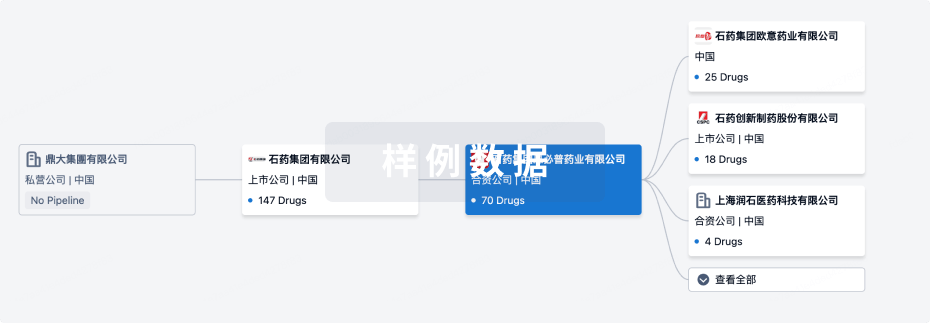
组织架构
使用我们的机构树数据加速您的研究。
登录
或
管线布局
2026年02月09日管线快照
无数据报导
登录后保持更新
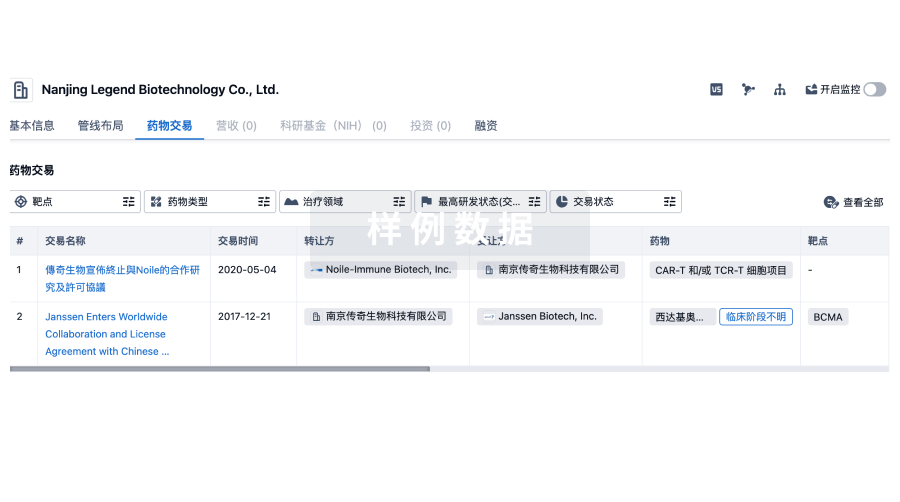
药物交易
使用我们的药物交易数据加速您的研究。
登录
或
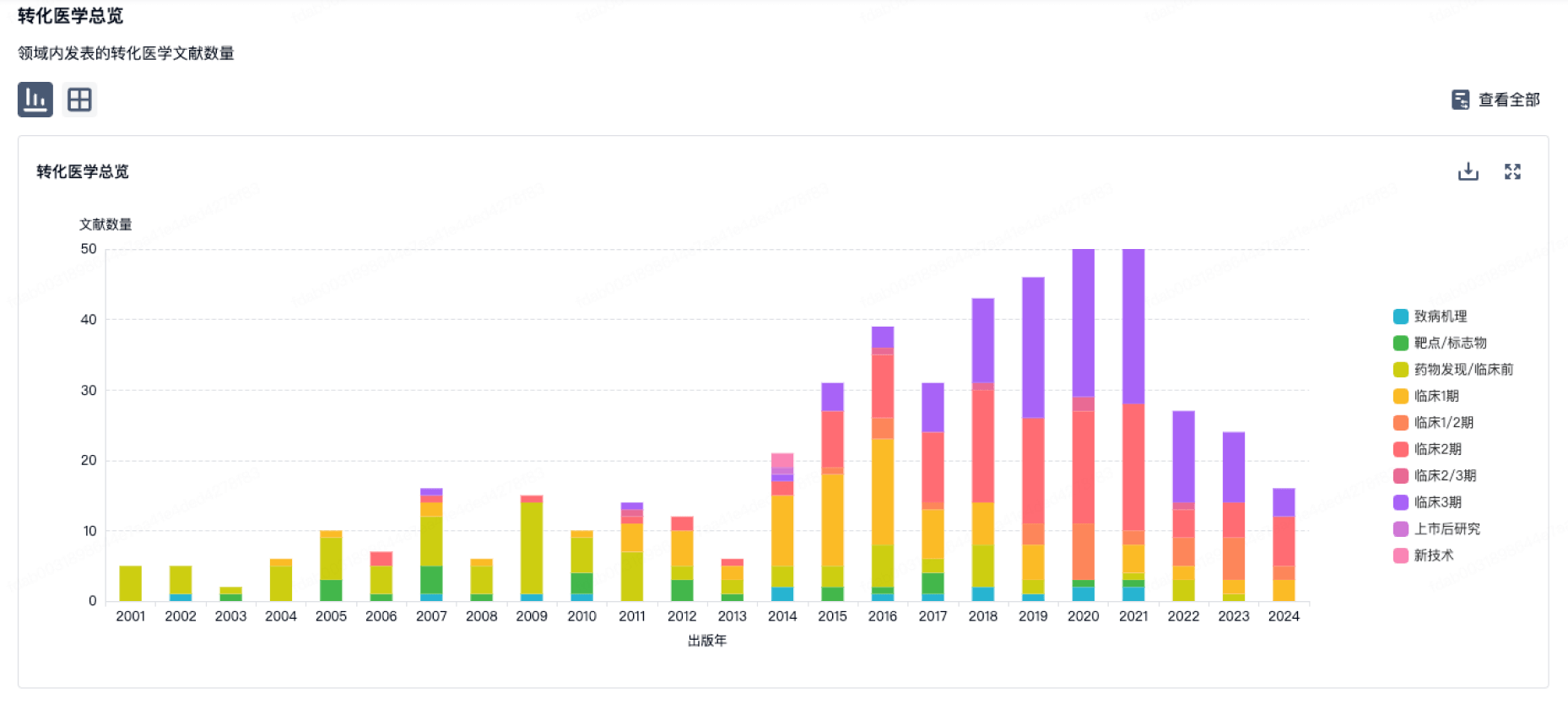
转化医学
使用我们的转化医学数据加速您的研究。
登录
或
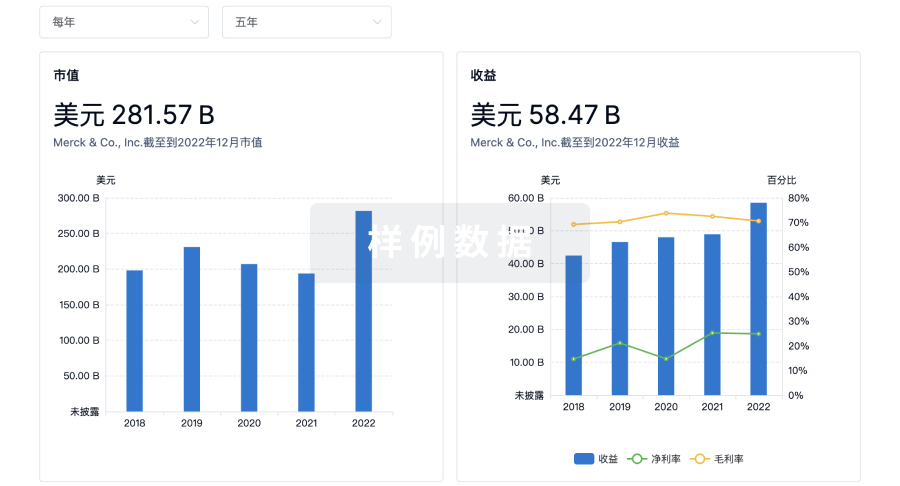
营收
使用 Synapse 探索超过 36 万个组织的财务状况。
登录
或
科研基金(NIH)
访问超过 200 万项资助和基金信息,以提升您的研究之旅。
登录
或
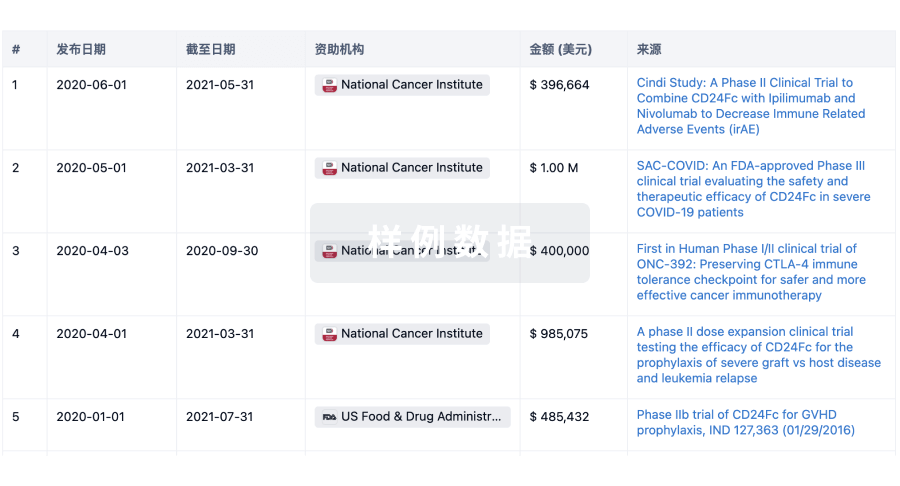
投资
深入了解从初创企业到成熟企业的最新公司投资动态。
登录
或
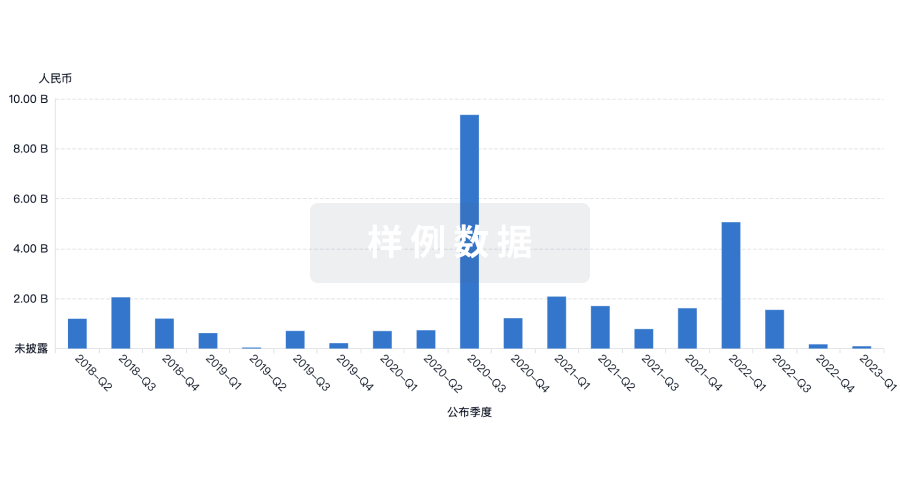
融资
发掘融资趋势以验证和推进您的投资机会。
登录
或
生物医药百科问答
全新生物医药AI Agent 覆盖科研全链路,让突破性发现快人一步
立即开始免费试用!
智慧芽新药情报库是智慧芽专为生命科学人士构建的基于AI的创新药情报平台,助您全方位提升您的研发与决策效率。
立即开始数据试用!
智慧芽新药库数据也通过智慧芽数据服务平台,以API或者数据包形式对外开放,助您更加充分利用智慧芽新药情报信息。
生物序列数据库
生物药研发创新
免费使用
化学结构数据库
小分子化药研发创新
免费使用