预约演示
更新于:2026-01-24

Japanese Red Cross Society
更新于:2026-01-24
概览
关联
100 项与 Japanese Red Cross Society 相关的临床结果
登录后查看更多信息
0 项与 Japanese Red Cross Society 相关的专利(医药)
登录后查看更多信息
256
项与 Japanese Red Cross Society 相关的文献(医药)2025-12-01·AMERICAN JOURNAL OF EMERGENCY MEDICINE
Corrigendum to “Impact of time to revascularization on outcomes in patients after out-of-hospital cardiac arrest with STEMI” [The American Journal of Emergency Medicine, 79 (2024) 136–143]
作者: Okada, Asami ; Ohta, Bon ; Kandori, Kenji ; Kitamura, Tetsuhisa ; Okada, Yohei ; Matsuyama, Tasuku ; Nakajima, Satoshi
2025-10-01·ALLERGOLOGY INTERNATIONAL
Establishment of a novel human basophil cell line for functional analysis and in vitro allergy testing
Article
作者: Kurita, Ryo ; Tani, Yoshihiko ; Satake, Masahiro ; Abe, Takaaki ; Maebara, Kanako ; Miyata, Shigeki ; Takahashi, Daisuke
BACKGROUND:
Basophils are the rarest granulocytes and play diverse roles, e.g., in protective immunity and allergic inflammatory reactions. However, the underlying molecules and mechanisms involved in basophil differentiation and functions, particularly in humans, remain largely unknown. This may be due to the lack of high-quality research tools.
METHODS:
We established a novel, immortalized, human basophil cell line by introducing human papillomavirus 16-E6/E7, c-MYC, and BCL-xL gene expression systems into cultured basophils, and evaluated whether this cell line is useful as a research tool, compared with KU812, which is the most commonly-used human basophil cell line.
RESULTS:
This cell line expressed various basophil markers, including CD123, CD203c, and the high-affinity immunoglobulin (Ig)E receptor α-chain and can mature into more differentiated cells under specific culture conditions. The differentiated cells stimulated with anti-IgE antibodies showed increased CD203c expression in a dose-dependent manner, whereas the differentiated KU812 cells showed little activation after the stimulation. The established cell line also demonstrated increased sensitivity to allergic activation when stimulated with an allergen (NP-BSA) and allergen-specific IgE (anti-NP-IgE). Furthermore, histamine- and interleukin-4-releasing abilities were also confirmed. These allergic activation profiles were similar to those of basophils from healthy individuals, although the activation levels of the established cells were lower than those of basophils from highly-sensitive individuals.
CONCLUSIONS:
These findings suggest that the established basophil cell line has substantially different characteristics from a conventional cell line and could serve as a new tool for investigating basophil differentiation and functions, as well as for testing allergic reactions.
2025-09-01·BIOCHEMICAL AND BIOPHYSICAL RESEARCH COMMUNICATIONS
Novel insights into the ULK2-FIP200-AMPK-mediated regulation of autophagy and BCR::ABL degradation in chronic myeloid leukemia
Article
作者: Suzuki, Kengo ; Shibayama, Naoya ; Sato, Yuki ; Abe, Takaaki ; Koyama, Daisuke ; Yamamoto, Naoki ; Ikezoe, Takayuki ; Suzuki, Manabu
Chronic myeloid leukemia (CML) is a myeloproliferative neoplasm driven by the BCR::ABL fusion tyrosine kinase. AMP-activated protein kinase (AMPK) plays a pivotal role in regulating cellular energy homeostasis, ensuring an adequate ATP supply for CML cell proliferation. ULK1, a well-known AMPK substrate, is a critical serine/threonine kinase in the autophagy initiation complex. ULK2, a paralog of ULK1, shares approximately 50 % amino acid sequence homology and has been reported to function complementarily with ULK1. However, emerging evidence suggests that ULK2 also has unique functions distinct from those of ULK1. Public RNA sequencing data revealed that ULK2 expression is significantly lower in hematopoietic cells compared to other tissues. To explore the function of ULK2, we performed in vitro assays using 293FT cells, which endogenously express high levels of ULK2. Mass spectrometry analysis demonstrated that ULK2 forms a stable complex with FIP200, which in turn interacts specifically with the AMPK α1 and γ1 subunits. Furthermore, shRNA-mediated knockdown of ULK2 induced AMPK activation and promoted the cytoplasmic accumulation of ULK1 and FIP200, thereby inducing autophagy in CML cells. Although autophagy typically acts as a cytoprotective mechanism, in this context, the autophagy-dependent degradation of BCR::ABL induced cell death. These findings reveal a novel regulatory axis involving ULK2, FIP200, AMPK, and autophagy, suggesting a unique role for ULK2 in CML pathophysiology and offering potential therapeutic insights.
100 项与 Japanese Red Cross Society 相关的药物交易
登录后查看更多信息
100 项与 Japanese Red Cross Society 相关的转化医学
登录后查看更多信息
组织架构
使用我们的机构树数据加速您的研究。
登录
或
管线布局
2026年02月08日管线快照
无数据报导
登录后保持更新
药物交易
使用我们的药物交易数据加速您的研究。
登录
或
转化医学
使用我们的转化医学数据加速您的研究。
登录
或
营收
使用 Synapse 探索超过 36 万个组织的财务状况。
登录
或
科研基金(NIH)
访问超过 200 万项资助和基金信息,以提升您的研究之旅。
登录
或
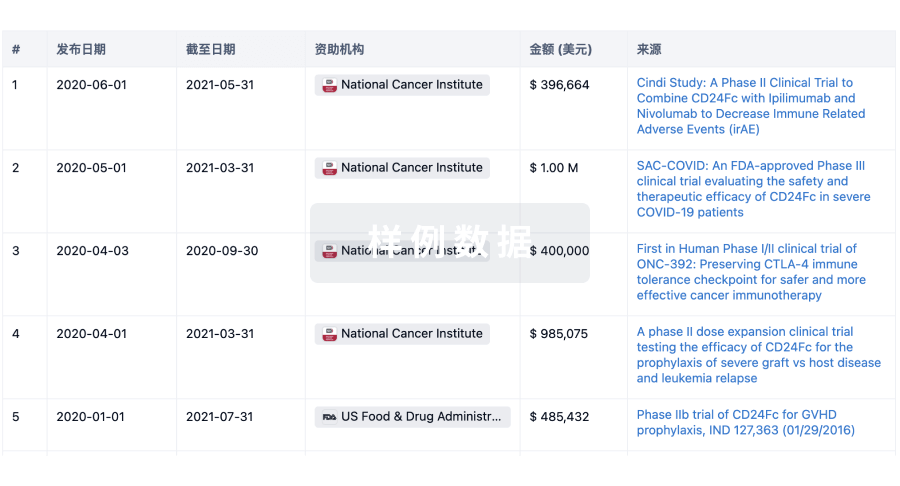
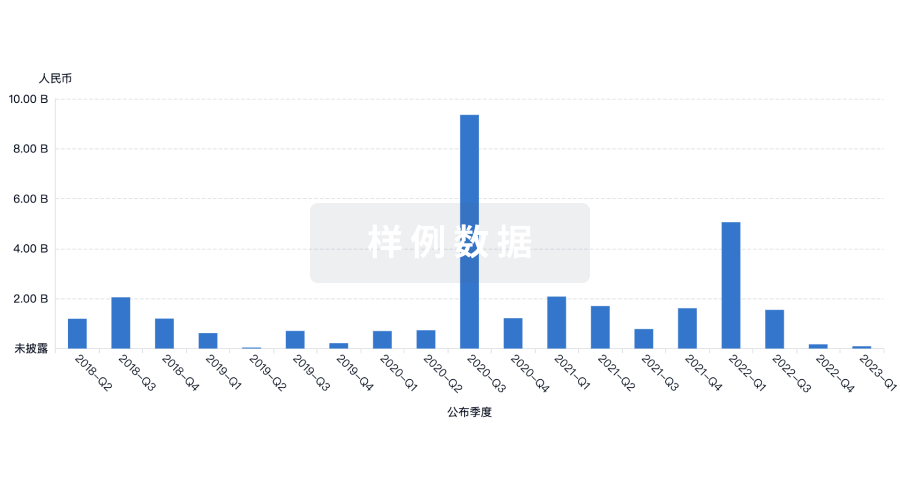
投资
深入了解从初创企业到成熟企业的最新公司投资动态。
登录
或
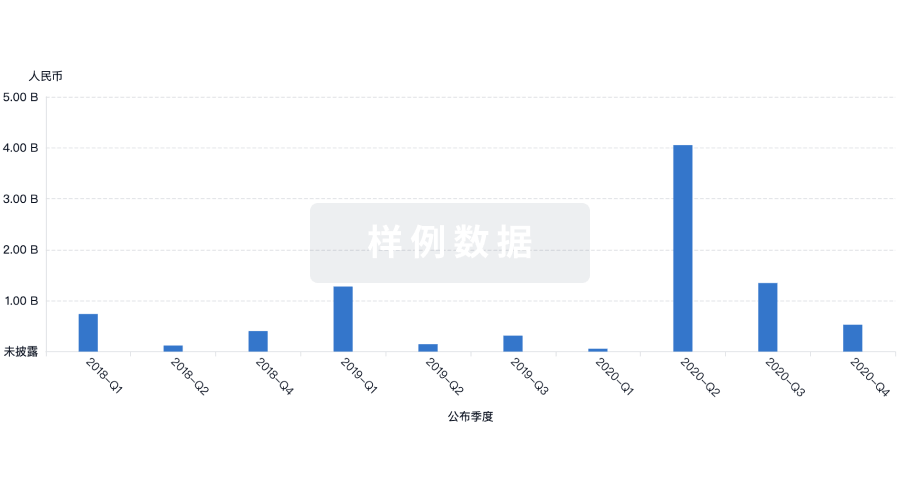
融资
发掘融资趋势以验证和推进您的投资机会。
登录
或
生物医药百科问答
全新生物医药AI Agent 覆盖科研全链路,让突破性发现快人一步
立即开始免费试用!
智慧芽新药情报库是智慧芽专为生命科学人士构建的基于AI的创新药情报平台,助您全方位提升您的研发与决策效率。
立即开始数据试用!
智慧芽新药库数据也通过智慧芽数据服务平台,以API或者数据包形式对外开放,助您更加充分利用智慧芽新药情报信息。
生物序列数据库
生物药研发创新
免费使用
化学结构数据库
小分子化药研发创新
免费使用