预约演示
更新于:2025-07-30

Elekta Shanghai Medical Instruments Co. Ltd.
更新于:2025-07-30
概览
关联
100 项与 医科达(上海)医疗器械有限公司 相关的临床结果
登录后查看更多信息
0 项与 医科达(上海)医疗器械有限公司 相关的专利(医药)
登录后查看更多信息
2
项与 医科达(上海)医疗器械有限公司 相关的文献(医药)2018-03-01·Journal of radiation research3区 · 医学
Multidimensional correlation among plan complexity, quality and deliverability parameters for volumetric-modulated arc therapy using canonical correlation analysis
3区 · 医学
ArticleOA
作者: Deng, Zhenxiang ; Jin, Xiance ; Zheng, Xiaomin ; Gong, Changfei ; Zhu, Xiaoyang ; Xie, Congying ; Han, Ce ; Shen, Lanxiao ; Zhou, Yongqiang ; Chen, Shan
A multidimensional exploratory statistical method, canonical correlation analysis (CCA), was applied to evaluate the impact of complexity parameters on the plan quality and deliverability of volumetric-modulated arc therapy (VMAT) and to determine parameters in the generation of an ideal VMAT plan. Canonical correlations among complexity, quality and deliverability parameters of VMAT, as well as the contribution weights of different parameters were investigated with 71 two-arc VMAT nasopharyngeal cancer (NPC) patients, and further verified with 28 one-arc VMAT prostate cancer patients. The average MU and MU per control point (MU/CP) for two-arc VMAT plans were 702.6 ± 55.7 and 3.9 ± 0.3 versus 504.6 ± 99.2 and 5.6 ± 1.1 for one-arc VMAT plans, respectively. The individual volume-based 3D gamma passing rates of clinical target volume (γCTV) and planning target volume (γPTV) for NPC and prostate cancer patients were 85.7% ± 9.0% vs 92.6% ± 7.8%, and 88.0% ± 7.6% vs 91.2% ± 7.7%, respectively. Plan complexity parameters of NPC patients were correlated with plan quality (P = 0.047) and individual volume-based 3D gamma indices γ(IV) (P = 0.01), in which, MU/CP and segment area (SA) per control point (SA/CP) were weighted highly in correlation with γ(IV) , and SA/CP, percentage of CPs with SA < 5 × 5 cm2 (%SA < 5 × 5 cm2) and PTV volume were weighted highly in correlation with plan quality with coefficients of 0.98, 0.68 and -0.99, respectively. Further verification with one-arc VMAT plans demonstrated similar results. In conclusion, MU, SA-related parameters and PTV volume were found to have strong effects on the plan quality and deliverability.
Scientific Reports
Development of a prognostic risk stratification model for HER2-positive breast cancer brain metastasis and its implications in guiding treatment decisions
Article
作者: Yan, Huicui ; Wu, Xuexue ; Chen, Jiaxin ; Xu, Ling ; Wang, Tao ; Chu, Fei ; Li, Shanhu ; Dong, Danfeng ; Yang, Jin ; Sh, Yuan ; Zhou, Jinmei ; Jiang, Zefei ; Zhang, Huiqiang ; Wu, Zisheng
Brain metastasis occurs in approximately 50% of patients with advanced HER2-positive breast cancer. Despite improved prognosis, survival remains limited. This study aims to investigate the clinicopathological characteristics of HER2-positive breast cancer brain metastasis (BCBM) patients and their prognostic associations, to identify personalized treatment strategies to enhance survival. This retrospective study included HER2-positive BCBM patients treated at three institutions: the Fifth Medical Center of the Chinese PLA General Hospital, Peking University First Hospital, and the First Affiliated Hospital of Xi'an Jiaotong University. Clinical, pathological, and treatment data were collected. A prognostic model was developed using recursive variable selection, starting with significant variables from univariate analysis and refining them through a recursive loop in multivariate Cox regression. The model stratified patients into three risk groups: low-risk (score 0-1), intermediate-risk (score 2-3), and high-risk (score 4-6), based on various independent prognostic factors. The median survival times for the low-, intermediate-, and high-risk groups were 30, 20, and 10 months, respectively (P < 0.0001, HR1 = 1.35, 95% CI: 0.94-1.94; HR2 = 4.02, 95% CI: 2.4-6.73). The mean ROC curve AUC values for the 1-year, 2-year, and 3-year prognostic predictions were 0.69, 0.70, and 0.61, respectively. In the independent validation cohort of 75 patients, prognostic stratification into low-, intermediate-, and high-risk groups revealed significant differences in outcomes (73 months vs. 35 months vs. 9 months, P < 0.001, HR1 = 2.68, 95% CI: 1.30-5.52; HR2 = 8.82, 95% CI: 3.89-19.97). The mean AUC value for the 1-year and 2-year prognostic predictions in the validation cohort was 0.94, whereas the mean AUC value for the 3-year prognostic prediction was 0.81. This study developed a prognostic stratification model for HER2-positive BCBM patients based on clinicopathological characteristics.
13
项与 医科达(上海)医疗器械有限公司 相关的新闻(医药)2025-05-22
·健识局
时隔四年,国内“伽玛刀之王”大医集团再度冲锋资本市场。据招股书披露,2024年中国每卖出10台伽玛放射外科产品,就有7台来自大医集团。在中国伽玛放射外科医疗设备市场,大医集团排名第一。2021年6月,大医集团曾向上交所科创板提出上市申请,但没多久就撤回了上市申请。IPO前,大医集团共获得7轮股权融资,总额为15.71亿元。最后一轮融资后,大医集团投后估值达到51亿元。招股书显示,大医集团背后资方阵容豪华,不乏高瓴、方略这样的知名机构,也有招商局创投、长春市财政局、西安市财政局等国资。这次大医集团选择转战港交所,中信建投国际、浦银国际、民银资本为联席保荐人。值得一提的是,就在本次IPO前夕,4月25日高瓴旗下的上海汇育拟转让大医集团149.12万股股份,总代价5000万元。伽玛刀王者难掩整体弱势伽玛放射外科产品主要就是伽玛刀,是放疗设备的一种,名为“刀”,但不是真正意义上的手术刀,而是非侵入性的神经外科治疗装置。就像用放大镜聚焦阳光点燃纸片,伽玛刀通过将数百束微弱的伽玛射线精准聚焦到肿瘤部位,从而在不切开皮肤的情况下“烧掉”病变组织。大医集团旗下的两款主要产品已经获批上市好几年了。其中CybeRay是全球首个实时影像引导伽玛放射外科系统,也是大医集团的核心产品。2021年3月、2022年7月相继在美国、中国获批上市,目前已经占据中国伽玛刀市场超70%份额。另一核心产品是TaiChiRT Pro,2021年11月在美国获批上市,成为全球首款获得FDA突破性医疗器械认定的X/伽玛射线一体化放射治疗系统。2022年7月,这款产品也在中国获批上市,用于头部及身体实体瘤及病灶的放射治疗。此外,大医集团还有5款产品已经在美国上市。(图片来源:大医集团招股书)但大型设备的销售并不像药品那样能快速起量。2023年、2024年,大医集团收入仅为2.61亿元、2.64亿元,已经没有什么增长了。“伽玛刀”虽然听起来名头很响亮,但实际上在放疗领域依然算“冷门”设备。市面上主流的放疗设备还是直线加速器。此前国家卫健委大型医用设备配置规划,2020年底全国累积配置直线加速器(含X刀)3405台,伽玛刀仅296台,数量的差异也说明了市场需求。(图片来源:大医集团招股书)如果从规模更大的中国放疗设备市场来看,大医集团市占率实际上只有4.7%,不仅远低于医科达、瓦里安这些国际巨头,跟联影医疗这样的本土选手都有着不小的差距。当然,大医集团也在试着进一步扩大版图。目前,大医集团的产品管线共有16条,不仅覆盖了肿瘤,还在向三叉神经痛、帕金森、AVM等非肿瘤适应症延伸。改道港交所能否圆梦?这并非大医集团首次冲击资本市场。2021年6月,大医集团在科创板提交了上市申请,12月又撤回了申请。当时大医集团给出的解释是,A股整体审批程序及当时不利市况令上市时间表不明朗。2021年6月开始,科创板药企IPO的确因为一些公司license-in模式受到质疑,此后就开始收紧。但这和大医集团这样的设备类企业没什么大关系。当时医疗器械类企业还不能按照“第五套规则”上市,也就是未盈利的器械设备类企业没有绿色通道,可能是大医集团撤回IPO的主要原因。时隔4年,大医集团仍然没有走出亏损的困境,2023年和2024年分别亏损6978万元、9457.2万元。同时,广泛铺开的管线又决定了,公司仍然需要持续投入高额研发。2023年和2024年,公司的研发开支总额分别为9787.6万元、1.13亿元。截至2025年 2月28日,大医集团的现金及现金等价物不到6000万元,手里的现金流已经捉襟见肘,急需上市输血。招股书显示,自成立以来,大医集团历经七轮股权融资,吸引了多家投资方,包括方略、长安汇通、高瓴、璟沃投资、深圳角度、聚贤德医、Honesta等,成功募集15.71亿元资金。大医集团A股上市之路折戟后,西安兴和成、高端装备基金等早期投资者陆续将手里的股份套现。连“时间的朋友”高瓴也失去了耐心。早在2019年、2020年高瓴曾通过收购股权、认购新增注册资本入股,累计耗资超2亿元。然而,本次大医集团向港交所递交招股书前三天,高瓴却要将其持有的149.12万股股份转让出去。若上市失败,投资方要求回购股份,无疑会进一步公司的加剧现金流压力。双重压力下,大医集团正全力寻找破局之道。而相对A股,港股上市标准相对宽松,最近已经有不少内地药械企业成功到港股上市,这可能也是大医集团本次改道港交所冲锋想要登陆的主要原因。撰稿 | 方涛之编辑|江芸 贾亭运营 | 廿十三声明:健识局原创内容,未经许可请勿转载内容如有问题,请邮件联系:jianshiju@boyamedia.com商务咨询:13288688512
2024-11-25
·赛柏蓝
来源:中国国际进口博览会
11月7日,第七届中国国际进口博览会全链条支持生物医药产业创新发展——全面推进健康中国建设主题会在国家会展中心(上海)顺利举办。本次活动由中国国际进口博览局主办,国家会展中心(上海)、进博会参展商联盟药品专委会与上海创奇健康发展研究院共同承办。
进口博览局副局长吴政平、国家食品药品监督管理总局药品审批中心原主任许嘉齐、上海市医学会会长邬惊雷、上海申康医院发展中心党委书记赵丹丹、进博会参展商联盟药品专委会会长单位默沙东全球高级副总裁兼中国区总裁田安娜出席活动并致辞。北京大学医学部公共卫生学院卫生政策与管理系教授吴明、海南省卫生健康委员会副主任张毓辉等作政策解读及分享。中国生命科技创新联盟联席理事长、上海创奇健康发展研究院理事赵永清主持会议,上海创奇健康发展研究院执行院长俞卫、上海市生物医药行业协会会长兼秘书长陈少雄分别主持圆桌讨论环节。波士顿科学中国区卫生经济与市场准入、公共关系与传播及业务创新与解决方案部副总裁徐萍,益普生总经理戴纪尧,爱施健中国血栓事业部副总经理陈学锋等3家参会企业代表参加圆桌对话环节。上海创奇健康发展研究院创始人、执行理事长蔡江南作会议总结。
中国国际进口博览局副局长吴政平致辞
吴政平表示,医药行业既关系到生命安全和身体健康,也关系到人民对美好生活的向往。进博会是加强医药行业政企对话、促进业内交流的重要平台,希望大家利用此次活动交流思想、凝聚共识,为中国医药行业发展注入新动力。
领导致辞及出席嘉宾(左右滑动查看更多)
进博会展盟药品专委会会长单位默沙东,参展企业代表辉瑞、诺和诺德、赛诺菲、拜耳、诺华、武田制药、欧加隆、罗氏制药、吉利德科学、勃林格殷格翰、葛兰素史克、礼来、安进、高济健康、爱施健、美敦力、波士顿科学、复星医药、医科达、爱德华、爱尔康、士卓曼、史赛克、费森尤斯医疗、泰尔茂、潓美医疗等近30家展商参与本次活动。
圆桌讨论及主题会现场(左右滑动查看更多)
高管变更
2024-03-28
·动脉网
质子治疗,是目前国际上最先进的放射治疗技术之一。质子治疗利用了“布拉格峰”的物理特性,可使照射剂量在肿瘤上精准释放,并最大限度保护正常的组织及器官,具有精度高、疗效好、疗程短、副作用小等优势,可用于如胸部、头颈部、腹部、盆腔肿瘤及儿童肿瘤等各种实体瘤。依据《十四五大型医用设备配置规划》,计划在“十四五”期间,重离子质子放射治疗系统将在31个省市的公立医院配置共41台。与此同时,质子治疗装置也是当前最大型、最复杂的医疗设备之一,研发壁垒高、生产制造难度大。我国质子治疗装置市场曾长期处于进口垄断、国产空白的状态,进口设备采购价及维护成本高,导致质子治疗价格居高不下,一个疗程的治疗费用约为27.8万元。直到2022年首台国产质子治疗装置通过国家药监局创新产品注册申请,批准上市。艾普强联手中国科学院上海高研院、中国科学院上海应用物理研究所、上海瑞金医院率先打破国产空白,实现了质子治疗装置核心技术及关键部件自研,产品性能与进口品牌处在同一水平,且成功“打下”高价治疗费,收费标准为同一适应症每疗程最高不超过17万元。2023年11月24日该收费标准获批,艾普强质子治疗装置在上海瑞金医院肿瘤质子中心正式运营。3月26日,瑞金医院宣布,国产首台质子治疗系统迎来第100例患者。瑞金医院放疗科主任陈佳艺教授介绍,这100例患者包含头颈部肿瘤29例、乳腺癌35例、胸部肿瘤22例、腹盆腔肿瘤9例、脊柱及躯干四肢肿瘤5例,涉及20多个肿瘤瘤种,临床治疗场景覆盖全面,涵盖根治性治疗、术后辅助、术后复发、术后残留、再程放疗、寡转移放疗等情况。同时,瑞金医院开创性地开启了上海首例儿童肿瘤质子治疗,迄今已成功收治3例儿童/青少年肿瘤患者。中国工程院院士、国产质子治疗系统首席科学家赵振堂表示:“由‘0-1’、‘1-100’临床治疗例数的跨越,研发团队与医疗团队‘肩并肩’,经受住了临床治疗中的诸多检验。”一场长达10年的持久战据WHO统计,2022年全球恶性肿瘤新增超1997万人,中国新增超482万人。在全球肿瘤高发的大环境下,放疗移开了端坐的“冷板凳”,成为了国内外医学影像巨头公司的“座上宾”。2020年西门子时隔8年重返化疗业务,收购瓦里安;2022年,GE与医科达宣布商业合作;2023年,国内医学影像设备巨头联影投资艾普强,强势入局放疗市场。但将时间线往前推,在放疗遇冷的时光里,艾普强在质子治疗领域坚定耕耘了10年。艾普强运营副总李瑞谈到:“艾普强质子治疗装置项目的成功,是集天时、地利、人和于一体,是新质生产力的典型代表。”项目在2011年发起于上海,获得了市政府的大力支持。早在1998年,上海便开始筹备质子、重离子治疗项目,2009年选择与西门子签订总价高达13亿的系统设备合同。然而,在完成上海质子重离子医院的机器交付后,2012年西门子宣布解散放疗事业部。这一战略转型,在一定程度上影响了上海质子重离子项目的发展,也让上海市政府认识到必须加快自主研发国产高端医疗装备,艾普强接下了这个重任。质子治疗装置是一个大型、复杂的医疗设备,涉及加速器、治疗系统、影像等多个板块,比常见的光子放疗设备更大、系统集成化要求更高。且开发周期长、投入成本高,需要有大型场地支撑设备调试、设计与制造。观他山之石,市场领导者IBA、瓦里安等,都是先在实验室做研究再进行产业化,历时多年。艾普强也不例外,作为全球市场的后来者、国内市场的领头羊,公司除整体系统设计外,陆续突破一个个关键技术、核心部件,实现了真正的国产化。公司技术团队脱胎于中国科学院赵振堂院士领衔的团队,专注于加速器技术研究,且有丰富的大型设备开发经验。同时,艾普强携手瑞金医院,由瑞金医院院长、中国工程院院士宁光作为首席医学顾问,带领放射治疗科陈佳艺主任及医疗团队为国产质子治疗装置的开发提供临床支持。此外,上海联和投资为项目的进展提供资金保障与产业化支持。核心技术及关键部件全自研,可快速响应临床反馈及维护需求艾普强推出的首台国产质子治疗系统由同步加速器、旋转机架、治疗室系统等部分组成,几乎全部核心技术及关键部件都实现了自主化。细分来看,质子治疗装置最核心的组成之一便是加速器,艾普强采用的是同步加速器。加速器的功能是产生质子并将其加速到光速的70%,使其形成具有强大穿透力的质子束,变成精确杀灭肿瘤的“炮弹”。艾普强总工程师张满洲介绍:“第三代同步加速器相较于输出能量固定的第二代回旋加速器,具有输出能量可变、能耗更低、治疗精准度更高,且无需使用降能器设备、避免环境污染等优势。”同时,束流配送系统将从加速器引出的束流转化为供患者治疗使用的束流,可根据治疗需求调整到合适的照射剂量,艾普强采用了国际主流的点扫描技术,实现点剂量控制精度优于3%、剂量重复性优于1%。再者,旋转机架重量可达数百吨,加工制造难度大,且旋转精度要求高,偏差不超过1毫米。艾普强通过技术创新,成功研制出国内首个180度旋转机架,旋转部分重量为96吨,较同类进口产品更轻,可在任意位置、多角度照射。此外,艾普强在六自由度治疗床、图像引导及呼吸运动管理等关键技术上也实现了突破,共取得55项发明专利。整体来看,艾普强质子治疗装置在治疗剂量精度、照射速度等各项指标上,与目前国际最优产品处于同一水平,具有精准、高效、节能的特点。在该产品的上市前临床试验中,47位受试者(涉及头颈、胸腹、盆腔和脊柱等部位的11个瘤种)3个月随访结果显示,肿瘤局控率达100%,前列腺癌患者无生化复发率达100%,未发生3级及以上急性毒性反应。目前,艾普强质子治疗装置正在瑞金医院投入使用,有望积累更多临床病例及反馈。基于核心技术及配件自主化的优势,艾普强可根据临床反馈及时调整产品设计,持续优化迭代,也可快速响应维护需求,提供优质化的长期服务。此外,在临床治疗外,艾普强还可提供定制化服务,如配合医院做专项研究、开发科研设备。二代产品实现全方位升级,预计今年底完成型检在一代180度半周旋转束质子治疗装置的基础上,艾普强正在开发360度全周旋转束治疗系统,在重量、占地面积、照射剂量精度等多层面都有较大提升。如180度旋转机架的机械精度是1毫米,且在治疗过程中需调转床头重新定位,而360度的旋转机架精度小于0.5毫米。同时,180度治疗系统使用的正交X光定位,360度全周旋转束治疗系统应用先进的CBCT智能三维定位系统,且配有基于靶区运动幅度的AI呼吸门控功能,治疗精准高效。该产品预计将于今年底完成型检,发展进度有望再次领先。 质子治疗应用门槛极高,国内临床条件逐渐成熟据Research and markets数据,2021年,全球质子治疗市场规模约4.44亿美元,将以13.65%的年复合增长率增长,预计到 2031 年将达到约15.80亿美元。中国的质子治疗市场起步较晚,仍处于早期阶段,进口产品占比领先,质子治疗渗透率较低。质子治疗装置的应用门槛极高,与临床治疗中心建设投入、专业医疗团队配置、社会经济水平、患者认知等息息相关。首先,质子治疗装置系统复杂,采购、维护费用较常规光子放疗设备都显著增加。同时,国家卫健委公布的《甲类大型医用设备配置准入标准》中指出——配置重离子治疗设备的:放射治疗专业医师不少于15名,其中从事放疗专业10年以上并取得高级专业技术职称者不少于6名;放射治疗物理专业人员不少于10名,其中从事放疗专业5年以上并取得高级专业技术职称者不少于3名;技师不少于15名;与开展服务相匹配的护士数量。但从实际治疗流程出发,质子治疗的临床操作并不复杂,实际照射时间不长,大部分时间花费在定位上。所以,随着质子治疗技术推广、设备智能化程度提高,团队配置的要求有望进一步降低。近年来,国家陆续批准了一批质子重离子治疗中心,临床条件逐步成熟,治疗量也有较大提升。上海质子重离子医院是国内发展最为成熟的治疗中心,据2023年的公开报道,该医院年治疗量从开业首年的200余例,发展到超1000例/年,单月完成治疗出院的患者峰值超100例。截至2023年5月8日,上海市质子重离子医院已累计治疗出院患者5648例,年平均增长率达20%。但目前上海质子重离子医院使用的是进口设备,建设成本及运营维护费用高,这也在一定程度上拔高了治疗费用。而伴随艾普强等国产企业打破空白,国产质子治疗系统有望以更低价格、本土化的服务,进一步推动质子治疗的普及。李瑞坦言:“作为全球质子治疗市场的后来者,我们在案例积累和品牌影响力方面与先行者存在一定差距。但是,我们拥有国内顶尖的研发团队和临床医疗团队,得到了上海市打造高端医疗装备制造业政策的支持。在成功研制第一台设备的基础上,艾普强具备开展产业化和产品升级工作的实力。质子治疗装置的生产交付周期通常较长,企业产能有限。与此同时,临床需求巨大,国家也正在鼓励采购更多大型设备。因此,艾普强将在临床应用过程中不断优化产品,以提供更优质的产品来争取更多订单,从而形成良性循环。”同时,艾普强采取“中心建设—质子临床研究—研究转化”的合作创新模式,联合中国科学院上海高等研究院、上海应用物理研究所及上海交通大学医学院附属瑞金医院打造以质子治疗为核心的整体解决方案,推动产学研用一体化。推动加速器向民用场景发展,“创新产品+定制服务”双线并行未来,基于在核心技术及生产制造上的自主化优势,艾普强将推动加速器向民用场景发展。在上海联和投资支持下,公司投资4.2亿于嘉定建设集产学研用于一体的粒子束技术研发与装备制造中心,该中心于今年1月正式投入使用,将有望打造成为国内领先、国际一流的粒子束技术研发和产业化中心。同时,艾普强还将不断改进质子治疗系统的质量和性能,提高产品的稳定性和可靠性,确保用户在使用过程中能够获得最佳的治疗效果。此外,艾普强还将加强与国际先进技术的合作和交流,引进国外先进的放射治疗设备和技术,不断提升技术水平及竞争力。在服务方面,艾普强将建立健全的服务体系,为用户提供全方位的技术支持和服务保障,包括设备安装调试、培训服务、售后维护等一系列服务。同时,艾普强将组建完善的售后服务团队,为用户提供及时、专业的技术支持,确保用户能够全面高效地使用产品,发挥其应有的价值。总体而言,艾普强以临床需求及用户体验为导向,不断创新产品及优化服务,以提升企业的核心竞争力及市场地位。短短3个月时间收治100例患者,这为艾普强开了个好头,而公司也将顺势发展,联合产学研用多方参与者,进一步推进质子治疗技术的普及,加速肿瘤放疗市场发展。参考资料:《瑞金医院国产首台质子系统迎100例患者,治疗已覆盖20多个肿瘤瘤种》——潇湘晨报文|陈婕微信|eveneveneven666添加时请注明:姓名-公司-职位网站、公众号等转载请联系授权:Rekkiiie近期推荐声明:动脉网所刊载内容之知识产权为动脉网及相关权利人专属所有或持有。未经许可,禁止进行转载、摘编、复制及建立镜像等任何使用。动脉网,未来医疗服务平台
放射疗法并购上市批准
100 项与 医科达(上海)医疗器械有限公司 相关的药物交易
登录后查看更多信息
100 项与 医科达(上海)医疗器械有限公司 相关的转化医学
登录后查看更多信息
组织架构
使用我们的机构树数据加速您的研究。
登录
或
管线布局
2026年02月08日管线快照
无数据报导
登录后保持更新
药物交易
使用我们的药物交易数据加速您的研究。
登录
或
转化医学
使用我们的转化医学数据加速您的研究。
登录
或
营收
使用 Synapse 探索超过 36 万个组织的财务状况。
登录
或
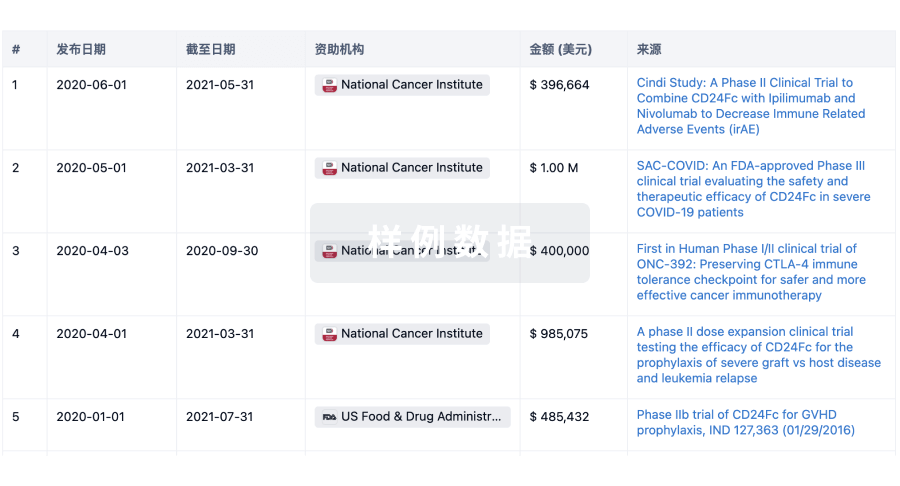
科研基金(NIH)
访问超过 200 万项资助和基金信息,以提升您的研究之旅。
登录
或
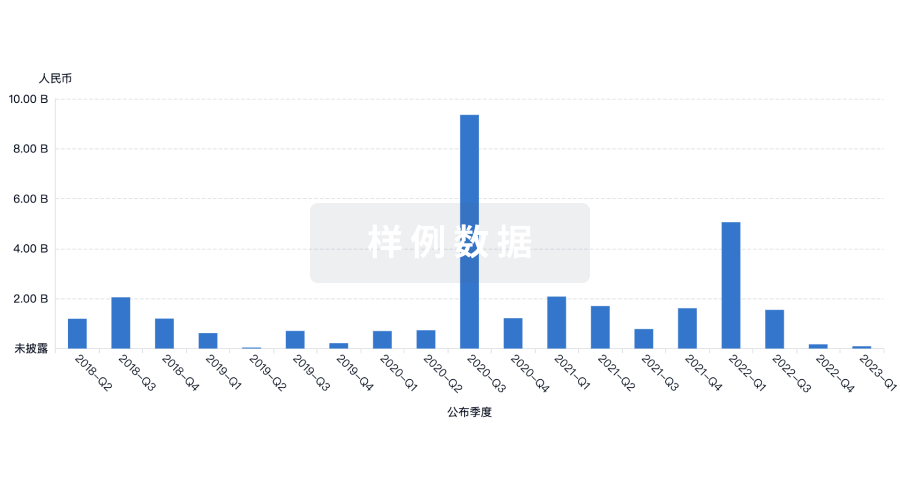
投资
深入了解从初创企业到成熟企业的最新公司投资动态。
登录
或
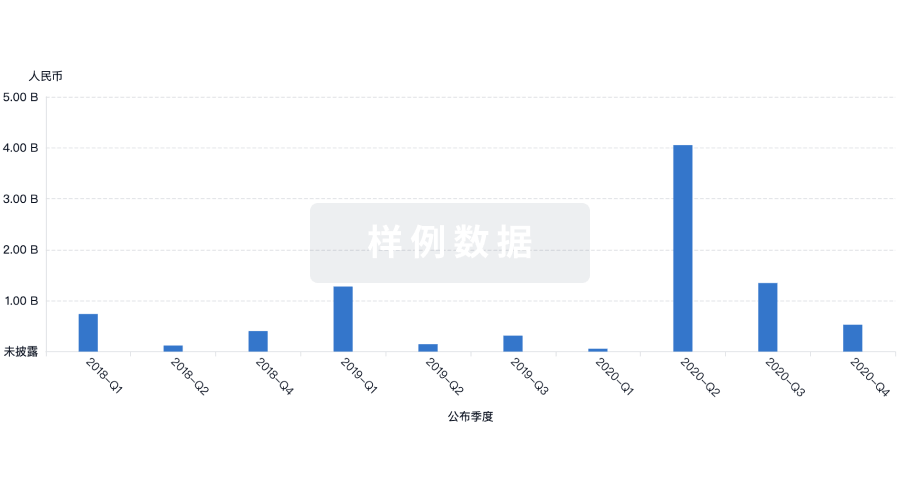
融资
发掘融资趋势以验证和推进您的投资机会。
登录
或
生物医药百科问答
全新生物医药AI Agent 覆盖科研全链路,让突破性发现快人一步
立即开始免费试用!
智慧芽新药情报库是智慧芽专为生命科学人士构建的基于AI的创新药情报平台,助您全方位提升您的研发与决策效率。
立即开始数据试用!
智慧芽新药库数据也通过智慧芽数据服务平台,以API或者数据包形式对外开放,助您更加充分利用智慧芽新药情报信息。
生物序列数据库
生物药研发创新
免费使用
化学结构数据库
小分子化药研发创新
免费使用