预约演示
更新于:2026-02-01

ADAMA Ltd.
更新于:2026-02-01
概览
关联
NCT05376501
A Prospective, Randomized, Double-blind, Placebo-controlled Study to Evaluate the Effect of Supplemental Astaxanthin in Healthy Female Adult Participants

NCT05409092
Influence of Astaxanthin Supplementation on Exercise-Induced Inflammation and Skin Health

NCT05537350
A 12 Weeks of Clinical Study to Evaluate the Efficacy and Consumer Perception of Different Skin Attributes Following Supplementation of an Oral Supplement- Lumenato
100 项与 安道麦股份有限公司 相关的临床结果
登录后查看更多信息
登录后查看更多信息
2026-01-01Integrated Environmental Assessment and Management
Workshop report: scoping for the development of a proposal for an OECD guidance document on fish vitellogenin assessment
Article
作者: Dang, Zhichao ; Yamamoto, Hiroshi ; Hecker, Markus ; Salinas, Edward R ; Schneider, Suzanne Z ; Brown, Rebecca J ; Weltje, Lennart ; Thorpe, Karen ; Krzykwa, Julie ; Boehler, Svenja ; Fisher, Tom ; Hoeger, Stefan ; Snow, Amy ; Goodband, Tracey ; Mingo, Valentin ; Gao, Zhenglei ; Burden, Natalie ; Wheeler, James R ; Holbech, Henrik ; Brion, Francois ; Villeneuve, Daniel L ; Stahlschmidt, Petra ; Maynard, Samuel K ; Fagundes, Teresa ; Pellizzato, Francesca ; Koerner, Oliver ; Katsiadaki, Ioanna ; Mikkelsen, Frank ; Pearson, Audrey ; Augusiak, Jacqueline ; Aubee, Catherine ; Coady, Katherine K ; Baccaro, Marta ; Maunder, Richard ; Fryer, Mike ; Marini, Joseph ; Kearney, Philippa ; Panter, Grace H ; Jacobs, Miriam ; Eilebrecht, Elke ; Sewell, Fiona
Abstract:
This report summarizes discussions of an international workshop in May 2024, aiming to scope the development needs of a proposal for an Organisation for Economic Cooperation and Development (OECD) Guidance Document on vitellogenin (VTG) analysis and assessment. Vitellogenin, an egg-yolk precursor protein in oviparous species, is an informative marker of possible chemical-induced endocrine activity (particularly estrogenicity). Vitellogenin measurement is included in several standardized test guidelines published by the OECD and USEPA for the assessment of endocrine activity of chemicals in fish (and one in amphibians). However, in vivo VTG data across and within fish species can be highly variable and influenced by both technical and biological factors, affecting the reliability and interpretation of results. This poses a challenge for regulatory decision-making and can trigger potentially unnecessary vertebrate studies or prevent necessary further investigations. The workshop brought together 42 experts from different sectors and geographies to discuss three key aspects regarding VTG assessment: (1) technical/laboratory factors and VTG quantification, (2) data handling and statistics, and (3) interpreting the biological relevance of VTG responses. The workshop participants discussed the development and needs of a guidance document to provide harmonized recommendations, best practices, quality assurance criteria, and minimum reporting standards for VTG assessment in regulatory studies across the different test guidelines. Several areas were identified where further work and discussion are needed to inform on the development of the guidance document, such as the use of historical control data, the identification of potential outliers, the presentation of data, and analysis of case study examples. Provision of such a guidance document will further support the use of VTG as a relevant marker for a key aspect of endocrine activity assessment for regulatory decision-making. A formal project was subsequently accepted into the OECD Test Guideline workplan in April 2025.
2025-11-01Integrated Environmental Assessment and Management
Pesticide residue levels on crop seeds as diet for birds and mammals after foliar applications at late growth stages
Article
作者: Taylor, Seamus ; Gioutlakis, Michail ; Kragten, Steven ; Ludwigs, Jan-Dieter ; Garcia, Paula ; Schabacker, Jens ; Ristau, Kai ; Foudoulakis, Manousos ; Nopper, Joachim Harald ; Vallon, Martin
Abstract:
Crop seeds that are formed on seed-bearing crops at late growth stages are a potential diet item of birds and mammals feeding in agricultural landscapes and may carry pesticide residues. This potential exposure route for birds and mammals is thus part of the European risk assessment framework for pesticide risk assessment. For assessing the risk, estimated residue concentrations on crop seeds are needed, which are typically expressed as RUD (residue-per-unit-dose) values. However, proposed RUD values for seeds as given in relevant European Union (EU) guidance documents were often not derived from actual crop seeds and are generally based on outdated data with unclear relevance for regulatory purposes. The objective of this work was to provide reliable crop seed RUD values representative for EU conditions and modern pesticides. For this purpose, industry field study data on crop seed residue levels for various pesticides resulting from spray application to crops at late growth stages were gathered and evaluated. This new large dataset is based on 178 residue trials and provides crop-specific data for cereals, sunflower, oilseed rape, and pulses. The analysis revealed significantly lower RUD values across crops than the current default values for use in wildlife risk assessment.
2025-09-01ENVIRONMENT INTERNATIONAL
A Scheme for Safety Testing and Assessment of Biochemicals under the EU Plant Protection Products Regulation (BiochemPPP-STAS)
Review
作者: Strupp, Christian ; Gürkan, Orçun ; Rignall, Benjamin ; Lamperti, Sara ; Sauer, Ursula G ; Mehta, Jyotigna ; Taylor, Seamus ; Bothe, Hanno ; Ellis, Siân ; Criollo, Rosa ; Werner, Michael ; Douaiher, Marie-Noêlle ; Montagnac, Julie
Biochemicals (e.g. substances that originate from nature) are often of lower risk to humans and the environment. Nonetheless, when intended for use as active substances in the European Union (EU), they are subject to the same, extensive data requirements as conventional active substances. This impairs their applicability to support a sustainable agriculture. Here, a Scheme for Safety Testing and Assessment of Biochemicals under the EU Plant Protection Products Regulation (BiochemPPP-STAS) is proposed. The BiochemPPP-STAS provides a flexible approach to identify relevant endpoints and studies, the scientific rationale to justify the waiving of studies that would not contribute to the safety assessment and general advice to prepare a 'fit-for-purpose' dossier for approval of the biochemical active substance. If the background exposure to the naturally occurring counterpart of the biochemical active substance is not substantially increased through its agricultural use, there is no relevant exposure and further risk assessments are not needed. Prior to the generation of new data, all available information is retrieved and evaluated to address areas of concern and resulting uncertainties. Preferably, data needs are identified following an iterative process, in close alignment between applicant and authority. A base dataset is generated to determine triggers of concern that require follow up in vertebrate animal intensive studies, which are, thus, only conducted as a last resort. To facilitate its regulatory applicability, the BiochemPPP-STAS has been closely aligned with EU legislation. Nonetheless, it has been designed generically and can be adapted to fulfil the legal requirements implemented in other jurisdictions.
2024-10-24
·美通社
100 项与 安道麦股份有限公司 相关的药物交易
登录后查看更多信息
100 项与 安道麦股份有限公司 相关的转化医学
登录后查看更多信息
组织架构
使用我们的机构树数据加速您的研究。
登录
或
管线布局
2026年05月23日管线快照
无数据报导
登录后保持更新
药物交易
使用我们的药物交易数据加速您的研究。
登录
或
转化医学
使用我们的转化医学数据加速您的研究。
登录
或
营收
使用 Synapse 探索超过 36 万个组织的财务状况。
登录
或
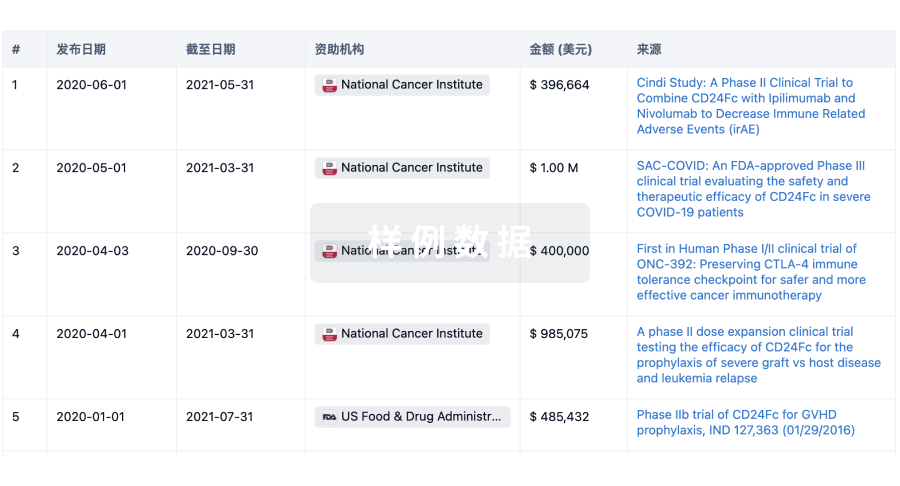
科研基金(NIH)
访问超过 200 万项资助和基金信息,以提升您的研究之旅。
登录
或
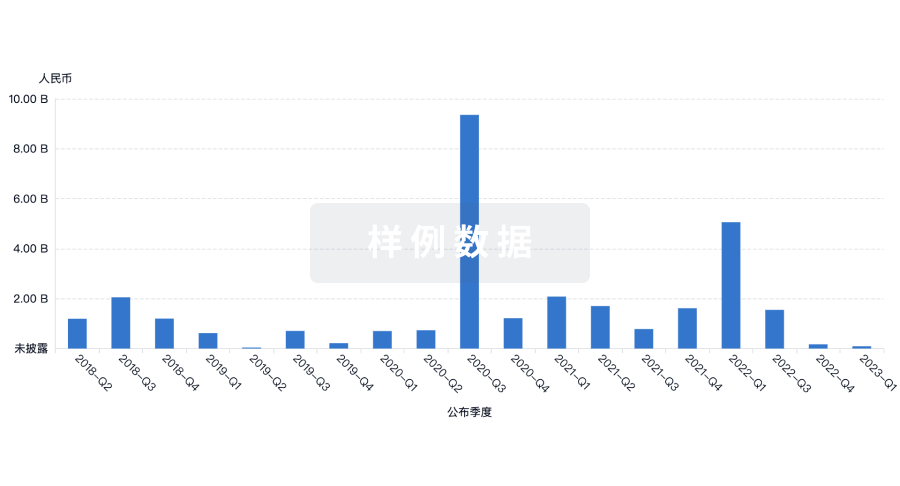
投资
深入了解从初创企业到成熟企业的最新公司投资动态。
登录
或
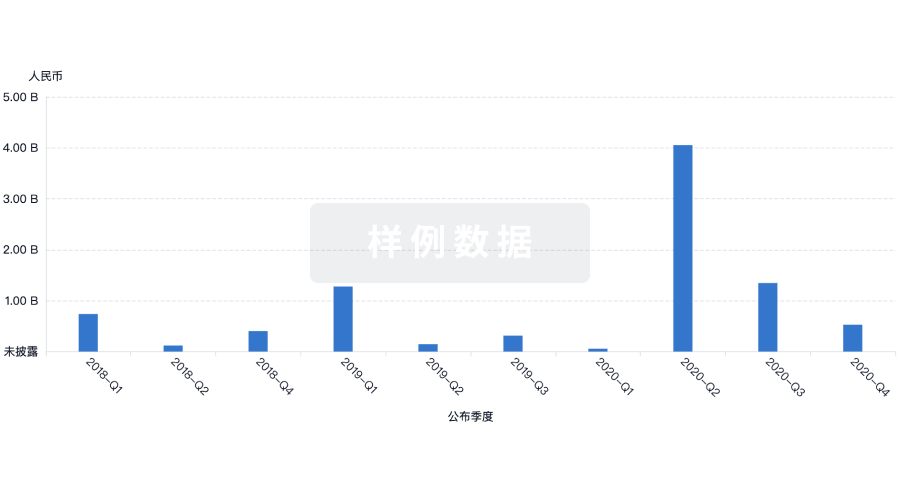
融资
发掘融资趋势以验证和推进您的投资机会。
登录
或
生物医药百科问答
全新生物医药AI Agent 覆盖科研全链路,让突破性发现快人一步
立即开始免费试用!
智慧芽新药情报库是智慧芽专为生命科学人士构建的基于AI的创新药情报平台,助您全方位提升您的研发与决策效率。
立即开始数据试用!
智慧芽新药库数据也通过智慧芽数据服务平台,以API或者数据包形式对外开放,助您更加充分利用智慧芽新药情报信息。
生物序列数据库
生物药研发创新
免费使用
化学结构数据库
小分子化药研发创新
免费使用