预约演示
更新于:2025-08-14
BASF Pharma
更新于:2025-08-14
概览
关联
100 项与 BASF Pharma 相关的临床结果
登录后查看更多信息
0 项与 BASF Pharma 相关的专利(医药)
登录后查看更多信息
7
项与 BASF Pharma 相关的文献(医药)2001-11-01·Journal of immunology (Baltimore, Md. : 1950)2区 · 医学
Novel Small Molecule Inhibitor of C1s Exerts Cardioprotective Effects in Ischemia-Reperfusion Injury in Rabbits
2区 · 医学
Article
作者: Darius, Harald ; Schwertz, Hansjörg ; Seitz, Werner ; Buerke, Michael ; Meyer, Jürgen
Abstract:
Myocardial ischemia-reperfusion injury can be related to complement activation with generation of chemotactic agents, adhesion molecule expression, release of cytokines and oxygen-derived free radicals, and subsequent neutrophil accumulation. In the present study the cardioprotective effects of a novel highly selective small molecule C1s inhibitor (C1s-INH-248, Knoll) were examined in a rabbit model of myocardial ischemia (I) and reperfusion (R; i.e., 60 min I + 180 min R). In in vitro tests (enzyme activity and SRBC lysis) C1s-INH-248 demonstrated profound inhibitory potency. In vivo C1s-INH-248 (1 mg/kg body weight) administered 5 min before reperfusion significantly attenuated myocardial injury (31.9 ± 2.5 vs 8.9 ± 1.6% necrosis/area at risk; p < 0.01). The cardioprotective effect was dose dependent. The reduction of myocardial injury was also observed as diminished plasma creatine kinase activity in C1s-INH-248-treated animals (70.7 ± 6.8 vs 45.1 ± 3.9 U/g protein after 3 h of reperfusion, p < 0.05). Further, cardiac myeloperoxidase activity (i.e., a marker of PMN accumulation) in the ischemic and necrotic area was significantly reduced following C1s-INH-248 treatment (1.31 ± 0.23 vs 0.4 ± 0.05 U/100 mg tissue in necrotic area, p < 0.01). Thus, blocking the classical complement pathway with a highly specific and potent synthetic inhibitor of the activated C1 complex appears to be an effective mean to preserve ischemic myocardium from injury following reperfusion.
2000-10-15·The Biochemical journal3区 · 生物学
AMP decreases the efficiency of skeletal-muscle mitochondria
3区 · 生物学
Article
作者: BRAND, Martin D. ; ST-PIERRE, Julie ; JONES, Robert B. ; DICKINSON, Keith ; BUCKINGHAM, Julie A. ; CADENAS, Susana
Mitochondrial proton leak in rat muscle is responsible for approx. 15% of the standard metabolic rate, so its modulation could be important in regulating metabolic efficiency. We report in the present paper that physiological concentrations of AMP (K0.5 = 80µM) increase the resting respiration rate and double the proton conductance of rat skeletal-muscle mitochondria. This effect is specific for AMP. AMP also doubles proton conductance in skeletal-muscle mitochondria from an ectotherm (the frog Rana temporaria), suggesting that AMP activation is not primarily for thermogenesis. AMP activation in rat muscle mitochondria is unchanged when uncoupling protein-3 is doubled by starvation, indicating that this protein is not involved in the AMP effect. AMP activation is, however, abolished by inhibitors and substrates of the adenine nucleotide translocase (ANT), suggesting that this carrier (possibly the ANT1 isoform) mediates AMP activation. AMP activation of ANT could be important for physiological regulation of metabolic rate.
2000-04-25·Circulation1区 · 医学
Modulation of Functionally Active Endothelin-Converting Enzyme by Chronic Neutral Endopeptidase Inhibition in Experimental Atherosclerosis
1区 · 医学
Article
作者: Schirger, John A. ; Heublein, Denise M. ; Burnett, John C. ; Wennberg, Paul W. ; Sandberg, Sharon ; Grantham, J. Aaron ; Subkowski, Thomas
Background
—Endothelin-converting enzyme-1 (ECE-1) processes big endothelin-1 (ET-1) to ET-1, a peptide implicated in atheroma formation. ECE-1 exists in 2 isoforms (ECE-1α and ECE-1β), the result of alternative splicing of a common gene. Neutral endopeptidase (NEP) is a genetically distinct metallopeptidase that degrades the natriuretic peptides. These peptides mediate antiproliferative and vasodilating actions. We sought to demonstrate the distribution of the 2 ECE-1 isoforms in experimental atherosclerosis, to determine the effects of chronic NEP-I on plasma cGMP concentrations, vascular wall ECE-1 activity, and ET-1 concentration, and to correlate these actions with atheroma formation. Our hypothesis was that chronic NEP-I, in association with augmented cGMP, would inhibit ECE-1 conversion of big ET-1 to active ET-1, thus reducing tissue ET-1 concentrations and associated atheroma formation.
Methods and Results
—Cholesterol-fed New Zealand White rabbits (n=8, 1% cholesterol diet) and NEP-I–treated cholesterol-fed New Zealand White rabbits (n=8; candoxatril, 30 mg/kg per day, Pfizer) were euthanized after 8 weeks of feeding. ECE-1α and ECE-1β immunoreactivity was present in the aortas of both groups. Compared with control values, plasma cGMP concentrations were increased (2.8±0.6 versus 8.4±1.2 pmol/mL,
P
<0.05), ECE-1 activity was attenuated (68±3% versus 32±8%,
P
<0.05), aortic tissue ET-1 concentrations were reduced (4.6±0.5 versus 3.2±0.3 pg/mg protein,
P
<0.05), and atheroma formation was attenuated (62±6% versus 34±5%,
P
<0.01) by NEP-I.
Conclusions
—These studies suggest that ECE-1 is present and functionally active in the vascular wall in atherosclerosis. Inhibition of ECE-1 by NEP-I represents a novel approach to interruption of the endothelin system in this cardiovascular disease state.
10
项与 BASF Pharma 相关的新闻(医药)2025-03-25
PORTO, Portugal--(BUSINESS WIRE)--FairJourney Biologics S.A., global leader in antibody discovery and development, today announced the formation of its Supervisory Board to support the Company’s ongoing strategy for growth and innovation. Comprising experienced biotech leaders with proven track records for success, the strategic initiative will focus on driving cutting-edge research, reinforcing the Company’s commitment to excellence in antibody research and to accelerate innovation in the field.
The newly formed board will be chaired by Dr. Werner Lanthaler, a renowned voice in the industry with an extensive career driving biopharmaceutical innovation. Dr. Lanthaler is currently CEO of the investment firm Wlanholding, and brings significant experience leading strategic growth initiatives, having held several executive-level roles including CEO of Evotec AG and CFO at Intercell AG. Throughout his career, Dr. Lanthaler helped to drive commercial success and long-term growth, including leading several collaborative partnerships with global pharmaceutical, biotechnology, and academic institutions. Dr. Lanthaler holds a Ph.D. in Economics from the University of Vienna and a master’s degree in public administration from Harvard University’s Kennedy School of Government.
Joining Lanthaler on the board is Dr. Mikael Dolsten, widely recognized for his contributions to leading pharmaceutical companies and leadership in the global healthcare sector. Dr. Dolsten brings over 25 years’ experience leading cross-functional research and development programs and advancing innovative therapeutic solutions across diverse organizations, including as Chief Scientific Officer and President of Worldwide Research, Development, and Medical at Pfizer. Several of the initiatives led by his teams have resulted in new treatment options that have helped to significantly improve patient care worldwide. He holds both a M.D., Ph.D. and a Professorship in Medicine (Visiting) from Lund University in Sweden.
The board also welcomes Dr. Tariq Ghayur, an accomplished expert with over 30 years’ experience in biologics early discovery, development of bi- and multi-specific biologics platforms and translational medicine. Having previously held senior leadership positions at BASF Pharma, Abbott Laboratories, and most recently as Distinguished Research Fellow and Head of Foundational Immunology Department at AbbVie, Dr. Ghayur is widely experienced in leading multi-disciplinary, cross-therapeutic area Biologics discovery programs and developing novel biologics platforms, several of which have resulted in clinical development candidates. He holds a Ph.D. in Immunology from McGill University and completed his post-doctoral training at Dana Farber Cancer Institute.
Partners Group, one of the largest firms in the global private markets industry, which invested in a majority stake in FairJourney Biologics in 2024 on behalf of its clients, will be represented on the Supervisory Board through the appointment of Dr. Remy Hauser and Pascal Noth. GHO Capital, the European specialist investor in global healthcare, which owns a minority stake in FairJourney Biologics, will be represented through Edward de Nor.
Dr. Werner Lanthaler, Supervisory Board Chair, FairJourney Biologics, commented: “I am honored to join the Supervisory Board at such a pivotal time. My goal is to foster an environment of rigorous scientific and agile decision-making that will help to further development of Fairjourney Biologics’ breakthrough antibody solutions. I look forward to leveraging my background in pharmaceutical strategy and regulatory excellence to guide our company toward new achievements and continue to cement its position as the strategic partner of choice for the antibody community.”
António Parada, CEO, FairJourney Biologics, said: “Our new board marks an exciting chapter for FairJourney Biologics. With leaders of such exceptional caliber and diverse backgrounds joining us, we are well-positioned to drive innovation and excellence in the antibody space. Their collective expertise and strategic vision will be instrumental in elevating our service offerings in the global market.”
Dr. Tariq Ghayur, Supervisory Board Member, FairJourney Biologics noted: “In today’s dynamic biomedical landscape, the speedy development of innovative biologics and associated technologies is key. I am eager to work with my fellow board members to ensure that our innovation not only advances scientific knowledge but also translates into tangible benefits for patients worldwide”
Dr. Mikael Dolsten, Supervisory Board Member, FairJourney Biologics, added: “The formation of this Board represents a unique opportunity to bridge cutting-edge research with real-world application. We're excited to redefine the interplay between outsourcing and strategic partnering, forging stronger collaborations to drive innovation and deliver transformative solutions."
For more information, please visit: https://fjbio.com/
高管变更
2024-12-16
PORTO, Portugal--(
BUSINESS WIRE
)--FairJourney Biologics S.A., leaders in the discovery and optimization of antibodies, today announced it has established a Scientific Advisory Board (SAB) to support its strategy for ongoing growth and innovation. The advisory board comprises renowned industry experts appointed to support the identification of strategic opportunities, enhance scientific excellence, and drive the development of cutting-edge technologies. This alignment ensures the Company remains at the forefront of antibody discovery, addressing market needs and future trends.
António Parada, CEO of FairJourney Biologics, commented:
“The addition of the Scientific Advisory Board to our team marks a significant milestone for FairJourney Biologics. Their collective expertise will guide our scientific efforts, helping us accelerate growth and deliver the next generation of antibody discovery technologies to our customers and stakeholders.”
Dr. Janine Schuurman
joins as Chair of FairJourney Biologics’ SAB. Her career has centered around innovative research and new technology in antibody discovery and development for novel therapeutic modalities. She was Senior Vice President, Head Antibody Research & Technology at Genmab, joining in 2000 as one of the first ten employees on the R&D team and going on to hold several senior positions over 22 years at the Company. Janine has co-invented an impressive portfolio of therapeutic antibodies, approved and in clinical and pre-clinical development, and antibody discovery and development platforms. She advises a number of companies and collaborates with leading industry organizations, including as President of The Antibody Society. Janine holds a Ph.D. in Molecular Immunology from the University of Amsterdam.
Janine commented:
"
FairJourney Biologics is established as a global leader in antibody discovery services. As SAB Chair, I am very much looking forward to joining the Company’s journey to broaden innovation and its impact on the industry
.”
Dr. Elaine Sullivan
brings over 25 years of industry experience; holding senior executive positions at several pharma and biotech companies, including as a member of the Senior Global R&D management team at Eli Lilly and Company and AstraZeneca. Elaine was Vice President R&D; Head of New Opportunities Therapy Area at AstraZeneca, and having been at the Company for over 16 years, moved to Eli Lilly as Vice President of Global External Research & Development. She co-founded and led Carrick Therapeutics as CEO, has established 14 new companies, and gained extensive international Non-executive Director Board expertise in public companies across Europe. Elaine gained her Ph.D. in Molecular Virology from The University of Edinburgh.
Dr. Tariq Ghayur
has over 30 years’ experience leading multi-disciplinary, cross-therapeutic area Biologics discovery programs and developing novel biologics platforms in different organizations, including BASF Pharma, Abbott Laboratories, and most recently as Distinguished Research Fellow and Head of Foundational Immunology Department at AbbVie. Several of the Biologics programs Tariq’s teams pioneered have resulted in clinical development candidates. He holds a Ph.D. in Immunology from McGill University and completed his post-doctoral training at Dana Farber Cancer Institute.
Dr. Victor Greiff
is an Associate Professor for Systems Immunology at the University of Oslo and the Director of Computational Immunology at Imprint Labs, a non-profit focused research organization for immunology. His group develops machine learning, computational and experimental tools for immune-repertoire-based
in silico
immunodiagnostics and immunotherapeutics discovery and design. Victor received his Ph.D. in Systems Immunology from Humboldt University and performed his postdoctoral training at ETH Zürich.
For more information, please visit:
https://fjbio.com/
高管变更免疫疗法
2024-06-23
在经历了前几年的低迷之后,生物制药和科技领域的企业并购活动又开始变得活跃起来,但具有明显的时代印记。
1
销售下滑与专利悬崖面前,不得不买
美国生物制药和科技公司的并购交易规模,在很大程度上决定于联邦利率政策,这可能是决定大规模并购交易是否发生的决定性因素。然而上市生物制药公司在收入上的降低则会拉动并购交易的需求。Ernst & Young(EY)分析师称,美国和欧盟上市生物制药公司2023年的总收入较上年下降10.7%,总额约为1920亿美元(图1)。他们认为新冠疫苗和疗法销售额下降是导致这一下降的主要原因,但还有其他因素。EY预计,2023年至2028年期间,全行业收入缺口将达到3000亿美元。
图1. 美国和欧洲上市生物制药和科技公司销售额走势图(图片来源:EY)
除了疫情相关的收入锐减之外,还有其他因素也影响了 2023 年的收入下滑,例如生物类似药的影响以及美国产品价格的下行压力。艾伯维的老药王修美乐在2023年收入锐减,从2022年的212.4亿美元暴跌至2023年的144亿美元,下降了32%。生物类似药的取而代之对于2023至2028年间医药市场销售额3000亿美元亏空影响重大,尤其是对眼科这样的急性适应症更是如此。
当上市生物制药公司在收入上出现降低时,通常会拉动并购交易的需求,其背后原因表现在以下方面:
1、公司需要寻找新的增长点
• 扩展产品线:收入下降的公司可能需要通过并购来扩展其产品线或进入新的治疗领域,以弥补收入的下降。例如,通过并购拥有新药或创新疗法的小公司,来增强自身的产品组合。
• 获取新市场:公司可能通过并购进入新的市场区域,以增加收入来源,特别是在现有市场增长乏力的情况下。
2、成本节约和效率提升
• 规模经济:并购可以帮助公司实现规模经济,从而降低生产和运营成本。通过整合运营、合并研发部门和优化供应链,企业可以提高效率,节省成本。
• 资源共享:并购后,企业可以共享研发资源、技术平台和市场渠道,进一步提升效率和竞争力。
3、增强竞争力
• 获取技术和知识产权:通过并购拥有关键技术和知识产权的公司,收入下降的企业可以增强其技术实力,提升市场竞争力。
• 市场份额增加:通过并购竞争对手,企业可以增加市场份额,减少竞争压力,从而提高市场地位和议价能力。
4、财务健康和投资者信心
• 提高财务表现:通过并购,企业可以改善其财务表现,增加收入和利润,从而提升股东价值和投资者信心。
• 吸引投资:并购成功可以增强市场对公司的信心,使其更容易吸引新的投资。
5、战略调整和重组
• 业务重组:收入下降可能促使公司进行业务重组,聚焦于核心业务或高增长领域。并购是实现这种重组的有效手段,通过剥离非核心资产和并购优质资产来优化业务结构。
• 技术和产品创新:通过并购拥有前沿技术和创新产品的公司,企业可以加速自身的技术和产品创新,提高市场竞争力。
针对大型制药公司本十年即将面临的巨大专利悬崖,以及销售额的下滑,如果没有大规模的并购交易,很多公司将很难拿填平当家花魁退位之后造成的收入空缺。
2
以史为鉴,三十六计买为上
2023年药王Keytruda,是默沙东2009年411亿美元收购先灵葆雅获得的资产,2014年获得FDA批准,2023年为默沙东创造了250亿美元。
艾伯维的老药王修美乐,也是其前身Abbott Laboratories在2001年69亿美元收购BASF Pharma获得的资产,2022年为由Abbott分拆形成的艾伯维创造了212亿美元收入。
百时美施贵宝的超级重磅炸弹Opdivo(nivolumab)同样是通过企业并购获得。BMS 2009年24亿美元收购Medarex时获得了已经进入临床阶段的资产nivolumab。Opdivo在2014年撞线,2023年销售额90亿美元,预计峰值销售能达到135亿美元。
一项研究显示,2014-2023年间,81 家拥有重磅炸弹的公司是通过交易来获得此类资产的,相对而言,有105家公司的重磅炸弹资产是内部研发或者在临床阶段之前收购的。
3
资金充盈,必须出手
想不想买是一回事,能不能买是另一回事。
EY报告称,生命科学行业拥有大量资本可用于2024年的企业并购和资产引进,预计现有资金(可用于并购和投资的财务资源)高达1.37兆美元。EY预计 2024 年将是并购活动最为活跃的一年,但大型并购交易出现的频率较低。目前生物医药领域的买方市场意味着目前市场上的资产较多,买家有更多选择和谈判筹码。这对有资金的公司来说是并购的好时机,也将刺激并购交易的发生。大型制药公司往往拥有大量现金储备和强大的资产负债表。
如果这些资金长期闲置,不仅不能产生回报,还会面临通货膨胀等因素的侵蚀。通过并购,可以有效利用这些过剩资金,实现资本的增值。除此之外,投资者也期望公司利用其充裕的资金来创造价值。如果公司不进行并购或其他投资,可能会面临股东的压力。通过并购,企业可以展示其积极的增长策略,从而提升股东信心和股价。
2023年辉瑞430亿美元收购Seagen是自2020年12月艾伯维收购Allergan以来的首笔超过300亿美元的交易。2023年超过100亿美元的并购交易总共发生了四次,其中三次发生在2023年的第四季度。2023年肿瘤学领域的并购投资总额为 652 亿美元。预计细胞疗法、基因疗法和代谢疾病疗法将成为2024年交易的其他主要驱动因素。
根据Bloomberg汇编的数据,今年前五个月,医疗保健行业的交易活动已达到290亿美元,仍远低于极值的2015年前五个月的800亿美元。
4
降息来临,此时不买待何时
在过去几年中,随着美联储以几十年来最快的速度加息,生物制药和技术公司在筹集资金方面遇到了空前的困难。加息通常会导致借贷成本上升,使企业融资变得更加昂贵和困难。去年年底,生物技术领域的交易活动有所增加。交易者认为美联储即将开始降息,市场对未来融资环境的预期变得更加乐观。目前美联储的政策方向再次变得晦暗不明。SPDR S&P Biotech ETF(XBI)今年到目前为止基本持平,并且比2021年2月的历史高点低了大约50%。
医药行业正在等待来自美国中央银行的政策指引,后者将在近期开会讨论其政策。EY指出,随着宏观政策的变化可能给金融市场注入更多信心,预计生物技术领域的活动将加速增长,包括合作伙伴关系、收购、融资轮、跟投、首次公开募股等。
5
2024交易趋势:只买对的,不买贵的
2024年药企并购的大趋势在于巨型交易者寡,而大多数交易将在100亿美元以内。例如默沙东最近17亿美元收购眼科公司EyeBio ,及其同类首创的三特异性抗体 Restoret资产,这标志着默沙东时隔近十年后重返眼科领域。
尽管默沙东的药王Keytruda仍然保持着销售额的高涨态势,并在2024年第一季度收入69亿美元,超出了预期的67.1亿美元,但默沙东仍然在通过扩展管线宽度的策略为Keytruda 2028年专利到期做足了准备。默沙东CEO Rob Davis表示,他们将继续进行规模较小的交易,例如1月份以6.8亿美元收购抗癌药物开发商 Harpoon Therapeutics。Davis指出,10亿美元至150亿美元的范围是默沙东的主要收购目标。
Leerink Partners 最近的一份报告显示,2024年第一季度的生物制药并购活动同比增长了100%以上,共产生出13笔交易,而去年同期只有6笔交易。由于专利将到期,大型生物制药公司继续面临即将到来的收入缺口,并将继续在数十亿美元的交易中瞄准商业或临床阶段风险较低的公司。不仅中小型制药公司奉行谨慎投资的策略,就连制药巨头也出手婉约。
例如强生12.5亿美元现金收购Numab Therapeutics II期临床的特应性皮炎双特异性抗体资产NM26。之前不久,强生8.5亿美元收购了Proteologix,针对的重要资产也是特应性皮炎的双特异性抗体资产。这两笔交易规模都较小,但强生公司CEO Joaquin Duato表示,鉴于他们的现金流和资产负债表强劲,强生有很大的灵活性来考虑多种类型的交易。
5月底,日本企业集团旭化成宣布以11亿美元收购瑞典Calliditas Therapeutics,并获得后者的IgA肾病(IgAN)疗法 Tarpeyo,该疗法于2023年12月获得FDA的全面批准。这笔交易表明,大型公司正在寻找收购那些专注于满足医疗需求、提供治疗罕见疾病(例如免疫球蛋白A肾炎,IgAN)的小型公司。
5月份早些时候,诺华宣布计划以10亿美元的预付款收购放射性制药公司 Mariana Oncology,并再支付7.5亿美元的里程碑付款,获得由多肽类候选药物领衔的研发管线,该药物使用放射性锕有效载荷治疗小细胞肺癌。这笔交易也验证了诺华CEO Vas Narasimhan之前的表态,即诺华的整体并购战略是专注于50亿美元以下的资产。诺华2023年出手15次,交易金额均低于30亿美元。今年2月,诺华29亿美元收购了德国生物技术公司 MorphoSys,加强了自己的肿瘤学投资组合。
6月6日,GSK在花了11月的时间调查Elsie Biotechnologies 的寡核苷酸平台之后出资5000万美元收购这家公司,这同样是制药业巨头完成的一笔小交易。GKS寡核苷酸新候选药物的管线资产针对慢性乙型肝炎和脂肪肝等适应症。GSK已将其乙型肝炎在研反义寡核苷酸(ASO)药物bepirovirsen 定位为传染病的新标准治疗药物,有望在2026年完成III期研究。
2024年生物制药并购活动将保持强劲,因为大型制药公司试图通过收购后期或商业阶段的公司来填补收入和渠道空白。买家将继续对肿瘤学表现出兴趣,这是第一季度最活跃的治疗领域,尤其是放射性药物和抗体药物偶联物(ADC)。
— 前景展望 —
2024年是生物制药领域并购活动的一个重要年份。根据EY的数据,尽管去年底生物制药公司可用于并购的资金总额略有下降,但仍达到了1.37万亿美元,显示出行业依然具备强大的并购实力。各种因素,如专利到期、市场竞争加剧以及投资者对增长的需求,都推动着生物制药企业寻求通过并购来获得增长和市场优势。尽管行业仍然面临一些不确定性和挑战,但2024年可预期会是并购活动持续增长的一年。
展望未来,生物制药领域的并购活动将继续保持活跃。随着科技进步和医疗需求的不断演变,企业将更加积极地寻求并购机会,以补充产品管线、拓展市场份额和加速创新。特别是在治疗罕见疾病和未满足医疗需求方面,小型创新公司的价值将进一步凸显,大型制药公司可能会加大对这些公司的收购力度。未来几年的生物制药并购市场将继续保持活跃,但也需要企业具备敏锐的市场洞察和战略规划,抓住并购机会,实现持续增长和价值创造。
参考文献:(上下滑动查看更多)
1.Smith, A. Stock Watch: COVID-19 Casts Long Shadow Over Pharma Sales. Scrip. 19. 03. 2024.
2.Cairns, E. Development Versus Dealmaking: How To Obtain A Blockbuster. Scrip. 16. 05. 2024.
3.Haas, J. EY: Buyers Need To Fill Revenue Gaps But M&A Targets May Be Scarce. Scrip. 03. 06. 2024.
4.Haas, J. Biopharma Has Money To Spend On M&A, EY Says – As Well As Need. Scrip. 08. 01. 2024.
5.Adgbesan, A. Pharma’s $1 Trillion ‘Firepower’ Hangs Over Biotech Stocks in Limbo. Bloomberg. 03. 06. 2024.
6.Johnson & Johnson to Obtain Rights to a Clinical-Stage Bispecific Antibody to Address Distinct Patient Needs in Atopic Dermatitis. J&J Press Release. 28. 05. 2024.
7.Taylor, N. P. GSK, after 11-month romance, buys oligonucleotide partner Elsie for up to $50M. Fierce Pharma. 06. 06. 2024
识别微信二维码,添加生物制品圈小编,符合条件者即可加入
生物制品微信群!
请注明:姓名+研究方向!
版
权
声
明
本公众号所有转载文章系出于传递更多信息之目的,且明确注明来源和作者,不希望被转载的媒体或个人可与我们联系(cbplib@163.com),我们将立即进行删除处理。所有文章仅代表作者观点,不代表本站立场。
并购生物类似药专利到期
100 项与 BASF Pharma 相关的药物交易
登录后查看更多信息
100 项与 BASF Pharma 相关的转化医学
登录后查看更多信息
组织架构
使用我们的机构树数据加速您的研究。
登录
或
管线布局
2026年02月08日管线快照
无数据报导
登录后保持更新
药物交易
使用我们的药物交易数据加速您的研究。
登录
或
转化医学
使用我们的转化医学数据加速您的研究。
登录
或
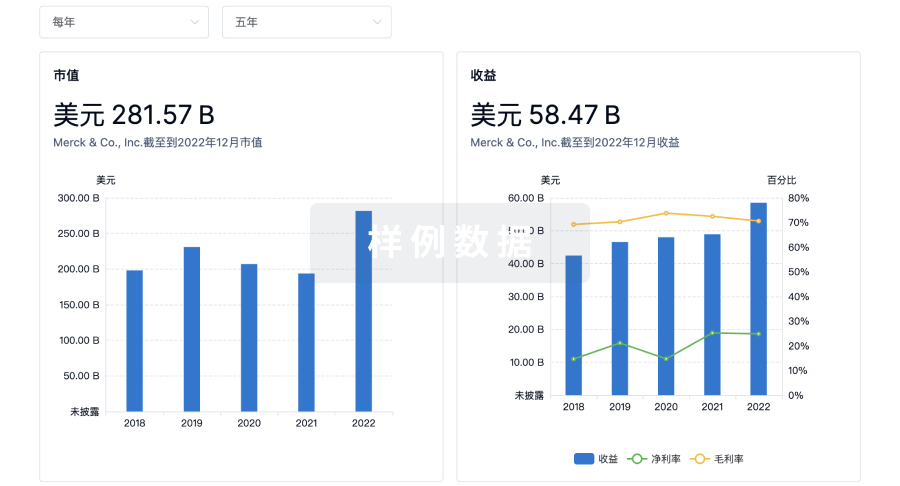
营收
使用 Synapse 探索超过 36 万个组织的财务状况。
登录
或
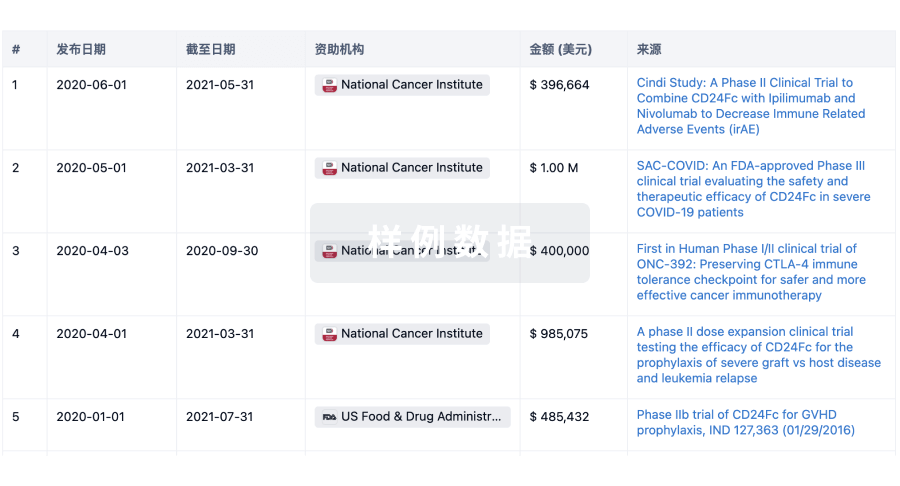
科研基金(NIH)
访问超过 200 万项资助和基金信息,以提升您的研究之旅。
登录
或
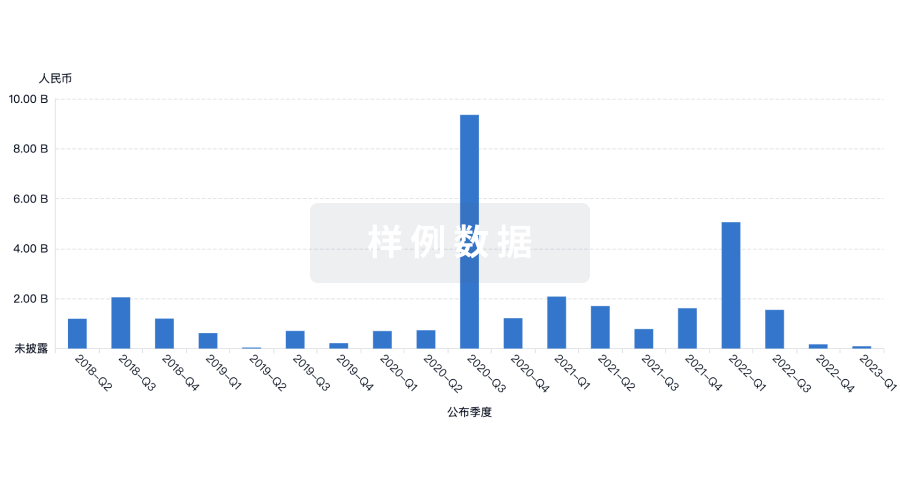
投资
深入了解从初创企业到成熟企业的最新公司投资动态。
登录
或
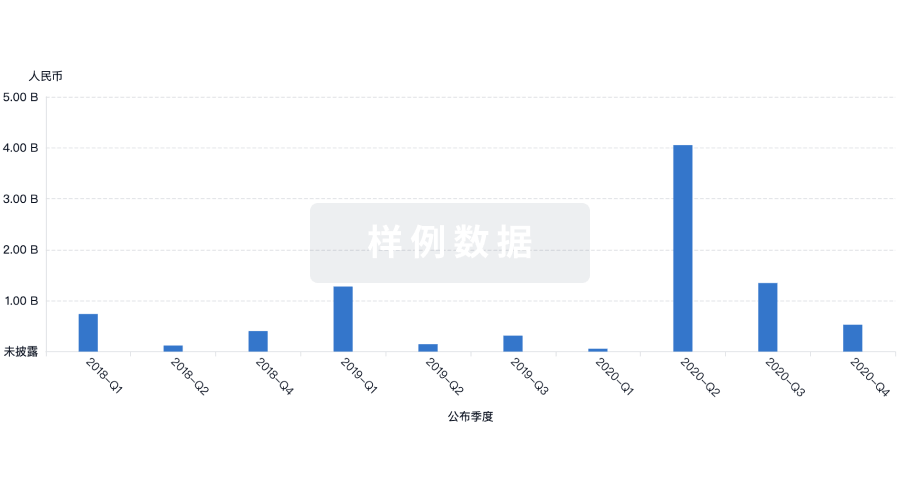
融资
发掘融资趋势以验证和推进您的投资机会。
登录
或
生物医药百科问答
全新生物医药AI Agent 覆盖科研全链路,让突破性发现快人一步
立即开始免费试用!
智慧芽新药情报库是智慧芽专为生命科学人士构建的基于AI的创新药情报平台,助您全方位提升您的研发与决策效率。
立即开始数据试用!
智慧芽新药库数据也通过智慧芽数据服务平台,以API或者数据包形式对外开放,助您更加充分利用智慧芽新药情报信息。
生物序列数据库
生物药研发创新
免费使用
化学结构数据库
小分子化药研发创新
免费使用