预约演示
更新于:2026-04-28
St. George's University School of Medicine
更新于:2026-04-28
概览
关联
NCT06394271
WARRIORS Trial and Registry

NCT04697147
Rescuing Neurodevelopment in Zika-Exposed Infants in Grenada

NCT04697134
A Community-based Conscious Discipline Program to Reduce Corporal Punishment in the Caribbean
100 项与 St. George's University School of Medicine 相关的临床结果
登录后查看更多信息
登录后查看更多信息
2026-03-01MEDICINA CLINICA
Predictors of symptomatic atrial fibrillation recurrence and all-cause mortality at 12 months in obese and non-obese patients
Review
作者: Gupta, Shyla ; Kalasipudi, Rohan ; Dhonde, Prithviraj ; Tharusha Gurusinghe, Praveen ; Dababneh, Edward ; Gautam, Ayush ; Huang, Ken ; Gabriela Matta, María
BACKGROUND AND OBJECTIVE:
Obesity is a modifiable risk factor for atrial fibrillation (AF); however, its influence on recurrence and mortality remains controversial. This study aimed to compare clinical characteristics and 12-month outcomes between obese and non-obese patients with AF and to identify predictors of recurrence and mortality.
MATERIALS AND METHODS:
A retrospective analysis was conducted on 225 patients hospitalized for AF, classified according to obesity (BMI ≥30kg/m2). The primary outcome was AF-related rehospitalization within 12 months, and the secondary outcome was all-cause mortality. Clinical, biochemical, and sociodemographic data were collected.
RESULTS:
Obesity was present in 43% of patients and was associated with younger age, a higher prevalence of sleep apnea, and hypertriglyceridemia. At 12 months, 24.9% of patients were rehospitalized and 14.0% experienced AF recurrence. Obesity (OR 2.84; 95% CI 1.17-6.90; p=0.021) and excessive alcohol consumption (OR 3.49; 95% CI 1.07-11.41; p=0.039) independently predicted AF recurrence. Advanced age, low socioeconomic status, and hypokalaemia were associated with higher mortality, whereas obesity was linked to a lower risk (OR 0.38; 95% CI 0.16-0.95; p=0.038).
CONCLUSIONS:
In this cohort, obesity was associated with increased AF recurrence but reduced mortality, supporting the "obesity paradox." Excessive alcohol intake and low socioeconomic status also influenced outcomes, underscoring the need for individualized management strategies.
2026-03-01NEUROTOXICOLOGY
Gallic and ascorbic acids either alone or combined contribute to ameliorating lead-induced cerebral neurotoxicity in rats: A histological and immunohistochemical study
Article
作者: Abualnasr, Omar T ; Beshara, Nermine ; Shawky, Lamiaa M ; Asali, Faten ; El Bana, Eman ; Morsi, Ahmed A ; Asali, Lamia ; Hamza, Ghena
Lead (Pb) toxicity is a great community health problem. Brain is the primary target organ of Pb intoxication. Ascorbic acid (AA) and Gallic acid (GA) have proven to show potential anti‑inflammatory and antioxidant properties during heavy metal intoxication. So, the current paper aimed to explore the possible protection of AA, GA, and their combination in the current model of Pb neurotoxicity. Fifty-six Wistar male albino rats were assigned into seven groups: control, AA alone (10 mg/kg, oral), GA alone (20 mg/kg, oral), Pb alone (40 mg/kg, intraperitoneal), AA/Pb, GA/Pb, and AA/GA/Pb combination groups. After one month of oral treatment, the animals were humanely killed, and brain cortical samples were extracted for biochemical measurement of the inflammatory and oxidative markers in the brain tissue homogenates. Moreover, the samples were subjected to structural and ultrastructural examinations using light and electron microscopic (EM) studies. Pb resulted in brain injury indicated by remarkable structural and ultrastructural changes evident by neuronal degeneration and reduction of healthy nerve cells. EM showed atrophic nerve cells with irregular outlines, swollen, rarefied mitochondria, and enlarged, fused electron-dense lysosomes indicating possible autophagic vacuoles. Also, a significant increase in the pro-inflammatory markers was noticed, as evident by the raised immunohistochemical expression of glial fibrillary acidic protein (GFAP), malondialdehyde (MDA), and tumor necrosis factor-alpha (TNF-α). In addition, the anti-inflammatory marker decreased, as denoted by the decline in superoxide dismutase (SOD) and catalase. All these alterations were lessened by AA and GA with great restoration in the AA/GA combination group, which showed almost normal histological, ultrastructural, and biochemical parameters. AA and GA are suggested to alleviate Pb‑induced neurotoxicity owing to the modulation of oxidative stress, inflammation, and apoptosis. However, the AA/GA combination shows the greatest effect as evidenced by biochemical, structural, and ultrastructural analyses.
2026-03-01CLINICAL ANATOMY
Integrating Virtual Reality Game‐Based Learning to Enhance Metacognition in Medical Anatomy Education
Article
作者: Inzunza, Oscar ; Burgos-Martínez, Sebastián A ; Cabello, Emilio Farfán ; Ottone, Nicolás E ; Cadile, Matías ; Tubbs, R Shane ; Alvarado, Macarena Soto ; Neyem, Andres
ABSTRACT:
Medical anatomy education has traditionally relied on lectures, hands‐on prosection, and textbooks, with recent enhancements through digital materials. This study investigates the integration of virtual reality (VR) technology in anatomy education and its impact on student engagement, metacognitive development, and learning outcomes. Through two experimental cycles with first‐year medical students, the VR application was evaluated across key usability dimensions, including engagement, engrossment, and total immersion, alongside its contribution to fostering metacognitive strategies through metacognitive dimensions. Results demonstrated high levels of student engagement, with 3D anatomical structures emerging as the most valued feature. The usability evaluations indicated the platform's intuitive design; although some technical barriers highlighted the need for improved onboarding and tutorials. Emotional attachment to the application was significant, whereas the focus of attention and presence demonstrated areas for growth, requiring more dynamic and interactive content. The findings emphasize the potential of VR to complement traditional anatomy education by providing immersive and interactive learning experiences. However, challenges such as limited content depth, the need for collaborative features, and better alignment with curricular objectives were identified. Future work should prioritize expanding the range of 3D anatomical structures, integrating personalized feedback through advanced analytics, and reducing technological barriers to accessibility. By addressing these areas, VR technology can serve as a transformative tool in medical education, bridging the gap between theoretical knowledge and practical application while equipping students with the skills and strategies necessary for their professional development.

100 项与 St. George's University School of Medicine 相关的药物交易
登录后查看更多信息
100 项与 St. George's University School of Medicine 相关的转化医学
登录后查看更多信息
组织架构
使用我们的机构树数据加速您的研究。
登录
或
管线布局
2026年09月23日管线快照
无数据报导
登录后保持更新
药物交易
使用我们的药物交易数据加速您的研究。
登录
或

转化医学
使用我们的转化医学数据加速您的研究。
登录
或
营收
使用 Synapse 探索超过 36 万个组织的财务状况。
登录
或
科研基金(NIH)
访问超过 200 万项资助和基金信息,以提升您的研究之旅。
登录
或
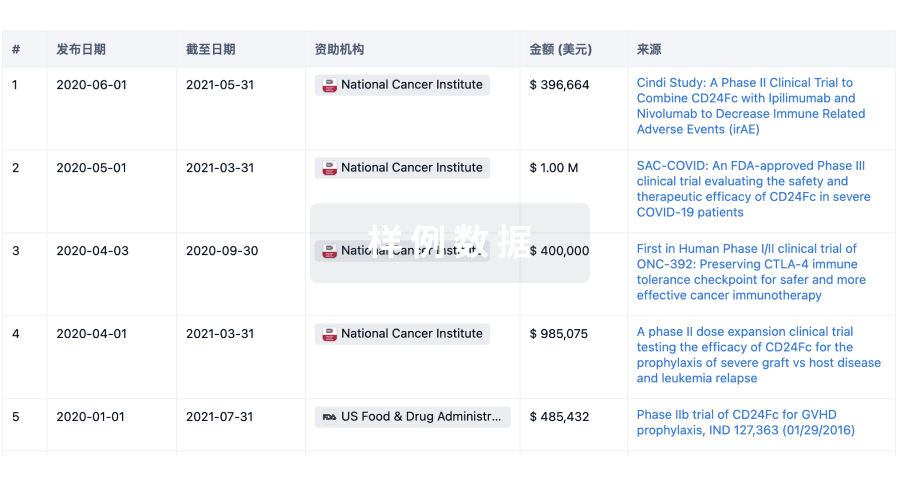
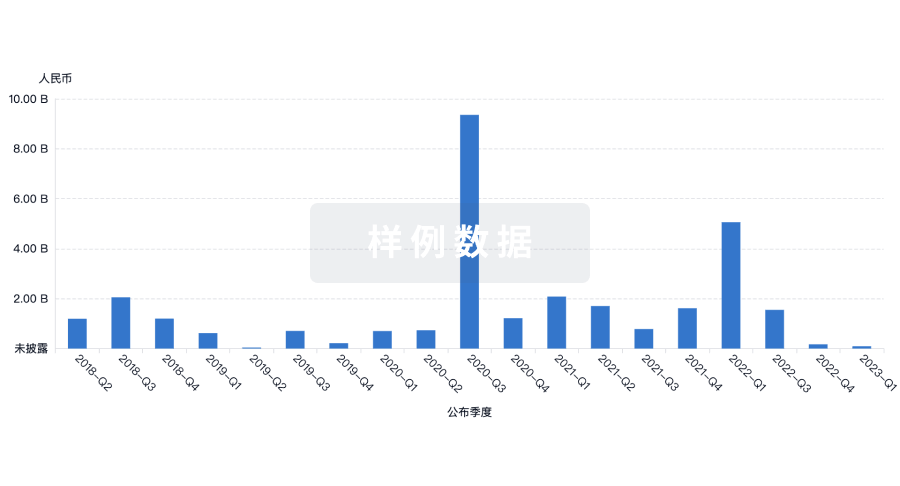
投资
深入了解从初创企业到成熟企业的最新公司投资动态。
登录
或
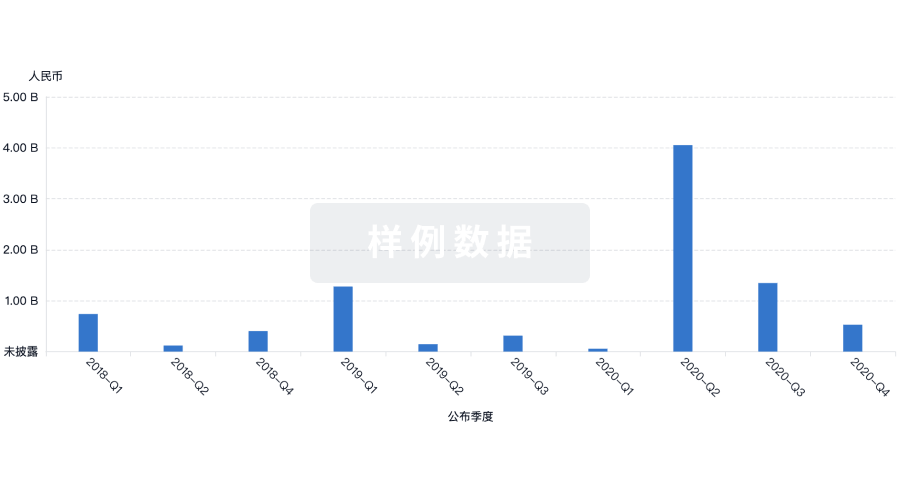
融资
发掘融资趋势以验证和推进您的投资机会。
登录
或
提出任何生物医药研究问题
让每一步生物医药决策都精准制胜
基于十亿级生物数据与全球情报的精准 AI,赋能早期药物发现
立即开始免费试用!
智慧芽新药情报库是智慧芽专为生命科学人士构建的基于AI的创新药情报平台,助您全方位提升您的研发与决策效率。
立即接入生物医药数据包
智慧芽新药库数据也通过智慧芽开放平台,以MCP或API服务形式对外开放。立即使用我们的MCP服务定制您的LLM智能体。
生物序列数据库
生物药研发创新
免费使用
化学结构数据库
小分子化药研发创新
免费使用