预约演示
更新于:2025-05-07

Meihua Holdings Group Co., Ltd.
更新于:2025-05-07
概览
关联
100 项与 梅花生物科技集团股份有限公司 相关的临床结果
登录后查看更多信息
0 项与 梅花生物科技集团股份有限公司 相关的专利(医药)
登录后查看更多信息
10
项与 梅花生物科技集团股份有限公司 相关的文献(医药)2025-01-25·Journal of Plant Ecology
Climate warming intensifies plant–soil causal relationships in a coastal wetland
作者: Jiang, Ming ; Sun, Baoyu ; Yan, Liming ; Xia, Fanyu ; Xia, Jianyang ; Han, Guangxuan ; Ping, Jiaye
Danfei Jishu
Summary on running of Ende furnace during Tongliao second phase project
作者: Wang, Feng ; An, Yinggong ; Jia, Jianjun
Fajiao Keji Tongxun
Extraction of guanosine from fermentation liquid
作者: Peng, Fang-ju ; Liu, Kang-le ; Wang, Hai-lei
16
项与 梅花生物科技集团股份有限公司 相关的新闻(医药)2025-03-22
近日,国家药监局发布公告称,日本KYOWA HAKKO BIO CO.,LTD.位于Hofu工厂的部分原料药因未按照批准信息组织生产,存在外购原料药贴签、包装或外购粗品精制等情形,被暂停进口。
来源:国家药监局
涉事品种为:谷胱甘肽(登记号:Y20190009115)、乙酰半胱氨酸(登记号:Y20190009075)、色氨酸(登记号:Y20190009135)、苯丙氨酸(登记号:Y20190009095)、L-缬氨酸(登记号:Y20190009077)。
这些原料药在国家药监局药品审评中心“原辅包登记信息”中的“与制剂共同审评审批结果”调整为“I”,即未通过与制剂共同审评审批。
违规!5个批次原料药暂停进口
此次涉事的企业KYOWA HAKKO BIO CO.,LTD.(协和发酵生物株式会社)成立于2008年,是协和发酵工业株式会社(Kyowa Hakko Kogyo)的生物化学业务独立出来的子公司。
协和发酵工业成立于1949年,是全球氨基酸发酵产业的开创者之一。1956年,协和发酵工业发明了世界上首个通过发酵法生产L-谷氨酸的工艺,并在1958年发明了L-赖氨酸的发酵生产法。2008年,协和发酵工业与麒麟制药(Kirin Pharma)合并,成立了协和麒麟(Kyowa Kirin),而生物化学业务则被独立出来,形成了KYOWA HAKKO BIO。
其主营业务包括医药氨基酸,生产用于药品制造的高质量氨基酸,如L-谷氨酸、L-赖氨酸、L-色氨酸等,以及其他生物化学产品:包括用于制药和工业用途的核苷酸、抗生素等。
该公司在国内知名度较高,尤其是在医药和食品原料领域。其在中国的业务布局包括在中国上海设有协和发酵(广东)医药有限公司,专注于氨基酸和医药原料的生产,以及在中国设有多个销售据点,包括北京、上海和广州的分公司。
2024年,KYOWA HAKKO BIO旗下的食品氨基酸、医药氨基酸和母乳低聚糖业务被中国梅花生物收购,涉及多个氨基酸品种和相关知识产权。此次收购不仅为梅花生物带来了新的技术和产品管线,也进一步提升了KYOWA HAKKO BIO在中国市场的影响力。
值得关注的是,其Hofu工厂位于日本山口县,更是公司重要的原料药生产基地,产品覆盖药品、保健品、化妆品等多个领域。
相关资料显示,全球谷胱甘肽市场高度集中,KYOWA HAKKO BIO与山东金城生物、日本KOHJIN Life Sciences共同占据约83%的份额(2023年数据),其中KYOWA以技术壁垒高、产能稳定著称。根据行业报告,2023年全球谷胱甘肽市场规模约0.98亿美元,KYOWA作为头部企业,年营收或达数千万美元级别。中国市场占其全球份额近20%,是重要收入来源。
此次公告中提到的“原辅包登记信息”中“与制剂共同审评审批结果”调整为“I”。这表明原料药在质量、生产工艺或申报资料等方面存在问题,不满足制剂生产要求。根据有关规定,国家药监局决定,自即日起暂停进口协和发酵生物Hofu工厂生产的上述登记号的原料药,各口岸药品监督管理部门暂停发放该产品的进口通关单。
对企业而言,此次被暂停进口,无疑会失去中国市场份额,营收锐减,还面临库存积压。同时,声誉受损,后续开拓市场、寻求合作难度大增,企业需投入大量资源重新整改以争取未来通过审评。
波及范围广:使用涉事原料药的制剂面临查封
此次被暂停进口的5个原料药在医药领域具有重要应用。国家药监局表示,涉事原料药不得用于药品制剂生产,对已使用上述登记号的原料药生产的制剂不得放行;已上市放行的制剂,药品上市许可持有人应当立即开展调查与评估,并根据评估结果采取必要的风险控制措施。
这五个原料药涉及的产品范围及市场情况如下——
1.谷胱甘肽
谷胱甘肽是一种重要的抗氧化剂,广泛用于肝脏保护、解毒治疗以及放化疗辅助治疗等领域。注射用谷胱甘肽已在中国、欧盟、日本等多个国家和地区上市。
在中国市场,谷胱甘肽的注册和生产涉及多家企业,例如广州白云山明兴制药有限公司生产的注射用谷胱甘肽。此次KYOWA HAKKO BIO的谷胱甘肽被暂停进口,可能会影响部分依赖进口原料的制剂生产企业。
2.乙酰半胱氨酸
乙酰半胱氨酸主要用于治疗呼吸道疾病,如慢性支气管炎、肺气肿等,具有降低痰液粘度的作用。其制剂形式多样,包括口服制剂、吸入溶液、注射剂等。
在中国,乙酰半胱氨酸的制剂生产涉及多家企业,例如四川汇宇制药和海南葫芦娃药业分别获得了乙酰半胱氨酸注射液和吸入用乙酰半胱氨酸溶液的药品注册证书。KYOWA HAKKO BIO的原料药被暂停进口后,可能会导致部分制剂企业寻找替代原料供应商。
3.色氨酸
色氨酸是一种重要的氨基酸,广泛用于食品添加剂和营养补充剂。在中国,色氨酸的生产不仅依赖进口,也有国内企业如无锡晶海氨基酸股份有限公司生产的原料药。
KYOWA HAKKO BIO的色氨酸被暂停进口,可能对部分依赖进口的下游企业产生一定影响,但国内替代产品可能填补部分市场空缺。
4.苯丙氨酸
苯丙氨酸是一种必需氨基酸,广泛应用于医药和食品领域。虽然目前没有明确的公开数据显示其在中国市场的具体应用情况,但苯丙氨酸的生产涉及严格的质量控制和合规要求。此次暂停进口可能会影响部分依赖进口苯丙氨酸的制剂企业。
5.L-缬氨酸
L-缬氨酸是另一种重要的氨基酸,主要用于营养补充剂和药物合成。其市场情况与色氨酸类似,可能受到进口暂停的影响,但国内替代产品的存在可能会缓解部分压力。
此次KYOWA HAKKO BIO的五个原料药被暂停进口,涉及的产品范围较广,包括多种制剂形式和应用领域。这些原料药的进口暂停可能会对依赖进口的制剂企业造成短期供应中断,但国内替代产品的存在可能在一定程度上缓解市场压力。
对于KYOWA HAKKO BIO而言,此次事件凸显了合规生产的重要性,企业需要尽快整改并恢复符合要求的生产流程。
来源:一度医药
作者:Yan
点击 阅读原文 了解更多
并购申请上市上市批准
2025-02-18
·生物谷
1. 恒瑞出新药,三分之一的沿海人口有救了
中国约2亿人患高尿酸血症,沿海地区青壮年尤为严重。现有药物存在严重副作用,但好消息是国内多款新药即将上市。恒瑞医药等药企将受益。
2. 首款“类器官+AI”胃癌创新药获FDA快速通道认定,国内48家类器官企业一览
希格生科的核心药物SIGX1094获FDA快速通道认定,该药用“类器官+AI”技术研发,可治疗胃癌等,已获IND批件并完成首例给药。此外,希格生科完成了多轮融资,并与耀速科技合作,推动类器官技术产业化。
3. 梅花生物推2.5亿员工持股计划,半年报30余次提及合成生物
梅花生物推出员工持股计划,筹集资金上限2.5亿元。作为全链条合成生物学公司,其通过合成生物技术生产氨基酸等业务居全球前列,并拥有多项核心技术和知识产权。
4. mRNA疫苗龙头再次巨亏,或将启动裁员
全球mRNA疫苗巨头Moderna在2024年继续面临巨额亏损,全年净亏损约36亿美元,总收入从2023年的68亿美元锐减至32亿美元。公司预计2025年的收入将进一步下降至15亿到25亿美元之间,主要原因包括市场竞争加剧、定价压力以及疫苗接种率降低。
为应对财务困境,Moderna计划裁减数字团队约50名员工,并在2025年进一步削减成本10亿美元。尽管新冠业务仍是主要收入来源,但第四季度收入同比下降66%。新推出的RSV疫苗mRESVIA表现不佳,远低于市场预期。此外,FDA因一例格林-巴利综合征暂停了诺如病毒候选疫苗的III期研究。然而,Moderna仍寄希望于其研发管线,计划到2027年实现多达10个产品的批准,并预计在未来几年内获得多款疫苗的关键数据。
5. 国内一家再生医学公司完成超亿元B轮融资
赛德迪康获和龙磐投资和上海生物医药基金超亿元B轮融资,用于核心产品商业化及新品研发。
6. CXO一哥“留学归国”
药明康德将CGT业务重心迁回国内,增资上海药明生基至6亿人民币,以规避地缘政治风险并强化CGT领域战略地位,应对行业需求爆发。此前已出售美英两地业务。
本文仅用于学术分享,转载请注明出处。若有侵权,请联系微信:bioonSir 删除或修改!
疫苗信使RNA财报
2024-12-13
Bio-ONE2024
技术需求面对面
“科创中国”生物医药产业科技服务团由中国微生物学会牵头,依托生化过程模型化与控制专业委员会,联合高等院校、科研院所、行业龙头企业和实操应用基地,旨在深耕生物医药领域、微生物药物、微生物发酵技术与放大技术等,为医药企业、农业药物企业、食品发酵企业提供专业化服务。
2025第三届SBC合成生物学产业博览会设立——技术需求面对面活动,邀请"科创中国”生物医药产业科技服务团众多嘉宾,将结合国家产学研金服融合的要求,现场面对面为企业代表答疑解惑,助力生物工艺及合成生物学发酵技术创业及产业进步发展。
扫描下方二维码,预约参会名额
PART.01
服务内容
主要服务内容包括:微生物药物研发服务、发酵产品生产服务、发酵工程设计、细胞药物、抗体或疫苗药物的制备技术咨询服务、行业报告服务、职场教育培训服务、知识产权服务、项目交易服务、生物医药精准营销解决方案和生物医药投融资服务。
PART.02
往期问题
1、关于无细胞蛋白质合成技术在产业中的应用前景以及表达放大工艺
2、对智能生物反应器设备的未来发展有什么看法
3、高效的抗体发现与工艺有效结合
4、干细胞抗衰老的临床应用安全性
5、抗体药物工艺开发中的痛点
6、生物合成工艺要点
7、如何跨越从科学家创业到实现稳定量产的鸿沟?
8、了解生物合成中所需原料或者耗材的性能需求及最新应用
9、生物合成技术的发展方向
10、对本土生物供应创新项目的支持政策
11、如何解决酵母上罐发酵过程中产乙醇的情况?
12、益生菌产业化问题和工程益生菌
13、如何提升无细胞蛋白质合成的效率?
14、合成生物化妆品原料和饲料添加剂具体做什么最有前景?
15、生物工程智能制造反应器如何高效低碳化运营?
16、如何缩短实验室到产业的gap?
17、菌株(合成代谢路径)选择与工艺的优化(放大)专利壁垒(如发酵条件)的建立?
18、合成生物产品的法规如何快速推进?
19、菌株分子优化及发酵放大的控制
20、全长片段三螺旋结构胶原蛋白构建发酵技术
21、生物医药在未来医美领域的发展
22、合成生物学和未来医药的关系
更多问题已被解决......
PART.03
成员单位
中国微生物学会生化过程模型化与控制专业委员会
华东理工大学生物工程学院
浙江工业大学协同创新中心
西北农林科技大学生命科学学院
江南大学生物工程学院
安琪酵母有限公司
广东溢多利生物科技股份有限公司
甲贝医药科技有限公司
佰傲园(上海)网络科技有限公司
上海熙凡商务咨询有限公司
上海嘉华律师事务所
……
PART.04
服务报名
"科创中国"生物医药产业科技服务团致力于帮助企业解决技术难题,提升自主创新能力,并促进生物医药产业的发展!如果您所在的公司/单位需要“科创中国”生物医药产业科技服务团的现场技术支持培训或线下指导服务,请不吝填写您的具体需求,我们期待与您携手合作!
扫码报名大会,填写您的服务需求!
PART.05
服务案例&往期现场
专家下厂服务案例包括齐鲁制药、华熙生物、齐发药业、博科、河北梅花生物、山东福祥生物等。
SBC2025
技术需求面对面
期待您的莅临~
疫苗
100 项与 梅花生物科技集团股份有限公司 相关的药物交易
登录后查看更多信息
100 项与 梅花生物科技集团股份有限公司 相关的转化医学
登录后查看更多信息
组织架构
使用我们的机构树数据加速您的研究。
登录
或
管线布局
2026年02月09日管线快照
无数据报导
登录后保持更新
药物交易
使用我们的药物交易数据加速您的研究。
登录
或
转化医学
使用我们的转化医学数据加速您的研究。
登录
或
营收
使用 Synapse 探索超过 36 万个组织的财务状况。
登录
或
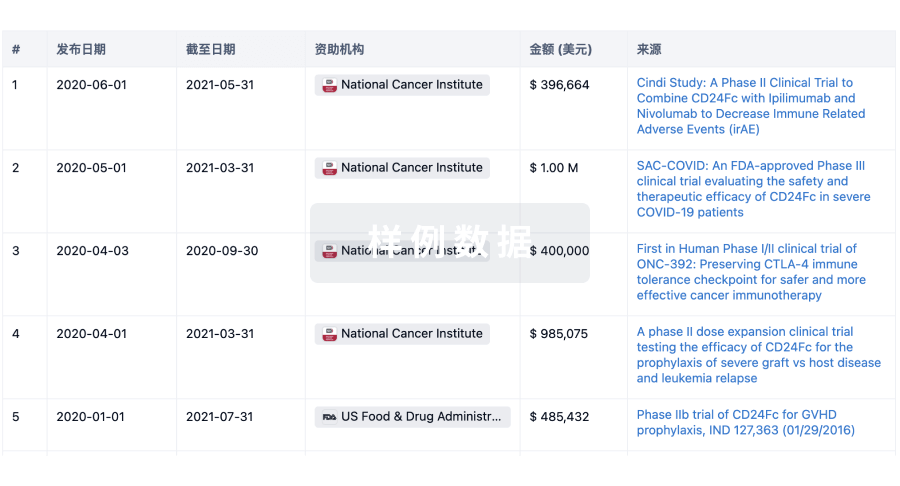
科研基金(NIH)
访问超过 200 万项资助和基金信息,以提升您的研究之旅。
登录
或
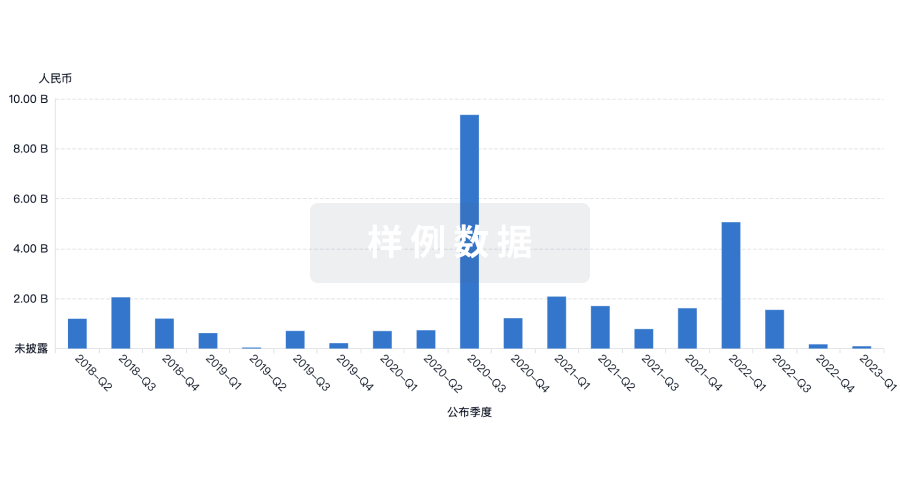
投资
深入了解从初创企业到成熟企业的最新公司投资动态。
登录
或
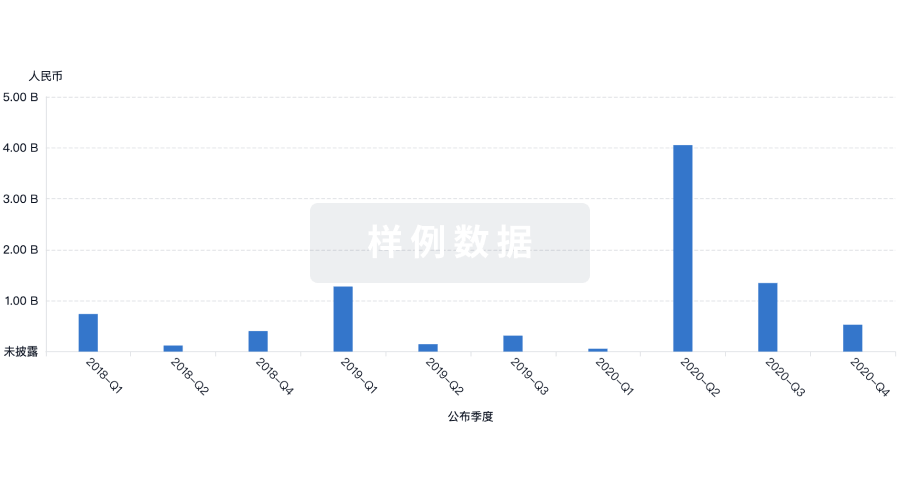
融资
发掘融资趋势以验证和推进您的投资机会。
登录
或
生物医药百科问答
全新生物医药AI Agent 覆盖科研全链路,让突破性发现快人一步
立即开始免费试用!
智慧芽新药情报库是智慧芽专为生命科学人士构建的基于AI的创新药情报平台,助您全方位提升您的研发与决策效率。
立即开始数据试用!
智慧芽新药库数据也通过智慧芽数据服务平台,以API或者数据包形式对外开放,助您更加充分利用智慧芽新药情报信息。
生物序列数据库
生物药研发创新
免费使用
化学结构数据库
小分子化药研发创新
免费使用