预约演示
更新于:2025-05-07

Oncocare Cancer Centre
更新于:2025-05-07
概览
关联
100 项与 Oncocare Cancer Centre 相关的临床结果
登录后查看更多信息
0 项与 Oncocare Cancer Centre 相关的专利(医药)
登录后查看更多信息
43
项与 Oncocare Cancer Centre 相关的文献(医药)2025-02-23·Cancer Immunology Research
Abstract B080: ERAP2 overexpression and anti-PD-1 resistance in nasopharyngeal carcinoma
作者: Foley, Joseph W ; Suryani, Luvita ; Ma, Brigette BY ; Goh, Boon Cher ; Toh, Han Chong ; Deng, Lih Wen ; Lim, Yaw Chyn ; Lo, Kwok Wai ; Tan, Chee Seng ; Cullen, Kevin J ; Ren, Yi ; Tay, Joshua K ; West, Robert B ; Nin, Dawn Sijin
2022-01-01·Therapeutic Advances in Medical Oncology
Real-world outcomes from use of CDK4/6 inhibitors in the management of advanced/metastatic breast cancer in Asia
Article
作者: Muthu, Vaishnavi ; Ow, Samuel ; Walsh, Robert John ; Lim, Siew Eng ; Tan, Sing Huang ; Wong, Karmen ; Lee, Matilda ; Low, Jia Li ; Lee, Soo Chin ; Lim, Joline ; Chong, Wanqin ; Lim, Elaine ; Chan, Gloria ; Wong, Andrea ; Choo, Joan ; Ngoi, Natalie ; Bharwani, Lavina
2021-10-01·Breast Cancer Research and Treatment2区 · 医学
Analysis of the pan-Asian subgroup of patients in the NALA Trial: a randomized phase III NALA Trial comparing neratinib+capecitabine (N+C) vs lapatinib+capecitabine (L+C) in patients with HER2+metastatic breast cancer (mBC) previously treated with two or more HER2-directed regimens
2区 · 医学
Article
作者: Masuda, Norikazu ; Sangai, Takafumi ; Hou, Ming Feng ; Bryce, Richard ; Yau, Thomas ; Rau, Kun Ming ; Lee, Keun Seok ; Ng, Ting Ying ; Chu, Sung Chao ; Yap, Yoon Sim ; Feng, Yin Hsun ; Dai, Ming Shen ; Ngan, Roger ; Chen, Shou Tung ; Lu, Yen Shen ; Kok, Victor C ; Chen, Mei Chieh ; Tseng, Ling Ming ; Bebchuk, Judith ; Chung, Hyun Cheol ; Kwong, Ava ; Kim, Sung Bae ; Lin, Johnson ; Ow, Samuel ; Ang, Peter C S ; Chen, Shang Wen
7
项与 Oncocare Cancer Centre 相关的新闻(医药)2024-08-01
·美通社
上海
2024年8月1日
/美通社/ -- 2024年7月22日,绿叶医疗、绿叶诊断集团执行主席及管理团队参访了美华沃德医疗——上海美华妇儿医院,进行交流与合作探讨。美华沃德医疗集团首席医学专家段涛教授及其他高层领导热情接待了来宾,双方就企业文化建设、组织架构管理及医疗服务产品设计等方面进行了深入的交流。
当日,绿叶医疗团队在美华沃德医疗工作人员的引领下,参观了医院的各个诊疗区,包括妇产科门诊、儿科门诊、女性健康中心、皮肤医美中心及产科套房等。工作人员详细介绍了医院的文化和人性化设计理念,展示了其国际先进的设施设备及精细化管理体系。
绿叶医疗代表团对美华沃德的规范化、标准化的高端医疗服务体系留下了深刻印象,并对美华的无保留分享表示衷心感谢。
进一步深化了解
探讨企业未来发展规划
双方随后进行了座谈,就企业文化建设、医疗服务模式、重点科室建设、提升客户体验政策和近期发展规划等方面进行了深入探讨。
美华沃德医疗首先介绍了自身的发展历程和综合实力,包括品牌故事、医疗实力、服务特色及人文关怀,全面展示了美华沃德医疗的综合实力。
绿叶医疗集团则分享了其发展现状、业务版图、医疗服务理念及重点项目规划,尤其是"身-心-美"大康复医疗模式。
在提问和交流环节,双方展开了热烈讨论。绿叶医疗集团提出了关于企业文化建设、组织架构管理及医疗服务产品设计等方面的关键问题。段涛教授对这些问题进行了详细解答,并提出了独到见解。
段涛教授向绿叶医疗集团介绍了美华沃德医疗的短期目标和规划,包括在推进中的几个项目,如
儿童青少年的精神心理发育行为中心、第四孕季(
4th Trimester
)
等。
上海美华妇儿医院院长助理兼集团行政医疗总监金露青主任进一步介绍了第四孕季(4th Trimester)项目,强调了在产后12周内,即"妊娠的第四期"期间的随访不仅仅是一次性的检查,而是为母亲提供全面的照护,并为新壮大的家庭提供支持。持续的产后照护将为母亲与家庭的终身健康和福祉奠定基础。
美华沃德医疗致力于为每个家庭提供全生命周期的健康管理服务,第四孕季(
4th Trimester
)将会成为美华近期重点发展的项目。
关于企业文化建设,段涛教授指出要定期审核KBI指标的执行情况,并根据数据进行反馈,对表现优秀的员工进行表彰和奖励,对有改进空间的员工进行培训和指导。确保反馈过程透明、公正,鼓励员工积极参与文化建设。组织文化是动态的,应随着组织的发展和外部环境的变化不断调整和优化KBI指标。定期举行文化评估会议,邀请各级员工参与,提出改进建议,确保文化建设与时俱进。
段涛教授表示,
希望将美华沃德医疗打造成最佳雇主,成为医生执业的首选平台
:"我们要全面管理医疗质量,制定专科发展规划,重视文化建设。不仅要传承21年的优秀基因,还要不断突破自我,吸引更多年轻人和新鲜血液加入美华沃德医疗。"
探讨合作可能性
推动业务深层次发展
会后,绿叶医疗表示通过此次参观交流,吸取了美华沃德医疗在医院管理和学科建设方面的宝贵经验,为自身医疗的发展注入了新的思路。
双方在医疗产业发展与合作方面达成了广泛共识,并初步计划明年合办
医疗服务产品开发者大会
,旨在设计出高标准且富有灵魂的医疗服务产品,为患者提供更便捷优质的医疗健康服务。
双方期待未来以多种形式开展合作,进一步整合行业资源,优势互补,加速医疗产业的数字化进程和成果转化,推动高端私立医疗服务平台建设,为社会办医发展贡献力量。
关于美华沃德医疗
美华沃德医疗创立于2003年,是上海较早成立的高端私立医疗服务机构,始终秉承"以客户为中心"的服务理念,用专业与温度为每个家庭打造一站式、高品质、个性化的全生命周期健康服务体系。
经过20年深耕,美华沃德医疗积累了很好的用户口碑。萌芽于上海华山医院院内的"美华妇儿服务",逐步发展为覆盖全家、全生命周期、全方位健康服务的医疗集团。
关于绿叶医疗集团
绿叶医疗是绿叶生命科学集团旗下专注医疗服务的业务板块,总部位于新加坡,拥有近50家私立医疗机构,覆盖澳大利亚、中国、新加坡、韩国、新西兰等多个国家。绿叶医疗旗下的子品牌包括Healthe Care、AsiaMedic、OncoCare以及绿叶爱丽美等。通过与领先医疗机构的紧密合作,绿叶医疗引进并创新国际先进的医疗技术、运营模式和管理体系,致力于为全球范围内的患者和客户提供高标准的综合医疗服务,以实现其成为全球领先的综合性医疗集团的企业愿景。
关于绿叶诊断
绿叶诊断为绿叶生命科学集团四大业务板块之一,系全球少数同时拥有高通量测序技术(NGS),实时荧光定量聚合酶链反应(RT-PCR)和微流控-床旁检测(Microfluidics-based NPT)三大自动化技术平台的公司。公司围绕病原体相关疾病和肿瘤诊断两大领域,在中国、新加坡、美国设立了研发中心,现已拥有近30项发明专利和实用新型专利技术,上市超过40种检测产品,包括全球唯一基于NGS技术、获得美国FDA上市许可的艾滋病毒耐药性突变检测产品。
2024-05-15
·美通社
该中心是新泽西州第一个获得GHA认证的设施。
迈阿密
2024年5月15日
/美通社/ -- 位于新泽西州海王星的哈肯萨克子午线
泽西海岸大学医学中心
庆祝了一个重要的里程碑:其
麻痹和重建神经外科治疗中心
获得了
全球医疗旅行服务认证(
GHA
)
。
Center for Treatment of Paralysis and Reconstructive Nerve Surgery
这项享有盛誉的认证凸显了其对为本地和国际患者提供 卓越护理
的坚定承诺。
该中心是新泽西州第一个获得GHA认证的设施。
Global_Healthcare_Accreditation
麻痹与重建神经外科治疗中心(CPRNS)与高级重建研究所合作,在著名外科医生
马修•考夫曼(FACS)和医学博士安德鲁•埃尔克伍德(FACS)的专家领导下,站在全球医学创新的
前
沿。
在这家专门从事各种周围神经疾病重建手术的世界一流中心,外科医生开创了针对导致神经损伤、疼痛和瘫痪的衰弱性疾病的手术治疗方法。该中心的旗舰项目是用于治疗隔膜麻痹的咽神经重建,这是一种导致呼吸肌肉功能丧失的问题。该中心使隔膜麻痹患者能够通过复杂的神经修复恢复呼吸功能,在某些严重的情况下,这可能意味着恢复以前使用呼吸机的患者的独立呼吸活动。除了咽神经重建项目外,该中心的专职医生还成功治疗了全球数千名患者,这些患者涉及各种疾病,包括:臂丛神经损伤、手臂麻痹、面部麻痹、慢性头痛、骨盆疼痛、足部下垂和截肢后的 "幻觉" 疼痛。
根据考夫曼博士的说法,"根据他们的瘫痪原因,我们成功地使绝大多数患者能够自行恢复呼吸或化解瘫痪以改善呼吸,从而使他们能够继续保持活跃。通常,咽神经损伤患者在基本的日常活动中呼吸困难,例如爬楼梯时、睡觉时,甚至只是系鞋带时。这种手术可以帮助他们恢复正常活动,睡得更好,恢复更积极的生活方式,改善他们的生活质量。" 考夫曼博士是该手术的世界领先专家,完成了近800例患者病例,这是世界上任何其他外科医生或医疗机构都无法比拟的壮举。全球医疗保健认证(GHA)致力于提高医疗旅游行业的医疗质量和安全性。通过认证、认证、战略、医疗旅行计划制定和优化等服务,以及其他有助于扩大规模增长的业务解决方案,GHA帮助医疗保健提供商定位以吸引和服务医疗旅行患者,最终提高临床结果、患者满意度和组织的业务绩效。
为了提高人们对GHA认证在增强安全和患者体验方面的重要性的认识,全球医疗保健认证发起了一项全面的多语言消费者和买家营销活动,提供英语、西班牙语、阿拉伯语和其他语言版本。该活动旨在教育市场了解选择医疗旅行计划获得GHA认证的医院的巨大好处。泽西海岸大学医学中心(JSUMC)总裁兼首席医院高管
维托•布切拉托说:"全球健康认证是泽西海岸大学医学中心的一项重要认可
," LNHAMPA、LNHA的Vito Buccellato说。"来自美国各地和全球各地的患者,例如日本、南非、玻利维亚、以色列和澳大利亚,已来到学术医疗中心接受咽神经重建和其他先进的周围神经手术。"
Hackensack Meridian He
alth南方市场区域总裁、医学博士、工商管理硕士
、FACEP工商管理硕士
肯尼思•赛布尔
补充说:"考夫曼博士和麻痹与重建神经外科治疗中心的所有专家能够帮助来自世界各地的这么多人,我们感到自豪。"
GHA首席执行官
Renée-
Marie Stephano
女士
表示:"GHA认证不仅仅是一种认可;它证明了泽西海岸大学医学中心对优质和富有同情心的护理的承诺。通过为其麻痹和重建神经外科治疗中心获得这项受人尊敬的认证,JSUMC表明了其致力于满足医疗服务的最高标准的决心。这一成就凸显了他们在优先考虑患者医疗旅行体验和提高医院在医疗保健领域的全球知名度方面发挥的关键作用。"
哈肯萨克子午线
健康
(HMH)正在扩大其在国内和国际上的影响力,JSUMC在其全球医疗保健计划中发挥了关键作用。在2024年3月访问印度期间,HMH执行领导层与包括孟买Oncocare、Aster Hospitals, Inc.和阿波罗医院企业有限公司在内的著名医疗机构签署了谅解备忘录。HMH最初的重点是肿瘤学护理,利用其下一代测序能力来增强精准医学,促进智力交流,提供医学第二意见并进行肿瘤委员会分析。计划还包括与欧洲领先的神经病学中心建立合作伙伴关系,以及扩大CPRNS的小儿癫痫手术和专门的咽神经外科手术等创新项目。
有关该中心的更多信息,请致电 732-776-3893 或访问
www.hackensackmeridianhealth.org\/en\/services\/neurosciences\/paralysis-and-reconstructive-nersicences\/par
https:\/\/c212.net\/c\/link\/?t=0&l=en&o=4166968-1&h=1199652485&u=https%3A%2F%2Fwww.hackensackmeridianhealth.org%2Fen%2Fservices%2Fneurosciences%2Fparalysis-and-reconstructive-nerve-surgery&a=www.hackensackmeridianhealth.org%2Fen%2Fservices%2Fneurosciences%2Fparalysis-and-reconstructive-nerve-surgery
关于 HACKENSACK MERIDIAN
HEALTH
Hackensack Meridian
Health 是一家领先的非营利性医疗保健组织,是新泽西州最大、最全面、真正综合的医疗保健网络
之一,提供全方位的医疗服务、创新研究和改善生活的护理。该网络拥有18家医院和500多个患者护理地点,其中包括门诊护理中心、手术中心、家庭健康服务、救护车服务、救生航空医疗运输、康复中心、紧急护理中心、医生执业地点以及健身和保健中心。
该网络的显著区别包括,根据《2023-24年美国新闻与世界报道》的排名,该网络拥有新泽西州唯一一家排名第 #1 的成人和儿童医院。哈肯萨克大学医学中心在《美国新闻与世界报道》的六个专业中位列全国排名。要了解更多信息,请访问
www.hackensackmeridianhealth.org。
在
JSUMC的麻痹和重建神经外科治疗中心, 我们组建了一支世界一流的团队,使用先进的手术治疗方案来治疗隔膜麻痹和咽神经重建。我们的目标是改善因创伤或手术而出现神经损伤和瘫痪的患者的生活质量。欲了解更多信息,请访问:
麻痹与重建神经外科治疗中心 | Hackensack Meridian Health
关于高级重建研究所高级重建
研究所致力于通过创新研究和发现突破医疗保健的界限。除了对新泽西州医疗服务的坚定承诺外,高级重建研究所还包括多个州的诊所,包括纽约、宾夕法尼亚州、俄亥俄州、路易斯安那州、佛罗里达州、德克萨斯州和加利福尼亚州,并在全球范围内吸引患者。
关于全球医疗认证:
在GHA,我们不仅仅是一个认证机构——我们是战略合作伙伴,致力于改善患者体验和全球医疗保健实践。我们的专业知识来自领先的认证机构、医疗保健先驱和
医疗旅行行业高管,确保为全球政府、医疗保健提供商和其他行业利益相关者提供量身定制的解决方案。我们的影响体现在患者数量的增加、满意度分数的提高以及业务战略的整体改善上。
有意联系全球医疗保健认证机构 (GHA)
的组织,可通过下列方式提出申请,邮箱:info@ghaccreditation.com | 电话(美国):001.561.228.4014 |www.GlobalHealthcareAccreditation.com
临床研究
2022-11-03
Shanghai-based Fosun Pharma has cancelled the proposed acquisition of a 60% stake in OncoCare Cancer Centre, one of the largest private oncology practices in Singapore, according to its filing with the stock exchange.
并购
100 项与 Oncocare Cancer Centre 相关的药物交易
登录后查看更多信息
100 项与 Oncocare Cancer Centre 相关的转化医学
登录后查看更多信息
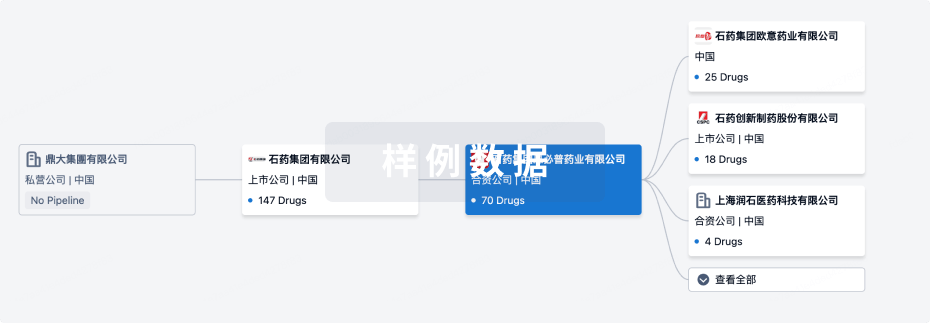
组织架构
使用我们的机构树数据加速您的研究。
登录
或
管线布局
2026年02月09日管线快照
无数据报导
登录后保持更新
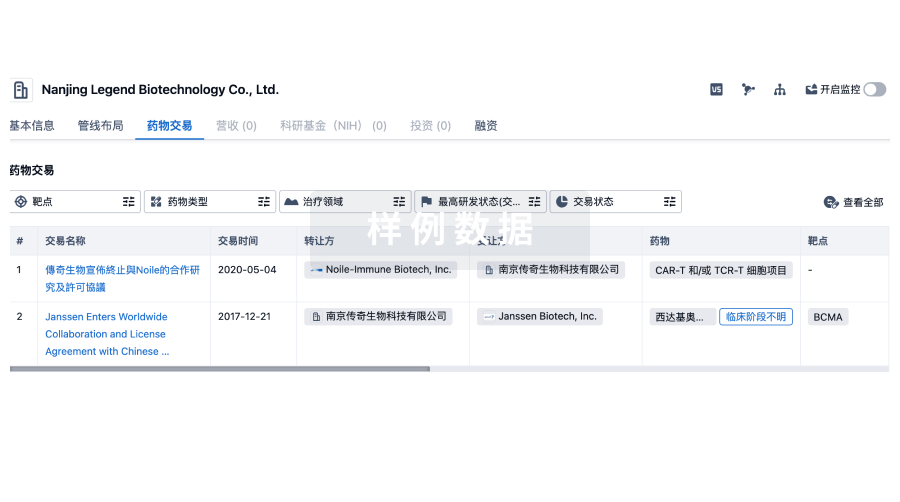
药物交易
使用我们的药物交易数据加速您的研究。
登录
或
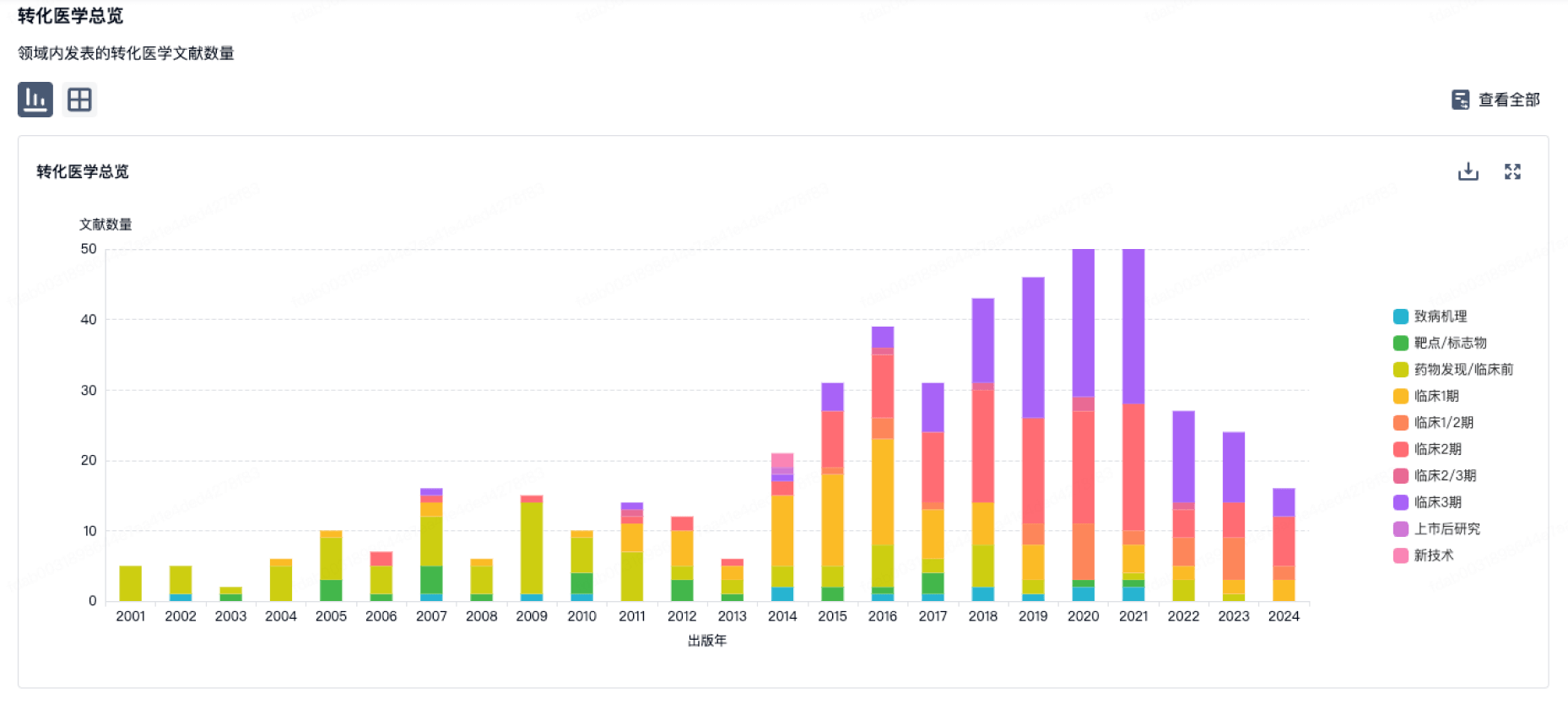
转化医学
使用我们的转化医学数据加速您的研究。
登录
或
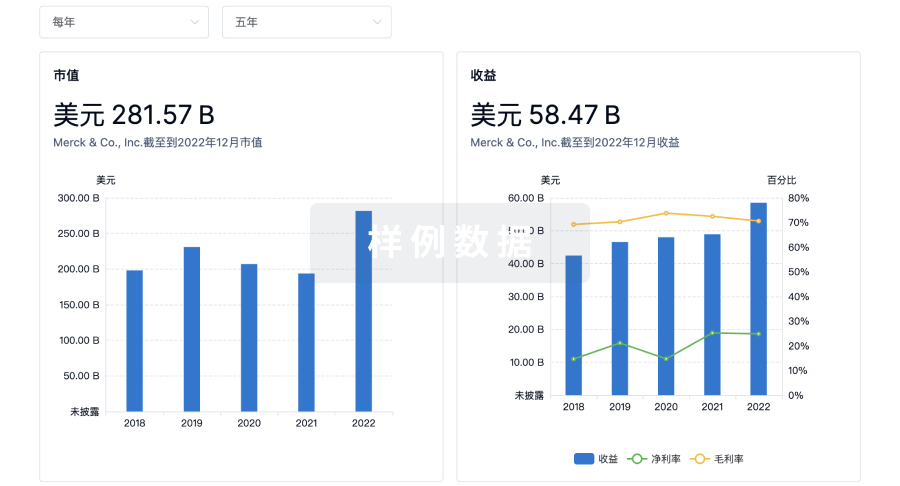
营收
使用 Synapse 探索超过 36 万个组织的财务状况。
登录
或
科研基金(NIH)
访问超过 200 万项资助和基金信息,以提升您的研究之旅。
登录
或
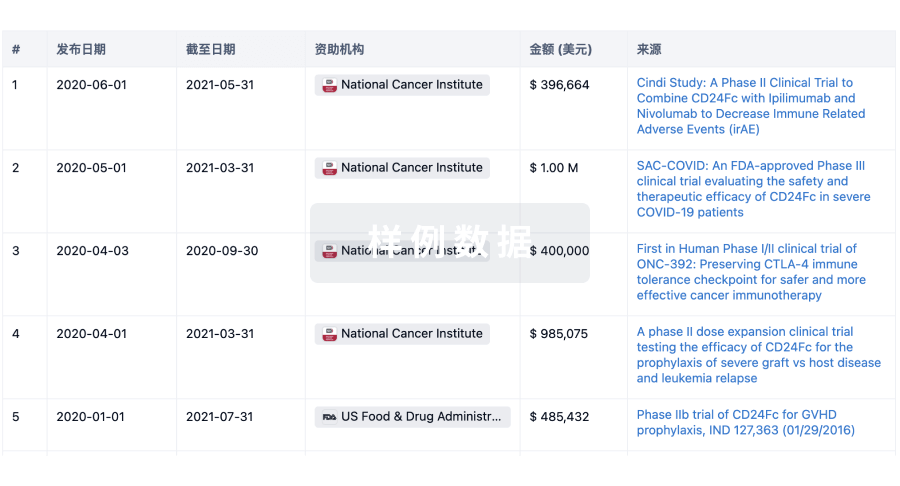
投资
深入了解从初创企业到成熟企业的最新公司投资动态。
登录
或
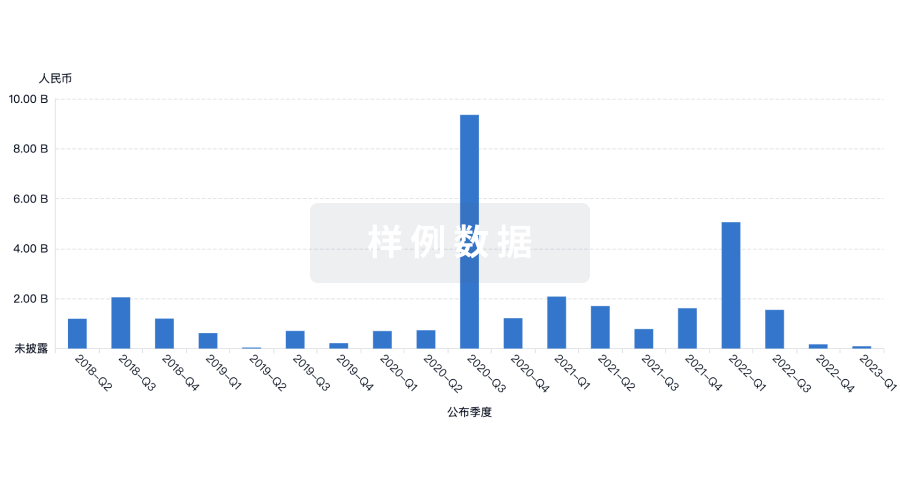
融资
发掘融资趋势以验证和推进您的投资机会。
登录
或
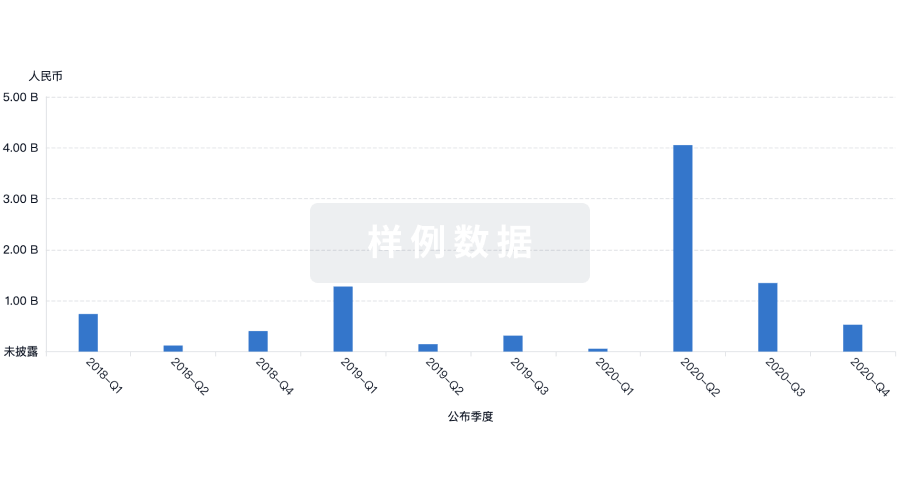
生物医药百科问答
全新生物医药AI Agent 覆盖科研全链路,让突破性发现快人一步
立即开始免费试用!
智慧芽新药情报库是智慧芽专为生命科学人士构建的基于AI的创新药情报平台,助您全方位提升您的研发与决策效率。
立即开始数据试用!
智慧芽新药库数据也通过智慧芽数据服务平台,以API或者数据包形式对外开放,助您更加充分利用智慧芽新药情报信息。
生物序列数据库
生物药研发创新
免费使用
化学结构数据库
小分子化药研发创新
免费使用