预约演示
更新于:2026-02-02

Beta Bionics, Inc.
更新于:2026-02-02
概览
关联
NCT07011147
Primary Care Pragmatic, Real World Experience for Automated Insulin Delivery

NCT06449677
A Randomized Trial of the Insulin-only Bionic Pancreas in Cystic Fibrosis Related Diabetes

NCT06891898
iLet Dosing Decision Software Postmarket Surveillance Plan (PS240001): The iLet Experience Study
100 项与 Beta Bionics, Inc. 相关的临床结果
登录后查看更多信息
登录后查看更多信息
2025-07-01Journal of diabetes science and technology
Early Stages of Automated Insulin Delivery
Review
作者: Dassau, Eyal ; Kudva, Yogish C. ; Fabris, Chiara ; Basu, Ananda ; Buckingham, Bruce A. ; Russell, Steven J. ; Kowalski, Aaron J. ; Renard, Eric ; Battelino, Tadej ; Klonoff, David C. ; Haidar, Ahmad ; DeBoer, Mark D. ; Doyle, Francis J. ; Zisser, Howard ; Weinzimer, Stuart A. ; Shah, Viral N. ; Breton, Marc D. ; Hovorka, Roman ; Phillip, Moshe ; Maahs, David M. ; Steil, Garry M. ; Forlenza, Gregory P. ; Kovatchev, Boris ; Cherñavvsky, Daniel R. ; Levy, Carol J. ; Boughton, Charlotte K. ; Brown, Sue A. ; Ekhlaspour, Laya ; Wadwa, R. Paul
The development of automated insulin delivery systems has seen tremendous improvements from individual components to interoperable system combinations of devices and new drugs besides insulin. The components have become progressively smaller, more accurate, and more user friendly. This article summarizes the history of the artificial pancreas from the earliest concepts to fully functional systems to research into further improvements in the future. The authors include many of the developers of this technology who received research support from the National Institute of Diabetes and Digestive and Kidney Diseases at various stages to develop these systems.
2025-07-01Diabetes Technology & Therapeutics
Early Stages of Automated Insulin Delivery
Review
作者: Dassau, Eyal ; Kudva, Yogish C. ; Fabris, Chiara ; Buckingham, Bruce A. ; Basu, Ananda ; Russell, Steven J. ; Kowalski, Aaron J. ; Renard, Eric ; Battelino, Tadej ; Klonoff, David C. ; Haidar, Ahmad ; DeBoer, Mark D. ; Doyle, Francis J. ; Zisser, Howard ; Weinzimer, Stuart A. ; Shah, Viral N. ; Breton, Marc D. ; Hovorka, Roman ; Phillip, Moshe ; Maahs, David M. ; Steil, Garry M. ; Forlenza, Gregory P. ; Kovatchev, Boris ; Cherñavvsky, Daniel R. ; Levy, Carol J. ; Boughton, Charlotte K. ; Brown, Sue A. ; Ekhlaspour, Laya ; Wadwa, R. Paul
The development of automated insulin delivery systems has seen tremendous improvements from individual components to interoperable system combinations of devices and new drugs besides insulin. The components have become progressively smaller, more accurate, and more user friendly. This article summarizes the history of the artificial pancreas from the earliest concepts to fully functional systems to research into further improvements in the future. The authors include many of the developers of this technology who received research support from the National Institute of Diabetes and Digestive and Kidney Diseases at various stages to develop these systems.
2024-12-01DIABETOLOGIA
Accuracy of continuous glucose monitoring in the hospital setting: an observational study
Article
作者: Larkin, Mary ; Anandakugan, Nillani ; Russell, Steven J ; Zheng, Hui ; O'Connor, Mollie Y ; Bartholomew, Rachel ; Flint, Kristen L ; Sabean, Amy ; Yan, Joyce ; Steiner, Barbara A ; Ashley, Annabelle ; Putman, Melissa S ; Calverley, Melissa ; Greaux, Evelyn
AIMS/HYPOTHESIS:
Continuous glucose monitoring (CGM) improves glycaemic outcomes in the outpatient setting; however, there are limited data regarding CGM accuracy in hospital.
METHODS:
We conducted a prospective, observational study comparing CGM data from blinded Dexcom G6 Pro sensors with reference point of care and laboratory glucose measurements during participants' hospitalisations. Key accuracy metrics included the proportion of CGM values within ±20% of reference glucose values >5.6 mmol/l or within ±1.1 mmol/l of reference glucose values ≤5.6 mmol/l (%20/20), the mean and median absolute relative difference between CGM and reference value (MARD and median ARD, respectively) and Clarke error grid analysis (CEGA). A retrospective calibration scheme was used to determine whether calibration improved sensor accuracy. Multivariable regression models and subgroup analyses were used to determine the impact of clinical characteristics on accuracy assessments.
RESULTS:
A total of 326 adults hospitalised on 19 medical or surgical non-intensive care hospital floors were enrolled, providing 6648 matched glucose pairs. The %20/20 was 59.5%, the MARD was 19.2% and the median ARD was 16.8%. CEGA showed that 98.2% of values were in zone A (clinically accurate) and zone B (benign). Subgroups with lower accuracy metrics included those with severe anaemia, renal dysfunction and oedema. Application of a once-daily morning calibration schedule improved accuracy (MARD 11.4%).
CONCLUSIONS/INTERPRETATION:
The CGM accuracy when used in hospital may be lower than that reported in the outpatient setting, but this may be improved with appropriate patient selection and daily calibration. Further research is needed to understand the role of CGM in inpatient settings.
100 项与 Beta Bionics, Inc. 相关的药物交易
登录后查看更多信息
100 项与 Beta Bionics, Inc. 相关的转化医学
登录后查看更多信息
组织架构
使用我们的机构树数据加速您的研究。
登录
或
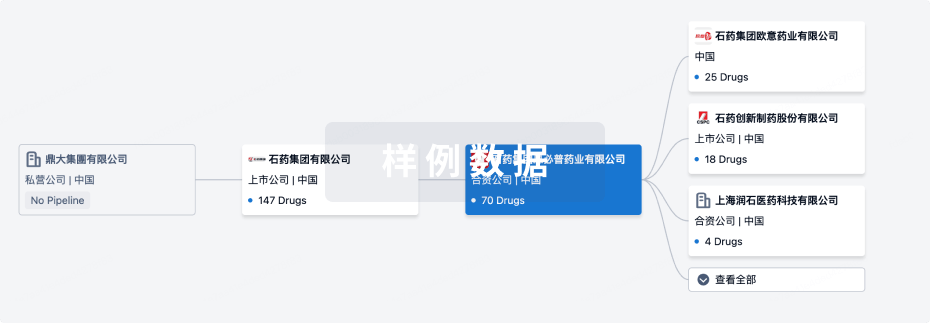
管线布局
2026年09月26日管线快照
无数据报导
登录后保持更新
药物交易
使用我们的药物交易数据加速您的研究。
登录
或
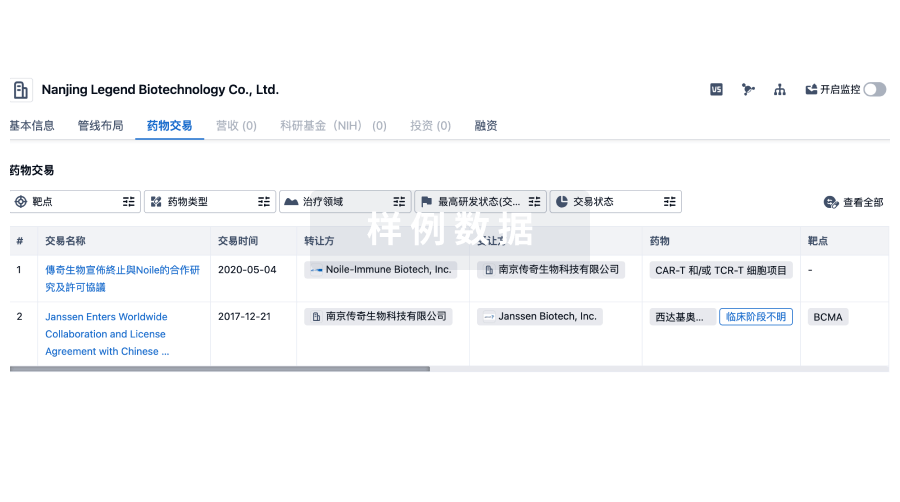
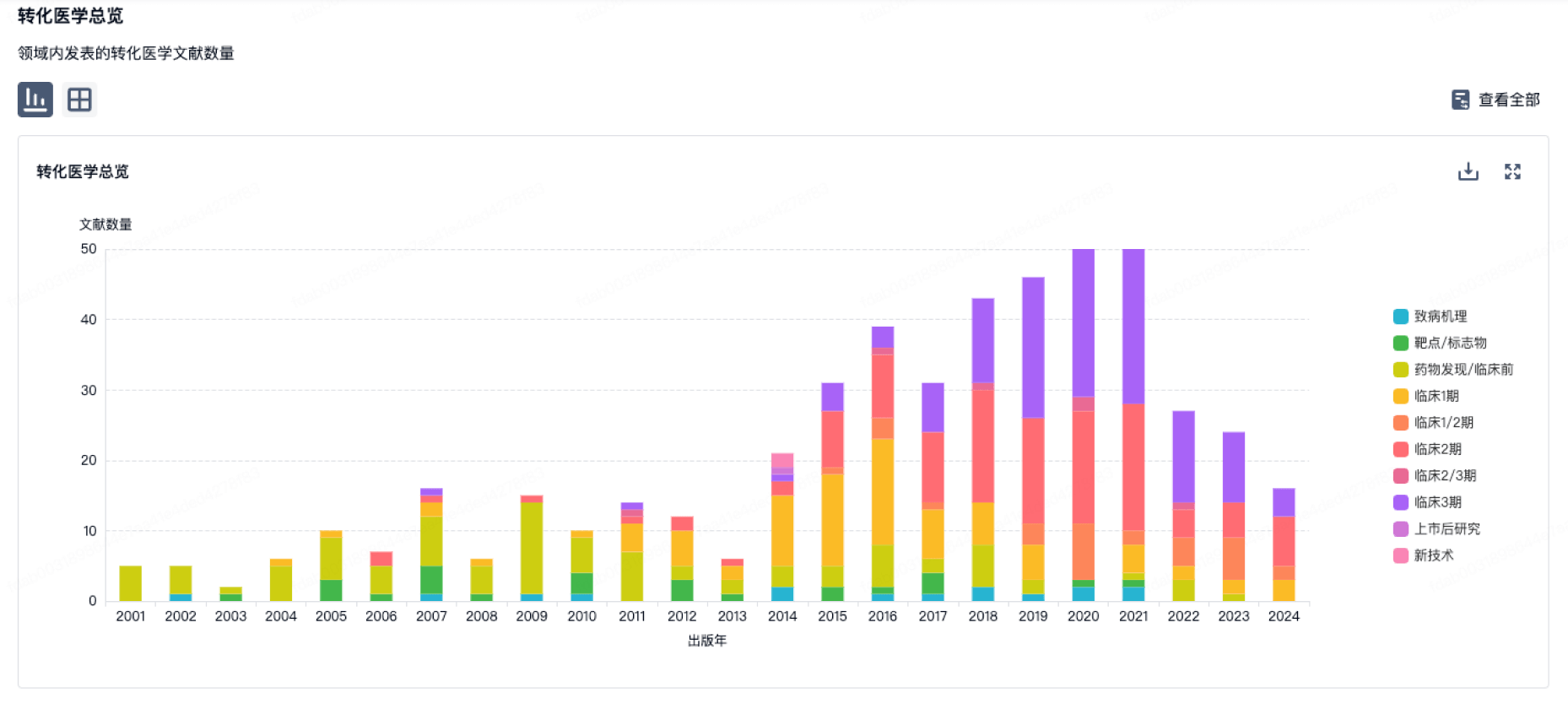
转化医学
使用我们的转化医学数据加速您的研究。
登录
或
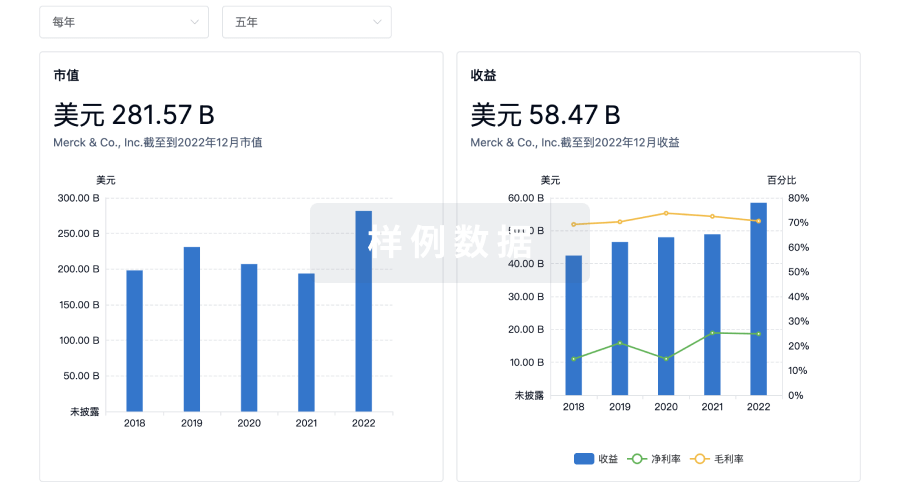
营收
使用 Synapse 探索超过 36 万个组织的财务状况。
登录
或
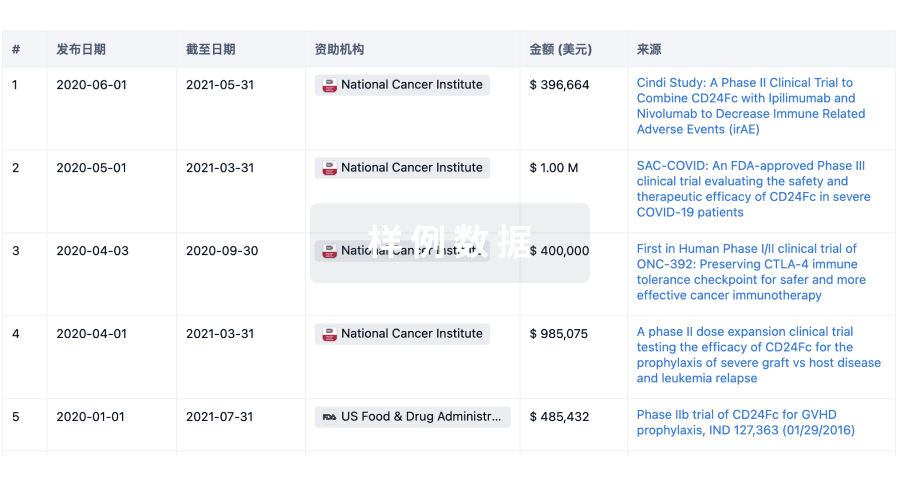
科研基金(NIH)
访问超过 200 万项资助和基金信息,以提升您的研究之旅。
登录
或
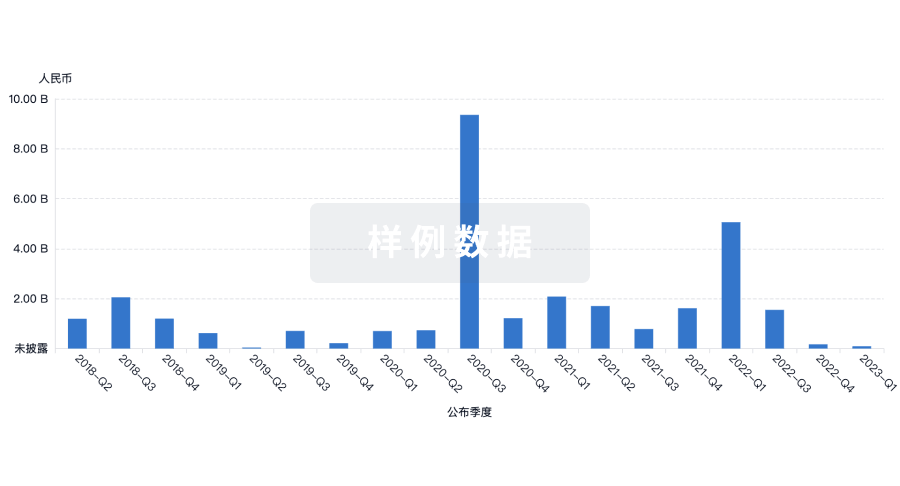
投资
深入了解从初创企业到成熟企业的最新公司投资动态。
登录
或
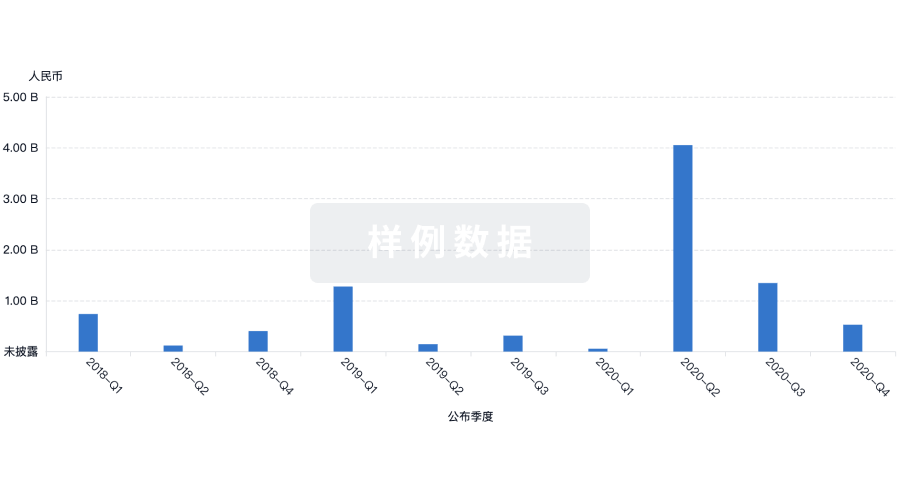
融资
发掘融资趋势以验证和推进您的投资机会。
登录
或
提出任何生物医药研究问题
让每一步生物医药决策都精准制胜
基于十亿级生物数据与全球情报的精准 AI,赋能早期药物发现
立即开始免费试用!
智慧芽新药情报库是智慧芽专为生命科学人士构建的基于AI的创新药情报平台,助您全方位提升您的研发与决策效率。
立即接入生物医药数据包
智慧芽新药库数据也通过智慧芽开放平台,以MCP或API服务形式对外开放。立即使用我们的MCP服务定制您的LLM智能体。
生物序列数据库
生物药研发创新
免费使用
化学结构数据库
小分子化药研发创新
免费使用