预约演示
更新于:2025-05-07
Wuhan Puai Hospital
更新于:2025-05-07
概览
关联
100 项与 武汉市第四医院 相关的临床结果
登录后查看更多信息
0 项与 武汉市第四医院 相关的专利(医药)
登录后查看更多信息
115
项与 武汉市第四医院 相关的文献(医药)2025-07-01·Genes & Diseases
Nrf2: A key regulator in chemoradiotherapy resistance of osteosarcoma
Review
作者: Pu, Feifei ; Peng, Xianglin ; Feng, Jing ; Xia, Ping ; Yang, Han
2025-05-01·Journal of Autoimmunity
Human regulatory B cells suppress autoimmune disease primarily via interleukin-37
Article
作者: Liu, Xiaoyu ; Xiao, Xiaojun ; Yang, Ping-Chang ; McInnes, Iain B ; Wang, Luman ; Wang, Xueqi ; Wei, Rongfei ; Huang, Zhong ; Li, Jing ; Wang, Wenjun ; Xu, Damo ; Wang, Kaifan ; Ma, Yanmei ; Hossen, Munnaf ; Ji, Yuan ; Huang, Jim Yi ; Chen, Bingni ; Xing, Shaojun ; Chu, Yiwei ; Jin, Zheng ; Tulunay-Virlan, Aysin ; Christodoulou, Maria-Ioanna ; Wang, Eryi
2025-05-01·Nutrition, Metabolism and Cardiovascular Diseases
Gamma-glutamyl transferase to high-density lipoprotein cholesterol ratio: A valuable predictor of coronary heart disease incidence
Article
作者: He, Li ; Zhu, Xuan ; He, Fang ; Chen, Sisi
1
项与 武汉市第四医院 相关的新闻(医药)2024-09-06
·梅斯医学
近日,浙江永康市居民舒女士报料称,其父亲一天内在一家口腔医院拔除23颗牙并种植12颗新牙之后疼痛不止,13天之后去世。
据舒女士发布的信息显示,其父亲黄某8月14日在德维口腔医院接受牙科手术。根据种植手术同意书显示,本次治疗拔牙23颗、种植牙齿12颗,并且均为即刻修复,即“当天拔、当天种”,负责进行治疗的医师为袁某。在结束种植牙手术后,黄某牙齿一直疼痛不止,并于8月28日因心脏骤停死亡。
9月3日,永康市卫生健康局工作人员回应媒体称:“由于拔牙和死亡时间相隔13天,黄某具体的死亡原因我们还在调查。”
德维口腔医院工作人员介绍,门牙是可以当天拔、当天种的,但是后面的牙齿拔了以后要隔三四个月才能种植。然而,据黄某的种植手术同意书,在其接受的手术中,有多颗臼齿在拔除当天就进行了种植,与工作人员介绍的注意事项不符。
9月1日晚,德维口腔医院在其社交平台账号发布2条视频,内容为“打击非法医闹”、“近期有医闹人员在网络上发布非法言论,我院已向公安部门报警。
该事件在网上传播后,“一次拔23颗牙”引发了社会热议,是否能这样拔?
上海交通大学附属第九人民医院口腔外科主任医师徐光宙表示:“一般情况下,种植体植入后需要一定时间的愈合,才能安装修复体,而即刻修复则是在种植体与颌骨未愈合的情况下进行修复体安装。”徐光宙解释,近年来随着技术、材质的不断进步,虽然即刻修复仍旧存在一定的局限性,但可使患者在短期内使用修复体,恢复正常咀嚼功能的作用。因此,它常用于前牙修复时对美学功能要求比较高的患者,如教师、演员、管理人员等,有助于保证患者口腔的美观。”
而对于一次性拔牙的颗数,徐光宙表示,在学界指南与共识中并未有具体的限制。“在通常情况下,不超过4颗;但根据疾病的具体程度,亦有拔除全部牙齿的全麻手术,甚至还需要切除一部分颌骨。”但他提到,需要对患者进行系统性的全身检查与评估,把握其适应证,如果有糖尿病、免疫系统疾病、高血压、心脏病等基础病史,或用双膦酸盐类、地舒单抗等药物的患者,需要慎重预案。
“单纯拔牙这一医疗行为并不会造成问题,患者是否耐受手术的事前评估、手术过程中的无菌环境、在安全范围内的麻醉剂量等因素才是需要考虑的风险点。”徐光宙表示。
武汉市第四医院口腔医学中心主任向国林告诉记者,“拔的牙越多,病人疼痛反应越大,术后感染的概率也越大。”具体到拔牙手术的流程,拔牙前需评估患者的身体状况,做相关基础疾病的筛查,确保患者身体可以进行手术,拔牙过程中对拔牙创口的感染、疼痛控制,以及拔牙后的消炎处理,每个环节的处理都很重要。
来源 | 极目新闻
编辑 | 阿拉斯加宝
●热议!医生吐槽:高价引进的博士有啥用,走个过场拿到钱就溜了,真正干活的还是老员工!博士能代表一个医院的水平吗?凭啥博士就能高工资
●太重磅!国家卫健委:5年内三明医改经验要全部覆盖!医生平均年薪已达19.56万!推广全国后,不创收了,医生的工资谁来发?
●长寿饮食来了!最新研究:这么吃,中国人能延寿6.2-6.3年!
版权说明:梅斯医学(MedSci)是国内领先的医学科研与学术服务平台,致力于医疗质量的改进,为临床实践提供智慧、精准的决策支持,让医生与患者受益。欢迎个人转发至朋友圈,谢绝媒体或机构未经授权以任何形式转载至其他平台。
点击下方「阅读原文」 立刻下载梅斯医学APP!
100 项与 武汉市第四医院 相关的药物交易
登录后查看更多信息
100 项与 武汉市第四医院 相关的转化医学
登录后查看更多信息
组织架构
使用我们的机构树数据加速您的研究。
登录
或
管线布局
2026年04月16日管线快照
无数据报导
登录后保持更新
药物交易
使用我们的药物交易数据加速您的研究。
登录
或
转化医学
使用我们的转化医学数据加速您的研究。
登录
或
营收
使用 Synapse 探索超过 36 万个组织的财务状况。
登录
或
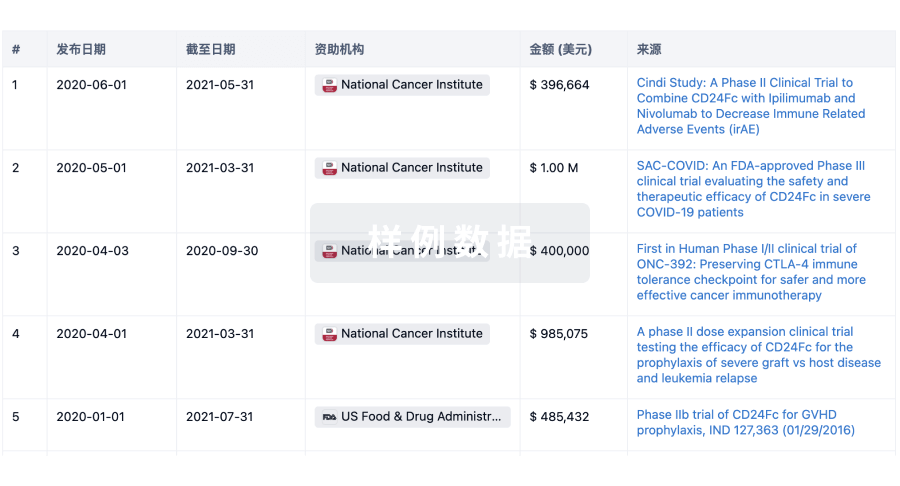
科研基金(NIH)
访问超过 200 万项资助和基金信息,以提升您的研究之旅。
登录
或
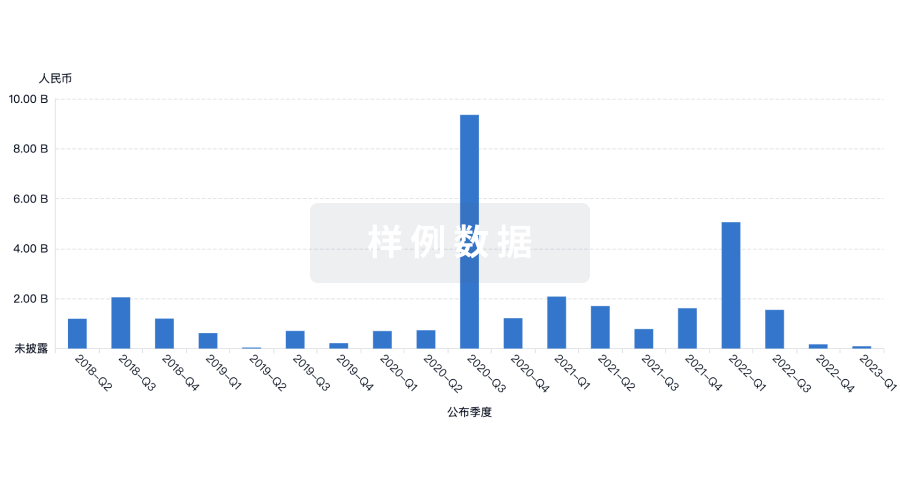
投资
深入了解从初创企业到成熟企业的最新公司投资动态。
登录
或
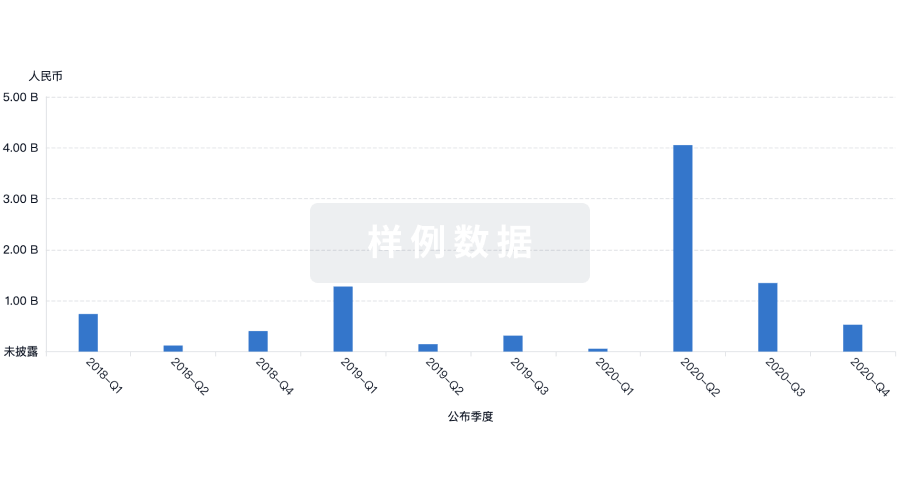
融资
发掘融资趋势以验证和推进您的投资机会。
登录
或
生物医药百科问答
全新生物医药AI Agent 覆盖科研全链路,让突破性发现快人一步
立即开始免费试用!
智慧芽新药情报库是智慧芽专为生命科学人士构建的基于AI的创新药情报平台,助您全方位提升您的研发与决策效率。
立即开始数据试用!
智慧芽新药库数据也通过智慧芽数据服务平台,以API或者数据包形式对外开放,助您更加充分利用智慧芽新药情报信息。
生物序列数据库
生物药研发创新
免费使用
化学结构数据库
小分子化药研发创新
免费使用