预约演示
更新于:2025-09-09

Visva-Bharati University
更新于:2025-09-09
概览
关联
100 项与 Visva-Bharati University 相关的临床结果
登录后查看更多信息
0 项与 Visva-Bharati University 相关的专利(医药)
登录后查看更多信息
2,542
项与 Visva-Bharati University 相关的文献(医药)2025-12-31·International Journal of Ambient Energy
Impact of Arrhenius activation energy on thin film flow in nonlinearly thermally radiative kerosene-based ferro-nanofluid with aligned magnetic field
作者: Pal, Dulal
This paper deals with a detailed investigation into the boundary layer flow of a kerosene-based ferro-nanofluid (Fe3O4) thin film over an unsteady expandable sheet, taking into account the effects of Arrhenius activation energy, aligned magnetic fields, and nonlinear thermal radiation.Also, the role of chem. reactions, non-uniform heat source/sink and convective boundary conditions are thoroughly explored.The conservation of momentum, energy, and mass diffusion equations seem to be complex and nonlinear, making it difficult to solve with some conventional anal. methods.Arrhenius activation energy provides deeper insight into chem. kinetics at the liquid-solid interface, which is relevant in catalytic processes where surface reactions greatly depend on the system′s performance.The study employs numerical bvp4c solver based on the three-stage Lobatto-IIIA method, given the limitations of conventional anal. methods for this problem.It is observed that as the volume fraction of ferroparticles increases, velocity and temperature gradients are enhanced, indicating improved heat and mass transfer characteristics.The increase in thermal radiation leads to a reduction in the temperature gradient.Further, the temperature gradient rises with an increment in the non-uniform heat source/sink parameter and Prandtl numberThe rate of mass transport was enhanced by the rise in the Schmidt number
2025-10-01·ENVIRONMENTAL POLLUTION
Detrimental impacts of chronic bisphenol A (BPA) exposure on follicular signalling modulation and ovulatory competence in zebrafish (Danio rerio)
Article
作者: Maitra, Sudipta ; Mukherjee, Urmi ; Karmakar, Sampurna ; Banerjee, Sambuddha ; Ghosh, Soumyajyoti ; Das, Sriparna ; Biswas, Subhasri ; Samanta, Anwesha
Exposure to environmental estrogens can disrupt the ovarian endocrine/autocrine/paracrine axis, affecting epigenetic programming and reproductive health. Bisphenol A (BPA), a monomer of polycarbonate plastics and a prototypical endocrine disruptor, has documented effects on ovarian dysfunction; however, its influence on follicular signalling before ovulation remains underexplored. This study investigates BPA's mechanistic influence on zebrafish ovulatory function, focusing on its dual impact as a nuclear progestin receptor (PGR) antagonist and an estrogen receptor (ER) agonist. Results indicate chronic (45 days) BPA exposure at environmentally relevant concentrations (1, 10, 100 μg/L) promotes significant changes in gonadosomatic index (GSI), maturational competence, the yield of ovulated (metaphase II-arrested) eggs and post-ovulatory follicles in BPA-exposed females. Alterations in gonadotropin receptors (fshr, lhcgr), steroidogenic enzyme genes (star, cyp11a1, hsd3b2, p450c17, cyp19a1a, 20β-hsd) and insulin-like growth factors (igf1, igf3) indicate impaired follicular signalling. BPA attenuation of PGR expression in pre-ovulatory follicles aligns with its impeded nuclear translocation, potentially influencing downstream ovulatory gene transcription. Molecular docking analysis indicates a stable BPA-PGR binding, correlating with downregulated ovulatory genes (pla2g4aa, ptgs2a, ptgs2b, ptgesl, and ptger4b), and matrix metalloproteinases (adam8b, adamts9, and mmp9) expression. BPA-exposed follicles fail to mature and ovulate following 17,20β-P (MIS) treatment in vitro, suggesting interference with MIS-PGR interaction. Network toxicology analysis highlights BPA's role in ovulatory dysfunction via the ER/epigenetics/PGR cascade. Finally, BPA-driven disrupted ERα/β homeostasis aligns with alterations in follicular DNA methylation and histone modifications, revealing a global epigenetic shift exacerbating ovarian insufficiency.
2025-09-02·PHYSICAL CHEMISTRY CHEMICAL PHYSICS
Unveiling the photocatalytic water splitting over metal-free g-CN/γ-BNyne heterostructures using non-adiabatic molecular dynamics.
Article
作者: Sarkar, Pranab ; Kumar, Subhash ; Ghosh, Atish
We herein computationally designed a metal-free graphitic carbon nitride/γ-boron nitride (g-CN/γ-BNyne) heterostructure as a promising photocatalyst for overall water splitting and sustainable hydrogen fuel production. The heterostructure shows type-II band energy alignment and significant optical absorption in UV and near-visible regions. The studies on excited state dynamics show that the low nonadiabatic coupling between the VBM and CBM in the heterostructure and the faster decoherence time (22.28 fs) extend the electron-hole (e-h) recombination time to 261.52 ps, giving enough time for the photogenerated carriers to take part in redox reactions. The boron atoms of the γ-BNyne surface act as Lewis acid sites, which effectively trap water molecules, resulting in the consequent oxygen evolution, and simultaneously the g-CN surface also promotes the hydrogen evolution reaction. Thus, this work presents a design for a potential metal-free type-II photocatalyst for carrying out both oxygen and hydrogen evolution reactions simultaneously.
100 项与 Visva-Bharati University 相关的药物交易
登录后查看更多信息
100 项与 Visva-Bharati University 相关的转化医学
登录后查看更多信息
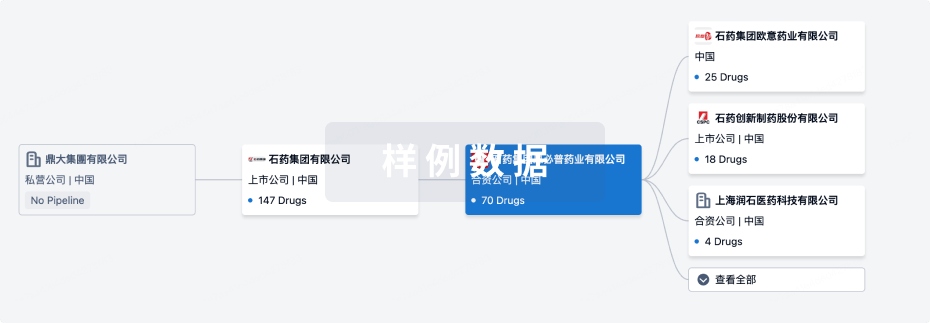
组织架构
使用我们的机构树数据加速您的研究。
登录
或
管线布局
2026年05月23日管线快照
无数据报导
登录后保持更新
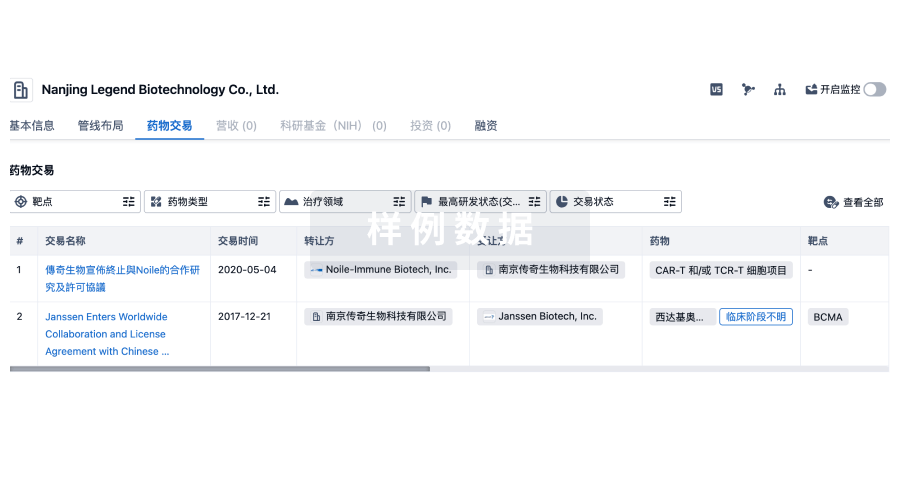
药物交易
使用我们的药物交易数据加速您的研究。
登录
或
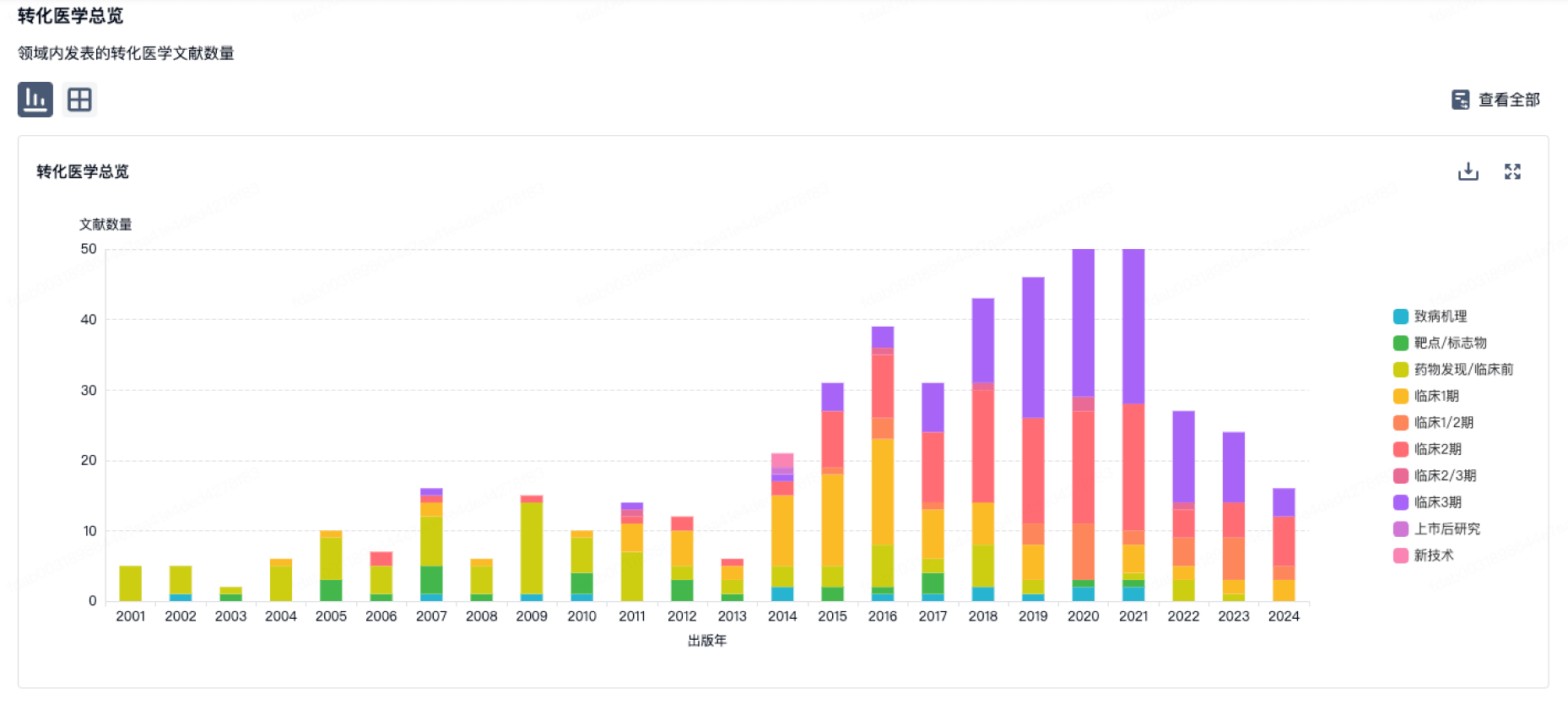
转化医学
使用我们的转化医学数据加速您的研究。
登录
或
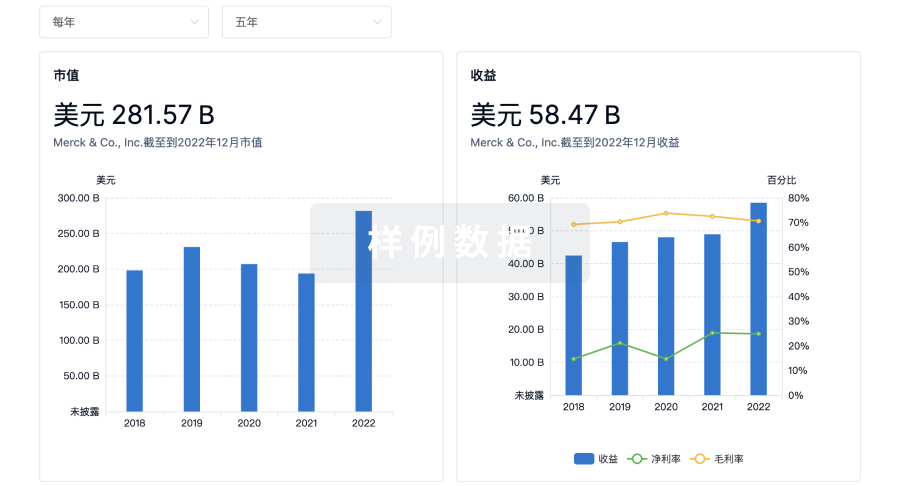
营收
使用 Synapse 探索超过 36 万个组织的财务状况。
登录
或
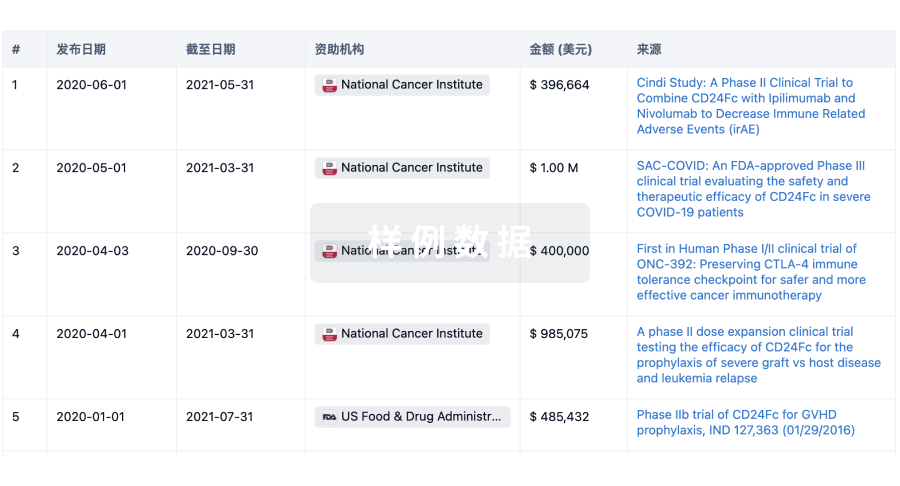
科研基金(NIH)
访问超过 200 万项资助和基金信息,以提升您的研究之旅。
登录
或
投资
深入了解从初创企业到成熟企业的最新公司投资动态。
登录
或
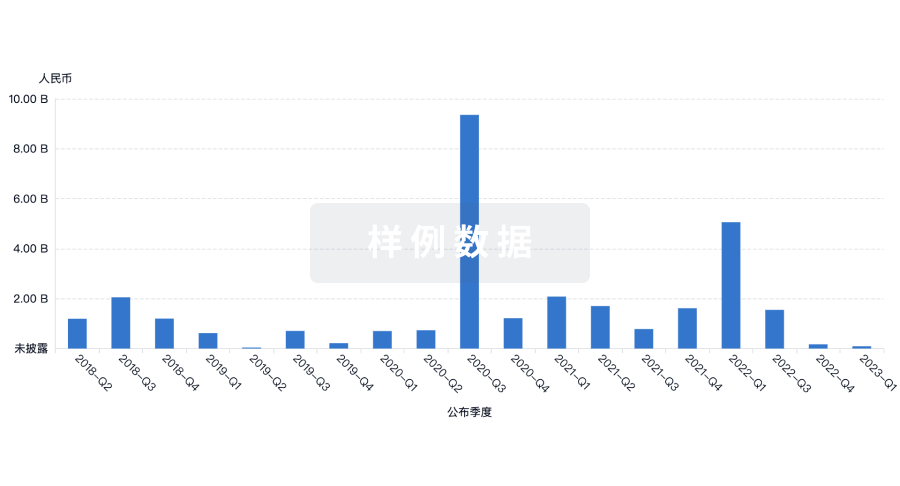
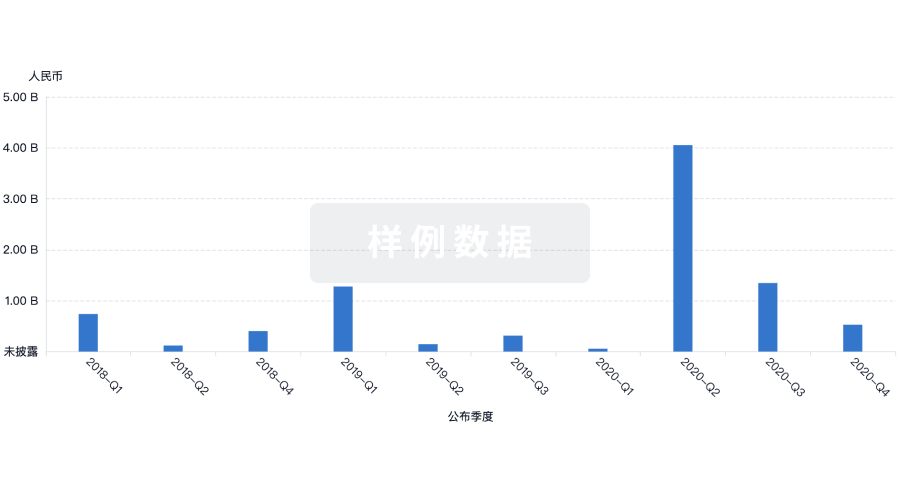
融资
发掘融资趋势以验证和推进您的投资机会。
登录
或
生物医药百科问答
全新生物医药AI Agent 覆盖科研全链路,让突破性发现快人一步
立即开始免费试用!
智慧芽新药情报库是智慧芽专为生命科学人士构建的基于AI的创新药情报平台,助您全方位提升您的研发与决策效率。
立即开始数据试用!
智慧芽新药库数据也通过智慧芽数据服务平台,以API或者数据包形式对外开放,助您更加充分利用智慧芽新药情报信息。
生物序列数据库
生物药研发创新
免费使用
化学结构数据库
小分子化药研发创新
免费使用