预约演示
更新于:2026-05-12

FUJIFILM SonoSite, Inc.
更新于:2026-05-12
概览
关联
NCT00913094
Bioimpedance Evaluation of Therapeutic Titration in Essential, Refractory Hypertension (BETTER-HTN)

NCT00409916
Prevention of Heart Failure Events With Impedance Cardiography Testing (PREVENT-HF)
100 项与 FUJIFILM SonoSite, Inc. 相关的临床结果
登录后查看更多信息
登录后查看更多信息
2025-05-01AMERICAN JOURNAL OF PATHOLOGY
Multimodal Diagnostic Imaging of Metabolic Dysfunction–Associated Steatotic Liver Disease
Article
作者: Korolowicz, Kyle ; Alfano, Massimo ; Keegan, Alissa ; Lee, Yichien ; Ecelbarger, Carolyn M ; Malamal, Gayathri ; Shepard, Blythe D ; Rubiano, Mariana Moya ; Jose, Jithin ; Fricke, Stanley ; Avantaggiati, Maria Laura ; Rodriguez, Olga ; Albanese, Chris ; Rich, Laurie ; Levi, Moshe ; Rosenberg, Avi
Chronic diseases of the liver are major public health concerns worldwide. Steatosis and steatohepatitis associated with alcoholic liver disease, metabolic dysfunction-associated fatty liver disease/nonalcoholic fatty liver disease, and hepatitis B and C contribute to chronic diseases of the liver. Liver fibrosis occurs in all forms of advanced chronic diseases of the liver, the confirmation of which is typically performed by needle biopsy. Imaging approaches for liver diagnosis exist but do not provide sufficient diagnostic accuracy for defining the various stages of fibrosis or steatosis. Therefore, there is a need for improved imaging capabilities to enhance disease diagnosis. Ultrasonography-based photoacoustic imaging has recently emerged as a noninvasive, nonionizing modality, capable of capturing structural details and oxygen saturation changes during disease progression. However, its potential for detecting surrogate metabolic dysfunction-associated fatty liver disease markers, such as collagen and lipids, which are often poorly resolved by other conventional imaging techniques, has yet to be investigated in detail. The novelty of this study lies in the innovative use of spectral photoacoustic imaging for the direct detection and quantification of key biomarkers of liver disease, such as fibrosis, collagen, lipids, and oxygenated and deoxygenated hemoglobin, in a mouse model of steatotic fatty liver disease. Ultrasonography-based photoacoustic imaging, validated with magnetic resonance imaging, effectively identified increases in liver adiposity and fibrosis, enabling the noninvasive detection of changes in liver pathology associated with metabolic dysfunction.
2024-09-10PROCEEDINGS OF THE NATIONAL ACADEMY OF SCIENCES OF THE UNITED STATES OF AMERICA
Gold nanorod–assisted theranostic solution for nonvisible residual disease in bladder cancer
Article
作者: Comes Franchini, Mauro ; Moschini, Marco ; Alfano, Massimo ; Armanetti, Paolo ; Salonia, Andrea ; Jose, Jithin ; Alchera, Elisa ; Ooi, Ean Hin ; Tortorella, Silvia ; Campanella, Beatrice ; Onor, Massimo ; Venegoni, Chiara ; Corti, Angelo ; Pederzoli, Filippo ; Locatelli, Erica ; Lucianò, Roberta ; Curnis, Flavio ; Locatelli, Irene ; Popov, Viktor ; Montorsi, Francesco ; Menichetti, Luca ; Maturi, Mirko
Residual nonvisible bladder cancer after proper treatment caused by technological and therapeutic limitations is responsible for tumor relapse and progression. This study aimed to demonstrate the feasibility of a solution for simultaneous detection and treatment of bladder cancer lesions smaller than one millimeter. The α5β1 integrin was identified as a specific marker in 81% of human high-grade nonmuscle invasive bladder cancers and used as a target for the delivery of targeted gold nanorods (GNRs). In a preclinical model of orthotopic bladder cancer expressing the α5β1 integrin, the photoacoustic imaging of targeted GNRs visualized lesions smaller than one millimeter, and their irradiation with continuous laser was used to induce GNR-assisted hyperthermia. Necrosis of the tumor mass, improved survival, and computational modeling were applied to demonstrate the efficacy and safety of this solution. Our study highlights the potential of the GNR-assisted theranostic strategy as a complementary solution in clinical practice to reduce the risk of nonvisible residual bladder cancer after current treatment. Further validation through clinical studies will support the findings of the present study.
2024-08-01Matrix biology plus
Topographic modification of the extracellular matrix precedes the onset of bladder cancer
Article
作者: Montorsi, Francesco ; Moschini, Marco ; Di Coste, Alessia ; Jose, Jithin ; Scarfò, Federico ; Alchera, Elisa ; Bandini, Marco ; Venegoni, Chiara ; Salonia, Andrea ; Lucianò, Roberta ; Locatelli, Irene ; Martinez-Vidal, Laura ; Pederzoli, Filippo ; Alfano, Massimo ; Necchi, Andrea
Background:
Non-muscle invasive bladder cancer (NMIBC) patients are affected by a high risk of recurrence. The topography of collagen fibers represents a hallmark of the neoplastic extracellular microenvironment.
Objective:
Assess the topographic change associated with different stages of bladder cancer (from neoplastic lesions to bona fide tumor) and whether those changes favour the development of NMIBC.
Design Setting and Participants:
Seventy-one clinical samples of urothelial carcinoma at different stages were used. Topographic changes preceding tumor onset and progression were evaluated in the rat bladder cancer model induced by nitrosamine (BBN), a bladder-specific carcinogen. The preclinical model of actinic cystitis was also used in combination with BBN. Validated hematoxylin-eosin sections were used to assess the topography of collagen fibrils associated with pre-tumoral steps, NMIBC, and MIBC.
Findings:
Linearization of collagen fibers was higher in Cis and Ta vs. dysplastic urothelium, further increased in T1 and greatest in T2 tumors. In the BBN preclinical model, an increase in the linearization of collagen fibers was established since the beginning of inflammation, such as the onset of atypia of a non-univocal nature and dysplasia, and further increased in the presence of the tumor. Linearization of collagen fibers in the model of actinic cystitis was associated with earlier onset of BBN-induced tumor.
Conclusions:
The topographic modification of the extracellular microenvironment occurs during the inflammatory processes preceding and favoring the onset of bladder cancer. The topographic reconfiguration of the stroma could represent a marker for identifying and treating the non-neoplastic tissue susceptible to tumor recurrence.
100 项与 FUJIFILM SonoSite, Inc. 相关的药物交易
登录后查看更多信息
100 项与 FUJIFILM SonoSite, Inc. 相关的转化医学
登录后查看更多信息
组织架构
使用我们的机构树数据加速您的研究。
登录
或
管线布局
2026年09月19日管线快照
无数据报导
登录后保持更新
药物交易
使用我们的药物交易数据加速您的研究。
登录
或
转化医学
使用我们的转化医学数据加速您的研究。
登录
或
营收
使用 Synapse 探索超过 36 万个组织的财务状况。
登录
或
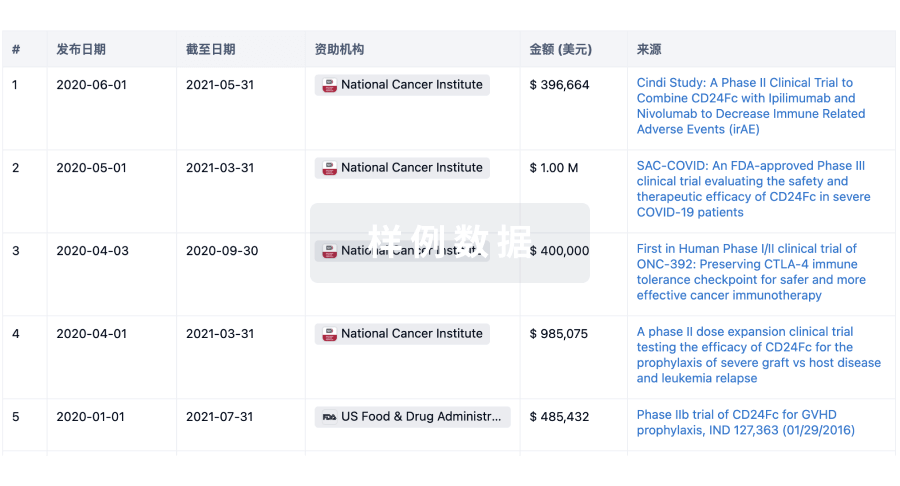
科研基金(NIH)
访问超过 200 万项资助和基金信息,以提升您的研究之旅。
登录
或
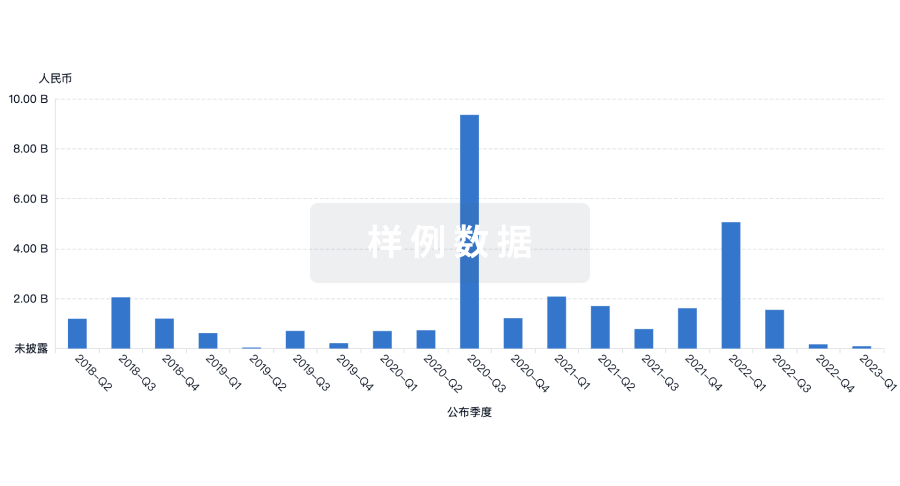
投资
深入了解从初创企业到成熟企业的最新公司投资动态。
登录
或
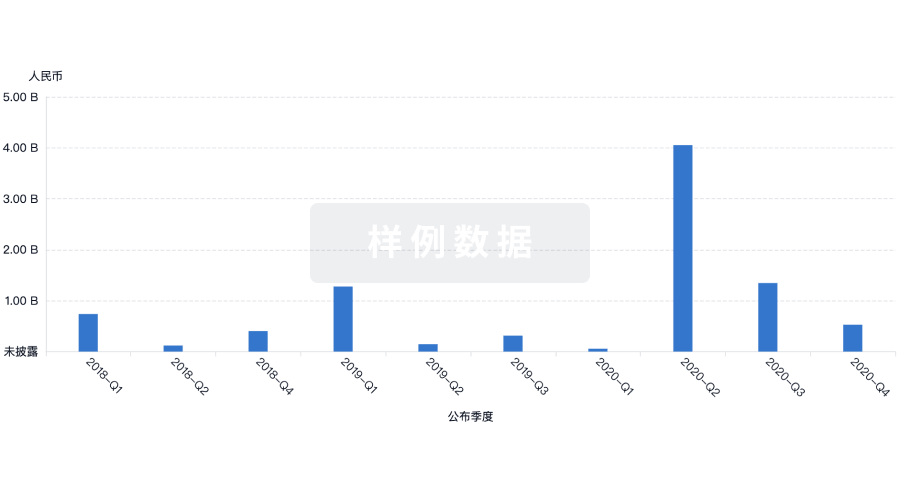
融资
发掘融资趋势以验证和推进您的投资机会。
登录
或
提出任何生物医药研究问题
让每一步生物医药决策都精准制胜
基于十亿级生物数据与全球情报的精准 AI,赋能早期药物发现
立即开始免费试用!
智慧芽新药情报库是智慧芽专为生命科学人士构建的基于AI的创新药情报平台,助您全方位提升您的研发与决策效率。
立即接入生物医药数据包
智慧芽新药库数据也通过智慧芽开放平台,以MCP或API服务形式对外开放。立即使用我们的MCP服务定制您的LLM智能体。
生物序列数据库
生物药研发创新
免费使用
化学结构数据库
小分子化药研发创新
免费使用