预约演示
更新于:2026-07-06

Jiasiteng Pharmaceuticals
更新于:2026-07-06
概览
关联
100 项与 重庆嘉士腾医药有限公司 相关的临床结果
登录后查看更多信息
0 项与 重庆嘉士腾医药有限公司 相关的专利(医药)
登录后查看更多信息
2
项与 重庆嘉士腾医药有限公司 相关的文献(医药)2025-11-21·Environment & health (Washington, D.C.)
Reproductive Toxicity and Transgenerational Effects of Anesthetic Etomidate in Zebrafish: PCOS-like Ovarian Changes, Oxidative Stress, and Metabolism Disruption
Article
作者: Li, Yihan ; Meng, Fanliang ; Luo, Yuxuan ; Li, Xuewei ; Luo, Qizhi ; Isse, Said Ahmed ; Chen, Xuncai ; Chen, Zhenzhong ; Lin, Xuhui ; Zhuang, Zile ; Zhu, Bofeng
Etomidate (ETO), a benzodiazepine commonly used by pregnant women with anxiety disorders, has been increasingly detected in aquatic environments. However, its reproductive toxicity and intergenerational effects have not been adequately assessed. In this study, adult female fish were employed to investigate the reproductive toxicity after ETO exposure. After 4 weeks of exposure, zebrafish ovaries exhibited polycystic ovary syndrome (PCOS)-like changes, including polycystic ovaries, reduced spawning rates, and elevated androgen levels. Moreover, ETO was transmitted to offspring via maternal ovaries, significantly increasing larval mortality and deformity rates while reducing their locomotor activity. Transcriptomic and metabolomic profiling revealed oxidative stress responses, disrupted unsaturated fatty acid and glutathione metabolism, and damage to ovarian granulosa cells and the zona pellucida, as confirmed by reactive oxygen species (ROS) fluorescence staining. Combined multiomics analysis demonstrated that ETO exposure exacerbated ovarian oxidative stress, impaired the functional structure of ovaries, and disrupted follicular cell maturation via hyperactivation of the mechanistic target of the rapamycin complex 1 (mTORC1) pathway. These changes culminated in PCOS-like effects in zebrafish. This study provides critical insights into the mechanisms of ETO-induced reproductive toxicity and transgenerational impacts, offering a foundation for more comprehensive risk assessments and potential interventions.
Scientific Reports
Dynamic culture system advances the applications of breast cancer organoids for precision medicine
Article
作者: Nie, Pan ; Kang, Jinxiu ; Qu, Junyuan ; Yang, Jun ; Jing, Na ; Li, Xiang ; Zhang, Mei ; Wang, Xianling ; Jiang, Qian
Abstract:
Tumor organoid-based drug sensitivity prediction is a new approach for precision medicine, which has wide applications in cancer treatment and attracts increasing attention. In the field of breast cancer, conventional organoid culture methods often require more than three weeks of culture period. The culture time greatly limits the further extension of the application scenarios of breast cancer organoids. We developed a fluid system that builds on the conventional organoid “dome” culture method, which continuously and stably supplies the nutrients for the growth of breast cancer organoids. We demonstrated that this is an effective optimization method, which can shorten the culture period of breast cancer organoids without significant changes in histological characteristics and drug sensitivity features.
26
项与 重庆嘉士腾医药有限公司 相关的新闻(医药)2026-06-23
·嘉士腾
在生命科学与精准医疗飞速迭代的今天,传统细胞模型、动物实验的局限性日益凸显:物种差异、个体异质性、实验偏差等问题,始终制约着疾病机制研究、新药研发与个体化治疗的突破;除此之外动物实验伦理争议也备受关注。
类器官技术的成熟,打破了这一科研瓶颈。作为源自患者组织、干细胞的三维微型器官模型,类器官完美复刻人体器官的形态结构、基因特征与生理功能。在此基础上,标准化、规模化、智能化的类器官生物样本库建设,已上升为国家生物医药战略布局的核心环节。近年来国内外政策持续加码、行业标准加速落地,推动类器官技术从前沿科研走向临床转化与产业规模化应用,成为支撑精准医疗升级、创新药研发突破、人类遗传资源安全保藏的核心基础设施,开启生命研究与精准治疗的全新范式。
01
类器官生物样本库与传统样本库的区别?
区别于传统仅储存组织、血液、核酸的静态生物样本库,类器官生物样本库是集样本采集、标准化培养、鉴定质控、低温保藏、数据溯源、资源共享于一体的活态生物资源库。
它以人体肿瘤组织、正常组织、诱导多能干细胞等为原材料,通过精准体外培养技术构建各类疾病类器官模型,经严格质控后液氮长期冻存,同时配套完整的临床信息、测序数据、实验数据,实现活体样本+多维数据的一体化存储与管理,解决了传统样本失活、模型同质化、数据碎片化的行业痛点。
相较于传统实验模型,类器官样本具备高仿真性、高稳定性、可复苏复用等优势,是目前最贴近人体真实生理病理状态的实验载体。
02
为什么要建设类器官生物样本库?
生物医药领域的竞争,本质是生物资源、核心模型与标准体系的竞争。
从全球布局来看,欧美、新加坡等国家早已率先布局类器官资源库与生物银行体系,搭建标准化模型平台引领全球生物医药研发;国内层面,国家持续出台重磅政策、权威专家共识密集落地,全方位规范行业发展,为类器官样本库标准化建设、临床转化与产业应用保驾护航。
政策层面,2025年《生物医学新技术临床研究和临床转化应用管理条例》正式实施,明确扶持生物医学前沿技术的临床转化与产业化发展;《人类遗传资源管理条例》及实施细则,规范人类遗传资源标准化保藏、合规共享与高效利用,筑牢生物资源安全底线。同时,2026年国家自然科学基金将类器官设立独立申请代码,将其列为生命科学重点培育方向。
行业标准与专家共识层面,2025年国家癌症中心领衔,嘉士腾独家技术战略支持“中国临床肿瘤类器官标准化实验室及样本库建设项目”,并发布《恶性肿瘤类器官标准化建设与应用》;以及2026年《肿瘤类器官构建通用规范专家共识》等多部权威指南发布,行业正在告别无序发展。
类器官样本采集、培养、质控、保藏、数据管理的全流程规范,标准化、合规化、规模化建库成为行业硬性刚需,具备成熟标准化体系与万级活体样本储备能力,成为头部企业核心竞争壁垒。
赋能基础科研,破解疾病奥秘
各类肿瘤、遗传病、退行性疾病类器官模型,可精准模拟疾病发生、发展、侵袭全过程,摆脱动物实验的物种差异局限,助力科研人员深度解析疾病发病机制、挖掘新型靶点,为生命科学基础研究提供真实可靠的活体模型支撑。
提速新药研发,降低试错成本
传统新药研发周期长、成本高、成功率低,而类器官样本库可助力高通量药物筛选,快速锁定活性化合物,大幅提升药物筛选命中率,缩短新药早期研发周期;提供更贴近临床的药理药效数据,支撑药物研发关键决策;肝、肾、心脏、神经等类器官模型可用于药物毒性早期评价,提前识别潜在安全风险,消除动物种属差异,降低临床试验失败率。
落地精准医疗,实现个体化施治
针对肿瘤等高度异质性疾病,不同患者对药物的响应差异极大。依托患者专属类器官模型,可开展个体化精准药敏精测,精准筛选敏感治疗方案,实现先试药、后治疗的精准诊疗模式,有效提升治疗有效率,减少无效治疗带来的身体损伤与医疗浪费。
汇聚核心资源,助推产业升级
标准化样本库可整合区域临床样本资源,构建多疾病、多族群的类器官模型资源体系,打破科研资源壁垒,为高校、医院、药企、科研机构提供共享服务,推动类器官技术从实验室走向产业化,助力生物医药产业高质量发展。
03
标准化建设体系,筑牢资源核心壁垒
在国家严格合规管控、国际标准统一落地、国内专家共识全面赋能的三重行业背景下,类器官样本库的核心竞争力,在于标准化、规范化、智能化、合规化的全流程体系。
多部国家级专家共识明确指出:人工操作依赖性强、批次质控不统一、模型稳定性差、样本溯源体系缺失,是制约国内类器官技术临床落地与规模化应用的核心瓶颈。
目前行业大量中小平台仍普遍存在以上问题,难以匹配国家级资源保藏标准、专家共识规范与产业化落地要求。嘉士腾作为行业头部企业,紧跟国内外政策导向,前瞻性布局AI全智能自动化类器官智慧实验系统,完美破解行业共性难题,凭借成熟的平台布局与技术革新,推动了国内肿瘤类器官标准化样本库项目启动。
✅ 全流程标准化质控
依托深耕类器官领域的技术积淀,嘉士腾已搭建上万例规模化类器官样本资源库,涵盖多癌种、多疾病、正常组织等各类高价值类器官模型,常见癌种培养成功率稳定维持在90%以上。同时严格遵循各类器官临床转化专家共识要求,建立覆盖伦理审批、样本采集、样本处理、类器官培养、类器官传代、类器官冻存、类器官复苏等全链条SOP规范,自研自产的核心生物材料与GMP级生产体系,严格管控微生物污染、细胞活性等核心质控指标,保障标准化构建。
✅ 全智能自动化设备,破解标准化核心难题
针对传统样本库人工依赖度高、通量有限、批次差异大等问题,结合专家共识对自动化、标准化、可溯源的核心建设要求,嘉士腾搭载全智能自动化类器官智慧实验系统,实现从细胞开始、样本质控、基质胶预处理、类器官接种、培养、换液培养、成像监测、阶段质控、冻存、复苏、数据记录的全链路无人化智能操作。实时监测、异常自动预警系统,彻底规避人工操作误差,让培养体系、操作流程、质控标准完全统一,精准落地批次一致性、模型稳定性核心要求。同时配套专属智能化数据管理系统,一一对应整合样本信息与实验数据,可形成样本-数据-病床信息全溯源数字化档案,契合样本库数据合规与溯源标准,支持高效检索、合规共享与批量资源输出,真正实现类器官样本库的标准化、高通量、智能化规模化运营。
✅ 安全合规化运营
严格遵循生物安全法规与伦理准则,完善样本捐赠知情同意、隐私保护、数据脱敏机制,建立分级权限管理体系,兼顾资源开放共享与生物安全、隐私安全,保障样本库合规长效运营。
04
未来展望:以活体资源,赋能生命未来
当前,类器官生物样本库已成为全球生物医药领域的重点布局方向,从单病种模型库到综合性资源平台,从单一科研用途到产学研用一体化应用,其价值持续释放。
政策红利持续释放、国内外行业标准日趋完善、生物医药产业需求全面爆发,标准化类器官活体样本库,已然成为国家生物医药战略布局的核心基础设施,是实现人类遗传资源自主可控、夯实国内精准医疗产业根基、提升我国生物医药领域国际话语权的关键载体。
依托全维度产业矩阵布局,嘉士腾打破单一技术、单一服务的局限,形成从标准化体系搭建、智能设备配套、丰富类器官模型技术体系到整体项目落地、运维、迭代的全链条闭环服务能力。公司深度贴合国家生物资源保藏与前沿技术转化战略要求,可高效赋能各类政企、医院、科研院所的类器官生物样本库建设项目,提供标准化、智能化、合规化、可落地、可商用的一站式整体解决方案,助力各类样本库快速完成规模化搭建、规范化运营与产业化升级。
嘉士腾依托完备产业矩阵优势,打通“体系构建-设备赋能-样本储备-技术迭代-落地运营-产业转化”全链路,持续完善类器官活体样本库生态体系,全力助力国内人类遗传资源规范化、安全化、高效化利用,推动精准医疗临床落地与创新药研发产业高质量发展,为生命科学前沿研究突破蓄力赋能,以硬核产业实力守护国民生命健康。
嘉睿腾®全智能自动化类器官智慧实验系统火热招商中
2026-05-15
OTC2026论坛深度聚焦类器官与疾病建模、新药发现/研发、3D细胞培养、类器官培养及质控。OTC2026合作热线:王晨180 1628 8769
近日,一则消息在医疗器械行业引发不小震动——北京大学未来技术学院席建忠教授团队自主研发的肿瘤类器官试剂盒(非小细胞肺癌药物敏感性检测试剂盒),与医疗大模型、手术机器人等前沿产品一同被纳入国家药品监督管理局(NMPA)的“创新医疗器械特别审查程序”。
这是首个获该程序审评许可的肿瘤类器官产品,标志着我国肿瘤细胞体外培养技术正式迈入了合规化、产业化的全新阶段。
精准治癌:从“基因检测”到“体外替身”
肿瘤治疗的临床痛点一直很明确——同一种癌症,不同患者对不同药物的反应千差万别。过去,临床主要借助医生经验和基因检测来用药,但也经常面临“盲目试药”的窘境。
类器官技术,通俗来说就是利用患者自身的肿瘤细胞,在体外培养出一个个“迷你肿瘤”,然后用各类抗癌药物一个个去测试,看哪个效果最好。该技术的核心在于,这些体外培养的细胞模型高度还原了真实肿瘤的多细胞微环境特征,被誉为患者的“体外替身”。
席建忠教授团队自主研发的“自组装微肿瘤PTC平台”采用独特的悬浮体系3D培养方式,相比其它类器官技术,大幅降低了测试成本并将测试周期缩短至14天以内。与上海市胸科医院、北京大学肿瘤医院等单位合作开展的验证数据显示,该产品预测抗肿瘤药物疗效的准确率达到89%,其中预测完全缓解/部分缓解组与疾病进展组的准确率高达98.1%。
“绿色通道”:创新医械特别审查程序的关键助力
创新医疗器械特别审查程序被称为医械上市的“绿色通道”,由国家管理部门为鼓励真正具备国内首创、国际领先水平且具有显著临床应用价值的创新医疗器械专门开设。
数据显示,2025年全年,国家药监局共收到创新特别审批申请457项,其中104项获准进入特别审查程序。全年共批准创新医疗器械76个,同比增长17%。进入创新审查程序并不意味着产品自动获批上市,申请人仍需按规定开展研发及注册申请,但管理部门会坚持早期介入、专人负责、科学高效的原则,在标准不降低的前提下推动产品尽快上市惠及患者。
此次肿瘤类器官试剂盒获批进入特别审查,意味着国家管理部门将直接指导团队开展临床试验,帮助有效避免试验设计不合理等问题,加速产品从实验室走向临床的进程。
政策风向:地方主动布局抢占先机
在高层持续推动创新医药高质量发展的整体框架下,地方也敏锐捕捉到了类器官技术的战略价值并纷纷抢先布局。
北京市医疗保障局等十部门联合推出的《北京市支持创新医药高质量发展若干措施(2026年)》中明确提出,在AI人工智能预测、类器官与器官芯片方面将开发不少于15种模型,并推动新获批创新药械不少于18个。上海、广东、安徽等省市也在陆续出台相关政策,全链条支持医疗器械的研发、生产和应用。
群雄并起:国内类器官赛道加速布局
在肿瘤类器官产业化的方向上,国内市场已悄然形成多家发展势头强劲的企业。
基石生命:由席建忠教授2016年在海淀联合创立,重点布局了肿瘤基因检测、药敏检测、模式动物三大技术平台。其自主研发的“非小细胞肺癌药物敏感性检测试剂盒”成功入选国家创新医疗器械特别审查程序(公示编号:2026年第7号)。公司已与全国多家顶尖肿瘤医院展开科研合作。
希格生科:成立于深圳,专注于创新肿瘤药物研发,通过深度融合“类器官+AI”技术赋能科研,其全球首款弥漫性胃癌靶向药SIGX1094R获得了2025年度盖伦奖提名,为“类器官+AI”模式的长产业链应用提供了鲜活的案例。
创芯国际:总部位于广州,类器官全产业链企业。2025年完成近亿元B轮融资,构建了覆盖类器官全生命周期的技术一体化生态平台,聚焦精准医疗、新药研发、智能智造三大方向。
嘉士腾医药:总部位于重庆,拥有60+专利技术,作为国家癌症中心唯一类器官技术合作单位,主导编撰了全国首部类器官行业专著《恶性肿瘤类器官标准化建设与应用》。
竞品视角:全球器官芯片市场加速扩张
放眼全球,类器官的前瞻性赛道正释放出巨大的成长潜力。据市场研究机构Straits Research发布的数据,2025年全球器官芯片市场规模约为1.75亿美元,并预计到2034年增长至12.22亿美元,年复合增长率达到24.15%。而在北美市场,各家企业及研究机构已先一步占据了较大的生态位和技术优势。
在国际竞争层面,以Emulate为代表的欧美公司普遍在高端器官芯片系统及高通量自动化平台方面建立了不小的先发优势,其市场力量不容小觑。相比之下,国内类器官在精准医疗、多器官系统及AI驱动疾病建模等相关产业正在迅速追赶。
展望:扎实前行比噱头更值得期待
技术终究要服务于临床价值。我们希望看到,越来越多像席建忠教授团队这样扎实做硬科技的团队能够脱颖而出,不仅能赢得行业内专家的共识与赞誉,更能推动创新技术的市场准入,最终真正普惠广大患者。我们也期待在不久的将来,会看到更多让人眼前一亮的技术,为肿瘤治疗带来更多的选择和希望。
▲文章来源:医疗器械创新网
END
免责声明:本文仅作知识交流与分享及科普目的,不涉及商业宣传,不作为相关医疗指导或用药建议。文章如有侵权请联系删除。
OTC2026论坛深度聚焦类器官与疾病建模、新药发现/研发、3D细胞培养、类器官培养及质控。OTC2026合作热线:王晨180 1628 8769
戳“阅读原文”立即抢占OTC2026免费参会名额!
2026-04-30
·嘉士腾
类器官作为生命科学领域颠覆性核心工具,正引领生物医药研发范式深度变革。它以成体干细胞或多能干细胞为种子,在体外三维微环境中完成自组织发育,精准复刻体内器官的生理结构、细胞组成与功能特性,构建高度仿生的微型体外器官模型。相较于传统二维细胞培养与动物模型,类器官可高度还原来源组织的遗传背景、细胞异质性与微环境特征,在精准医疗、新药筛选、疾病建模、基因编辑、再生医学、毒理学评价等核心场景具备不可替代的科研价值与产业化前景。
类器官迈入国家战略与市场双增长黄金窗口期
过去十余年,类器官从基础探索快速走向临床转化与产业落地:从单一组织模型到多器官共培养、从科研工具到临床药敏检测平台,技术成熟度与标准化水平持续提升,已成为全球生物医药创新的核心基础设施。
根据Grand View Research的数据显示:
2024年全球类器官与类球体市场规模达18.6亿美元
预计2030年增至62.7亿美元
2025–2030年复合年增长率(CAGR)23.2%
Organoids And Spheroids Market (2025 - 2030)
受益于国内科研投入持续加大、医院与药企需求快速释放,多家机构预测:中国将在2030年成为区域收入规模最大的类器官市场,并引领亚太地区类器官技术应用与产业升级。
国家政策全面护航
· 十五五规划顶层定调:2026年3月全国人大审议通过《“十五五”规划纲要》,首次将类器官与器官芯片列入前沿科技攻关核心任务,与基因编辑、细胞编程、人工生命体系合成并列,定位为生命科学与生物技术必须突破的底层核心技术。
· 基金专项划分:国家自然科学基金2026年新增“类器官与人工器官(C1004)”二级申请代码,实现学科独立、评审专业、资助聚焦,基础研究投入系统性加码。
· 监管与转化提速:国务院第818号令《生物医学新技术临床研究和转化应用管理条例》2026年5月正式施行,明确类器官临床转化路径;国家药监局认可类器官数据用于药物非临床评价,科研—产业—临床闭环全面打通。
· 地方密集落地:北京、上海、广东等省市将类器官与器官芯片纳入创新医药重点布局,配套资金、平台、审批全链条支持,产业进入政策红利集中释放期。
嘉必利®类器官培养试剂——全流程一站式解决方案
嘉必利®类器官培养试剂是由嘉士腾自主研发生产,覆盖类器官培养全周期的一站式试剂体系。产品可高效保留原组织生物学特性,维持细胞异质性,搭建便捷高效的体外培养平台,助力类器官稳定构建与长期扩增,广泛适配疾病机制研究、创新药物研发等多元场景。
核心产品优势
01
全流程一体化,实验更省心、更高效
覆盖组织采集、样本处理、类器官培养、传代、冻存、复苏全环节,提供从样本采集到药效结果的完整技术方案:
培养基即用型配置,无需繁琐混合
配套专用消化液、回收液、冻存液、基质胶,体系高度兼容
操作标准化、流程极简,大幅降低实验门槛与周期
02
产品线行业领先,多谱系、多种属全覆盖
具有组织来源类器官+iPSC类器官双技术体系,打造业内最全面、最系统产品
· 50+肿瘤类器官培养基:覆盖肺癌、乳腺癌、胃癌、肠癌、肝癌、食管癌、胆管癌、脑胶质瘤、卵巢癌、子宫内膜癌、膀胱癌、肾癌、口腔癌、肉瘤等主流及罕见癌种。
· 30+正常组织类器官培养基:食管、胃、胰腺、乳腺、前列腺、肺、肝等,满足正常组织发育与机制研究。
· 15+iPSC/ESC类器官培养基:脑、肝、肾、心脏、胰岛等,支持多谱系定向分化与类器官构建。
· 实现人源/鼠源等多种属、多谱系、全场景覆盖,满足基础科研与药企研发的多样化需求。
03
高品质+高稳定性,打造行业标杆质控体系
试剂组分明确、无异源杂质,关键细胞因子自研自产;采用医药级GMP质控体系,全程严格质量管控,确保产品批次间稳定性与一致性。
04
高成功率+高保真度,还原真实体内生物学特征
经上千例临床样本验证,培养体系成熟稳定;可精准保留组织特异性、遗传背景及细胞异质性;针对不同癌种、不同亚型精细化配方优化,适配临床样本多样性,类器官培养成功率>90%。
类器官培养案例(示例)
招商合作方向
诚邀拥有科研机构、高校实验室等渠道资源的合作伙伴,携手共拓类器官产业蓝海,共创生物医药创新未来!
100 项与 重庆嘉士腾医药有限公司 相关的药物交易
登录后查看更多信息
100 项与 重庆嘉士腾医药有限公司 相关的转化医学
登录后查看更多信息
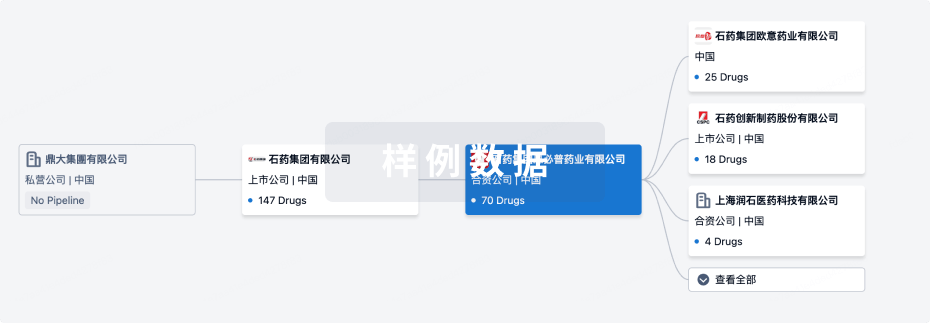
组织架构
使用我们的机构树数据加速您的研究。
登录
或
管线布局
2026年09月26日管线快照
无数据报导
登录后保持更新
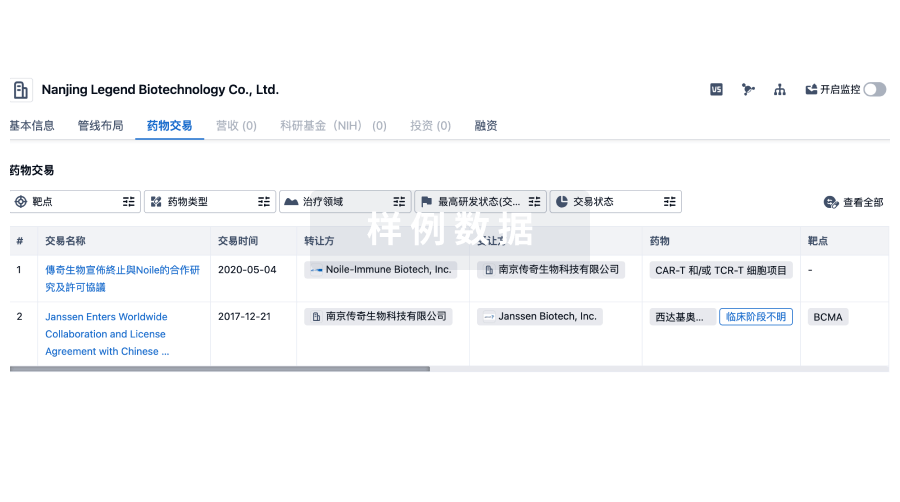
药物交易
使用我们的药物交易数据加速您的研究。
登录
或
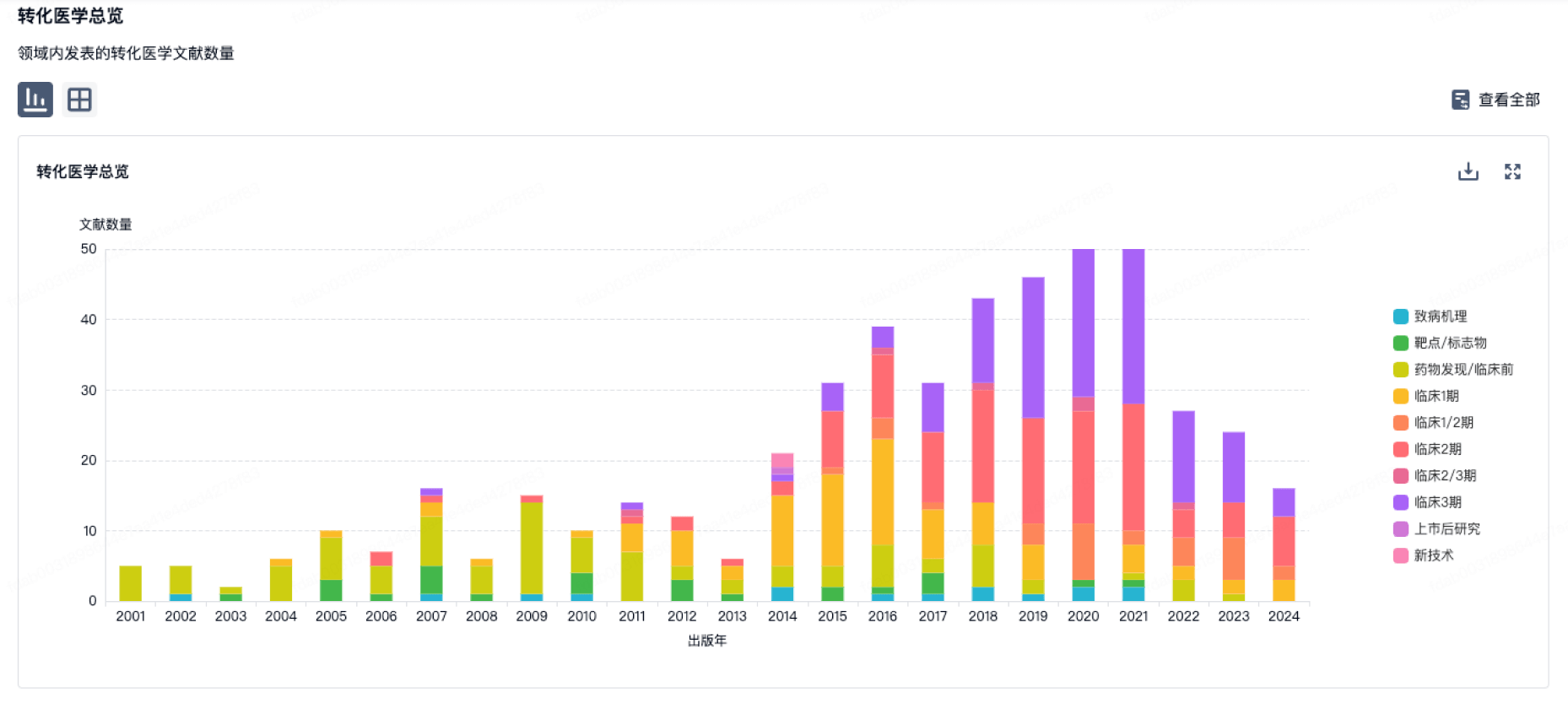
转化医学
使用我们的转化医学数据加速您的研究。
登录
或
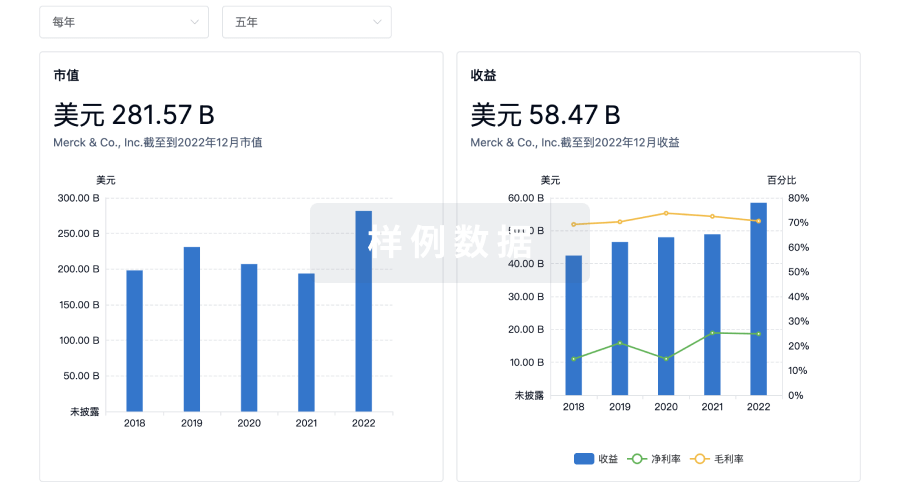
营收
使用 Synapse 探索超过 36 万个组织的财务状况。
登录
或
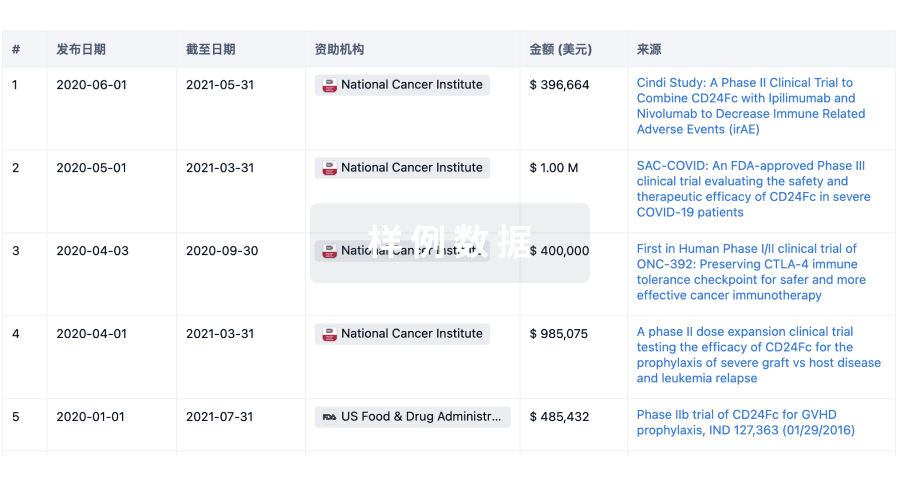
科研基金(NIH)
访问超过 200 万项资助和基金信息,以提升您的研究之旅。
登录
或
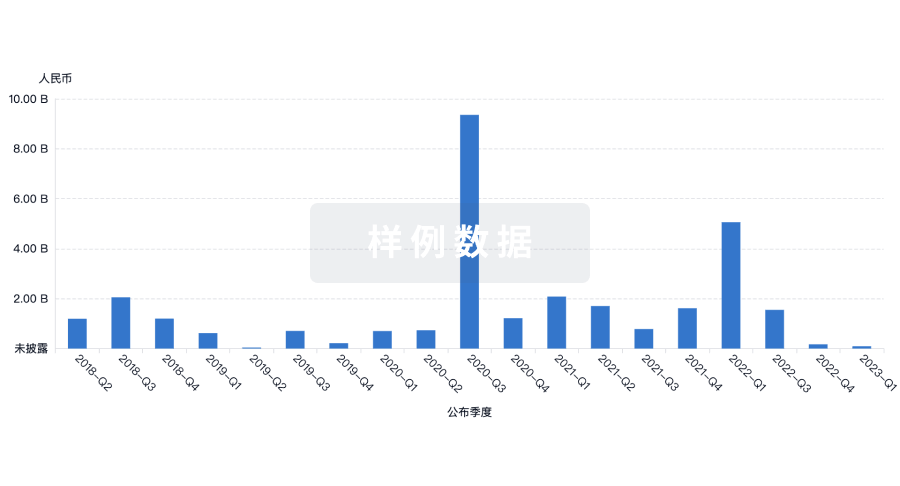
投资
深入了解从初创企业到成熟企业的最新公司投资动态。
登录
或
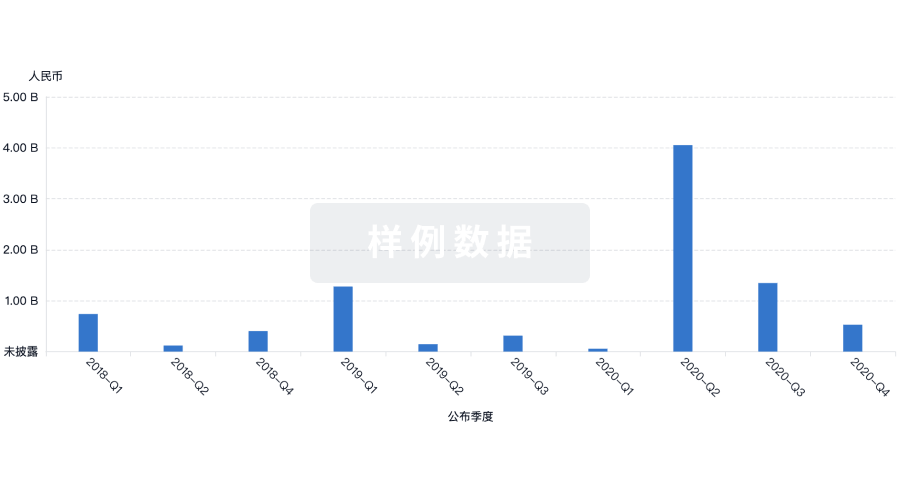
融资
发掘融资趋势以验证和推进您的投资机会。
登录
或
提出任何生物医药研究问题
让每一步生物医药决策都精准制胜
基于十亿级生物数据与全球情报的精准 AI,赋能早期药物发现
立即开始免费试用!
智慧芽新药情报库是智慧芽专为生命科学人士构建的基于AI的创新药情报平台,助您全方位提升您的研发与决策效率。
立即接入生物医药数据包
智慧芽新药库数据也通过智慧芽开放平台,以MCP或API服务形式对外开放。立即使用我们的MCP服务定制您的LLM智能体。
生物序列数据库
生物药研发创新
免费使用
化学结构数据库
小分子化药研发创新
免费使用