预约演示
更新于:2025-05-07
Sanford Cancer Center
私营公司|United States
私营公司|United States
更新于:2025-05-07
概览
关联
100 项与 Sanford Cancer Center 相关的临床结果
登录后查看更多信息
0 项与 Sanford Cancer Center 相关的专利(医药)
登录后查看更多信息
38
项与 Sanford Cancer Center 相关的文献(医药)2025-04-25·Cancer Research
Abstract CT074: Discovery and preliminary clinical findings of MK-6598, a potent and selective inhibitor of the immune checkpoint IL4I1
作者: Loboda, Andrey ; Knelson, Erik H. ; Hess, Dagmar ; Powell, Steven F. ; Jamal, Rahima ; Siu, Lillian L. ; Joerger, Markus ; Mach, Nicolas ; Chen, Yao ; Shumway, Stuart ; Stathis, Anastasios
2024-06-01·Journal of Clinical Oncology
Evaluating perceived barriers to optimal care in head and neck cancer: A mixed-methods study.
作者: Powell, Steven Francis ; Plotkin, Elana ; Kim, Joseph ; Dibble, Jacqueline ; Haynes-Lewis, Hilda ; Rush, Angie ; Hutkin-Slade, Linda ; Demirhan, Kimberly ; Watts, Tammara L ; Maxwell, Jessica H. ; Beadle, Beth Michelle
2024-06-01·Journal of Clinical Oncology
NRG-LU002: Randomized phase II/III trial of maintenance systemic therapy versus local consolidative therapy (LCT) plus maintenance systemic therapy for limited metastatic non-small cell lung cancer (NSCLC).
作者: Gerber, David E ; Simone, Charles B. ; Wu, Jackie ; Stephans, Kevin L. ; Iyengar, Puneeth ; Sampson, Pamela ; Hu, Chen ; Weldon, Michael ; Robinson, Clifford Grant ; Nowak, Ryan Kenneth ; Timmerman, Robert D. ; Lyness, Jessica ; Bradley, Jeffrey D. ; Gomez, Daniel Richard ; Swisher, Stephen ; Rashdan, Sawsan ; Higgins, Kristin Ann ; Faller, Bryan A. ; Donington, Jessica ; Waqar, Saiama Naheed
100 项与 Sanford Cancer Center 相关的药物交易
登录后查看更多信息
100 项与 Sanford Cancer Center 相关的转化医学
登录后查看更多信息
组织架构
使用我们的机构树数据加速您的研究。
登录
或
管线布局
2026年02月09日管线快照
无数据报导
登录后保持更新
药物交易
使用我们的药物交易数据加速您的研究。
登录
或
转化医学
使用我们的转化医学数据加速您的研究。
登录
或
营收
使用 Synapse 探索超过 36 万个组织的财务状况。
登录
或
科研基金(NIH)
访问超过 200 万项资助和基金信息,以提升您的研究之旅。
登录
或
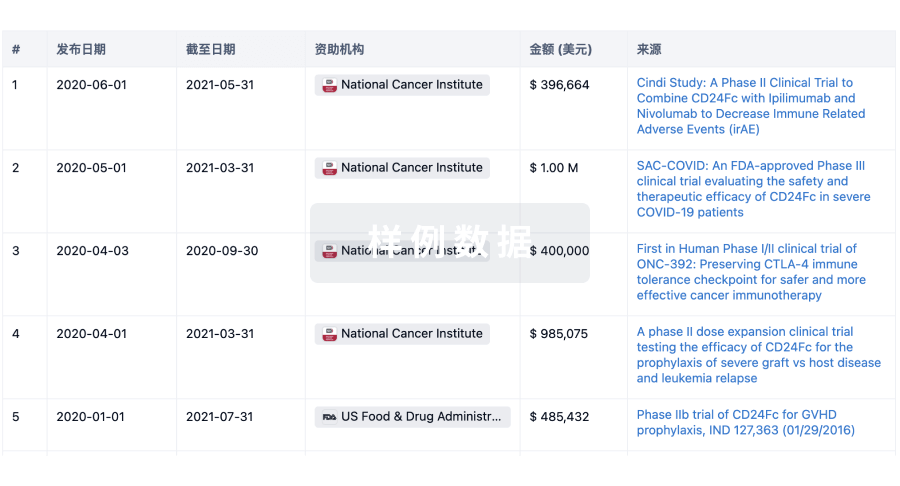
投资
深入了解从初创企业到成熟企业的最新公司投资动态。
登录
或
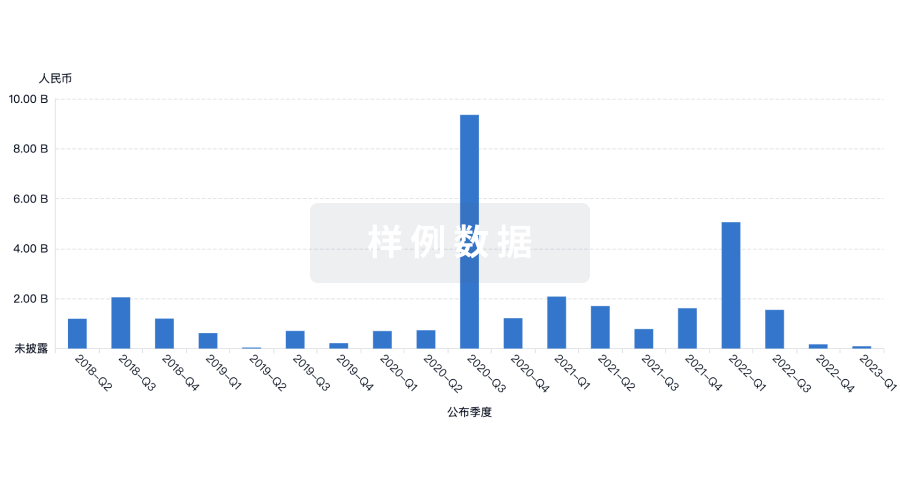
融资
发掘融资趋势以验证和推进您的投资机会。
登录
或
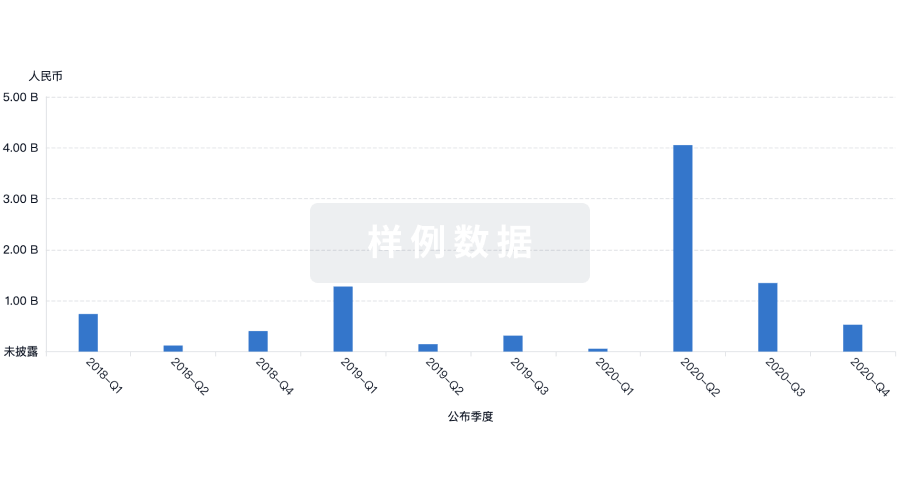
生物医药百科问答
全新生物医药AI Agent 覆盖科研全链路,让突破性发现快人一步
立即开始免费试用!
智慧芽新药情报库是智慧芽专为生命科学人士构建的基于AI的创新药情报平台,助您全方位提升您的研发与决策效率。
立即开始数据试用!
智慧芽新药库数据也通过智慧芽数据服务平台,以API或者数据包形式对外开放,助您更加充分利用智慧芽新药情报信息。
生物序列数据库
生物药研发创新
免费使用
化学结构数据库
小分子化药研发创新
免费使用