预约演示
更新于:2025-12-07

NatureWorks LLC
更新于:2025-12-07
概览
关联
100 项与 NatureWorks LLC 相关的临床结果
登录后查看更多信息
0 项与 NatureWorks LLC 相关的专利(医药)
登录后查看更多信息
9
项与 NatureWorks LLC 相关的文献(医药)2024-03-26·MACROMOLECULES
Comparing the Structural, Thermal, and Rheological Properties of Poly(meso-lactide) to Poly(l -lactide) and Poly(rac-lactide)
作者: Hennen, Jared ; Heuzey, Marie Claude ; McCarthy, Kevin ; Carreau, Pierre J. ; Flodquist, Marc ; Schroeder, Joseph ; Weed, Joshua ; Randall, Jed ; Owusu, Osei ; Valentine, James R.
The melt rheol. behavior of two highly stereo irregular chain configurations of PLA is compared to stereo regular PLLA using small amplitude dynamic frequency response in parallel plate flow geometry.The degree of heterotactic bonds along the polymer backbone is related to changes in the critical mol. weight, entanglement mol. weight, plateau modulus, and characteristic ratio.The melt rheol. of PMLA was further characterized for temperature and frequency response.The mole fraction of syndiotactic lactic acid monomer transitions was estimated to be 0.01, 0.22, and 0.79 for PLLA, PRLA, and PMLA resp.The highly disrupted stereo configuration of PMLA led to a more flexible chain in the melt than PLLA, with PMLA C = 5.9 vs. that of PLLA where C = 7.5.PRLA exhibited chain flexibility behavior between that of PMLA and PLLA, with C = 6.9.The greater chain flexibility of PMLA in the melt resulted in lower flow activation energy temperature dependence, lower zero shear viscosity for a given mol. weight, and lower frequency at the onset of shear thinning than PLLA.The critical mol. weight and entanglement mol. weight of PMLA were estimated to be 1.75x and 2.05x that of PLLA.Plateau moduli of PMLA and PRLA were estimated from the crossover frequency using models of Wu and Nobile-Cocchini to enable direct comparison to PLLA and calculation of entanglement characteristics, packing length, and characteristic ratio.Frequency dependences of the dynamic moduli and complex viscosity were modeled using generalized Maxwell, Bird-Carreau, and Havriliak-Negami models.
2019-02-01·APPLIED ENERGY
Improving the energy efficiency of a refrigerator-freezer through the use of a novel cabinet/door liner based on polylactide biopolymer
作者: Benson, Rick ; Hossieny, Nemat ; Desjarlais, Andre ; Owusu, Osei A. ; Shrestha, Som S. ; Natal, Manuel
This paper presents the energy savings potential of a newly developed liner applied on the foam insulation used in refrigerator and freezer cabinets, compared with using a more commonly used liner made from high-impact polystyrene.The new polylactic acid polymer liner is made from renewable feedstock such as carbon found in plant sugars.The energy use over the life of refrigerator and freezer is calculated using the Energy-Efficient Refrigerator Anal. program developed by the United States Department of Energy to estimate the energy savings potential of various technol. option upgrades (cabinet and refrigeration system) for rule making purposes.The simulation results show that energy savings from implementing the Ingeo liner range from 818 to 1395 kWh (7.3-12.5% of total energy use) over a 15-yr period.In addition to the energy savings, the slower increase in the thermal conductivity of the insulation could allow the compressor to run fewer hours per yr compared with a case in which the foam thermal conductivity increases rapidly.This change could increase the life of the compressor and the refrigerators and freezers.This study does not attempt to quantify the impact of slower foam aging on the compressor life.
2016-07-01·JOURNAL OF RHEOLOGY
Coalescence in PLA-PBAT blends under shear flow: Effects of blend preparation and PLA molecular weight
作者: Kamal, M. R. ; Nofar, M. ; Randall, J. ; Heuzey, M. C. ; Carreau, P. J.
Blends containing 75 wt. % of an amorphous polylactide (PLA) with two different molecular weights and 25 wt. % of a poly[(butylene adipate)-co-terephthalate] (PBAT) were prepared using either a Brabender batch mixer or a twin-screw extruder. These compounds were selected because blending PLA with PBAT can overcome various drawbacks of PLA such as its brittleness and processability limitations. In this study, we investigated the effects of varying the molecular weight of the PLA matrix and of two different mixing processes on the blend morphology and, further, on droplet coalescence during shearing. The rheological properties of these blends were investigated and the interfacial properties were analyzed using the Palierne emulsion model. Droplet coalescence was investigated by applying shear flows of 0.05 and 0.20 s−1 at a fixed strain of 60. Subsequently, small amplitude oscillatory shear tests were conducted to investigate changes in the viscoelastic properties. The morphology of the blends was also examined using scanning electron microscope (SEM) micrographs. It was observed that the PBAT droplets were much smaller when twin-screw extrusion was used for the blend preparation. Shearing at 0.05 s−1 induced significant droplet coalescence in all blends, but coalescence and changes in the viscoelastic properties were much more pronounced for the PLA-PBAT blend based on a lower molecular weight PLA. The viscoelastic responses were also somehow affected by the thermal degradation of the PLA matrix during the experiments.
8
项与 NatureWorks LLC 相关的新闻(医药)2025-11-02
全球生物制造企业发展史:技术演进、产业格局与未来展望 摘要 生物制造作为利用生物体机能实现物质转化的先进生产模式,是贯穿人类文明进程的核心产业形态之一。本文以技术革命为脉络,将全球生物制造企业发展划分为传统发酵工业化、现代生物技术崛起、合成生物学产业化三个核心阶段,辅以古代实践序幕与未来展望,系统梳理近三个世纪以来企业从经验型生产向精准化设计的演进路径。通过剖析辉瑞、Genentech、凯赛生物等代表性企业的技术突破与战略布局,结合中美欧区域产业生态的形成机制,揭示生物制造企业发展中“技术创新-政策支持-资本驱动-生态协同”的核心逻辑。研究发现,全球生物制造企业已完成从单一产品生产向平台化运营的转型,AI与合成生物学的深度融合正重构产业边界,而中试转化能力与核心专利布局成为企业竞争的关键壁垒。未来,生物制造企业将在低碳转型与生命健康需求的双重驱动下,推动全球制造业进入“生物合成时代”。 关键词 生物制造;企业史;合成生物学;技术演进;产业生态 一、引言 1.1 研究背景与意义 生物制造是通过微生物、酶或细胞工厂等生物系统实现可再生资源向高价值产品转化的绿色制造方式,被视为引领第四次工业革命的关键力量。从古代酿酒作坊到现代合成生物学工厂,生物制造企业的发展始终与人类对物质生产效率、环境可持续性的追求同频共振。进入21世纪,全球气候变化加剧与化石资源枯竭倒逼产业转型,生物制造在医药健康、生物基材料、能源环保等领域的应用价值凸显,预计2050年其经济价值将达30万亿美元,占全球制造业的1/3 。 系统梳理全球生物制造企业发展史,对理解产业创新规律具有重要学术价值。现有研究多聚焦技术突破或市场规模,缺乏对企业发展历程的全景式梳理,尤其忽略了不同历史阶段技术演进与企业战略的互动关系。在“双碳”目标与新质生产力培育的背景下,剖析代表性企业的兴衰逻辑与转型经验,可为新兴企业规避风险、政策制定者优化产业生态提供现实镜鉴。 1.2 研究框架与方法 本文采用“历史分期-案例剖析-规律提炼”的研究框架,以技术演进为主线,将全球生物制造企业发展划分为五个阶段:古代实践序幕(19世纪前)、传统发酵工业化阶段(19世纪-20世纪60年代)、现代生物技术崛起阶段(20世纪70年代-2010年)、合成生物学产业化阶段(2011年至今)及未来展望。 研究方法上,结合历史文献分析法与案例研究法:通过梳理行业蓝皮书、企业年报、学术论文等资料,构建企业发展时间轴;选取美、欧、中代表性企业进行深度剖析,涵盖医药、材料、酶制剂等细分领域;运用比较研究法分析不同区域企业发展模式的差异,提炼产业演进的核心驱动因素。 1.3 核心概念界定 生物制造企业是指以生物技术为核心生产手段,从事生物基产品研发、生产与销售的经济实体,按技术代际可分为传统发酵型、基因工程型与合成生物学型三类。其核心特征表现为:生产原料以可再生资源为主,生产过程依赖生物催化反应,产品覆盖从小分子化学品(100道尔顿以下)到生物大分子(数万道尔顿)的全谱系。本文研究范畴涵盖全球范围内具有技术标志性或市场影响力的生物制造企业,重点关注技术突破对企业发展的决定性作用。 二、古代生物制造实践:作坊式生产的千年积淀(19世纪前) 2.1 史前至中世纪:经验型生物制造的起源 人类对生物制造的利用可追溯至公元前7000年的美索不达米亚文明,当时已出现利用酵母菌发酵酿酒的作坊。这一阶段的生物制造完全依赖经验积累,未形成科学认知,生产主体以家庭作坊或小手工工场为主,产品局限于食品与调味品。 古埃及文明中,人们利用微生物发酵制作面包与啤酒,相关壁画记载了公元前3000年的啤酒酿造工艺,其核心技术通过地中海贸易传入希腊与罗马。中国古代在生物制造领域成就卓著:商代已掌握酒曲发酵技术,周代出现制醋作坊,汉代发明豆腐制作工艺,唐代形成酱油酿造产业集群。这些实践虽未催生现代意义上的企业,但积累了微生物培养、发酵条件控制等关键经验,为后世工业化奠定基础。 2.2 前工业化时期的技术传播与业态特征 15-18世纪,全球贸易网络的形成推动生物制造技术跨区域传播。欧洲殖民者将中国的酒曲技术引入美洲,将东南亚的蔗糖发酵技术带回欧洲,催生了区域性作坊集群。这一时期的生产仍以手工劳动为主,生产规模受限,但出现了初步的分工协作,如法国葡萄酒作坊中专门负责菌种培育的“酒师”、中国酱油作坊的“制曲师傅”。 值得注意的是,前工业化时期的生物制造已展现出经济价值分化:普通食品发酵(如面包、啤酒)以本地化生产为主,而高端产品(如丝绸、香料)形成跨区域贸易链。但由于缺乏科学理论指导,生产稳定性极差,如17世纪欧洲葡萄酒常因发酵失败而变质,这一困境直至微生物学建立后才得以解决。 三、传统发酵工业化:从作坊到工厂的跨越(19世纪-20世纪60年代) 3.1 微生物学革命与技术奠基(19世纪) 19世纪微生物学的建立为生物制造工业化提供了理论基础。1857年,路易·巴斯德通过实验证明发酵由微生物引起,推翻了“自然发生论”,并建立了巴氏消毒法。这一发现使生物制造从经验驱动转向科学指导,直接催生了现代发酵工业。 1879年,德国科学家科赫确立微生物纯培养技术,为单一菌种发酵奠定基础。1897年,毕希纳证明无细胞提取物可完成发酵反应,揭示了酶的催化本质,推动了酶制剂产业的萌芽。这些技术突破促使生物制造从敞开式发酵向封闭式培养转型,生产效率与产品纯度显著提升。 3.2 食品与化工领域的早期工业化企业(19世纪末-20世纪初) 这一阶段的生物制造企业主要集中在食品发酵与基础化学品领域,以欧洲和美国为中心形成产业雏形。1866年,德国巴斯夫公司利用甜菜糖发酵生产柠檬酸,开启了微生物发酵生产化学品的先河。1888年,美国阿默尔公司建立大规模发酵工厂,利用细菌生产乳酸,年产量达千吨级。 食品工业领域,丹麦企业展现出领先优势。1878年,丹麦嘉士伯啤酒厂建立全球首个啤酒酵母纯培养实验室,将啤酒发酵周期从数月缩短至14天,产品合格率从60%提升至95%。1906年,丹麦诺和诺德的前身“诺德胰岛素实验室”成立,开始探索微生物发酵生产医用酶制剂,为后来的生物制药埋下伏笔。 这一时期企业的核心特征是:以单一产品为核心,生产工艺依赖传统发酵罐,研发投入集中于菌种筛选与培养条件优化,尚未形成系统的研发体系。企业规模普遍较小,区域性特征明显,尚未出现跨国运营模式。 3.3 青霉素产业化与现代生物制造体系建立(20世纪40-60年代) 第二次世界大战成为生物制造工业化的催化剂,青霉素的大规模生产标志着现代生物制造体系的形成。1928年弗莱明发现青霉素后,由于生产效率极低,每升发酵液仅能提取几单位青霉素,难以满足临床需求。1941年,美国辉瑞公司承接青霉素产业化任务,将柠檬酸生产中的“深罐发酵法”引入青霉素生产,通过优化培养基成分(添加玉米浆)、控制通气量与温度,使青霉素产量提升至每升2000单位以上。 1944年,辉瑞在布鲁克林建成全球首个青霉素工业化工厂,年产量达6.8吨,占美国青霉素总产量的85%,占据全球一半市场份额。青霉素的成功产业化确立了“菌种筛选-发酵优化-分离纯化”的现代生物制造流程,催生了一批专业化企业:1943年礼来公司建成青霉素生产线,1945年默克公司推出青霉素制剂,形成了美国生物制药产业的初步格局。 同时期,日本生物制造企业快速崛起。1949年,日本协和发酵工业公司利用微生物发酵生产谷氨酸,解决了传统提取法成本高昂的难题,带动了氨基酸产业的发展。至20世纪60年代,全球已形成以美国(抗生素)、欧洲(酶制剂)、日本(氨基酸)为核心的传统发酵产业格局,生物制造企业从食品加工向医药、化工领域延伸,生产规模从千吨级迈向万吨级。 四、现代生物技术崛起:基因工程驱动的产业变革(20世纪70年代-2010年) 4.1 基因工程技术突破与产业萌芽(20世纪70-80年代) 1953年DNA双螺旋结构的发现与1973年DNA重组实验的成功,奠定了现代生物技术的基础,使生物制造从“筛选天然菌种”转向“改造基因工程菌”。这一技术革命催生了全新的生物制造企业形态,美国成为全球产业创新中心。 1976年,罗伯特·斯旺森与赫伯特·博耶创立Genentech公司,开启了基因工程产业化的先河。1978年,该公司利用重组大肠杆菌成功表达人胰岛素,解决了传统动物提取法产量低、易过敏的问题。1982年,重组人胰岛素获FDA批准上市,成为首个商业化的基因工程药物,标志着生物制造进入“精准合成”时代。 这一时期的企业以技术初创公司为主,聚焦高附加值生物药。1980年安进公司成立,专注于重组蛋白药物研发;1981年Biogen公司成立,主攻干扰素等免疫治疗药物。这些企业普遍采用“高校技术授权+风险投资”的发展模式,如Genentech成立初期获得风险投资10万美元,技术源自加州大学旧金山分校的实验室成果。 欧洲企业则通过传统制药企业转型切入该领域。1984年,瑞士罗氏公司以21亿美元收购Genentech 60%股权,快速获取基因工程技术;1985年,英国葛兰素公司成立生物技术部门,重点研发重组疫苗。日本企业延续发酵优势,1983年协和发酵成功利用基因工程菌生产α-干扰素,实现了传统发酵技术与基因工程的融合。 4.2 生物制药产业的黄金发展期(20世纪90年代-2010年) 随着基因测序技术的成熟与生物反应器的升级,生物制药企业进入规模化发展阶段,单克隆抗体、重组蛋白等产品成为市场主流。1997年,Genentech推出抗HER2单克隆抗体Herceptin,用于治疗乳腺癌,年销售额峰值突破60亿美元;1998年,安进公司的重组人红细胞生成素EPO上市,开创了贫血治疗新范式,全球销售额累计超1000亿美元。 这一时期企业的核心竞争力体现在“技术平台化”与“生产规模化”。Genentech建立了完善的单克隆抗体制备平台,可快速开发针对不同靶点的抗体药物;安进公司建成全球最大的重组蛋白生产基地,发酵罐规模达200立方米,通过过程优化使产品收率提升30倍。 产业格局呈现“美国领跑、欧日追赶”的态势。2000年,全球前10大生物制药企业中美国占据7家,欧洲占据3家(罗氏、葛兰素、阿斯利康)。美国企业凭借强大的风险投资体系与FDA的快速审批通道,保持技术领先;欧洲企业通过并购整合资源,如2009年罗氏以468亿美元收购Genentech剩余40%股权,巩固了在单克隆抗体领域的优势。 在生物基化学品领域,企业开始探索基因工程技术的应用。1993年,美国Cargill公司与Dow化学合资成立Cargill Dow公司(后更名为NatureWorks),利用基因工程改造的玉米淀粉生产聚乳酸(PLA),2002年建成年产14万吨的PLA生产线,成为生物基塑料的标杆企业。2001年,丹麦诺维信公司推出基因工程酶制剂Novozym 435,用于生物柴油生产,使反应效率提升40%,占据全球工业酶市场40%的份额。 4.3 中国生物制造企业的起步与追赶(1980-2010年) 中国生物制造企业在这一阶段以技术引进与仿制为主,逐步建立产业基础。1982年,上海生物制品研究所成功研制重组人干扰素α1b,成为中国首个基因工程药物;1998年,深圳科兴生物推出重组人促红细胞生成素,实现生物制药产业化突破。 发酵工业领域,中国企业凭借成本优势快速崛起。2000年,梅花生物建成年产10万吨谷氨酸生产线,采用自主研发的高产菌种,成本较日本企业低30%;2005年,华药集团成为全球最大的青霉素原料药生产企业,年产量占全球市场的25%。至2010年,中国发酵产能已占全球的50%以上,形成了以氨基酸、维生素、抗生素为主的产业格局,但高端产品与核心技术仍依赖进口。 政策支持在这一阶段发挥关键作用。1986年“863计划”将生物技术列为重点领域,2006年《国家中长期科学和技术发展规划纲要》明确支持生物制药与生物基材料发展,为企业研发提供资金保障。但与欧美企业相比,中国企业存在研发投入不足、创新能力薄弱等问题,2010年主要生物制造企业平均研发投入占比仅3%,远低于美国企业的15%以上。 五、合成生物学产业化:精准设计与生态协同(2011年至今) 5.1 合成生物学技术突破与产业生态构建 2010年以来,CRISPR-Cas9基因编辑技术、AI辅助设计等突破性进展,使生物制造从“基因改造”迈向“基因合成”,实现了细胞工厂的精准设计。合成生物学通过重构微生物代谢途径,可高效生产传统化工难以合成的复杂化合物,催生了全新的产业生态。 美国在合成生物学领域率先布局,形成“技术平台-中试转化-产业化”的完整生态。2014年,美国能源部成立敏捷生物工厂(ABF),由7家国家实验室组成,每年获得2000万美元资助,为企业提供菌种改造与工艺优化服务 。2018年,美国出台《国家生物制造计划》,2022年发布《美国生物技术和生物制造的远大目标》,从政策层面推动技术转化。 欧洲则聚焦中试平台建设与跨国协同。欧盟通过“地平线2020”计划资助Pilots4U项目,建立覆盖全欧洲的中试设施网络,其中比利时生物基地中试工厂(BBEPP)拥有300升至75000升的发酵设备,为中小企业提供产业化验证服务 。德国弗劳恩霍夫化学-生物技术过程中心专注于非粮生物质利用,汇集8个欧洲国家的13家机构,推动生物基化学品协同创新。 中国在这一阶段实现跨越式发展,形成“政策驱动-资本涌入-技术突破”的发展模式。2016年《“十三五”生物产业发展规划》将合成生物学列为重点方向,2023年中央经济工作会议将生物制造确立为战略性新兴产业。2024年,中国生物制造产业总规模达1.5万亿元人民币,发酵产能占全球70%以上,近五年主要企业专利申请量累计达13680项,占历史总量的52.2% 。 5.2 全球代表性合成生物学企业的发展路径 5.2.1 美国:平台型企业引领技术创新 美国合成生物学企业以平台化运营为核心特征,聚焦底层技术突破与生态构建。2008年成立的Ginkgo Bioworks公司,构建了全球首个生物铸造厂(Biofoundry),通过标准化的基因合成、菌种筛选与发酵测试流程,为客户提供定制化细胞工厂开发服务。该公司采用“平台+合作”模式,与默克、拜耳等巨头企业合作开发药物与农业产品,2024年营收达12亿美元,拥有超过1000项合成生物学专利。 医药领域,Moderna公司利用合成生物学技术开发mRNA疫苗,2020年推出全球首个新冠mRNA疫苗Comirnaty,凭借精准的基因设计与快速量产能力,2021年营收突破180亿美元。Zymergen公司则聚焦生物基材料,通过改造微生物生产高性能聚酰亚胺,2023年建成年产5万吨生产线,产品用于电子设备与航空航天领域,较传统石化产品碳排放降低60%。 5.2.2 欧洲:传统企业转型与专业化创新 欧洲合成生物学企业呈现“传统巨头转型+中小企业专业化”的特点。丹麦诺维信公司通过合成生物学改造酶制剂生产菌种,2022年推出的Enzyscreen系列酶产品,利用AI设计的代谢途径,使酶活提升2倍,占据全球工业酶市场47%的份额。荷兰DSM公司与Ginkgo Bioworks合作,开发基因工程微生物生产维生素B12,2024年实现商业化生产,成本较传统工艺降低35%。 中小企业在细分领域表现突出。英国Synthace公司开发的生物制造自动化软件,可实现发酵过程的实时优化与智能调控,被辉瑞、阿斯利康等企业广泛采用;法国Global Bioenergies公司专注于微生物法生产异丁烯,2023年建成年产1万吨示范线,成为生物基烯烃的领军企业。 5.2.3 中国:全产业链布局与规模化突破 中国合成生物学企业以“技术突破+规模化生产”为核心竞争力,在生物基材料、医药中间体等领域实现全球领先。上海凯赛生物是生物基聚酰胺领域的标杆企业,通过自主研发的“一步法生物基高温聚酰胺制备工艺”,将聚合时间压缩至传统工艺的1%以下,2023年生物基聚酰胺产能达10万吨,在建产能90万吨,产品碳排放较石化基产品降低50%以上 。2024年前三季度,凯赛生物营收达22.15亿元,同比增长41.49%,通过与招商局集团、宁德时代合作,构建了从原料到应用的完整生态。 医药领域,弈柯莱生物自主研发的燕窝酸通过新食品原料审批,采用合成生物学技术优化代谢路径,产量较传统提取法提升10倍;华熙生物在天津建成全球最大的生物制造中试平台,拥有64条中试生产线,投入十几亿元用于合成生物学研发,2024年透明质酸(玻尿酸)全球市场份额达47%,较传统动物提取法成本降低90%。 生物农业领域,湖南慕恩生物建成包含33万个菌株、2万个物种的商业化微生物菌种库,其中四分之一为全新物种,2024年获得国投5亿元C轮融资,开发的真菌蛋白产品进入美国市场,成为国内首个入选WIPO全球奖30强的生物科技企业。 5.3 产业竞争格局的核心特征 这一阶段的全球生物制造企业竞争呈现三大特征:一是技术壁垒从单一菌种改造升级为“基因编辑工具-代谢路径设计-AI优化”的系统能力,美国在合成生物学专利方面占据主导地位,占比超过45%,中国虽拥有全球70%的发酵产能,但核心技术专利仍显不足;二是产业模式从单一产品生产转向平台化运营,Ginkgo Bioworks、凯赛生物等企业通过开放技术平台,实现多领域产品快速迭代;三是生态协同成为竞争关键,企业通过“产学研用金”合作跨越技术转化“死亡谷”,如招商局集团入股凯赛生物后,推动其与合肥市政府、海澜之家等合作,构建生物基聚酰胺应用生态圈 。 六、全球生物制造企业发展的区域比较与驱动因素 6.1 区域发展模式的差异与成因 6.1.1 美国:创新驱动型模式 美国生物制造企业以技术创新为核心驱动力,形成了“基础研究-技术转化-产业化”的无缝衔接。其优势源于三点:一是强大的科研体系,哈佛大学、MIT等高校在合成生物学领域的基础研究成果持续向企业转化,如CRISPR技术源自加州大学伯克利分校,快速被Ginkgo、Moderna等企业应用;二是完善的风险投资机制,2025年美国生物制造领域单笔上亿元融资较2024年明显增加,早期企业平均获得融资额达5000万美元;三是灵活的政策支持,FDA推出的“突破性疗法认定”加速了创新药上市,2023年合成生物学药物平均审批时间较传统药物缩短40%。 6.1.2 欧洲:绿色导向型模式 欧洲生物制造企业以可持续发展为核心目标,聚焦生物基材料与环保技术。欧盟“碳中和”目标推动企业向低碳转型,2023年发布的《生物economy战略》提出2030年生物基产品占化学品市场25%的目标。欧洲企业的优势在于:一是严格的环保法规倒逼技术升级,德国《可再生能源法》对生物能源产品给予补贴,推动生物柴油企业快速发展;二是跨国协同机制完善,欧盟通过“欧洲创新伙伴计划”整合13个国家的生物制造资源,实现技术共享与成本分摊;三是中试平台体系成熟,英国CPI、德国弗劳恩霍夫研究所等为企业提供从实验室到量产的全流程支持。 6.1.3 中国:规模驱动型模式 中国生物制造企业以规模优势与成本控制为核心竞争力,实现了从追随者到并行者的跨越。其发展动力来自:一是政策强力推动,“十四五”生物经济发展规划明确2025年生物制造产业规模达2万亿元,多地出台专项政策,如广东提出2027年生物制造产业总产值达5000亿元;二是制造能力雄厚,中国拥有全球最大的发酵产能,生物反应器保有量占全球60%,凯赛生物、梅花生物等企业通过规模化生产降低成本;三是市场需求旺盛,人口老龄化推动生物药需求增长,“双碳”目标带动生物基材料应用,2024年中国生物基塑料市场规模达300亿元,同比增长25%。 6.2 核心驱动因素的演进与作用机制 6.2.1 技术创新:从偶然发现到精准设计 技术创新始终是生物制造企业发展的核心驱动力,其演进路径呈现“偶然发现-定向改造-精准设计”的特征。传统发酵阶段,青霉素、谷氨酸等产品的发现依赖偶然机会,企业竞争力体现在菌种筛选能力;现代生物技术阶段,基因重组技术实现了目标产物的定向表达,安进、Genentech等企业通过改造基因序列提升产品产量;合成生物学阶段,CRISPR技术与AI结合实现了细胞工厂的精准设计,AlphaFold2等工具将蛋白质结构预测时间从数月压缩至小时级,使新酶发现周期从12个月缩短至6个月 。 6.2.2 政策支持:从产业引导到生态构建 政策支持从早期的资金扶持演进为全生态构建。20世纪80年代,中美欧均通过科研经费支持生物制造技术研发;21世纪初,政策聚焦于市场准入与标准制定,FDA完善生物药审批流程,中国建立GMP生产规范;近年来,政策转向生态协同,美国ABF、欧盟Pilots4U、中国工信部中试平台等基础设施的建设,帮助企业跨越“技术断桥”“中试死亡谷”与“达尔文死海”三大障碍 。 6.2.3 资本驱动:从风险投资到产业资本 资本在生物制造企业发展中的作用从早期孵化转向全产业链赋能。20世纪90年代,风险投资主导了Genentech、安进等企业的早期发展;2010年后,产业资本成为主力,招商局集团入股凯赛生物、罗氏收购Genentech等案例表明,产业资本通过整合产业链资源,加速了技术产业化进程。2025年,全球生物制造领域融资额达500亿美元,其中产业资本占比超60%,较2015年提升40个百分点。 6.2.4 市场需求:从医疗刚需到绿色消费 市场需求从单一医疗刚需扩展为多元化绿色消费。20世纪末,生物制药企业主要满足癌症、糖尿病等重大疾病的治疗需求;21世纪以来,“双碳”目标推动生物基材料需求增长,2024年全球生物基化学品市场规模达450亿美元;同时,消费者对天然、安全产品的偏好带动了生物化妆品、食品添加剂等领域发展,华熙生物、慕恩生物等企业的快速成长均受益于此。 七、全球生物制造企业发展面临的挑战与未来展望 7.1 当前面临的核心挑战 7.1.1 技术转化瓶颈 生物制造技术从实验室到产业化的转化仍存在“死亡谷”,中试环节成为关键障碍。据统计,合成生物学技术的中试成功率仅20%,主要原因包括:菌种在规模化发酵中稳定性下降、代谢产物分离纯化成本高昂、工艺参数放大效应难以预测。尽管中美欧均建立了中试平台,但中小企业仍面临设备成本高、技术人员不足等问题,如中国生物制造企业中仅10%具备自主中试能力 。 7.1.2 核心技术壁垒 美国在合成生物学核心技术领域占据主导地位,CRISPR基因编辑工具的主要专利被美国企业掌控,AI辅助设计平台的核心算法也由美国公司垄断。中国企业虽在发酵工艺优化方面具有优势,但在基因编辑工具、底盘菌株构建等底层技术上仍依赖进口,2024年中国合成生物学企业核心设备进口率达70%,高端酶制剂进口率超60% 。 7.1.3 产业生态不完善 全球生物制造产业生态存在“碎片化”问题:基础研究与产业化脱节,高校的前沿技术难以匹配企业需求;上下游协同不足,原料供应稳定性差,如生物基材料生产依赖的玉米淀粉易受气候影响价格波动;标准体系不统一,中美欧对生物基产品的认证标准存在差异,增加了企业跨国运营成本。 7.1.4 可持续性挑战 部分生物制造过程存在“伪绿色”问题,如以玉米、甘蔗为原料的生物燃料生产导致粮食价格上涨,2023年全球生物燃料产业消耗了15%的玉米产量。同时,发酵过程产生的高浓度有机废水处理成本高昂,部分企业因环保投入不足导致污染问题,影响产业可持续发展。 7.2 未来发展趋势与展望 7.2.1 技术发展:AI与合成生物学深度融合 AI将全面重构生物制造研发与生产流程,实现“设计-构建-测试-学习”(DBTL)循环的全自动化。预计到2030年,AI辅助设计将使细胞工厂开发周期从1年缩短至1个月,生产成本降低50%。合成生物学与mRNA技术、细胞治疗的结合将催生全新产品,如个性化癌症疫苗、可降解电子器件、人造肉等,2040年这类创新产品将占生物制造市场的40%。 7.2.2 产业模式:平台化与生态化协同发展 未来生物制造企业将普遍采用“技术平台+应用场景”的运营模式,Ginkgo Bioworks的生物铸造厂模式、凯赛生物的生物基材料生态模式将成为主流。跨国协同将进一步深化,中美欧企业可能在原料供应、技术标准制定等领域开展合作,如共建全球生物基材料认证体系,共享中试平台资源。 7.2.3 区域格局:多极分化与特色发展 美国将继续主导底层技术创新,聚焦高端生物药与合成生物学平台;欧洲将强化绿色导向,重点发展生物基材料与环保技术;中国将巩固规模优势,向高端化转型,在生物基化学品、疫苗等领域实现突破。新兴市场国家如印度、巴西将依托农业资源优势,发展低成本生物燃料与食品添加剂产业,形成全球多极发展格局。 7.2.4 可持续发展:原料多元化与循环经济 生物制造将实现从“粮食基”向“非粮基”的转型,秸秆、木质纤维素、二氧化碳等可再生资源将成为主要原料,如凯赛生物已建成秸秆制乳酸示范线,实现生物质废弃物高值化利用 。循环经济模式将广泛应用,发酵废水将通过微生物转化为沼气或有机肥,实现“资源-产品-废弃物-再生资源”的闭环,2050年生物制造产业有望实现100%原料可再生与零排放。 7.2.5 政策导向:全球协同与标准统一 中美欧将加强生物制造政策协同,预计2030年前达成全球统一的生物基产品认证标准,降低跨国贸易壁垒。同时,国际社会将建立生物制造可持续发展评估体系,规范原料获取与环保排放,推动产业绿色转型。各国将加大对底层技术研发的支持,重点突破基因编辑工具、底盘菌株等“卡脖子”技术,保障产业安全。 八、结论 全球生物制造企业发展史是一部技术创新与产业变革的演进史,经历了从古代经验型作坊到现代精准化工厂的跨越式发展。传统发酵工业化阶段确立了现代生物制造的基本流程,青霉素的产业化标志着企业从食品加工向医药化工领域延伸;现代生物技术阶段实现了基因层面的定向改造,催生了生物制药产业的黄金发展期;合成生物学阶段则通过精准设计与生态协同,推动企业向平台化、多元化运营转型。 全球生物制造企业发展呈现明显的区域特征:美国以技术创新为核心驱动力,欧洲聚焦绿色可持续发展,中国凭借规模优势实现快速追赶。“技术创新-政策支持-资本驱动-市场需求”构成了企业发展的核心逻辑,而中试转化能力与核心专利布局成为当前竞争的关键壁垒。 面对技术转化瓶颈、核心技术壁垒等挑战,未来生物制造企业需以AI与合成生物学融合为突破口,构建平台化生态体系,实现原料多元化与循环经济发展。随着全球产业协同的深化与可持续发展理念的普及,生物制造企业将成为推动全球制造业低碳转型与生命健康保障的核心力量,引领人类社会进入“生物合成时代”。 参考文献 [1] 华谷生物经济研究院. 2024生物制造产业蓝皮书[R]. 2025.[2] 工业和信息化部. 生物制造中试能力建设平台培育工作方案[Z]. 2025.[3] OECD. Biobased Products and Industries: Status and Prospects[R]. 2024.[4] 中国工程院. 中国生物制造产业发展战略研究[M]. 北京: 科学出版社, 2023.[5] Nature. Synthetic Biology: A Review of Technologies and Applications[J]. 2023, 615(7950): 135-144.[6] 36氪. 生物制造,谁能在新的研究范式上跑得更快?[EB/OL]. 2024-12-06.[7] 中国网. 全球生物制造产业关键平台设施建设现状分析与思考[EB/OL]. 2025-02-14.[8] 中国工信新闻网. 生物制造进入产业化加速关键期[EB/OL]. 2025-10-14.[9] 中国证券报. 生物制造步入产业化深水区:万亿赛道亟待跨越“中试转化”瓶颈[EB/OL]. 2025-06-17.[10] 国务院国有资产监督管理委员会. 招商局集团领航生物基聚酰胺创新突破 打造生物经济新引擎[EB/OL]. 2025-03-24.[11] 智慧芽全球新药情报库. 辉瑞:170余年老药企,仍是锐意革新破局者[EB/OL]. 2023-06-27.[12] Genentech. Novel Therapies for Unmet Medical Needs[EB/OL]. 2025-11-03.[13] 原创力文档. 2025年全球生物制造市场规模与增长潜力分析白皮书[EB/OL]. 2025-06-09.[14] 中国网. CBMIF2025丨湖南慕恩生物科技有限公司董事长蒋先芝:生物勘探是系统性探索生物多样性以获取商业价值的重要途径[EB/OL]. 2025-09-28.
2024-02-25
01前 言合成生物学被称为是“第三次生命科学技术革命”,推动了人类实现从“认识生命”到“设计生命”的伟大跨越。合成生物学是一个跨学科的研究领域,旨在创建新的生物部件、设备和系统,或者重新设计已经在自然界中发现的系统。它涵盖了生物技术、基因工程、分子生物学、分子工程、系统生物学、膜科学、生物物理学、化学与生物工程、电气与计算机工程、控制工程等各个学科的广泛方法论,并与进化生物学相关。近年来,科学家们不断创新实验,在合成生物学领域不断突破:在底层核心技术突破的带动下,合成生物技术在食品,材料与化工,农业,医药健康,医美与化妆品等各领域中不断取得革命性的进展。随着时间的推移,市场上不断涌出合成生物学产品,各领域的合成产品优势明显,在绿色可持续等方面展现了不一样的前景。回顾历史,展望未来。本文为大家总结了合成生物学在各个领域的产品沿革,列举各产品开发的代表事例,总结行业现状。希望能够更好的了解合成生物学在各领域的产品发展,感知行业布局,利用合成生物学技术创造更好的未来。02食品领域传统的食品加工生产方式有些弊端,面临生态环境、人口增长、气候变化、公共健康等多方面的问题,人们生活水平的提高和消费结构的改变需要我们进行转型升级。合成生物学为食品领域带来了新方向。1、合成肉2013年,马克·波斯特(Mark Post)教授成功地培养出世界上第一块实验室培养的牛肉,其创建的Mosa Meat公司开发了一种名为“清真牛”的合成肉产品。科学家们通过合成生物学技术从动物细胞中培养出肌肉组织,避免了传统畜牧业中的环境破坏和动物福利问题。合成肉可以为人类提供高蛋白质的肉类替代品,同时减少了对有限资源的依赖。2、合成海鲜2015年,New Wave Foods公司开始研发一种名为“合成虾”的产品,其使用植物蛋白和海藻提取物来模仿真实虾肉的味道和口感,避免了捕捞对海洋生态的破坏,还提供了一种较为可持续的虾类替代品。3、合成奶2019年,Perfect Day公司用酵母菌进行发酵,产生与牛奶中的蛋白质相似的蛋白质成分,开发研制了合成奶。4、合成甜味剂2019年,Ginkgo Bioworks与Amyris公司合作开发了“合成甜味素”。合成甜味素使用微生物发酵产生甜味分子来代替传统甜味剂,如蔗糖或人工甜味剂,为食品和饮料提供低糖或无糖的替代选择。近年来,合成生物学被应用于多种食品配方与组分,相对于传统工艺,合成生物学有多种优势。一是变革了传统的食品制造方式,将食品的制造模式从种植养殖模式转变为车间制作模式;二是助力了食品的低碳制造;三是强化了食品的生产过程。合成生物学制造的食品正在改变人们的食品观念,并推动该领域的快速发展。在功能性食品领域,合成生物学具有不断增长的潜力,比如利用微生物发酵产生特定的食物分子。从食品原料的开发到细胞培养肉、微生物奶等替代蛋白,合成生物学在食品营养领域的应用也在逐年增加。例如,成立于2004年的嘉必优生物基于合成生物学平台加快虾青素、番茄红素等新产品的研发工作。而一兮生物、芝诺科技则将产品瞄准母乳低聚糖。弈柯莱生物与金禾实业共同出资成立上海弈金生物科技有限公司,计划推动合成生物学技术在天然甜味剂、食品原料减糖等食品领域的商业化应用,联合开发新一代代糖。03材料与化工领域随着合成生物学的快速发展,它在材料化工领域中的应用开始逐渐展现出潜力。材料是人类赖以生存与发展的物质基础,科技和社会的进步都离不开材料技术的发展,在合成生物学技术的帮助下,未来先进材料的合成和制备必然朝着绿色可持续、低耗高产出、精细可调控、高效多功能的方向发展。1、生物合成聚合物1997年,NatureWorks LLC开发了一种生物基聚乳酸(PLA),该聚合物是由玉米淀粉或其他植物来源转化而来,具有可降解性和可再生性,可用于生产环保包装、纤维和塑料制品。2、合成生物塑料2007年,Bio-On公司开发名为PHAs的合成生物塑料,这种塑料由微生物代谢过程中产生的可生物降解聚合物制成,可以用来制造各种塑料制品,如包装材料、餐具、纤维和医疗器械。3、合成生物燃料2009年,Gevo公司将植物生物质转化为可替代传统石油的生物燃料。这种生物燃料可以应用于航空、汽车和能源行业,减少对有限的化石燃料资源的依赖。4、合成胶黏剂和粘合剂2017年,Bolt Threads开发了一种名为Microsilk的合成蛋白胶原基材料,可用于制造高性能纺织品和弹性材料。Microsilk模仿了蜘蛛丝的结构和特性,具有优异的强度和耐用性,同时可替代受限的天然蛋白纤维。5、合成生物染料2020年,Genomatica使用可再生资源和微生物发酵生产了合成生物染料。这些染料具有环保性、可持续性和低碳排放的特点,逐渐替代传统的化学染料,减少对环境的负面影响。一直以来,合成生物学在医药和食品领域的应用一直广受关注,而其在新材料、化工行业的技术进展才刚刚拉开序幕。据DeepTech统计,2021年全国合成生物学市场规模约为64亿美元,相比2020年之前增长约2~3倍。国内的企业大多处于初创阶段,与国外企业尚有一定的差距,但国内政策和资源优势明显,企业发展后劲十足。巴斯夫是全球最大的化工公司,其生物基产品包括生物基BDO、PBAT、TPU、可再生涂料等。索尔维在一些生物基产品上处于市场领先地位,包括瓜尔胶、生物源溶剂、高性能聚酰胺和天然香兰素。中国企业也在合成领域不断发展。安徽华恒生物科技股份有限公司是全球首家以发酵法生产丙氨酸并在国际上独家拥有核心发酵法生产L-丙氨酸技术、全球首家运用生物酶工程技术制造β-丙氨酸的高新技术企业。北京蓝晶微生物科技有限公司成立于2016年,是国内领先的生物法功能分子和新材料制造商。2021年4月7日,蓝晶微生物发布了年产2.5万t生物降解新材料聚羟基脂肪酸酯(PHA)的产业化项目。上海凯赛生物技术股份有限公司成立于2000年,目前已实现商业化生产的产品主要聚焦聚酰胺产业链,在全球生物法长链二元酸市场份额中占据80%以上。04农业领域合成生物学在农业领域的应用为创新农业产品的开发提供了新的机会。这些产品在提高农作物的产量和质量、减少对农药和化肥的依赖、降低环境污染等方面具有重要的潜力,并为解决全球粮食安全和可持续农业发展提供了新的途径。1、转基因农作物第一个商业化的转基因作物是转基因大豆,它被改良成对除草剂草甘膦(Glyphosate)耐受。这标志着合成生物学为改良农作物的耐逆性和产量奠定了基础。2、合成生物肥料1990年代,合成生物肥料开始蓬勃发展,通过利用微生物菌株来制造对作物有益的肥料。这些微生物生产出一系列的有机酸、植物生长激素和其他生物活性物质,用于提高作物的生长和产量。Mycorrhizal Applications使用合成生物学技术生产合成生物肥料。这种肥料由活性微生物种子和富含有机质的材料组成,可以增加植物的营养吸收和生长,提高农作物产量和质量。3、合成植物株2010年,合成生物学公司Amyris合成了一种高效产油的合成植物株,该植物株可以作为可持续的生物燃料来源,并在农业领域提供了新的能源解决方案。4、合成农作物改良2014年成立的Indigo Agriculture是一家合成生物学公司,他们利用合成生物学技术改良农作物。他们开发了对逆境条件更加抗性的作物品种,例如耐旱、耐盐以及抗虫害的合成转基因玉米和水稻。5、合成生物农药2015年,GreenLight Biosciences开始了对基于RNA干扰技术的合成生物农药的研发工作,致力于利用该技术对农作物病虫害进行防控。他们开发了基于RNA干扰技术的合成生物农药。这种农药可选择性地杀灭昆虫和病原体,同时对非目标生物没有副作用,为农业生产提供了更安全、可持续的解决方案。6、合成植物基因编辑CRISPR-Cas9基因编辑技术在合成植物改良方面的应用始于2013年。这一年,研究人员首次利用CRISPR-Cas9系统成功地编辑了拟南芥的基因。这项突破标志着CRISPR-Cas9技术在植物基因编辑领域的开端。Pairwise Plants合成公司利用CRISPR-Cas9基因编辑技术进行合成植物改良,研发出了抗虫害、抗逆境和营养丰富的合成植物品种,以提高农作物产量和耐受性。基因编辑技术可以用于改良农作物的产量、抗病性和耐逆性,实现传统育种无法达到的精准控制。合成生物学在农业领域的不断发展和应用,为农业生产的改良、可持续性和效率提供了新的机遇和解决方案。例如,科学家们利用基因编辑技术成功研发出多种具有抗病和抗虫性的水稻作物。Zhu等实现了在水稻胚乳中虾青素的从头合成,获得富含高抗氧化活性虾青素的“虾青素大米”。在合成生物学在生物农药方面的应用也在快速发展。2017年6月,拜耳公司表达昆虫dsRNA的抗虫玉米MON87411获得美国EPA(U.S Environmental Protection Agency)的种植许可,随后获得了多个国家的安全证书及种植许可,此后涌现了一大批基于RNAi技术进行病虫害防控的新兴公司,极大地加速了RNA生物农药的产业化步伐。05医疗健康领域在健康与医药领域,合成生物学研究成果和技术创新可以在认识生命规律的基础上,解析疾病发生发展机制、寻找药物设计靶点、干预自然的生理代谢过程与机体的免疫应答机制,实现对人体生理状态的监测以及对疾病的诊断与治疗,从而深刻影响医疗模式、诊疗体系和生命健康产业。合成生物学在医疗健康领域的应用为创新医疗产品的开发提供了新的机会。这些产品在治疗糖尿病、输血短缺、耐药性细菌感染和传染病预防等方面具有重要的潜力,并为改善人类的健康状况和提高医疗保健水平做出了贡献。1、合成青蒿素2005年,美国公司Amyris利用合成生物学技术得到青蒿酸,再用化学合成方式得到青蒿素,其后与医药巨头赛诺菲合作,实现大规模量产。2、合成人造医疗酶1982年,Amgen公司成功地利用合成生物学技术生产了人造酶重组人促红细胞生成素。这是一种刺激红细胞生成的蛋白质激素,用于治疗缺铁性贫血和肾性贫血。Amgen公司的重组人血小板生成素成为了第一个通过合成生物学技术生产的批准上市的人造医疗酶。此后,Amgen还开发了其他重要的人造医疗酶,例如重组人粒细胞刺激因子,用于促进白细胞生成,以及重组人血小板生成素,用于治疗血小板减少症。3、合成抗体药物Synthetic Genomics利用基因合成和编辑技术开发了合成抗体药物。这些药物通过合成过程生产,可以用于治疗多种疾病,包括癌症、自身免疫性疾病和传染病。4、合成DNA疫苗2020年初,COVID-19病毒成为全球关注的焦点,科学界迅速投入研究和开发相关疫苗。Moderna于2020年1月11日首次公布了SARS-CoV-2病毒基因组的序列,并在几天后就利用合成生物学技术开始了其mRNA疫苗的设计和开发。BioNTech也是在2020年初迅速开始了基于合成DNA的疫苗的开发。他们与辉瑞合作,共同开发了BNT162b2疫苗。这些疫苗基于合成的DNA序列,可以启动人体免疫响应,用于预防疾病,包括COVID-19新冠病毒疫苗。5、合成生物药物Zymergen是一家以合成生物学为基础的公司,他们利用基因编辑和高通量筛选技术,开发了合成生物药物。这些药物使用合成生物学方法生产,具有更高的纯度和活性,为疾病治疗提供了创新的解决方案。合成生物学技术已经在健康与医药领域展现出强大的潜力,应用于疾病发生发展的各个阶段,包括但不限于疾病预防、诊断和治疗等过程。例如,将异源途径整合到设计改造的细胞中用于高效生产医疗制剂,将培养基中天然产物的产量提高到等于或高于植物或真菌提取物的产量,构建靶向肿瘤的新型基因线路,可控地释放治疗剂并响应特定生物标志物以对抗多种慢性疾病等。此外,还开发了新的策略来治疗传统医疗手段难以治愈的复杂免疫疾病、传染病和代谢紊乱等。目前,国内已有多家合成生物学相关的生物医药应用型公司,如华东医药、川宁生物、弈柯莱生物、欣贝莱生物、臻质医疗、羽冠生物、百葵锐生物、合生基因等等。06医美与化妆品领域合成生物学在医美与化妆品领域的应用为创新产品的开发提供了新的机会。受到技术、原材料、政策等因素的限制,胶原蛋白、角鲨烯、燕窝酸等原料虽然功效出众,但依然无法大规模应用在化妆品领域,利用合成生物技术生产同类物质,可以很好地规避以上限制。1、合成香料和香精Ginkgo Bioworks是一家合成生物学公司,他们利用基因编辑和合成生物学技术合成了多种天然香料和香精。他们的产品包括以合成方式获得的香草香精和玫瑰香水。2、合成生物表面活性剂Amyris于2011年利用合成生物学技术合成了生物表面活性剂。通过利用合成生物学技术,Amyris成功地将植物微生物重新编程,使其生产出具有表面活性剂性质的化合物,取代了传统石化来源的表面活性剂。这项创新技术为生物化学产业带来了更可持续和环保的解决方案。3、合成胶原蛋白2013年,科学家们首次合成了部分胶原蛋白。研究人员使用DNA合成技术合成了胶原蛋白的碱基序列,并将其插入到细胞中以产生胶原蛋白。2017年,研究人员成功合成了全长度的人类胶原蛋白。Geltor公司利用合成生物学方法合成了一种高效的胶原蛋白,其用于制造护肤品和化妆品,具有更高的纯度和活性,能够提供更有效的抗衰老和皮肤修复效果。4、合成天然色素Perfect Day是一家创新的食品公司,它于2019年利用合成生物学技术成功地合成了乳制品中的动物蛋白质。该技术使他们能够生产出与传统乳制品相似的牛奶和冰淇淋,但并不需要利用真正的动物。这项技术为人们提供了一种更可持续和环保的乳制品替代方案,同时能够满足乳制品的风味和营养需求。合成生物学可以提高已有原料的生产效率,进一步降低成本:合成生物法的底盘细胞经过定向设计后,其产率将远远高于自然界中已有的菌株。利用合成生物学生产化妆品原料,不仅收率高、生产成本低,而且更符合绿色可持续发展得理念。西安巨子、山西锦波、江苏创健等公司利用合成生物学生产出重组人源化胶原蛋白,其选取的氨基酸序列与人体胶原蛋白部分序列相同,而且部分企业已经掌握了去除重组胶原蛋白大规模量产过程产生的内毒素的技术,这类重组胶原蛋白作为化妆品添加剂可大大降低致敏率,有助于推广胶原蛋白材料在化妆品中的应用。另外,通过合成生物技术,我国在人参皂苷、β-胡萝卜素、红景天苷等天然产物生物制造方面已取得了众多进展。例如,中科院上海植生所研究团队通过优化稀有人参皂苷CK酵母细胞工厂的糖基供体供给及合成途径关键元件的表达,使得CK产量突破了5.7g/L。07总 结总而言之,合成生物学在各个领域发展有着至关重要的地位,作为第三系技术革命,通过技术层面的进步与创新合成领域的产品也在不断的更新,为人类的生活带来了改变。我们要把握住合成生物学技术革命,不断加速创新,未来生产出更多的绿色可持续的合成产品。参考文献[1]合成生物企业与产品分析[J]. 中国生物工程杂志, 2023, 43 (04): 141-147.[2]刘虎虎,田云.走进合成生物学[J].科学,2023,75(02):30-34+69.[3]曾小美, 朱泽熙, 翁俊. 合成生物学产品商业化安全监管思考[J]. 生物工程学报.[4]张拓宇, 孟庆海. 于产业视角的合成生物学发展态势研究[J]. 世界科技研究与发展.[5]赵田鑫, 钟超. 合成生物学技术在材料科学中的应用. 生物工程学报, 2017, 33(3): 494-505[6]陈洁,黄永康,王希.合成生物学在化工新材料领域的应用及展望[J].生物技术进展,2023,13(01):39-45.DOI:10.19586/j.2095-2341.2022.0098.[7]赵越. 合成生物学在食品领域的发展前景与热点[J]. 张江科技评论, 2023, (05): 32-35.[8]刘晓,薛淮,颜韬等.2023年合成生物学在健康与医药领域的应用[J].生命科学,2024,36(01):72-80.DOI:10.13376/j.cbls/2024010.[9]徐显皓,刘龙,陈坚.合成生物学与未来食品[J].中国生物工程杂志,2024,44(01):61-71.DOI:10.13523/j.cb.2311100.[10]刘晓,薛淮,颜韬等.2023年合成生物学在健康与医药领域的应用[J].生命科学,2024,36(01):72-80.DOI:10.13376/j.cbls/2024010.[11]郭学平.合成生物学——化妆品原料的创新驱动力[J].中国化妆品,2021(12):18-24.[12]Zhu Q,Zeng D,Yu S,et al(2018).From golden rice to aS-TARice:bioengineering astaxanthin biosynthesis in rice endosperm.Mol Plant, 11(12): 1440-1448合成产品主题馆2024第二届合成生物学产业博览会将再度打造合成产品主题馆,主题馆入驻覆盖合成生物学所有关键环节的全产业链产品型公司,聚焦食品、消费品、农业、能源、医美和化妆品等领域利用生物合成技术实现的产品,将吸引众多行业头部企业入驻;同时,合成产品主题馆还将持续深化BC双端观众吸引力,提供更加专业且定制化的服务内容,期待您的加入!2024合成生物学产业博览会合成产品主题馆以提升特色合成生物学产品知名度为定位,以拓宽合成生物学产品线下宣传渠道为目标,以加强企业之间的交流与合作为主旨,通过多元化的形式,展示食品、消费品、农业、化妆品等领域的合成产品成果,不断提升产品的影响力、竞争力和品牌价值。一大批合成生物学产品届时将集体亮相主题馆,尽显合成生物技术魅力,助力合成生物产业的发展升级。·主题馆名称·2024SBC合成产品主题馆·主题馆主题·生物制造新力量,选品弥足珍贵!·主题馆时间·2024年4月12日-13日·主题馆地点·江苏·南京SBC2023产品主题馆 部分展示图*2024年产品主题馆效果展示图设计中,尽情期待三大产品主题馆:合成生物学现在到底能生成什么产品?2024升级再出发,三大产品主题馆欢迎前来入驻。更多详情欢迎咨询:Seven18121311478生物制造新力量!免费入驻!点击小程序立即报名吧:合成产品主题馆登记表
2023-04-18
Bio-based materials supplier
NatureWorks
has developed a softer, stronger biopolymer for hygiene applications. Ingeo 6500D for nonwovens also features improved fluid management when combined with a hydrophilic surface finish technology.
“Building on our expertise in bio-based nonwovens, we developed a product that, based on our rigorous testing, can improve the softness of spunbond nonwovens by 40% over nonwovens made with generic PLA,” said Robert Green, VP of Performance Polymers at NatureWorks. “The tensile strength of the new Ingeo solution offers improved processing for convertors [with] efficient low-basis-weight fabric production on the latest generation of spunbond equipment. We are looking forward to collaborating with the supply chain as we continue development of this new Ingeo solution in nonwoven applications, including diapers and wipes.”
When the material is combined with tailored topical treatments developed in partnership with fiber lubricant manufacturer
Goulston Technologies
, the result is lighter, thinner absorbent hygiene products that offer improved fluid management and breathability for better skin health, said NatureWorks. Ingeo’s inherent hydrophilic properties reportedly result in nonwovens that require less surface finish and are more durable than polypropylene. Significant improvements are also seen in both soak surface tension results and multiple strike performance, added the company.
NatureWorks’ Ingeo biopolymer has a 62% smaller carbon footprint than polypropylene in the manufacturing process alone. Ingeo materials are based on long-chain sugar molecules that are formed when plants capture and sequester CO
2
. The sugar is fermented to make lactic acid, which becomes the building block of an array of high-performance materials.
Samples of Ingeo 6500D spunbond nonwovens will be featured at
INDEX
in Geneva on April 18 to 21 (booth 1510) and
Chinaplas
in Shenzhen on April 17 to 20 (booth 20A01).
100 项与 NatureWorks LLC 相关的药物交易
登录后查看更多信息
100 项与 NatureWorks LLC 相关的转化医学
登录后查看更多信息
组织架构
使用我们的机构树数据加速您的研究。
登录
或
管线布局
2026年02月09日管线快照
无数据报导
登录后保持更新
药物交易
使用我们的药物交易数据加速您的研究。
登录
或
转化医学
使用我们的转化医学数据加速您的研究。
登录
或
营收
使用 Synapse 探索超过 36 万个组织的财务状况。
登录
或
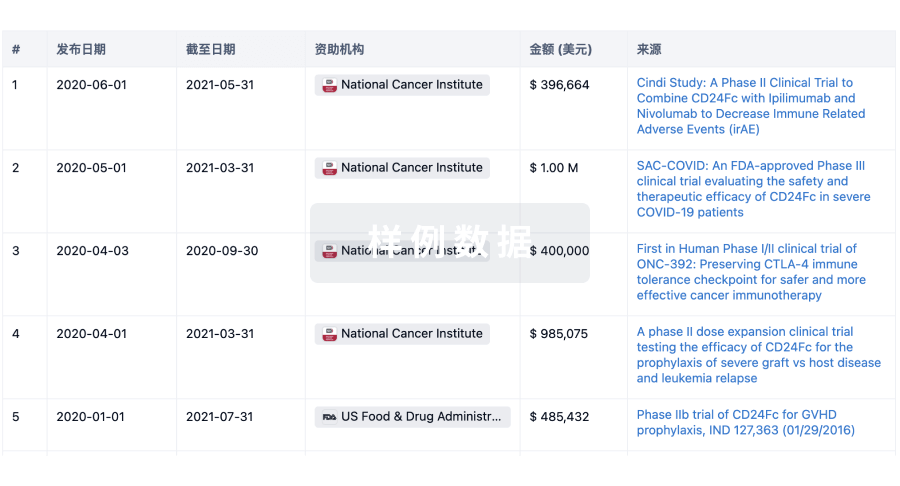
科研基金(NIH)
访问超过 200 万项资助和基金信息,以提升您的研究之旅。
登录
或
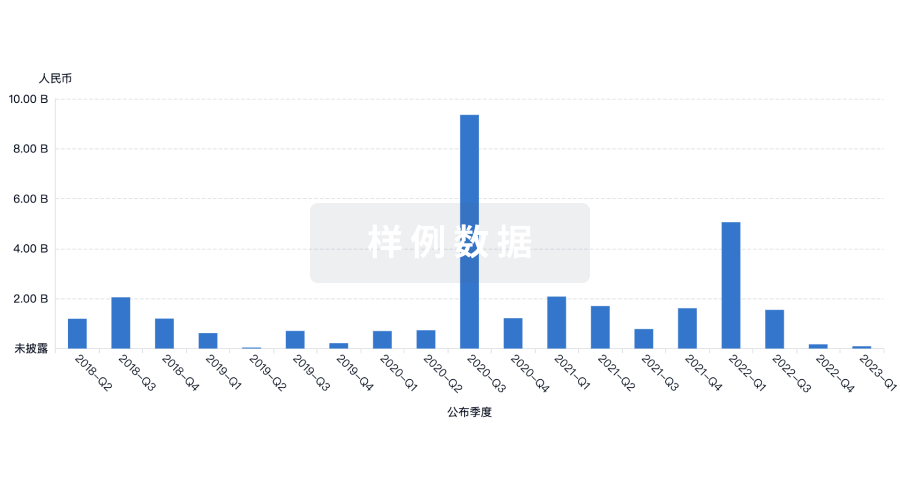
投资
深入了解从初创企业到成熟企业的最新公司投资动态。
登录
或
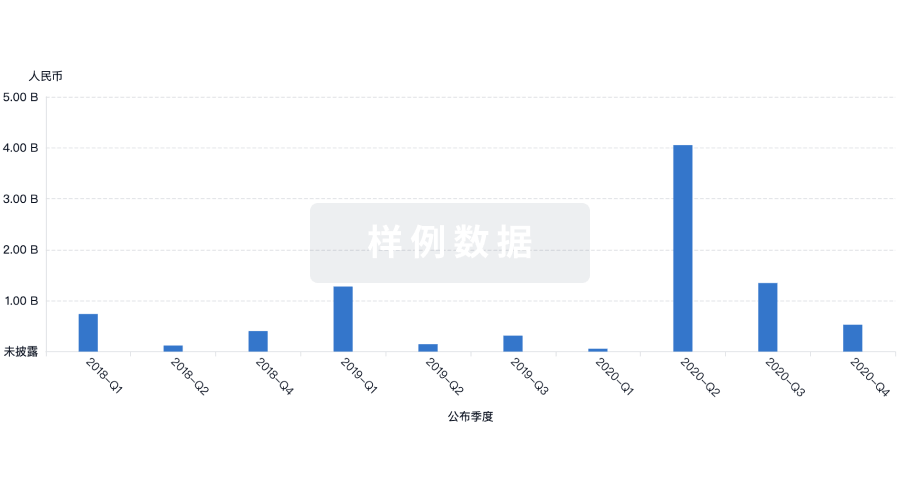
融资
发掘融资趋势以验证和推进您的投资机会。
登录
或
生物医药百科问答
全新生物医药AI Agent 覆盖科研全链路,让突破性发现快人一步
立即开始免费试用!
智慧芽新药情报库是智慧芽专为生命科学人士构建的基于AI的创新药情报平台,助您全方位提升您的研发与决策效率。
立即开始数据试用!
智慧芽新药库数据也通过智慧芽数据服务平台,以API或者数据包形式对外开放,助您更加充分利用智慧芽新药情报信息。
生物序列数据库
生物药研发创新
免费使用
化学结构数据库
小分子化药研发创新
免费使用