预约演示
更新于:2026-03-04

Litholink Corp.
更新于:2026-03-04
概览
关联
100 项与 Litholink Corp. 相关的临床结果
登录后查看更多信息
0 项与 Litholink Corp. 相关的专利(医药)
登录后查看更多信息
24
项与 Litholink Corp. 相关的文献(医药)2025-10-01·UROLOGY
Acute Changes in 24-Hour Lithogenic Urine Measures Intra- and Post-Partum
Article
作者: Johnson, Elizabeth ; Lyall, Vikram ; Ficko, Zita ; Brandes, Eileen ; Sur, Roger L ; Asplin, John R ; Pais, Vernon
OBJECTIVE:
To measure lithogenic changes during pregnancy in patients on a standardized diet without a prior history of nephrolithiasis.
METHODS:
IRB approval was obtained. The metabolic needs of pregnant participants were determined, and standardized diet administered with Boost shakes and unlimited water. 24-hour urine collections were obtained during the third trimester, post-partum, and post-lactation. Subjects remained on the controlled diet for 24-hour prior to and during the collection. Standard statistical analysis was performed.
RESULTS:
Of 18 patients, 6 had a de novo stone event during pregnancy. Of these, 83% were composed of calcium phosphate. Stone events with calcium phosphate presented later than calcium oxalate. Stone-formers had an intra-partum body mass index greater than non-stone formers (33.1 vs 26.7, P <.05). All participants had hypercalciuria, but stone-formers were found to have a nearly 2X greater urine calcium compared to non-stone formers on their controlled diet (392.1 vs 205.9, P <.05). Post-partum, we observed a decrease in urine calcium, citrate, pH, and supersaturation of calcium oxalate and phosphate (P <.05).
CONCLUSION:
This is the first study to identify lithogenic changes during pregnancy in de novo stone formers on a standardized diet. We show that stone-formers have primarily calcium phosphate stones. They also have an elevated body mass index and are significantly more hypercalciuric without other demonstratable lithogenic differences compared to non-stone formers. Post-partum, we demonstrate reduction in intra-partum lithogenicity that may mitigate stone risk. These data suggest an underlying mechanism exists in stone formers that increases urine calcium above what would be expected in gestational hypercalciuria.
2024-02-01·The Journal of urology
Alkaline Water: Help or Hype for Uric Acid and Cystine Urolithiasis?
Article
作者: McCormac, Amanda ; Asplin, John ; Vu, Minh-Chau ; Bhatt, Rohit ; Piedras, Paul ; Rojhani, Allen ; Clayman, Ralph V. ; Lavasani, Seyed Amiryaghoub M. ; Patel, Roshan M. ; Landman, Jaime ; Cumpanas, Andrei D. ; Gorgen, Antonio R. H. ; Tano, Zachary E.
Purpose::
The consumption of alkaline water, water with an average pH of 8 to 10, has been steadily increasing globally as proponents claim it to be a healthier alternative to regular water. Urinary alkalinization therapy is frequently prescribed in patients with uric acid and cystine urolithiasis, and as such we analyzed commercially available alkaline waters to assess their potential to increase urinary pH.
Materials and Methods::
Five commercially available alkaline water brands (Essentia, Smart Water Alkaline, Great Value Hydrate Alkaline Water, Body Armor SportWater, and Perfect Hydration) underwent anion chromatography and direct chemical measurements to determine the mineral contents of each product. The alkaline content of each bottle of water was then compared to that of potassium citrate (the gold standard for urinary alkalinization) as well as to other beverages and supplements used to augment urinary citrate and/or the urine pH.
Results::
The pH levels of the bottled alkaline water ranged from 9.69 to 10.15. Electrolyte content was minimal, and the physiologic alkali content was below 1 mEq/L for all brands of alkaline water. The alkali content of alkaline water is minimal when compared to common stone treatment alternatives such as potassium citrate. In addition, several organic beverages, synthetic beverages, and other supplements contain more alkali content than alkaline water, and can achieve the AUA and European Association of Urology alkali recommendation of 30 to 60 mEq per day with ≤ 3 servings/d.
Conclusions::
Commercially available alkaline water has negligible alkali content and thus provides no added benefit over tap water for patients with uric acid and cystine urolithiasis.
2024-01-01·Urology practice
Understanding the Barriers to Preventive Pharmacological Therapy Use in Older Patients With Urinary Stone Disease
Article
作者: Shahinian, Vahakn B. ; Crivelli, Joseph J. ; Krampe, Noah ; Asplin, John R. ; Hsi, Ryan S. ; Hollingsworth, John M. ; Oerline, Mary K.
INTRODUCTION:
Despite compelling clinical trial evidence and professional society guideline recommendations, prescription rates of preventative pharmacological therapy (PPT) for urinary stone disease are low. We sought to understand how patient- and clinician-level factors contribute to the decision to prescribe PPT after an index stone event.
METHODS:
We identified Medicare beneficiaries with urinary stone disease who had a 24-hour urine collection processed by a central laboratory. Among the subset with a urine chemistry abnormality (ie, hypercalciuria, hypocitraturia, hyperuricosuria, or low urine pH), we determined whether PPT was prescribed within 6 months of their collection. After assigning patients to the clinicians who ordered their collection, we fit multilevel models to determine how much of the variation in PPT prescription was attributable to patient vs clinician factors.
RESULTS:
Of the 11,563 patients meeting inclusion criteria, 33.6% were prescribed PPT. There was nearly sevenfold variation between the treating clinician with the lowest prescription rate (11%) and the one with the highest (75%). Nineteen percent of this variation was attributable to clinician factors. After accounting for measured patient differences and clinician volume, patients had twice the odds of being prescribed PPT if they were treated by a nephrologist (odds ratio [OR], 2.15; 95% CI, 1.79-2.57) or a primary care physician (OR, 1.78; 95% CI, 1.22-2.58) compared to being treated by a urologist.
CONCLUSIONS:
These findings suggest that the type of clinician whom a patient sees for his stone care determines, to a large extent, whether PPT will be prescribed.
1
项与 Litholink Corp. 相关的新闻(医药)2024-01-17
WEDNESDAY, Jan. 17, 2024 -- Commercially available alkaline water is not likely to provide benefit over tap water for patients with uric acid and cystine urolithiasis, according to a study published in the February issue of
The Journal of Urology
.
Paul Piedras, from the University of California at Irvine, and colleagues analyzed five commercially available alkaline waters to assess their potential to increase urinary pH compared to potassium citrate, the gold standard for urinary alkalinization.
The researchers found that the pH levels of the bottled alkaline water ranged from 9.69 to 10.15. For all brands, electrolyte content was minimal and the physiologic alkali content was below 1 mEq/L. Compared with potassium citrate, the alkali content of alkaline water is minimal. Other organic beverages, synthetic beverages, and supplements contain more alkali content than alkaline water and can achieve the American Urological Association and European Association of Urology alkali recommendation of 30 to 60 mEq per day with no more than three servings per day.
"Commercially available alkaline water has negligible alkali content and thus provides no added benefit over tap water for patients with uric acid and cystine urolithiasis," the authors write.
One author disclosed employment with Litholink, a subsidiary of LabCorp.
Abstract/Full Text
Disclaimer:
Statistical data in medical articles provide general trends and do not pertain to individuals. Individual factors can vary greatly. Always seek personalized medical advice for individual healthcare decisions.
Posted January 2024
More news resources
FDA Medwatch Drug Alerts
Daily MedNews
News for Health Professionals
New Drug Approvals
New Drug Applications
Drug Shortages
Clinical Trial Results
Generic Drug Approvals
Subscribe to our newsletter
Whatever your topic of interest,
subscribe to our newsletters
to get the best of Drugs.com in your inbox.
100 项与 Litholink Corp. 相关的药物交易
登录后查看更多信息
100 项与 Litholink Corp. 相关的转化医学
登录后查看更多信息
组织架构
使用我们的机构树数据加速您的研究。
登录
或
管线布局
2026年09月24日管线快照
无数据报导
登录后保持更新
药物交易
使用我们的药物交易数据加速您的研究。
登录
或
转化医学
使用我们的转化医学数据加速您的研究。
登录
或
营收
使用 Synapse 探索超过 36 万个组织的财务状况。
登录
或
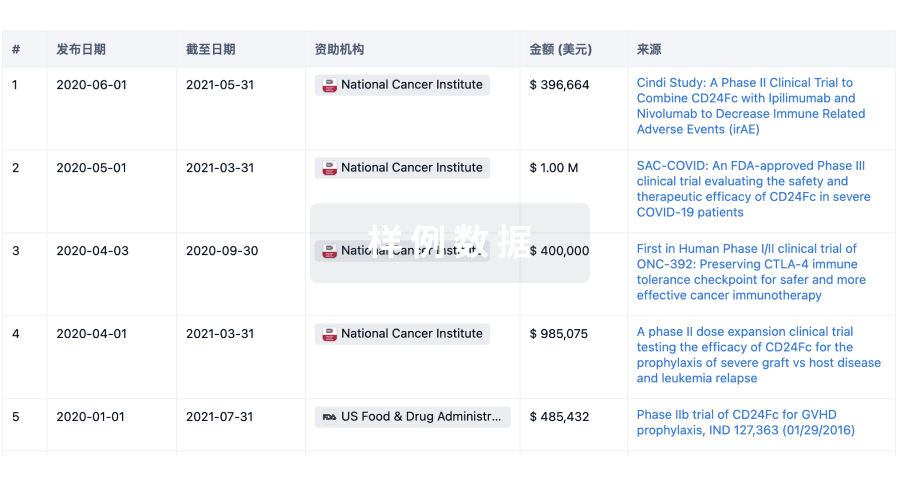
科研基金(NIH)
访问超过 200 万项资助和基金信息,以提升您的研究之旅。
登录
或
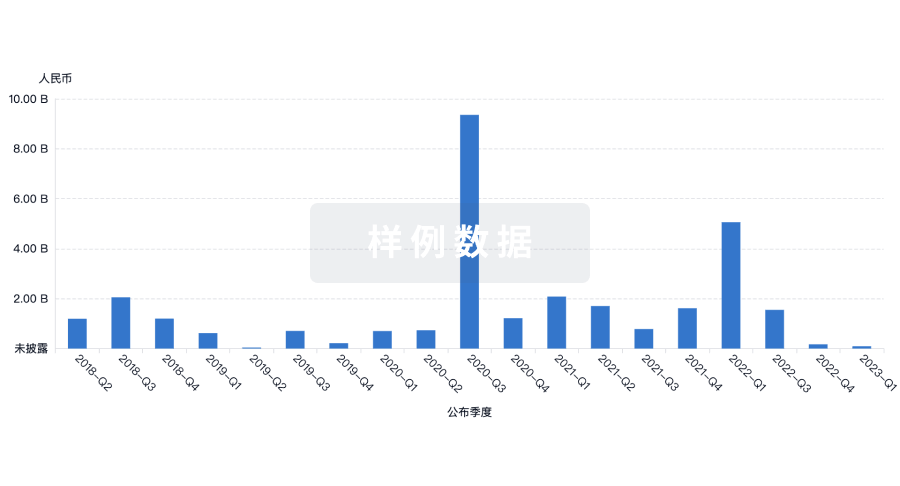
投资
深入了解从初创企业到成熟企业的最新公司投资动态。
登录
或
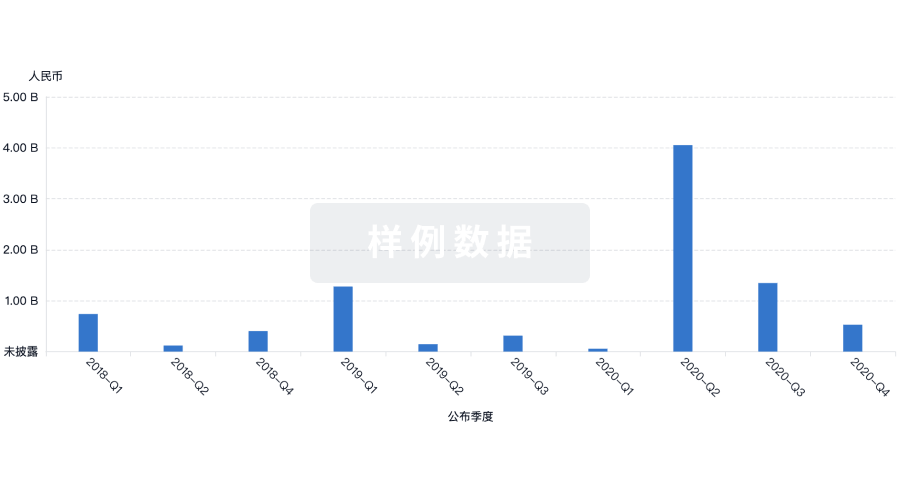
融资
发掘融资趋势以验证和推进您的投资机会。
登录
或
提出任何生物医药研究问题
让每一步生物医药决策都精准制胜
基于十亿级生物数据与全球情报的精准 AI,赋能早期药物发现
立即开始免费试用!
智慧芽新药情报库是智慧芽专为生命科学人士构建的基于AI的创新药情报平台,助您全方位提升您的研发与决策效率。
立即接入生物医药数据包
智慧芽新药库数据也通过智慧芽开放平台,以MCP或API服务形式对外开放。立即使用我们的MCP服务定制您的LLM智能体。
生物序列数据库
生物药研发创新
免费使用
化学结构数据库
小分子化药研发创新
免费使用