预约演示
更新于:2025-12-23

Suzhou University of Science & Technology
更新于:2025-12-23
概览
关联
100 项与 苏州科技大学 相关的临床结果
登录后查看更多信息
0 项与 苏州科技大学 相关的专利(医药)
登录后查看更多信息
4,401
项与 苏州科技大学 相关的文献(医药)2026-03-01·ULTRASONICS
Simulation and experimental studies on the hydrodynamic behavior and induced erosion characteristics of ultrasonic cavitation
Article
作者: Chen, Xingwang ; Yin, Zhen ; Miao, Qing ; Dai, Chenwei ; Zhang, Ming ; Chen, Jiajia
Ultrasonic cavitation has garnered extensive attention for its potential in surface modification due to its characteristics such as microjet impingement and high-pressure shockwaves generated during bubble collapse. Although the collapse dynamics of a single bubble have been widely examined, researches on the global fluid behavior remains insufficient. This study establishes a numerical model of ultrasonic cavitation with the aim of systematically examining how ultrasonic amplitude, ultrasonic frequency and standoff distance affect the bubble distribution and the absolute pressure in the fluid domain. On this basis, experiments were also conducted using a self-developed ultrasonic vibration device to investigate the cavitation erosion on aluminum alloy by measuring the surface morphology and roughness. The results show that the cavitation bubbles are primarily distributed within 0.7 mm beneath the tool end, reaching a peak absolute pressure of 4.22 MPa when the standoff distance is 1 mm. When the ultrasonic amplitude is increased, the peak absolute pressure is enlarged from 0.74 MPa to 3.53 MPa, the peak vapor volume fraction is increased from 6.5 % to 34.8 %, and the surface roughness of eroded workpiece is raised from 0.110 μm to 1.013 μm, with surface morphology evolving from microscopic pits to large-scale material removal. The vapor volume fraction reaches the maximum value of 97 % at a standoff distance of 0.25 mm, but sharply decreases to 0.08 % at 2 mm. The workpiece is most severely eroded to the largest roughness of 1.013 μm at the standoff distance of 0.5 mm. When the ultrasonic frequency is brought up, the peak absolute pressure is progressively increased, but the peak vapor volume fraction is diminished with accelerated change rate. Low-frequency ultrasonic vibration produces stronger impacts by fewer large bubbles, whereas high-frequency ultrasonic vibration generates weaker impacts by numerous small bubbles. The simulation and experimental results demonstrate strong agreement with each other, which provides deeper insights into the erosion mechanisms induced by ultrasonic cavitation. This article will enrich the fundamental theory of ultrasonic cavitation and provides theoretical support and guidance for material modification using ultrasonic cavitation.
2026-02-01·JOURNAL OF COLLOID AND INTERFACE SCIENCE
Dual-enhanced sodium storage: High capacity and stability performance simultaneously in SnS₂@GO anodes
Article
作者: Liu, Runze ; Yang, Yuanyuan ; Qin, Xue ; Feng, Anrui ; Li, Yihan
SnS₂ has emerged as a promising anode material for sodium-ion batteries (SIBs) due to its ultrahigh theoretical specific capacity (1136 mAh g-1) and large interlayer spacing (5.9 Å). However, its practical application is severely hindered by significant volume expansion and poor intrinsic conductivity. In this work, SnS₂@GO was successfully synthesized via a reflux method. The integration of SnS₂ with GO not only enhance the overall conductivity but also yield ultrasmall nanoparticles which shorten the diffusion pathways for Na+ and electrons while mitigating volume expansion. As a result, SnS₂@GO demonstrates exceptional electrochemical properties, including outstanding cycling performance (1120 mAh g-1 at 0.1 A g-1), remarkable rate capability (788 mAh g-1 at 5 A g-1), and superior long-term cycling stability (588 mAh g-1 at 5 A g-1 after 1200 cycles), highlighting its great potential for the applications of SIBs.
2026-02-01·BIORESOURCE TECHNOLOGY
Synergistic division of labor in a bacterial consortium for enhanced phenanthrene mineralization under cadmium stress: mechanisms of degradation-detoxification coordination
Article
作者: Cheng, Tianzuo ; Huang, Tianyin ; Zhuang, Jinlong ; Wu, Bingdang ; Zhou, Pengyu ; Wang, Bin ; Xu, Xiaoyi ; Zhang, Mingle
The remediation of co-contamination by polycyclic aromatic hydrocarbons (PAHs) and heavy metals poses a significant challenge. Although microbial consortia present a promising approach, their synergistic mechanisms under stress conditions are not fully understood. To address this gap, we constructed a functionally specialized bacterial consortium (KZ) by assembling Klebsiella sp. CW-D3T and Arthrobacter sp. SZ-3, which synergistically enhanced phenanthrene (PHE) degradation and mineralization under cadmium stress (25 mg/L Cd2+), outperforming monocultures by 1.2-1.9-fold. Through biomass-normalized enzyme activity assays, we uncovered a structured division of labor: SZ-3 exhibited superior upstream catalytic activity (50 % higher 2H1N conversion), while CW-D3T dominated downstream mineralization (>80 % contribution). Mechanistic investigations via metagenomics revealed that CW-D3T utilized high-expression efflux pumps (ZntA/zinT) and antioxidant genes (yhcN) to mitigate cadmium toxicity, whereas SZ-3 employed the frnE-mediated oxidative stress response and limited Cd2+ uptake via mntH. This study elucidates a synergistic mechanism for concurrent PAH degradation and heavy metal detoxification, offering a novel bioresource for remediating co-contaminated environments.
7
项与 苏州科技大学 相关的新闻(医药)2025-11-26
·百度百家
截至2025年,江苏专转本的热门专业主要集中在就业前景好、社会需求大、薪资水平较高的领域。根据江苏省教育考试院数据、招生院校动态及新东方等权威机构分析,江苏专转本热门专业可分为以下几类:
🔥 一、传统五大“高竞争”热门专业(报录比普遍超10:1)
专业类别
热门原因
典型代表院校
2025年省控线/录取情况(参考)
计算机类 IT行业需求旺盛,起薪高,可跨考 南京工业大学、金陵科技学院 省控线246分;南工大录取线320+,报录比≈4:1
财经类 会计/金融岗位稳定,适合女生,跨考人数多 南京审计大学、苏州科技大学 会计省控线262+;南审录取需400+,报录比>20:1
管理类 报考门槛低,允许跨专业,“跨考生坟场” 南京传媒学院、三江学院 文科管理省控线318;实际录取常超350
医护类 就业保障强,但要求“专业完全对口”,内部竞争激烈 南京医科大学康达学院 护理学报录比≈6.5:1,录取率仅15%左右
师范类 编制吸引力大,尤其学前教育;公办院校录取率<15% 江苏师范大学、盐城师范学院 学前教育报录比高达35:1,全省最高
✅ 特点:
公办院校录取率普遍 不足10%;
实际录取分数远高于省控线(如南审会计需400+);
被称为“千军万马过独木桥”。
🚀 二、政策与产业驱动的新兴热门专业(2026年预测重点)
这些专业虽目前报考人数较少,但因政府扶持+产业爆发,未来潜力巨大,部分已纳入专转本招生:
新兴方向
对应专业(可能开设院校)
政策/产业支撑
人工智能与通用智能 人工智能应用技术(无锡职大、南京工业职大) 江苏《未来产业三年行动方案》核心方向
新型储能与氢能 新能源材料与工程(常州大学、南京工业大学) 江苏“十四五”储能装机目标5GW,氢能产值超千亿
细胞与基因技术 生物制药技术(中国药科大学高职部、南医大康达学院) 建设10+临床研究中心,聚焦CAR-T、抗体药物
低空经济/无人机 无人机应用技术(南京交通职院、江苏安全职院) 2026年建5个低空经济集聚区,物流/安防需求爆发
数字孪生与元宇宙 虚拟现实技术应用(无锡职大、江苏信息职院) 苏州/南京智能制造企业广泛应用
量子信息 量子信息科学(南邮、矿大试点) 江苏已建量子通信干线网
⚠️ 注意:部分新兴专业仅限对口专科生报考(如生物制药限生物/药学类),跨考需补修课程。
📌 三、南通大学 & 江苏工程职院特色热门专业
院校
热门专业
特色说明
南通大学 化工生物类 结合现代纺织产业,培养“应用型创新人才”,传承张謇精神
土木建筑类 强调材料力学、结构力学,注重国际视野与工程实践
商务英语 培养跨文化商务复合型人才,对接外贸与跨境电商
江苏工程职业技术学院 现代纺织技术、智能制造 依托南通纺织产业集群,就业率高,校企合作紧密
💡 报考建议
理性避峰:若分数中等(280–320),可考虑日语类(录取率80.18%)、农林类(分数线可能低于省控线)等冷门高录专业。
关注职业本科:如无锡职业技术大学、南京工业职业技术大学,部分新兴专业首年招生,竞争较小。
多元规划:同时准备1–2个备选专业,避免“一志愿滑档”。
如需具体专业的历年分数线、招生计划或备考策略,欢迎继续提问!
细胞疗法免疫疗法
2024-01-12
·今日头条
开启2024新年
时光匆匆,2024新年即将到临,回顾过去一年,对于迈杰医学而言,是发展历程中的关键节点。在逆境中奋起,我们始终保持前行的决心,全体员工紧密团结,携手努力,坚持开拓进取、守正创新的原则,赢得了一系列的肯定成绩。现将过去一年的努力与收获进行总结,分享给大家,并怀揣着希望迎接崭新的2024年!
一、组织架构变革与人才队伍建设
1、变革创新,资源整合,协同发展
2023,迈杰医学明确了伴随诊断“
服务+产品
”双轮驱动业务模式,构建核心业务“一体二翼”的三驾马车共同驱动战略布局,分别成立
药物转化医学研究(CDO)、伴随诊断开发(CDx)、用药指导检测(CDT)三大业务
版块,三者相辅相成、互促互进,推动业务线资源有效整合,提升高效协作,进一步支持公司业务的高质量发展。
项目自动化、精细化管理。打通 PM系统与Starlims系统之间的数据对接,实现项目收入自动核算;ACE Teamwork系统的全面推行使用,提升数据整合和分析效率;建立VIP客户服务的标准流程,集中资源服务好VIP客户。
2、以奋斗者为本,改善办公环境
公司顺利拓展B5栋6楼新一层的办公和实验场地
2217平方米
,生物分析实验室扩建到
400m²
,并成功进行了所有仪器的重新验证和
40余项
关键检测方法的一致性评价。目前办公和实验场地总计
近10000平方米
,不仅改善了办公条件和工作环境,而且预示着公司未来美好的发展前景,对于迈杰医学而言,具有里程碑的意义,象征着迈杰医学的发展又迈上了一个新的台阶!
迈杰医学开展了主题为“
铸造优秀团队,共创迈杰辉煌
”的团建活动,并同期举办了2022年会盛典,进一步提高了团队协作能力、提升团队凝聚力,增强员工的责任感、使命感,同时也增进了各部门间的相互沟通、丰富员工业余生活,营造积极向上、团结互助的企业文化氛围。
二、业务管线稳步拓展
1、药物转化医学研究(CDO)业务稳固上升
药物转化医学研究(CDO)合作业务是迈杰医学的第一增长曲线
迈杰医学CDO业务线服务的客户数目维持高速增长,客户类群涵盖国内外MNC、著名药企、生物技术公司以及科研院所。2023年,药企临床检测中心实验室和伴随诊断也迎来了更多机遇,全年CDO业务的合作客户数量持续增速,客户量比去年底增长21%(累计客户
近800家
),其中药企客户量较去年底增长
26%
。CDO业务合作项目数量及合同额也稳步上涨,全周期承接IIT/临床前科研项目、临床I、II、III期项目,平台能力齐全,项目经验丰富;且III期项目数持续增长。2023年,在MNC大客户开发方面又取得了重大突破,赢得了业界领先跨国公司的信任。这不仅是对迈杰医学专业实力和服务水平的肯定,更是迈杰医学在行业中不断超越自我的证明。欣喜的是,迈杰医学已经成功助力了国内几款CAR-T新药正式获批上市。
创新靶点伴随诊断试剂进一步推进
截止目前,与药企合作开展的伴随诊断试剂盒开发注册,涉及多个热门靶点:
PD-L1、Claudin18.2、FORL1、NECTIN4、HER3、GPC3、CD70、FLT3
等,2023年新增
4个
与药物同步开发的伴随诊断试剂合作。仅针对Claudin18.2靶点的伴随诊断开发,截止2023年已有超
5家
合作签署。此外,还有一系列创新靶点已完成方法学开发、验证,可以为药企客户提供基于授权开发、委托开发等多种伴随诊断开发合作模式,加速新药获批进程,共同助力精准医疗。
2、伴随诊断开发(CDx)业务全面铺开
20+NMPA产品,8款CE认证产品,开启全球化销售布局,助力精准医疗
CDx是迈杰医学的第二增长曲线。截至目前,共有
20+款
产品获得NMPA批准,涵盖实体肿瘤和血液肿瘤,支持患者靶向治疗、免疫治疗以及细胞和基因治疗等,其中包括
国内首个获批的JAK2-V617F突变检测试剂盒(迈劼康),和用于免疫治疗的PDL-1检测试剂盒(迈谱康)三类证
等产品,以及多款I类证产品(Claudin18.2、c-MET、dMMR、Pan-TRK、叶酸受体ɑ、TROP2等)。
8款CE认证产品
包括Claudin18.2、PD-L1、MMR、MSI、c-MET 5款实体肿瘤伴随诊断产品,以及MPN四联检、血液肿瘤Ig/BCR重排MRD监测、BCR-ABL定量监测3款血液肿瘤产品,迈杰医学在全球化布局道路上迈出了重要的一步。
通过科研带动临床客户,提升CDx产品销量
2023年,迈杰医学完成在
32个
省近
300家
医院的PD-L1预实验,为产品准入和销售打下坚实基础。积极推进临床证据产生,以期推进CDx产品进入专家共识及指南,如宫颈癌PD-L1一致性研究,胆道肿瘤CLDN18.2/PD-L1一致性研究项目等。
三、能力持续增强与服务优化
1、分子平台
分子中心实现了从传统的肿瘤生物标记物检测到临床试验生物分析检测的拓展,业务转向CGT药物类型进行深耕。2023年完成新方法学验证10余个,新增分子PK,安全性检测项目8个,包括CAR-T,CAR-NK,TIL等CGT药物类型,安全性检测涉及RCL/R,病毒整合检测,rcAAV检测,CAR拷贝数检测以及病毒整合检测。2023年,分子中心顺利通过3个关键临床试验的国家局核查,完美支持了客户药物NDA,服务质量方面赢得了客户的信任及认可。平台开创建立合作的国内外申办方包括拜耳、恒瑞、信达等知名药企,反映了平台知名度和质量水平的提升。
2、蛋白与细胞平台
提供完善的细胞与基因治疗(CGT)临床检测整体解决方案。细胞中心2023年度项目数增长率
6%
,样本数增长率为
22%
。目前中心实验室积累了
500+
检测方法,在PK(外源基因拷贝检测、CAR+数量等)、PD(细胞因子检测等)、免疫原性(ADA检测、AAV免疫原性研究)、流式细胞检测等方面积累了丰富的经验,为药企客户提供标准和权威的临床数据解读,并得到国家监管部门认可。基于先进的蛋白与细胞检测技术,迈杰医学为细胞因子、趋化因子、磷酸化、乙酰化等蛋白的检测提供服务,进一步完善大分子生物检测分析能力,为免疫治疗、细胞治疗和基因治疗等提供药物代谢、免疫原性、中和抗体等检测支持。
3、病理平台
优化多色IHC技术,采用9色mIHC技术,成功建立
23个
多色Panel并完成方法学验证,建立血液病核型分析的检测能力,为临床检测节约样本,提高组合优势,从而促进药物入组效率,并为精准的患者分层、入组及筛选等提供数据支持。完善
300+
生物标志物免疫组化(IHC,mIHC)的方法学建立与验证,适应症达
560+
个。
拓展流式多色能力,新购入Beckman cytoflex LS 5激光19色流式平台,主要运营流式多色项目包括11色,14色,18色panel,致力于服务国内外药企的新药申报、国内科研项目、大健康领域。
4、生信平台
2023年数据生信中心支持并完成了HRD产品在MGI2000平台上数据分析、算法优化和报证软件开发至注册检,E1L3N 图像处理软件报证注册检和申报,构建图像AI算法软硬件能力,内部开发AI算法,完成泛实体瘤MRD项目多重扩增子引物设计系统开发和验证,具备支持多类分子产品开发潜力;开发WGD新检测算法并获得客户项目;完成建立慢病毒插入位点基因数据注释库,支持多个客户IND项目申报;完成STARLIMS自动化报告生信系统;开启单样本检测流程优化和验证。完成生信分析一体机开发任务,知识库和自动化报告双语支持,助力海外市场拓展。
5、数字营销
数字营销持续赋能,2023公司进一步加强数字化改造和数字化/网络化营销,为商务部门提供了上千精准意向,成交公司近百家。目前公司已布局搜索、自媒体、短信、邮件、电销等多渠道拓客平台,建立公司网络品牌。
6、质量体系建设
迈杰医学高质量通过ISO13485年度监督审核,通过市场监督管理局园区局GSP现场审核及延续换证、完成年度风险自查,中心实验室高质量通过33个室间质评项目(CAP和SCCL)。旗下上海国瑞怡康医学检验所满分通过CAP实体瘤NGS—NGSST-A 2023室间质评,满分通过NCCL全国肿瘤体细胞突变高通量测序检测生物信息学分析,顺利获得美国CAP现场认证。
四、锐意进取,开拓创新
1、海外业务拓展
2023年,迈杰医学扬帆出海,
首次国外参展
,精彩亮相2023泰国MedLab Asia & Asia Health,吸引来自
30多个
国家的来访者,获得一致好评,成功拓展海外渠道。
海外业务方面,CDT用药指导检测业务和CDx伴随诊断开发业务都实现了
0-1突破
,对公司产品和服务出海销售以及业务全球拓展起到了至关重要的作用。海外客户遍布欧洲、亚洲、北美、非洲等
20多个
国家,线上沟通交流会议
30+
场,积极推进海外客户来访、培训与交流,广大海外客户对公司产品如MSI,BCR-ABL及Pan MPN等产生了极大的兴趣,拓宽营收渠道。随着迈杰医学产品和服务业务不断向全球拓展,公司品牌已经得到了海外客户的广泛认可。
成功建立海外报价体系,拓展多方海外推广渠道,包括英文官网、Google、群发邮件、Facebook、LinkedIn、Twitter、VK等平台。
2、品牌宣传效果显著,国内营销全面覆盖
2023年,迈杰医学举办
国内市场活动1
80+
场,线下共参会及客户支持
30+
场,覆盖
25个
城市及自治区,线上推广会议近
150场
,全年微文发布
150+
篇,新媒体发文总计
900+
篇,微信公众号粉丝量增长
47.3%
,迈杰医学的产品&服务获得行业认可和赞许。
迈杰医学联合BioBAY产业园成功举办“阿尔茨海默和抗肿瘤新靶点发现及创新药物研发”主题沙龙活动,此次主题沙龙活动邀到了中国科学院化学部倪嘉缵院士一行,校企合作,共同致力于药物临床转化,为中国新药研发贡献力量!
迈杰医学接受苏州电视台新闻综合频道的采访,围绕“基因诊疗”、“未来产业”主题进行了相关报道,受到了极大关注!
3、迈杰医学参与《中国食管癌PD-L1蛋白表达检测临床病理专家共识》行业标准制定。
五、专利、合作及社会认可
1、获得专利授权30个,审核中的专利18个,PCT 1个,软著60个。
2、开启校企创新人才培养、产学研合作开辟新纪元
江苏省教育厅、江苏省科学技术厅联合批准迈杰医学与苏州科技大学共建的“
江苏省研究生工作站
”,揭牌仪式在迈杰医学公司成功举办;迈杰医学与西交利物浦大学西浦慧湖药学院开展产学研合作,成立研究生联合培养基地,并特聘公司专家为产业教授和研究生导师;与西交利物浦大学药物分析检测中心共同成立“
迈杰医学-西交利物浦大学联盟实验室
”,校企合作开辟新纪元。
3、强强联合,助力精准医疗
(1)国际战略合作全面推进
目前已与多家海外客户达成合作,在海外当地国家注册产品达
20余款
;产品销售、用药指导检测服务、科研服务、海外药企服务齐头并进;与数家海外客户建立联盟实验室已达成共识;目前已达成海外合作客户
9
家,遍及东南亚、欧洲、北美、南非等地区。
(2)与Twist Bioscience携手助力精准医疗
迈杰医学与Twist达成合作,结合Twist的新一代测序(NGS)靶向富集和文库制备产品,迈杰医学将持续推出多样化的NGS解决方案,推动中国精准医疗体外诊断和伴随诊断的高标准发展。
(3)与Abcam深化合作
迈杰医学与战略合作伙伴Abcam拓展全球化合作,此次合作是继双方签署战略合作协议后的进一步升级,双方将携手发力全球伴随诊断及体外诊断领域,在原料和产品开发以及商业化方面深入合作,赋能药物研发。
(4)与泛因医学达成战略合作
迈杰医学与泛因医学达成战略合作约定。双方将发挥各自优势,推进免疫组库NGS测序技术在新药临床实验、科研及临床诊疗过程中的应用,以期达到优势互补、共同发展的目的。
(5)与Leica深化合作
迈杰医学宣布与战略合作伙伴Leica进一步深化合作,共同推进伴随诊断开发和商业化,双方将携手发力伴随诊断及体外诊断领域,在产品开发以及商业化方面深入合作,赋能药物研发。
(6)与君实生物携手创新
迈杰医学与君实生物同步开发PD-L1原研伴随诊断试剂盒,该类产品属于临床急需、国内领先。该试剂盒通过检测TNBC患者组织中PD-L1蛋白表达情况,精准筛选可使用免疫检查点抑制剂特瑞普利单抗注射液获益人群,药械珠联璧合,推进精准医疗更好的服务病患。
(7)与优宁维生物达成战略合作
迈杰医学宣布与优宁维集团旗下公司斯达特签署战略合作协议,双方将锚定“生命科学一站式供应商”、“抗体合作开发”等伴随诊断及体外诊断领域,在产品开发及商业化方面深入合作。
(8)与CST扩大合作
迈杰医学与CST扩大现有合作伙伴关系,此次合作深化进一步加强了迈杰医学与 CST之间的合作伙伴关系,迈杰医学将基于CST提供的针对重要伴随诊断靶标的抗体开发新的伴随诊断产品,以满足中国不断增长的精准医疗市场的需求。
4、获得奖项及荣誉
今年共获批
6项
奖项如下:荣获2022年江苏省生物技术协会科技创新奖二等奖、再次荣膺动脉网“未来医疗100强”、入选“毕马威中国生物科技创新50企业”、荣获EBC“2022创新突破企业”奖、荣获基因谷、基因科技网、早筛网、南方医学网联合主办的“2022基因检测行业年度最佳肿瘤检测产品奖”、荣获江苏省省级专精特新企业称号。
六、展望未来
为美好,再启航!2023,我们积蓄了铿锵前行的力量;2024,我们将以更加坚定的步伐,更加饱满的热情,迎接新的挑战,将继续坚持“
诊断伴随治疗,精准成就健康
”的理念,秉承“
以科技为基础,以客户为中心,以奋斗者为本
”的核心价值观,加速医药创新服务项目和伴随诊断/体外诊断产品的研发,以高标准铸就可靠质量,造福中国以及全球患者,助力精准医疗,为行业持续发展注入新活力,让我们携手并肩,共同书写美好未来的新篇章!
迈杰转化医学研究(苏州)有限公司(以下简称为:迈杰医学)于2013年成立,前身为QIAGEN转化医学研究中心。作为伴随诊断整体解决方案领导者,拥有综合转化医学技术支持药物临床转化、伴随诊断产品(CDx)开发和用药指导检测三大业务,基于基因组学、蛋白组学、细胞组学,病理组学以及大数据与AI等综合技术平台,一流的产品开发团队与完善的研发流程,以及完善的质量体系(涵盖CAP、CNAS ISO 17025、ISO13485、GMP、GSP等), 迈杰医学围绕靶向治疗,免疫治疗及细胞/基因治疗,赋能药物临床转化研究并开发对应的伴随诊断产品,支持药物上市后的精准用药。迈杰医学已与全球300+创新药企及技术公司展开合作,已开发验证了数百个生物标记物及方法学,支持上百个药物临床试验。截至目前共有20+款产品获得药监批准,涵盖实体肿瘤和血液肿瘤,其中包括国内首个获批的JAK2-V617F突变检测试剂盒及用于免疫治疗的PDL-1检测试剂盒;以及8款CE认证产品。同时,迈杰医学有40多款在研 CDx/IVD产品管线其中有10个正在临床试验中。基于独创的一体化商业模式,迈杰医学已迅速发展成为中国伴随诊断整体解决方案创新企业,解决创新药物的研发痛点及患者的用药痛点,助力精准医疗。
一致性评价
2023-04-25
日前,江苏省教育厅、江苏省科学技术厅联合公布了《2022年度江苏省研究生工作站和优秀研究生工作站示范基地名单》,BioBAY园内企业迈杰医学与苏州科技大学(以下简称为:苏科大)共同申报的“江苏省研究生工作站”成功获得批准。“江苏省研究生工作站”是省教育厅、省科学技术厅联合授权,由企业与高校联合申请设立建设并引入高校研究生导师与企业专家共同指导研究生开展科学研究与技术创新开发的机构,是规模企业与高校产学研合作的重要平台,也是高校研究生培养的重要创新实践基地。 4月20日,迈杰医学与苏科大共建的“江苏省研究生工作站”揭牌仪式在迈杰医学公司内举行。苏科大化学与生命科学学院秦粉菊副院长、张钱丽副院长、院长助理周宇扬博士、朱孟娇副系主任以及学院王靖博士参加此次活动。迈杰医学董事长兼CEO张亚飞博士、副总裁汤郡博士、副总裁纪志强先生等领导热情接待学院领导一行。揭牌仪式上,迈杰医学董事长兼CEO张亚飞博士对苏州科技大学领导教授一行表示欢迎,感谢苏州科技大学和化学与生命科学学院对于迈杰医学的支持,祝贺双方协作并成功获批由省教育厅和省科技厅批准的江苏省研究生工作站。此外,张亚飞博士简要介绍了公司和科学技术团队情况,并对双方在联合培养研究生方面的探索给予了充分肯定,同时鼓励双方借助江苏省研究生工作站进一步加强合作,多出科学成果,多培养社会需要的高层次优秀人才,并努力争创江苏省优秀研究生工作站示范基地。苏科大化学与生命科学学院秦院长和张院长系统介绍了学校研究生培养情况、化学与生命科学学院各专业的学科建设与人才培养情况,着重阐述了企业研究生工作站设置的意义,对苏科大与迈杰医学的此次合作给予高度肯定,对研究生工作站在迈杰医学的发展给予希冀,并表示今后将积极为校企研究生联合培养和推动产学研合作升级给予支持与帮助。此次“江苏省研究生工作站”的成功获批,再一次印证了迈杰医学的科学技术能力和商业模式。作为一家拥有多组学、全平台的综合型创新企业,迈杰医学致力于解决创新药物的研发痛点及患者的用药痛点,已然成长为医疗创新领域备受瞩目的企业。未来,迈杰医学将与苏州科技大学通力合作、密切配合,双方继续发挥企业的实践和转化科学优势与高校的人才培养和科研优势,加强深度合作,实现校企共同发展!关于迈杰医学迈杰医学于2013年成立,前身为QIAGEN转化医学研究中心。作为伴随诊断整体解决方案领导者,拥有综合转化医学技术支持药物临床转化、伴随诊断产品(CDx)开发和用药指导检测三大业务。基于基因组学、蛋白组学、细胞组学,病理组学以及大数据与AI等综合技术平台,一流的产品开发团队与完善的研发流程,以及完善的质量体系(涵盖CAP、CNAS ISO 17025、ISO13485、GMP、GSP等),迈杰医学围绕靶向治疗,免疫治疗及细胞/基因治疗,赋能药物临床转化研究并开发对应的伴随诊断产品,支持药物上市后的精准用药。迈杰医学已与全球300+创新药企及技术公司展开合作,已开发验证了数百个生物标记物及方法学,支持上百个药物临床试验。截至目前共有20+款产品获得药监批准,涵盖实体肿瘤和血液肿瘤,其中包括国内首个获批的JAK2-V617F突变检测试剂盒及用于免疫治疗的PDL-1检测试剂盒;以及8款CE认证产品。同时,迈杰医学有40多款在研CDx/IVD产品管线其中有10个正在临床试验中。基于独创的一体化商业模式,迈杰医学已迅速发展成为中国伴随诊断整体解决方案创新企业,解决创新药物的研发痛点及患者的用药痛点,助力精准医疗。▌文章来源:迈杰医学责编:何文正审核:任旭推荐阅读企业资讯丨晶云药物:CRO检测中心获CNAS认可,检测能力正式迈入新篇章企业资讯丨智核生物:全市首个!乙级放射性同位素实验室启用企业资讯丨沙砾生物:TIL疗法的中国赶超者
医药出海
100 项与 苏州科技大学 相关的药物交易
登录后查看更多信息
100 项与 苏州科技大学 相关的转化医学
登录后查看更多信息
组织架构
使用我们的机构树数据加速您的研究。
登录
或
管线布局
2026年02月07日管线快照
无数据报导
登录后保持更新
药物交易
使用我们的药物交易数据加速您的研究。
登录
或
转化医学
使用我们的转化医学数据加速您的研究。
登录
或
营收
使用 Synapse 探索超过 36 万个组织的财务状况。
登录
或
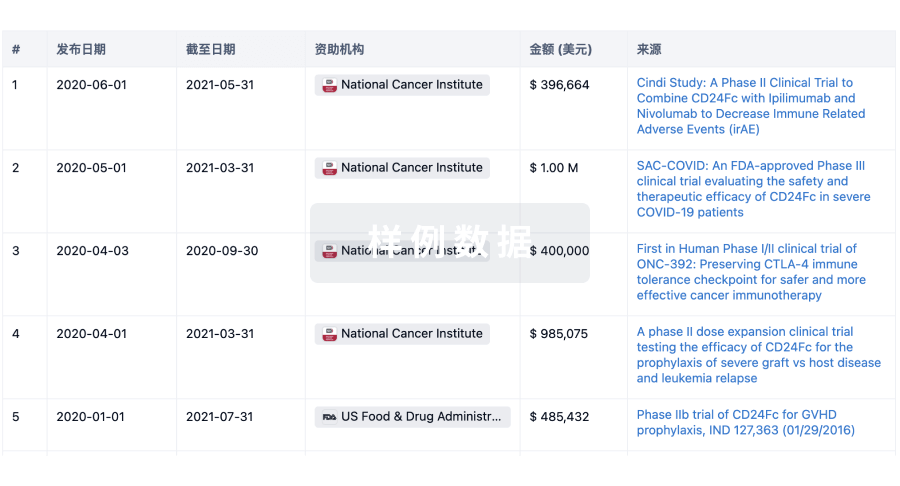
科研基金(NIH)
访问超过 200 万项资助和基金信息,以提升您的研究之旅。
登录
或
投资
深入了解从初创企业到成熟企业的最新公司投资动态。
登录
或
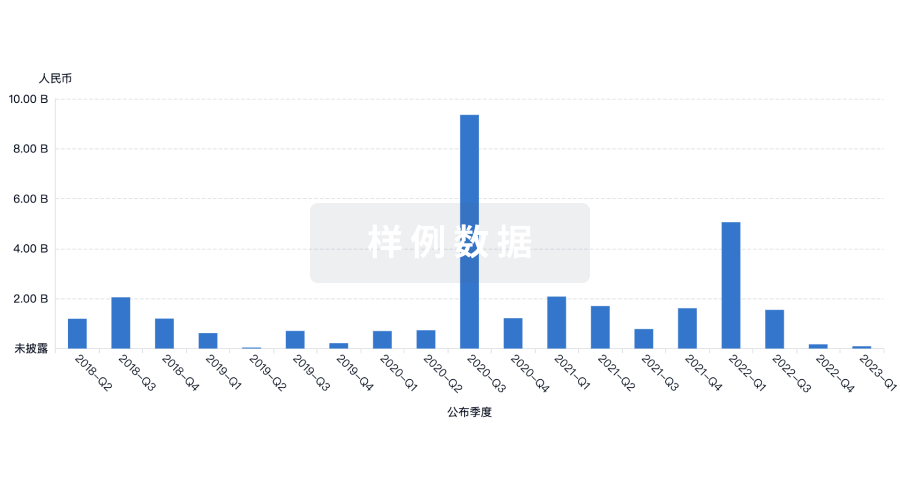
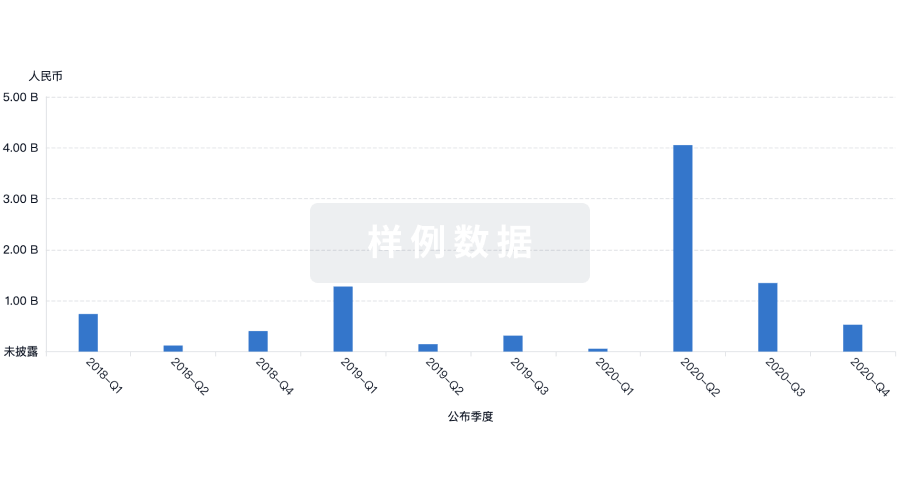
融资
发掘融资趋势以验证和推进您的投资机会。
登录
或
生物医药百科问答
全新生物医药AI Agent 覆盖科研全链路,让突破性发现快人一步
立即开始免费试用!
智慧芽新药情报库是智慧芽专为生命科学人士构建的基于AI的创新药情报平台,助您全方位提升您的研发与决策效率。
立即开始数据试用!
智慧芽新药库数据也通过智慧芽数据服务平台,以API或者数据包形式对外开放,助您更加充分利用智慧芽新药情报信息。
生物序列数据库
生物药研发创新
免费使用
化学结构数据库
小分子化药研发创新
免费使用