预约演示
更新于:2026-01-29

Rich Products Corp.
更新于:2026-01-29
概览
关联
100 项与 Rich Products Corp. 相关的临床结果
登录后查看更多信息
0 项与 Rich Products Corp. 相关的专利(医药)
登录后查看更多信息
7
项与 Rich Products Corp. 相关的文献(医药)2025-11-01·JOURNAL OF DAIRY SCIENCE
Invited review: Manufacture and quality control of mozzarella cheese—Scientific and technological advances
Review
作者: Sharma, Prateek ; Krishnakutty Nair, Pulari ; Verma, Anjali ; Parhi, Ashutos
Mozzarella cheese is one of the most popular cheeses consumed on pizza worldwide. In commercial markets, mozzarella cheese is sold in a variety of formats (e.g., shreds, slices, blocks), and the functionality of mozzarella cheese is determined based on the end use. For example, for pizza applications, mozzarella cheese block is converted into shreds in the factory setting or at home. For minimizing losses during conversion, it is important to have optimum material properties in the block at low temperatures. Good-quality mozzarella cheese shreds are expected to melt, form long stretch, release right amount of free oil, and form an optimum level of brown spots when baked on a pizza. There are various factors controlling baking performance of mozzarella cheese including manufacturing process, composition, and aging. For example, during the first few weeks of refrigerated storage, the unmelted cheese becomes softer, whereas the melted cheese becomes more viscous, less elastic, and extremely stretchable due to continuous breakdown of casein matrix. Thus, the cheese achieves optimum pizza functionality during the aging process. Baking performance of mozzarella cheese can be affected by various factors such as cheese milk, composition of cheese (especially calcium, lactose, and galactose content), proteolysis, and starter cultures, therefore, making it an intriguing research domain by the food industry to deliver improved and consistent products. This review presents the status of manufacturing technology, practices, quality evaluation, and structure-function relationship in mozzarella cheese and their potential use for the cheese industry. Major findings of this review indicate use of waterless extrusion technology to improve process efficiency and performance shelf life, changing formulation to optimize baking performance and use of novel user-friendly techniques for performance evaluation.
2019-07-01·Food chemistry1区 · 农林科学
Comparative analysis of graded blends of palm kernel oil, palm kernel stearin and palm stearin
1区 · 农林科学
Article
作者: Piatko, Michael ; Campbell, Shawn ; Meng, Zong ; Liu, Yuanfa ; Liu, Chunhuan ; Chai, Xiuhang ; Liang, Xinyu
A comprehensive analysis of graded binary and ternary blends of palm kernel oil (PKO), palm kernel stearin (PKS) and palm stearin (POs) was conducted, including solid fat content, iso-solid diagram, thermal properties, polymorphism and microstructure. Both PKO/POs and PKS/POs blends showed eutectic behavior. While PKO/PKS blends displayed good compatibility and only slightly monotectic effect at high temperature (above 30 °C). POs addition elevated binary phase transition temperature and accelerated the β crystal formation. PKO/POs and PKS/POs binaries showed β' polymorphism, β and β' polymorphism, and β polymorphism with different POs additions, while all of PKO/PKS blends showed β' polymorphism. Ternary blends (PKO/PKS/POs) showed eutectic effects, especially at high temperature (25 and 30 °C). POs addition made ternary blends undergo a polymorphism transformation from β' to β. Our findings open up the possibility of non-hydrogenated fat products as well as develop specific food formulations.
2018-11-01·Food chemistry1区 · 农林科学
Visualized phase behavior of binary blends of coconut oil and palm stearin
1区 · 农林科学
Article
作者: Campbell, Shawn ; Piatko, Michael ; Lo, Seong Koon ; Liu, Yuanfa ; Meng, Zong ; Cao, Peirang ; Liu, Chunhuan ; Jiang, Jiang ; Liang, Xinyu
The graded blends of coconut oil (CNO) and palm stearin (POs) phase behavior was studied in the present work, by using pulsed nuclear magnetic resonance (p-NMR), differential scanning calorimetry (DSC) and X-ray scattering (XRD). The kinetic phase diagram which was fitting to DSC data by polynomial equation (R > 0.95), indicated that the CNO-POs binary blends displayed monotectic behavior. The CNO-POs binary system displayed immiscible solid structures (β and β' polymorphism) with the addition of POs in the range of 10-60%, beyond which it showed miscible solid structures (β polymorphism), respectively. Moreover, the presence of POs could elevate the liquid phase transition temperature and transform β' polymorph into β. These variations in phase behavior were reflected in the morphology of the binary blends. Our findings not only broaden the application of CNO and POs with novel attributes, but also direct the production of high quality non-hydrogenated fat-containing products.
2
项与 Rich Products Corp. 相关的新闻(医药)2026-01-21
·知乎专栏
【开刊词|瞭望全球,深耕沃土】乡村振兴,产业为基;融合发展,投资先行。全国农村产业融合联盟全新推出“农业投资专栏”,旨在打造一份专业、前沿的农业资本风向标。本专栏将持续聚焦全球视野下的农业投资动态,深度解读国内产业融合中的资本脉动与政策机遇,汇聚案例、研判趋势、连接资源,为投身农业农村现代化的探索者提供洞察参考。让我们于此,共察投资蓝海,共探产业未来,在广阔的乡村沃土上,耕耘时代新篇。诚邀关注,携手前行!来源:全国农村产业融合发展联盟作者:金融投资部 刘晓东2026年开年红,海外杀虫剂领域并购活跃,国内港交所多家递表。本周(1月12-19日)全球农业科技投资活跃度回升,海外投资聚焦于合成生物、AI育种及精准农业硬件等“硬科技”领域,杀虫剂领域并购活跃,印度塔格罗斯化工收购拜耳全球氟苯虫酰胺(FLB)资产,巴斯夫拟收购害虫防治解决方案商AgBiTech;全球牛油果巨头 Mission Produce拟收购融合老牌水果全产业链公司Calavo Growers,引发果蔬行业震动。此外,加拿大养老金基金PSP战略性入股巴西的柑橘及橙汁生产商Citrosuco,助力其规模扩张。国内产业投资进入休假时间,除了几宗医药领域的大额联合投资之外,投资案例较少。受政策吸引以及背后资本推动,多家公司递表港交所,分析袁记云饺、钱大妈以及COMMUNE(幻师)的招股书,连锁加盟和中台供应链业务已进入红海阶段,在可预见的消费周期中,抢先上市融资,储备粮草再谋扩张,已是必然之选,预计上年内案例将不断涌现。相对来说,COMMUNE(幻师)所代表的新消费场景,显然更具观赏性,也更易受资本追捧,相信可以获得更好的认购。2026年的开年动态清晰地勾勒出全球农业科技发展的双轨路径:海外重在“创新与整合”,农业生产和商业服务业不断涌现小而美的创新案例。国内重在“扩张与变现”,在当下国内外的政经环境下,资本下注更为谨慎,硬科技投资火热,长期持有、陪伴成长的共识也已形成,但投早、投小的积极性仍然有待激发。01、海外农业产业投资案例1.美国MEQ,肉制品服务全球红肉产业年收入超1万亿美元,却是仍然依赖人工检测和主观分级的行业之一。MEQ 公司创始人“雷莫·卡博内(Remo Carbone )”,带领一只由物理学家、肉类科学家和工程师组成的小团队,共同创立了MEQ,致力于肉类供应链现代化改造。MEQ Solutions 开发了成套技术,MEQ平台包括:· MEQ PROBE:用于在动物活体阶段进行早期测量,以预测胴体价值。· MEQ CAMERA:利用客观成像技术最大化胴体价值,实现自动化分级。· MEQ LIVE:为育肥场提供数据支持,优化饲养管理,实现价值导向。· MEQ INSIGHTS:将原始数据转化为可操作的商业洞察,辅助决策制定。MEQ 可以实时提供从牧场到加工车、从活体动物一直到最终胴体成品的全过程的产量评估和质量评估,也是全球唯一一家。目前,MEQ解决方案已在全球范围内部署,被澳大利亚、新西兰、美国和巴西等地的领先肉类加工商、品牌商等采用。日前,MEQ Solutions 获得了 Insight Partners 的A轮投资1500万美元。融资将用于扩充团队人员,并深化与澳大利亚、新西兰、巴西和美国的合作伙伴关系。2.美国BlueNalu,养殖渔业位于美国加州的食品科技初创公司BlueNalu,已获得约1100万美元的新可转换债券和优先股融资,融资由Agronomics、Siddhi Capital 和 Lewis & Clark AgriFood 领投,另有约40家现有投资者参与,其中包括战略合作伙伴格里菲斯食品(Griffith)、Pulmuone 和 Rich Products Corporation。目前,其总融资额已达到1.29亿美元。目前,BlueNalu在加州圣地亚哥(太平洋沿岸)运营着两处设施:一处专门从事核心研发与生物工艺开发,另一处(占地3.8万平方英尺)则专注于技术转移、商业化及小规模生产。公司正筹备建设一座面积达14万平方英尺的大型设施,达产后,每年可生产600万磅产品。全球范围内,蓝鳍金枪鱼养殖实践都很鲜见。2002年日本,近畿大学在全球首次成功实现蓝鳍金枪鱼的完全人工养殖。此后,日本企业一度是蓝鳍金枪鱼养殖主力。近年来,均陆续缩减甚至退出。2025年玛鲁哈日鲁将产量同比缩减8成,日水和极洋等大型水产企业均已退出相关业务。本轮融资也将用于人工养殖蓝鳍金枪鱼“Toro”的商业化进程。BlueNalu已向美国食品药品监督管理局和新加坡官方提交了相关资料,参与了英国的监管沙盒计划,并正进一步深化与沙特阿拉伯、日本、韩国及欧盟的监管合作。一旦美国食品药品监督管理局发出“无异议”函,“Toro”便正式销售。公司计划将产品销往美国的高端寿司店等高级餐厅。迄今为止,在美国只有Wildtype实现了养殖海产品商业化,其寿司级三文鱼已进入多个州的餐厅渠道。3.美国,清洁氨生产商Ammobia 致力于开发低成本、模块化的氨生产系统。日前,公司完成了750万美元的种子轮融资。投资者包括壳牌风险投资(Shell Ventures)、ALIAD (Air Liquide)、MOL Switch(航运公司商船三井的子公司)以及雪佛龙投资(Chevron Technology Ventures)。融资将用于建设试点设施、验证反应堆性能,并为早期客户的商业化示范做好准备。氨是全球第二大化学品,在化肥、化工生产和塑料制造中发挥着核心作用。此外,氨作为海上运输、发电和储能的潜在能源载体。正日益受到关注。然而,传统氨生产依赖于集中式的哈伯-博施工艺装置(Haber-Bosch),在高温高压下运行,通常以天然气为基础。Ammobia 技术可在更低的压力和温度下运行,可将压力降低多达十倍,温度降低150℃,并将合成循环成本降低高达50%。Ammobia 的模块化工厂,旨在使氨生产更靠近终端市场,从而减少对大型集中式设施和长距离运输的依赖。标准化模块可缩短部署周期,并实现可选规模拼装,包括与可再生能源的无缝集成,且无需大规模氢气和天然气储存设施和库存。4.美国Proxima,AI生物技术公司美国纽约的生物技术初创公司Proxima(前身为VantAI),日前获得8000万美元的种子轮融资,由DCVC领投,NVentures(英伟达风险投资部门)、Braidwell、Roivant 和 AIX Ventures等机构参与。Proxima 平台核心是 NeoLink data-generation technology,同时,借助人工智能支撑的三维设计工具,可实现“Proximity-based medicines ”的安全、高效研发。蛋白质组学技术进步支撑“Proximity-based therapeutics”成为现代药物研发领域最具前景的前沿方向之一。5.加拿大BinSentry,饲料供应链管理BinSentry,总部位于位于加拿大安大略省基奇纳(Kitchener)和美国德克萨斯州奥斯汀(Austin),利用人工智能驱动的传感器和实时监测技术,帮助养殖场追踪饲料水平,提供实时的饲喂洞察信息,摆脱传统的人工的方式。同时,帮助饲料厂优化订单管理,大幅降低断料风险,并提升供应链管理效率(及成本)。值得关注的是,其客户留存率更是高达100%。目前,BinSentry已与四大粮商之一的嘉吉(Cargill )、韦恩-桑德森农场及哈诺尔(Hanor)等大型农牧企业合作,已为北美和南美巴西的生猪与家禽养殖户监控超过 4 万个饲料料仓。日前,BinSentry完成C轮融资5000万美元,由Lead Edge Capital领投。资金用于新一轮全球市场拓展。6.英国Biographica,人工智能育种日前,Biographica 完成由 Faber 领投的700万英镑的种子轮融资,EQT 基金会与多家机构投资者共同参与。资金将用于支持平台扩展、商业化推广和实验室能力建设。Biographica 致力于开发用于作物改良的机器学习平台,用于识别与产量提升和抗病性相关的基因靶点。内部基准测试表明,与传统方法相比,该平台的发现准确率更高。目前,Biographica已在罗萨姆斯特德研究机构(Rothamsted Research)开设了首个实验室,与包括巴斯夫(BASF | Nunhems and Cibus.Biographica)在内的种业公司合作。7.英国Notpla,生物质材料日前,英国可持续包装公司Notpla及其14家合作机构,从“欧洲地平线”计划( the Horizon Europe programme )获得400万欧元(约合470万美元)资助,用于研发一种无塑料、可家庭堆肥的咖啡杯。8.德国,RNAi生物农药SenseUP,总部位于德国科隆,是尤利希研究中心(FZJ)生物技术研究所的衍生企业,是欧洲知名的生物技术创业公司。公司致力于生物农药开发,专注于RNAi农药的研发及应用。日前,公司获得300万欧元(350万美元)种子轮融资,由西蒙资本(Simon Capital), Rockstart、CHECK24 Impact和HBG Ventures共同投资。此前,2025年5月,SenseUP刚刚完成240万欧元融资,由 Capnamic 领投、HBG Ventures 等机构参与。RNA农药的主要挑战在稳定性(RNA本身固有的不稳定性),成本,以及应用广度(作为一种精准工具,双链RNA旨在针对特定害虫进行攻击,而非一次性应对多种害虫,而这正是许多农民所期望的)。SenseUP的专利技术能够应对所有这三个挑战:稳定性:SenseUP 将 dsRNA 包裹在宿主微生物(棒状杆菌)细胞壁内。这使得该生物农药能够在室温下保存18个月以上,“只要不过于潮湿,就能一直有效”。成本管理:通过高产菌株的“fluorescence activated cell sorting(荧光激活细胞分选技术)”,SenseUP筛选了数百万个菌株,快速确定最佳宿主候选,从而实现生物农药的低成本生产,其价格有望与合成化学品相媲美。值得注意,SenseUP没有选择主流的大肠杆菌作为底盘细胞,而是选择“棒状杆菌(Corynebacterium)”作为底盘细胞。应用广度:通过在单个细胞中组合多种双链RNA序列,SenseUP开发的混合版生物农药,一次性防治多种害虫,而无需推出多款单独产品,且每种产品单独获得监管批准。2025年夏天,SenseUP进行了首次田间试验,效果非常好。目前,公司正在开发大约15种产品。SenseUP的核心竞争对手,包括:美国AgroSpheres,刚刚完成B轮融资,B轮融资额达到3700万美元。美国 GreenLight Biosciences的靶向马铃薯甲虫农药ledprona,已获得美国环境保护署批准,并在美国13个州进使用。国内的相似企业包括上海硅羿科技、上海植生优谷等。9.法国Spore.Bio,微生物检测法国生物科技公司Spore.Bio,总部位于巴黎,致力于开发基于人工智能的微生物检测技术。日前,获得Google 人工智能基金(The AI for Science Fund)的数百万欧元融资,并启动人工智能研究部门Spore.Labs。目前,微生物检测通常需要五到二十天,且需将样本送至外部实验室进行检测。Spore.Bio 提供了一种即时的现场检测的解决方案。并与全球200家食品、制药和化妆品工厂签署了合作协议,还与巴斯德研究所达成合作,利用法国基金会的菌株库对自身模型进行训练。其专有技术融合了生物光子学(biophotonics )与机器学习技术,可采集样品在可见光、紫外和近红外波长范围内的信号,在单细胞水平上获取微生物的独特光谱指纹。可在工厂内短短几分钟内完成样品分析。10.法国MYCOPHYTO,生物刺激素MYCOPHYTO基于人工智能技术,研发菌根生物刺激剂,以提升作物抗逆性和土壤健康。日前,MYCOPHYTO 完成1600万欧元A轮融资。本轮融资由创新通讯(Innovacom)、法国巴黎银行(BNP Paribas)以及 Deep Tech 2030基金 领投,其他投资人包括CDG Invest、Noshaq、RSI和法国农业信贷银行(Crédit Agricole)。融资将用于建设首个生产设施建设及国际扩张。目前,公司在西班牙和摩洛哥的业务将得到加强。同时,既将进入科特迪瓦和比荷卢等更多地区。11.法国Equitable Earth,碳汇市场服务公平地球(Equitable Earth ),成立于2020年,总部位于法国巴黎,专注于为碳汇市场提供标准认证等平台型服务。公平地球的认证计划已获得自愿性碳交易市场诚信委员会(ICVCM)核心碳原则(CCPs)的正式批准。日前,Equitable Earth完成1260万欧元(1470万美元)融资。12.法国 Quideos ,价格风险管理法国金融科技公司Quideos,完成一轮520万欧元的融资,由 Breega 和 Demea 联合领投,Groupe、农业信贷银行(Crédit Agricole)与现有投资者 Clint Capital 参与。Quideos的价格风险管理业务,主要针对未能在商品交易所上市的农产品,包括水果、蔬菜、肉类和乳制品等品类,针对购销价格进行套期保值。最近,公司还获得了法国监管机构颁发的第二类投资公司牌照。13.荷兰Mosa Meat,替代肉(培育肉)日前,Mosa Meat 完成一轮1500万欧元(1760万美元)融资,由国有投资人Invest-NL和LIOF、德国肉类生产商 PHW 集团,以及 Just Eat 创始人 Jitse Groen 共同领投。历史投资人包括Lowercarbon Capital、M Ventures、Nutreco, Mitsubishi(三菱)以及莱昂纳多·迪卡普里奥(Leonardo DiCaprio)。截至目前,Mosa Meat 融资总额已达1.5亿欧元(1.76亿美元)。Mosa Meat 成立于2016年。其首席科学官马克·波斯特(Mark Post)于2013年研制出了世界上首个实验室培育的牛肉汉堡,当时买家为此支付了约25万欧元。那位买家正是谷歌的联合创始人谢尔盖·布林(Sergey Brin)。目前,Mosa Meat 在荷兰东南部马斯特里赫特的工厂,已拥有1,000升规模的生物反应器。其培育肉成本也已基本满足餐厅销售要求。未来可能陆续添置5,000升规模容器,从而实现成本的进一步降低。Mosa Meat 正在英国、欧盟、瑞士和新加坡接受监管审查,以备进入新的区域市场。欧盟将首先由欧洲食品安全局开展为期九个月的全面风险评估,随后进入为期七个月的风险管理流程。最终,欧盟各成员国将对产品是否获得批准拥有本土市场决定权。14.荷兰 Protein Brewery,替代乳日前,荷兰 Protein Brewery 获得欧盟230万欧元(约合270万美元)资助,用于推进真菌源原料“Fermotein”的商业化进程,重点是开发替代乳制品。近期,Protein Brewery 还获得了欧盟支持的加速器EIT Food提供的57万欧元(66.5万美元)资助。Fermotein 是一种全细胞生物制品(whole-cell bioproduct),源自耐受极端环境的真菌“根霉菌(Rhizomucor pusillus)”,经过生物发酵、筛分、巴氏杀菌、干燥处理和研磨。目前,公司在中试车间生产该产品,每天可产出100公斤菌蛋白。15.芬兰Mö Foods lands,植物基奶酪Dairy farm 的姐妹公司“ Mö Foods lands”,日前获得240万欧元融资,以扩大其植物基(燕麦)奶酪的生产规模。16.丹麦 Bactolife,肠道健康产品日前,丹麦生物技术初创公司 Bactolife 获得3000万欧元(3500万美元)B轮融资,资金将用于在美国肠道健康市场推广,以及面向婴儿配方奶粉、膳食补充剂、功能性食品和饲料添加剂这人兽两大应用场景的产品的商业化,并启动一项人体研究计划。17.澳大利亚 GrazeMate,生物资产管理系统年仅19岁、热衷于机器人技术和机器学习的萨姆·罗杰斯(Sam Rogers),打造了一款牛群管理平台“GrazeMate”。平台基础大疆无人机,采用专有的强化学习模型,使无人机能够实时自主地对牛群行为作出反应。GrazeMate 的第一代产品通过手机应用程序进行控制,专注于驱赶牛群(轮牧系统)。无人机飞越牛群上方,将牛从一个区域转移到另一个区域。或根据季节需求将牛从牧场转移到围栏区(或反之)。此外,无人机还能拍摄水槽和围栏线的照片,让牧场主一目了然地判断是否需要采取行动。第二代产品正处于测试阶段,集成了更先进的分析功能,使牧场主能够估算牛只体重和干物质的可利用量。目前,GrazeMate正与昆士兰和新南威尔士的两家农场试点合作,覆盖面积超过170万英亩。其商业模式是向客户出租无人机,并提供软件服务,客户按月支付费用。日前,GrazeMate 获得Y Combinator领投、Antler、NextGen Ventures以及澳大利亚肉类与畜牧业协会跟投的120万美元种子轮融资。在海外,高价值生物资产管理的创新踊跃,已有多家初创公司推出用于牲畜移动与监测的技术,从太阳能智能项圈(Halter, NoFence),由操作员控制的无人机(SkyKelpie)等。尤其是生物资产估值系统,以及生物资产(物流)跟踪管理系统,因明确的商业价值,创新和应用均较活跃。18.澳大利亚All G,重组蛋白日前,澳大利亚初创的重组蛋白企业All G,与法国乳制品原料供应商Armor Protéines成立合资企业,推进精准发酵生产的人源和牛源乳铁蛋白的商业化进程。此前,All G刚刚通过可转换票据,从包括Agronomics和Döhler Ventures在内的新老投资者处筹集了1000万澳元(660万美元)。目前,All G正积极筹备于2026年第一季度推出其首款产品“重组牛乳铁蛋白”,并将在今年晚些时候上市人乳铁蛋白。Armor Protéines是全球乳业巨头 Savencia 集团旗下公司,是全球三大牛乳铁蛋白生产商之一,拥有庞大且成熟的分销网络。All G将充分利用Armor Protéines的科学专长、分销渠道,以及与婴幼儿配方奶粉、成人营养品和膳食补充剂领域领先企业的长期合作关系。19.巴西Harmony Baby,替代乳日前,Harmony Baby(和谐宝贝)从巴西政府获得3180万雷亚尔(580万美元)资金,用于通过发酵技术开发仿母乳配方奶粉,并建立一个新的研发中心。该项目是是巴西发展银行(BNDES)与巴西创新署(Finep)为在巴西建立科研与创新中心,而开展的公开招标项目的一部分。20.巴西Citrosuco,水果全产业链企业巴西的柑橘及橙汁生产商Citrosuco,获得加拿大养老金基金(PSP Investments)投资,PSP成为Citrosuco的小规模股东。PSP 管理的总资产规模接近3000亿加元,其自然资源团队,在农业和林木资产领域积累了深厚的投资经验,包括对长期作物(Permanent Crops)投资。PSP带来了长期资本和运营洞察,有助于支持Citrosuco在柑橘生产和加工领域的增长,也有助于公司开拓多元化机遇。此前,2022年,Citrosuco推出了Evera部门,专注于柑橘类衍生原料,如精油、芳香馏分和纤维产品。目前,Evera部门已在巴西和美国设有制造工厂,为食品、饮料、香精和香料行业的客户提供原料。融资后,Citrosuco正全力推进大规模增长战略,以快速步伐扩大果园规模,重点布局于圣保罗州的主要柑橘产区。根行业报告引用的Preqin数据, 公共养老金基金历来是农业和农地投资中机构投资者的最大组成部分,其占比约达20%,与主权财富基金和捐赠基金并驾齐驱。包括加拿大PSP投资公司以及美国TIAA等多家大型养老金基金,至今仍是农业资产的最大机构持有者之一。02、中国农业产业投资案例1.上海经海纬象,生物质新材料日前。上海经海纬象生物材料完成近亿元B 轮融资,本轮融资由嘉植基金独家投资。此轮融资将为公司核心技术攻关、产能建设与市场拓展注入强劲动能,助力公司在生物基材料赛道实现跨越式发展。自2020年成立以来,经海纬象始终聚焦“AI +合成生物+生物基材料”的闭环创新,利用生物制造技术建设绿色低碳的超级细胞工厂,构建了“非粮生物质-乳酸-丙交酯-PLA-制品-rPLA回收”的全产业链布局,打造了覆盖“材料合成+产业化应用”的生物基材料一体化生产体系。公司核心产品聚乳酸(PLA)作为一种性能优异的生物基可降解材料,具有良好的生物相容性、可降解性和加工性能,广泛应用于快消日化、食品饮料、农业、3D打印、纺织纤维、生物医药、高端制造等多个领域。2.林里 LINLEE ,茶饮品牌日前,柠檬茶品牌「林里 LINLEE 」完成了数千万 A 轮融资,前海方舟基金为独家投资方,估值近10亿元。2018年,LINLEE创建于广东湛江,原名“昌盛鄰里”。2021 年,获得三七互娱数千万天使轮投资。2021年7月,全面启用“LINLEE”品牌。目前,已成为中国领先的柠檬茶品牌,专注于提供清爽低负担的茶饮,门店覆盖全国31个省份。本轮资金主要用于品牌建设,供应链升级及组织升级。3.氢氧方舟,饮水解决方案日前,富氢水机一站式服务商“氢氧方舟”,完成2000万元人民币天使轮融资。本轮融资将主要用于技术研发迭代、全国社区水站网络拓展及品牌建设。氢氧方舟成立于2025年4月,是一家科技创新驱动的健康饮水解决方案提供商。目前,其产品与服务已覆盖全国200余个社区。4. 中联金地,农业开发商中联金地农业集团成立于2024年12月,总部位于南宁青秀区,聚焦智慧农业全生命周期运营,业务涵盖智能农业管理、土地整治、新能源农业配套、农产品产销等领域,目前已对外投资10家企业,在广西、云南、贵州等多地布局重点智慧农业项目,总投资规模超38亿元。在科研支撑方面,企业构建了“院校合作+技术自研+成果转化”的三维科研体系,核心竞争力持续凸显。一方面,与中国农业科学院、西北农林科技大学等顶尖科研院校建立深度合作,聚焦植物工厂核心技术、特色品种培育等领域开展攻关;另一方面,联合中联西北院等专业机构签订全咨服务项目协议,加速智慧农业技术与工程落地融合,目前已构建涵盖仿生环境调控、农光互补、人工智能应用的全链条技术体系。日前,广西中联金地完成8000万元A轮融资,资金将重点用于科研团队扩容、技术成果转化及乡村振兴配套项目落地。5.上海瑞宙生物,医疗医药日前,上海瑞宙生物完成2 亿元 B 轮融资。本轮融资由瑞力合成生物基金领投,凯乘资本担任独家财务顾问。资金将用于公司核心产品 24 价肺炎链球菌多糖结合疫苗在成人和婴幼儿适应症方面的临床研究与上市推进工作,以及新型流脑疫苗的研发和管线布局。6.上海原启生物,医疗医药日前,全球创新肿瘤免疫疗法领军企业,上海原启生物(Oricell)完成7000万美元的C1轮融资。本轮融资由北京市医药健康产业投资基金、启明创投及一家全球领先的医疗基金领投,某国际主权基金、NGS(澳大利亚养老基金)、亦庄国投、骊宸投资、瑞锋资本等机构跟投。7.深圳希格生科,医疗医药日前,深圳希格生科完成8000万元人民币的A轮融资。本轮融资由晶泰科技、松禾资本、智生协同、天图雅亿资本以及蓝海资本联合投资。融资将主要用于推进公司首条管线SIGX1094的全球二期临床试验,以及第二条管线SIGX2649的IND申报与一期临床试验,进一步拓展公司在恶性转移性实体瘤靶向治疗领域的布局。8.成都赜灵生物,医疗医药日前,成都赜灵生物完成近6亿元人民币C轮融资。本轮融资由淡马锡间接全资持有的淡明资本集团旗下基金和启明创投共同领投,腾讯投资、蓝驰创投、建发新兴投资、上海科创基金跟投;现有股东五源资本、华金资本、国生资本、四川科创投集团持续加持。资金将重点支持用于全球临床研发、研发管线拓展及技术平台升级。赜灵生物成立于2019年,是一家临床后期阶段的生物技术公司。公司融合结构生物学、人工智能与临床级疾病模型,打造了一体化新药研发核心技术平台,致力开发具有“同类首创(First-in-class)”或”同类最佳(Best-in-class)”潜力的高度差异化小分子疗法。公司聚焦于血液系统疾病、肿瘤、中枢神经系统(CNS)及炎症、免疫(I&I)等领域。03、产业上市及并购动态1.印度塔格罗斯化工(Tagros Chemicals )收购拜耳(Bayer)的全球氟苯虫酰胺(FLB)资产双方已签署一项最终协议,塔格罗斯化工将收购拜耳在拉美、欧洲、中东和非洲以及亚太地区的氟苯虫酰胺(FLB)业务资产。该交易包括与FLB活性成分相关的配方,包括BELT、FAME、FENOS、FENOS QUICK、BELT EXPERT和TIHAN等成熟商标,以及产品注册、技术数据及库存等资产。该交易标志着塔格罗斯通过其新成立的实体Arqivo公司,战略性地进入B2C配方市场,并帮助塔格罗斯进入超过25个国际市场的渠道,并巩固了其在双酰胺杀虫剂领域的地位。2.巴斯夫(BASF)拟收购害虫防治解决方案商AgBiTech巴斯夫(BASF)与私募股权公司Paine Schwartz Partners达成一项收购意向,收购其持有的害虫防治解决方案商AgBiTech的股权。预计收购将于今年上半年完成。AgBiTech总部位于美国沃思堡,率先使用基于天然病毒开发的害虫防治技术,已在美国、巴西和澳大利亚开展商业化运营。3.果蔬行业Mission Produce收购融合Calavo Growers全球牛油果巨头 Mission Produce 宣布收购拥有百年历史的同行 Calavo Growers。交易金额约 4.3亿美元 ,支付方式:Cash-and-Stock,现金加股票。Calavo Growers 的股东将获得每股 27.00 美元的回报。这一价格较 Calavo Growers 近期的平均交易价格溢价约 26%。具体构成是每股获得 14.85 美元现金,以及 0.9790 股 Mission Produce 的股票。交易完成后,原 Mission Produce 的股东将持有新公司约 80.3% 的股份,而原 Calavo Growers 的股东将持有剩余的 19.7% 。Calavo Growers (NASDAQ: CVGW)成立于100多年前,已建立起覆盖全球的牛油果、番茄和木瓜采购网络,并不断拓展包括鳄梨酱和莎莎酱在内的增值产品组合。Mission Produce (NASDAQ: AVO)运营着一条完整的牛油果业务链,涵盖种植、包装、后熟、物流及区域分销等各个环节。战略意义与影响:业务互补与扩张: 此次收购将强化 Mission Produce 垂直整合的牛油果平台。Calavo Growers 在墨西哥和加州的业务根基,以及其在即食食品(如牛油果酱)方面的生产能力,将被纳入 Mission Produce 的全球分销网络。成本协同效应:预计在交易完成后的 18 个月内,新公司能实现约 2500万美元的年化成本协同效益,有助于提升现金流和盈利能力。领导层安排:交易完成后,Mission Produce 的联合创始人 Steve Barnard 将担任执行董事长,总裁 John Pawlowski 将出任首席执行官。总的来说,这不仅是两家行业巨头的合并,也被视为重塑牛油果行业格局的重要里程碑。该交易已获得两家公司的董事会批准,预计将于2026年8月底前完成交割。4.Cultura Technologies 收购 BIG Consulting 以拓展农业领域数据分析能力Cultura Technologies是美国农业领域的领先的软件服务商。BIG咨询公司成立于2015年,通过行业研究报告和战略咨询,将复杂的农业数据集转化为可操作的行业及企业洞察。在美国中西部地区,在农学、能源、饲料、谷物、零售和金融等领域,拥有丰富经验。被收购后,BIG咨询将继续以现有品牌进行运营。5.中国餐酒吧龙头极物思维(COMMUNE/幻师)递表港交所COMMUNE(幻师)与海伦司聚焦平价酒饮不同,主打全时段运营、“日餐夜酒”的复合业态。根据弗若斯特沙利文报告,2022年至2024年,以营业收入计,COMMUNE 连续三年位列中国餐酒吧品牌第一,2024年市场份额约7.8%,是第二及第三大竞争对手合计市占率的约两倍。截至2025年9月30日,COMMUNE幻师在全国40个城市运营着112家直营餐酒吧。其中,有109家餐酒吧以COMMUNE幻师品牌经营(各自为“COMMUNE幻师门店”),包括COMMUNE幻师标准店及COMMUNE幻师臻选店。这些门店均战略性布局于人流量大、曝光度高的城市核心商圈,白天为顾客提供质优价美的多样化食品,入夜后,则转变为与朋友进行餐后社交饮酒的社交聚集地。通过多时段的运营覆盖早午餐、下午茶、晚餐及夜间酒市等多场景需求。据招股书信息,2023年至2024年,公司营业收入从8.45亿元增至10.74亿元,同比增幅达27.1%;2025年前九个月营收达8.72亿元,较上年同期的7.64亿元又同比增长14.2%。6.袁记云饺递表港交所2026年1月12日,袁记食品集团股份有限公司(袁记食品)在香港联交所递交上市申请,联席保荐人为华泰国际和广发证券。招股书显示,其旗下拥有餐饮加盟品牌“袁记云饺”和零售品牌“袁记味享”。分析袁记食品招股书,可以得出:靠加盟、拼规模、薄利游戏的结论。自2023年到2025年前三季度,袁记云饺的门店总数从1990家增加至4266家。其中,加盟店占门店总数95%以上。同时,袁记云饺主要收入来源是向加盟商销售食材,即通过在工厂生产馅料、面皮及其他食品,出售给加盟店,加盟店再通过堂食、熟食及生食的外带与外卖,向消费者销售食品。2023全年、2024全年、2025年前九个月,其营收分别为20.2亿元、25.6亿元、19.8亿元。2023全年、2024全年、2025年前九个月袁记食品的门店总GMV分别为47.72亿元、62.48亿元、47.89亿元;门店总订单量为1.8亿单、2.5亿单、2.1亿单。平均每单售价(GMV口径,即消费者实际支付金额)为26.5元、24.9元、22.8元,出现持续下降的趋势。从盈利情况看,同期内,公司整体经调整净利润分别为1.79亿元、1.80亿元、1.92亿元;毛利分别为5.25亿元、5.88亿元、4.9亿元;毛利率分别为25.9%、23%和24.7%。袁记云饺的平均每单毛利(营收口径,即企业层面单均贡献毛利)为2.9元、2.4元、2.3元;单均净利润(营收口径,即企业层面单均最终盈利)为0.99元、0.72元、0.91元。单均消费持续下探的同时,其单均毛利、单均利润始终保持低位。换言之,消费者每花23元吃一碗饺子,门店的毛利约为2.3元,而公司的净利润还不足1元。截至2025年三季度,袁记食品拥有5大工厂和24个仓库,2024年库存周转12.1天,明显低于中式快餐行业约25天的平均水平。高效的供应链周转能力,意味着更低的库存损耗和更强的成本可控性,是其低单均利润可持续的重要保障。袁记食品主要赚取的是向加盟商供货的差价,而非终端溢价,导致其单店盈利能力远低于高客单价的餐饮品牌。这一模式在订单高速增长阶段具备效率优势,一旦订单增速放缓,固定成本和供应链成本的压力将迅速显现。7.钱大妈递表港交所社区生鲜电商“华南霸主”钱大妈,近年发展颇为坎坷,2021年曾传上市未遂,之后遭遇增长瓶颈。2026年1月12日,钱大妈披露招股书,正式闯关港交所。作为社区生鲜领域的领先品牌,钱大妈主打“不卖隔夜肉”的折扣日清策略,曾是其快速崛起的关键。招股书显示,在中国社区生鲜连锁企业中连续五年GMV(商品交易总额)排名第一。华南地区是其主阵地,它的GMV是该区域第二大市场参与者的2.8倍。截至2025年9月,钱大妈共有2938家门店,其中99%是加盟店(2898家),近七成(2014家)集中在华南市场。近三年,钱大妈从高速扩张转向稳健运营:2023年及2024年全年营收稳定在117亿元左右,2025年前三季度营收(83.6亿元)则出现同比下滑;经调整净利润从2023年的1.2亿元增长至2025年前9个月的2.2亿元。其招牌的日清模式,部分解决了行业的核心痛点——损耗,通过折扣强制出清,实现库存高周转。招股书显示,其绝大多数生鲜产品在综合仓内的周转时间不超过12小时,远低于行业平均的2-4天。配合16个综合仓、超过120家物流合作伙伴以及日均超800辆冷链车的供应链体系支撑,日清模式得以高效运转,成为钱大妈规模化运营的前提。然而,日清模式也限制了公司的盈利空间和增长空间,尤其是毛利率水平。招股书显示,2023年和2024年、以及2025年前三季度,钱大妈的整体毛利率分别为9.8%、10.2%和11.3%。尽管有所提升,但仍明显低于主打精品生鲜、即时配送的同行。后者毛利率普遍在20%-30%区间。招股书显示,钱大妈的收入中97%来自向加盟商销售产品。而加盟商的加盟意愿和进货情况,直接取决于终端门店的销售和利润情况,从而形成了一种连锁反映:单店增长瓶颈制约加盟商拓展意愿,进而限制公司整体营收增长。总得来看,生鲜零售的盈利增长终究要回归单店效率的提升,而日清模式下的低毛利、消费习惯固化等问题,恰恰制约了单店盈利能力的突破,也为钱大妈的后续发展埋下了不确定性。上市或许能为其提供新的资金支持,但要从一个区域龙头成长为全国性的生鲜巨头,钱大妈需要讲述一个比“不卖隔夜肉”更有想象空间、也更具可行性的新故事。04、行业产品创新1.美国PowerPollen 和 Oxbo推出首个用于玉米种子生产的机械化授粉系统截至目前,授粉仍然是制约作物产量潜力的关键因素,尤其是在玉米种子生产中,授粉时机尤为关键。天气变化,包括高温、干旱和洪涝,都可能干扰以自然风力为基础的授粉过程。PowerPollen的专利系统旨在以最佳时机采集、保存和施用花粉。该技术通过提高结实率并降低与环境条件相关的变异性,已在商业田地中实现了超过20%的增产效果。上图中,PowerPollen的第二代授粉技术与Oxbo的5180 high-clearance power units 动力装置结合,标志着PowerPollen商业模式的一次重要转型。2026年后,种子公司及其服务提供商可直接购置完整的授粉单元,而无需再采购合同授粉服务。05、行业阅读Dealroom发布《2025年欧洲衍生企业报告( European Spinout Report 2025)》,指出欧洲大学及其研究室和实验室一直是“深度科技宝库(Deep tech treasure trove)”。如今,这些学术衍生企业已汇集成一条价值3980亿美元的稳固的初创企业链,其中,有76家已达到10亿美元估值、1亿美元营收,包括Iceye、IQM、Isar Aerospace、Synthesia和Tekever等独角兽企业。2025年,这些学术衍生企业筹集了接近历史最高水平的91亿美元。相比之下,欧洲整体风险投资资金规模较2021年的峰值已下降近50%。
并购
2026-01-19
·疯投日记
一、海外农业产业投资案例
1.美国MEQ,肉制品服务
全球红肉产业年收入超1万亿美元,却是仍然依赖人工检测和主观分级的行业之一。
MEQ 公司创始人“雷莫·卡博内(Remo Carbone )”,带领一只由物理学家、肉类科学家和工程师组成的小团队,共同创立了MEQ,致力于肉类供应链现代化改造。MEQ Solutions 开发了成套技术,MEQ平台包括:
· MEQ PROBE:用于在动物活体阶段进行早期测量,以预测胴体价值。
· MEQ CAMERA:利用客观成像技术最大化胴体价值,实现自动化分级。
· MEQ LIVE:为育肥场提供数据支持,优化饲养管理,实现价值导向。
· MEQ INSIGHTS:将原始数据转化为可操作的商业洞察,辅助决策制定。
MEQ 可以实时提供从牧场到加工车、从活体动物一直到最终胴体成品的全过程的产量评估和质量评估,也是全球唯一一家。目前,MEQ解决方案已在全球范围内部署,被澳大利亚、新西兰、美国和巴西等地的领先肉类加工商、品牌商等采用。
日前,MEQ Solutions 获得了 Insight Partners 的A轮投资1500万美元。融资将用于扩充团队人员,并深化与澳大利亚、新西兰、巴西和美国的合作伙伴关系。
2.美国BlueNalu,养殖渔业
位于美国加州的食品科技初创公司BlueNalu,已获得约1100万美元的新可转换债券和优先股融资,融资由Agronomics、Siddhi Capital 和 Lewis & Clark AgriFood 领投,另有约40家现有投资者参与,其中包括战略合作伙伴格里菲斯食品(Griffith)、Pulmuone 和 Rich Products Corporation。目前,其总融资额已达到1.29亿美元。
目前,BlueNalu在加州圣地亚哥(太平洋沿岸)运营着两处设施:一处专门从事核心研发与生物工艺开发,另一处(占地3.8万平方英尺)则专注于技术转移、商业化及小规模生产。公司正筹备建设一座面积达14万平方英尺的大型设施,达产后,每年可生产600万磅产品。
全球范围内,蓝鳍金枪鱼养殖实践都很鲜见。2002年日本,近畿大学在全球首次成功实现蓝鳍金枪鱼的完全人工养殖。此后,日本企业一度是蓝鳍金枪鱼养殖主力。近年来,均陆续缩减甚至退出。2025年玛鲁哈日鲁将产量同比缩减8成,日水和极洋等大型水产企业均已退出相关业务。
本轮融资也将用于人工养殖蓝鳍金枪鱼“Toro”的商业化进程。BlueNalu已向美国食品药品监督管理局和新加坡官方提交了相关资料,参与了英国的监管沙盒计划,并正进一步深化与沙特阿拉伯、日本、韩国及欧盟的监管合作。
一旦美国食品药品监督管理局发出“无异议”函,“Toro”便正式销售。公司计划将产品销往美国的高端寿司店等高级餐厅。迄今为止,在美国只有Wildtype实现了养殖海产品商业化,其寿司级三文鱼已进入多个州的餐厅渠道。
3.美国,清洁氨生产商
Ammobia 致力于开发低成本、模块化的氨生产系统。
日前,公司完成了750万美元的种子轮融资。投资者包括壳牌风险投资(Shell Ventures)、ALIAD (Air Liquide)、MOL Switch(航运公司商船三井的子公司)以及雪佛龙投资(Chevron Technology Ventures)。融资将用于建设试点设施、验证反应堆性能,并为早期客户的商业化示范做好准备。
氨是全球第二大化学品,在化肥、化工生产和塑料制造中发挥着核心作用。此外,氨作为海上运输、发电和储能的潜在能源载体。正日益受到关注。然而,传统氨生产依赖于集中式的哈伯-博施工艺装置(Haber-Bosch),在高温高压下运行,通常以天然气为基础。Ammobia 技术可在更低的压力和温度下运行,可将压力降低多达十倍,温度降低150℃,并将合成循环成本降低高达50%。
Ammobia 的模块化工厂,旨在使氨生产更靠近终端市场,从而减少对大型集中式设施和长距离运输的依赖。标准化模块可缩短部署周期,并实现可选规模拼装,包括与可再生能源的无缝集成,且无需大规模氢气和天然气储存设施和库存。
4.美国Proxima,AI生物技术公司
美国纽约的生物技术初创公司Proxima(前身为VantAI),日前获得8000万美元的种子轮融资,由DCVC领投,NVentures(英伟达风险投资部门)、Braidwell、Roivant 和 AIX Ventures等机构参与。
Proxima 平台核心是 NeoLink data-generation technology,同时,借助人工智能支撑的三维设计工具,可实现“Proximity-based medicines ”的安全、高效研发。蛋白质组学技术进步支撑“Proximity-based therapeutics”成为现代药物研发领域最具前景的前沿方向之一。
5.加拿大BinSentry,饲料供应链管理
BinSentry,总部位于位于加拿大安大略省基奇纳(Kitchener)和美国德克萨斯州奥斯汀(Austin),利用人工智能驱动的传感器和实时监测技术,帮助养殖场追踪饲料水平,提供实时的饲喂洞察信息,摆脱传统的人工的方式。同时,帮助饲料厂优化订单管理,大幅降低断料风险,并提升供应链管理效率(及成本)。值得关注的是,其客户留存率更是高达100%。
目前,BinSentry已与四大粮商之一的嘉吉(Cargill )、韦恩-桑德森农场及哈诺尔(Hanor)等大型农牧企业合作,已为北美和南美巴西的生猪与家禽养殖户监控超过 4 万个饲料料仓。
日前,BinSentry完成C轮融资5000万美元,由Lead Edge Capital领投。资金用于新一轮全球市场拓展。
6.英国Biographica,人工智能育种
日前,Biographica 完成由 Faber 领投的700万英镑的种子轮融资,EQT 基金会与多家机构投资者共同参与。资金将用于支持平台扩展、商业化推广和实验室能力建设。
Biographica 致力于开发用于作物改良的机器学习平台,用于识别与产量提升和抗病性相关的基因靶点。内部基准测试表明,与传统方法相比,该平台的发现准确率更高。
目前,Biographica已在罗萨姆斯特德研究机构(Rothamsted Research)开设了首个实验室,与包括巴斯夫(BASF | Nunhems and Cibus.Biographica)在内的种业公司合作。
7.英国Notpla,生物质材料
日前,英国可持续包装公司Notpla及其14家合作机构,从“欧洲地平线”计划( the Horizon Europe programme )获得400万欧元(约合470万美元)资助,用于研发一种无塑料、可家庭堆肥的咖啡杯。
8.德国,RNAi生物农药
SenseUP,总部位于德国科隆,是尤利希研究中心(FZJ)生物技术研究所的衍生企业,是欧洲知名的生物技术创业公司。公司致力于生物农药开发,专注于RNAi农药的研发及应用。
日前,公司获得300万欧元(350万美元)种子轮融资,由西蒙资本(Simon Capital), Rockstart、CHECK24 Impact和HBG Ventures共同投资。此前,2025年5月,SenseUP刚刚完成240万欧元融资,由 Capnamic 领投、HBG Ventures 等机构参与。
RNA农药的主要挑战在稳定性(RNA本身固有的不稳定性),成本,以及应用广度(作为一种精准工具,双链RNA旨在针对特定害虫进行攻击,而非一次性应对多种害虫,而这正是许多农民所期望的)。SenseUP的专利技术能够应对所有这三个挑战:
· 稳定性:SenseUP 将 dsRNA 包裹在宿主微生物(棒状杆菌)细胞壁内。这使得该生物农药能够在室温下保存18个月以上,“只要不过于潮湿,就能一直有效”。
· 成本管理:通过高产菌株的“fluorescence activated cell sorting(荧光激活细胞分选技术)”,SenseUP筛选了数百万个菌株,快速确定最佳宿主候选,从而实现生物农药的低成本生产,其价格有望与合成化学品相媲美。值得注意,SenseUP没有选择主流的大肠杆菌作为底盘细胞,而是选择“棒状杆菌(Corynebacterium)”作为底盘细胞。
· 应用广度:通过在单个细胞中组合多种双链RNA序列,SenseUP开发的混合版生物农药,一次性防治多种害虫,而无需推出多款单独产品,且每种产品单独获得监管批准。
2025年夏天,SenseUP进行了首次田间试验,效果非常好。目前,公司正在开发大约15种产品。
SenseUP的核心竞争对手,包括:美国AgroSpheres,刚刚完成B轮融资,B轮融资额达到3700万美元。美国 GreenLight Biosciences的靶向马铃薯甲虫农药ledprona,已获得美国环境保护署批准,并在美国13个州进使用。国内的相似企业包括上海硅羿科技、上海植生优谷等。
9.法国Spore.Bio,微生物检测
法国生物科技公司Spore.Bio,总部位于巴黎,致力于开发基于人工智能的微生物检测技术。日前,获得Google 人工智能基金(The Google.org AI for Science Fund)的数百万欧元融资,并启动人工智能研究部门Spore.Labs。
目前,微生物检测通常需要五到二十天,且需将样本送至外部实验室进行检测。Spore.Bio 提供了一种即时的现场检测的解决方案。并与全球200家食品、制药和化妆品工厂签署了合作协议,还与巴斯德研究所达成合作,利用法国基金会的菌株库对自身模型进行训练。
其专有技术融合了生物光子学(biophotonics )与机器学习技术,可采集样品在可见光、紫外和近红外波长范围内的信号,在单细胞水平上获取微生物的独特光谱指纹。可在工厂内短短几分钟内完成样品分析。
10.法国MYCOPHYTO,生物刺激素
MYCOPHYTO基于人工智能技术,研发菌根生物刺激剂,以提升作物抗逆性和土壤健康。
日前,MYCOPHYTO 完成1600万欧元A轮融资。本轮融资由创新通讯(Innovacom)、法国巴黎银行(BNP Paribas)以及 Deep Tech 2030基金 领投,其他投资人包括CDG Invest、Noshaq、RSI和法国农业信贷银行(Crédit Agricole)。
融资将用于建设首个生产设施建设及国际扩张。目前,公司在西班牙和摩洛哥的业务将得到加强。同时,既将进入科特迪瓦和比荷卢等更多地区。
11.法国Equitable Earth,碳汇市场服务
公平地球(Equitable Earth ),成立于2020年,总部位于法国巴黎,专注于为碳汇市场提供标准认证等平台型服务。公平地球的认证计划已获得自愿性碳交易市场诚信委员会(ICVCM)核心碳原则(CCPs)的正式批准。
日前,Equitable Earth完成1260万欧元(1470万美元)融资。
12.法国 Quideos ,价格风险管理
法国金融科技公司Quideos,完成一轮520万欧元的融资,由 Breega 和 Demea 联合领投,Groupe、农业信贷银行(Crédit Agricole)与现有投资者 Clint Capital 参与。
Quideos的价格风险管理业务,主要针对未能在商品交易所上市的农产品,包括水果、蔬菜、肉类和乳制品等品类,针对购销价格进行套期保值。
最近,公司还获得了法国监管机构颁发的第二类投资公司牌照。
13.荷兰Mosa Meat,替代肉(培育肉)
日前,Mosa Meat 完成一轮1500万欧元(1760万美元)融资,由国有投资人Invest-NL和LIOF、德国肉类生产商 PHW 集团,以及 Just Eat Takeaway.com 创始人 Jitse Groen 共同领投。历史投资人包括Lowercarbon Capital、M Ventures、Nutreco, Mitsubishi(三菱)以及莱昂纳多·迪卡普里奥(Leonardo DiCaprio)。截至目前,Mosa Meat 融资总额已达1.5亿欧元(1.76亿美元)。
Mosa Meat 成立于2016年。其首席科学官马克·波斯特(Mark Post)于2013年研制出了世界上首个实验室培育的牛肉汉堡,当时买家为此支付了约25万欧元。那位买家正是谷歌的联合创始人谢尔盖·布林(Sergey Brin)。
目前,Mosa Meat 在荷兰东南部马斯特里赫特的工厂,已拥有1,000升规模的生物反应器。其培育肉成本也已基本满足餐厅销售要求。未来可能陆续添置5,000升规模容器,从而实现成本的进一步降低。
Mosa Meat 正在英国、欧盟、瑞士和新加坡接受监管审查,以备进入新的区域市场。欧盟将首先由欧洲食品安全局开展为期九个月的全面风险评估,随后进入为期七个月的风险管理流程。最终,欧盟各成员国将对产品是否获得批准拥有本土市场决定权。
14.荷兰 Protein Brewery,替代乳
日前,荷兰 Protein Brewery 获得欧盟230万欧元(约合270万美元)资助,用于推进真菌源原料“Fermotein”的商业化进程,重点是开发替代乳制品。近期,Protein Brewery 还获得了欧盟支持的加速器EIT Food提供的57万欧元(66.5万美元)资助。
Fermotein 是一种全细胞生物制品(whole-cell bioproduct),源自耐受极端环境的真菌“根霉菌(Rhizomucor pusillus)”,经过生物发酵、筛分、巴氏杀菌、干燥处理和研磨。目前,公司在中试车间生产该产品,每天可产出100公斤菌蛋白。
15.芬兰Mö Foods lands,植物基奶酪
Dairy farm 的姐妹公司“ Mö Foods lands”,日前获得240万欧元融资,以扩大其植物基(燕麦)奶酪的生产规模。
16.丹麦 Bactolife,肠道健康产品
日前,丹麦生物技术初创公司 Bactolife 获得3000万欧元(3500万美元)B轮融资,资金将用于在美国肠道健康市场推广,以及面向婴儿配方奶粉、膳食补充剂、功能性食品和饲料添加剂这人兽两大应用场景的产品的商业化,并启动一项人体研究计划。
17.澳大利亚 GrazeMate,生物资产管理系统
年仅19岁、热衷于机器人技术和机器学习的萨姆·罗杰斯(Sam Rogers),打造了一款牛群管理平台“GrazeMate”。平台基础大疆无人机,采用专有的强化学习模型,使无人机能够实时自主地对牛群行为作出反应。
GrazeMate 的第一代产品通过手机应用程序进行控制,专注于驱赶牛群(轮牧系统)。无人机飞越牛群上方,将牛从一个区域转移到另一个区域。或根据季节需求将牛从牧场转移到围栏区(或反之)。此外,无人机还能拍摄水槽和围栏线的照片,让牧场主一目了然地判断是否需要采取行动。第二代产品正处于测试阶段,集成了更先进的分析功能,使牧场主能够估算牛只体重和干物质的可利用量。
目前,GrazeMate正与昆士兰和新南威尔士的两家农场试点合作,覆盖面积超过170万英亩。其商业模式是向客户出租无人机,并提供软件服务,客户按月支付费用。
日前,GrazeMate 获得Y Combinator领投、Antler、NextGen Ventures以及澳大利亚肉类与畜牧业协会跟投的120万美元种子轮融资。
在海外,高价值生物资产管理的创新踊跃,已有多家初创公司推出用于牲畜移动与监测的技术,从太阳能智能项圈(Halter, NoFence),由操作员控制的无人机(SkyKelpie)等。尤其是生物资产估值系统,以及生物资产(物流)跟踪管理系统,因明确的商业价值,创新和应用均较活跃。
18.澳大利亚All G,重组蛋白
日前,澳大利亚初创的重组蛋白企业All G,与法国乳制品原料供应商Armor Protéines成立合资企业,推进精准发酵生产的人源和牛源乳铁蛋白的商业化进程。
此前,All G刚刚通过可转换票据,从包括Agronomics和Döhler Ventures在内的新老投资者处筹集了1000万澳元(660万美元)。目前,All G正积极筹备于2026年第一季度推出其首款产品“重组牛乳铁蛋白”,并将在今年晚些时候上市人乳铁蛋白。
Armor Protéines是全球乳业巨头 Savencia 集团旗下公司,是全球三大牛乳铁蛋白生产商之一,拥有庞大且成熟的分销网络。All G将充分利用Armor Protéines的科学专长、分销渠道,以及与婴幼儿配方奶粉、成人营养品和膳食补充剂领域领先企业的长期合作关系。
19.巴西Harmony Baby,替代乳
日前,Harmony Baby(和谐宝贝)从巴西政府获得3180万雷亚尔(580万美元)资金,用于通过发酵技术开发仿母乳配方奶粉,并建立一个新的研发中心。
该项目是是巴西发展银行(BNDES)与巴西创新署(Finep)为在巴西建立科研与创新中心,而开展的公开招标项目的一部分。
20.巴西Citrosuco,水果全产业链企业
巴西的柑橘及橙汁生产商Citrosuco,获得加拿大养老金基金(PSP Investments)投资,PSP成为Citrosuco的小规模股东。
PSP 管理的总资产规模接近3000亿加元,其自然资源团队,在农业和林木资产领域积累了深厚的投资经验,包括对长期作物(Permanent Crops)投资。PSP带来了长期资本和运营洞察,有助于支持Citrosuco在柑橘生产和加工领域的增长,也有助于公司开拓多元化机遇。
此前,2022年,Citrosuco推出了Evera部门,专注于柑橘类衍生原料,如精油、芳香馏分和纤维产品。目前,Evera部门已在巴西和美国设有制造工厂,为食品、饮料、香精和香料行业的客户提供原料。融资后,Citrosuco正全力推进大规模增长战略,以快速步伐扩大果园规模,重点布局于圣保罗州的主要柑橘产区。
根行业报告引用的Preqin数据, 公共养老金基金历来是农业和农地投资中机构投资者的最大组成部分,其占比约达20%,与主权财富基金和捐赠基金并驾齐驱。包括加拿大PSP投资公司以及美国TIAA等多家大型养老金基金,至今仍是农业资产的最大机构持有者之一。
二、中国农业产业投资案例
1.上海经海纬象,生物质新材料
日前。上海经海纬象生物材料完成近亿元B 轮融资,本轮融资由嘉植基金独家投资。此轮融资将为公司核心技术攻关、产能建设与市场拓展注入强劲动能,助力公司在生物基材料赛道实现跨越式发展。
自2020年成立以来,经海纬象始终聚焦“AI +合成生物+生物基材料”的闭环创新,利用生物制造技术建设绿色低碳的超级细胞工厂,构建了“非粮生物质-乳酸-丙交酯-PLA-制品-rPLA回收”的全产业链布局,打造了覆盖“材料合成+产业化应用”的生物基材料一体化生产体系。
公司核心产品聚乳酸(PLA)作为一种性能优异的生物基可降解材料,具有良好的生物相容性、可降解性和加工性能,广泛应用于快消日化、食品饮料、农业、3D打印、纺织纤维、生物医药、高端制造等多个领域。
2.林里 LINLEE ,茶饮品牌
日前,柠檬茶品牌「林里 LINLEE 」完成了数千万 A 轮融资,前海方舟基金为独家投资方,估值近10亿元。
2018年,LINLEE创建于广东湛江,原名“昌盛鄰里”。2021 年,获得三七互娱数千万天使轮投资。2021年7月,全面启用“LINLEE”品牌。目前,已成为中国领先的柠檬茶品牌,专注于提供清爽低负担的茶饮,门店覆盖全国31个省份。
本轮资金主要用于品牌建设,供应链升级及组织升级。
3.氢氧方舟,饮水解决方案
日前,富氢水机一站式服务商“氢氧方舟”,完成2000万元人民币天使轮融资。本轮融资将主要用于技术研发迭代、全国社区水站网络拓展及品牌建设。
氢氧方舟成立于2025年4月,是一家科技创新驱动的健康饮水解决方案提供商。目前,其产品与服务已覆盖全国200余个社区。
4. 中联金地,农业开发商
中联金地农业集团成立于2024年12月,总部位于南宁青秀区,聚焦智慧农业全生命周期运营,业务涵盖智能农业管理、土地整治、新能源农业配套、农产品产销等领域,目前已对外投资10家企业,在广西、云南、贵州等多地布局重点智慧农业项目,总投资规模超38亿元。
在科研支撑方面,企业构建了“院校合作+技术自研+成果转化”的三维科研体系,核心竞争力持续凸显。一方面,与中国农业科学院、西北农林科技大学等顶尖科研院校建立深度合作,聚焦植物工厂核心技术、特色品种培育等领域开展攻关;另一方面,联合中联西北院等专业机构签订全咨服务项目协议,加速智慧农业技术与工程落地融合,目前已构建涵盖仿生环境调控、农光互补、人工智能应用的全链条技术体系。
日前,广西中联金地完成8000万元A轮融资,资金将重点用于科研团队扩容、技术成果转化及乡村振兴配套项目落地。
5.上海瑞宙生物,医疗医药
日前,上海瑞宙生物完成2 亿元 B 轮融资。本轮融资由瑞力合成生物基金领投,凯乘资本担任独家财务顾问。资金将用于公司核心产品 24 价肺炎链球菌多糖结合疫苗在成人和婴幼儿适应症方面的临床研究与上市推进工作,以及新型流脑疫苗的研发和管线布局。
6.上海原启生物,医疗医药
日前,全球创新肿瘤免疫疗法领军企业,上海原启生物(Oricell)完成7000万美元的C1轮融资。本轮融资由北京市医药健康产业投资基金、启明创投及一家全球领先的医疗基金领投,某国际主权基金、NGS(澳大利亚养老基金)、亦庄国投、骊宸投资、瑞锋资本等机构跟投。
7.深圳希格生科,医疗医药
日前,深圳希格生科完成8000万元人民币的A轮融资。本轮融资由晶泰科技、松禾资本、智生协同、天图雅亿资本以及蓝海资本联合投资。融资将主要用于推进公司首条管线SIGX1094的全球二期临床试验,以及第二条管线SIGX2649的IND申报与一期临床试验,进一步拓展公司在恶性转移性实体瘤靶向治疗领域的布局。
8.成都赜灵生物,医疗医药
日前,成都赜灵生物完成近6亿元人民币C轮融资。本轮融资由淡马锡间接全资持有的淡明资本集团旗下基金和启明创投共同领投,腾讯投资、蓝驰创投、建发新兴投资、上海科创基金跟投;现有股东五源资本、华金资本、国生资本、四川科创投集团持续加持。
资金将重点支持用于全球临床研发、研发管线拓展及技术平台升级。
赜灵生物成立于2019年,是一家临床后期阶段的生物技术公司。公司融合结构生物学、人工智能与临床级疾病模型,打造了一体化新药研发核心技术平台,致力开发具有“同类首创(First-in-class)”或”同类最佳(Best-in-class)”潜力的高度差异化小分子疗法。公司聚焦于血液系统疾病、肿瘤、中枢神经系统(CNS)及炎症、免疫(I&I)等领域。
三、产业上市及并购动态
1.印度塔格罗斯化工(Tagros Chemicals )收购拜耳(Bayer)的全球氟苯虫酰胺(FLB)资产
双方已签署一项最终协议,塔格罗斯化工将收购拜耳在拉美、欧洲、中东和非洲以及亚太地区的氟苯虫酰胺(FLB)业务资产。该交易包括与FLB活性成分相关的配方,包括BELT、FAME、FENOS、FENOS QUICK、BELT EXPERT和TIHAN等成熟商标,以及产品注册、技术数据及库存等资产。该交易标志着塔格罗斯通过其新成立的实体Arqivo公司,战略性地进入B2C配方市场,并帮助塔格罗斯进入超过25个国际市场的渠道,并巩固了其在双酰胺杀虫剂领域的地位。
2.巴斯夫(BASF)拟收购害虫防治解决方案商AgBiTech
巴斯夫(BASF)与私募股权公司Paine Schwartz Partners达成一项收购意向,收购其持有的害虫防治解决方案商AgBiTech的股权。预计收购将于今年上半年完成。AgBiTech总部位于美国沃思堡,率先使用基于天然病毒开发的害虫防治技术,已在美国、巴西和澳大利亚开展商业化运营。
3.果蔬行业Mission Produce收购融合Calavo Growers
全球牛油果巨头 Mission Produce 宣布收购拥有百年历史的同行 Calavo Growers。交易金额约 4.3亿美元 ,支付方式:Cash-and-Stock,现金加股票。Calavo Growers 的股东将获得每股 27.00 美元的回报。这一价格较 Calavo Growers 近期的平均交易价格溢价约 26%。具体构成是每股获得 14.85 美元现金,以及 0.9790 股 Mission Produce 的股票。交易完成后,原 Mission Produce 的股东将持有新公司约 80.3% 的股份,而原 Calavo Growers 的股东将持有剩余的 19.7% 。
Calavo Growers (NASDAQ: CVGW)成立于100多年前,已建立起覆盖全球的牛油果、番茄和木瓜采购网络,并不断拓展包括鳄梨酱和莎莎酱在内的增值产品组合。Mission Produce (NASDAQ: AVO)运营着一条完整的牛油果业务链,涵盖种植、包装、后熟、物流及区域分销等各个环节。
战略意义与影响:
· 业务互补与扩张: 此次收购将强化 Mission Produce 垂直整合的牛油果平台。Calavo Growers 在墨西哥和加州的业务根基,以及其在即食食品(如牛油果酱)方面的生产能力,将被纳入 Mission Produce 的全球分销网络。
· 成本协同效应:预计在交易完成后的 18 个月内,新公司能实现约 2500万美元的年化成本协同效益,有助于提升现金流和盈利能力。
· 领导层安排:交易完成后,Mission Produce 的联合创始人 Steve Barnard 将担任执行董事长,总裁 John Pawlowski 将出任首席执行官。
总的来说,这不仅是两家行业巨头的合并,也被视为重塑牛油果行业格局的重要里程碑。该交易已获得两家公司的董事会批准,预计将于2026年8月底前完成交割。
4.Cultura Technologies 收购 BIG Consulting 以拓展农业领域数据分析能力
Cultura Technologies是美国农业领域的领先的软件服务商。BIG咨询公司成立于2015年,通过行业研究报告和战略咨询,将复杂的农业数据集转化为可操作的行业及企业洞察。在美国中西部地区,在农学、能源、饲料、谷物、零售和金融等领域,拥有丰富经验。
被收购后,BIG咨询将继续以现有品牌进行运营。
5.中国餐酒吧龙头极物思维(COMMUNE/幻师)递表港交所
COMMUNE(幻师)与海伦司聚焦平价酒饮不同,主打全时段运营、“日餐夜酒”的复合业态。根据弗若斯特沙利文报告,2022年至2024年,以营业收入计,COMMUNE 连续三年位列中国餐酒吧品牌第一,2024年市场份额约7.8%,是第二及第三大竞争对手合计市占率的约两倍。
截至2025年9月30日,COMMUNE幻师在全国40个城市运营着112家直营餐酒吧。其中,有109家餐酒吧以COMMUNE幻师品牌经营(各自为“COMMUNE幻师门店”),包括COMMUNE幻师标准店及COMMUNE幻师臻选店。
这些门店均战略性布局于人流量大、曝光度高的城市核心商圈,白天为顾客提供质优价美的多样化食品,入夜后,则转变为与朋友进行餐后社交饮酒的社交聚集地。通过多时段的运营覆盖早午餐、下午茶、晚餐及夜间酒市等多场景需求。
据招股书信息,2023年至2024年,公司营业收入从8.45亿元增至10.74亿元,同比增幅达27.1%;2025年前九个月营收达8.72亿元,较上年同期的7.64亿元又同比增长14.2%。
6.袁记云饺递表港交所
2026年1月12日,袁记食品集团股份有限公司(袁记食品)在香港联交所递交上市申请,联席保荐人为华泰国际和广发证券。
招股书显示,其旗下拥有餐饮加盟品牌“袁记云饺”和零售品牌“袁记味享”。
分析袁记食品招股书,可以得出:靠加盟、拼规模、薄利游戏的结论。
自2023年到2025年前三季度,袁记云饺的门店总数从1990家增加至4266家。其中,加盟店占门店总数95%以上。同时,袁记云饺主要收入来源是向加盟商销售食材,即通过在工厂生产馅料、面皮及其他食品,出售给加盟店,加盟店再通过堂食、熟食及生食的外带与外卖,向消费者销售食品。
2023全年、2024全年、2025年前九个月,其营收分别为20.2亿元、25.6亿元、19.8亿元。2023全年、2024全年、2025年前九个月袁记食品的门店总GMV分别为47.72亿元、62.48亿元、47.89亿元;门店总订单量为1.8亿单、2.5亿单、2.1亿单。平均每单售价(GMV口径,即消费者实际支付金额)为26.5元、24.9元、22.8元,出现持续下降的趋势。
从盈利情况看,同期内,公司整体经调整净利润分别为1.79亿元、1.80亿元、1.92亿元;毛利分别为5.25亿元、5.88亿元、4.9亿元;毛利率分别为25.9%、23%和24.7%。
袁记云饺的平均每单毛利(营收口径,即企业层面单均贡献毛利)为2.9元、2.4元、2.3元;单均净利润(营收口径,即企业层面单均最终盈利)为0.99元、0.72元、0.91元。
单均消费持续下探的同时,其单均毛利、单均利润始终保持低位。换言之,消费者每花23元吃一碗饺子,门店的毛利约为2.3元,而公司的净利润还不足1元。
截至2025年三季度,袁记食品拥有5大工厂和24个仓库,2024年库存周转12.1天,明显低于中式快餐行业约25天的平均水平。高效的供应链周转能力,意味着更低的库存损耗和更强的成本可控性,是其低单均利润可持续的重要保障。
袁记食品主要赚取的是向加盟商供货的差价,而非终端溢价,导致其单店盈利能力远低于高客单价的餐饮品牌。这一模式在订单高速增长阶段具备效率优势,一旦订单增速放缓,固定成本和供应链成本的压力将迅速显现。
7.钱大妈递表港交所
社区生鲜电商“华南霸主”钱大妈,近年发展颇为坎坷,2021年曾传上市未遂,之后遭遇增长瓶颈。2026年1月12日,钱大妈披露招股书,正式闯关港交所。
作为社区生鲜领域的领先品牌,钱大妈主打“不卖隔夜肉”的折扣日清策略,曾是其快速崛起的关键。招股书显示,在中国社区生鲜连锁企业中连续五年GMV(商品交易总额)排名第一。华南地区是其主阵地,它的GMV是该区域第二大市场参与者的2.8倍。
截至2025年9月,钱大妈共有2938家门店,其中99%是加盟店(2898家),近七成(2014家)集中在华南市场。
近三年,钱大妈从高速扩张转向稳健运营:2023年及2024年全年营收稳定在117亿元左右,2025年前三季度营收(83.6亿元)则出现同比下滑;经调整净利润从2023年的1.2亿元增长至2025年前9个月的2.2亿元。
其招牌的日清模式,部分解决了行业的核心痛点——损耗,通过折扣强制出清,实现库存高周转。招股书显示,其绝大多数生鲜产品在综合仓内的周转时间不超过12小时,远低于行业平均的2-4天。
配合16个综合仓、超过120家物流合作伙伴以及日均超800辆冷链车的供应链体系支撑,日清模式得以高效运转,成为钱大妈规模化运营的前提。
然而,日清模式也限制了公司的盈利空间和增长空间,尤其是毛利率水平。招股书显示,2023年和2024年、以及2025年前三季度,钱大妈的整体毛利率分别为9.8%、10.2%和11.3%。尽管有所提升,但仍明显低于主打精品生鲜、即时配送的同行。后者毛利率普遍在20%-30%区间。
招股书显示,钱大妈的收入中97%来自向加盟商销售产品。而加盟商的加盟意愿和进货情况,直接取决于终端门店的销售和利润情况,从而形成了一种连锁反映:单店增长瓶颈制约加盟商拓展意愿,进而限制公司整体营收增长。
总得来看,生鲜零售的盈利增长终究要回归单店效率的提升,而日清模式下的低毛利、消费习惯固化等问题,恰恰制约了单店盈利能力的突破,也为钱大妈的后续发展埋下了不确定性。
上市或许能为其提供新的资金支持,但要从一个区域龙头成长为全国性的生鲜巨头,钱大妈需要讲述一个比“不卖隔夜肉”更有想象空间、也更具可行性的新故事。
三、行业产品创新
1.美国PowerPollen 和 Oxbo推出首个用于玉米种子生产的机械化授粉系统
截至目前,授粉仍然是制约作物产量潜力的关键因素,尤其是在玉米种子生产中,授粉时机尤为关键。天气变化,包括高温、干旱和洪涝,都可能干扰以自然风力为基础的授粉过程。
PowerPollen的专利系统旨在以最佳时机采集、保存和施用花粉。该技术通过提高结实率并降低与环境条件相关的变异性,已在商业田地中实现了超过20%的增产效果。
上图中,PowerPollen的第二代授粉技术与Oxbo的5180 high-clearance power units 动力装置结合,标志着PowerPollen商业模式的一次重要转型。2026年后,种子公司及其服务提供商可直接购置完整的授粉单元,而无需再采购合同授粉服务。
四、行业阅读
Dealroom发布《2025年欧洲衍生企业报告( European Spinout Report 2025)》,指出欧洲大学及其研究室和实验室一直是“深度科技宝库(Deep tech treasure trove)”。如今,这些学术衍生企业已汇集成一条价值3980亿美元的稳固的初创企业链,其中,有76家已达到10亿美元估值、1亿美元营收,包括Iceye、IQM、Isar Aerospace、Synthesia和Tekever等独角兽企业。2025年,这些学术衍生企业筹集了接近历史最高水平的91亿美元。相比之下,欧洲整体风险投资资金规模较2021年的峰值已下降近50%。
- END -
公众号:疯投日记(fengtouriji)
投稿、约稿与商务合作,☞ 请联系:
微信:xiaodongliu1981
邮箱:xiaodongliu@188.com
农企战略咨询 & 海外农业投资咨询 & 农企(全产业链)商业模式咨询
欢迎分享转发至朋友圈,点个“在看” ↓
引进/卖出
100 项与 Rich Products Corp. 相关的药物交易
登录后查看更多信息
100 项与 Rich Products Corp. 相关的转化医学
登录后查看更多信息
组织架构
使用我们的机构树数据加速您的研究。
登录
或
管线布局
2026年02月08日管线快照
无数据报导
登录后保持更新
药物交易
使用我们的药物交易数据加速您的研究。
登录
或
转化医学
使用我们的转化医学数据加速您的研究。
登录
或
营收
使用 Synapse 探索超过 36 万个组织的财务状况。
登录
或
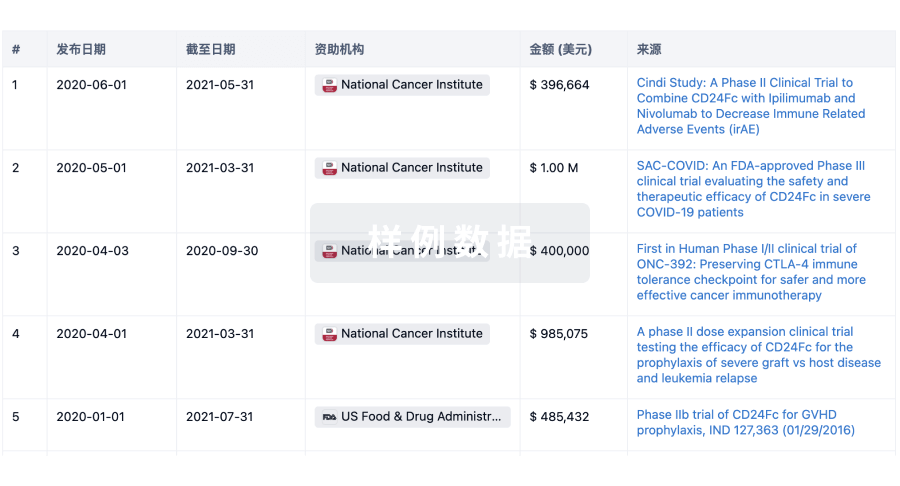
科研基金(NIH)
访问超过 200 万项资助和基金信息,以提升您的研究之旅。
登录
或
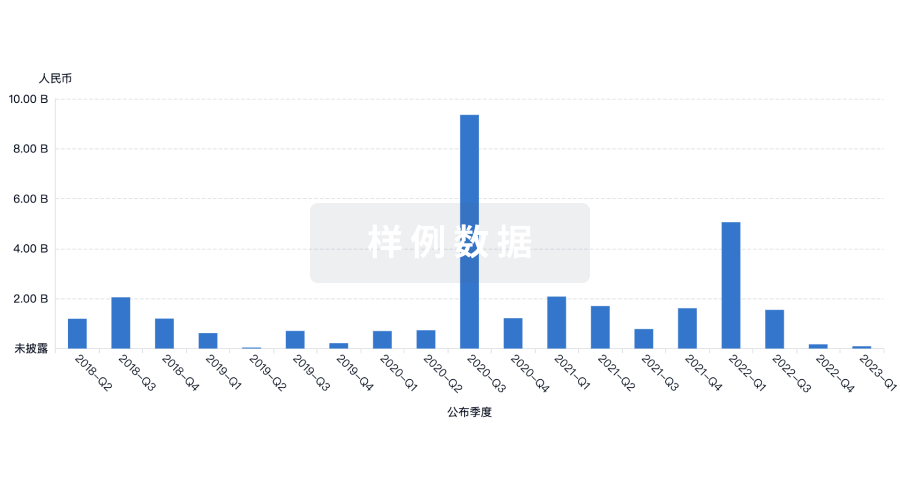
投资
深入了解从初创企业到成熟企业的最新公司投资动态。
登录
或
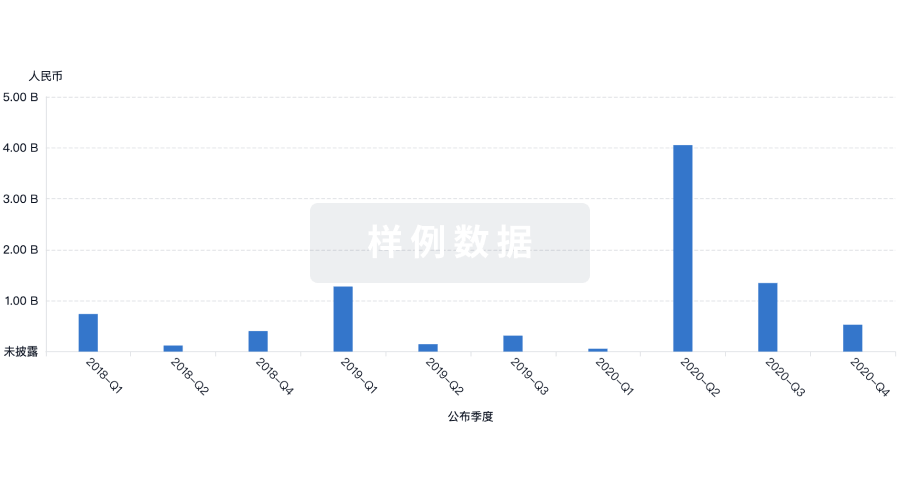
融资
发掘融资趋势以验证和推进您的投资机会。
登录
或
生物医药百科问答
全新生物医药AI Agent 覆盖科研全链路,让突破性发现快人一步
立即开始免费试用!
智慧芽新药情报库是智慧芽专为生命科学人士构建的基于AI的创新药情报平台,助您全方位提升您的研发与决策效率。
立即开始数据试用!
智慧芽新药库数据也通过智慧芽数据服务平台,以API或者数据包形式对外开放,助您更加充分利用智慧芽新药情报信息。
生物序列数据库
生物药研发创新
免费使用
化学结构数据库
小分子化药研发创新
免费使用