预约演示
更新于:2025-05-07
University Hospitals Sussex NHS Foundation Trust
更新于:2025-05-07
概览
关联
NCT05365828
Legacies and Futures: Gestational Parents' Experiences With Vulnerability and Resilience as it Influence Parent and Neonatal Health

100 项与 University Hospitals Sussex NHS Foundation Trust 相关的临床结果
登录后查看更多信息
登录后查看更多信息
2025-06-01Journal of Cancer Policy
Integrating ePROMs: A key opportunity for England’s National Cancer Plan
Letter
作者: Yorke, Janelle ; Faivre-Finn, Corinne ; Gilbert, Duncan ; Price, James ; Absolom, Kate ; Wheelwright, Sally ; Fallowfield, Lesley ; Williams, Tim ; Large, Alison ; Gilbert, Alexandra ; Minton, Ollie ; Nuamek, Thitikorn ; Shilling, Valerie
2025-06-01JPRAS Open
Extended reality for mapping perforator-based flaps in breast reconstruction: a systematic review and meta-analysis
Review
作者: Dheansa, Baljit ; Lacey, Hester ; Khan, Anas
2025-06-01BJA Open
Strategies to reduce the risk of unrecognised oesophageal intubation: a survey of Difficult Airway Society members
Article
作者: McGuire, Barry ; Silvey, Natalie ; Majumdar, Moon-Moon ; O'Sullivan, Ellen ; Chakladar, Abhijoy ; McNarry, Alistair F
100 项与 University Hospitals Sussex NHS Foundation Trust 相关的药物交易
登录后查看更多信息
100 项与 University Hospitals Sussex NHS Foundation Trust 相关的转化医学
登录后查看更多信息
组织架构
使用我们的机构树数据加速您的研究。
登录
或
管线布局
2026年02月09日管线快照
无数据报导
登录后保持更新
药物交易
使用我们的药物交易数据加速您的研究。
登录
或
转化医学
使用我们的转化医学数据加速您的研究。
登录
或
营收
使用 Synapse 探索超过 36 万个组织的财务状况。
登录
或
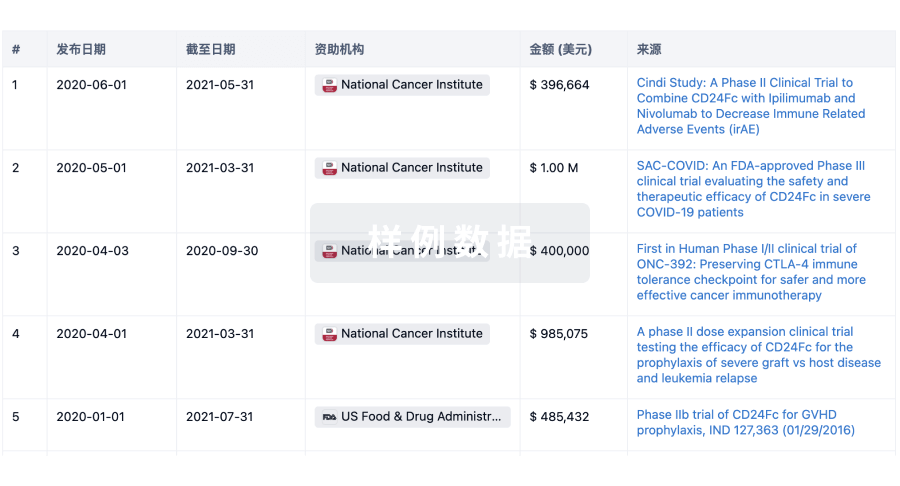
科研基金(NIH)
访问超过 200 万项资助和基金信息,以提升您的研究之旅。
登录
或
投资
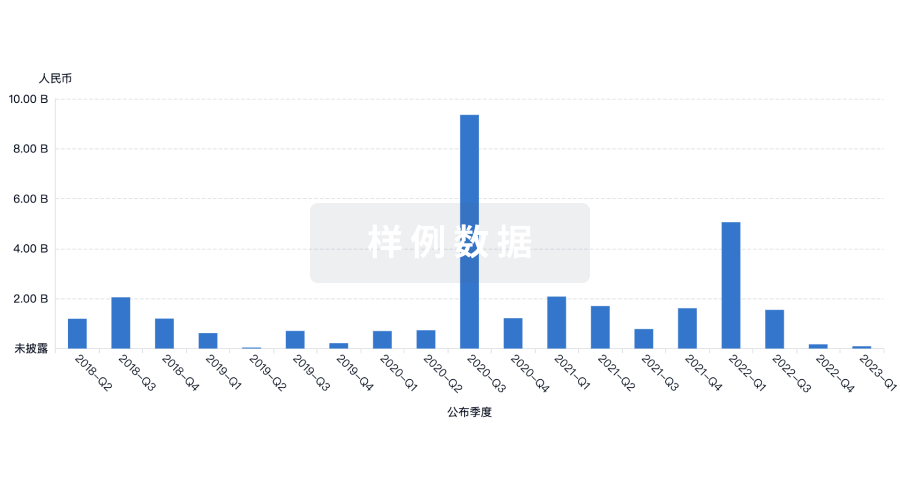
深入了解从初创企业到成熟企业的最新公司投资动态。
登录
或
融资
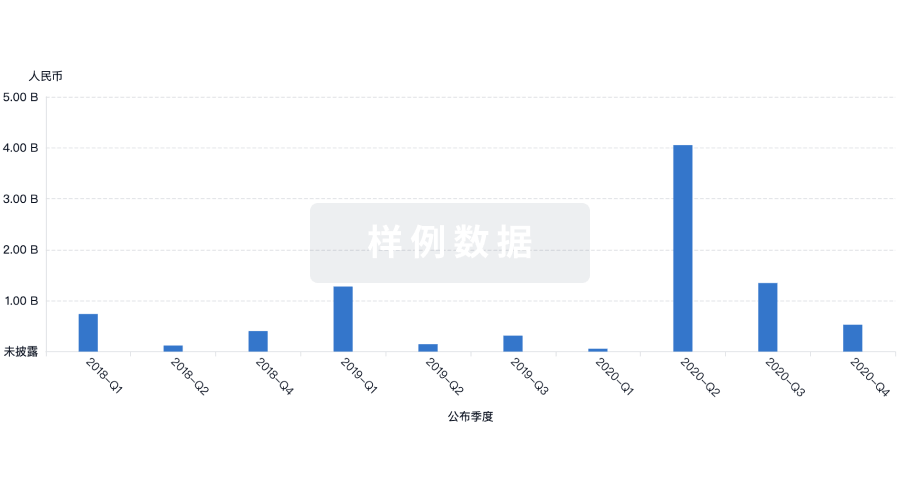
发掘融资趋势以验证和推进您的投资机会。
登录
或
生物医药百科问答
全新生物医药AI Agent 覆盖科研全链路,让突破性发现快人一步
立即开始免费试用!
智慧芽新药情报库是智慧芽专为生命科学人士构建的基于AI的创新药情报平台,助您全方位提升您的研发与决策效率。
立即开始数据试用!
智慧芽新药库数据也通过智慧芽数据服务平台,以API或者数据包形式对外开放,助您更加充分利用智慧芽新药情报信息。
生物序列数据库
生物药研发创新
免费使用
化学结构数据库
小分子化药研发创新
免费使用