预约演示
更新于:2025-12-31

Spinifex Pharmaceuticals Pty Ltd
更新于:2025-12-31
概览
关联
100 项与 Spinifex Pharmaceuticals Pty Ltd 相关的临床结果
登录后查看更多信息
0 项与 Spinifex Pharmaceuticals Pty Ltd 相关的专利(医药)
登录后查看更多信息
10
项与 Spinifex Pharmaceuticals Pty Ltd 相关的新闻(医药)2025-08-19
Fundraising Includes New Strategic Investments by the UniQuest Extension Fund and Uniseed
Proceeds to be Used to Advance Two Lead Candidates, QED-701 and QED-121, into Formal Development Across Neuroinflammatory and Autoimmune Indications
BRISBANE, AU – August 19, 2025 – Lucia Bio Pty Ltd (“Lucia Bio”), a Molecule to Medicine (MTM) portfolio biotechnology company focused on the development of best-in-class spleen tyrosine kinase (Syk) inhibitors for a range of immune-mediated diseases, today announced that the company has raised an additional AU$2 million in Seed financing, bringing the total Seed investment secured to date to AU$3 million. The additional Seed financing consists of a further AU$1 million investment from the UniQuest Extension Fund (UEF) and AU$1 million from Uniseed-managed funds. Proceeds from the raise will be used to support the continued development of Lucia Bio’s portfolio of potent and highly selective Syk inhibitors, including broadening the therapeutic potential to the treatment of peripheral autoimmune conditions in addition to neuroinflammation indications. Key activities supported by this financing include initiating the toxicology program on the company’s lead asset QED-701 which is being developed to treat neuroinflammation associated with neurodegenerative conditions, as well as progressing a second molecule, QED-121, into Chemistry, Manufacturing and Controls (CMC) activities leading to initiation of clinical trial enabling studies to support development for the treatment of autoimmune conditions.
“The support of the UniQuest Extension Fund and Uniseed allows us to broaden and accelerate the development of our best-in-class Syk inhibitors and maintain momentum in the program as we look to raise a Series A. Use of proceeds from this first syndicated round would include completion of the remaining clinical trial enabling studies and the Phase 1 clinical program for both molecules of QED701 and QED-121 that will lay a foundation for subsequent Phase 2 clinical trials proof of concept studies, with potential indications selected from certain neuroinflammatory and autoimmune conditions,” said Tom McCarthy Ph.D., co-founder and executive chair of Lucia Bio.
“Syk is a clinically validated target in human immunology although capitalising on the full clinical potential for Syk inhibition has been hampered by molecules without the required intersection of potency, selectivity and drug-like properties. With UniQuest’s significant prior investment in the discovery of best-in-class Syk inhibitors, Lucia Bio is well poised to deliver molecules that fully exploit the potential of inhibiting this critical node in human immunology.”
The Syk program was initially developed at UniQuest’s commercial drug discovery group, QEDDI, which was established with an industry-experienced team to advance The University of Queensland’s (UQ’s) promising drug targets towards the clinic.
Dr Dean Moss, CEO of UQ’s commercialisation company UniQuest, said: “We are excited by the significant clinical potential for best-in-class Syk inhibitors that capitalise on foundational Australian science conducted by QEDDI. UniQuest has had the privilege to leverage world class science conducted by QEDDI, successful spin-out formation via the UniQuest IP commercialisation team, and finally investment by the UEF. This seed financing lays the foundation for its translation into potential innovative medicines across a wide range of conditions. We look forward to continuing to work with Tom, Kirsty and the MTM team as Lucia Bio charts a similar global clinical development trajectory, in this case based on key Australian scientific discoveries.”
“This investment highlights the ongoing relationship Uniseed has with the University of Queensland (UQ) in supporting spin-out companies formed around world class medical research” said John Kurek, Investment Director at Uniseed. “The Lucia Bio Syk inhibitor program is focused on an important node in human immunology and in therapeutic areas where new treatment options targeting novel mechanisms of action are needed. We are also excited to be working again with Tom McCarthy, who was CEO of the UQ spin out, Spinifex Pharmaceuticals, where Uniseed was a key investor through to its acquisition by Novartis.”
Preclinical data for QED-701 shows that that this compound possesses excellent drug-like properties and impressive activity across peripheral and central neuroinflammatory preclinical models. Critically, QED-701 is highly selective over kinases shown to be responsible for causing hypertension and haematological adverse events that have been observed for prior Syk inhibitors in the clinic. QED-121 represents an additional structurally differentiated Syk inhibitor chemo type within Lucia Bio’s drug discovery and development pipeline. With impressive kinase selectivity, advancing this molecule in parallel with QED-701 provides the foundation for a broad development program across neuroinflammatory and peripheral autoimmune indications, with additional clinical potential in certain haematology oncology indications.
About Spleen Tyrosine Kinase (Syk) Inhibitors
Spleen tyrosine kinase is a non-receptor tyrosine kinase whose phosphorylation is critical in the initiation of signalling of a variety of immune receptors that drive a range of inflammatory processes. To date, there is only one Syk inhibitor approved in a single indication, immune mediated thrombocytopenia. Alternative Syk inhibitors that have entered clinical development have largely been halted due to unacceptable adverse events linked to non-Syk tyrosine kinase activity and/or the lack of drug like properties to support an oral medicine for the treatment of these Syk dependent chronic conditions. Lucia Bio’s two lead assets QED-701 and QED-121 show the required potency, selectivity and drug-like properties to fully exploit this critical node in human immunology. Indications for Lucia Bio’s Syk inhibitors include the treatment of neuroinflammation associated with neurodegenerative conditions such as Alzheimer’s disease and autoimmune conditions such as chronic spontaneous urticaria (hives) refractory to current and emerging standards of care. In addition, as Syk controls the phosphorylation of Bruton’s tyrosine kinase (BTK), and non-BTK dependent pathways, Lucia Bio intends to investigate the potential of Syk inhibition in certain BTK resistant haematology oncology indications through collaboration with clinician scientists in this therapeutic area.
About Lucia Bio
Lucia Bio is a biotech company advancing next-generation selective spleen tyrosine kinase (Syk) inhibitors for the treatment of peripheral autoimmune diseases, neuroinflammatory disorders, and hematologic malignancies. Established in 2024 through a partnership between Molecule to Medicine (MTM) and UQ’s QEDDI team, Lucia Bio is capitalising on the clinically validated but underexploited Syk pathway. With best-in-class potential, Lucia Bio’s Syk inhibitors are being advanced towards global clinical development, with potential across neuroinflammatory, autoimmune and haematology oncology indications. Along with Curlew Bio, Lucia Bio is part of MTM’s Brisbane, Australia based ecosystem of companies that are integrated with MTM’s global drug discovery and development ecosystems of biotechs.
For more information about Lucia Bio, please visit www.lucia.bio For more about MTM, please visit https://www.moleculetomedicine.com
并购
2025-08-07
全球医疗健康领导企业 Sanofi 宣布以11.5亿美元 收购生物医药公司 Vicebio,以推进昆士兰大学开发的Molecular Clamp(分子钳)疫苗平台技术商业化。
这项技术由昆士兰大学科研团队自主研发,致力于应对严重呼吸道病毒感染。此次交易也是迄今为止澳大利亚高校最大的一笔知识产权商业化成果转化,标志着昆士兰大学科研实力的全球影响力进一步提升。
(昆士兰大学 Chappell 实验室的研究人员)
科研成果,走向世界
“As a researcher, the aim is always to make a difference and there’s more to be done as we continue to focus on pandemic preparedness.
(作为一名研究人员,我们始终以推动改变为目标。未来还有更多工作要做,我们将继续专注于疫情防控的准备工作。)”
—— Professor Keith Chappell
Molecular Clamp (分子钳)技术由昆士兰大学科学家团队开发,能够加速新型疫苗的设计和开发,尤其在针对呼吸道病毒方面具有突破性优势。
该技术平台曾在新冠疫情早期受到全球瞩目——2020年,全球流行病应对创新联盟(CEPI)委托 UQ 研发 COVID-19 候选疫苗,项目在短时间内启动并进入临床一期试验阶段。
(昆士兰大学 Chappell 实验室的研究人员)
昆士兰大学与创新力量
Vicebio 是一家由欧洲生命科学投资基金 Medicxi 在2018年创立的公司,专注于推进 UQ 的 Molecular Clamp 技术商业化。
值得一提的是,Vicebio 能够脱颖而出并被全球巨头收购,与昆士兰大学的知识产权孵化机制密不可分。
UQ 通过旗下全资商业化公司 UniQuest 实现了这项专利技术的授权与股权合作,UQ 也是 Vicebio 的股东之一。
📈 截至目前,UniQuest 已帮助 UQ 建立了130余家初创企业,促成超过86亿澳元产品销售额,并累计获得超过360项美国专利授权。
发明者:从课堂到世界
这项技术的发明者,是三位在昆士兰大学完成本科学业的科学家:
• Professor Keith Chappell (UQ本硕博,2011年起回归UQ任职)
• Daniel Watterson (UQ本硕博)
• Emeritus Professor Paul Young (UQ本科,伦敦大学博士,1991年起在UQ执教,2024年荣休)
自2012年起,他们三人携手开展病毒蛋白稳定性研究,开启了Molecular Clamp 技术的开发之路。
(图片从左到右依次为:
Professor Keith Chappell, Daniel Watterson, Emeritus Professor Paul Young)
“This is incredibly important for outbreak responses but facilitates the efficient development of multi-pathogen vaccines that we believe will protect vulnerable populations against common viruses that cause severe respiratory diseases.
(这对于应对疫情爆发至关重要,同时也有助于高效开发多病原体疫苗,我们相信这些疫苗将能保护易感人群免受常见致严重呼吸道疾病病毒的侵害。)”
——Professor Keith Chappell
以研究促公益,以创新应未来
这不仅是一笔商业交易,更是公共健康领域的重要一步。昆士兰大学感谢科研团队、合作伙伴 Vicebio,以及 CEPI 和各级政府在疫情期间给予的大力支持。目前,学校正继续与 CEPI 合作,推动快速响应疫苗平台的建设,为未来的疫情防控做好准备。
从课堂到世界,从实验室到现实,昆士兰大学始终致力于把研究成果转化为真正的社会影响。这次交易不仅体现了学校在生物医药领域的实力,也为澳洲高校的创新树立了新的标杆。
“This extraordinary outcome validates 12 years of UQ research, and I pay tribute to the dedicated UQ scientists who invented the patented Molecular Clamp technology.
(这一非凡成果印证了昆士兰大学长达12年的研究历程,我向那群致力于研发Molecular Clamp(分子钳)疫苗平台技术的昆士兰大学科学家们致以崇高敬意。)”
——UQ Vice-Chancellor Professor Deborah Terry AC
你知道吗?
•UQ 也是全球第一支宫颈癌疫苗 Gardasil® 的诞生地之一。
•在 UniQuest 支持下,UQ 还孕育出多个生物医药“独角兽”,如 Spinifex Pharmaceuticals 和 Inflazome。
并购疫苗
2025-07-22
Sanofi has agreed to acquire a company utilising The University of Queensland’s Molecular Clamp technology for a total upfront payment of US$1.15 billion, with potential milestone payments of up to $450 million based on development and regulatory achievements. UQ licensed the technology to Vicebio to progress the Molecular Clamp towards clinical trials and commercialisation. UQ will continue to use the technology for pandemic preparedness research in collaboration with the Coalition for Epidemic Preparedness Innovations (CEPI).
Sanofi has entered into an agreement to acquire Vicebio, a company formed in 2018 to develop UQ’s proprietary Molecular Clamp technology to make vaccines against life-threatening respiratory viral infections.
The deal is the largest involving a company that is commercialising intellectual property (IP) from an Australian university.
UQ Vice-Chancellor Professor Deborah Terry AC said the acquisition represented an opportunity for the technology to be accelerated through the final stages of translation into a vaccine to address global health challenges.
“This extraordinary outcome validates 12 years of UQ research, and I pay tribute to the dedicated UQ scientists who invented the patented Molecular Clamp technology.
“Professor Keith Chappell, Professor Daniel Watterson and Emeritus Professor Paul Young have a tremendous passion for research that delivers for the public good and they exemplify what we strive for at UQ.”
“The acquisition is a compelling vote of confidence in the strength of Australian university research to develop innovations that can be translated into life-saving solutions with a world-leader in the vaccine space.”
The Molecular Clamp technology gained worldwide attention in early 2020 when the Coalition for Epidemic Preparedness Innovations (CEPI) asked The University of Queensland to develop a potential vaccine for COVID-19.
Professor Chappell said he was proud of the quality of the research conducted by the team at UQ and of the strong partnership forged with Vicebio.
“A key advantage of the Molecular Clamp platform is that it streamlines vaccine development across different viral families,” Professor Chappell said.
“This is incredibly important for outbreak responses but facilitates the efficient development of multi-pathogen vaccines that we believe will protect vulnerable populations against common viruses that cause severe respiratory diseases.
“Of course, we will never forget the outpouring of support and the funding from Australian and Queensland governments and donors during the pandemic that enabled us to rapidly develop a vaccine candidate and to conduct a phase 1 clinical trial in Australia.
“As a researcher, the aim is always to make a difference and there’s more to be done as we continue to focus on pandemic preparedness.”
CEPI and UQ announced a partnering agreement to develop a rapid response vaccine platform in early 2019 to support CEPI’s mission to develop life-saving vaccines against emerging infectious diseases.
Vicebio was created by European investment firm Medicxi, a European life sciences investment fund with an €18M commitment.
The University is a shareholder in Vicebio, through direct investment and the licensing of the vaccine platform technology for commercialisation by UniQuest, the University’s wholly owned commercialisation company.
Vicebio shareholders will receive an upfront payment of US$1.15 billion, with potential milestone payments of up to US$450 million based on development and regulatory achievements.
Professor Terry said that through UniQuest, UQ has become a leader in university commercialisation in Australasia, demonstrated by the granting of more than 360 US patents and the creation of over 130 startup companies using UQ IP.
“These companies have gone on to raise more than AUD$1 billion to take UQ technology to market and grossed more than AUD$86 billion in product sales.”
They include the licensing of the UQ-invented cervical cancer vaccine GARDASIL®, and more recently Spinifex Pharmaceuticals and Inflazome, another two of the largest university startup acquisitions in Australian history.
Professor Terry said UQ’s model of commercialisation, centring around the dedicated commercial professionals in UniQuest, was a key ingredient in this long-term success.
“This deal highlights the strength of the Australian innovation ecosystem and the world-class research emerging from our universities.
“We’re proud to help bring these innovations to a global market,” Professor Terry said.
Keith Chappell, Dan Watterson and Paul Young teamed up in 2012 on research to stabilise the viral proteins that are the primary target of immune defence. All 3 completed undergraduate studies at UQ.
Professor Keith Chappell completed his PhD at UQ in 2007, after a Bachelor of Science (Hons) in 2003. After undertaking post-doctoral research in Spain, he returned to UQ in 2011.
Professor Dan Watterson was also in the graduating Bachelor of Science (Hons) class of 2003. He was awarded a PhD in 2012, also at UQ.
Professor Paul Young completed a Bachelor of Science (Hons) at UQ in 1977. He earned a PhD from the University of London in 1986, before returning to teach and research at UQ in 1991. He was made an Emeritus Professor on his retirement in 2024.
疫苗并购
100 项与 Spinifex Pharmaceuticals Pty Ltd 相关的药物交易
登录后查看更多信息
100 项与 Spinifex Pharmaceuticals Pty Ltd 相关的转化医学
登录后查看更多信息
组织架构
使用我们的机构树数据加速您的研究。
登录
或
管线布局
2026年02月09日管线快照
无数据报导
登录后保持更新
药物交易
使用我们的药物交易数据加速您的研究。
登录
或
转化医学
使用我们的转化医学数据加速您的研究。
登录
或
营收
使用 Synapse 探索超过 36 万个组织的财务状况。
登录
或
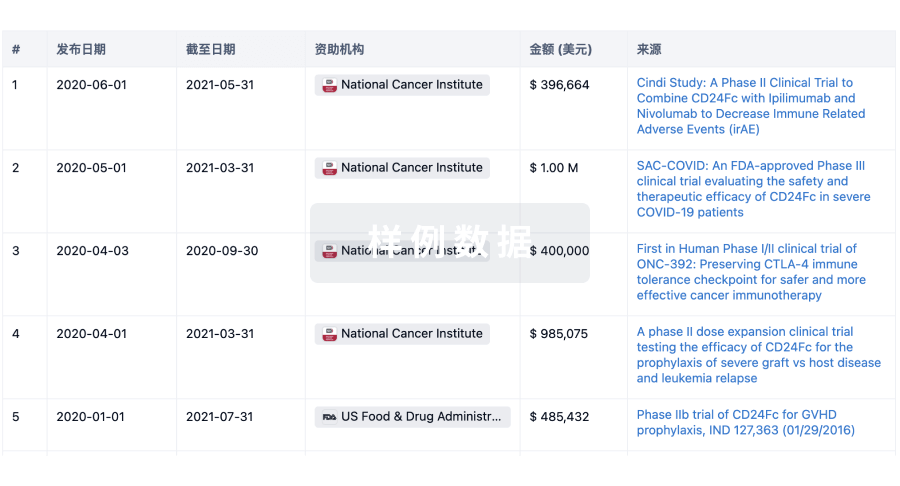
科研基金(NIH)
访问超过 200 万项资助和基金信息,以提升您的研究之旅。
登录
或
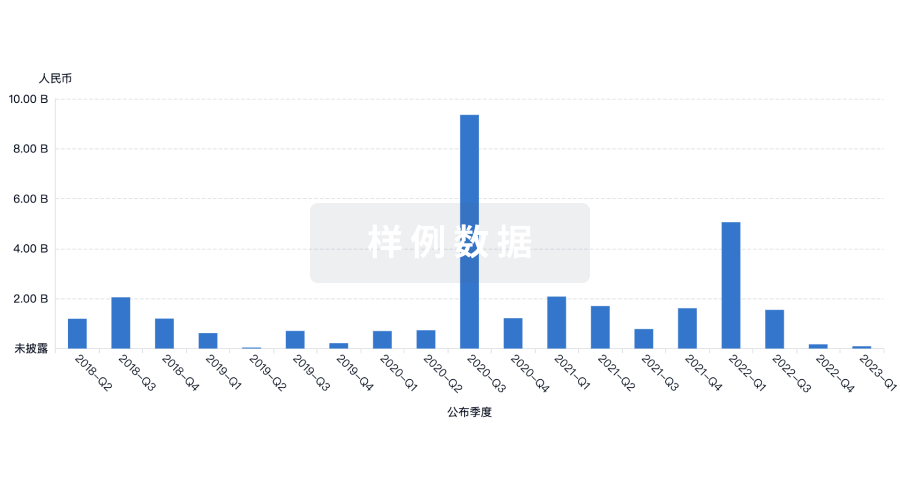
投资
深入了解从初创企业到成熟企业的最新公司投资动态。
登录
或
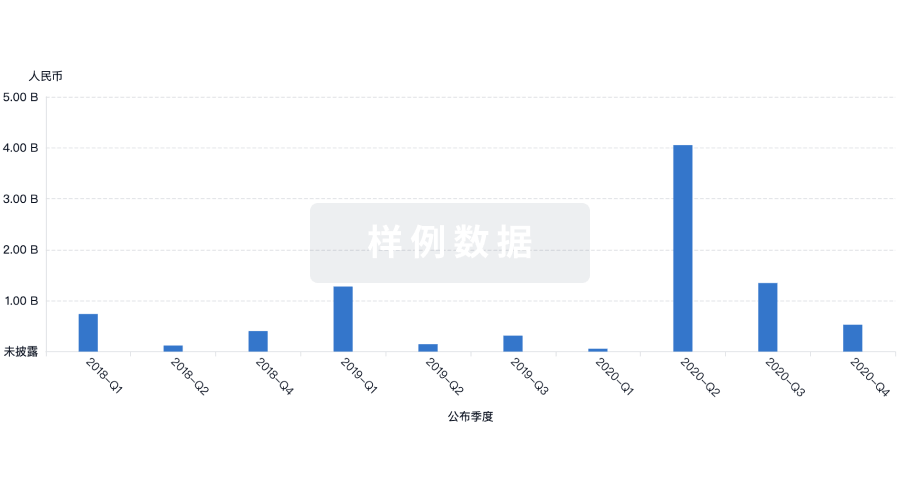
融资
发掘融资趋势以验证和推进您的投资机会。
登录
或
生物医药百科问答
全新生物医药AI Agent 覆盖科研全链路,让突破性发现快人一步
立即开始免费试用!
智慧芽新药情报库是智慧芽专为生命科学人士构建的基于AI的创新药情报平台,助您全方位提升您的研发与决策效率。
立即开始数据试用!
智慧芽新药库数据也通过智慧芽数据服务平台,以API或者数据包形式对外开放,助您更加充分利用智慧芽新药情报信息。
生物序列数据库
生物药研发创新
免费使用
化学结构数据库
小分子化药研发创新
免费使用