预约演示
更新于:2026-06-29

Neusoft Medical Systems Co., Ltd.
更新于:2026-06-29
概览
关联
NCT04241614
Comparison and Analysis of Predictive Performance of CT and Raw Data in Benign and Malignant Classification of Pulmonary Nodules

100 项与 东软医疗系统股份有限公司 相关的临床结果
登录后查看更多信息
登录后查看更多信息
2026-06-01ANNALS OF BIOMEDICAL ENGINEERING
T2 Mapping at 3 T of Cartilage and Menisci in Patients with Diabetes Mellitus
Article
作者: Hu, Ningfan ; Zhu, Jiangtao ; Liang, Xiaoyun ; Wang, Ligong
PURPOSE:
The aim of this study was to compare and assess T2 values of compartmental femorotibial cartilage and subregional menisci in patients with diabetes mellitus (DM) at 3 T.
METHODS:
Forty-two subjects were enrolled in the study and subdivided into two subgroups: 20 healthy controls (11 females, mean age = 51.6 ± 5.9 years, range 44-67 years) and 22 DM patients (8 females, mean age = 60.1 ± 8.9 years, range 40-75 years). All subjects were evaluated on a 3 T MR scanner applying a 15-channel phased-array knee coil. Wilcoxon rank sum test and analysis of covariance were exploited for detecting group differences, with false discovery rate utilized to control for false positives due to multiple comparisons.
RESULTS:
Lateral tibial cartilage in healthy controls had significantly lower (p < 0.05) T2 values (38.8 ± 5.4 ms) than lateral and medial femoral cartilage, respectively, in DM patients. T2 values of medial body segment (Mc) of meniscus (33.8 ± 8.5 ms) in DM patients were significantly higher (p < 0.05) than those of all subregional menisci except Mc (p = 0.7496) in controls. Mc in controls had significantly higher (p < 0.05) T2 values (31.4 ± 6.3 ms) than lateral and medial anterior horn, and lateral posterior horn of meniscus, respectively, in DM patients.
CONCLUSION:
T2 values in certain cartilage subcompartments in DM patients are abnormally elevated. T2 mapping may be a potential imaging biomarker for detecting early subtle damage to femorotibial cartilage resulted from DM.
2026-05-01Journal of NeuroInterventional Surgery
A hybrid model based on vessel wall magnetic resonance imaging predicts recurrence in posterior circulation ischemic stroke: a multi-institutional study
Article
作者: Hu, Tianxiang ; Zhang, Lina ; Liang, Xiaoyun ; Ju, Guangliang ; Zheng, Borui ; Wu, Yejun ; Li, Fangbing ; Zhang, Ran
Background:
This study aimed to develop and validate a hybrid model integrating clinical features, vessel wall magnetic resonance imaging (VWMRI) characteristics, and radiomic features to predict the recurrence risk of posterior circulation ischemic stroke (PCIS).
Methods:
This multicenter, retrospective study included 266 PCIS patients with basilar artery atherosclerosis (Institution I: 227; Institution II: 39). Data included clinical information, VWMRI imaging features, and radiomic features. Six predictive models were constructed using the logistic regression algorithm: (1) clinical-imaging model, (2–4) single-sequence radiomics models (2D PDWI, 3D T1WI, 2D T2WI), (5) multi-sequence radiomics model, and (6) hybrid model. Model performance was evaluated using receiver operating characteristic curves, calibration metrics, decision curve analysis across training/internal validation (8:2 split), and external validation cohorts.
Results:
The hybrid model exhibited superior predictive performance across all cohorts, with an area under the curve of 0.872 in the training cohort, 0.883 in the internal validation cohort, and 0.869 in the external validation cohort, outperforming all other models. Calibration curves demonstrated excellent fit, with mean absolute errors of 0.03/0.06. Decision curve analysis indicated significant net benefit within clinically relevant threshold ranges. Key risk factors for PCIS recurrence included involvement of perforating arteries, non-dorsal plaque location, elevated low-density lipoprotein cholesterol, high total cholesterol, a history of alcoholism, and 16 radiomic signatures.
Conclusions:
The hybrid model enhances the accuracy of predicting PCIS recurrence risk. With robust performance in both internal and external validation cohorts, this model demonstrates strong clinical utility and potential to facilitate early intervention and personalized treatment strategies.
2026-05-01JOURNAL OF VASCULAR AND INTERVENTIONAL RADIOLOGY
A Deep Learning Model for Artery of Adamkiewicz Detection in Bronchial Artery Embolization: A Multicenter Retrospective Study
Article
作者: Zhang, Qiang ; Ao, Guokun ; Zhang, Chao ; Zhang, Hongwei ; Luo, Tao ; Guo, Xianli ; Lin, Hu ; Xin, Fan
PURPOSE:
To evaluate the effectiveness of a deep learning model for recognizing the artery of Adamkiewicz and anterior spinal artery (ASA) to prevent spinal artery non-target embolization during bronchial artery embolization (BAE).
MATERIALS AND METHODS:
This multicenter, retrospective study included 2036 patients from January 2019 to December 2023 with hemoptysis who underwent de novo BAE. A deep learning-based framework was proposed for spinal artery identification, comprising region of interest (ROI) perception and target spinal artery identification. The ROI perception extracted vessel-related regions to improve the conspicuity of the spinal artery. The target spinal artery identification utilized a progressive refinement learning network, localizing the artery from the global view, and progressively refined the identification results through cross-scale information interaction.
RESULTS:
Seventy-eight patients (3.8%) had an identifiable artery of Adamkiewicz and ASA on right intercostal-bronchial artery angiography. The sensitivity of the proposed method was 92.1% and the specificity was 84.6%, with no statistically significant difference from a fellow radiologist interpretation.
CONCLUSIONS:
The deep learning system for spinal artery detection during BAE exhibited high sensitivity and performance, comparable to radiology fellows.
100 项与 东软医疗系统股份有限公司 相关的药物交易
登录后查看更多信息
100 项与 东软医疗系统股份有限公司 相关的转化医学
登录后查看更多信息
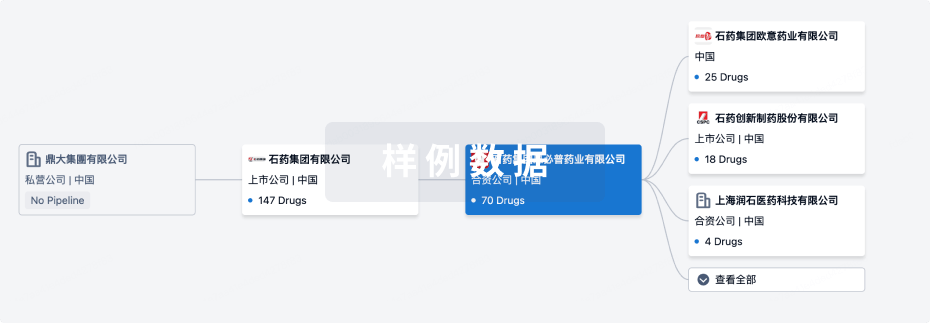
组织架构
使用我们的机构树数据加速您的研究。
登录
或
管线布局
2026年08月06日管线快照
无数据报导
登录后保持更新
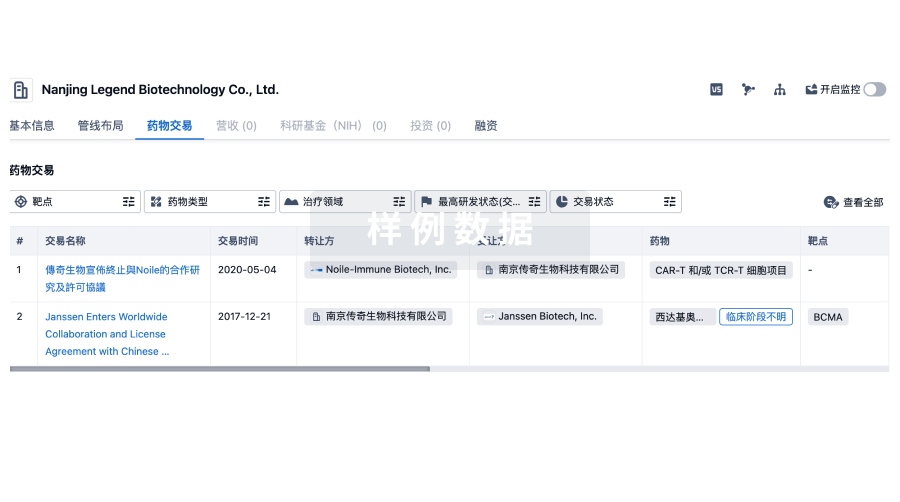
药物交易
使用我们的药物交易数据加速您的研究。
登录
或
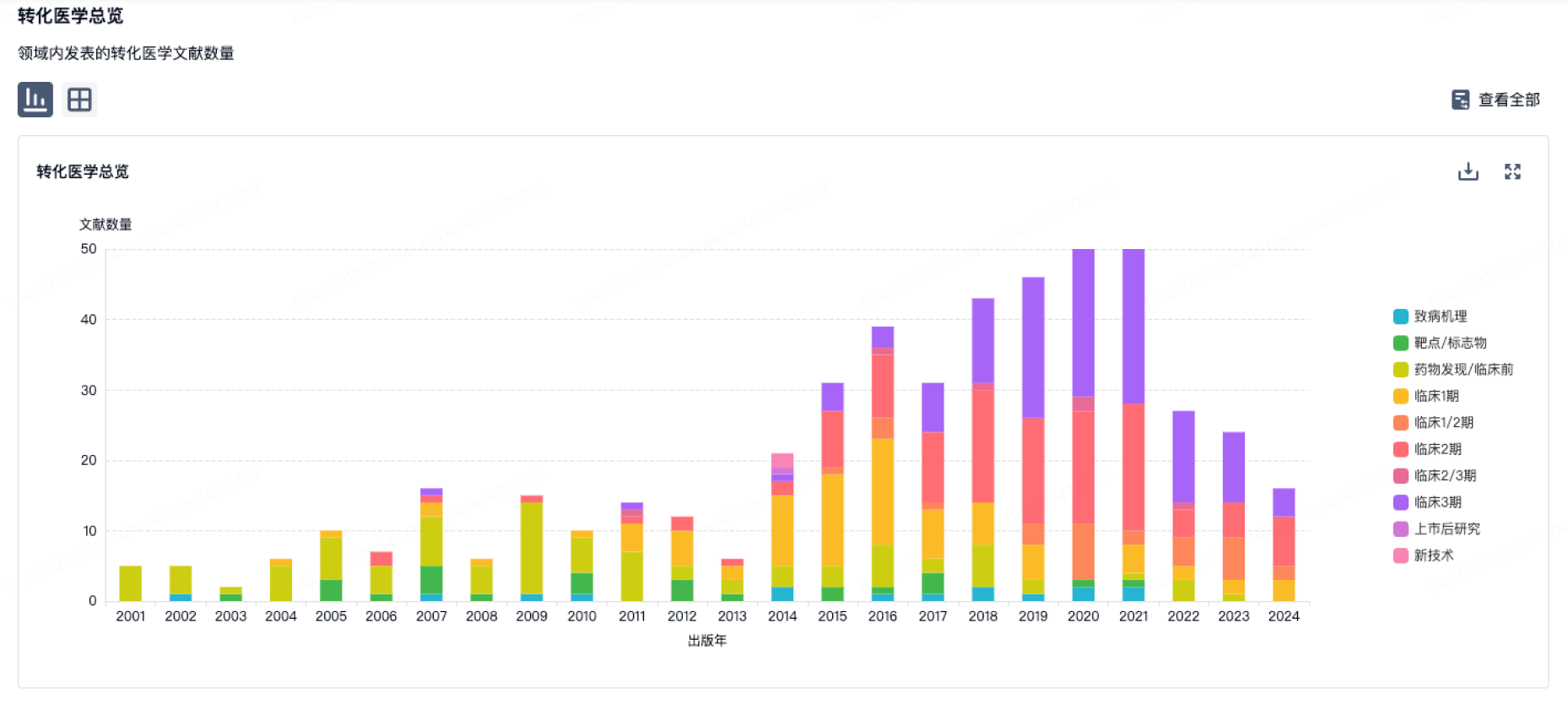
转化医学
使用我们的转化医学数据加速您的研究。
登录
或
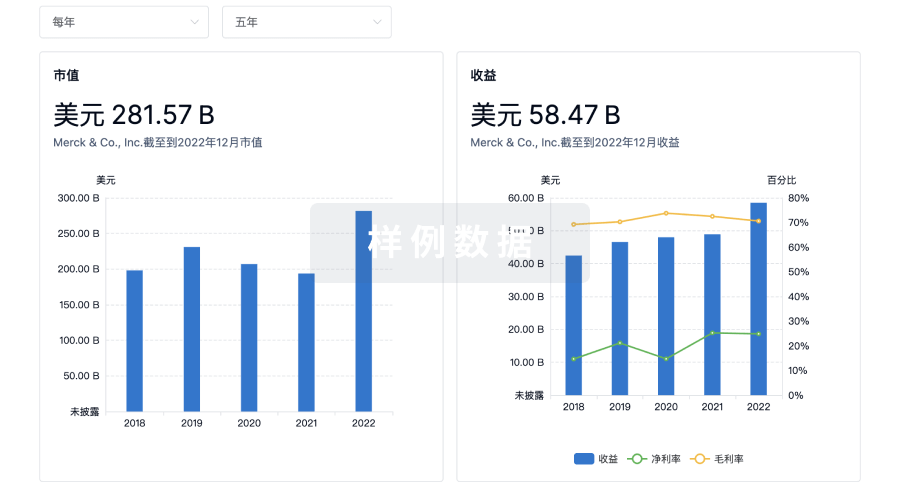
营收
使用 Synapse 探索超过 36 万个组织的财务状况。
登录
或
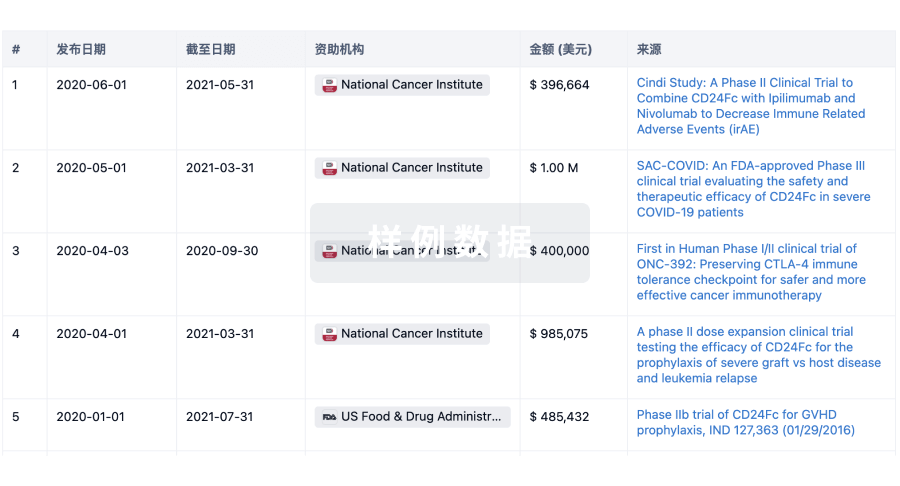
科研基金(NIH)
访问超过 200 万项资助和基金信息,以提升您的研究之旅。
登录
或
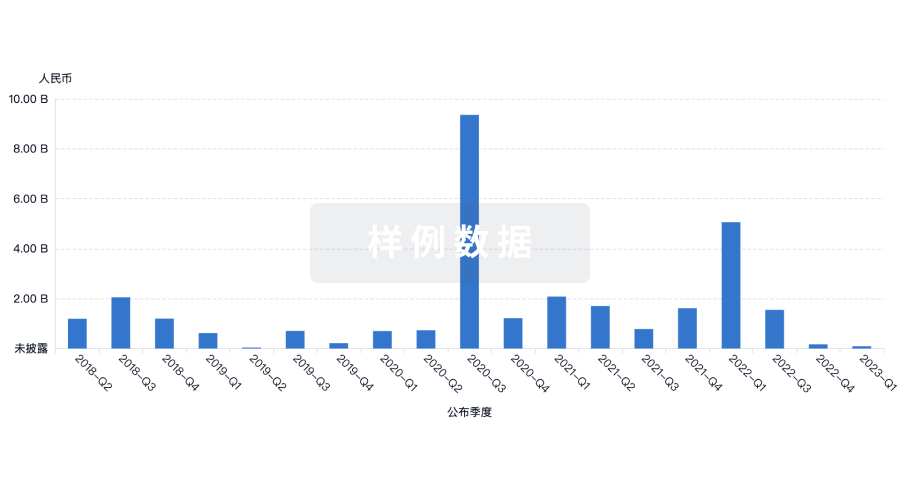
投资
深入了解从初创企业到成熟企业的最新公司投资动态。
登录
或
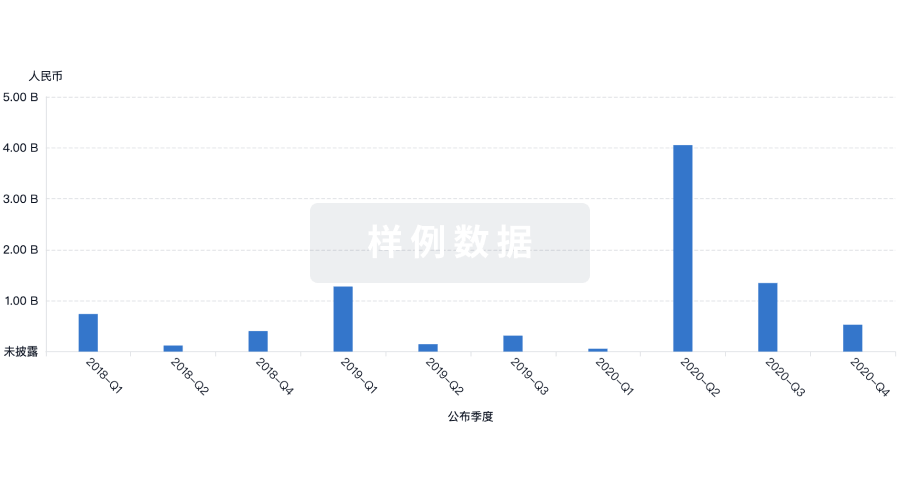
融资
发掘融资趋势以验证和推进您的投资机会。
登录
或
芽仔
全新生物医药AI Agent 覆盖科研全链路,让突破性发现快人一步
立即开始免费试用!
智慧芽新药情报库是智慧芽专为生命科学人士构建的基于AI的创新药情报平台,助您全方位提升您的研发与决策效率。
立即开始数据试用!
智慧芽新药库数据也通过智慧芽数据服务平台,以API或者数据包形式对外开放,助您更加充分利用智慧芽新药情报信息。
生物序列数据库
生物药研发创新
免费使用
化学结构数据库
小分子化药研发创新
免费使用