预约演示
更新于:2026-03-25
LANXESS AG
更新于:2026-03-25
概览
关联
100 项与 LANXESS AG 相关的临床结果
登录后查看更多信息
0 项与 LANXESS AG 相关的专利(医药)
登录后查看更多信息
133
项与 LANXESS AG 相关的文献(医药)2025-07-01·ARCHIVES OF TOXICOLOGY
Letter to the editor regarding “Bichlmaier, I. Differences in endocrine and reproductive responses to substance exposure across generations: highlighting the importance of complementary findings. Arch Toxicol 98, 3215–3230 (2024)”
Letter
作者: Rooseboom, M ; Arts, J H E ; Beyer, D M ; Keup, S ; Tempest, L F ; Van Miert, E
In the paper of Bichlmaier (Arch Toxicol 98:3215-3230, 2024), the author conducted an overall statistical assessment of the endocrine and reproductive responses across the two (F0 and F1) or three (F0, F1 and F2) generations in a total number of 112 Extended-One-Generation-Reproductive-Toxicity (EOGRT) studies (OECD TG 443). The author's conclusion is that "….confirmation of treatment-related reproductive and endocrine effects across different generations and life stages within the same study is relatively infrequent. It is much more common for animals of different generations and life stages to exhibit varied endocrine and reproductive responses" and "positive findings observed exclusively in one generation and/or life stage and not in others should not be dismissed due to the absence of continuity". Our key concerns/issues about this analysis are that 'a positive finding', 'treatment-relationship' and 'adversity' in each of the studies cannot be verified from this paper; any 'endocrine or reproductive response' may have been the conclusion from the author alone. Moreover, a conclusion about positive findings in each of the reviewed studies may have been based on statistical significance only, not on biological relevance and plausibility. In addition, in the investigation all data were binarized; however, the question remains whether biological endpoints such as reproductive toxicity data can be binarized to arrive at realistic and relevant conclusions. In the next sections, these issues are further elucidated.
2021-07-01·POWDER TECHNOLOGY
Rotary drums with sectional internals: Experimental investigation on the influence of section number and section length
作者: Heyko Juergen Schultz ; Malte Behrens ; Torben Kawka ; Jasmina Alisic ; Joscha Priessen
The impact of sectional internals, as often used in industrial rotary drums, on the axial solid transport in rotary drums is investigated exptl. under variation of the operation parameters solid feed rate, drum inclination and rotational speed.Different section numbers and internal-lengths have been analyzed, applying the axial dispersion model, in a fully optically accessible lab scale rotary drum apparatusThe mean residence times are increasing with the section numbers and their length up to 4 times compared to bare drum results.Capacity limits have been detected, resulting in higher back-spillage ratios dependent on the set of operational parameters.The impacts of parameter changes on the axial dispersion are decreasing with section number and length, resulting in a more constant axial dispersion coefficient of about 1 x 10⁻⁶ m2/s.A qual. similarity of the axial solid bed profile proposed by the Saeman-model for bare drums has been found for sectional internals.
2019-01-01·Food and chemical toxicology : an international journal published for the British Industrial Biological Research Association2区 · 医学
Genetic toxicity studies of glycolipids from Dacryopinax spathularia
2区 · 医学
Article
作者: Verspeek-Rip, C M ; Usta, Birol ; Bitzer, Jens ; Nikiforov, Andrey I ; van den Wijngaard, Michèle ; Rihner, Marisa O ; Henkel, Thomas
A series of in vitro studies were conducted to assess the genetic toxicity of jelly mushroom glycolipids from Dacryopinax spathularia (herein referred to as "AM-1"). In the bacterial reverse mutation assay (Ames test), there was no evidence of mutagenic activity in any Salmonella typhimurium strains tested or in Escherichia coli strain WP2uvrA, at dose levels up to 5000 μg/plate. In the micronucleus (MN) test using human lymphocytes, AM-1 did not show a statistically significant increase in the number of binucleated cells containing micronuclei when compared to concurrent control cultures at all time points and at any of the concentrations analyzed (up to 900 μg/ml of culture medium). No increase in mutation frequency or numbers of small and large colonies were noted for AM-1 (up to 800 μg/ml) compared to concurrent controls when tested in the mouse lymphoma thymidine kinase assay (MLA). Therefore, AM-1 was concluded to be negative in all three assays performed both in the absence and presence of Aroclor 1254- or phenobarbital/ß-naphthoflavone-induced rat liver (S9 mix) for metabolic activation. These results support the safety assessment of jelly mushroom glycolipids for potential use in food.
74
项与 LANXESS AG 相关的新闻(医药)2026-03-20
·腾讯网
生物医药近年来一直是港股IPO的热门行业。截至2026年3月,前七年半港股生物医药与医疗保健行业累计上市153家企业,其中18A上市企业累计达85家,占比55.6%。根据iFind数据,截至2026年3月19日,港交所IPO申请处于处理状态的共375宗(不包含秘密提交申请),而生物医药与医疗保健行业共95家,占当前总排队数的1/4,其中以18A规则申请的企业共43宗。近期,又有一家创新药企寻求港交所上市。格隆汇获悉,北京五和博澳药业股份有限公司(简称:五和博澳)于2月27日递表港交所,寻求以18A章规则在联交所主板上市,华泰国际为其独家保荐人。与众多专注于生物药或者化药领域的创新药公司不同,五和博澳的大部分核心管线为天然药物,注册分类属中药。01估值40.38亿,同创伟业参投五和博澳成立于2010年,2021年3月改制为股份公司,总部位于北京市大兴区。截至2026年2月18日,黄岳升、胡定飞、余协财、五和同源一号、五和同源二号、五和同源三号、九江瑞达及九江瑞和共同构成一组控股股东,合计有权行使公司55.67%的表决权。五和博澳成立以来完成了多轮融资,融资总额约为11亿元。在2025年9月的B+3轮融资中,公司的投后估值约为40.38亿元。公司的主要机构投资者包括北京医药基金、朗盛集团、龙磐投资、宁波高灵、上海天自、同创伟业、北极光创投、凯喜雅控股、工银资本、清科产业投资、大兴产业发展基金、科瓴安医药、合肥国骏、中和汇瑾、天巨卓投资等。融资历史,来源:招股书五和博澳的董事会由九名董事组成,包括两名执行董事、四名非执行董事及三名独立非执行董事。公司的执行董事兼董事长黄岳升今年61岁,他于2014年6月取得南开大学高级工商管理硕士学位。除在五和博澳担任关键职务外,黄岳升还担任北京嘉思龙服饰商标织造有限公司的执行董事兼总经理。另一名执行董事金毅群女士今年55岁,同时兼任总经理一职。她先后获得黑龙江商学院中药制药工程学士学位、东北财经大学高级管理人员工商管理硕士(EMBA)学位。在加入五和博澳前,金毅群曾先后在哈药集团世一堂制药厂、哈尔滨一洲制药有限公司、黑龙江济仁药业有限公司、哈尔滨儿童制药厂有限公司、哈尔滨沛奇隆生物制药有限公司等公司工作。公司执行董事情况,来源:招股书五和博澳是一家自成立之初即定位于天然药物创新主线,专注于原创新药研发、产业化及商业化的生物医药公司。天然药物指在现代医学理论指导下使用的天然药用物质及其制剂。根据中国药品注册分类框架,天然药物参照中药分类路径进行注册。自然界是一个巨大的“分子库”,天然产物是创新药物的宝贵源泉。在中国,国家药监局对天然药物的定义为在现代医药理论指导下使用的天然药用物质及其制剂,其来源包括植物、动物和矿物。植物透过次生代谢途径产生次生代谢物—例如生物碱、黄酮类╱多酚类及萜类化合物—以抵御害虫与病原体、提升逆境耐受能力、修复损伤并延缓衰老。这些代谢物主要为小分子化合物,具有结构复杂、高度多样性及物种特异性等特征,并展现广泛的药理活性。在中国天然药用资源中,约80%以上来源于植物。与单一成分的药物相比,植物“有效组分群”更有利于发挥多靶点、多路径的调控作用,对发病机制复杂的重大慢病治疗更具临床优势。但“有效组分群”的分离、富集、结构解析及质量控制存在较高的技术壁垒。药代动力学(PK)、药效学及调控机理的研究亦更为复杂。这直接导致了成功开发上市的多组分天然药物屈指可数。截至目前,全球仅有少于20种天然药物获批。02商业化产品用于2型糖尿病,竞争压力较大五和博澳已开发出1款商业化产品及8款在研候选药物,具体包括:1、一款商业化产品桑博恩,用于2型糖尿病;2、三款核心产品。包括WH007,用于多囊卵巢综合症(PCOS);WH006,用于肥胖症;以及WH002,用于乳腺癌新辅助治疗;3、五款其他候选药物。产品管线的研发状况,来源:招股书商业化产品——桑博恩桑博恩是治疗2型糖尿病的天然药物,参照中药注册分类为1.2类中药创新药。根据灼识谘询,桑博恩是中国首个及唯一用于血糖控制的原创天然药物,也是全球首个基于明确活性组分的植物来源的血糖控制天然药物。桑博恩采用桑枝总生物碱(SZ-A)作为其原料药(API)开发而成。桑博恩于2020年3月获得中国国家药监局的新药上市申请(NDA)批准,并同年纳入国家医保药品目录。近年来,中国2型糖尿病药物市场受到了越来越多的关注。2024年,全球2型糖尿病药物市场规模约803亿元,预计2032年将增至1189亿元。全球及中国2型糖尿病药物的市场规模,来源:招股书目前,中国批准的用于治疗2型糖尿病的天然药物仅有1款,为本公司于2020年上市的桑博恩。此外,中国目前并无其他用于治疗2型糖尿病的天然药物处于临床试验阶段。尽管如此,公司面临的竞争环境却并不乐观。以诺和诺德(司美格鲁肽)和礼来(替尔泊肽)为代表的全球巨头在这一市场占据主导,本土企业中,除甘李药业、通化东宝等老牌胰岛素企业外,信达生物、先为达生物、翰森制药、恒瑞医药等创新药企在GLP-1领域均有布局。中国主要2型糖尿病药物类型,来源:招股书核心产品——WH007WH007是以SZ-A为原料药开发的天然药物候选产品(参照中药注册分类为中药2.3类),拟用于治疗多囊卵巢综合症(PCOS)。WH007于2025年12月从国家药监局取得临床试验通知书,批准开展II期临床试验。根据灼识咨询的数据,2024年中国育龄期妇女中PCOS患病率估计约为7.8%,换算为患者人数为3440万。现有临床治疗主要着重于对症治疗,未能针对PCOS的根本病理生理机制,根据灼识咨询的数据,目前,全球范围内尚无针对PCOS特定适应症的治疗药物获批上市。WH007透过调节PCOS的下丘脑—垂体—卵巢轴(HPO轴)靶向其核心病理机制。临床前研究显示,WH007可显著改善动情周期、卵巢多囊形态和代谢异常,调节性激素水平,显著恢复生育力。核心产品——WH006WH006是以SZ-A为原料药研发的天然药物候选产品(参照中药注册分类为中药2.3类),拟用于成人减重。WH006于2025年8月启动II期临床试验。核心产品——WH002WH002是一种紫杉醇—胆固醇结合型肿瘤靶向脂质乳剂(分类为化学药品2.2类)。公司计划将WH002聚焦于Luminal乳腺癌的新辅助治疗。WH002于2025年11月完成II期临床试验,预计于2026年启动III期临床试验。03已有收入但净利润仍然亏损,客户集中度较高过去几年,五和博澳的收入来自商业化产品桑博恩的销售。2024年及2025年1-9月(报告期),公司的收入分别为2.08亿元、2.07亿元,净利润分别录得亏损1.1亿元、4572万元。投资医药或生物科技公司具有高不确定性,需要投入大量前期资本支出,且面临候选药物不能取得监管批准或在商业上无望获得成功的重大风险。报告期内,公司的研发成本分别为5800万元、4150万元。截至2025年9月底,公司已组建一支由89名成员组成的专职研发团队,由副总经理刘志华博士领导,他同时也是医药创新研究院院长兼医药创新研究院新药研发中心高级总监。五和博澳的所有客户都是桑博恩的分销商。报告期内,公司五大客户带来的收入占比超过了80%,其中最大客户产生的收入占比超过了40%,客户集中度较高。鉴于这种经销商客户集中度,公司的业务及财务表现相对依赖于这些客户的持续采购及与该等客户的关系。如果客户由于各种原因改变采购量或终止合作,将对公司的运营或财务构成挑战。关键财务数据,来源:招股书报告期内,五和博澳经营活动所用现金净额分别为8706万元、2253万元。截至2025年9月底,公司账上现金及现金等价物为1.62亿元。综合现金流量表,来源:招股书总体而言,五和博澳目前已经凭借商业化产品桑博恩取得收入,但是该产品所处的2型糖尿病市场竞争非常激烈,公司面临国内外巨头的竞争,未来销售的增长空间可能较为有限;其余在研产品距离商业化还较早。未来,公司能否维持现金流,顺利推进研发,格隆汇将保持关注。
IPO高管变更
2026-03-20
·网易号
生物医药近年来一直是港股IPO的热门行业。截至2026年3月,前七年半港股生物医药与医疗保健行业累计上市153家企业,其中18A上市企业累计达85家,占比55.6%。根据iFind数据,截至2026年3月19日,港交所IPO申请处于处理状态的共375宗(不包含秘密提交申请),而生物医药与医疗保健行业共95家,占当前总排队数的1/4,其中以18A规则申请的企业共43宗。近期,又有一家创新药企寻求港交所上市。格隆汇获悉,北京五和博澳药业股份有限公司(简称:五和博澳)于2月27日递表港交所,寻求以18A章规则在联交所主板上市,华泰国际为其独家保荐人。与众多专注于生物药或者化药领域的创新药公司不同,五和博澳的大部分核心管线为天然药物,注册分类属中药。01估值40.38亿,同创伟业参投五和博澳成立于2010年,2021年3月改制为股份公司,总部位于北京市大兴区。截至2026年2月18日,黄岳升、胡定飞、余协财、五和同源一号、五和同源二号、五和同源三号、九江瑞达及九江瑞和共同构成一组控股股东,合计有权行使公司55.67%的表决权。五和博澳成立以来完成了多轮融资,融资总额约为11亿元。在2025年9月的B+3轮融资中,公司的投后估值约为40.38亿元。公司的主要机构投资者包括北京医药基金、朗盛集团、龙磐投资、宁波高灵、上海天自、同创伟业、北极光创投、凯喜雅控股、工银资本、清科产业投资、大兴产业发展基金、科瓴安医药、合肥国骏、中和汇瑾、天巨卓投资等。融资历史,来源:招股书五和博澳的董事会由九名董事组成,包括两名执行董事、四名非执行董事及三名独立非执行董事。公司的执行董事兼董事长黄岳升今年61岁,他于2014年6月取得南开大学高级工商管理硕士学位。除在五和博澳担任关键职务外,黄岳升还担任北京嘉思龙服饰商标织造有限公司的执行董事兼总经理。另一名执行董事金毅群女士今年55岁,同时兼任总经理一职。她先后获得黑龙江商学院中药制药工程学士学位、东北财经大学高级管理人员工商管理硕士(EMBA)学位。在加入五和博澳前,金毅群曾先后在哈药集团世一堂制药厂、哈尔滨一洲制药有限公司、黑龙江济仁药业有限公司、哈尔滨儿童制药厂有限公司、哈尔滨沛奇隆生物制药有限公司等公司工作。公司执行董事情况,来源:招股书五和博澳是一家自成立之初即定位于天然药物创新主线,专注于原创新药研发、产业化及商业化的生物医药公司。天然药物指在现代医学理论指导下使用的天然药用物质及其制剂。根据中国药品注册分类框架,天然药物参照中药分类路径进行注册。自然界是一个巨大的“分子库”,天然产物是创新药物的宝贵源泉。在中国,国家药监局对天然药物的定义为在现代医药理论指导下使用的天然药用物质及其制剂,其来源包括植物、动物和矿物。植物透过次生代谢途径产生次生代谢物—例如生物碱、黄酮类╱多酚类及萜类化合物—以抵御害虫与病原体、提升逆境耐受能力、修复损伤并延缓衰老。这些代谢物主要为小分子化合物,具有结构复杂、高度多样性及物种特异性等特征,并展现广泛的药理活性。在中国天然药用资源中,约80%以上来源于植物。与单一成分的药物相比,植物“有效组分群”更有利于发挥多靶点、多路径的调控作用,对发病机制复杂的重大慢病治疗更具临床优势。但“有效组分群”的分离、富集、结构解析及质量控制存在较高的技术壁垒。药代动力学(PK)、药效学及调控机理的研究亦更为复杂。这直接导致了成功开发上市的多组分天然药物屈指可数。截至目前,全球仅有少于20种天然药物获批。02商业化产品用于2型糖尿病,竞争压力较大五和博澳已开发出1款商业化产品及8款在研候选药物,具体包括:1、一款商业化产品桑博恩,用于2型糖尿病;2、三款核心产品。包括WH007,用于多囊卵巢综合症(PCOS);WH006,用于肥胖症;以及WH002,用于乳腺癌新辅助治疗;3、五款其他候选药物。产品管线的研发状况,来源:招股书商业化产品——桑博恩桑博恩是治疗2型糖尿病的天然药物,参照中药注册分类为1.2类中药创新药。根据灼识谘询,桑博恩是中国首个及唯一用于血糖控制的原创天然药物,也是全球首个基于明确活性组分的植物来源的血糖控制天然药物。桑博恩采用桑枝总生物碱(SZ-A)作为其原料药(API)开发而成。桑博恩于2020年3月获得中国国家药监局的新药上市申请(NDA)批准,并同年纳入国家医保药品目录。近年来,中国2型糖尿病药物市场受到了越来越多的关注。2024年,全球2型糖尿病药物市场规模约803亿元,预计2032年将增至1189亿元。全球及中国2型糖尿病药物的市场规模,来源:招股书目前,中国批准的用于治疗2型糖尿病的天然药物仅有1款,为本公司于2020年上市的桑博恩。此外,中国目前并无其他用于治疗2型糖尿病的天然药物处于临床试验阶段。尽管如此,公司面临的竞争环境却并不乐观。以诺和诺德(司美格鲁肽)和礼来(替尔泊肽)为代表的全球巨头在这一市场占据主导,本土企业中,除甘李药业、通化东宝等老牌胰岛素企业外,信达生物、先为达生物、翰森制药、恒瑞医药等创新药企在GLP-1领域均有布局。中国主要2型糖尿病药物类型,来源:招股书核心产品——WH007WH007是以SZ-A为原料药开发的天然药物候选产品(参照中药注册分类为中药2.3类),拟用于治疗多囊卵巢综合症(PCOS)。WH007于2025年12月从国家药监局取得临床试验通知书,批准开展II期临床试验。根据灼识咨询的数据,2024年中国育龄期妇女中PCOS患病率估计约为7.8%,换算为患者人数为3440万。现有临床治疗主要着重于对症治疗,未能针对PCOS的根本病理生理机制,根据灼识咨询的数据,目前,全球范围内尚无针对PCOS特定适应症的治疗药物获批上市。WH007透过调节PCOS的下丘脑—垂体—卵巢轴(HPO轴)靶向其核心病理机制。临床前研究显示,WH007可显著改善动情周期、卵巢多囊形态和代谢异常,调节性激素水平,显著恢复生育力。核心产品——WH006WH006是以SZ-A为原料药研发的天然药物候选产品(参照中药注册分类为中药2.3类),拟用于成人减重。WH006于2025年8月启动II期临床试验。核心产品——WH002WH002是一种紫杉醇—胆固醇结合型肿瘤靶向脂质乳剂(分类为化学药品2.2类)。公司计划将WH002聚焦于Luminal乳腺癌的新辅助治疗。WH002于2025年11月完成II期临床试验,预计于2026年启动III期临床试验。03已有收入但净利润仍然亏损,客户集中度较高过去几年,五和博澳的收入来自商业化产品桑博恩的销售。2024年及2025年1-9月(报告期),公司的收入分别为2.08亿元、2.07亿元,净利润分别录得亏损1.1亿元、4572万元。投资医药或生物科技公司具有高不确定性,需要投入大量前期资本支出,且面临候选药物不能取得监管批准或在商业上无望获得成功的重大风险。报告期内,公司的研发成本分别为5800万元、4150万元。截至2025年9月底,公司已组建一支由89名成员组成的专职研发团队,由副总经理刘志华博士领导,他同时也是医药创新研究院院长兼医药创新研究院新药研发中心高级总监。五和博澳的所有客户都是桑博恩的分销商。报告期内,公司五大客户带来的收入占比超过了80%,其中最大客户产生的收入占比超过了40%,客户集中度较高。鉴于这种经销商客户集中度,公司的业务及财务表现相对依赖于这些客户的持续采购及与该等客户的关系。如果客户由于各种原因改变采购量或终止合作,将对公司的运营或财务构成挑战。关键财务数据,来源:招股书报告期内,五和博澳经营活动所用现金净额分别为8706万元、2253万元。截至2025年9月底,公司账上现金及现金等价物为1.62亿元。综合现金流量表,来源:招股书总体而言,五和博澳目前已经凭借商业化产品桑博恩取得收入,但是该产品所处的2型糖尿病市场竞争非常激烈,公司面临国内外巨头的竞争,未来销售的增长空间可能较为有限;其余在研产品距离商业化还较早。未来,公司能否维持现金流,顺利推进研发,格隆汇将保持关注。往期热门文章声明:文中观点均来自原作者,不代表格隆汇观点及立场。特别提醒,投资决策需建立在独立思考之上,本文内容仅供参考,不作为任何实际操作建议,交易风险自担。个人观点,仅供参考
2026-02-27
本文件为北京五和博澳药业股份有限公司(以下简称“公司”)赴港交所主板上市的招股书草稿,文件基准日为2026年2月18日(最后实际可行日期),公司拟适用港交所上市规则第18A章(生物科技公司上市规则)实现上市,是一家聚焦高壁垒天然创新药研发、产业化与商业化的生物医药企业,核心布局代谢性疾病、恶性肿瘤、炎症及免疫相关疾病等重大治疗领域。以下基于招股书披露内容,对公司全维度信息进行系统性总结。
一、公司发展历程与组织架构
公司于2010年5月7日在中国境内以有限责任公司形式设立,初始注册资本2000万元人民币,自成立之初即锚定天然药物创新的核心发展主线,十余年间完成了从药物研发、临床推进、产品上市商业化到管线梯度化布局的全链条发展,核心里程碑事件清晰且具备行业标志性。
2013年,公司核心产品WH001(桑博恩®)完成II期临床试验,该项目同步获得国家“十二五”重大专项资助;2014年启动WH001的III期临床试验,同年4月设立全资子公司广西五和博澳药业有限公司,搭建核心原料药与制剂生产基地;2015年获批设立博士后科研工作站,完成A轮股权融资,为临床开发与产能建设补充资金;2017年正式提交桑博恩®的新药上市申请(NDA);2020年成为公司发展的关键节点,桑枝总生物碱原料药及桑博恩®正式获国家药监局批准上市,同年产品被纳入国家医保目录,同时公司完成股权结构优化,设立多个员工持股平台与股权激励平台,完成核心团队的利益绑定。
2021年至2025年,公司持续推进商业化与研发管线落地:2021年桑博恩®获评2020年度“中国重要医学进展”;2022年核心在研产品WH002斩获北京市科学技术奖、中国药学会科学技术奖;2023年WH006肥胖适应症获临床试验批准,WH002完成I期临床试验,同年设立北京五和大诚医药科技全资子公司;2024年WH006完成I期临床试验,桑博恩®被列入国家自然科学基金医学科学“十四五”学科发展战略研究报告,设立浙江五和博澳医药科技全资子公司;2025年WH002完成II期临床试验,WH006正式启动II期临床试验,桑博恩®被纳入《中国糖尿病防治指南(2024年版)》与《国家基层糖尿病防治管理指南(2025年版)》,并获中华医学会医学科学技术奖二等奖,同步提交桑枝总生物碱片在澳门的上市申请并获受理,设立澳门五和博澳药业全资子公司,推进产品的海外市场布局。
截至最后实际可行日期,公司拥有4家全资子公司,分别为广西五和博澳药业、北京五和博澳大诚医药科技、澳门五和博澳药业、浙江五和博澳医药科技,各子公司分工明确,分别覆盖生产制造、研发创新、海外申报、市场营销等核心环节,形成了完整的产业布局。
二、创始人、核心团队与公司治理
公司的核心创始人为黄岳升先生,其为公司执行董事兼董事会主席,是公司发展的核心决策人与控股股东。公司设立初期,黄岳升先生之女黄君女士持有52%初始股权,2011年6月黄君女士将全部股权以零对价转让给黄岳升先生,此后黄岳升先生通过直接持股与控股有限合伙平台,持续保持对公司的控制权,主导了公司从研发到商业化的全周期发展。
公司治理架构完善,董事会由执行董事、非执行董事与独立非执行董事构成,形成了权责清晰、专业互补的治理体系。执行董事层面,除黄岳升先生外,金毅群女士担任执行董事兼总经理,同时为公司授权代表,全面负责公司日常运营与管理;非执行董事包括刘玉玲教授、王晓滨博士、方岳亮先生、张方堃先生,其中刘玉玲教授担任董事会战略委员会主席,为公司研发战略与管线布局提供核心专业支撑;独立非执行董事为彭慧冰博士(香港籍)、李莉博士、吕春燕女士,分别牵头审计委员会、薪酬委员会、提名委员会的运作,其中李莉博士任审计委员会主席,吕春燕女士任薪酬委员会主席,保障了公司治理的合规性与独立性。
高级管理团队方面,牛巨辉先生担任公司副总经理、董事会秘书与联席公司秘书,全面负责公司资本运作、企业管治与投资者关系管理;郑璟烨先生为香港合资格专业人士,担任联席公司秘书,负责香港上市合规事宜,团队核心成员均具备丰富的生物医药行业运营、研发、资本运作经验,覆盖了创新药企业发展所需的全链条能力。
为绑定核心员工与公司长期发展利益,公司设立了多个股权激励平台,包括五和同源一至五号、九江瑞津,均采用有限合伙制形式,覆盖了公司董事、高级管理人员、核心研发人员、业务骨干等群体,其中五和同源一号、二号同时为公司控股股东主体与股权激励平台,形成了完善的长期激励体系。
三、股东结构与历次融资情况
(一)股东结构
招股书释义中明确,公司控股股东包括黄岳升先生、胡定飞先生、余协财先生、五和同源一号、五和同源二号、五和同源三号、九江瑞达及九江瑞和,截至最后实际可行日期,公司股东分为三大类别,股权结构清晰且稳定。
第一类为核心创始股东,即黄岳升先生、胡定飞先生、余协财先生,三人为公司2010年设立时的发起人,通过直接持股与控股有限合伙平台合计持有公司多数股权。其中九江瑞和为三人共同控制的持股平台,黄岳升先生持有60%权益,胡定飞、余协财先生各持有20%权益;九江瑞达的普通合伙人为黄岳升先生,余协财、胡定飞先生为主要有限合伙人,是公司核心控制权的持有主体。
第二类为员工持股与股权激励平台,包括五和同源一号、二号、三号、四号、五号与九江瑞津,其中五和同源四号、五号、九江瑞津为纯股权激励平台,用于核心员工的长期激励,不纳入控股股东范畴。
第三类为外部财务投资人与产业投资人,为公司天使轮、A轮、A+轮融资引入的机构与自然人,包括朗盛系投资者(朗盛二号、朗盛百汇)、北京龙磐、杭州南海、北极光创投系、同创伟业系、杭州鼎投、宁波高灵、天自五和、凯喜雅控股、嘉兴翮丰,以及自然人投资者陈森洁先生,均为国内医疗健康领域的专业投资机构与产业资本,为公司发展提供了资金与产业资源支持。
(二)历次融资、估值与投资人
公司自成立以来,完成了天使轮、A轮、A+轮三轮外部股权融资,融资节奏与公司研发、商业化进程高度匹配,估值随核心产品进展实现稳步提升。
天使轮融资于2014年11月完成,投资方为朗盛二号,其以3000万元人民币对价认购公司新增注册资本377.9547万元,对应公司投后估值约6.65亿元人民币,本轮融资主要用于核心产品WH001的III期临床试验,为产品后续上市奠定了基础。
A轮融资于2015年9月完成,投资方包括北京龙磐、朗盛百汇、陈森洁先生、杭州南海、北极光正源、上海同创伟业,合计以2.3亿元人民币对价认购公司新增注册资本1675.5909万元,对应公司投后估值约13.8亿元人民币,较天使轮实现翻倍增长。本轮融资主要用于WH001的临床收尾、生产体系建设与后续研发管线的早期布局,引入的投资人均为国内医疗健康领域的一线机构,验证了公司核心产品的价值。
A+轮融资于2021年1月完成,投资方为杭州鼎投、宁波高灵、天自五和、凯喜雅控股、嘉兴翮丰,合计以3.41亿元人民币对价认购公司新增注册资本1224.3782万元,对应单位注册资本对价约27.85元,公司投前估值约27.99亿元人民币,投后估值约31.4亿元人民币。本轮融资处于核心产品桑博恩®上市后商业化初期,资金主要用于产品商业化推广、后续管线的临床开发与生产能力扩建,产业资本的引入也为公司产品市场拓展提供了助力。
四、核心产品与技术体系
公司是国内少数具备天然创新药全链条研发与产业化能力的生物医药企业,突破了多组分天然药物研发的行业核心技术壁垒,形成了“上市一代、临床一代、临床前一代”的梯度化产品管线,核心产品与技术具备显著的稀缺性与市场竞争力。
(一)已商业化核心产品
公司唯一已商业化产品为桑博恩®(WH001,桑枝总生物碱片),为中药1.2类创新药,是截至最后实际可行日期,中国唯一获批用于治疗2型糖尿病的天然药物,2020年3月获国家药监局批准上市,同年纳入国家医保目录。
该产品作用机制清晰,通过抑制肠道α-葡萄糖苷酶活性,延缓碳水化合物分解与葡萄糖吸收,实现餐后血糖的有效控制,24周糖化血红蛋白(HbA1c)降幅达1.0%-2.1%,降糖效果处于行业一线水平。相较于同类降糖药物,桑博恩®具备显著的临床优势:低血糖风险极低,胃肠道不良反应轻微且随用药时间延长逐步减轻,同时兼具体重下降、潜在心血管与肾脏保护作用,完美契合2型糖尿病患者长期管理的临床需求。
市场地位方面,截至招股书披露日,中国2型糖尿病天然药物市场中,除桑博恩®外无其他获批产品,也无其他同适应症天然药物处于临床试验阶段,公司在该细分赛道具备独家先发优势,产品已纳入两大国家级糖尿病防治指南,成为临床治疗的重要选择。
(二)核心在研产品管线
公司拥有8款在研候选药物,核心三款产品分别为WH007、WH006、WH002,均瞄准临床未满足需求的重大适应症,且均具备天然药物的差异化竞争优势,管线进展处于行业前列。
WH007为中药2.3类改良型新药,适应症为多囊卵巢综合征(PCOS),截至披露日即将启动II期临床试验,是目前中国唯一处于临床开发阶段的PCOS治疗天然药物。全球范围内尚无针对PCOS的获批治疗药物,现有临床方案以超适应症对症治疗为主,无法解决疾病核心病理机制。WH007依托天然药物多组分、多靶点的作用特性,可全面调节PCOS患者的内分泌紊乱与胰岛素抵抗两大核心病理过程,具备填补全球临床空白的潜力。
WH006为中药2.3类改良型新药,适应症为成人肥胖症或超重,2025年已启动II期临床试验,是截至披露日中国仅有的一款处于临床II期的肥胖症治疗天然药物。针对现有肥胖症药物普遍存在的肌肉流失、胃肠道不良反应显著、疗效随时间衰减等行业痛点,WH006通过多靶点协同作用,有望实现科学减脂保肌、长期疗效稳定与良好的安全性耐受性,契合肥胖症长期管理的巨大临床需求。
WH002为公司核心肿瘤管线,2023年完成I期临床试验,2025年完成II期临床试验,适应症聚焦HR+/HER2-(Luminal亚型)乳腺癌的新辅助治疗。该亚型乳腺癌占全部乳腺癌病例的80%左右,但现有紫杉醇类新辅助化疗方案的总病理完全缓解率(tpCR)仅为9.3%,临床需求显著。WH002通过优化紫杉醇类药物的给药方式与作用机制,显著提升抗肿瘤疗效,有望填补该细分领域的临床空白。
其余5款在研管线覆盖代谢性疾病、肿瘤、炎症免疫等领域,处于临床前或IND申报准备阶段,形成了完善的梯度化管线布局,保障了公司长期发展的可持续性。
(三)核心技术壁垒
公司核心技术围绕天然药物创新研发全链条,突破了行业长期存在的技术瓶颈,形成了深厚的技术壁垒。其一,搭建了国内领先的天然药物多组分研发平台,攻克了天然药物“有效组分群”的分离、富集、结构解析与质量控制难题,实现了多组分天然药物的批次均一性与质量可控性,而截至目前全球获批的多组分天然药物不足20种,公司是国内少数具备该类药物全链条研发能力的企业。其二,具备全产业链技术能力,覆盖原料种植、提取纯化、制剂开发、临床开发、商业化全流程,在广西建立了规模化生产基地,核心原料桑枝供应稳定且成本低廉,大宗采购价格仅为每吨600元,具备显著的成本优势。其三,建立了完善的知识产权保护体系,围绕核心产品与技术布局了化合物、制备工艺、适应症、制剂等多维度专利,同时通过商业秘密、保密协议等方式保护核心技术,保障了产品管线的全球开发权益。其四,拥有成熟的临床开发能力,已完成核心产品从I期到III期的全流程临床试验,与国内顶尖临床机构、CRO、SMO建立了长期合作,严格遵循GCP、GLP规范,能够高效推进管线的临床开发进程。
五、公司经营情况
公司已实现从纯研发型企业向“研发+商业化”双轮驱动企业的转型,核心围绕产品商业化、生产供应链、研发创新、合规管理四大维度搭建了完善的经营体系。
商业化运营方面,核心产品桑博恩®上市后快速实现市场渗透,截至2025年9月30日,公司分销网络已覆盖中国31个省、直辖市及自治区,通过医药商业分销企业向全国医院、药店、电商平台进行产品分销。客户结构方面,受国内医药流通行业集中度较高的行业特征影响,公司客户集中度相对较高,2024年及2025年前九个月,前五大客户收益分别占同期总收益的86.2%与81.0%,第一大客户收益分别占同期总收益的43.9%与42.3%,核心客户均为国内头部医药商业企业,合作关系稳定且信用资质良好。营销体系上,公司搭建了专业的化学术营销团队,聚焦糖尿病领域的临床医生与医疗机构开展学术推广,依托产品的临床数据与指南推荐,持续提升医院覆盖率与市场渗透率,产品医保准入的优势也为商业化放量提供了核心支撑。
生产与供应链方面,公司通过全资子公司广西五和博澳建立了符合GMP规范的核心生产基地,具备原料药提取、制剂生产的全流程生产能力,建立了覆盖研发、生产、商业化全流程的全面质量控制体系,保障了产品质量的稳定可控。核心原料桑枝的供应体系完善,采购价格长期保持平稳,不存在单一供应商依赖风险,同时针对生产所需的其他原材料、包装材料,建立了严格的供应商准入与管理体系,保障了生产供应链的稳定。
研发运营方面,公司持续保持高强度研发投入,研发体系覆盖药物发现、临床前研究、临床试验、注册申报全流程,与中国医学科学院药物研究所等国内顶尖科研机构建立了长期深度合作,保障了研发管线的持续创新。公司研发团队具备丰富的天然药物研发经验,多个管线同步推进,形成了清晰的梯度化研发布局,研发效率处于行业较高水平。
合规与风险管理方面,公司建立了完善的合规管理体系,严格遵守中国药品监管、环保、安全生产、数据安全、反商业贿赂等相关法律法规,针对医药行业的核心监管要求搭建了对应的内控流程与管理制度。同时,招股书中全面识别了研发、商业化、生产、监管、财务等全维度的核心风险,并制定了对应的应对措施,具备完善的风险管理能力。
六、财务数据分析
招股书披露的往绩记录期包括截至2024年12月31日止完整财政年度,以及截至2024年9月30日、2025年9月30日止的九个月,作为处于商业化初期的18A章生物科技公司,公司财务数据呈现出“亏损持续收窄、经营状况持续改善、研发投入保持高位”的核心特征。
研发投入方面,公司始终保持高强度的研发支出,2024年度研发成本为5800万元人民币,占同期总收入的27.9%;2024年前九个月研发成本3830万元人民币,占同期总收入的23.6%;2025年前九个月研发成本4150万元人民币,占同期总收入的20.0%。从数据变动来看,研发投入绝对值持续增长,2025年前九个月较2024年同期增长8.36%,体现了公司对管线研发的持续投入;研发投入占收入比例略有下降,核心原因是桑博恩®商业化收入持续增长,收入基数不断扩大,整体研发投入强度仍处于生物医药行业较高水平,符合创新药企业的发展特征。
盈利情况方面,公司因核心产品处于商业化初期、研发管线持续推进,仍处于战略性亏损阶段,但亏损规模呈现显著的收窄趋势。2024年度公司录得净亏损1.095亿元人民币,2024年前九个月净亏损6740万元人民币,2025年前九个月净亏损4570万元人民币,2025年前九个月净亏损较2024年同期减少32.20%。亏损收窄的核心驱动因素是桑博恩®商业化收入持续增长带来的毛利提升,产品规模效应逐步显现,同时公司对销售、管理费用端进行了有效管控,盈利能力持续改善。
经营现金流方面,公司经营活动现金净流出规模大幅收窄,经营质量持续提升。2024年度经营活动所用现金净额为8710万元人民币,2024年前九个月为6490万元人民币,2025年前九个月仅为2250万元人民币,较2024年同期减少65.33%。核心原因是公司商业化回款能力持续提升,经营活动现金流入稳步增加,同时对研发、销售费用的现金支出进行了合理规划,经营活动的造血能力逐步修复。
资产负债相关数据呈现出稳健的特征。有息负债方面,截至2024年12月31日,公司计息银行及其他借款为2.23亿元人民币,截至2025年9月30日降至2.126亿元人民币,有息负债规模略有下降,债务结构保持稳定,偿债压力可控。贸易应收款项方面,截至2024年12月31日为4600万元人民币,截至2025年9月30日为5480万元人民币,规模随收入增长有所上升,符合医药行业分销模式的结算特点,公司针对核心客户建立了完善的信用管理体系,应收账款坏账风险较低。存货方面,截至2024年12月31日余额为1.024亿元人民币,截至2025年9月30日为1.128亿元人民币,随生产规模扩大略有增长,主要为原材料、在产品与产成品,公司未计提重大存货减值,存货周转情况良好,无重大存货过时风险。
此外,公司持续获得政府补助支持,2024年度确认政府补助1230万元人民币,2025年前九个月确认760万元人民币,为公司研发与经营提供了补充资金;股份支付费用方面,2025年前九个月确认710万元人民币,较2024年同期的1760万元大幅下降,主要系前期股权激励计划的费用摊销逐步完成,对利润表的负面影响逐步减弱。
整体来看,公司财务状况处于持续改善通道,核心产品商业化进展顺利,收入规模稳步增长,亏损与经营现金流出大幅收窄,本次IPO募集资金到位后,将进一步优化公司资本结构,增强资金实力,为管线临床开发与商业化拓展提供充足的资金支持。
七、本次港股上市相关安排
公司本次拟在香港联合交易所主板上市,适用港交所上市规则第18A章生物科技公司上市条款,独家保荐人为华泰金融控股(香港)有限公司,目前已完成核心上市准备工作,相关核心安排如下。
上市资质方面,公司已完全满足18A章上市的核心要求,包括由大致相同的管理层经营现有业务至少两个财政年度,核心产品管线已进入临床阶段,符合生物科技公司上市的监管标准。同时,公司已按照中国证监会《境内企业境外发行证券和上市管理试行办法》要求,完成了境外上市相关备案程序,符合中国境内企业境外上市的监管要求,同步完成了H股全流通相关备案,保障了发行前股东股份的上市流通权益。
针对上市规则的相关要求,公司已向联交所申请并获得多项重要豁免。其一,针对上市规则第8.12条、19A.15条关于“至少两名执行董事常居香港”的要求,公司获得豁免,通过委任两名授权代表、聘请合资格合规顾问、建立董事与联交所的即时沟通渠道等措施,满足监管沟通要求。其二,针对上市规则第8.17条、3.28条关于公司秘书资格的要求,获得三年期豁免,通过委任具备香港合资格资质的郑璟烨先生与牛巨辉先生担任联席公司秘书,由郑璟烨先生协助处理香港上市合规事宜,三年期内协助牛巨辉先生满足上市规则的资格要求。其三,针对香港《公司(清盘及杂项条文)条例》关于上市文件需披露前三个完整财政年度财务数据的要求,向香港证监会申请并获得豁免,按照18A章要求披露两个财政年度的财务数据,符合生物科技公司上市的财务披露规范。
本次上市发行标的为公司每股面值1.00元人民币的H股,发行前公司的未上市股份将在本次发行完成后,按1:1的基准转换为H股,相关转换备案已根据中国证监会要求完成,公司已正式向联交所提交H股上市与买卖的申请。招股书草稿中,本次发行的具体规模、发行价格、募集资金总额等信息处于编纂状态,公司已明确募集资金将主要用于核心产品管线的临床开发、商业化拓展、生产能力建设、研发平台升级与补充营运资金。
本次IPO的中介团队均为港股IPO领域的头部机构,具备丰富的生物科技公司18A章上市服务经验,其中独家保荐人为华泰金融控股(香港)有限公司,香港及美国法律顾问为普衡律师事务所,中国法律顾问为北京国枫律师事务所,核数师及申报会计师为安永会计师事务所,行业顾问为灼识咨询,合规顾问为浤博资本有限公司,为本次上市提供了全流程专业支持。
同时,招股书充分披露了本次上市相关的投资风险,包括H股上市后流通性风险、控股股东控制权集中风险、新股发行后的股权摊薄风险、股息派发不确定性风险、募集资金使用的酌情权风险等,同时全面列示了公司研发、商业化、监管、经营、财务等全维度的风险因素,为投资者提供了完整的风险提示。
*以官方披露信息为准。
IPO申请上市临床2期临床3期
100 项与 LANXESS AG 相关的药物交易
登录后查看更多信息
100 项与 LANXESS AG 相关的转化医学
登录后查看更多信息
组织架构
使用我们的机构树数据加速您的研究。
登录
或
管线布局
2026年05月31日管线快照
管线布局中药物为当前组织机构及其子机构作为药物机构进行统计,早期临床1期并入临床1期,临床1/2期并入临床2期,临床2/3期并入临床3期
其他
5
登录后查看更多信息
药物交易
使用我们的药物交易数据加速您的研究。
登录
或
转化医学
使用我们的转化医学数据加速您的研究。
登录
或
营收
使用 Synapse 探索超过 36 万个组织的财务状况。
登录
或
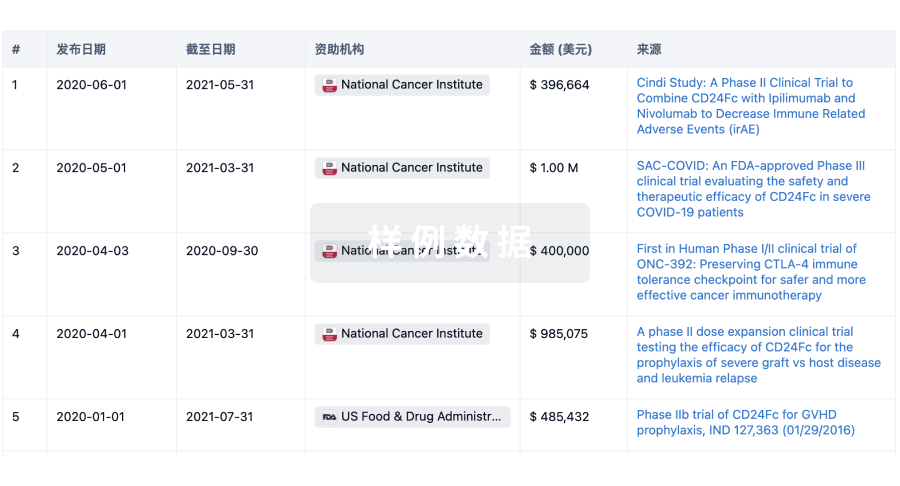
科研基金(NIH)
访问超过 200 万项资助和基金信息,以提升您的研究之旅。
登录
或
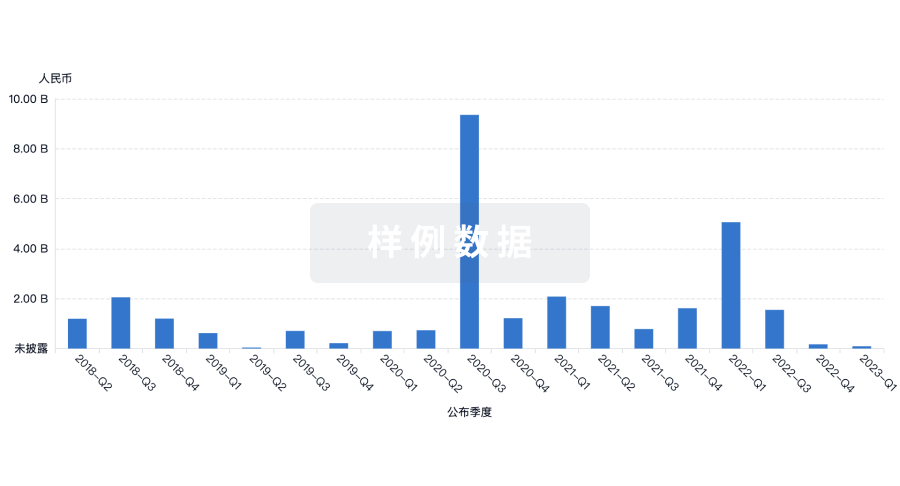
投资
深入了解从初创企业到成熟企业的最新公司投资动态。
登录
或
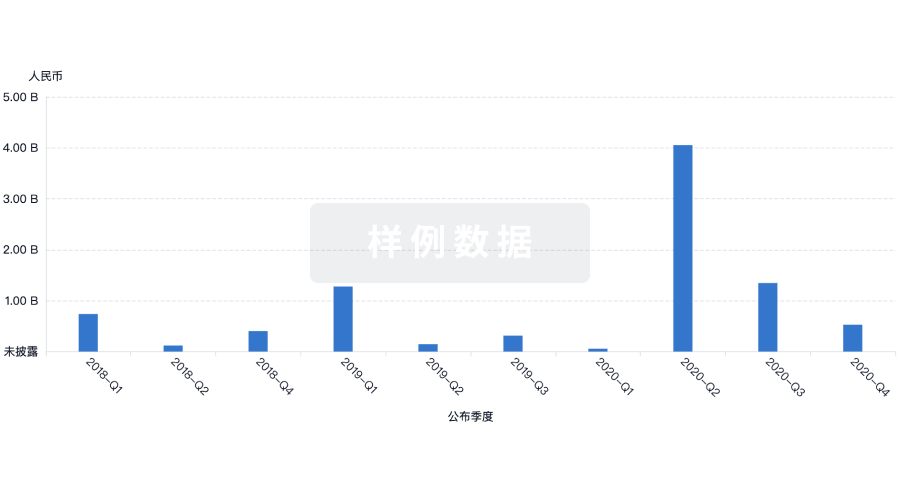
融资
发掘融资趋势以验证和推进您的投资机会。
登录
或
生物医药百科问答
全新生物医药AI Agent 覆盖科研全链路,让突破性发现快人一步
立即开始免费试用!
智慧芽新药情报库是智慧芽专为生命科学人士构建的基于AI的创新药情报平台,助您全方位提升您的研发与决策效率。
立即开始数据试用!
智慧芽新药库数据也通过智慧芽数据服务平台,以API或者数据包形式对外开放,助您更加充分利用智慧芽新药情报信息。
生物序列数据库
生物药研发创新
免费使用
化学结构数据库
小分子化药研发创新
免费使用