预约演示
更新于:2026-05-23

Korea Health Industry Development Institute
更新于:2026-05-23
概览
关联
NCT07529574
A Prospective, Multicenter, Randomized, Single-Blind, Exploratory Clinical Trial to Validate the Efficacy and Safety and Predict Treatment Response of a Theta Burst Stimulation Protocol of Repetitive Transcranial Magnetic Stimulation in Treatment-Resistant Depression

NCT06637943
Comparison of Time Taken for Diagnosing Intraoperative Coagulopathies: Point-of-care Viscoelastic Tests vs Standard Central Laboratory Tests

NCT07395752
Development and Biological Efficacy Validation of Youth Suicide and Self-Harm Intervention Program

100 项与 Korea Health Industry Development Institute 相关的临床结果
登录后查看更多信息
登录后查看更多信息
2026-01-01Drug information journal
Sales Erosion of Originator Drugs Following Generic Entry: Quantitative Analysis and Predictive Modeling
Article
作者: Lee, Sang-Won ; Jung, Soon Kyu
INTRODUCTION:
Generic drug entry into the pharmaceutical market typically leads to a substantial decline in originator sales. Understanding the extent and trajectory of this erosion is essential for effective lifecycle management and strategic planning. This study quantified sales erosion after generic entry for originator drugs approved in the United States between 2010 and 2019 and developed a model to predict year-specific sales retention based on key product- and market-level characteristics.
METHODS:
A total of 140 originator drugs were analyzed using FDA approval records and sales data from Evaluate Pharma. Five-year retention patterns were modeled using a three-parameter exponential decay function. Subgroup analyses were conducted by year of generic entry, therapeutic class, and product-specific features. A polynomial regression model using 700 product-year observations incorporated three binary market indicators and linear and quadratic time terms.
RESULTS:
Sales retention declined from 73.1% in the first year after generic entry to 31.7% by year five. The exponential decay model demonstrated a strong goodness-of-fit (root mean squared error [RMSE] = 0.006), capturing the initial steep decline and subsequent stabilization. Subgroup analyses showed faster erosion for blockbuster drugs and in markets with multiple first-generation generics. The regression model explained 96.4% of annual variation in retention (RMSE = 0.033), accounting for product and market heterogeneity.
CONCLUSION:
Sales decline after generic entry follows a predictable yet heterogeneous trajectory shaped by product and market factors. Exponential decay and polynomial regression models together offer a robust framework for forecasting sales retention and guiding strategic decisions in the pharmaceutical industry.
2025-12-31Women's health nursing (Seoul, Korea)
Maternal depression over 7 years postpartum: trajectories and multidimensional predictors in a longitudinal cohort study
Article
作者: Yang, Jae Eun ; Kim, Ah Rim
Purpose: Maternal depression can persist beyond the immediate postpartum period and can adversely affect maternal functioning and child development. However, evidence describing long-term trajectories and multidimensional predictors remains limited. This study investigated the 7-year trajectory of maternal depressive symptoms from childbirth to when the child reached 6 years of age and identified significant predictors across child, maternal, and family domains.Methods: In total, 1,030 mothers from the Panel Study on Korean Children were included. Depressive symptoms were assessed at postpartum years 1, 3, 5, and 7 using the Kessler Depression Scale. Latent growth modeling was used to examine symptom trajectories, and logistic regression analyses were conducted to identify predictors of depressive-symptom risk.Results: Overall, 55.6% of mothers experienced at least one episode of mild-to-moderate or severe depressive symptoms. Among at-risk mothers, depressive symptoms demonstrated a slight upward trajectory with significant individual variability (linear model fit: χ²=12.65, root mean square error of approximation=.052, comparative fit index=.961). Significant predictors included preterm or low-birth-weight delivery (odds ratio [OR]=2.29), prenatal depression (OR=2.61), postpartum depression at 1 month (OR=3.41), high parenting stress (OR=1.63), low self-esteem (OR=2.33), and marital conflict (OR=2.02). Higher educational attainment emerged as a protective factor (OR=0.59).Conclusion: These findings demonstrate the persistence of maternal depressive symptoms and highlight key predictors for promptly identifying mothers at elevated risk. Integrating routine longitudinal screening with interventions targeting maternal stress, self-esteem, and family functioning may be critical for mitigating long-term depressive trajectories. Family-centered approaches, including partner involvement and conflict-management strategies, appear essential for improving maternal mental health and promoting healthier developmental environments for children.
2025-12-01Materials Today Bio
Y-shaped trivalent aptamer for targeted visualization and tracking of reprogrammed astrocytes
Article
作者: Kim, Young-Pil ; Park, Chang-Hwan ; Lee, Eun-Hye ; Lee, Yeonju ; Oh, Bohyun ; Lee, Hong-Gyun ; Lee, Jin-Sam ; Lee, Eun-Song ; Jeong, Hyobin ; Kim, Kyung-Min
Despite extensive research into the diverse transformations and functions of astrocytes, conventional fluorescence immunohistochemistry for their distinct identification remains challenging and time-consuming, primarily due to the lack of cell surface binders specific to these glial cells. To address this limitation, we developed a specific and straightforward imaging strategy for primary astrocytes using cell surface-targeting aptamers. We identified a novel anti-astrocyte DNA aptamer (designated Ast17-30) through a 17-round cell-SELEX process incorporating magnetic-activated cell sorting, designed to bypass the technical hurdles of SELEX when applied to short-lived cells. To enhance binding affinity, we further engineered this aptamer into a Y-shaped trimer (Tri-ΔAst17-30), enabling clear discrimination between astrocytes and neurons. Consequently, the engineered trivalent aptamer facilitated rapid astrocyte-specific endocytosis within minutes due to its increased binding avidity. This capability enabled longitudinal monitoring of astrocyte conversion into induced neural precursor cells, observing moderate pro-inflammatory gene expression in their transcriptomic profiles. Furthermore, Tri-ΔAst17-30 bound strongly to astrocytic glioblastoma cells (U87MG), with minimal binding to glial glioblastoma cells (C6), confirming specificity for astrocytic tumor cells. Given the current absence of reliable live-astrocyte-specific imaging techniques, we propose that this trivalent anti-astrocyte DNA aptamer has potential for investigating developmental pathways and targeted therapy of these crucial glial cells.
100 项与 Korea Health Industry Development Institute 相关的药物交易
登录后查看更多信息
100 项与 Korea Health Industry Development Institute 相关的转化医学
登录后查看更多信息
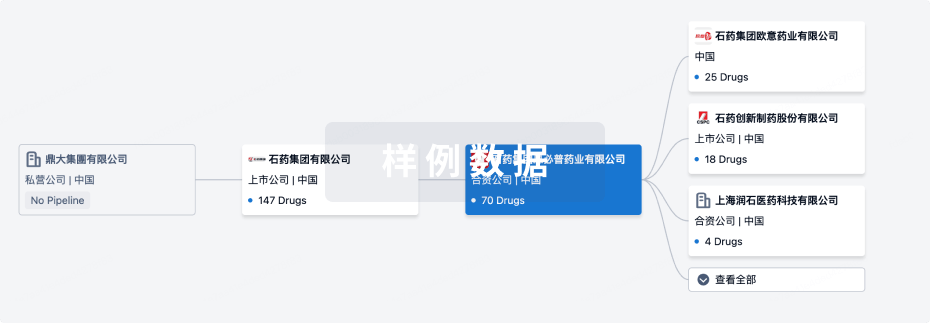
组织架构
使用我们的机构树数据加速您的研究。
登录
或
管线布局
2026年10月11日管线快照
管线布局中药物为当前组织机构及其子机构作为药物机构进行统计,早期临床1期并入临床1期,临床1/2期并入临床2期,临床2/3期并入临床3期
其他
2
登录后查看更多信息
当前项目
登录后查看更多信息
药物交易
使用我们的药物交易数据加速您的研究。
登录
或

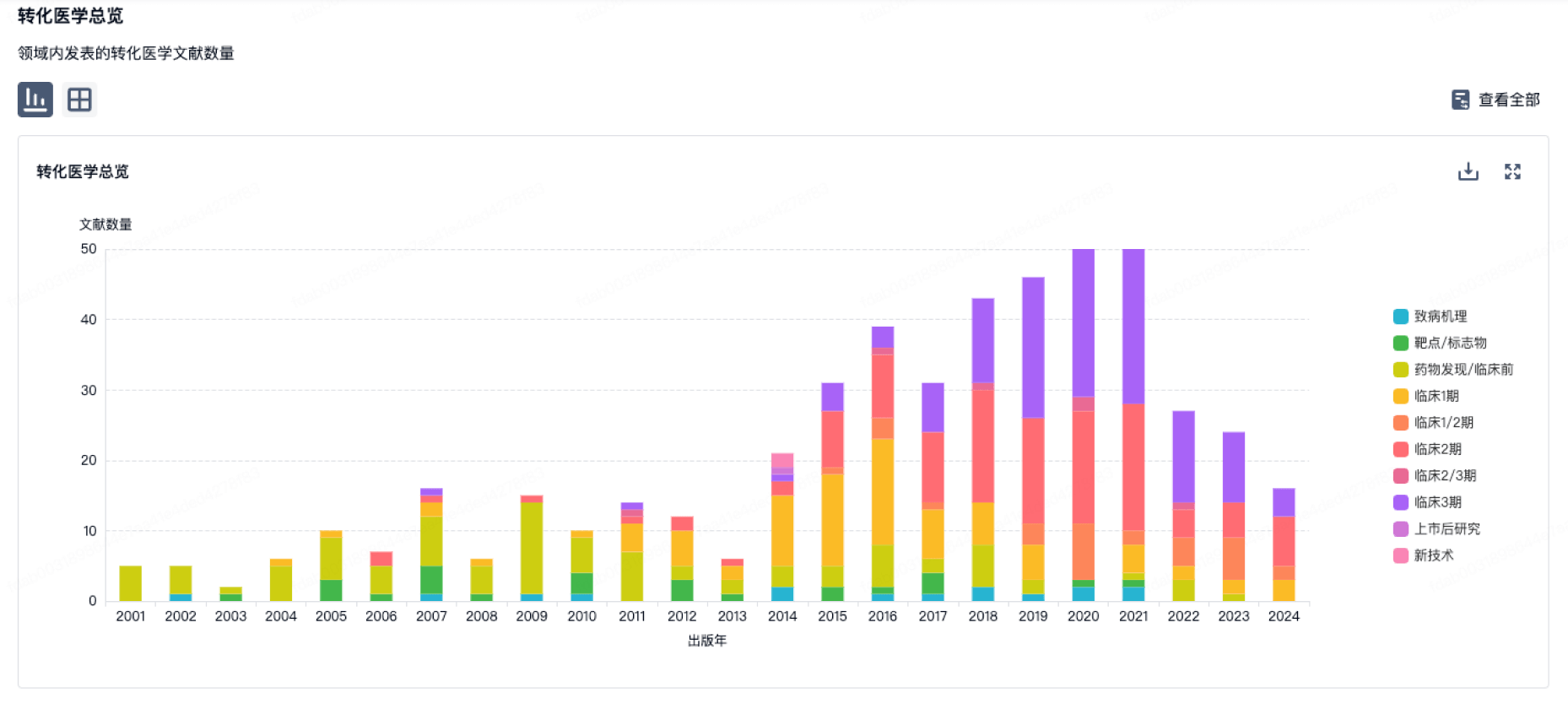
转化医学
使用我们的转化医学数据加速您的研究。
登录
或
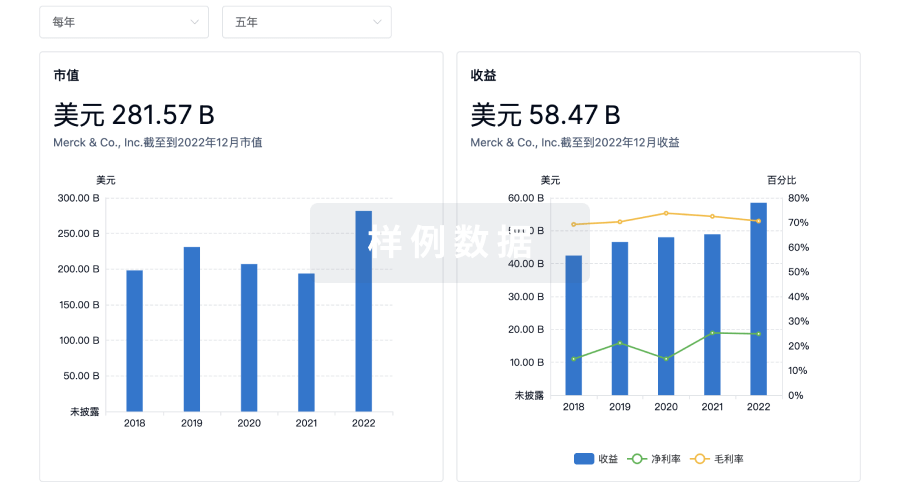
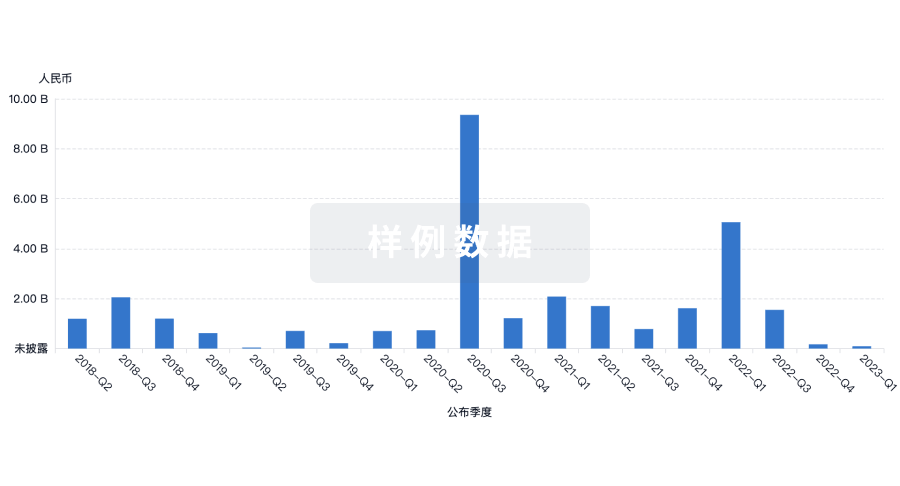
营收
使用 Synapse 探索超过 36 万个组织的财务状况。
登录
或
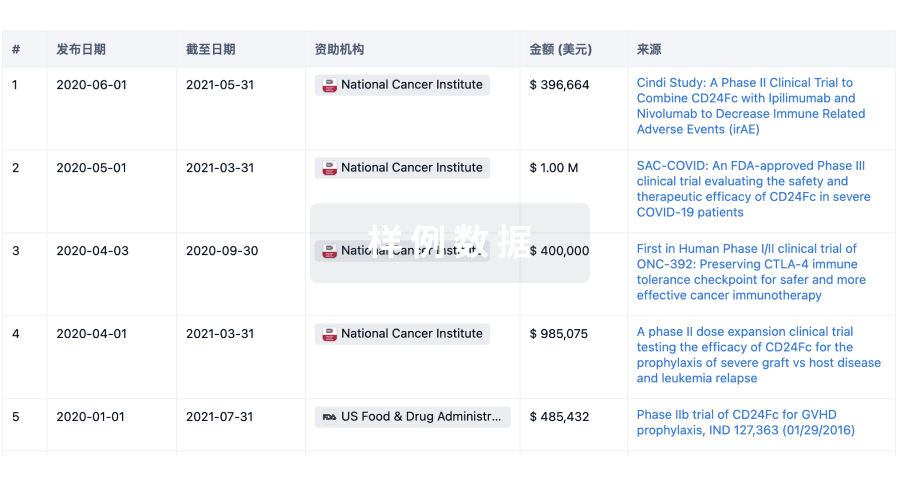
科研基金(NIH)
访问超过 200 万项资助和基金信息,以提升您的研究之旅。
登录
或
投资
深入了解从初创企业到成熟企业的最新公司投资动态。
登录
或
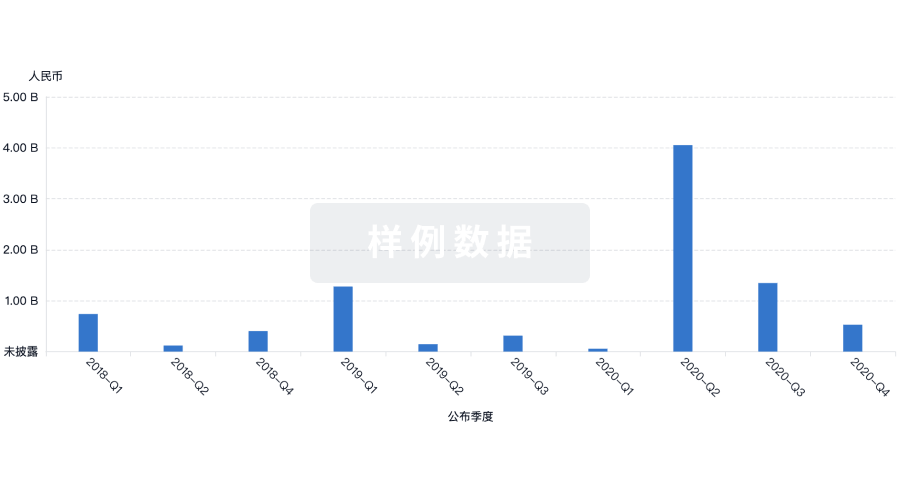
融资
发掘融资趋势以验证和推进您的投资机会。
登录
或
提出任何生物医药研究问题
让每一步生物医药决策都精准制胜
基于十亿级生物数据与全球情报的精准 AI,赋能早期药物发现
立即开始免费试用!
智慧芽新药情报库是智慧芽专为生命科学人士构建的基于AI的创新药情报平台,助您全方位提升您的研发与决策效率。
立即接入生物医药数据包
智慧芽新药库数据也通过智慧芽开放平台,以MCP或API服务形式对外开放。立即使用我们的MCP服务定制您的LLM智能体。
生物序列数据库
生物药研发创新
免费使用
化学结构数据库
小分子化药研发创新
免费使用