预约演示
更新于:2026-01-21

Qingdao Single-Cell Biotech Co., Ltd.
更新于:2026-01-21
概览
关联
100 项与 青岛星赛生物科技有限公司 相关的临床结果
登录后查看更多信息
0 项与 青岛星赛生物科技有限公司 相关的专利(医药)
登录后查看更多信息
1
项与 青岛星赛生物科技有限公司 相关的文献(医药)2025-12-01·SPECTROCHIMICA ACTA PART A-MOLECULAR AND BIOMOLECULAR SPECTROSCOPY
Rapid profiling of between-species metabolic interactions in cocultures by D2O‑probed single-cell Raman microspectroscopy
Article
作者: Fang, Yang ; Ma, Bo ; Wang, Jianmei ; Zhang, Lei ; Ji, Yuetong ; Zhang, Jia ; Xu, Jian ; Chen, Rongze ; Zhao, Xuechao
Metabolic interaction is a fundamental feature of co-existing microbial populations, yet current detection methods are usually slow and tedious, due to the inability to rapidly reconstruct population structure and profile species-resolved metabolic states in cocultures. Here we propose a D2O-probed single-cell Raman spectra (SCRS) based approach, and use it to probe the interactions between two co-inhabiting, closely related oral Streptococcus species of S. mutans (Sm; a cariogenic pathogen) and S. sanguinis (Ss; a symbiont) at single-cell resolution. Monocultures of each species reveal that D2O incubation enhances SCRS' ability to distinguish both between species and among growth phases. Thus, using a reference ramanome database of 14,650 cells from Sm and Ss monocultures, each under two conditions (50 % D2O and H2O) and at six time points, species plus metabolic state can be predicted with 99.7 % accuracy from a monoculture-derived SCRS under 50 % D2O, and this is further validated by mock two-species mixtures. Therefore, by temporally resolving both species and metabolic states (i.e., growth phases) via SCRS, cocultured Sm (cSm) and cocultured Ss (cSs) exhibit opposite patterns of oscillation in abundances; however, cSm grows slower than Sm, with cSs being the opposite. Moreover, for both cSm and cSs, within-population metabolic heterogeneity temporally increases. The coculture promotes nucleic acid and protein synthesis in cSm while suppresses them in cSs, and shows opposite effects in C-D bond (suppressed in cSm and promoted in cSs) and concurrent C-H bond reduction in both strains. Therefore, due to its ability to rapidly and label-freely profile both species and metabolic state at single-cell precision, this approach can be a valuable tool to study species interactions.
21
项与 青岛星赛生物科技有限公司 相关的新闻(医药)2026-01-21
·医药健闻
全球医疗行业每日重点资讯
文 | 苏丁
企业动态
葛兰素史克已同RAPT Therapeutics达成最终收购协议。RAPT是一家位于美国加州的临床阶段生物制药公司,致力于为患有炎症和免疫疾病的患者开发新型疗法。根据协议条款,葛兰素史克将在交易结束时向RAPT股东支付每股58.00美元,预计总权益价值为22亿美元。扣除收购的现金后,葛兰素史克的预计前期投资额为19亿美元。此次收购涵盖了ozureprubart,这是一种长效抗免疫球蛋白E (IgE) 单克隆抗体。葛兰素史克将获得ozureprubart项目的全球权利(不包括中国大陆、中国台湾省、中国澳门和中国香港)。
日本盐野义制药株式会社宣布,将以21.3亿美元认购艾滋病药物研发企业ViiV医疗(ViiV Healthcare)的新股。此次交易中,辉瑞将剥离其持有的ViiV医疗11.7%股份,盐野义在该公司的持股比例将由此提升至21.7%。ViiV医疗是盐野义与英国制药企业葛兰素史克(GSK)的合资公司。辉瑞将凭借其持有的11.7%股份获得18.8亿美元对价;在ViiV医疗注销辉瑞所持股份的同时,GSK将获得2.5亿美元特别股息。交易完成后,GSK仍将持有ViiV医疗78.3%的多数股权。
阿斯利康宣布将自愿从纳斯达克退市,计划在纽交所完成其普通股和债券直接上市,普通股股票代码不变。声明称,阿斯利康普通股和债券预计将于2月2日起在纽交所开始交易。
罗氏将其对基因泰克部门未来设施的总投入金额增加到约20亿美元,超过一倍。基因泰克工厂正在北卡罗来纳州霍利斯普林斯建设,去年五月宣布时已获得超过7亿美元的投资支持。基因泰克将在该厂区扩建更多制造产能,并大幅提升工厂产量。该工厂预计将于2029年投产,并将生产针对肥胖等代谢疾病的下一代治疗药物。该工厂也将成为基因泰克在美国东海岸的首个生产设施。
Orca Bio宣布,已完成由Lightspeed Venture Partners领投的F轮融资。凭借此前两轮融资共计2.5亿美元的新股权资本,以及硅谷银行于2025年修订的高达1亿美元的额外流动资金,Orca Bio拥有了足够的财务实力来扩大其商业运营规模并推进其临床研发管线。
青岛星赛生物科技有限公司宣布完成近亿元人民币新一轮融资。本轮融资由中科育成投资、浙商资本、山东财金资本共同投资。本轮融资将围绕“技术深度融合、智能生态构建、全球市场拓展”三大战略方向,全面推动星赛生物从“关键技术突破与产品化”阶段迈向“仪器人工智能化、产业生态系统化、应用全球联网化”的新征程。
新桥生物宣布,其执行董事长傅唯已从1月15日在公开市场交易中增持至多500万美元的公司美国存托股票,购买计划仍在稳步推进中。就在该增持计划启动前不久,新桥生物刚刚公布了其核心管线Givastomig联合O药及化疗治疗一线胃癌的Ib期剂量扩展数据,展示出胃癌治疗同类最优CLDN18.2靶向疗法的潜力。
南京华伟医疗设备有限公司全资子公司——华伟智脑康联科技有限公司正式落地栖霞,聚焦脑机接口技术在神经康复领域的创新应用与产业化。华伟智脑康联将启动大规模研发投入计划,未来5年研发总投入预计超1.5亿元,其中涵盖超百人核心研发团队薪酬、多模态生物信号采集设备采购、临床验证平台升级等关键领域。
百汇医疗(长宁古北)门诊部搬迁至黄金城道,并于1月16日举办开业仪式。门诊部支持超过60家国际保险直付。其服务范围涵盖全科、内科、儿科、眼科、耳鼻咽喉科、健康管理、骨科、康复科、中医科、皮肤科与精神科等特色专科,并配备独立化验室、药房及放射影像中心。
产业动态
诺瓦瓦克斯(Novavax)已与辉瑞(Pfizer)签署一项疫苗研发相关的授权协议。辉瑞将获得诺瓦瓦克斯旗下Matrix-M佐剂的使用权。该佐剂的作用是增强疫苗的免疫应答效果。辉瑞将拥有所有含该佐剂产品的研发、生产和商业化相关事务的控制权,仅产品的配送与供应环节不在其掌控范围内。诺瓦瓦克斯将在2026年第一季度获得3000万美元的预付款。同时,该公司还有资格获取最高5亿美元的里程碑付款。
强生与Isomorphic Labs达成一项多靶点药物研发合作,旨在结合前者的人工智能药物发现方法与强生的药物开发经验,共同推进多个研发项目。Isomorphic Labs将负责计算机模拟预测与分子设计工作,强生则负责实验验证及项目后续推进。本次合作将充分利用其跨治疗模式的药物发现能力。
CDE官网显示,武田在国内递交了1类新药奥博雷通片的上市申请。该产品此前已经被CDE纳入突破性治疗品种,针对1型发作性睡病(NT1)适应症。
CDE官网显示,百利天恒1类新药注射用BL-B01D1新适应症上市申请获受理,用于既往经PD-1/PD-L1单抗联合含铂化疗治疗失败的复发性或转移性食管鳞癌患者。2023年12月,百利天恒与BMS达成合作,BL-B01D1在中国由百利天恒独家开发。
礼来宣布,其在研抗体偶联药物sofetabart mipitecan获得FDA突破性疗法认定,用于治疗特定条件的铂耐药性卵巢癌等患者。该药物是一款靶向叶酸受体α的新型ADC。
心脉医疗的Talos/通天眼直管型胸主动脉覆膜支架系统获得欧盟CE MDR认证。目前,心脉医疗共有6款产品获得欧盟CE 认证,公司全球化布局持续加深。
联系美通社
+86-10-5953 9500
info@prnasia.com
2026-01-20
·生物谷
1. 阿斯利康宣布自愿纳斯达克退市,转板纽交所
1月20日,阿斯利康宣布将自愿从纳斯达克股票市场有限责任公司退市其美国存托股票(ADS)及其由公司或其全资子公司发行、并由公司提供担保的债务证券。
同时,阿斯利康计划将其普通股及债务证券转移至纽约证券交易所进行直接上市。此项变更预计将于2026年1月30日收盘后正式生效。该直接上市计划已获得公司股东批准。
阿斯利康的普通股及债务证券将于2026年2月2日(星期一)起在纽约证券交易所开始交易。交易代码不变,仍为“AZN”。
调整完成后,阿斯利康股票将实现伦敦证券交易所、斯德哥尔摩纳斯达克交易所与纽约证券交易所三地互联互通,投资者可在三大市场直接交易普通股,无需通过存托凭证转换。
2. 首次制定发布,中医体质分类与判定有了国家标准
近日,市场监管总局批准发布《中医体质分类与判定》(GB/T 46939—2025)推荐性国家标准,4月1日起实施。该标准由国家中医药管理局组织起草,具有三大特点:一是应用场景全域覆盖,适用于医疗、公共卫生等多领域;二是体质特征循证革新,依据2009-2024年最新研究结果,对9种中医体质特征表述更新;三是确定体质辨识方法,通过选取代表不同体质的典型体感问题并匹配等级计分算法,形成标准化判定方法。该标准发布实施,标志着中医体质学走向更加规范化、标准化的发展新阶段,为提升全民健康素养、优化健康服务模式提供有力支撑。
3. 40万元!深圳儿童医院拟转让4项干细胞外泌体工程化技术
近日,深圳市儿童医院发布科技成果转化公示,拟将医院持有的四项生物医药及医美领域核心专利进行打包转让,受让方为深圳思德母细胞科学有限公司,转让费用为固定费用40万元。该系列专利涵盖了1项实用新型专利及3项发明专利,聚焦于间充质干细胞(MSCs)及其外泌体(sEVs)的工程化改造与规模化制备。
这一成果转化标志着医院在干细胞非细胞治疗领域取得了重要突破。团队研发了一套从源头细胞质控到下游工程化应用的全链条技术体系:通过独创的“混合动态培养”技术,成功制备出功能均一性高、批次差异小的间充质干细胞外泌体,一举攻克了外泌体工业化制备中面临的“异质性”难题。同时,结合内源性装载与点击化学修饰技术,团队开发了针对视神经损伤(青光眼)、慢性呼吸道疾病及皮肤修复的靶向递送方案。
4. 星赛生物完成近亿元A++轮融资,凯乘资本担任独家财务顾问
2026年1月19日,青岛星赛生物科技有限公司完成近亿元人民币A++轮融资。本轮融资由中科育成投资、浙商资本、山东财金资本共同投资,凯乘资本担任独家财务顾问。本轮融资将围绕“技术深度融合、智能生态构建、全球市场拓展”三大战略方向,推动星赛生物迈向新征程。
5. 眼内手术迎来自主机器人系统,可最大限度减少医源性损伤
中国科学院自动化研究所成功研发了一款自主显微眼科手术机器人系统,该系统能够在眼内空间实现自主的视网膜下和血管内注射,显著提高眼底注射的精确性、安全性和一致性,最大限度减少医源性损伤。这一成果已验证了临床可行性,并发表于《科学·机器人》。全球已有超过22亿人视力受损或失明,由于眼睛软组织结构精细、操作空间狭小,眼内手术的手动操作难度较高。自主机器人手术系统可以提升手术安全性,缩短外科医生的学习曲线,为多种眼科疾病的治疗提供新的可能。在眼球假体、离体猪眼球及活体动物眼球的实验中,该系统均实现了100%的注射成功率,并表现出更高的安全性和精准性。这项研究不仅验证了自主机器人在显微手术中的应用可行性,还为眼内手术的智能化、精准化升级提供了新的技术路径,并在远程医疗和极端环境等复杂场景中展现出广阔的应用潜力。
6. 近期国内2家医疗企业完成大额融资,资金将用于脑机接口领域
2026年脑机接口赛道火热,国内2家医疗企业完成大额融资。其中术理创新完成1.6亿元人民币B+轮融资,投资机构为国家中小企业发展基金、东方富海等,财务顾问未提及,资金用于脑机接口技术迭代及多场景应用与产业生态搭建;浙江强脑科技有限公司完成约20亿元人民币新一轮融资,投资机构未提及,财务顾问未提及,资金用于加速脑机接口核心技术研发、极限工程突破、产品规模化及量产落地。二者融资是中国医疗企业加速布局脑机接口的表现,业内预计2026年该产业将进入商业化落地关键期。
本文仅用于学术分享,转载请注明出处。若有侵权,请联系微信:bioonSir 删除或修改!
2026-01-20
T1药讯 | 前沿新闻,一触即达
NEWS
新闻早知道
小报速递
5亿港币!英矽智能与衡泰生物就NLRP3抑制剂ISM8969达成共同开发协议
星赛生物完成近亿元A++轮融资
美奥生物完成数千万元天使轮融资
德进生物完成数千万元A轮融资
百利天恒BL-B01D1食管癌适应症申报上市,全球首款食管癌ADC药物将至
远大医药前列腺癌诊断RDC药物TLX591-CDx在华申报上市
艾迪药业HIV三联复方制剂ADC205片获临床试验批准
5亿港币!英矽智能与衡泰生物就NLRP3抑制剂ISM8969达成共同开发协议
1月20日,英矽智能宣布与深圳衡泰生物就口服NLRP3抑制剂ISM8969达成共同开发合作协议,双方各持有50%全球权益。根据协议,英矽智能将获得最高6600万美元(约5.148亿港元)的预付款及里程碑付款,其中包括1000万美元(约7800万港元)预付款,预计在协议生效后30日内支付英矽智能将主导该项目的IND申报及I期临床试验,衡泰生物负责后续全球开发及商业化。ISM8969由英矽智能AI平台赋能研发,具有穿透血脑屏障的特性,拟用于帕金森病等中枢神经系统疾病治疗。
星赛生物完成近亿元A++轮融资
近日,青岛星赛生物宣布完成近亿元人民币A++轮融资,由中科育成投资、浙商资本、山东财金资本共同投资。该公司作为活体单细胞代谢功能分析分选解决方案的全球领军企业,以自主创新的“元拉曼组技术”为核心,产品包括高通量拉曼流式细胞分选仪等高端仪器。本轮融资将用于技术深度融合、构建“拉曼智云”(RamanAI)生态系统及全球市场拓展,应用于合成生物学、工业发酵及细胞治疗等领域。
美奥生物完成数千万元天使轮融资
近日,苏州美奥生物宣布完成数千万元天使轮融资,由拾萃资本、英诺基金、拓丰创业联合投资。该公司专注于利用黏细菌生物制剂防治瓜果枯萎病、火疫病等植物顽固病害,其平台攻克了黏细菌大规模产业化难题。产品在蝴蝶兰白绢病和梨树火疫病的田间试验中展现出显著疗效,融资将用于工艺放大、渠道拓展及更多“无药可用”疑难病害的解决方案开发。
德进生物完成数千万元A轮融资
近日,浙江德进生物宣布完成数千万元A轮融资,由弘晖基金领投。该公司专注于通过合成生物学平台开发重组肉毒毒素,其核心产品DJ-01注射剂已进入II期临床阶段,采用基因工程菌株生产以降低生物安全风险并提高纯度。融资将用于支持该产品的临床研究、符合国际GMP标准的生产基地建设及国际化布局。
百利天恒BL-B01D1食管癌适应症申报上市,全球首款食管癌ADC药物将至
1月20日,CDE官网显示百利天恒1类新药注射用BL-B01D1(伦康依隆妥单抗)新适应症上市申请获受理,用于既往经PD-1/PD-L1单抗联合含铂化疗治疗失败的复发性或转移性食管鳞癌患者。该药为全球首创EGFR/HER3双抗ADC,其食管癌III期研究(BL-B01D1-305)在预设期中分析中达到无进展生存期和总生存期显著延长的双重主要终点,成为全球首个在食管癌治疗中取得PFS和OS双阳性结果的ADC药物。若获批,BL-B01D1将填补食管癌ADC治疗领域空白。
远大医药前列腺癌诊断RDC药物TLX591-CDx在华申报上市
1月19日,远大医药宣布其用于诊断前列腺癌的创新放射性核素偶联药物(RDC)TLX591-CDx已向中国药监局提交新药上市申请(NDA)并获受理。该III期临床研究数据显示,其检测肿瘤的总体阳性预测值(PPV)达94.8%,且67.2%的患者在成像后调整了治疗方案。TLX591-CDx靶向前列腺特异性膜抗原(PSMA),远大医药通过总额2.5亿美元的协议从澳大利亚Telix公司获得其大中华区权益。
艾迪药业HIV三联复方制剂ADC205片获临床试验批准
1月19日,艾迪药业宣布其抗艾滋病2.3类改良型新药多替拉韦拉米夫定替诺福韦片(ADC205片)获国家药监局临床试验批准,用于HIV-1感染的成人和体重35kg以上儿童患者。该药为每日一次的单片复方制剂,将多替拉韦(50mg)、拉米夫定(300mg)和替诺福韦(300mg)三款已上市药物组合,其组分构成的治疗方案已被世界卫生组织等国内外权威指南列为推荐方案。该制剂旨在简化用药流程,提升患者服药依从性,并降低耐药风险。
信息来源:网络
— END —
关于仕揽 Talent One
仕揽(Talent One)是一家专注于生命科学领域中高端人才招聘及一站式人力资源整体解决方案服务商,致力于成为创业者、科学家和高管们值得信赖的伙伴。我们的团队成员充满激情和经验丰富,曾成功为国内多家知名药企寻聘C-level高管和搭建创始管理团队,擅长为制药公司输入药物早期发现、临床前研究、临床开发、药政事务、CMC开发、生产质量、BD/投资、市场销售等方向的高品质、高价值人才。未来,仕揽(T1)将坚定以客户为中心,持续为客户创造价值,为医疗大健康行业贡献一份力量招聘
抗体药物偶联物临床1期临床申请申请上市临床2期
100 项与 青岛星赛生物科技有限公司 相关的药物交易
登录后查看更多信息
100 项与 青岛星赛生物科技有限公司 相关的转化医学
登录后查看更多信息
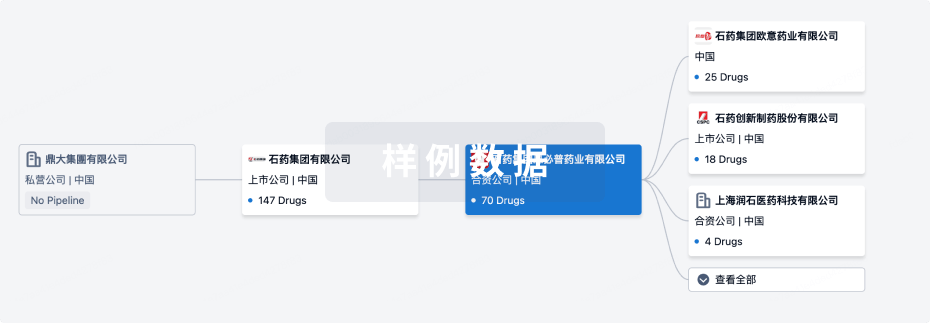
组织架构
使用我们的机构树数据加速您的研究。
登录
或
管线布局
2026年02月08日管线快照
无数据报导
登录后保持更新
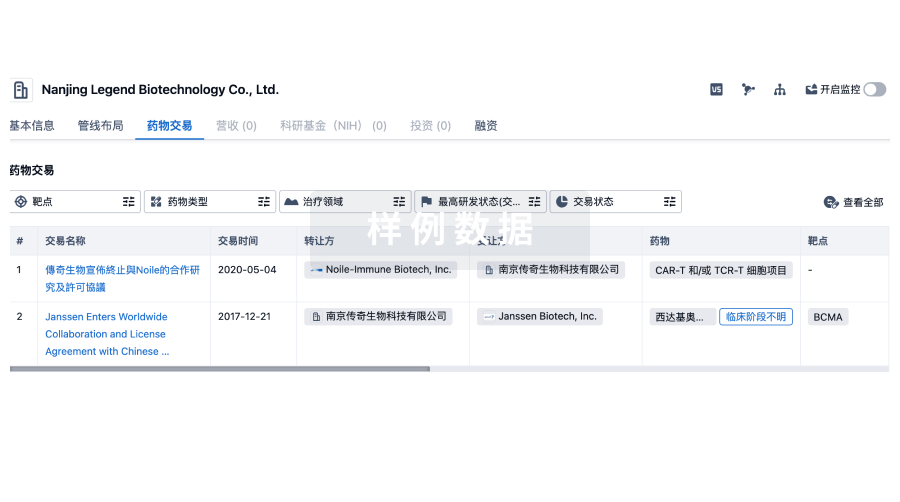
药物交易
使用我们的药物交易数据加速您的研究。
登录
或
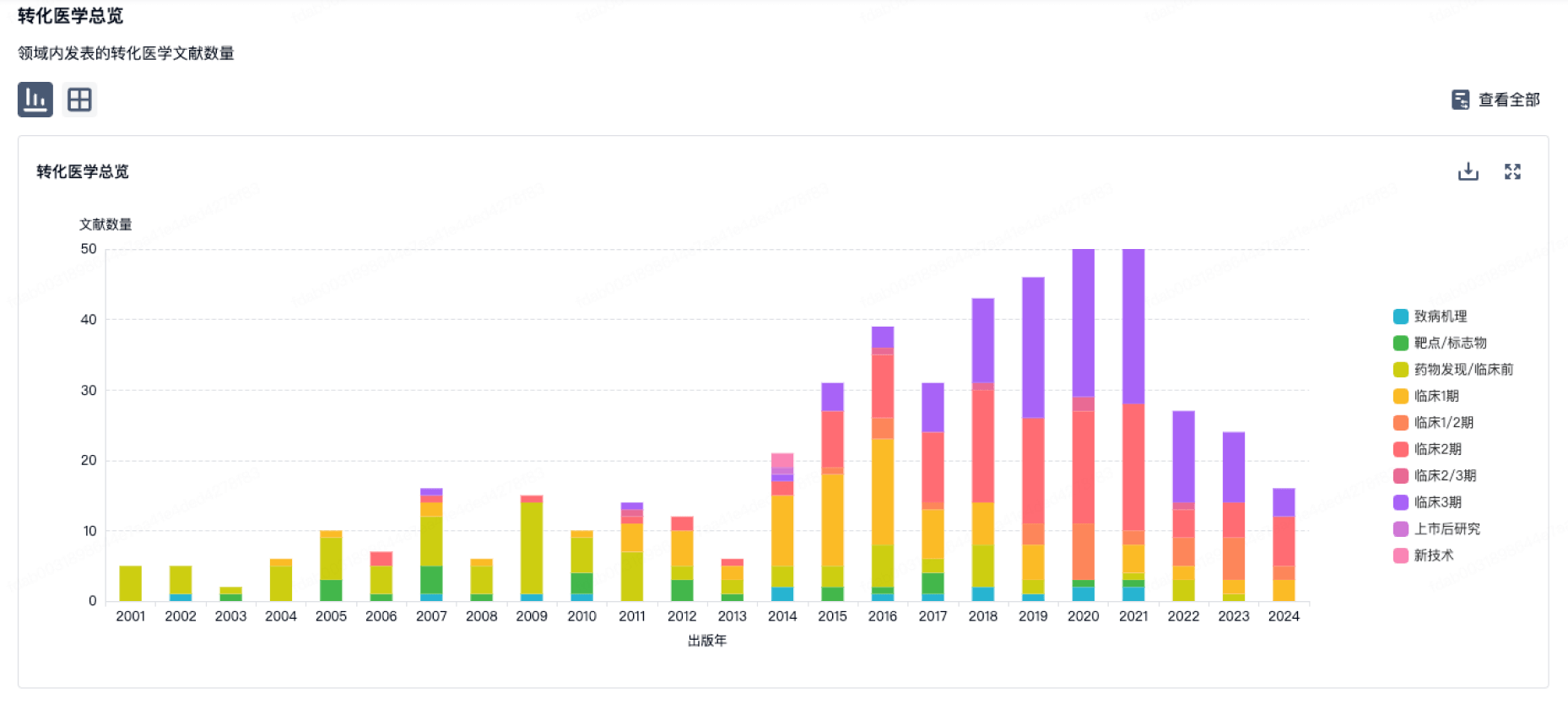
转化医学
使用我们的转化医学数据加速您的研究。
登录
或
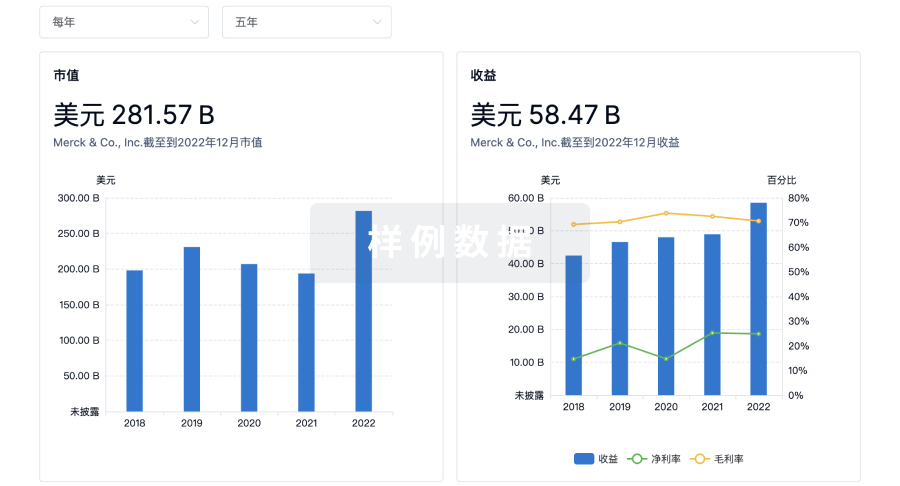
营收
使用 Synapse 探索超过 36 万个组织的财务状况。
登录
或
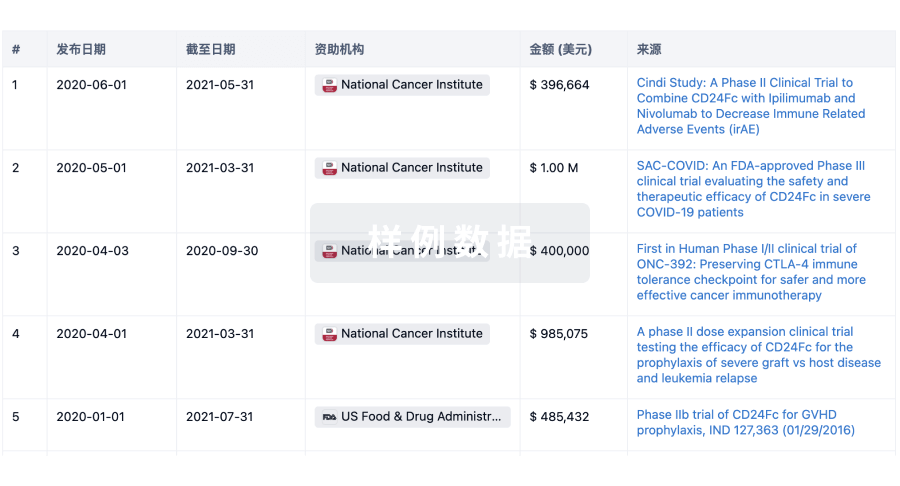
科研基金(NIH)
访问超过 200 万项资助和基金信息,以提升您的研究之旅。
登录
或
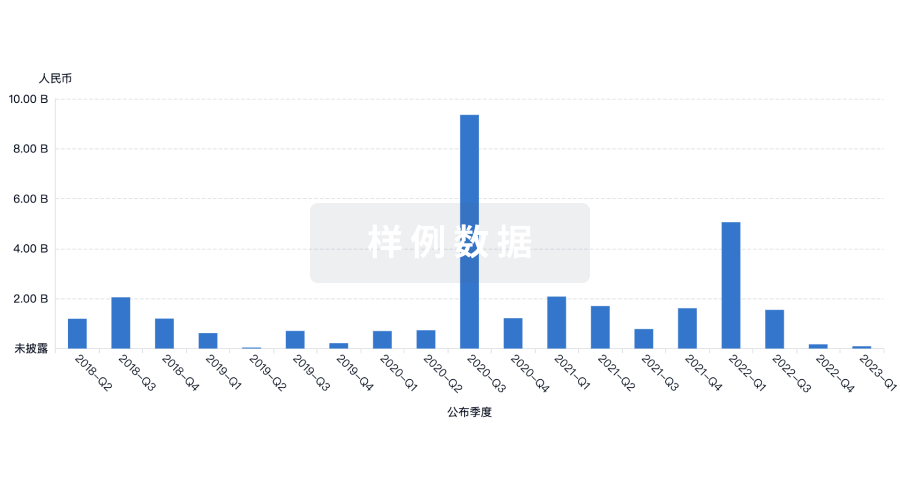
投资
深入了解从初创企业到成熟企业的最新公司投资动态。
登录
或
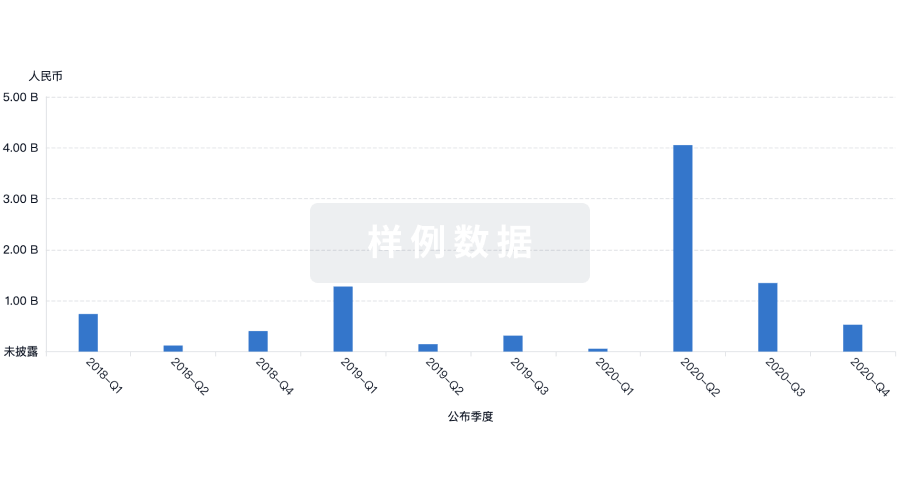
融资
发掘融资趋势以验证和推进您的投资机会。
登录
或
生物医药百科问答
全新生物医药AI Agent 覆盖科研全链路,让突破性发现快人一步
立即开始免费试用!
智慧芽新药情报库是智慧芽专为生命科学人士构建的基于AI的创新药情报平台,助您全方位提升您的研发与决策效率。
立即开始数据试用!
智慧芽新药库数据也通过智慧芽数据服务平台,以API或者数据包形式对外开放,助您更加充分利用智慧芽新药情报信息。
生物序列数据库
生物药研发创新
免费使用
化学结构数据库
小分子化药研发创新
免费使用